




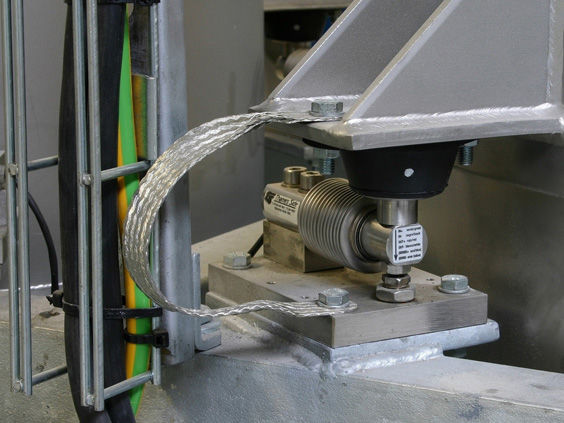
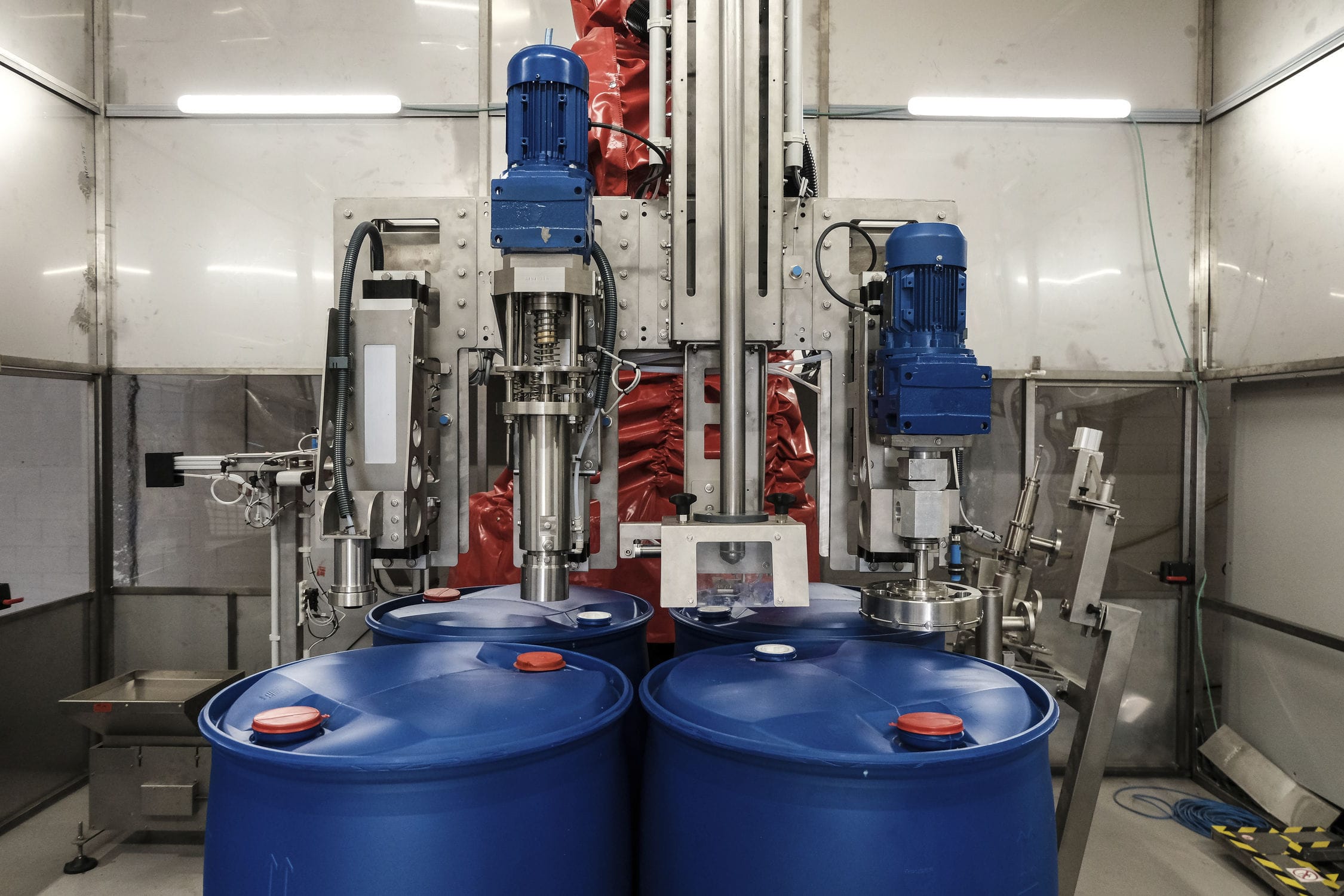
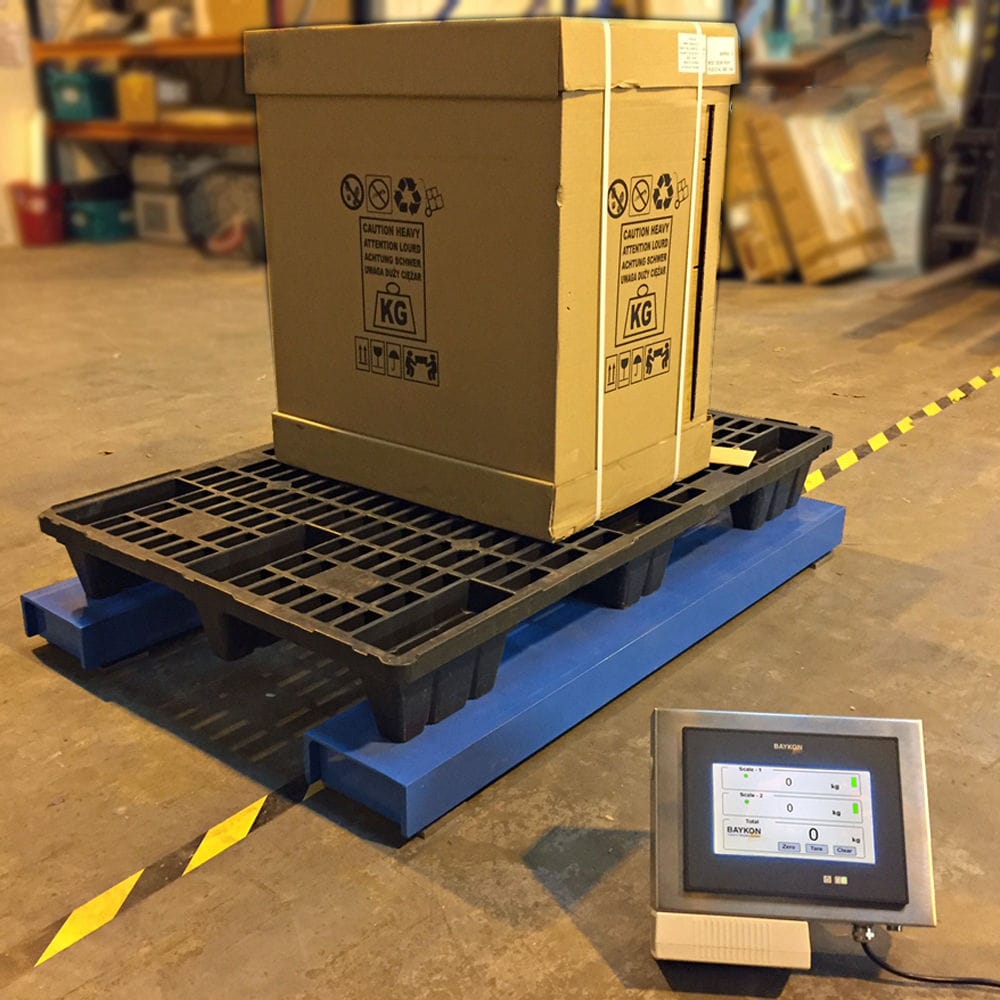


The explosion-proof liquid filling scale receives the low-pressure signal from the spray nozzle. After being amplified by the electronic scale, it outputs in two paths. One path serves as the input terminal for the PLC of the filling valve component one, and the other path is controlled by the weighing instrument to make the cylinder change its position, causing the directional valve to switch to the loading state. When the cylinder's rod chamber is filled with air and the small flow rate of filling reaches the required weight, the scale lever lifts again. The receiving nozzle then receives the control signal from the weighing instrument to make the directional valve switch to the discharging state, and the cylinder's upper chamber is pressurized. The filling valve is completely closed.


 020-34563445
The explosion-proof liquid weighing platform monitoring software is divided into three parts: the touch screen human-machine interface, the PLC control software, and the PWC programmable weighing controller settings. The touch screen program directly communicates and modifies PLC variables through RS232 to achieve functions such as data, status, storage, and display; the PLC program realizes functions such as logical judgment, data processing, and control execution; the data exchange between PLC and MC700, as well as the setting of the cumulative value of material weight measurement. By using the human-machine interface, the touch screen creates an operator panel for the equipment, configures operation parameters, and implements specific functions according to the monitoring software. Through the touch screen, real-time control of the controlled equipment can be performed, such as setting certain process parameters for filling online, adjusting the delay time and different powder material formulas, etc. Real-time graphics and numerical values are used to display the operation status of the controlled equipment and the real-time images of the status parameters on site, enabling production staff to quickly understand the main equipment operation conditions of the entire filling process.
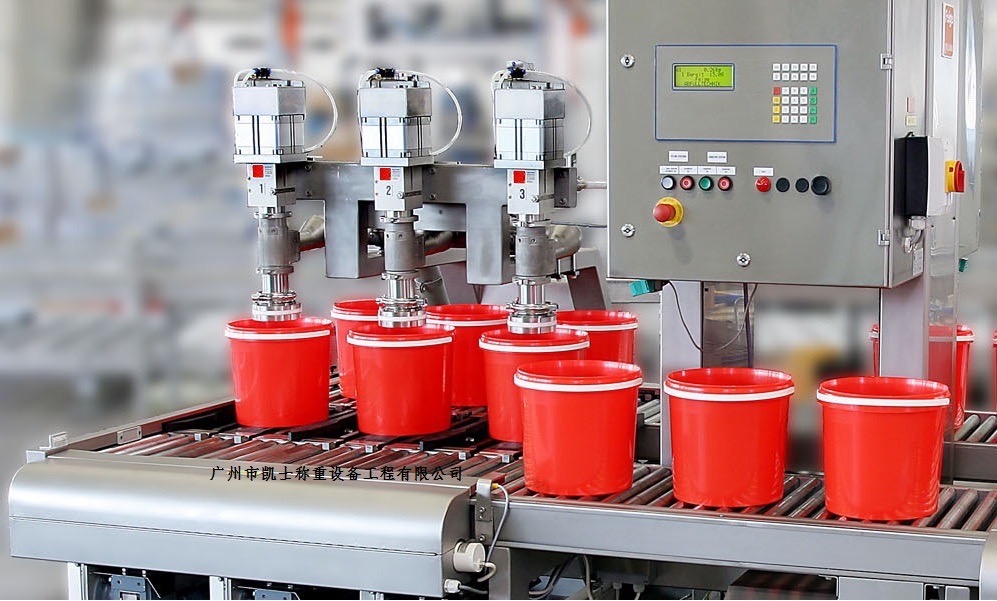
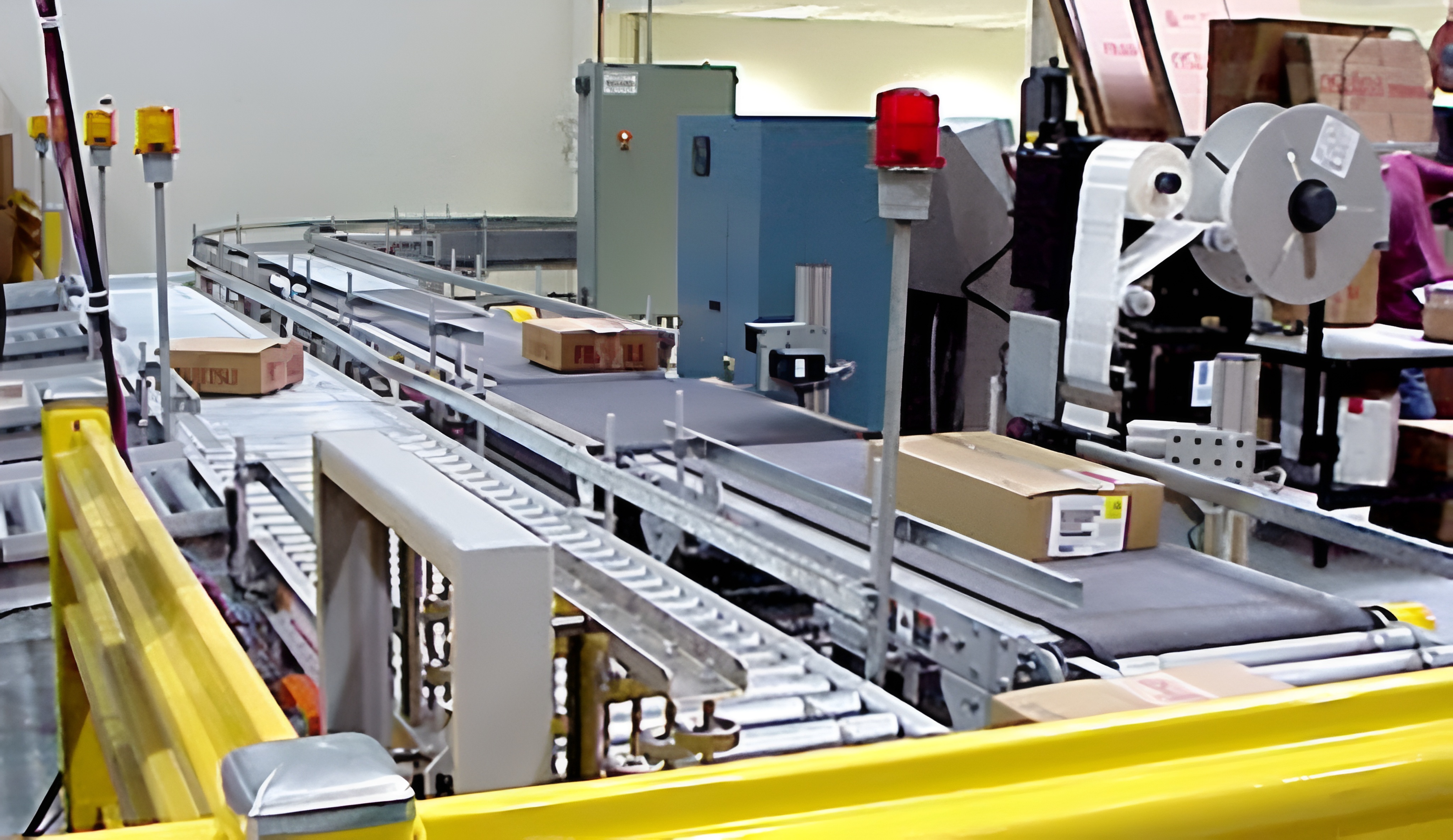
The filling Electronic scale is set with two operation modes, namely automatic and manual. In the automatic mode, after the system is started, the motor automatically starts to run and drives the conveyor belt to operate until the stop switch is activated and the motor stops running. Or when the weighing module detects that there is a bucket on the production line that has stopped and is in the filling state, the conveyor belt stops running. After the bucket is filled, the conveyor belt automatically resumes operation until it receives the next stop signal, and this cycle repeats. In the manual operation mode, the system is controlled by a switch. By turning on the switch, the system starts, the bucket reaches the filling position, and the system stops. Release the start switch and press the filling switch, then the filling action is activated, and at the same time, the timer starts working to control the filling time. When the time reaches, the filling stops. Here, press the system start switch, and the system starts the operation mode.
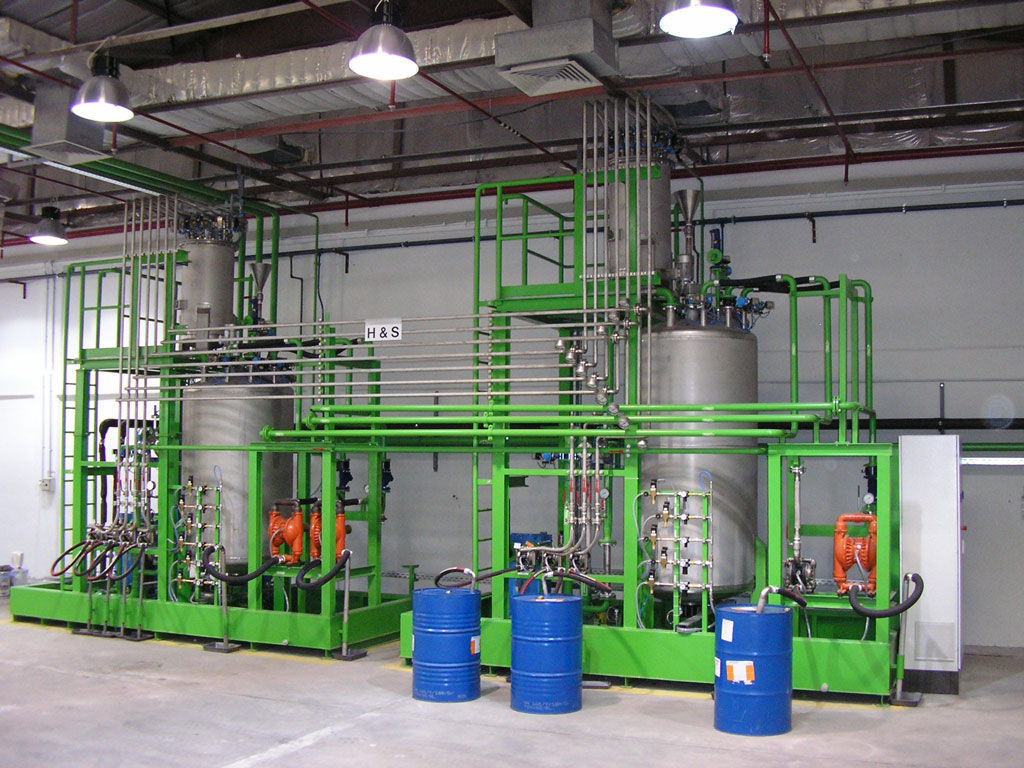
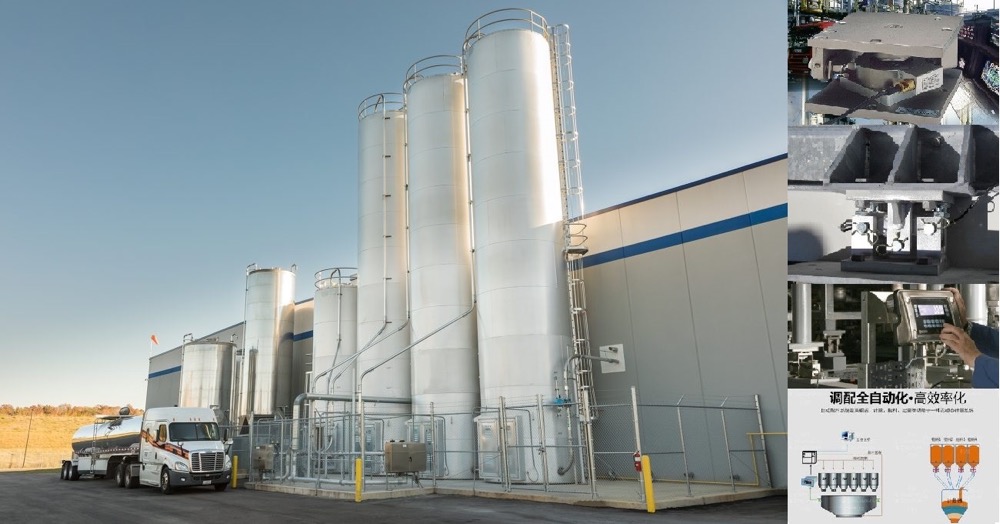
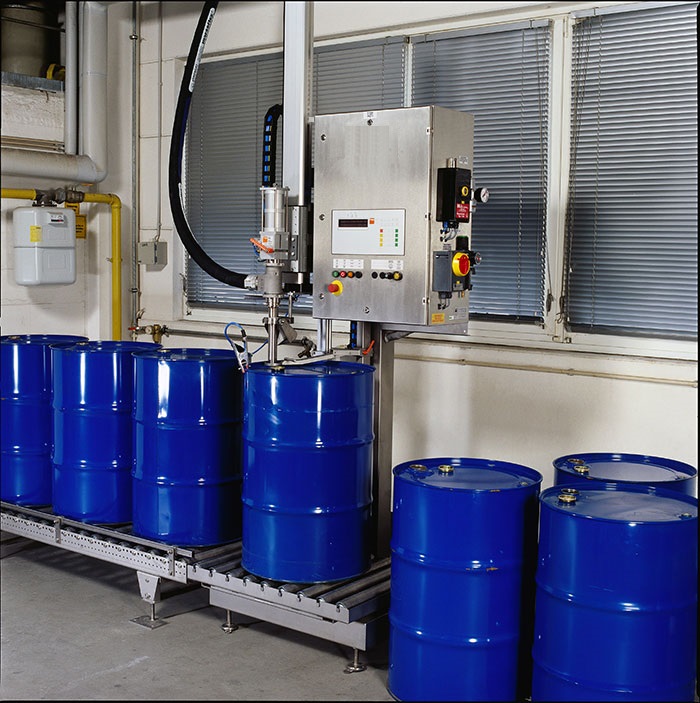
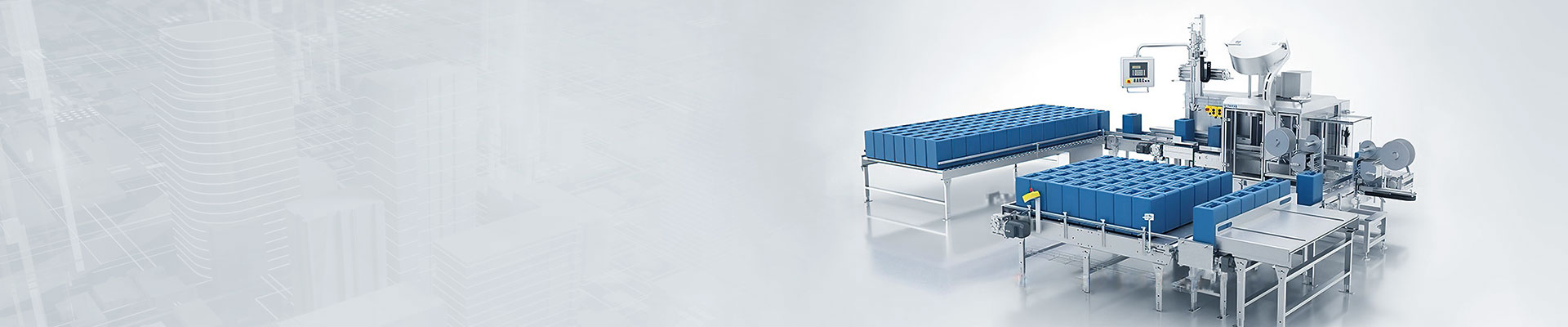
The explosion-proof scale adopts high-precision electronic weighing technology to achieve the measurement and filling of liquids, and is controlled by PLC programmable control. It mainly consists of a liquid storage tank, loading mechanism, push barrel mechanism, inlet roller conveyor, weighing mechanism, outlet roller conveyor, and control box. To improve the filling efficiency and measurement accuracy, the filling valve adopts a secondary closure. When the valve is fully open, it is in a large-flow filling state to meet the requirements for improving efficiency. When approaching the filling weight, it switches to a small-flow filling. The output causes the counterweight cylinder's piston rod to extend, allowing the cylinder to expand with the air chamber receiving air, and the filling valve is in the fully open state. At this time, large-flow filling is carried out. When the filling reaches the weight close to the required weight, the scale rod is lifted for the first time, receiving the low-pressure signal from the nozzle, which is amplified by the electronic scale and output in two paths. One path serves as the input end of the filling valve element one for storing PLC, and the other path is controlled by the weighing instrument to make the cylinder valve change direction to be in the loading state. The valve output is divided into three paths. One path makes the cylinder without the air chamber receive air, the piston rod extends to close the outlet of the filling valve, and for small-flow filling; another path makes the piston rod of the cylinder retract; and the third path makes the piston extend with a delay, and after the delay, it serves as the input signal of the filling valve. When the small-flow filling reaches the required weight, the scale rod is lifted for the second time, receiving the signal from the weighing instrument controlling the cylinder valve to change direction to the loading state, and the cylinder upper chamber is pressurized, and the filling valve is completely closed.