



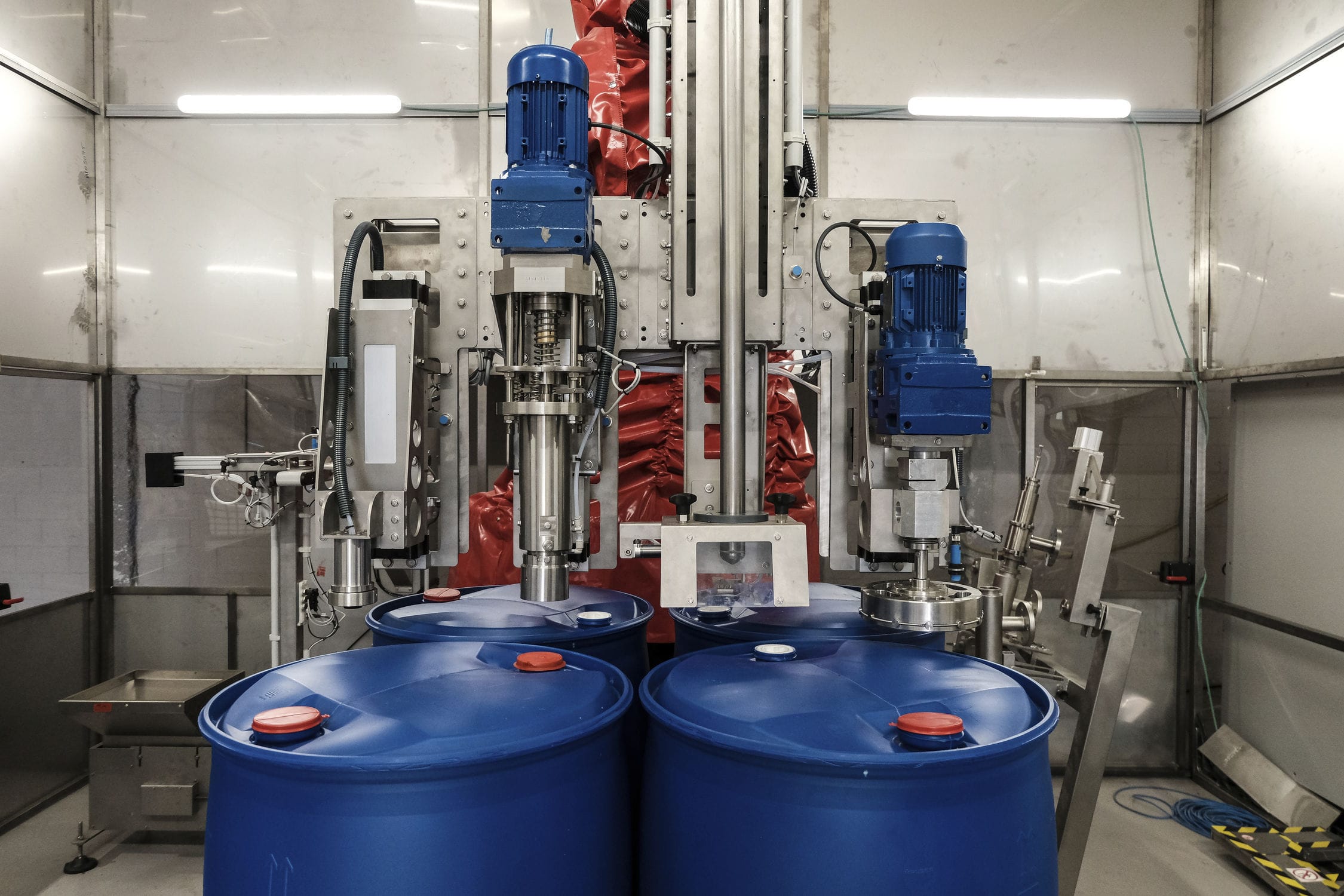
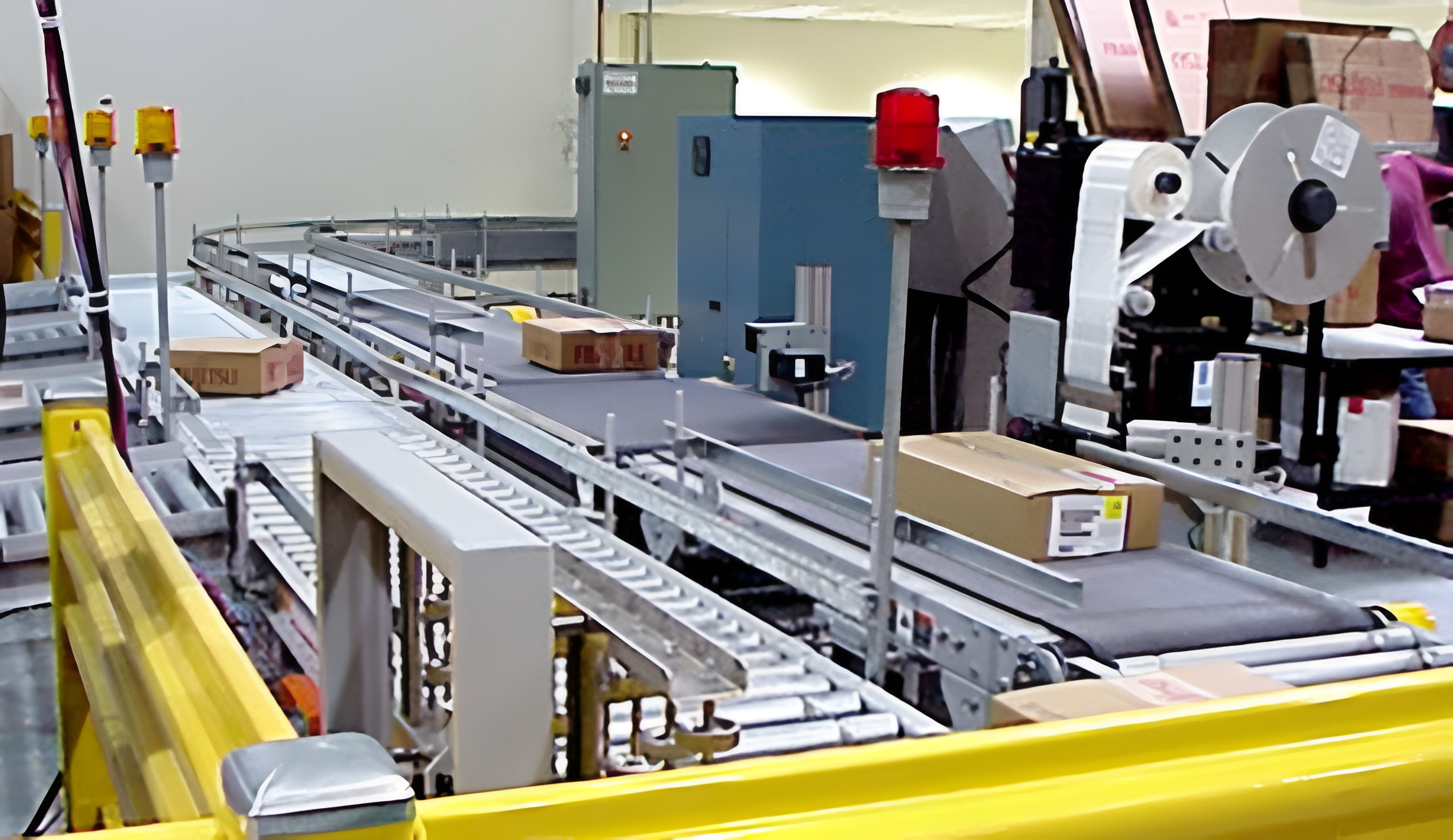


The rotary valve liquid filling machine is controlled by the inherent PID instruction module algorithm in the PLC control system through the weighing instrument. The PLC control system has a PID instruction module for closed-loop control, which appears in the form of an instruction module in PLC programming instructions. By modifying the PID parameters of the instruction module offline or online, the control of the controlled object is implemented. This control loop is a single closed-loop control loop. If the pipeline pressure, elasticity, or liquid level changes, the mass flow changes, and the signal is fed back to the PLC. The corresponding correction output is immediately generated by the PID program block in the PLC to bring the mass flow back to the set value. The mass flow of the liquid is maintained constant by adjusting the rotor pump speed.

 020-34563445
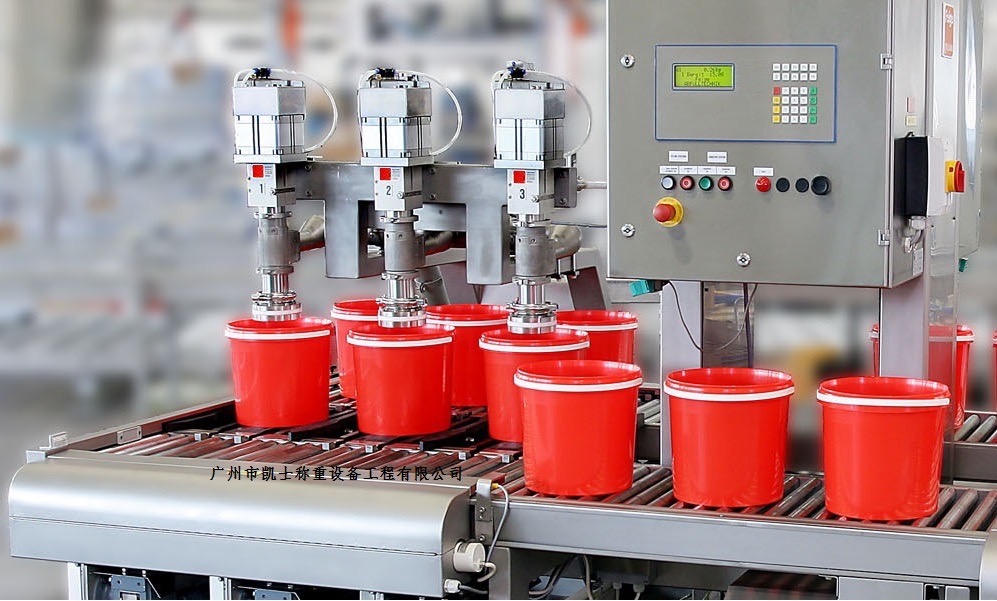
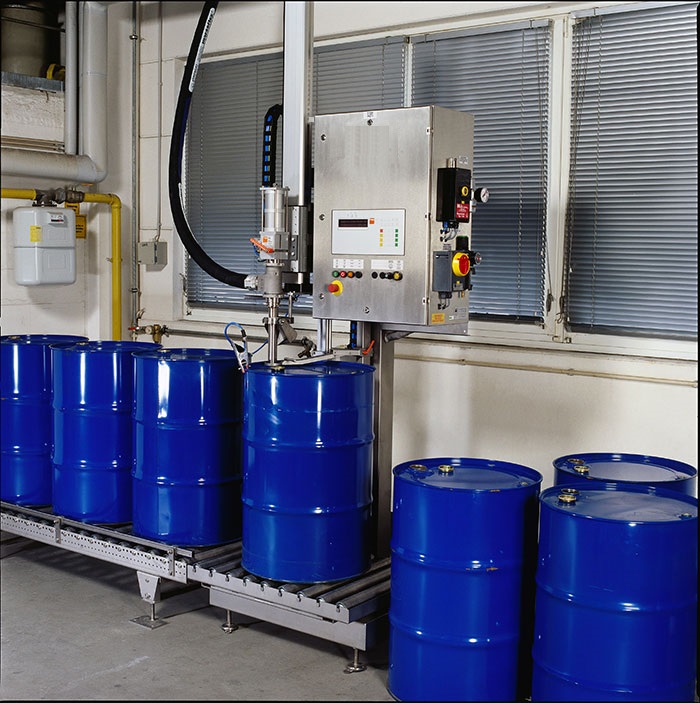
The rotary drum liquid Filling machine precisely controls the liquid filling by precisely regulating the feeding quantity. The feeding system of the filling production line consists of a lifting cylinder, a storage bin, a liquid level detection device, a filling gun, a variable-speed rotor pump, and a feeding pipe. The liquid is stored and sent to the storage bin for preservation. After entering the filling process, when the control system receives a signal indicating a low liquid level in the storage bin, the hydraulic system of the discharging device is activated to supply liquid to the storage bin. The supply stops when the liquid level detection device sends a signal indicating a high liquid level. The process repeats. The liquid in the storage bin is input to the liquid storage bin through a rotor pump via a rubber hose. The size of the feeding quantity is controlled by the pump speed in the feeding system. For different production speeds, the rotor pump speed can be manually set and adjusted.
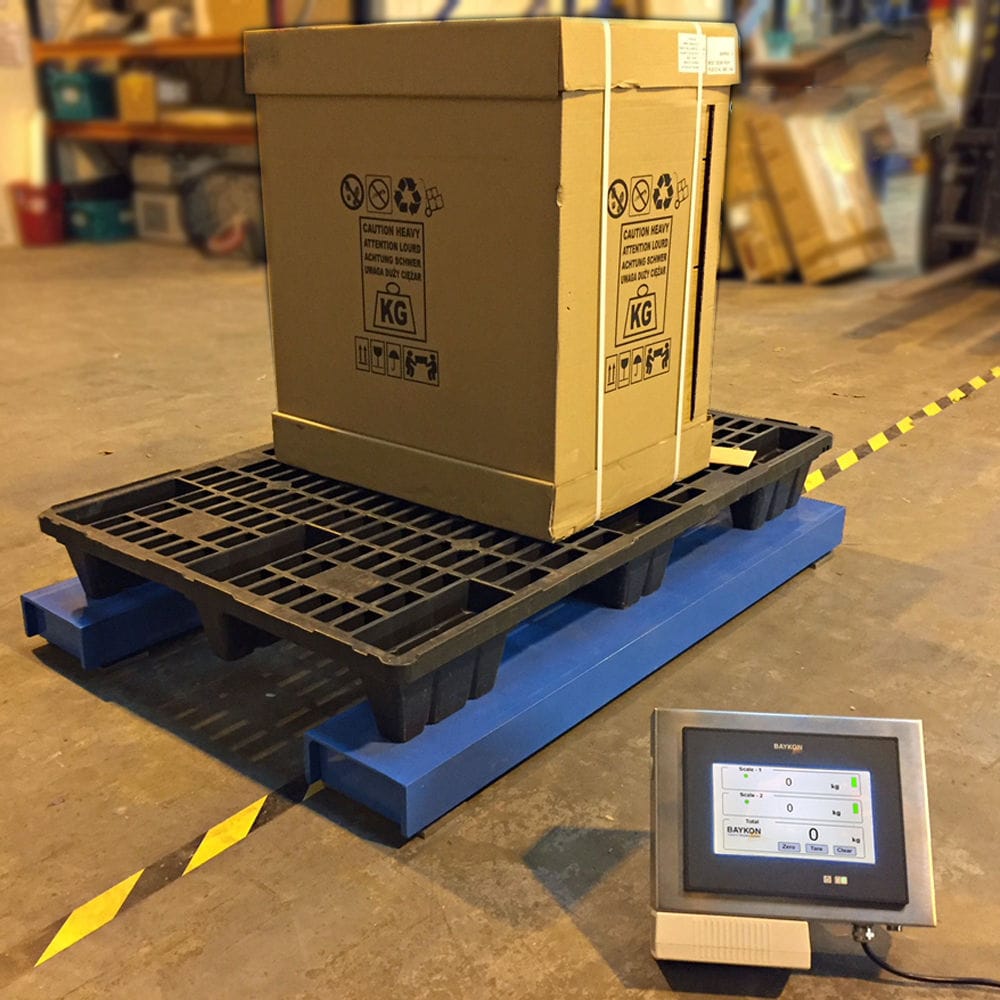
The quality flow control of the feeding is the core of the control program. It is achieved through the PID instruction module in the inherent PLC control system of the weighing instrument, which is controlled by the PID command module in the PLC control system. The PLC control system has a PID command module for closed-loop control, which appears in the form of a command module in the PLC programming instructions. By modifying the PID parameters of the command module offline or online, the control of the controlled object is implemented. This control loop is a single closed-loop control loop. If the pipeline pressure, elasticity, or liquid level changes, the signal is fed back to the PLC. The PID program block in the PLC immediately generates the corresponding correction output to bring the quality flow back to the set value. The quality flow of the liquid is maintained constant by adjusting the rotor pump speed. The Liquid filling machine is composed of a PLC, a weighing instrument, and a filling solenoid valve. The PLC is connected to the weighing instrument via an RS232C communication port and collects, processes weight data, and sends out skin-off signals to make the instrument perform skin-off. In the quantitative filling mode, the PLC acts as the main controller and receives data from the weighing instrument, processes the data, and sends out a series of control signals for the filling machine's actions to complete the quantitative filling. The PLC communicates with the weighing instrument via RS232C, and there is no protocol communication between them. The serial port communication parameters between the PLC and the weighing instrument need to be set consistently. The weighing instrument continuously sends data through the RS232C port, and it keeps sending continuously to ensure the synchronization of the serial port data and the instrument data.
The automatic filling machine adopts the direct connection technology of the air conveying channel and the bucket feeding rotary drum. The bucket feeding rotary drum adopts an innovative design with a bucket mouth clamping mechanism with bucket division function, eliminating the need for a bucket screw and a conveying chain. Changing the bucket shape does not require replacing or adjusting any parts. The bucket transmission is all carried out using the card-bucket technology, and the card-bucket mouth bucket clamp is used instead of the traditional rotary drum. Changing the bucket shape does not require adjusting the equipment height or replacing or adjusting any parts. The filling feeding method is that the main liquid pipe is connected to the distributor through dynamic and static sealing. It adopts an open-cylinder structure. There is a CIP cleaning cup, which can enable the filling valve and the inner and outer walls of the material contact to be effectively cleaned and sterilized by CIP. The rotating parts and non-rotating parts of the filling are sealed by liquid tanks, effectively protecting the bearing and other carbon steel parts from corrosion by disinfectant solutions. At the same time, it isolates the outside unclean air from invading and maintaining a clean filling environment.