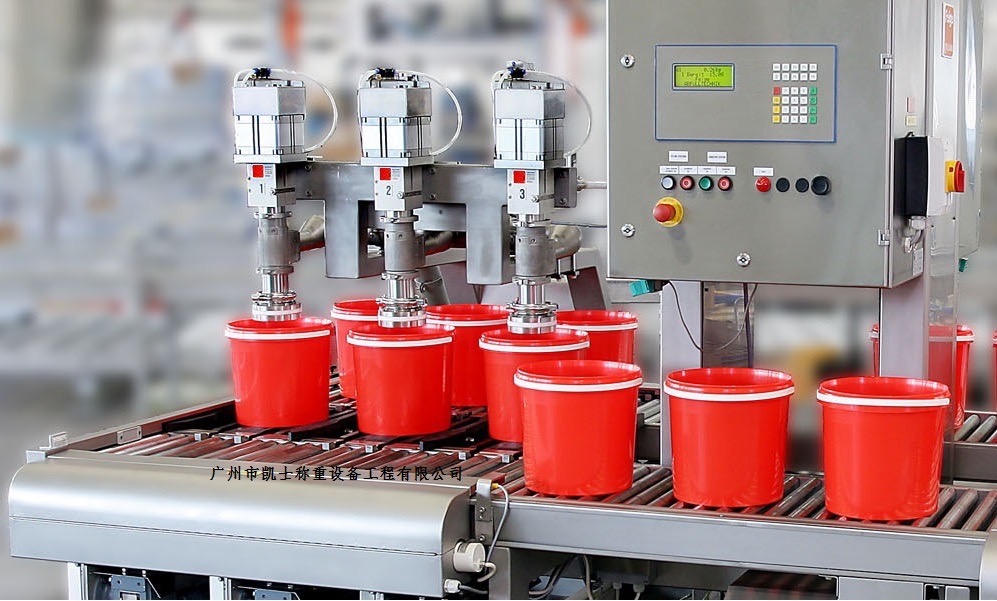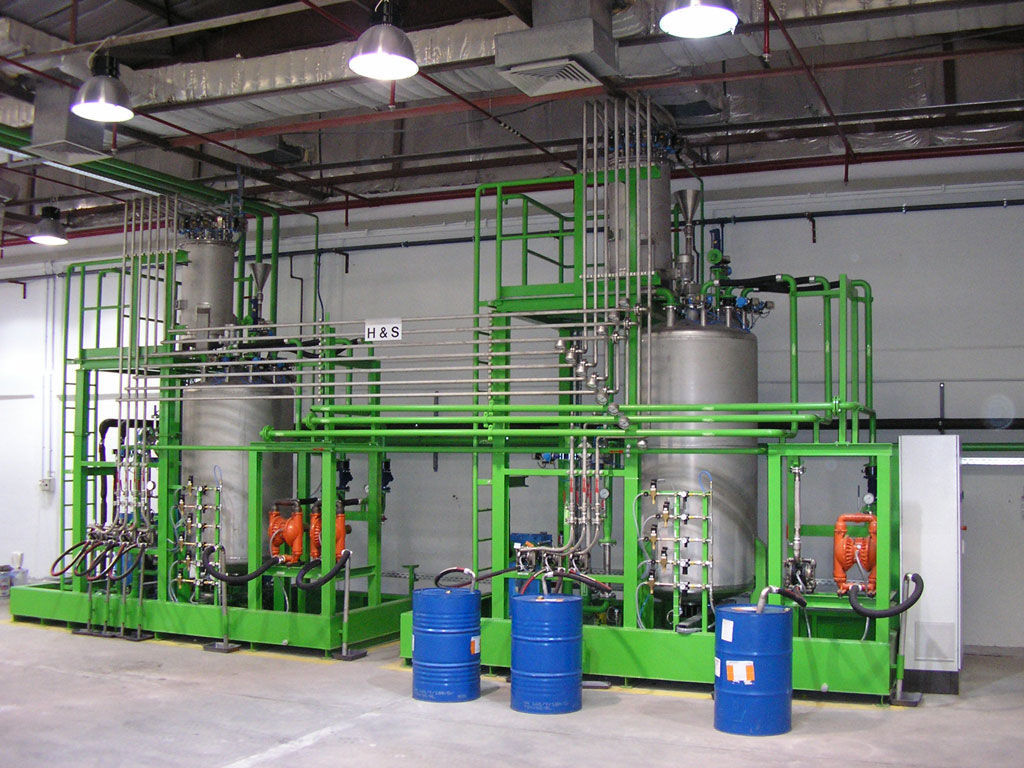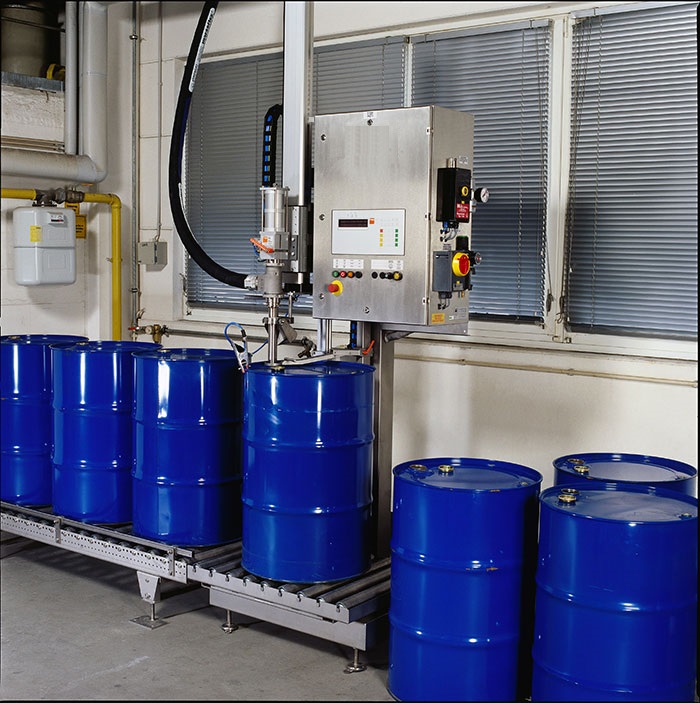




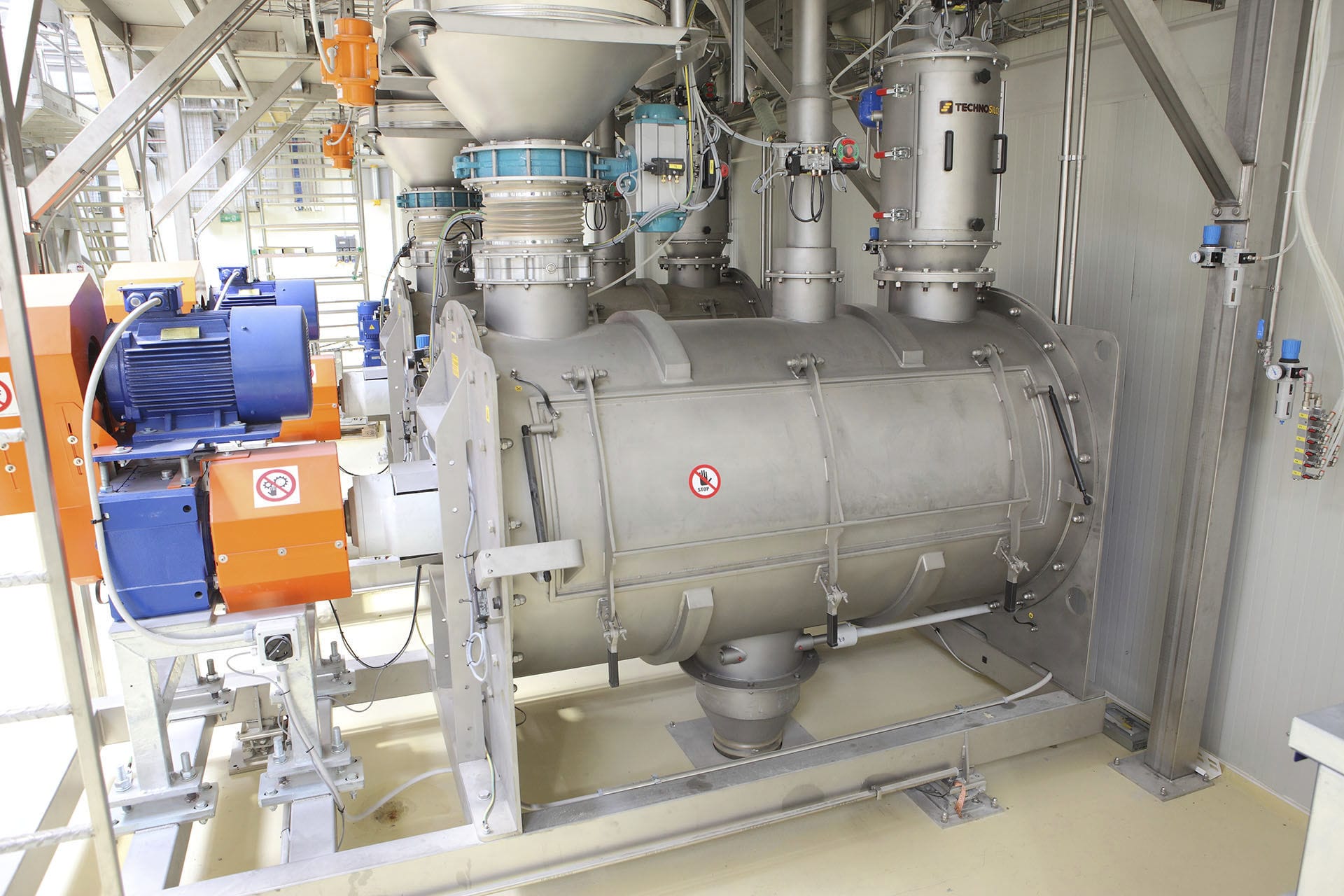
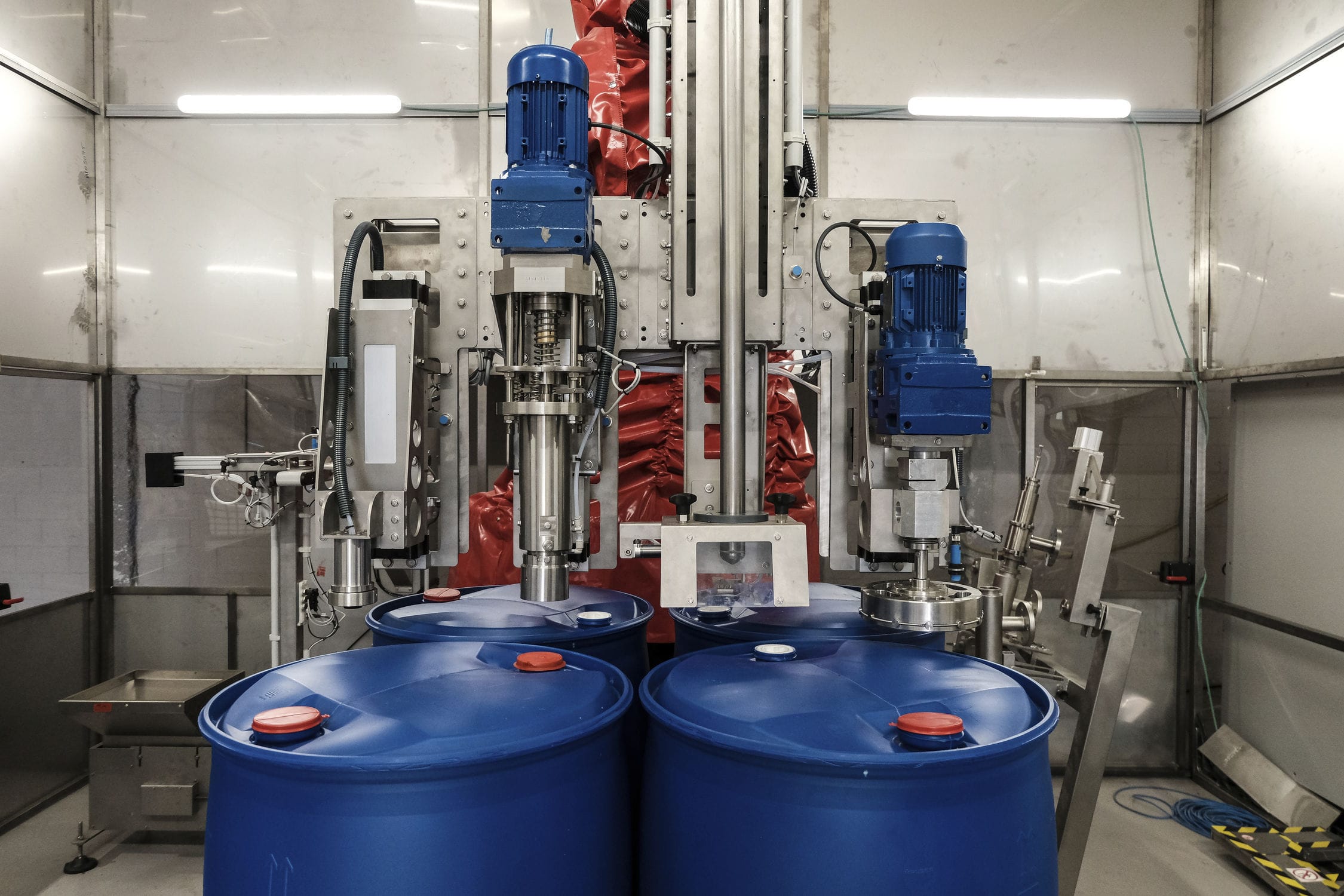
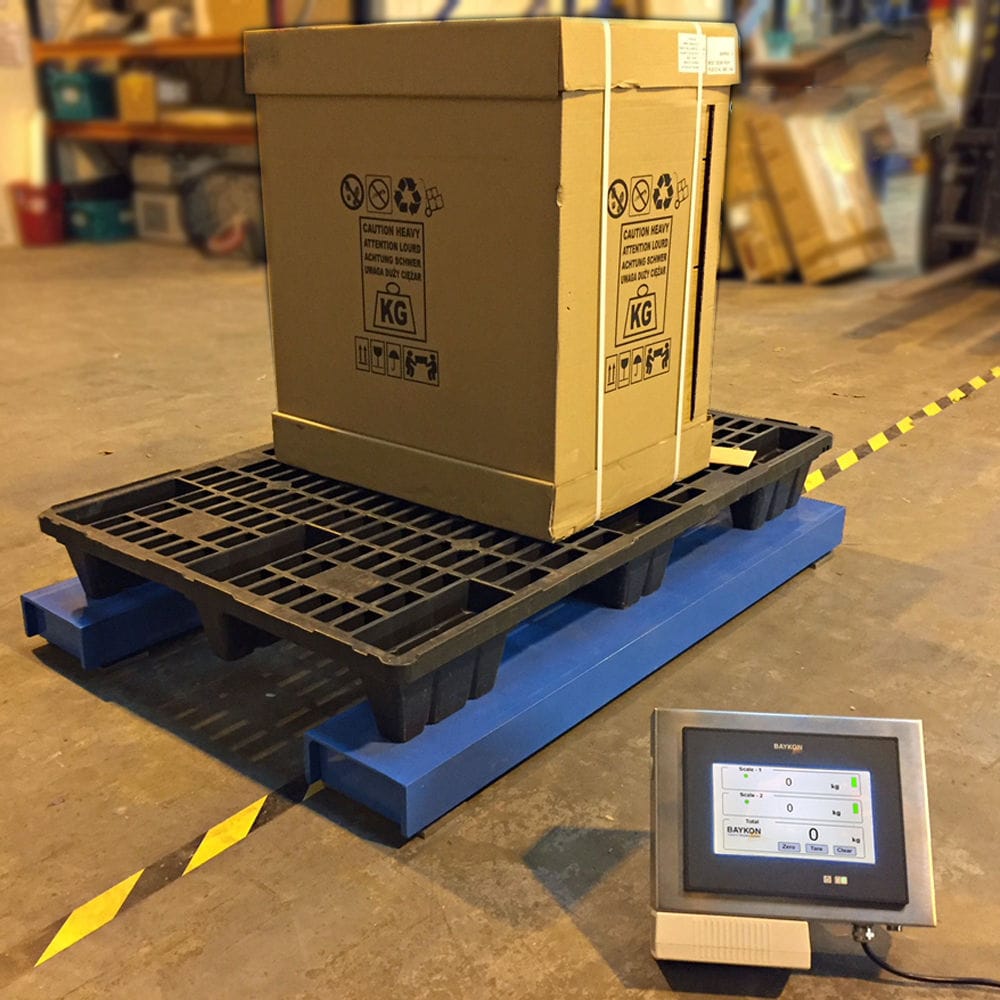


The piston automatic filling machine is based on the process of the filling material. The pneumatic lifting of the filling material into the filling barrel requires weighing on the material barrel. The weighing result is obtained by subtracting the weight of the empty barrel from the measured value at the time of filling the material. This is the target filling material volume. This difference can be used as the feedback value for the actual filling volume and is transmitted through the pump to the PLC to control the high, medium, and low material levels until the filling volume reaches the process quantitative requirements.

 020-34563445
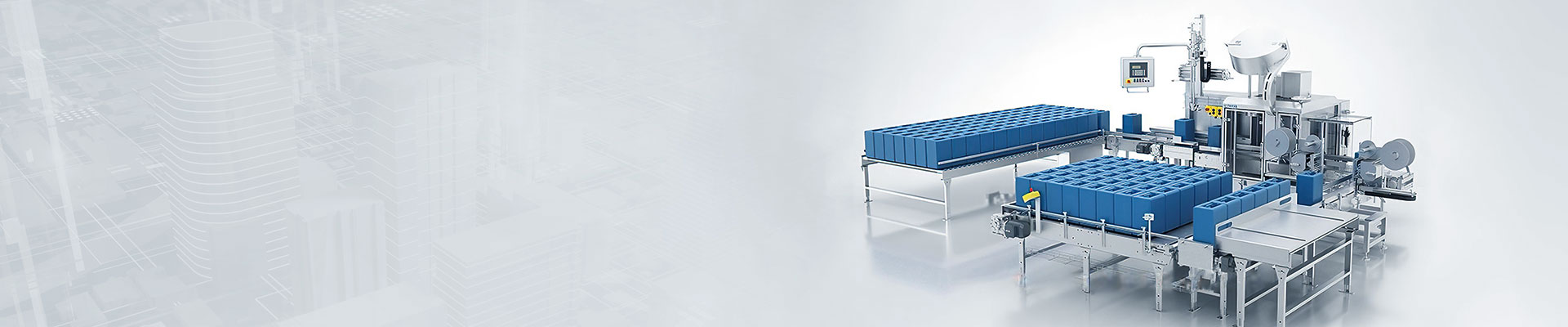
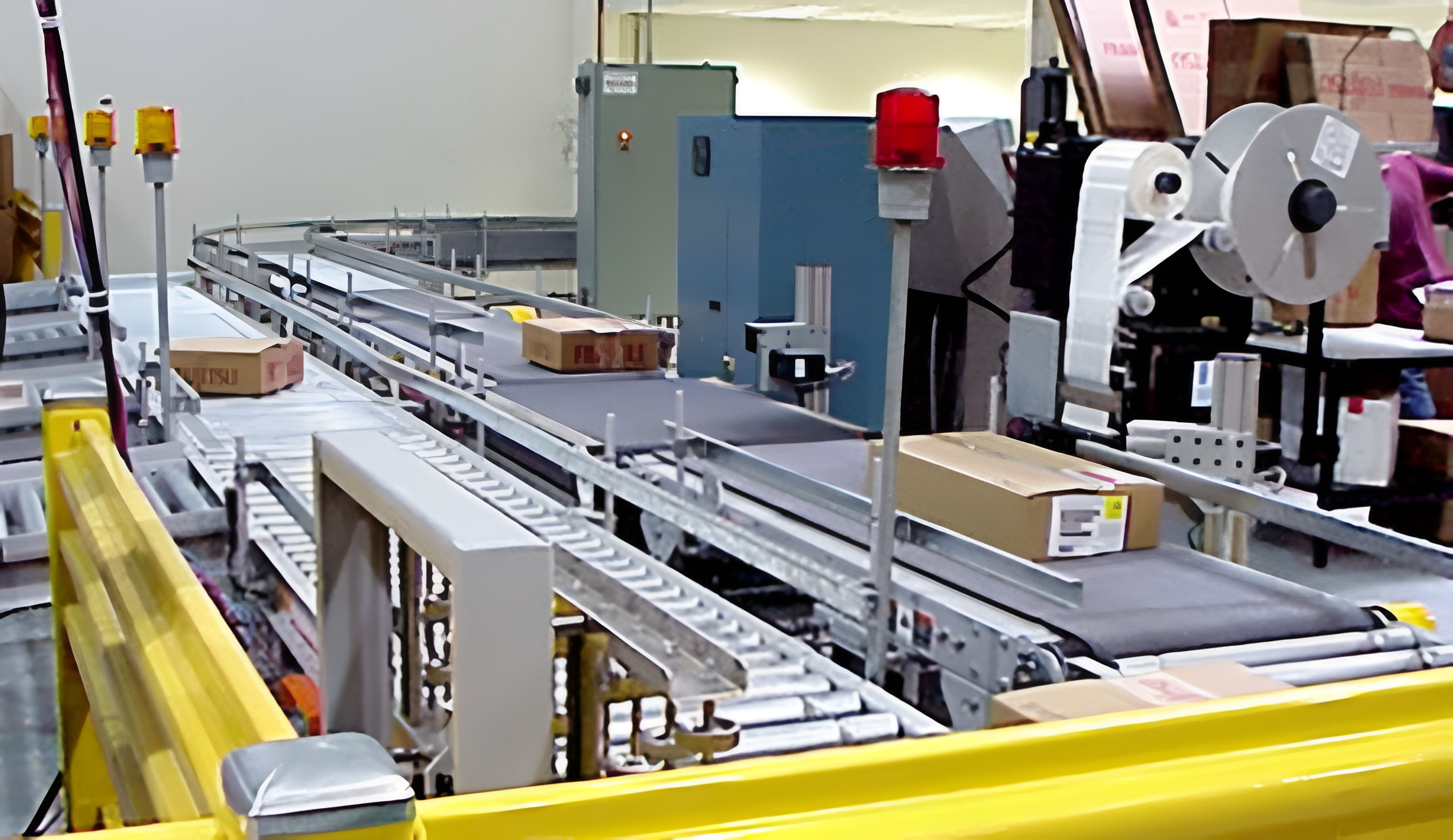
The piston automatic Filling machine adopts fully automatic bucket handling and extraction equipment, which significantly increases the conveying speed. This equipment starts the production process from the extraction stage of the bucket, and only requires placing buckets of the same specifications and models in order at the designated position. The automatic conveying line will push four types of buckets to the filling head, and then start the rapid filling process. The automatic filling device is equipped with an automatic metering device, which will directly fill the material into the bucket according to the pre-set standards. The filled buckets will be transmitted through the power track to the next stage, and the automatic lid handling, lid placement, and sealing process will be carried out one by one. It offers options for single-sided labeling, double-sided labeling machines, round bottle labeling machines, and bucket-shaped labeling machines. The automatic stacking and placement onto a tray. The filled packaging buckets are sealed and packaged, and then transferred to the automatic stacking machine. The automatic stacking machine uses professional mechanical hands to accurately pick up the filled packaging buckets and place them into the designated tray. When the number of filled buckets on the tray reaches a certain limit, the mechanical hand will automatically transport the tray with the placed buckets to the designated position.
The Liquid filling machine adopts a dedicated industrial process controller and communicates with the central control room via the RS485 bus. It can be controlled independently or in conjunction with PLC. It is equipped with a monitoring system, featuring human-computer interaction, communication, display, storage, and printing functions, as well as various operation functions such as data display, graphic display, status monitoring, data input, information storage, etc. It can achieve real-time process data monitoring, simulate display of the process flow, real-time data record and query, setting of operator permissions, setting of process parameters, setting of process event alarms, and switching between manual and automatic control. The computer downloads programs through Ethernet and monitors the operation of the equipment. The filling machine communicates with the PLC via the Modbus 485 communication protocol, constantly displaying the operating status of the equipment and setting various operation parameters such as equipment startup and stop, etc. The actuator is responsible for executing the instructions of the PLC and performing the corresponding actions.
When the weighing filling machine fills the products to each mechanical sliding filling position, the limit switches send low, medium and high level signals to the PLC. These signals are displayed through the touch screen of the human-machine interface. The operator can directly see the amount of materials in the storage bin on the computer screen. At the same time, the touch screen is equipped with manual-automatic and filling operation modes. The level signals of each position participate in the interlock. The high level signal is controlled by the upper limit of the material. After the PLC receives the high level signal, it automatically controls the electro-hydraulic push rod to close the material valve and control the electromagnetic valve to stop the material filling control. The medium level is the flat material level. When the material reaches the medium level, the PLC programmable control system sends a flat material signal to the driving motor, and the motor starts to fill the material. The low level is the lower limit of the material filling. That is, when the PLC receives the low level signal, it automatically starts the motor to draw the material, closes the filling gun, lowers the air cylinder and retracts the filling device and stops the filling mechanism from working.
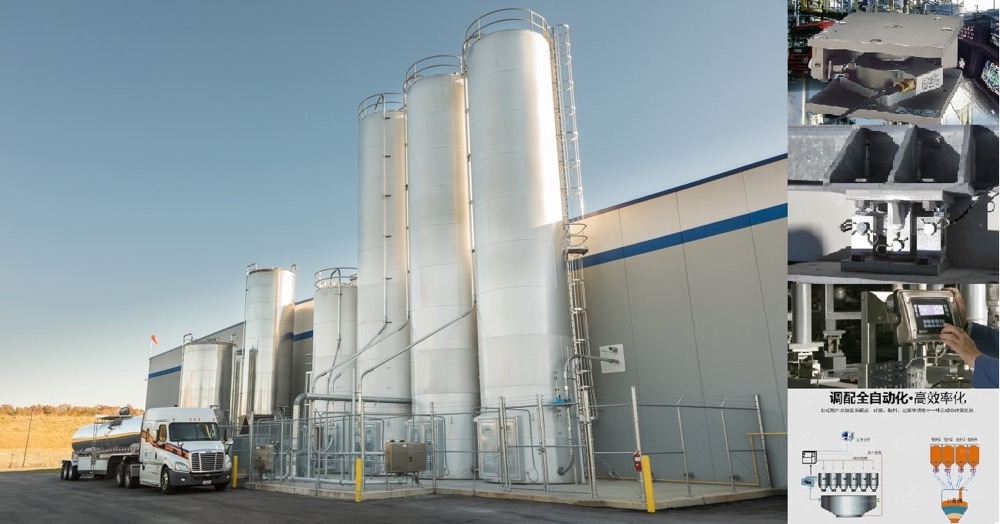
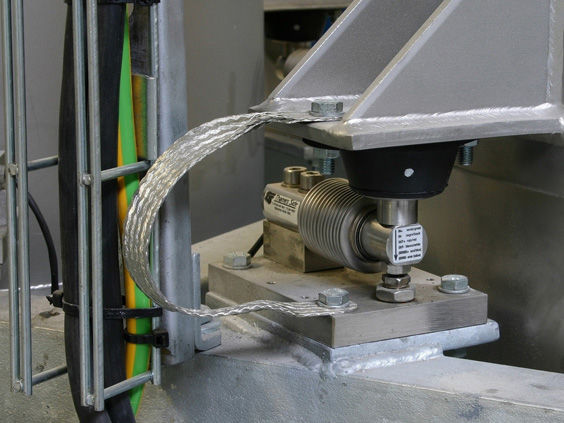
The liquid filling machine is based on the process of the material to be filled. The pneumatic lifting of the filling material into the filling barrel requires weighing on the material barrel itself. The weighing result is obtained by subtracting the weight of the empty barrel from the measured value at the time of filling the material. This difference is the target filling material volume. This difference can be used as the actual filling volume feedback value. It is transmitted through the pump to the PLC to control the high, medium, and low material levels until the filling volume reaches the process quantitative requirements. Symmetrical Weighing modules are installed on each material barrel. The weighing module is of the press-fit type, that is, the material-filled barrel is supported by 3 weighing modules. The weighing module obtains the bridge excitation power supply through the junction box. The signals of the 3 weighing sensors are superimposed in the junction box and input to the analog/digital unit for analog/digital conversion (the bridge excitation power supply and the analog/digital converter are all included in the weighing instrument). The weighing instrument simultaneously transmits the weight value as a standard 4-20mA current signal to the PLC and displays the value on the touch screen.
The Filling system uses ultra-thin weighing modules as the primary components. When the material buckets pass through the material bucket conveyor and act on each weighing module, they form a multi-point force-weighing drum. The weighing module then generates an output signal proportional to the external force, which is balanced with the bridge power supply signal through a bridge circuit and then output as a millivolt signal. This signal is further amplified and balanced by the bridge circuit of the debugging box and sent to the weighing instrument for conversion and conversion into a weight signal. The signal is then transmitted to the touch screen and the computer. The computer program calculates the loading volume and quantity of each material bucket according to the set requirements and automatically generates a report.
The actual weighing operation process is as follows: The loading bucket takes in the full amount of materials from the weighing area of the material storage bin and then travels to the packaging area. After stopping, the sealing machine aligns and seals. At this point, the infrared signal emitted by the infrared emitter on the top of the material bucket will be received by the receiver on the wall below. The red indicator light will turn on and an audible and visual alarm will be triggered. The material bucket displays the weight inside the bucket. After a delay of 1 second, the computer software system receives the data and returns a signal. At this time, the blue indicator light turns on, indicating that the weighing is completed. Then, the material bucket leaves the material storage bin and goes to the designated control position. The next material bucket continues to cycle and fill the materials, and then returns to the weighing area of the material storage bin for weighing. A complete set of material filling and weighing operation is completed. The software system calculates the difference in multiple weights, which is the target material quantity.