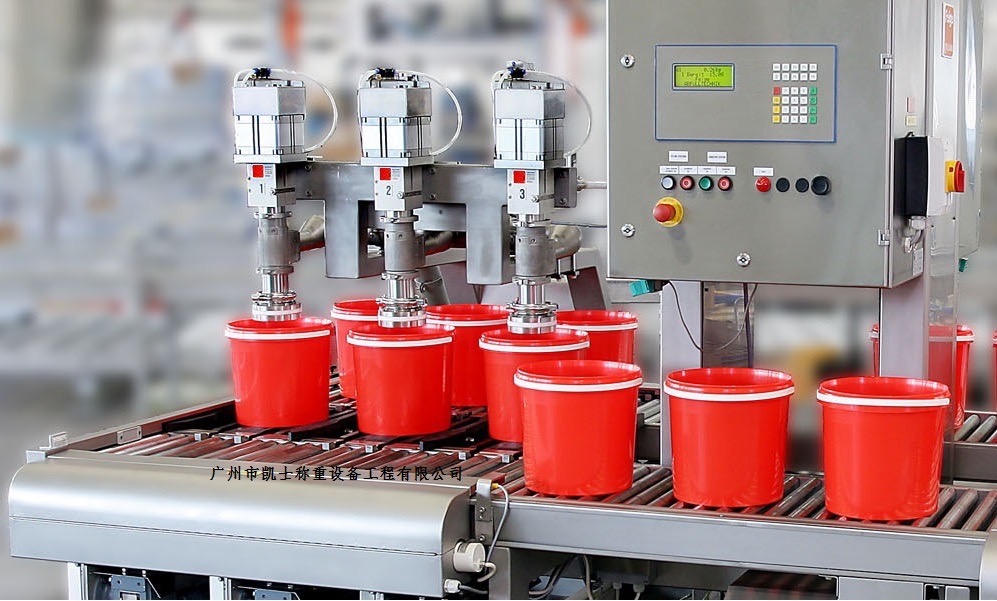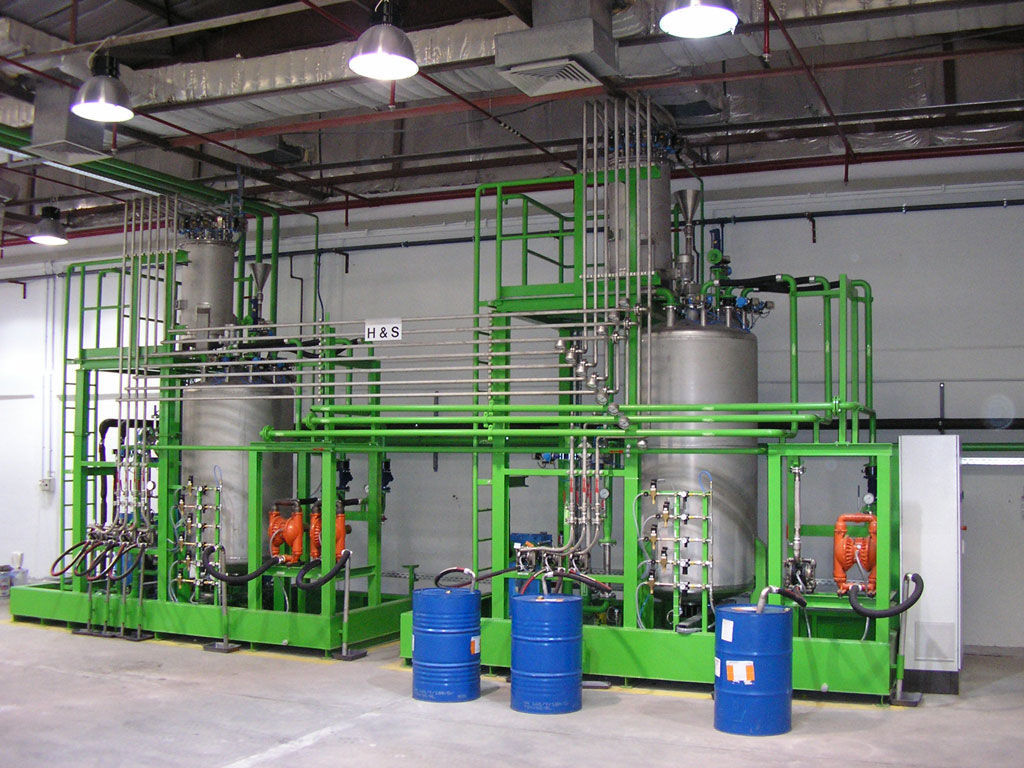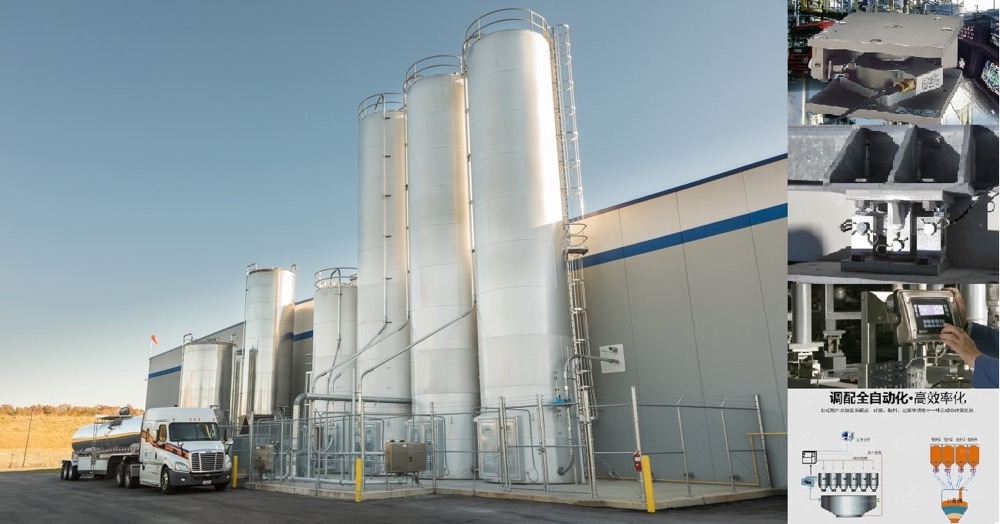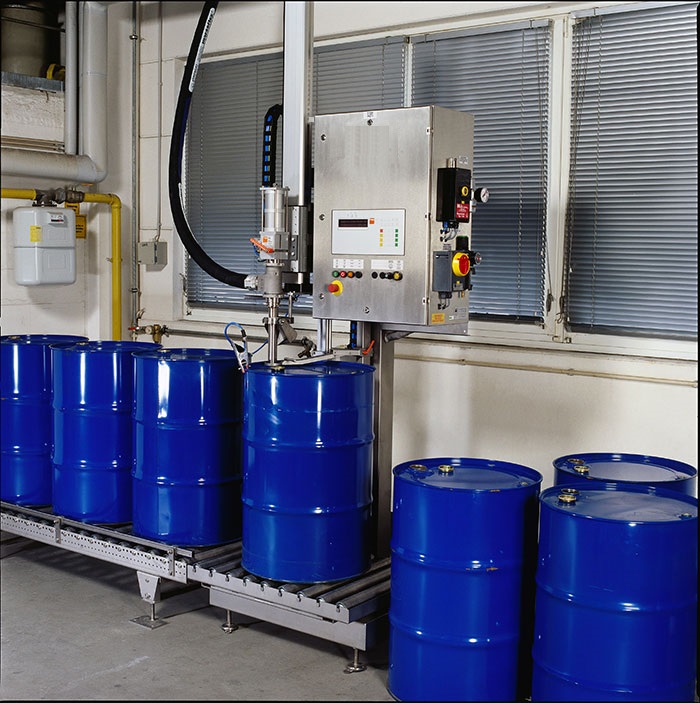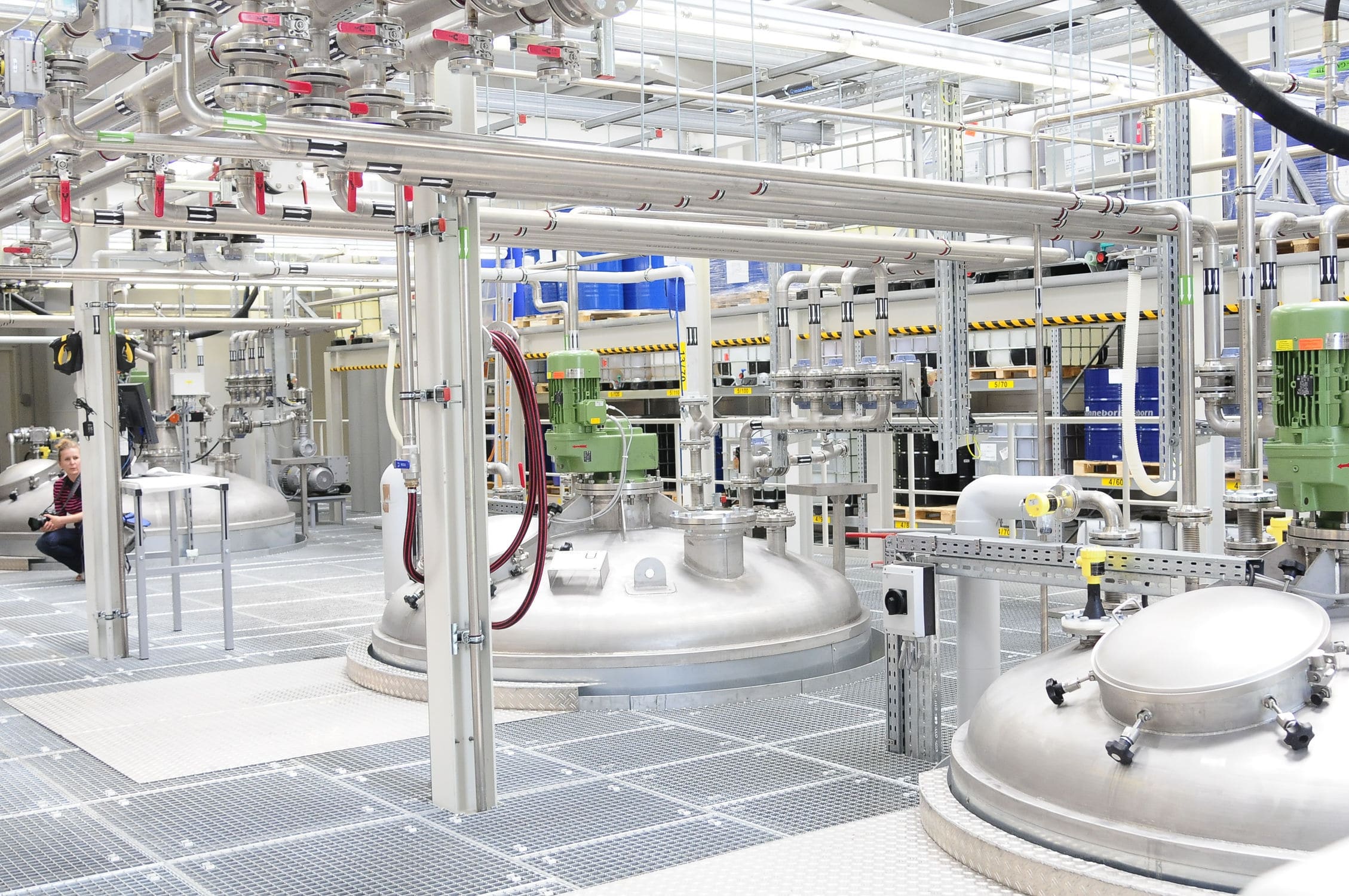


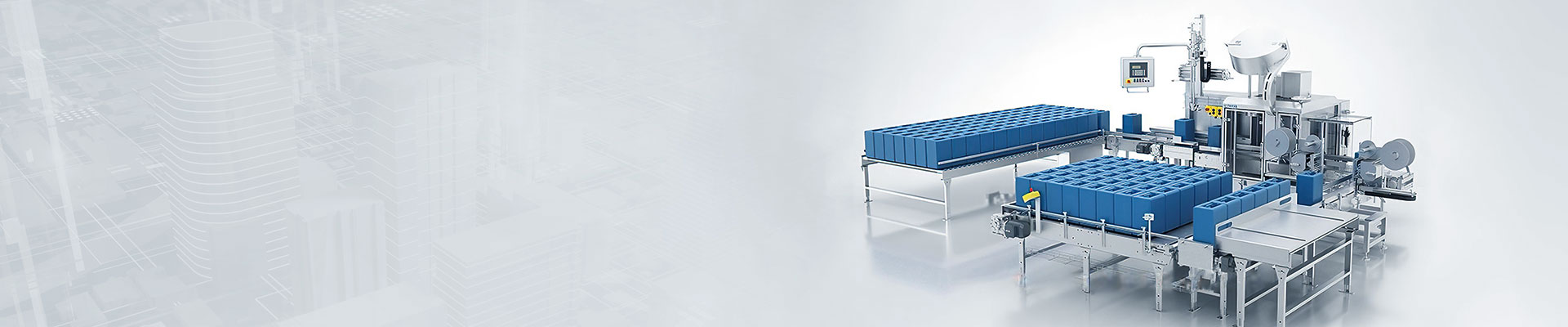



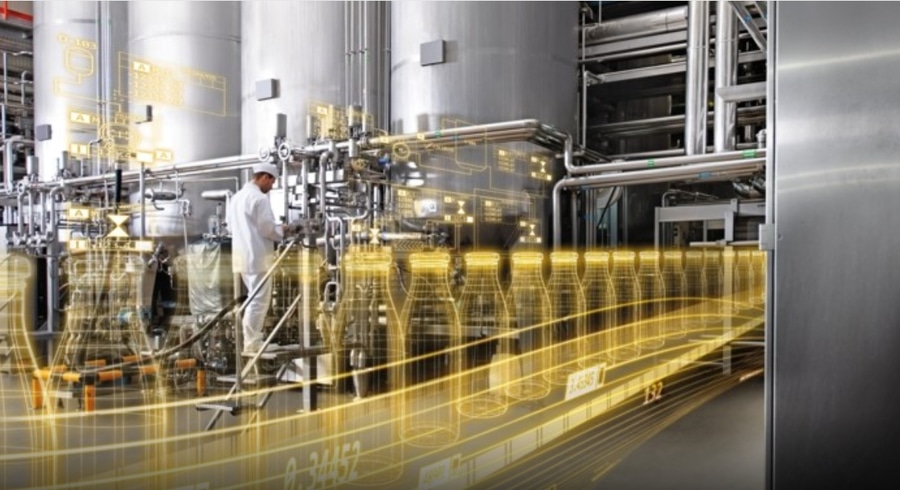
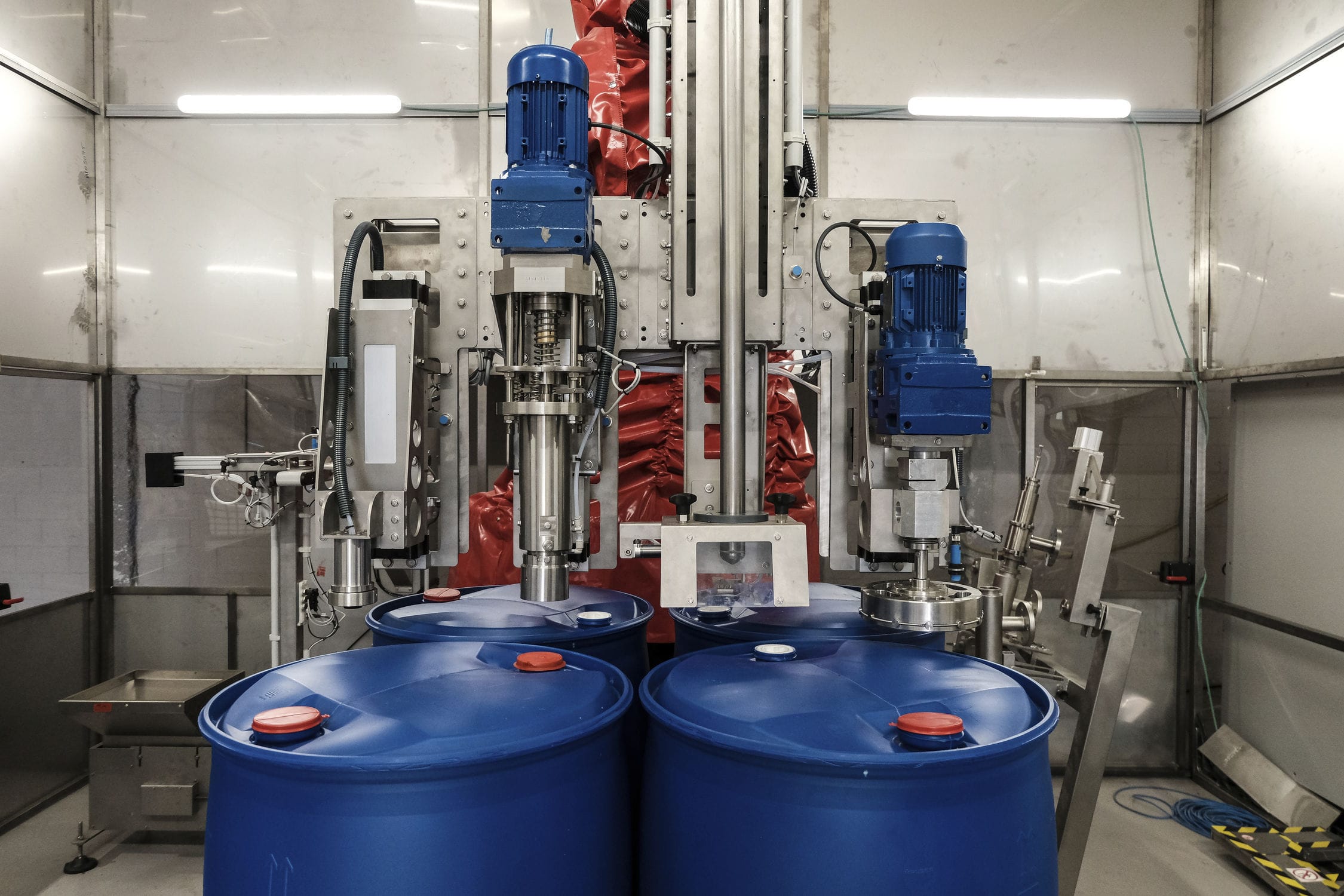
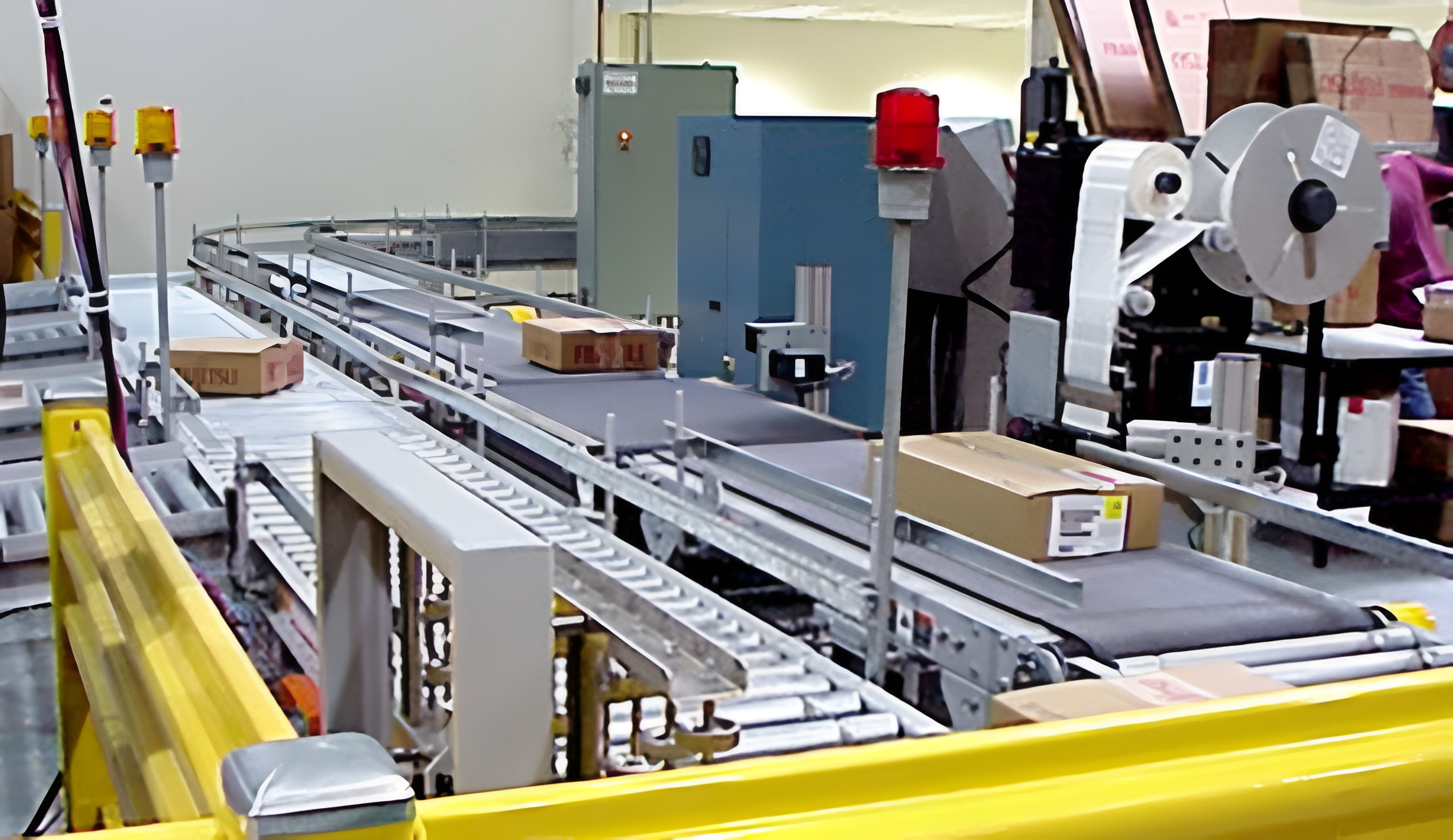
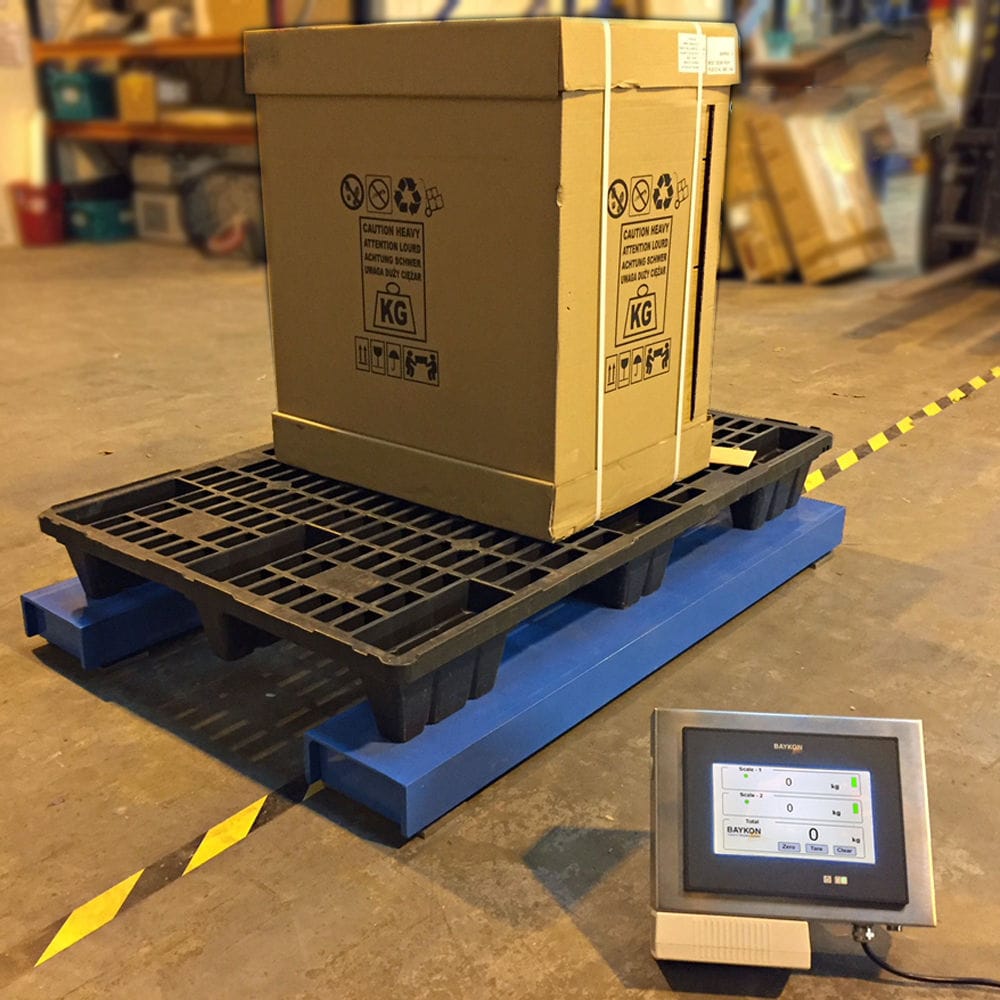


After receiving the instructions, the photoelectric automatic filling machine opens the corresponding pipeline valves and uses centrifugal pumps and mechanical hands to perform the transmission and grasping, automatically transporting the materials to the corresponding positions. It adopts the Profibus system configuration, with the PLC controller as the master station and the ET200 distributed I/O as the slave stations, to achieve control of the electronic scales, frequency converters and centrifugal pumps, as well as monitoring of the liquid levels of each barrel and the mechanical hands. It also completes functions such as status monitoring, alarm display and manual operation during the metering and transportation process.

 020-34563445
The photoelectric automatic Filling machine adopts the liquid surface filling method and is suitable for various liquid materials. The uniquely designed filling device is easy to operate, with rapid filling and maximum guarantee of residual liquid dripping and leakage upon completion of filling. Each set of filling device has independent control ball valves, pipelines, and bottom valves. During the filling process, the control ball valves control the speed of material addition, and the bottom valves stop the material supply. This better improves the filling speed and ensures the filling accuracy. The filling machine consists of filling management, measurement and conveying control modules. Through industrial Ethernet, it connects to the central control management system to obtain the material addition requests of the Filling system in the workshop, optimize the scheduling, and send filling instructions to the measurement and conveying control systems. After receiving the instructions, the corresponding pipeline valves are opened to use centrifugal pumps and mechanical hands to perform conveying and grasping, and automatically transfer to the corresponding position. The Profibus system configuration is adopted, with the PLC controller as the master station and the ET200 distributed I/O as the slave station, to achieve control of Electronic scales, frequency converters and centrifugal pumps, and monitoring of the liquid levels of each barrel and the mechanical hands. The functions of status monitoring, alarm display and manual operation during the measurement and conveying process are completed.
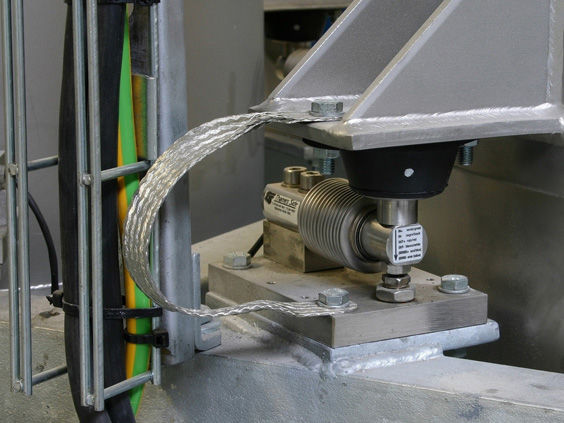
To reduce the loading deviations caused by mechanical inertia and factors such as the filling and discharging of the filling equipment, the PLC must issue a signal indicating that the loading is complete before stopping the filling machine. The loading completion signal is sent when the weight of the bucket on the electronic scale reaches the control value for loading completion. Once the loading bin is filled with materials, the material preparation process comes to an end. When the loading program selects to discharge materials from the loading bin, the metering funnel valve is opened for discharging, and the weight of the electronic scale is automatically tracked. After the materials are emptied, a loading empty signal is sent, and the weighing funnel valve is closed. After the discharging process is completed, the remaining weight of the materials in the electronic scale is measured. When the bucket on the electronic scale is full, the target weight of the electronic scale is measured, so the net loading weight and loading deviation can be calculated. To reduce the error compensation range, the loading completion advance amount makes the error generated by each weighing as small as possible. After one weighing is completed, the loading deviation can be calculated, and this loading deviation is used to correct the advance amount for the next material loading. If due to unexpected abnormal factors, the deviation exceeds the normal allowable range, then the previous advance amount is still used as the advance amount for the next time.
The storage bin is full of materials and the valve is closed (the discharging process is over). According to the algorithm, calculate the planned material storage weight and the material fullness control value for this time, then issue a command to start the filling machine. The filling machine starts working. The raw materials in the storage bin are continuously loaded into the bucket on the electronic scale. When the weight of the bucket on the electronic scale reaches or exceeds the material fullness control value, the program sends a "material full" signal. Stop the operation of the filling equipment, delay for a few seconds, wait until the filling equipment stops and the filling is completed, then read the weight of the bucket on the electronic scale at this moment into the bucket fullness weight register on the electronic scale, and end the material storage process.
When the material bucket on the electronic scale of the weighing filling machine is in an empty state, the zero position signal sent by the weighing instrument and determined by the judgment of the hopper discharge valve is in the closed state. The filling gun is controlled by PLC to fill the quantity or the electromagnetic valve opens the pump motor to deliver the material. When the material reaches the pre-set value, PLC controls to stop the material feeding. When the material bucket is in the full value state, according to the program control instructions, if the material is needed, the PLC controls to open the valve, and at the same time starts the pump circulation system to deliver the material to the circulation pipeline. Before the material reaches the full state, the coarse valve of the valve closes and the fine valve continues to work. When the filling weight is reached, the fine valve closes, and the filling process ends. The next empty material bucket is placed on the electronic scale, and the filling is started. The pump circulation system is turned off, and the material is delivered to the filling gun pipeline. Before reaching the target quantity, a large amount of material is discharged, then a small amount of material is discharged, and then the filling is closed. The filling equipment has stopped working. The next control for the bucket on this electronic scale is executed according to the loading program, and the program issues a command to open the conveying bucket, drives the external cover control circuit to open the cover photoelectric switch, and the material bucket passes through the belt conveyor process. During the process, the material bucket detects the photoelectric switch, reaches the cover position, and the cover machine automatically completes the cover. After the cover is completed, it enters the conveying and packaging process.