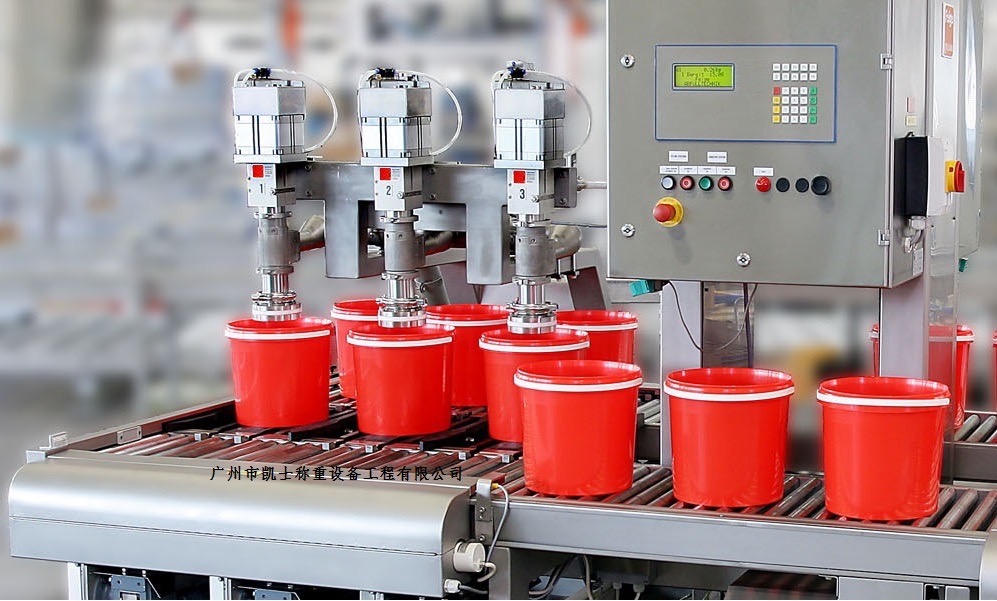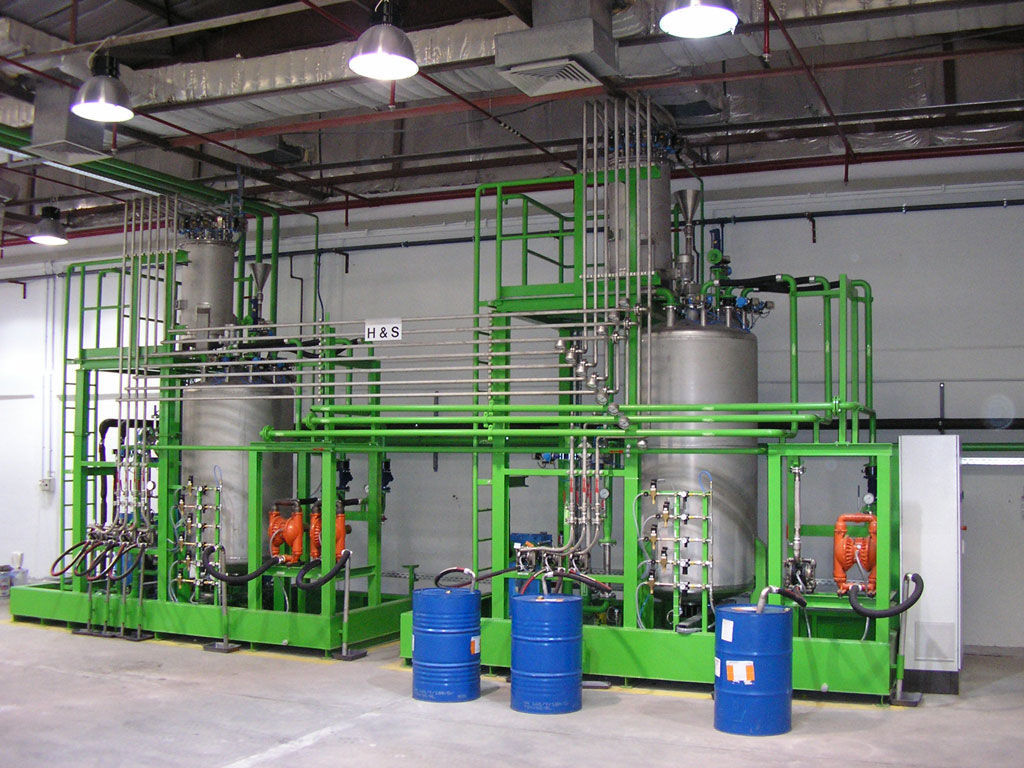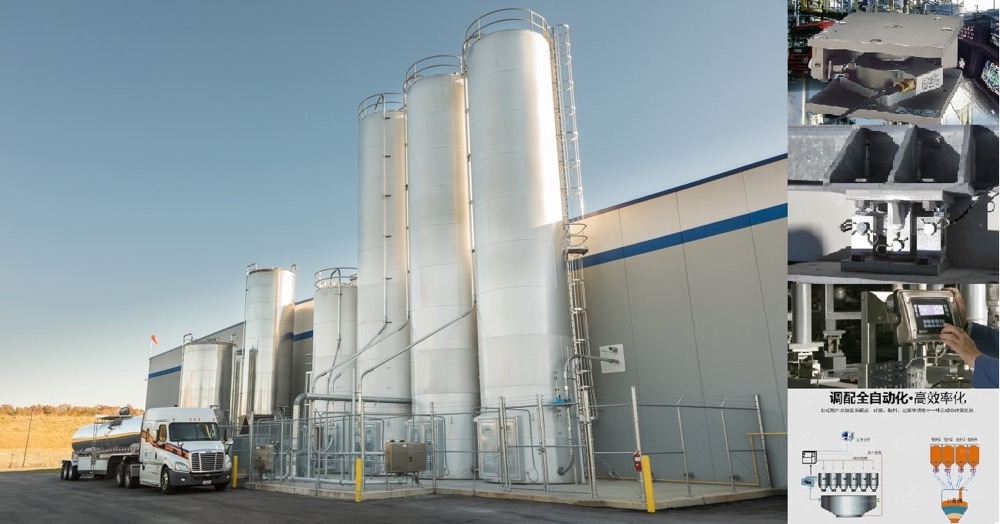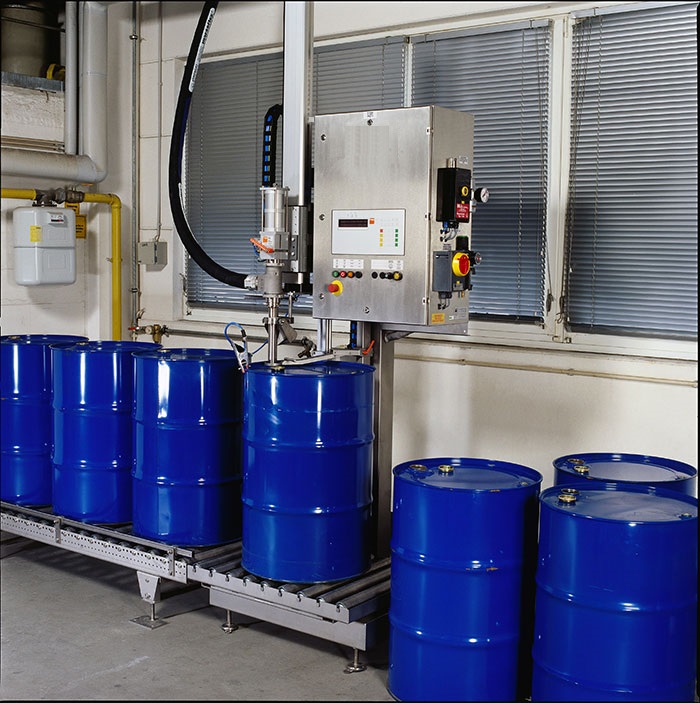


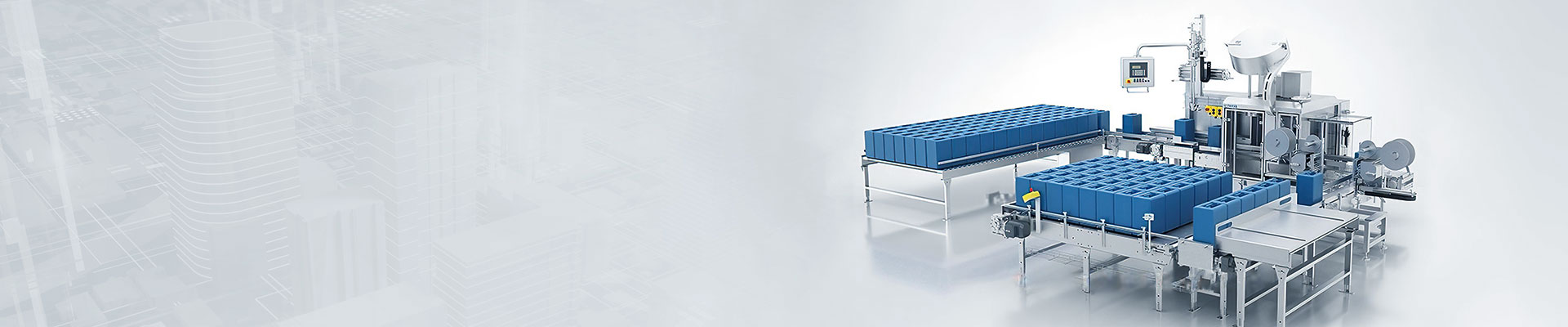


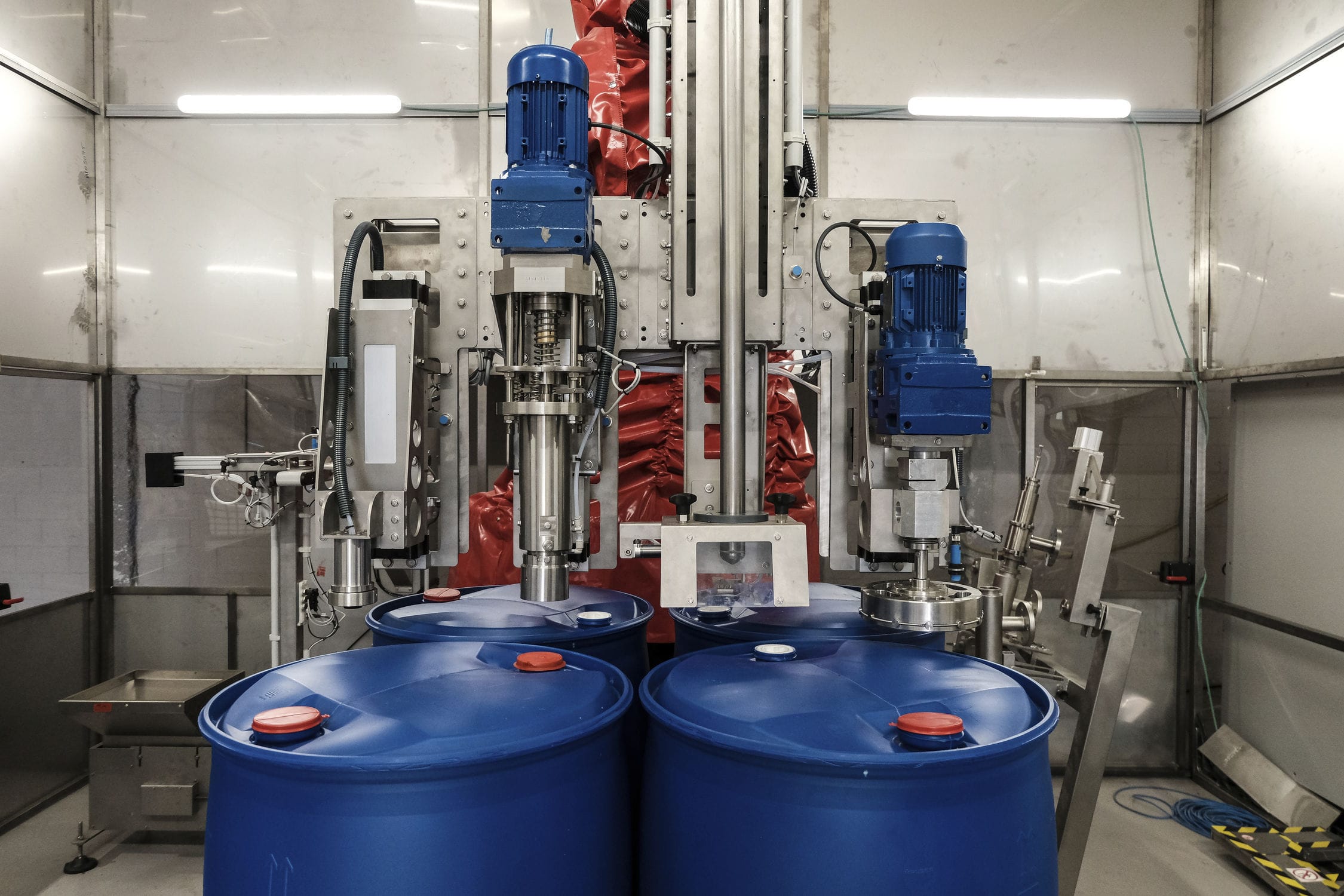


The stepwise liquid filling machine is a new type of integrated machine combining mechanical, electrical and instrument systems. It is controlled by a PLC programmable controller. During filling, the skin weight is automatically removed first. When the material is injected into the container, it is filled in a large volume and at a fast rate first, and then the measurement is corrected slowly and in small doses. The photoelectric switch detects the signal when a container is passed through, and at the same time, it detects the signal when the container reaches the filling position. The PLC controls the electric roller to stop, automatically remove the skin weight, the filling valve is driven down by the stepping motor, reaches the lower limit position, and the travel switch emits a signal, which is controlled by the PLC to fully open the filling valve for filling.

 020-34563445
The entire system of the liquid Filling machine is manufactured in explosion-proof standard. It adopts a fast-slow or fast, or slow, and even slower three-stage filling method. The target volume can be freely set. High-precision and reasonable-range Weighing modules and filling actuators are selected for control. The feeding start/stop is controlled by the weighing instrument and transmitted to the PLC. Through the cooperation of the PLC and the weighing instrument, the servo controller controls the stepper motor to run precisely to the designated position and unload accurately. The filling production line sets interlocks in the program to ensure that the moving/unloading mechanism operates orderly and reliably during filling. The filling machine is designed for easy operation and maintenance. In the manual operation mode, personnel can operate various mechanisms on the surface stainless steel simulated screen of the controller cabinet through the illuminated operation buttons, and observe the operation of the equipment intuitively.
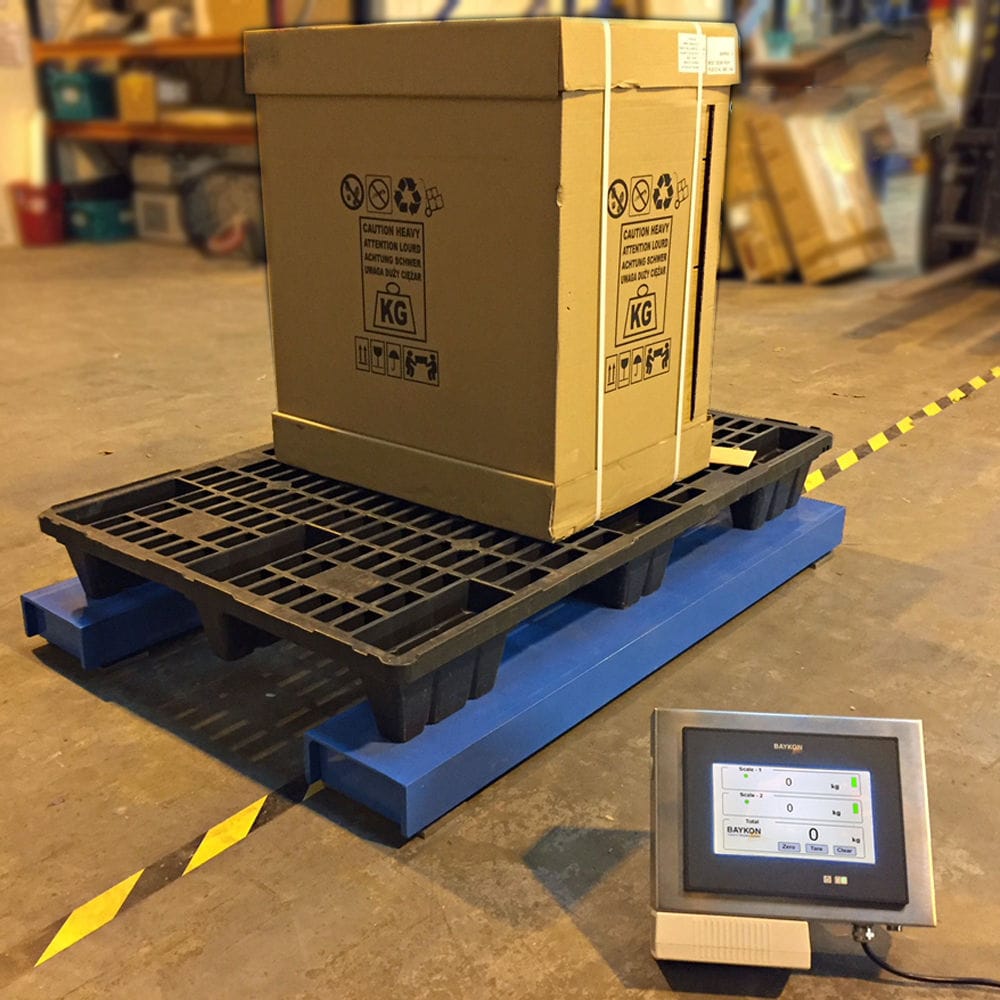
The liquid filling scale is a new type of integrated machine that integrates machine, electricity, and instruments under the control of a microcomputer program. It is controlled by a PLC programmable controller. During filling, the skin weight is automatically removed, and the material is filled in a large amount and quickly at the beginning, and then the measurement is corrected slowly and in small doses later. The photoelectric switch detects the signal when passing through a container and also detects the signal when the container reaches the filling position. The PLC controls the electric roller to stop, remove the skin weight, and the filling valve is driven down by the stepper motor. It reaches the lower limit position and sends a signal through the travel switch. The PLC controls the filling valve to fully open for filling. When reaching the set value, the electromagnetic valve acts, the filling valve is half-open for filling, and the filling process continues. At the same time, the stepper motor drives the filling valve to rise at a pre-set speed through the screw. When the filling requirements are met, the filling valve closes, the filling valve reaches the upper limit position, and sends a signal. The PLC simultaneously controls the motor, and the electric roller runs simultaneously. The finished product is output, and the container is placed on the weighing platform, the bucket mouth is aligned with the filling nozzle. At this point, the program starts, the filling nozzle automatically descends, opens the filling valve to feed material, when reaching the set quantity, the filling valve stops filling, the filling nozzle rises, and the filling process is completed.
When the Liquid filling machine is at the lowest point of the material level in the feeding bin, it controls the output of the filling generation instruction. The filling valve accepts the opening instruction and opens. The system enters the quantitative feeding period. After a time delay, the filling valve is fully opened and sends a feedback signal of full opening to the control system. After a set time delay, the system enters the rapid feeding stage. When the material reaches the highest point of the material level, the Weighing system detects the signal of the hopper being full and outputs the instruction to close the filling valve. The filling valve accepts the instruction and starts to close. When the system reaches the full closing point of the filling valve, it outputs the signal to close the pneumatic ball valve. At this point, the system filling process ends and enters the discharge stage. After a stable period, the system runs to the start point of weight feeding. At this time, the quantitative feeding ends, the system enters the weight feeding stage, and the measurement and quantitative cycle begins, continuing until the next lowest material level is reached. The system then emits a filling control instruction. This cycle alternates to perform filling operations.
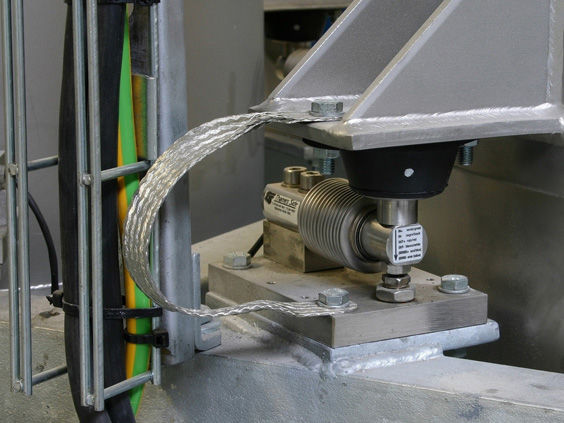
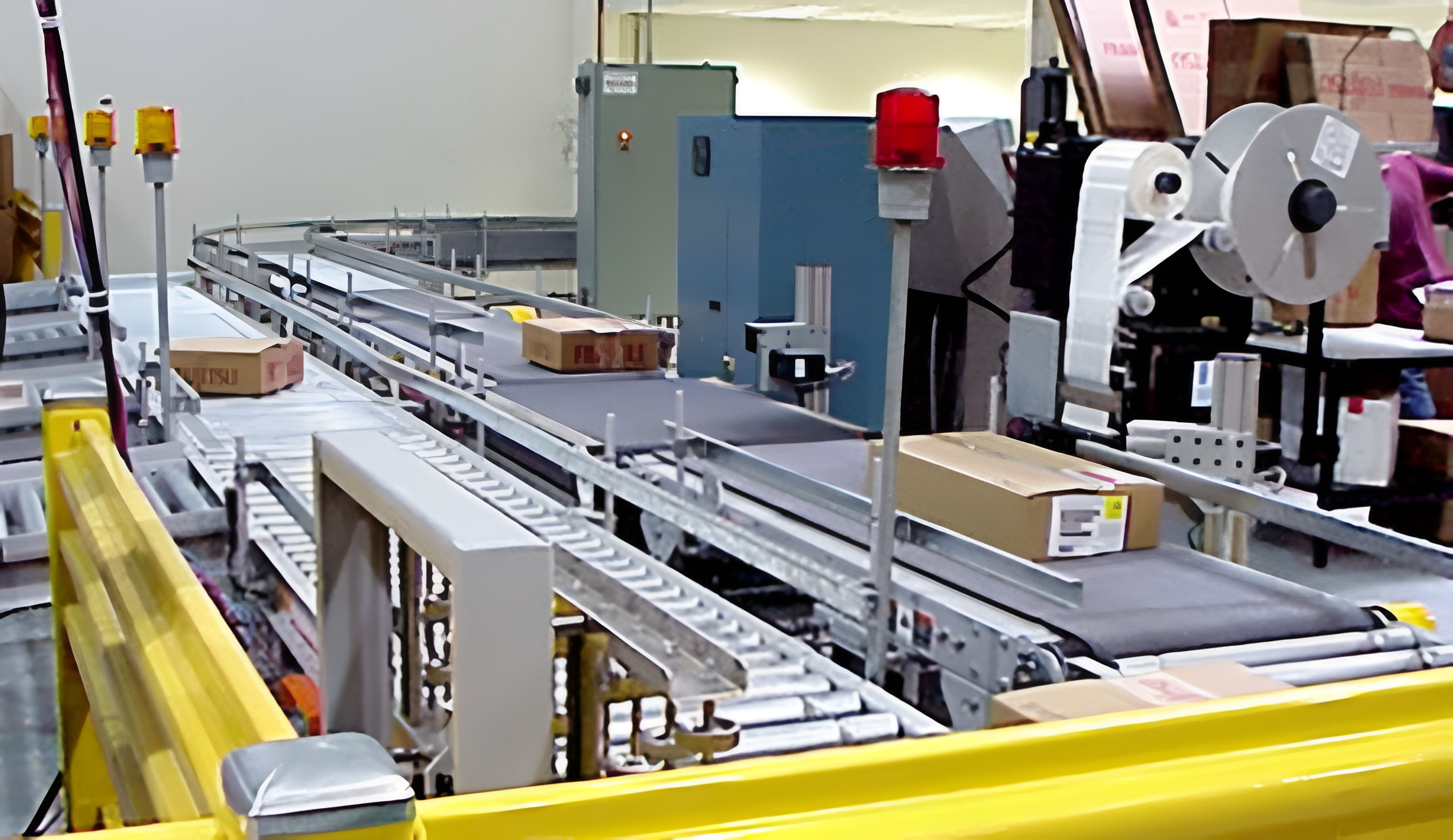
The automatic filling machine consists of three major parts: filling machinery, Electronic scale detection, and electrical control. The function of the filling machinery system is to complete the storage and transportation of relevant materials. It mainly consists of the filling machine, conveyor belt, storage bin, and bin door switch. The detection part's function is to weigh various materials during the filling process. It mainly consists of the electronic scale body, weighing module, etc. The commonly used detection part adopts a strain-type weighing module. The elastic element converts the material weight into a micro-strain signal through the strain gauge, which is transformed into an electrical signal through a bridge circuit, and outputs an analog signal proportional to the material quantity value. The accurate weight value corresponding to the electrical signal can be determined by physical calibration or electrical calibration. The electrical control part's function is to control during the filling process, including the material transportation, feeding, and cap pressing. It mainly consists of the motor, frequency converter, weighing instrument, and PLC control system. The liquid filling machine is controlled by a PLC control system. Under the control of the PLC system, it automatically weighs various materials according to the pre-set filling scheme and controls each stage of the filling process. The filling process is completed. The control system regulates the rotational speed and start/stop of the discharging motor. During the filling process, the rotational speed of the motor is controlled according to the discharging volume. There are different discharging modes such as high-speed discharging and low-speed discharging, which can improve the working efficiency of the system and the filling accuracy. When the actual discharging volume differs significantly from the set value, the high-speed discharging mode is adopted to increase the working efficiency of the system. When the actual discharging value is close to the set value, the low-speed discharging mode is adopted. Due to the air retention of the piston valve and the receiving tray, different discharging modes are available, such as high-speed discharging and low-speed discharging. When the control advance amount is reached, the motor stops rotating. When the actual filling process reaches the control advance amount, due to the difference in material density, the quality of the air-retained material after the motor stops rotating varies. Based on the actual operating conditions, the advance amount for stopping the motor is set, and the end time of feeding is determined according to the compensation coefficient of the drop difference for each material. After the material bucket stabilizes, the final weight of the material in the hopper is read and compared with the set value as the basis for selecting the correction coefficient for the next filling drop difference. That is, the current filling uses the average of the measured drop value and the compensation value of the previous filling for drop compensation, which can improve the filling accuracy of the Filling system as the filling times increase.