



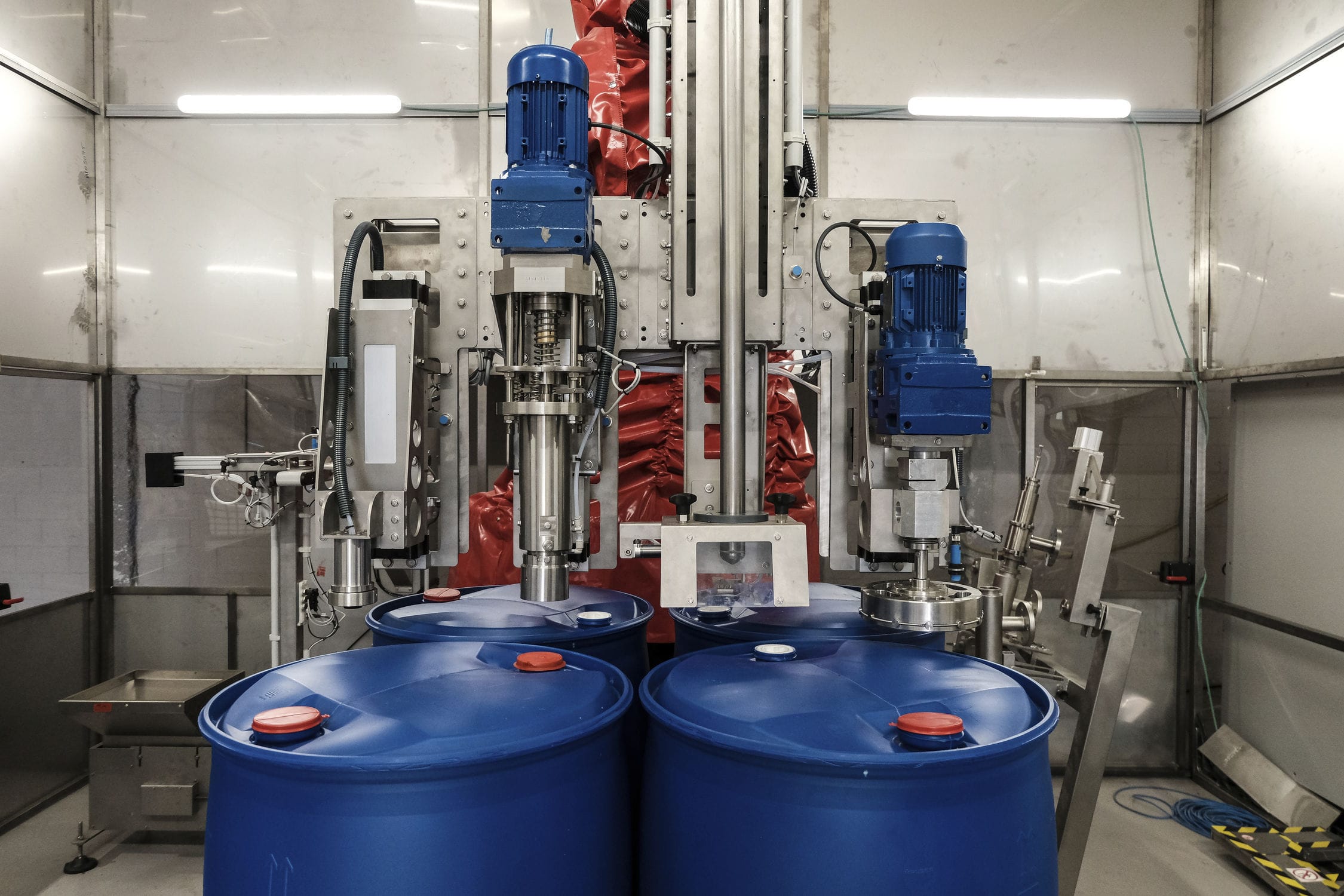
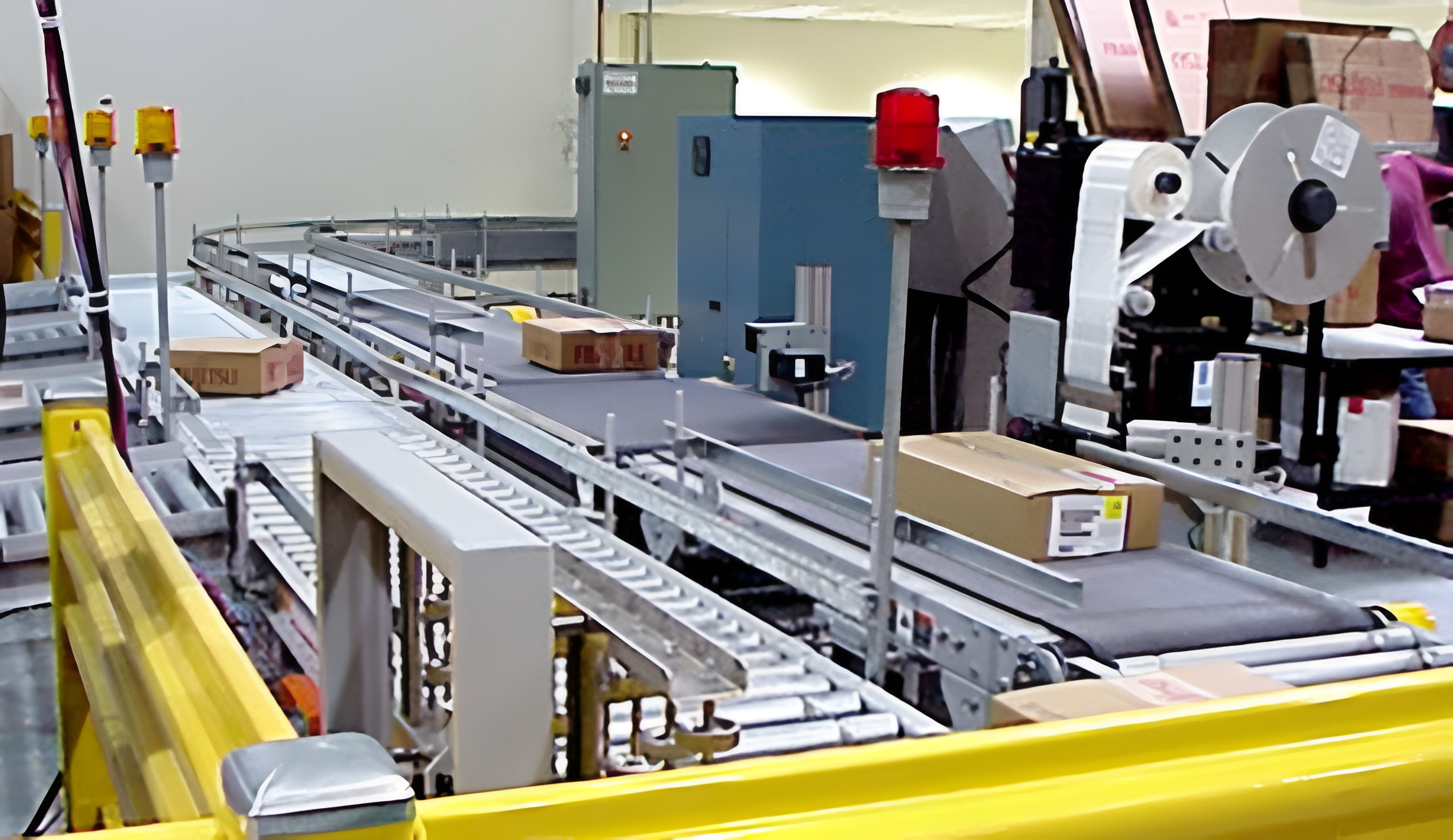
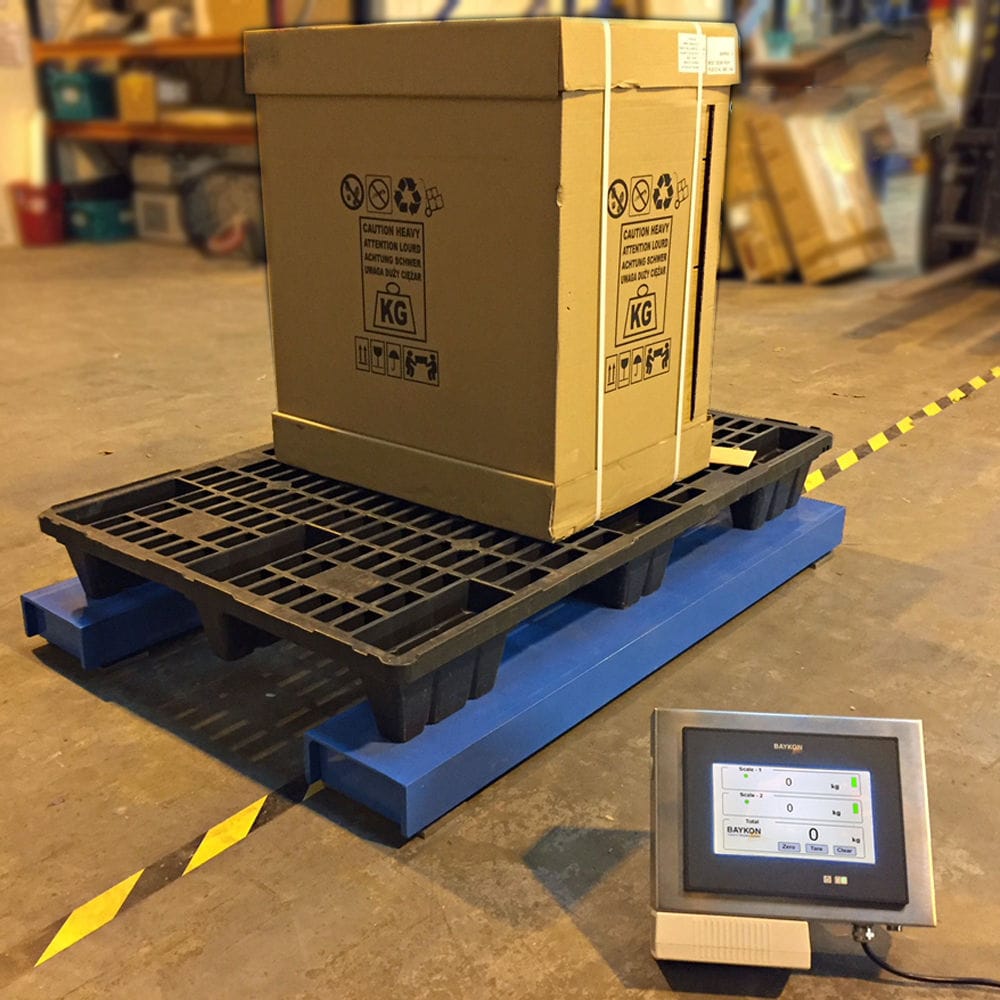


The hydraulic liquid filling machine uses PLC-controlled rotation for filling. Its main function is to control the hydraulic cylinder, achieving the adjustment of filling volume and the control of the vacuum pump. When the piston moves up and down, it will squeeze the hydraulic oil in the hydraulic cylinder, thereby forming an oil flow to push the piston out; when the piston moves left and right, it will squeeze the hydraulic oil back into the oil tank. During the process of the piston being pushed out and returning, an air pressure difference is formed. Under the action of this air pressure difference, the solenoid valve can control the opening degree of the solenoid valve by controlling the electromagnetic wire on the solenoid valve.

 020-34563445
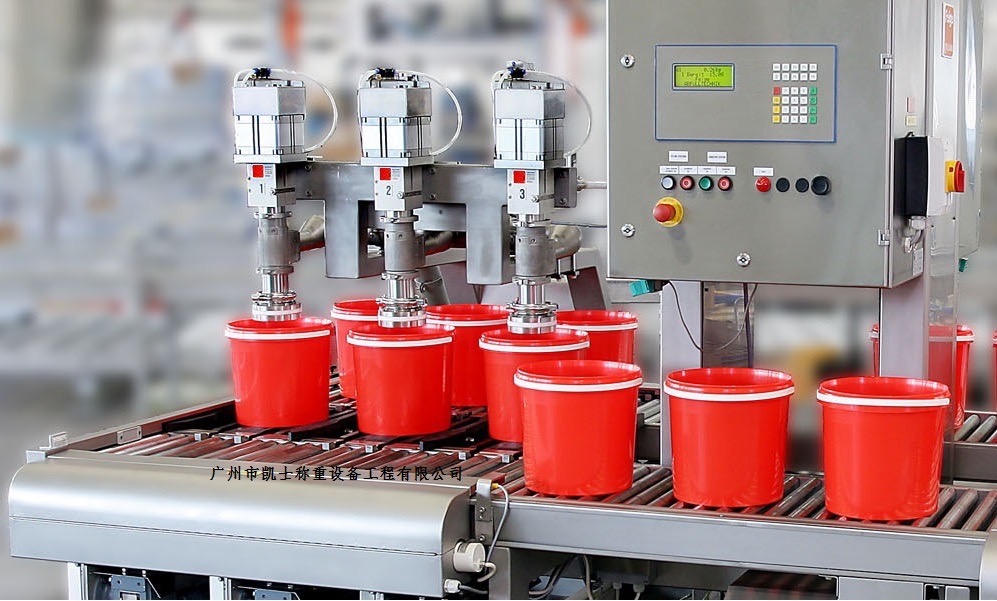
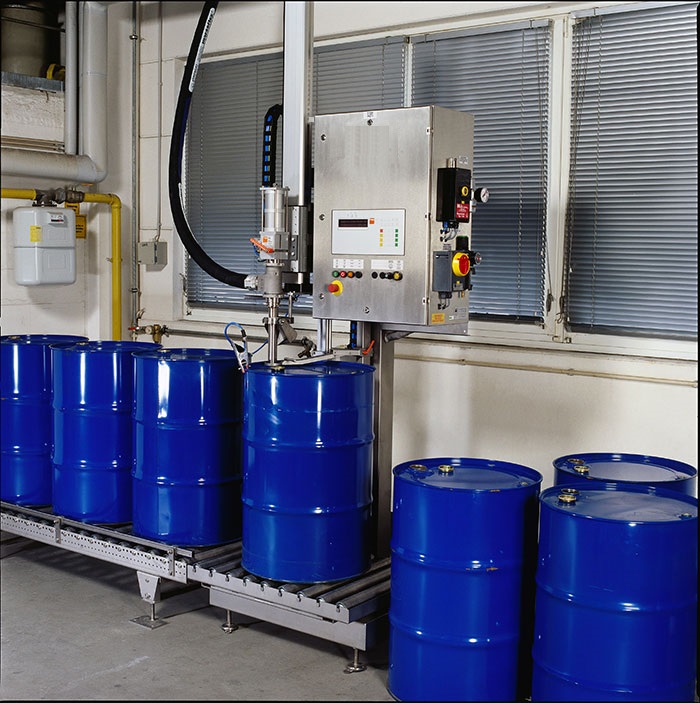
The hydraulic liquid Filling machine features full Chinese LCD display and PID filtering algorithm to eliminate interference signals. The filling weight can be changed arbitrarily as needed. The filling machine uses servo motors to control the rotor pump stroke, thereby achieving filling volume control. The fully automatic barrel sorting and taking equipment is utilized, allowing for multi-head accurate filling. The control box panel is equipped with "start", "stop" and "zero reset" buttons, and has a "status indicator light" for display. Real-time instantaneous flow rate, cumulative volume, and total percentage display are provided, which can record the production capacity and operation status of the filling line, assisting managers in improving and enhancing product performance and process operation. The rear-end control has a pump control interface, allowing for delayed pump startup, and in the event of power failure during filling, the quantitative control box automatically retains the data before the power failure, and upon power restoration, it can choose to continue by pressing the start button or end by pressing the reset button.
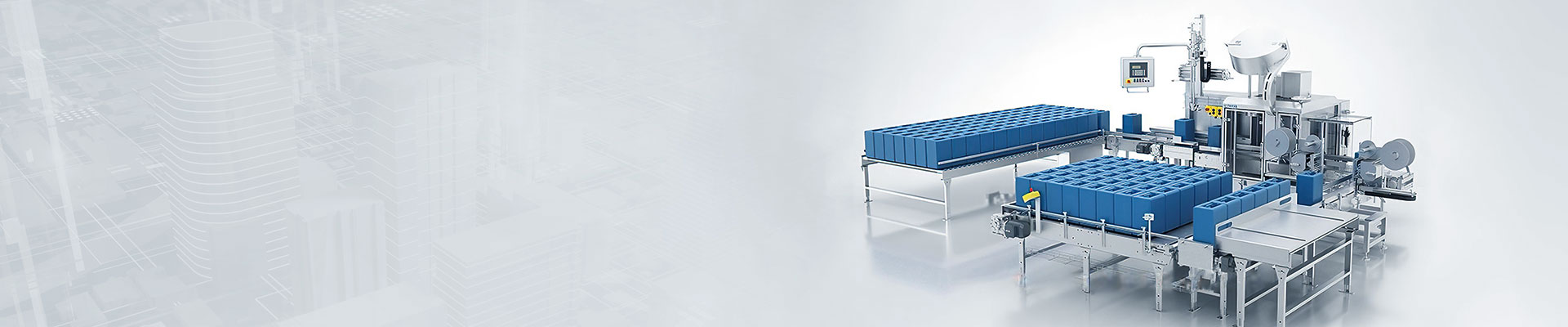
The automatic filling machine uses PLC control for rotation for filling, mainly consisting of fluid transportation, container transportation, filling valve, large turntable, transmission system, body, and self-control. Pressing the start button for filling initiates the transmission wheels and the filling machine. Pressing the conveyor belt start button then activates the filling machine's bucket conveying belt. After the bucket enters the conveyor belt, it is sent to the bucket tray lifting mechanism at equal intervals by the transmission wheels. When the tray detects pressure, the piston gives the lifting mechanism a pressure, with the maximum lifting time being 2 seconds. If the filling port pressure sensor罩 detects pressure, the tray stops lifting and then the valve opens to start filling the bucket. After the filling is completed, the tray begins to descend, and during the descent, the liquid valve is closed, the return air pipe works, and the exhaust and residual liquid operation is initiated. After the descent is completed, the bucket turns to a certain angle by the transmission wheels and is sent out, while the bucket tray continues to move forward into the next cycle.
The main components of the automatic filling machine include pneumatic triplex units, filling valves, vacuum pumps, etc. The pneumatic triplex unit includes solenoid valves, cylinders, and hoppers; the filling valve is composed of three cylinders, namely the upper cylinder, the lower cylinder, and the lower cylinder. The upper pressure is input from the solenoid valve, and the lower pressure is output from the outlet of the lower cylinder; the lower cylinder is driven by a drive motor to move the upper rod, which sucks the required material through the filling valve and fills it. The lower pressure is input from the filling valve and is driven by the drive motor to unload the required material into the filling valve; the lower pressure is input from the filling valve and driven by the drive motor to operate the filling valve, which fills the required material into the filling pipeline.
The solenoid valve in the triplex unit of the automatic filling machine is the core component of the control system, and its main function is to control the hydraulic cylinder to achieve filling volume adjustment and control of the vacuum pump. When the piston moves up and down, it squeezes the hydraulic oil in the hydraulic cylinder, forming an oil flow to push the piston out; when the piston moves left and right, it squeezes the hydraulic oil back to the oil tank. During the piston being pushed out and returning, an air pressure difference is formed, and this air pressure difference allows the solenoid valve to control the opening degree of the solenoid valve through the control of the electromagnetic wire on the solenoid valve. The bucket moves from left to right, sequentially detecting the size of the bucket. When the bucket reaches the position on the Electronic scale and is in place, the mechanical hydraulic cylinder moves down to the position, and the filling material takes 1 second or 2 seconds (depending on the size of the bucket detected) and is filled. After the filling is completed, the mechanical hydraulic cylinder moves up to reset. The bucket continues to move to the labeling machine position, the labeling machine moves forward, and is in place after reaching the position. Then the labeling machine returns to reset. The bucket continues to move to the photoelectric sensor position, detects a rising edge, and the PLC counts by adding one. The operation of the Liquid filling machine is controlled by the motor and the filling equipment, through the rotation of the motor, the conveyor belt moves, thereby driving the operation of the assembly line. The activation of the automatic filling machine directly controls the flow of materials. By inputting the PLC software program, it directly controls the operation of the motor, conveyor belt and the assembly line. The assembly line is monitored in real time by sensors and controlled through the PLC program, with extremely precise control and a very high level of automation. The filling of materials is carried out using liquid filling machines and weighing filling machines, which combine the filling production line devices to ensure the stable and efficient completion of material filling.