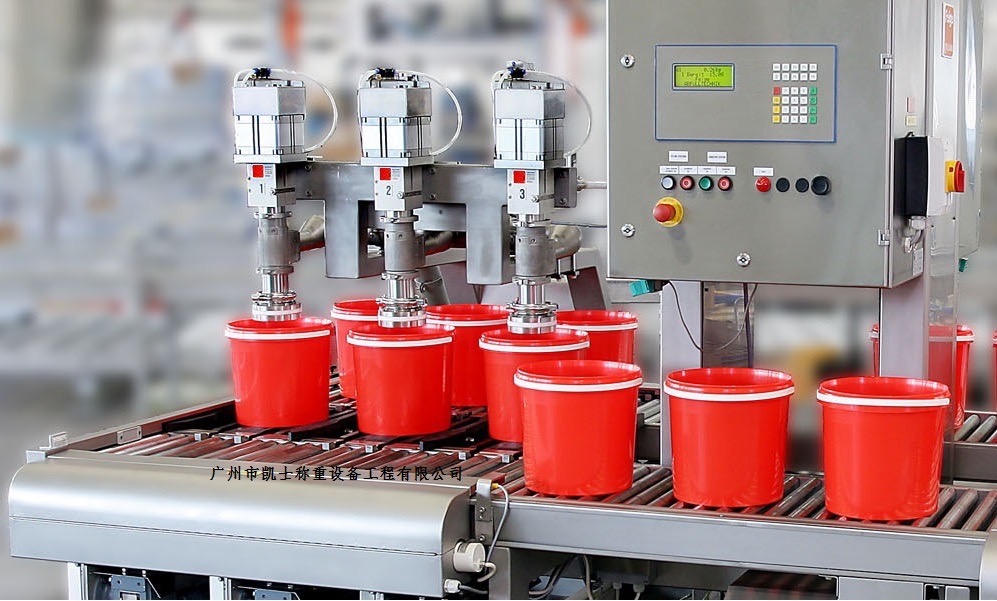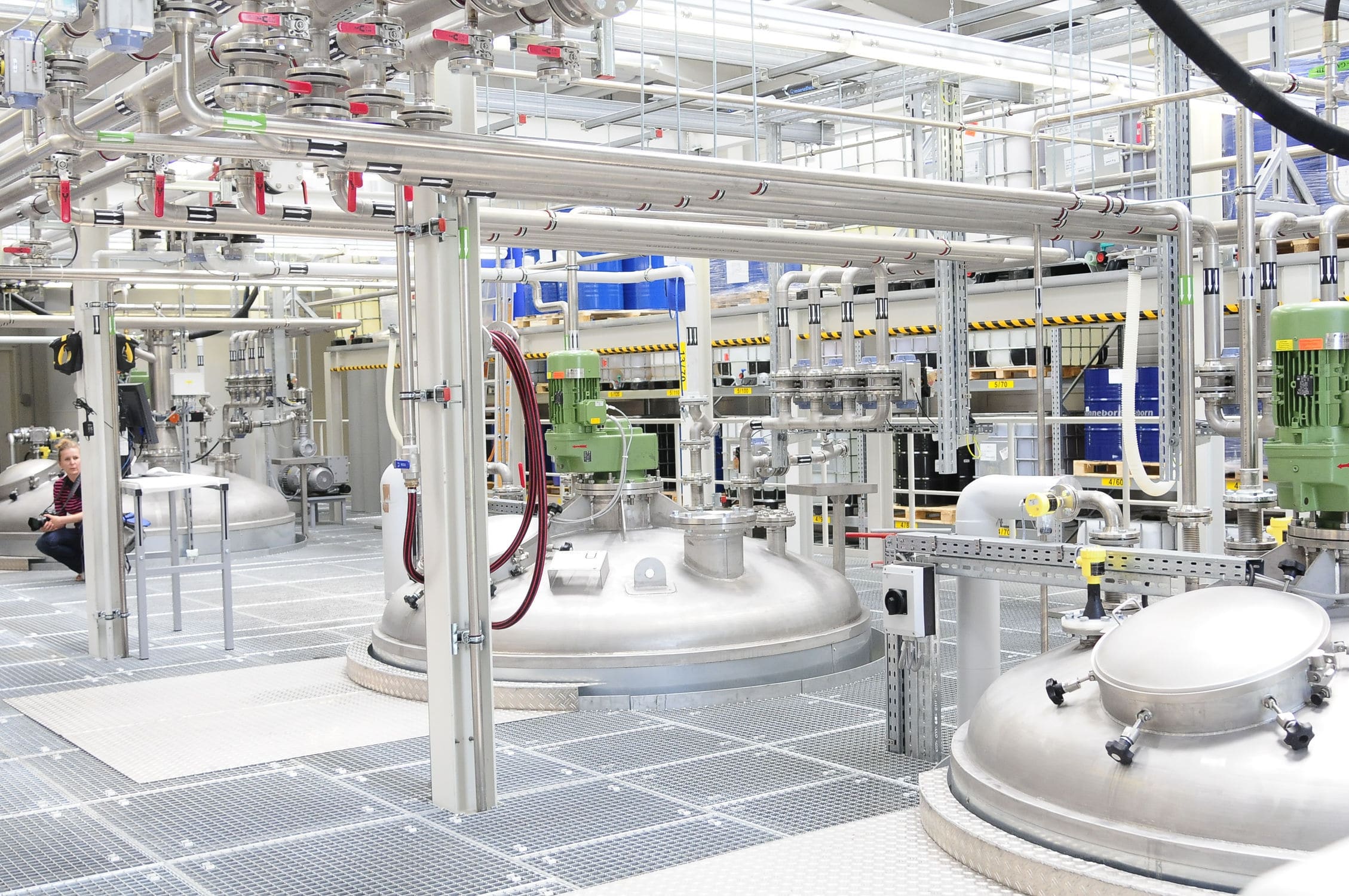


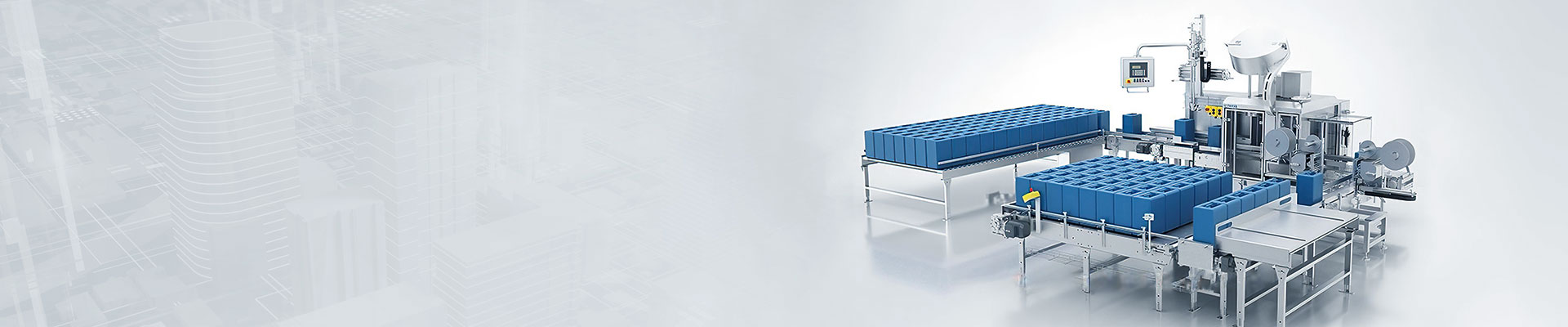
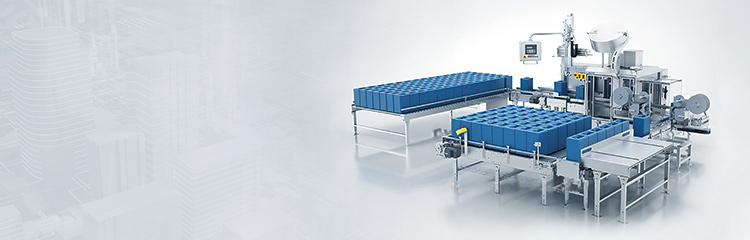


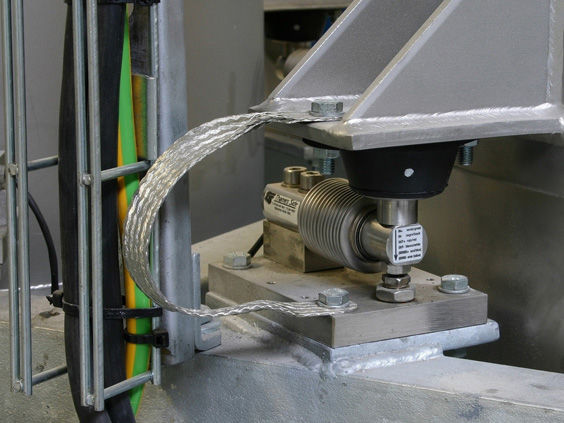
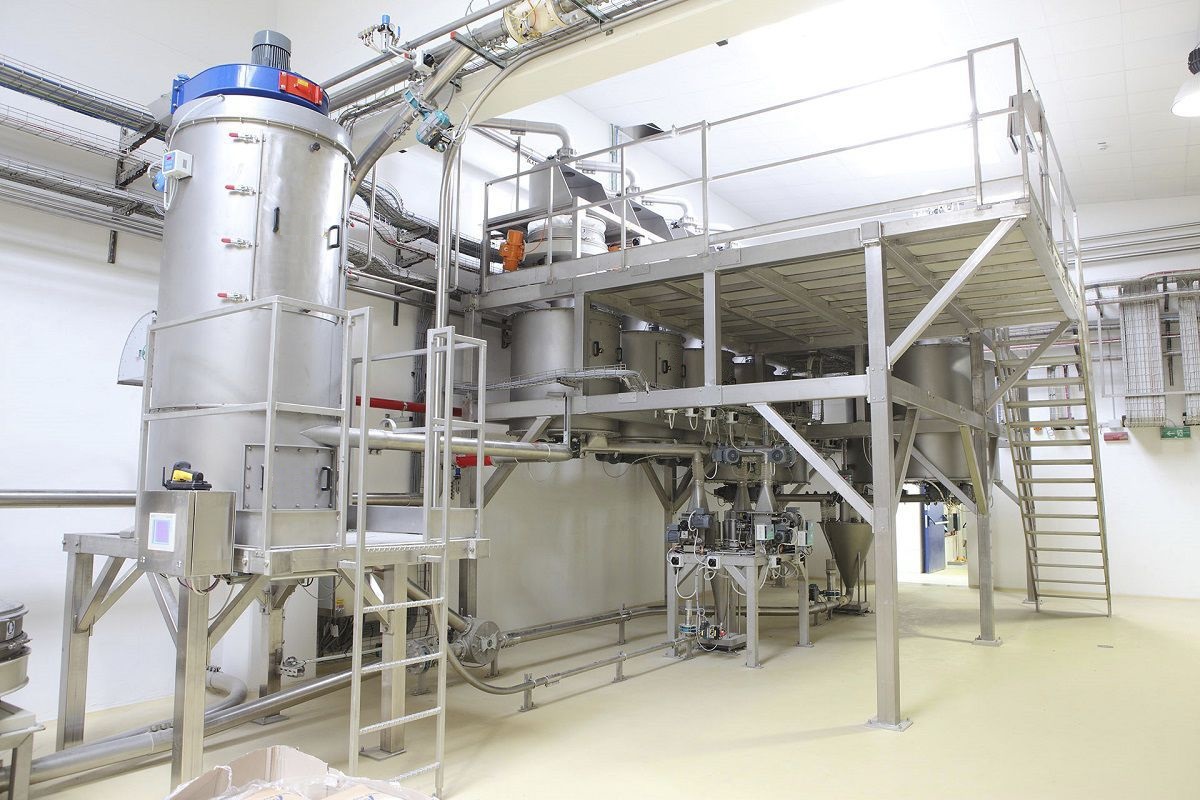
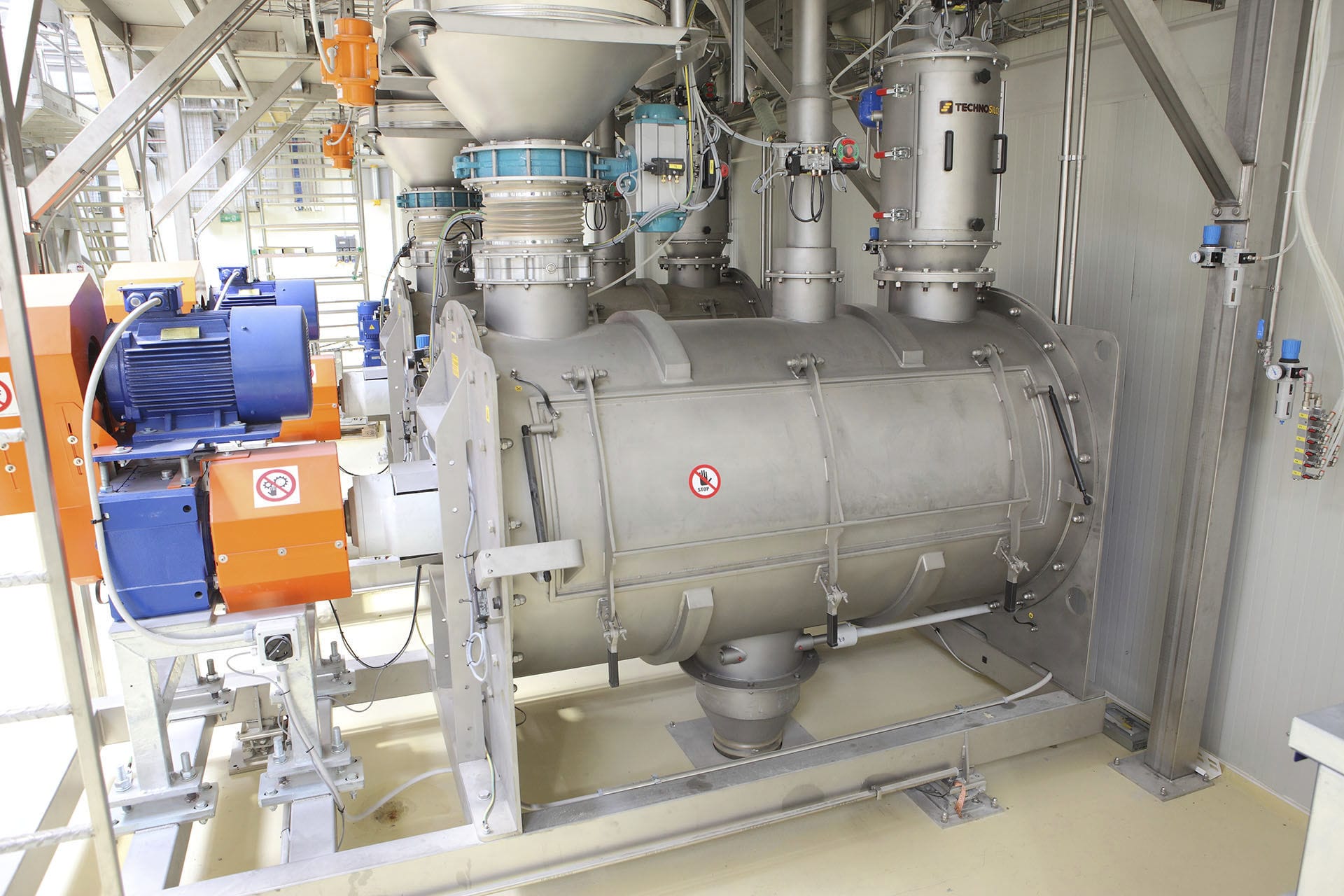
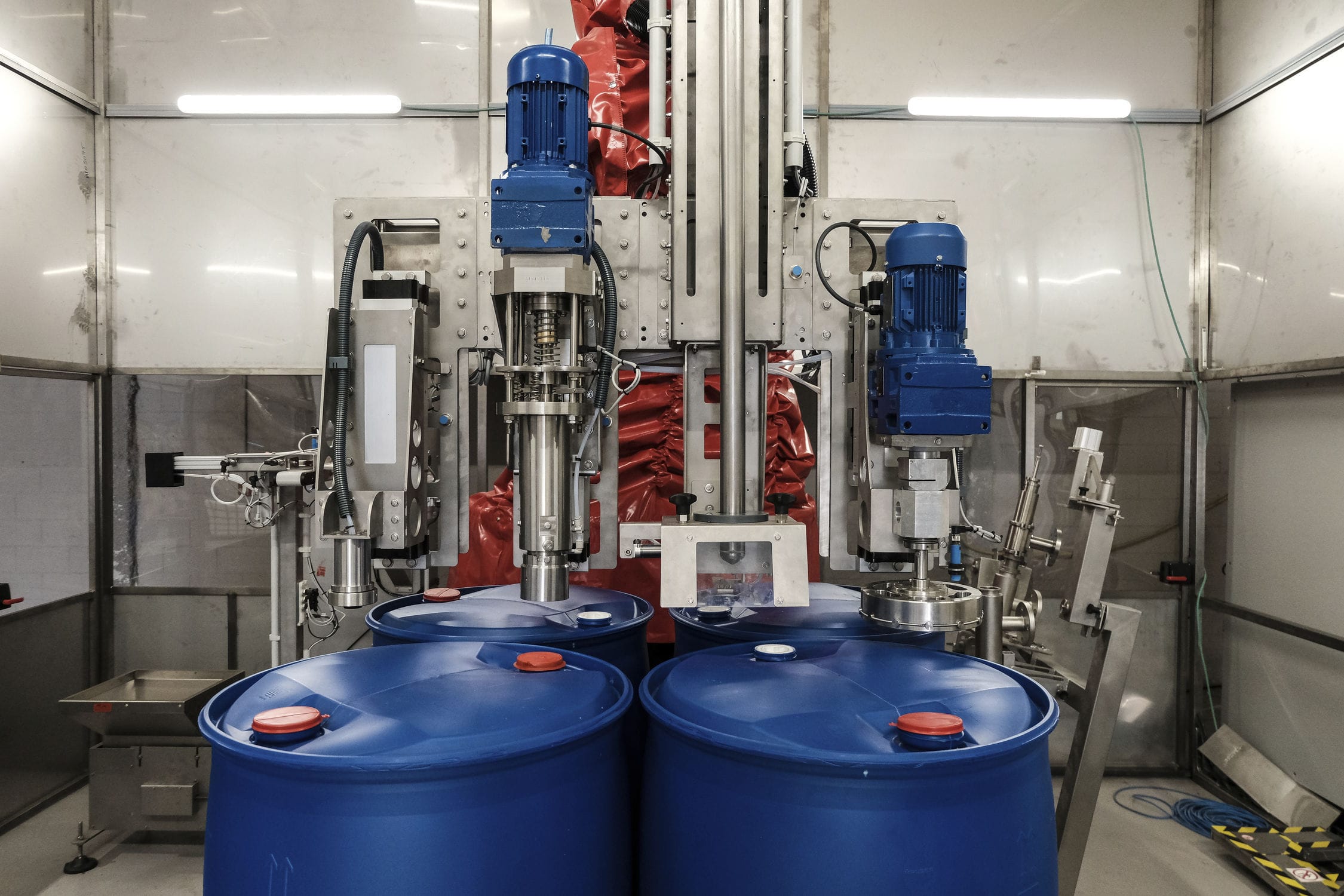
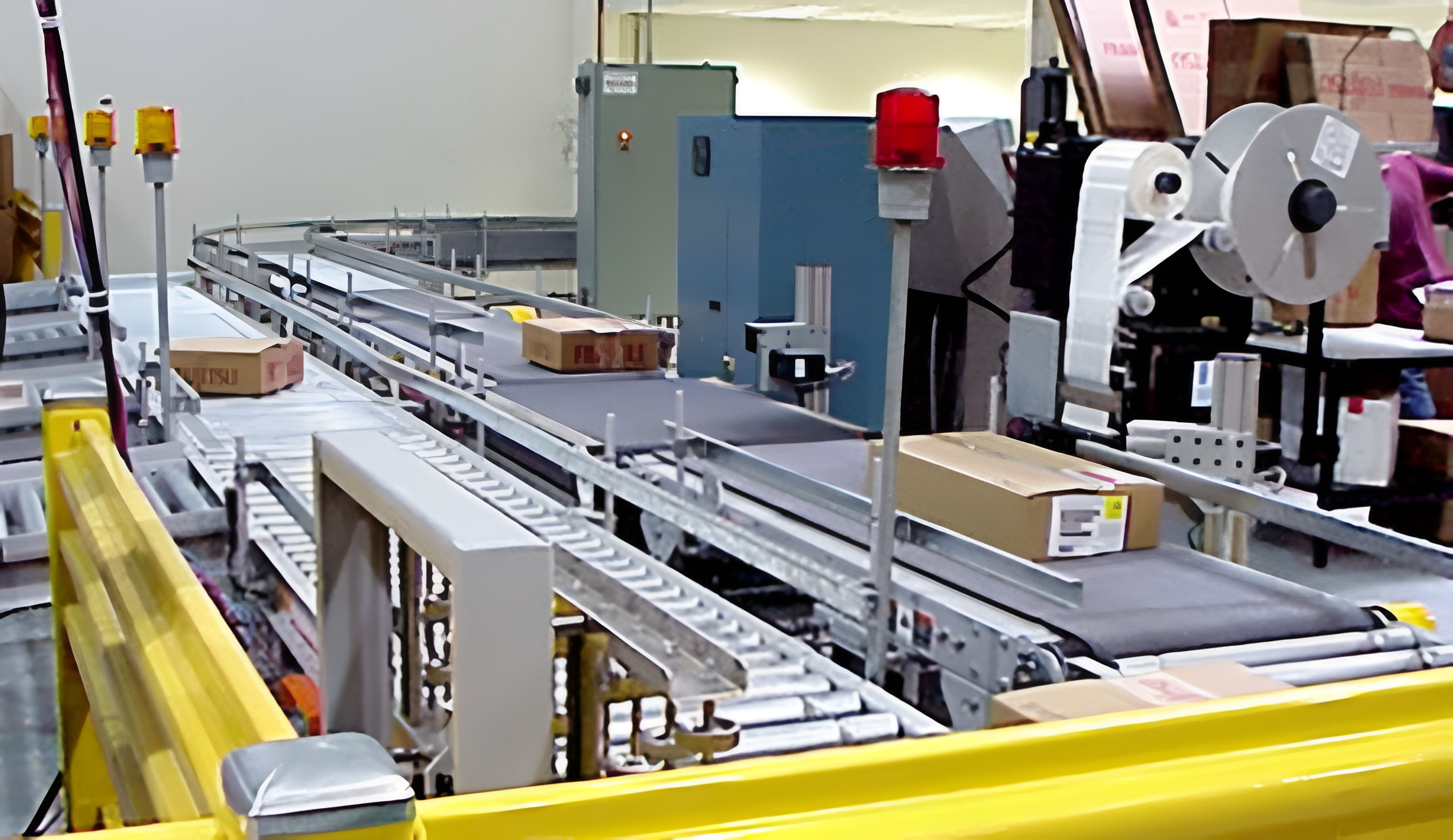
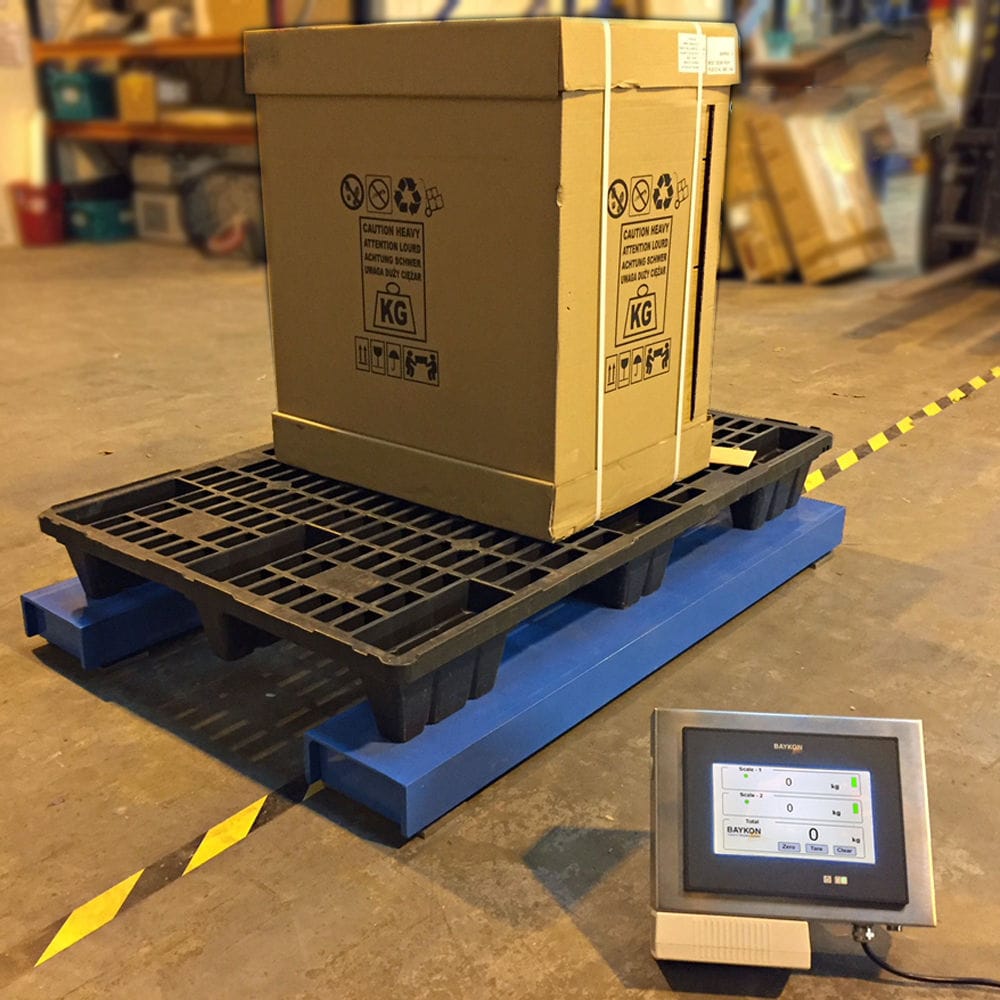


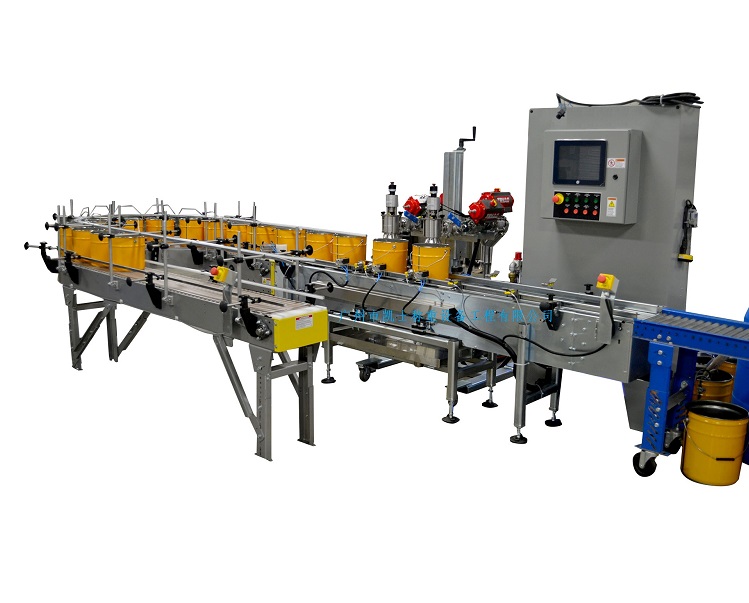
The variable-frequency liquid filling machine is composed of filling tanks, butterfly valves, electronic scales, support frames, stepper motors, cylinders, filling tanks, fixtures, mechanical hands, and receiving plates, etc. The automatic filling machine for automatically weighing liquid-filled substances consists of two steps: coarse weighing and fine weighing. First, the weight to be weighed is set. When the conveying device carrying the filling tank is accurately transported to this workstation under the control of PLC, the filling tank is locked. The filling valve is fully opened, and the liquid-filled substance in the tank begins to flow from the hopper through the gear pump to control the liquid flowing into the filling valve and then to the filling tank space on the electronic scale.

 020-34563445
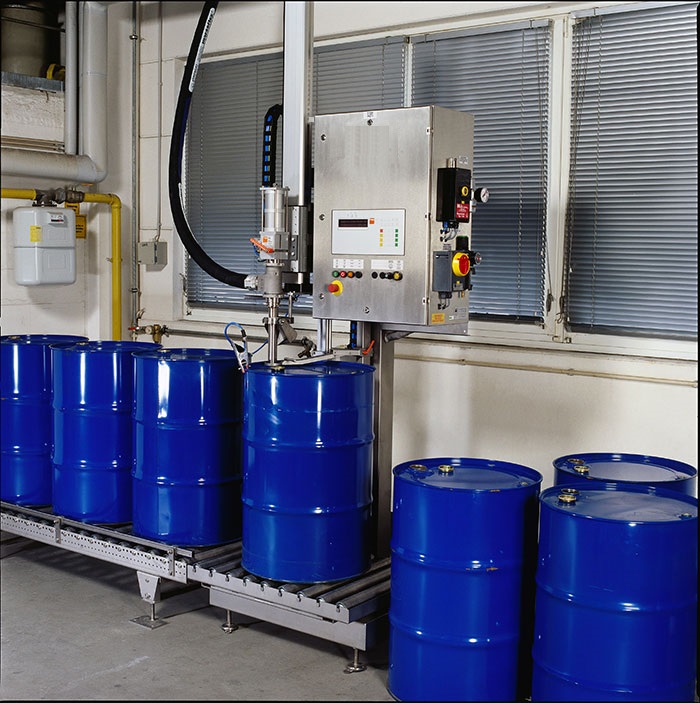
The variable-frequency liquid Filling machine is made of polytetrafluoroethylene and adopts a two-stage automatic filling method for both large and small materials. The height of the filling head can be adjusted manually. The filling machine has an automatic function to detect empty barrels and an automatic non-filling function when the scale is empty. All actions are equipped with manual buttons for emergency manual operation. A dual-window display dedicated filling control instrument is used, which can display information such as target volume, filling volume, barrel count, time and date. It is connected to the ERP system on top and the automated filling production line at the bottom, providing a basis for production management and quality control, facilitating timely data analysis. It records the production capacity and operation status of the filling production line, assisting managers in improving and enhancing product performance and process operation. It coordinates relevant departments such as raw materials, production and transportation, making departmental cooperation more closely and improving production efficiency.
The Liquid filling machine consists of filling barrels, butterfly valves, Electronic scales, support frames, stepper motors, cylinders, filling barrels, fixtures, mechanical hands, and receiving plates. The automatic filling of liquid-like fillers is divided into two steps of coarse weighing and fine weighing. First, the weight to be weighed is set. When the conveying unit carrying the filling barrel is accurately transported to this position under PLC control, the filling barrel is locked. The filling valve is fully opened, and the liquid-like filler in the barrel begins to flow through the gear pump controlled by the valve to the filling barrel space above the electronic scale, which is equipped with an electronic scale below. When the electronic scale indicates a weight of 90% of the set weight, the filling valve closes by 80% to complete the coarse weighing. The filling valve opens by 20% and continues to discharge the material. When the value indicated by the electronic scale matches the set value, the fine weighing is completed. The PLC controls the action of the pneumatic switch to close the filling valve. After the filling valve is closed, the system conducts an automatic detection to determine whether the filling barrel is clamped. If the conditions for conveying are met, the barrel is opened and transported to the sealing position until the sealing is completed, and the finished product is sent to the packaging section.
The automatic filling machine is controlled by two servo motors. One servo motor drives the three-way valve to rotate back and forth 90° through a reducer to achieve the opening and closing of the filling port of the barrel, the material cylinder and the outlet port. The other piston servo motor and reducer drive the crank to swing back and forth to achieve the suction and pushing actions. By adjusting the angle of the crank's swing through the servo motor, the filling volume can be changed. The speeds of the two servo motors and the setting of the filling volume are all performed on the touch screen. The operation process starts the machine → the three-way valve rotates clockwise 90° (the material cylinder and the outlet port are connected, while the filling port of the barrel is closed) → the crank rotates to a certain angle (the material in the material cylinder is pushed out) → the three-way valve rotates counterclockwise 90° (the material cylinder and the barrel filling port are connected, while the outlet port is closed) → the crank rotates to a certain angle (the material in the barrel is sucked into the material cylinder), completing a cycle process, repeating this process.
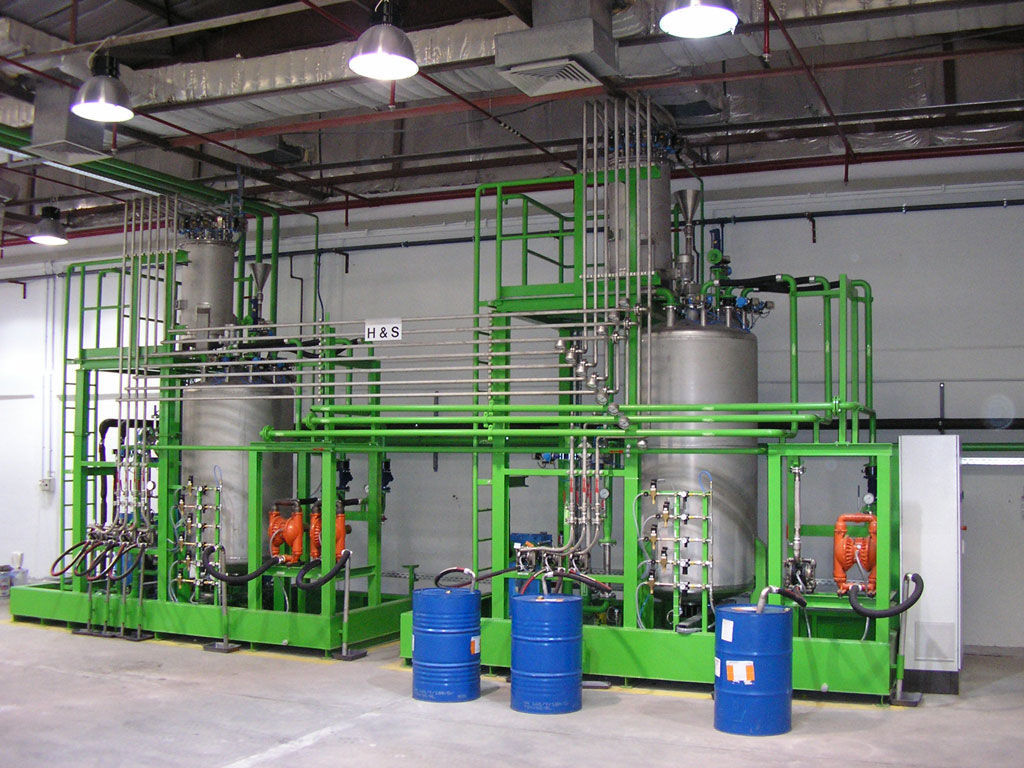
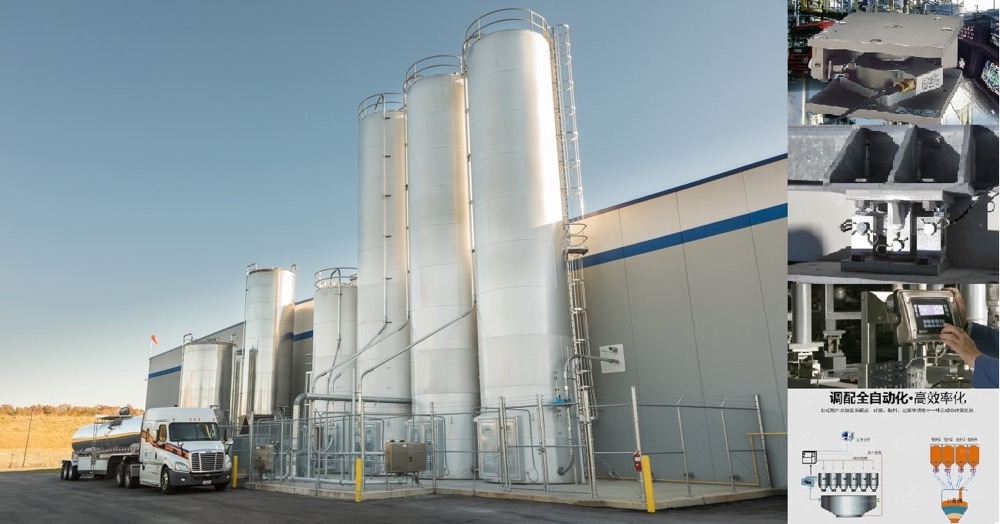
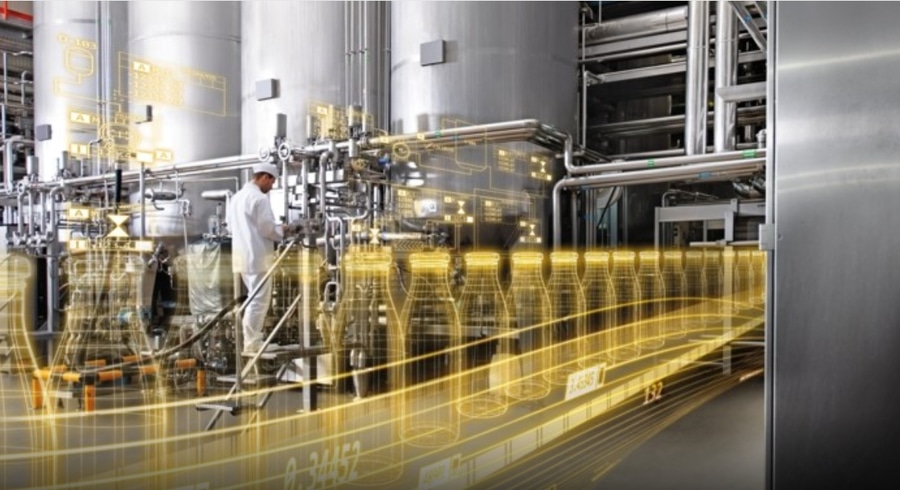
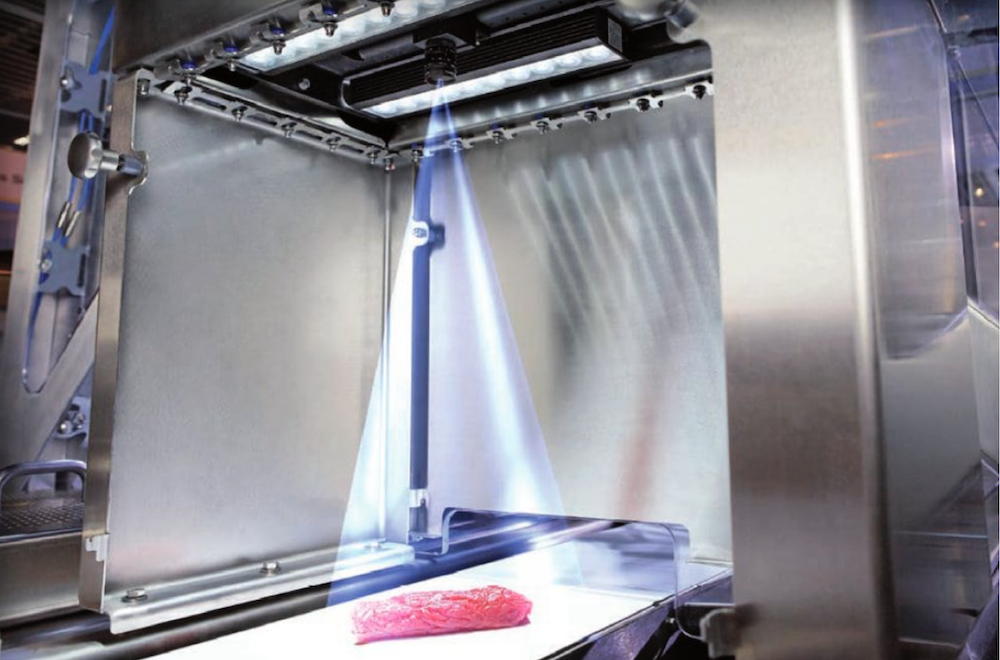
The material flows through the pipeline and falls into the barrel on the electronic scale of the filling machine. It is controlled by the main feeding gear pump to evenly transport the material to the feeding pipeline. When there is no material in the material bin or the amount of material is insufficient, the photoelectric detector will detect it and send a signal to the PLC, which then sends a feeding signal to the conveyor to add material. The material is transported through the feeding pipeline and sent to the material bin through the liquid level. Then, the driving equipment, namely the stepper motor, works, opens the material bin valve to send the material to the weighing and distribution barrel. The barrel generates a weight signal through the sensor on the electronic scale, which is transmitted through the lead wire to the PLC of the control equipment. The CPU on the PLC reads and records the weight of each weighing barrel, and through calculation, analysis and combination, selects the filling volume closest to the target weight and issues a command to start the filling gun to open the valve and send the product to the packaging barrel, and sends a closing piston signal to the filling valve of the filling machine. When the weighing filling machine is about to reach the target weight, the high-performance single-chip microcomputer or PLC can directly complete the detection, calculation, and control output. This can not only meet the real-time control accuracy requirements of the filling machine, but also send signals from the single-chip microcomputer or PLC to the multi-channel switch. The signals are amplified, A/D converted, and input into the single-chip microcomputer or PLC, and the input values are combined and calculated to obtain the set of weighing bucket numbers where the best combination is located. According to the number, the rotational speed and direction of the corresponding stepper motor are controlled to open the material door, complete the discharge, and then close the material door.