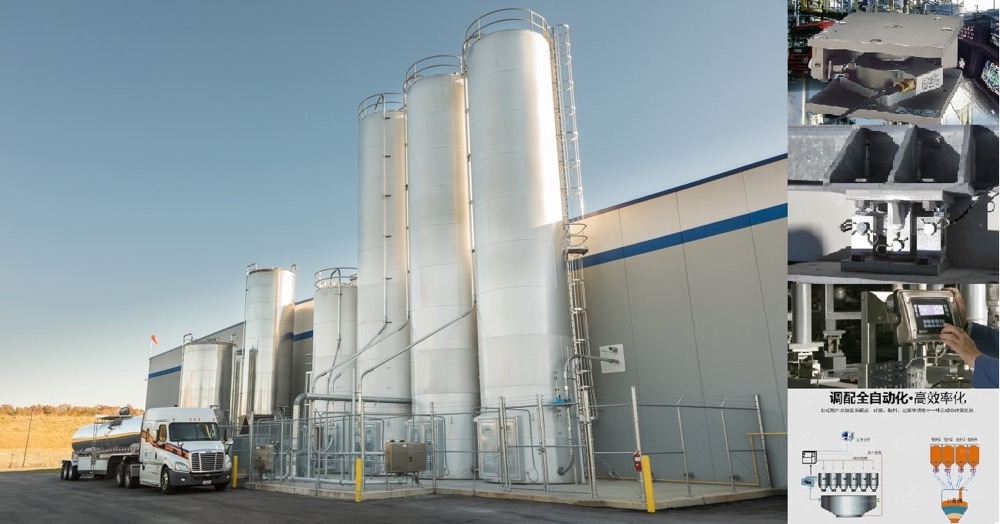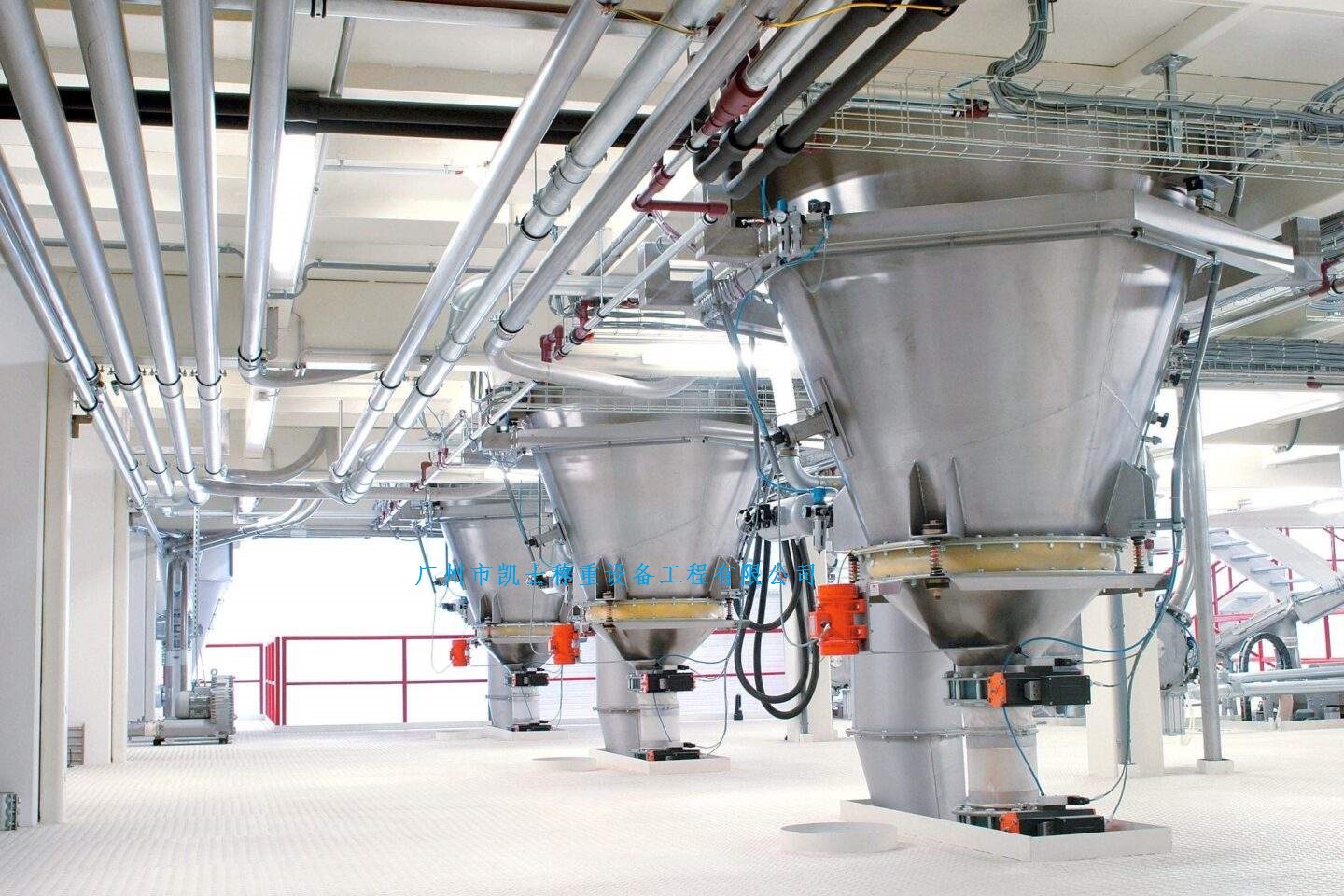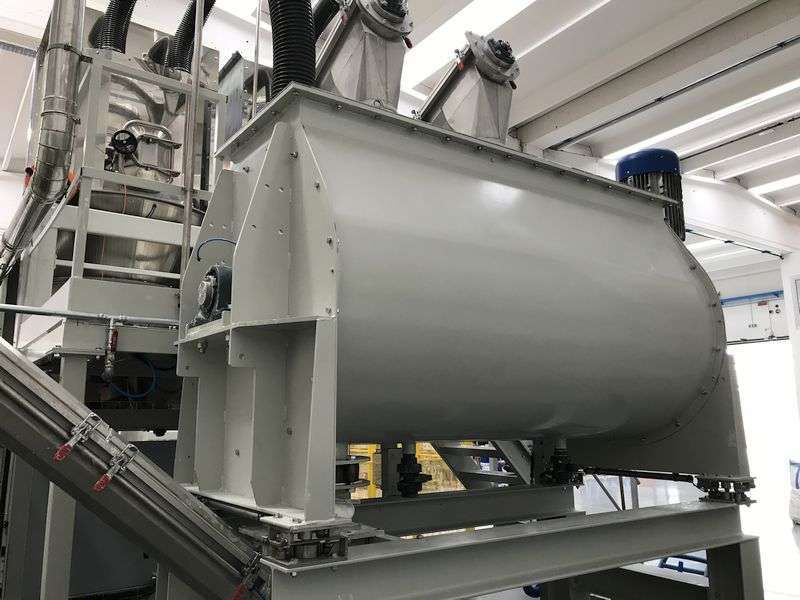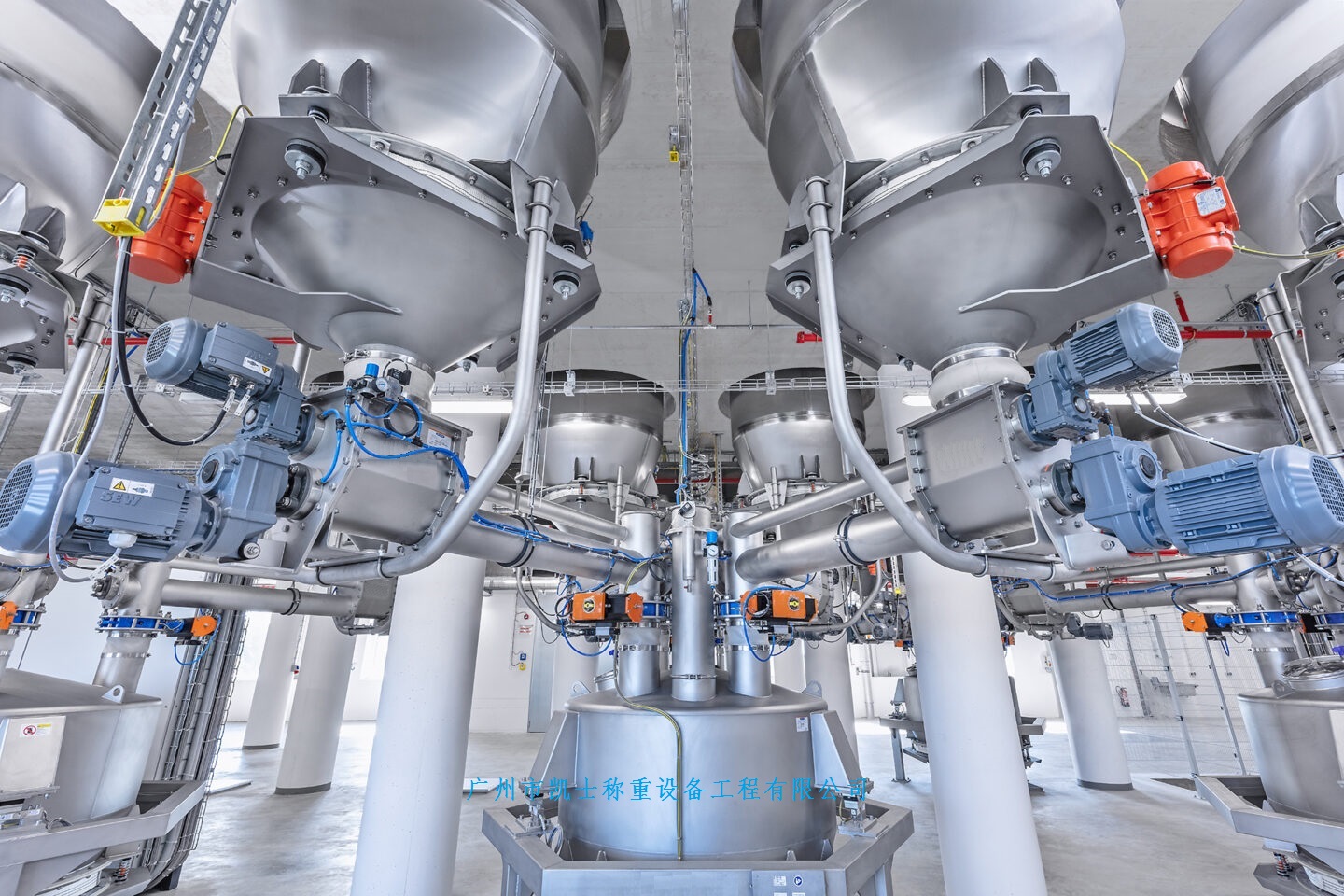





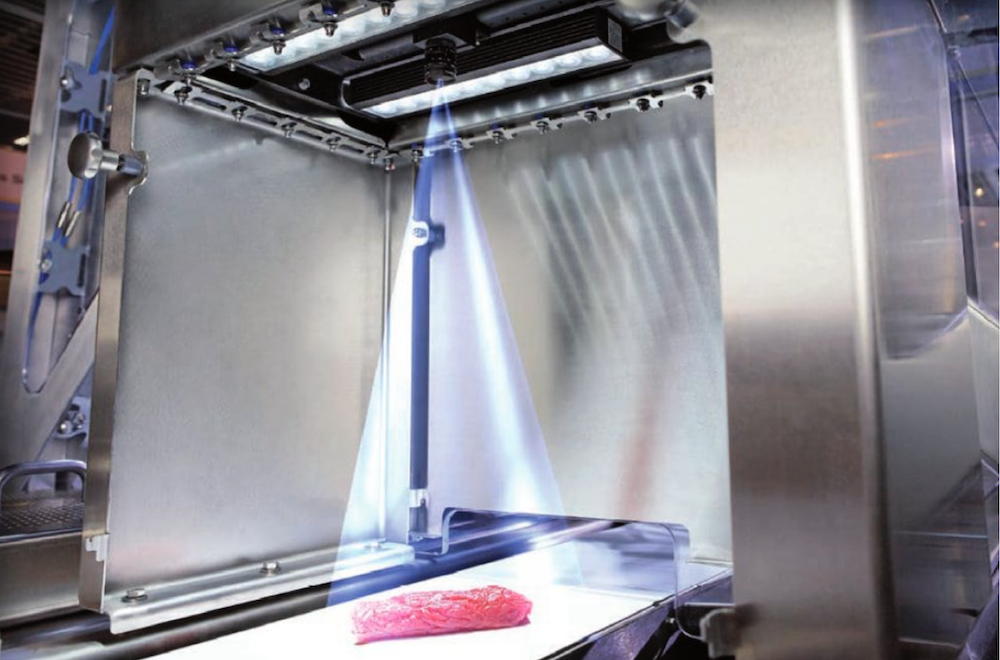
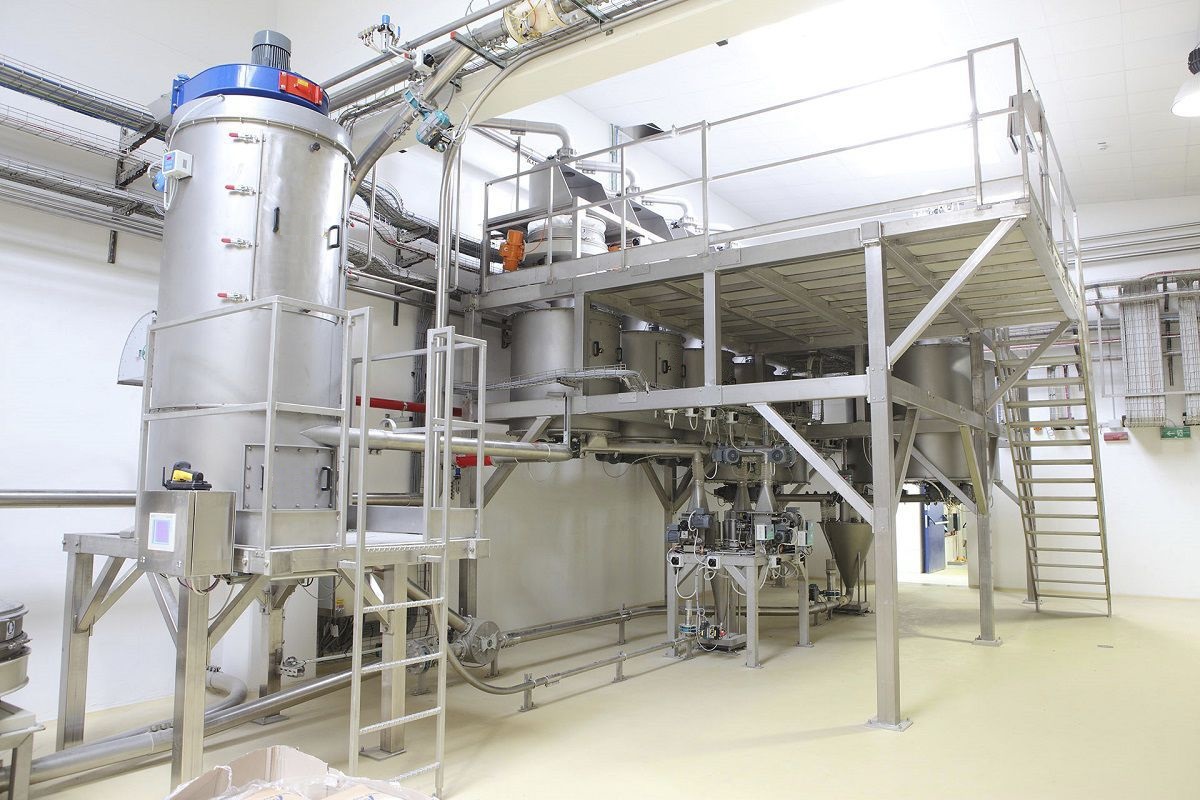
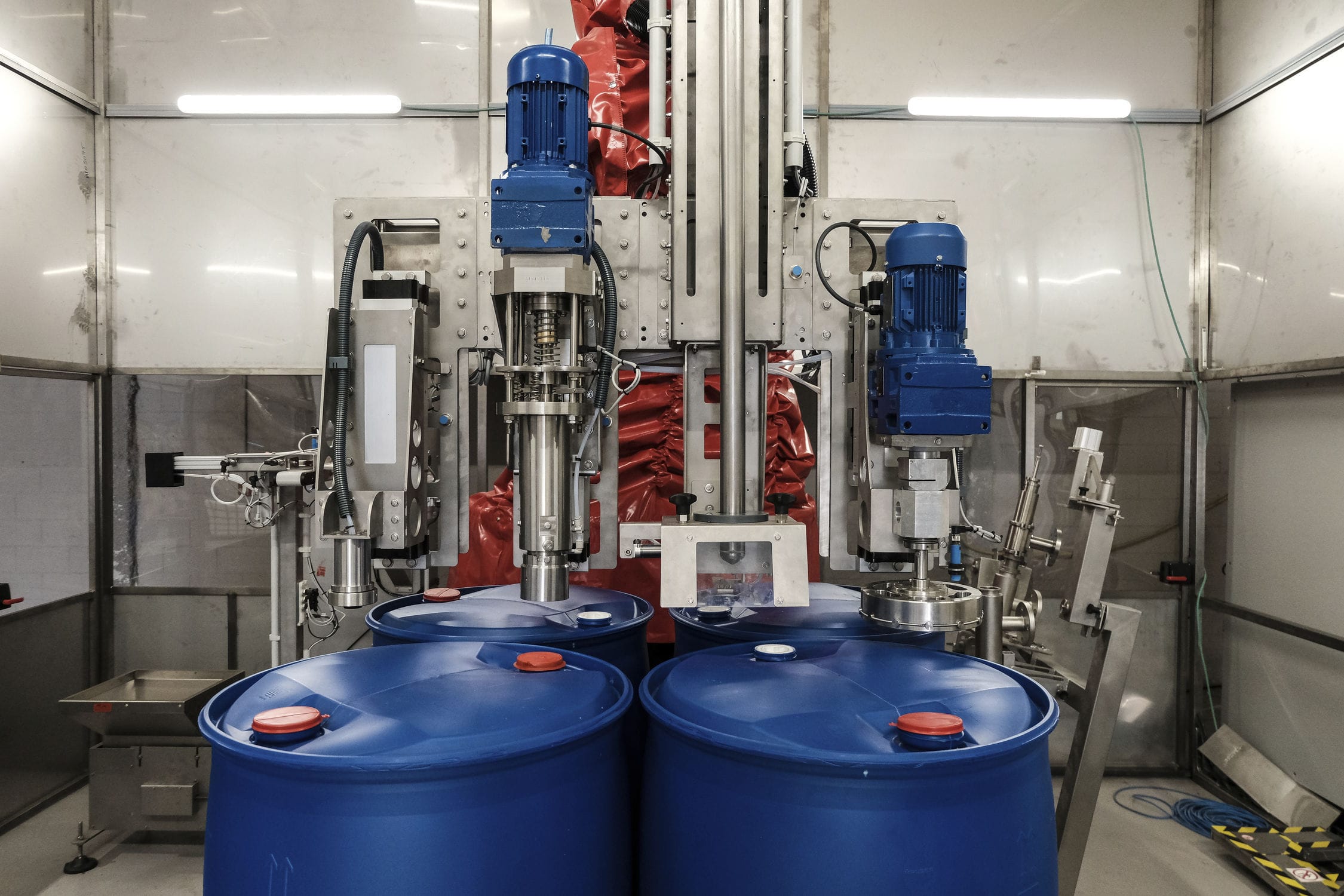
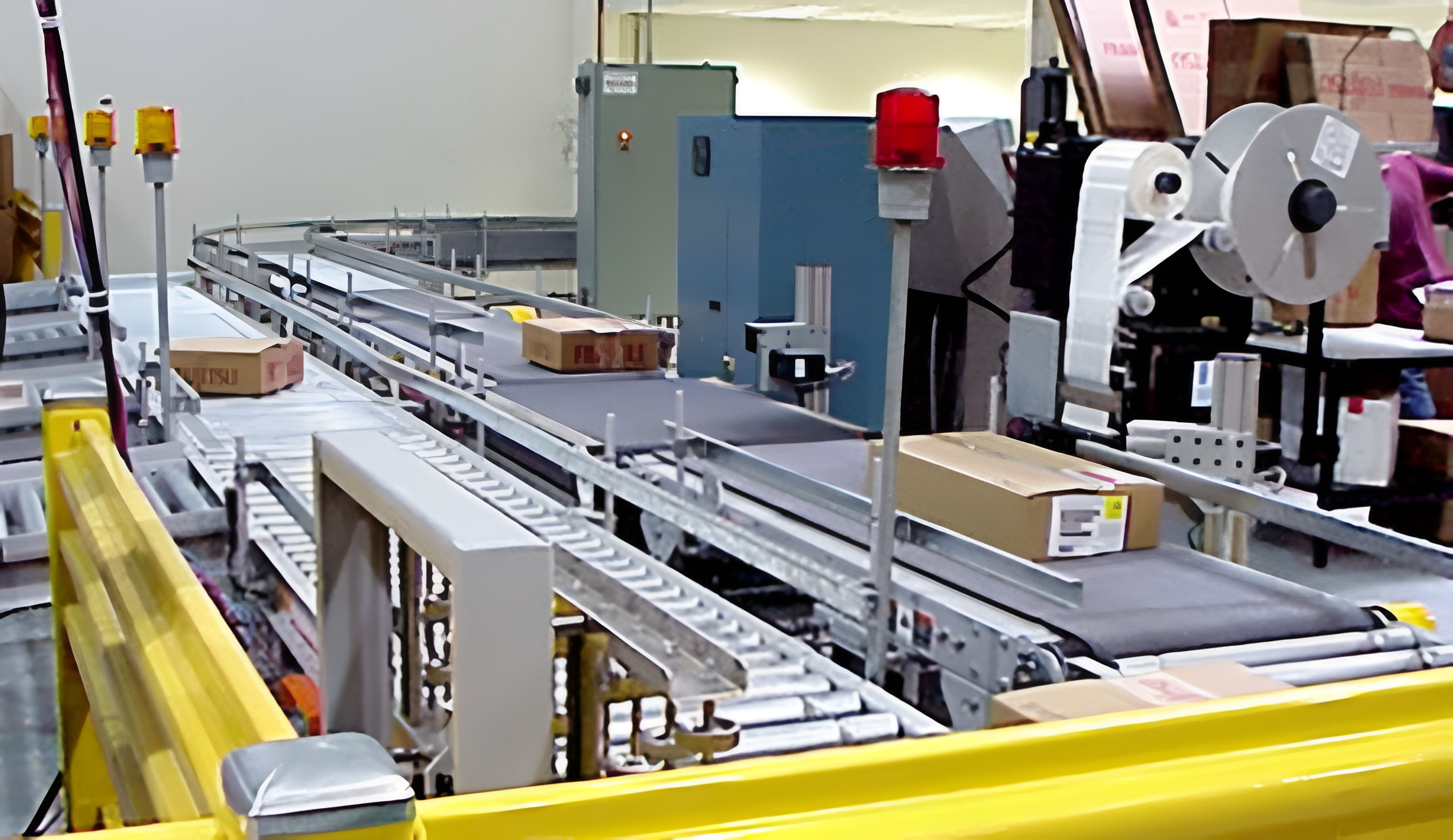


The automatic feedback batching system can control the amount of materials fed into the conveyor by adjusting the opening degree of the gate. A weighing module is designed on the screw feeder to weigh the raw materials on the conveyor in real time. The conveying speed of the conveyor and the quality of the raw materials will all be uploaded to the control system. Combined with the allowable loading capacity of the hopper, the weighing control system will monitor and adjust the working status of the system in real time to ensure the precise transportation of raw materials.


 020-34563445
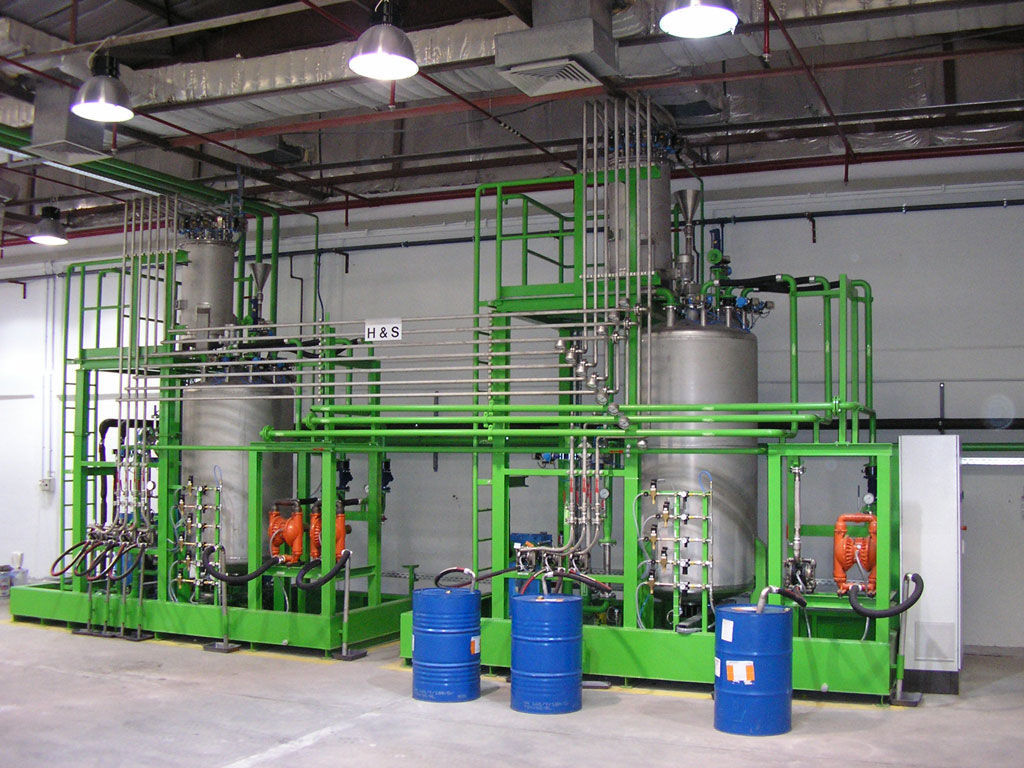
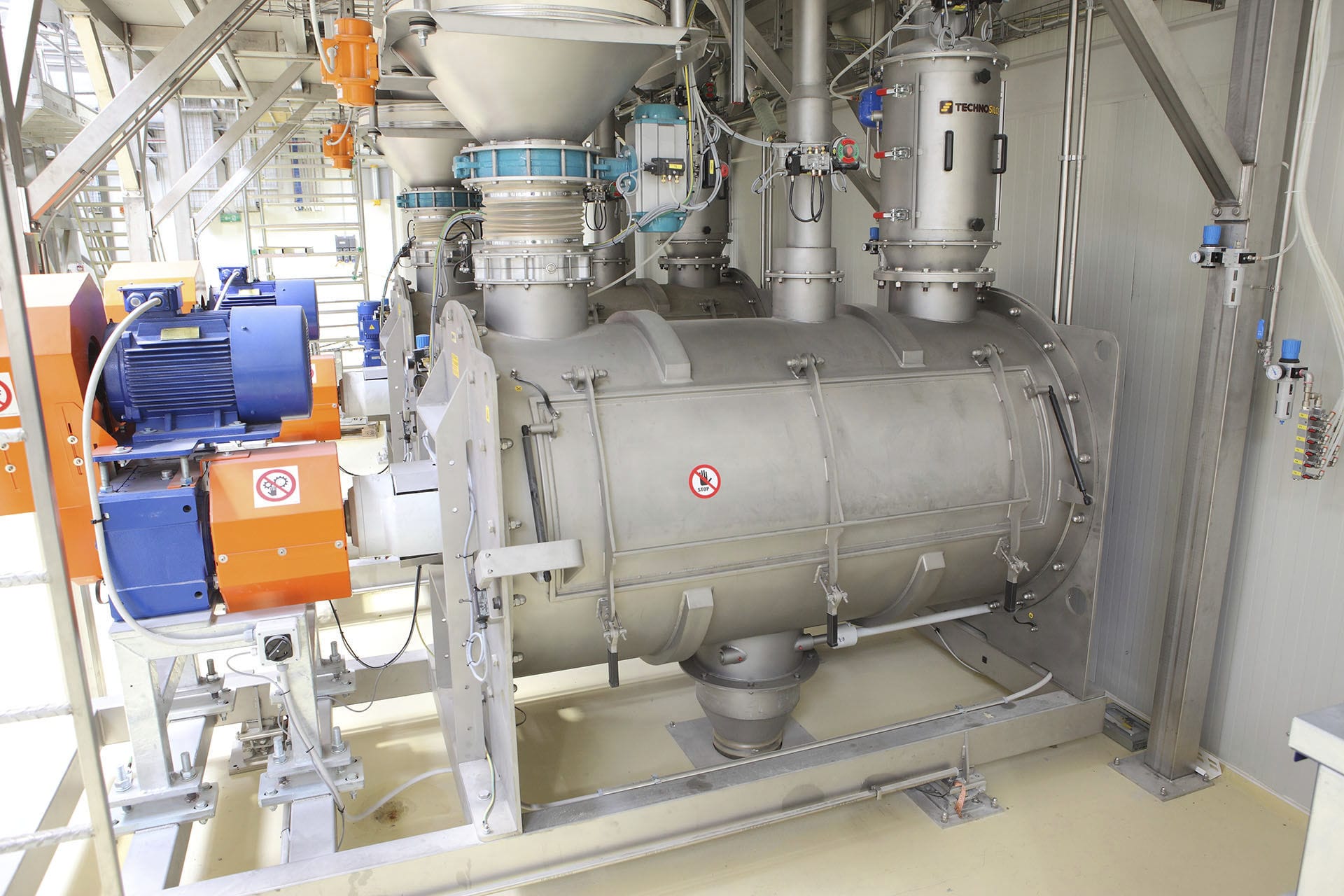
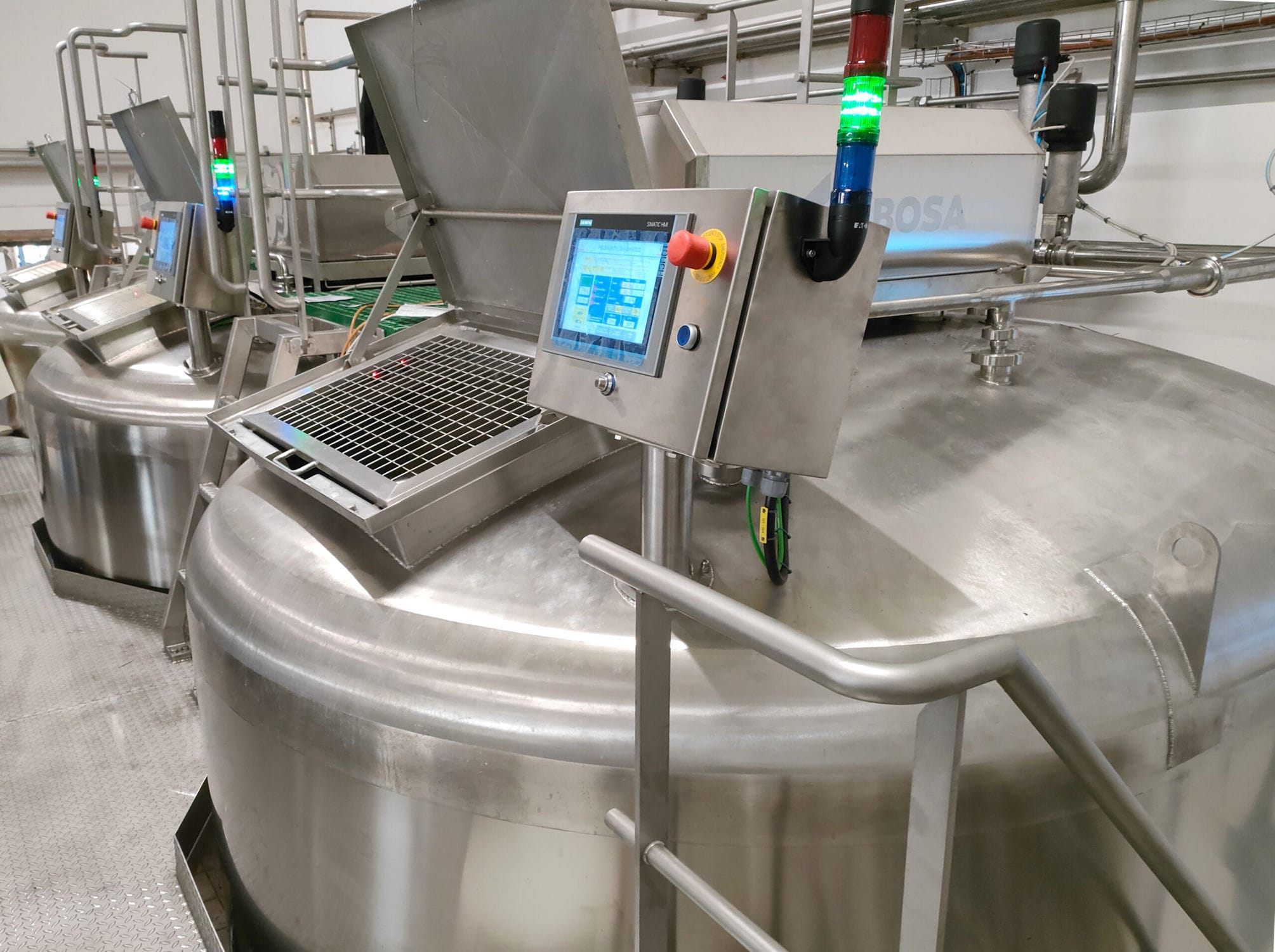
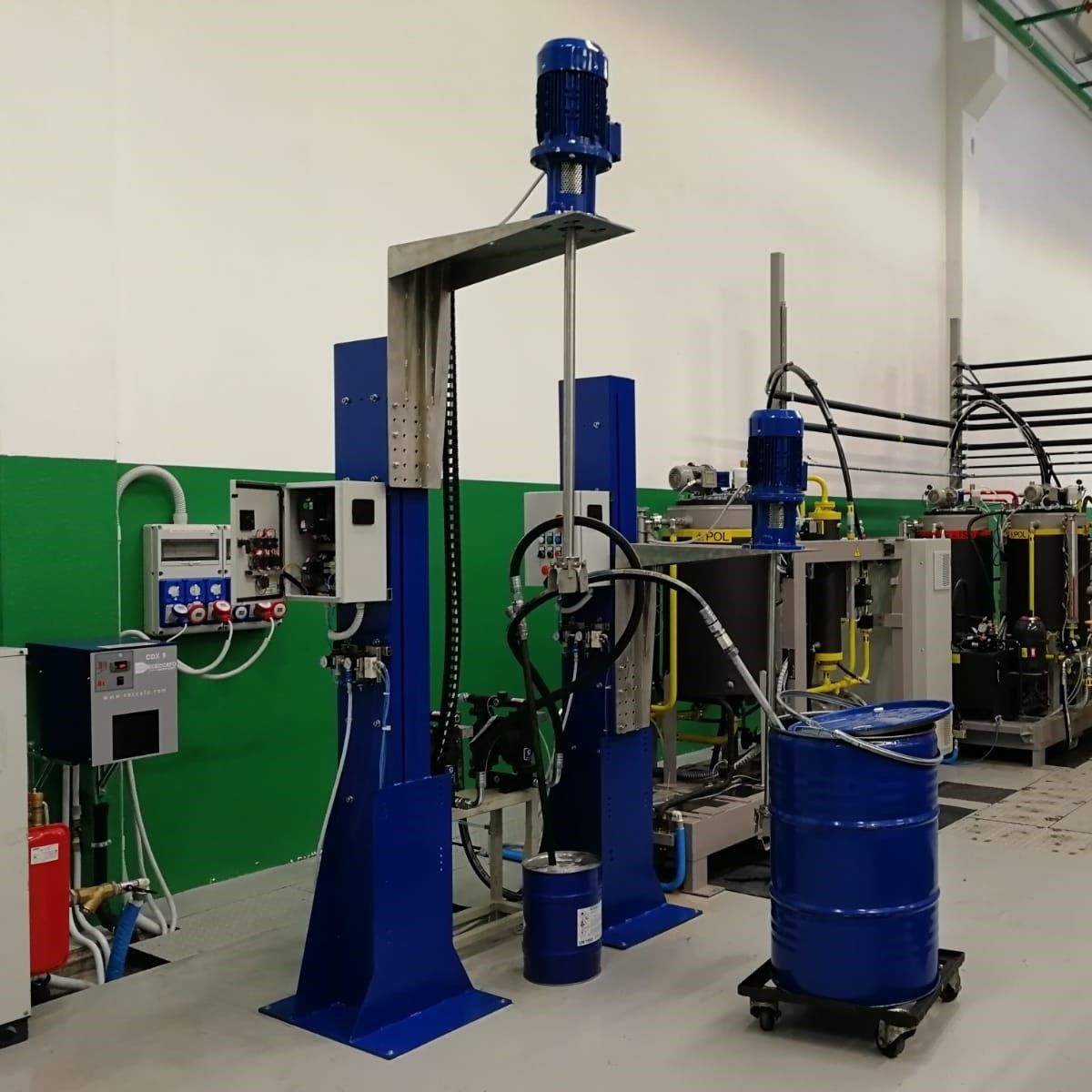
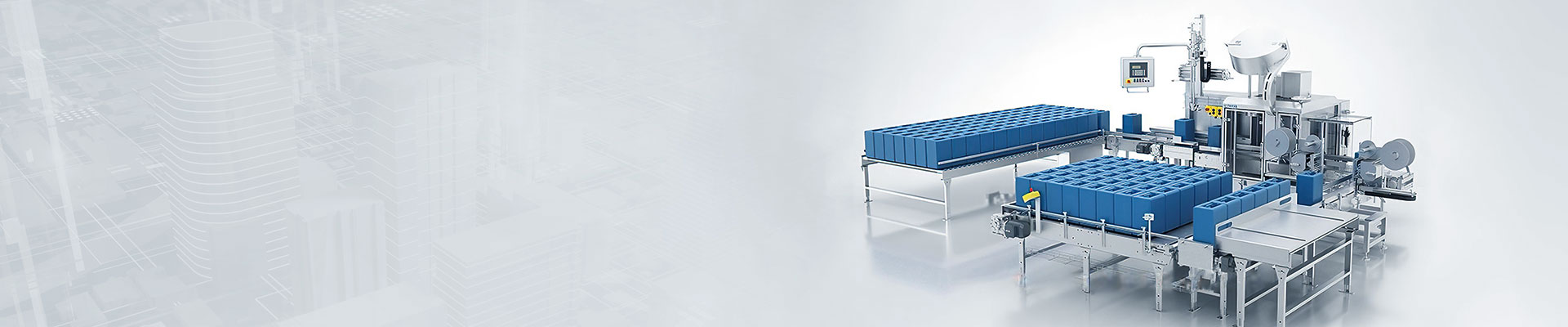
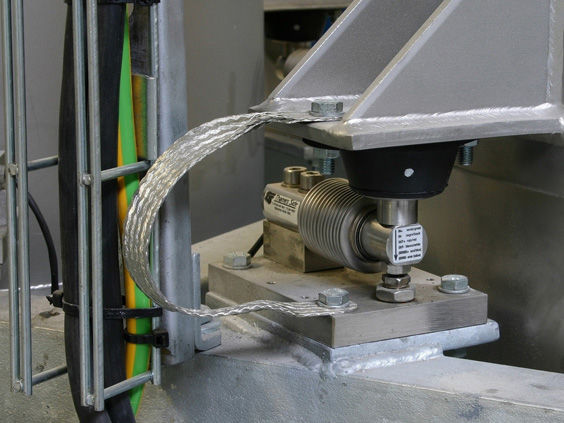
The automatic feedback Batching system is composed of conveying and feeding equipment, storage equipment, automatic Weighing system, dust removal system and PLC electrical control system. It is applicable to sites without continuous batching requirements. These sites have low demands on the batching time and can batch materials by batches. There can be a certain time interval between batches, such as a time interval of 3 to 5 minutes between the two batches before and after the material feeding from the hopper. Each batch consists of various materials, and the proportion of the materials according to the process requirements is relatively fixed within a certain period of time. The proportion of the composition of a single material is not strictly required, as long as the proportion of the materials in each batch can meet the process requirements. Due to the overlapping of the time in the material measurement, transportation and addition processes, the control process can adopt a parallel mode to save the feeding time and increase the feeding speed. Various materials are stored separately in different silos, and the feeding of the silos generally adopts electric vibration feeding, screw feeding or door-type feeding forms. The weighing silo is equipped with a pressure or pull-type weighing module for force-electric conversion, and the signal is amplified and processed by the weighing instrument and connected to PLC or DCS to complete the weighing. The material addition is sequentially positioned at each silo in proportion for material addition. The addition amount of various materials is calculated by the difference method.
The weighing Feeder consists of a gate falling into a screw conveyor, and the amount of material falling into the conveyor can be controlled by adjusting the opening degree of the gate. The screw feeder is designed with a weighing module to weigh the raw materials on the conveyor in real time. The conveying speed of the conveyor and the quality of the raw materials will be uploaded to the control system. Combined with the allowable loading capacity of the hopper, the weighing control system will monitor and adjust the working state of the system in real time to ensure the precise transportation of raw materials. In addition, the weighing system should also have the function of controlling the auxiliary equipment of the feeder, and promptly detect system operation faults and issue alarms.
The control system of the weighing feeder mainly includes three parts: status monitoring, speed regulation safety protection. The three parts are closely linked through data interaction, data feedback and action complementarity, forming a complete control system with full functions, accurate control and complete protection. Status monitoring is mainly used to monitor the material transportation volume of the feeder in real time. It obtains the instantaneous material volume data from the weighing module through the speed sensor of the conveyor belt drive motor and obtains the speed data of the conveyor belt. It uses the collected data for analysis and calculation to obtain the material transportation volume. The speed regulation system calculates and processes the obtained data to obtain the actual feeding volume of the feeder. During the transportation process, when the control system is running, there is a set feeding volume value, and the actual feeding value obtained through sensing and calculation will be fed back to the system for comparison with the set feeding volume value. The control system will adjust the conveyor belt speed using PID control based on the comparison deviation to gradually reduce the deviation between the set value and the actual value, ensuring that the total feeding volume of each lifting cycle meets the requirements of the site transportation.
The weighing system will give a feeding volume signal, and the PLC analyzes and processes this signal to obtain the set speed signal for the feeder conveyor, and controls the frequency converter to output a certain frequency to make the motor run at the set speed, achieving the transportation of materials. In addition, the hardware structure of the feeder includes a weighing module, speed sensor and other various sensors. The control system receives the signals feedback from various sensors, and through calculation and processing, it can obtain the actual feeding volume. By comparing the set feeding volume and the actual feeding volume, the control system will adjust the transportation speed of the feeder in real time, controlling the actual feeding volume within a reasonable range in the feeder transportation system. In the feeder transportation system, to ensure the联动 operation of the feeder and the batching machine is in a certain balance and avoid overload faults of the batching machine, an overload alarm design for the batching machine drive torque percentage is added to the control system. When the batching machine is overloaded, the gate of the material storage silo is adjusted to reduce the feeding volume, and the running speed of the feeder is delayed to solve the overload problem.
The corresponding PLC control program is written when the batching machine is overloaded. The gate of the material storage silo is adjusted to reduce the feeding volume, and the running speed of the feeder is delayed to solve the overload problem. When the loading capacity of the batching machine is too low, adjust the gate of the silo to increase the discharge volume, and at the same time accelerate the running speed of the feeder, so that the loading capacity of the batching machine is within a reasonable range, ensuring the stable and reliable operation of the batching machine and preventing frequent clogging at the lower inlet of the batching machine or accidents such as the top of the silo being overfilled. In the frequency conversion speed regulation mode, the frequency converter can exchange data with the controller to ensure the precise transportation and loading of materials, and also realizes the automatic control of the feeding system. The material discharge duty post at the silo can be cancelled. The entire feeding system only requires the operation personnel of the upper computer of the control system to control it to operate properly. This not only improves the working environment of the personnel but also saves labor costs. In the frequency conversion control system, the starting current of the motor in the frequency conversion control mode is small, which can achieve stepless speed regulation and solve the damage to the motor and the impact on the machinery caused by the power frequency control.