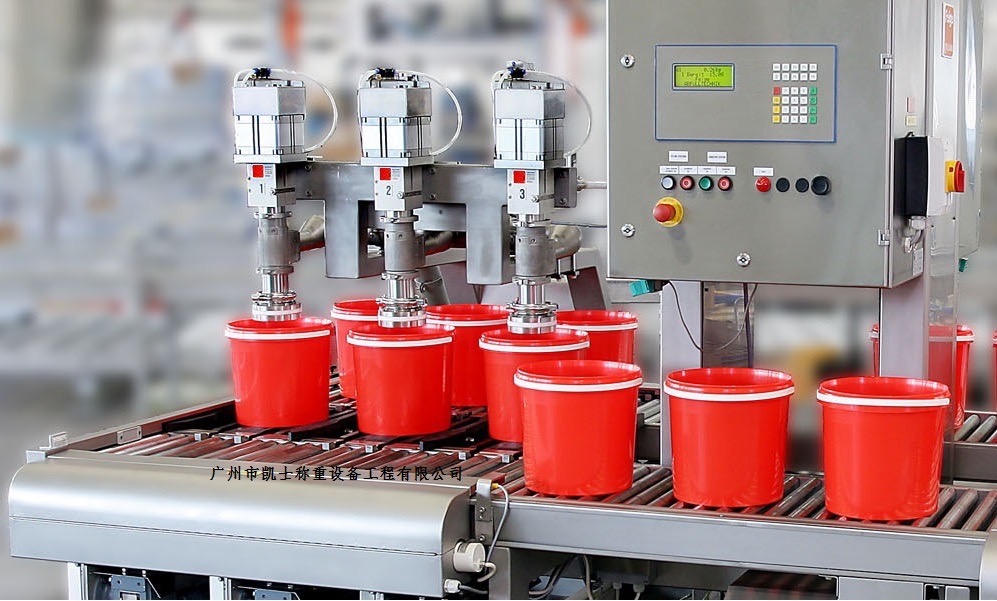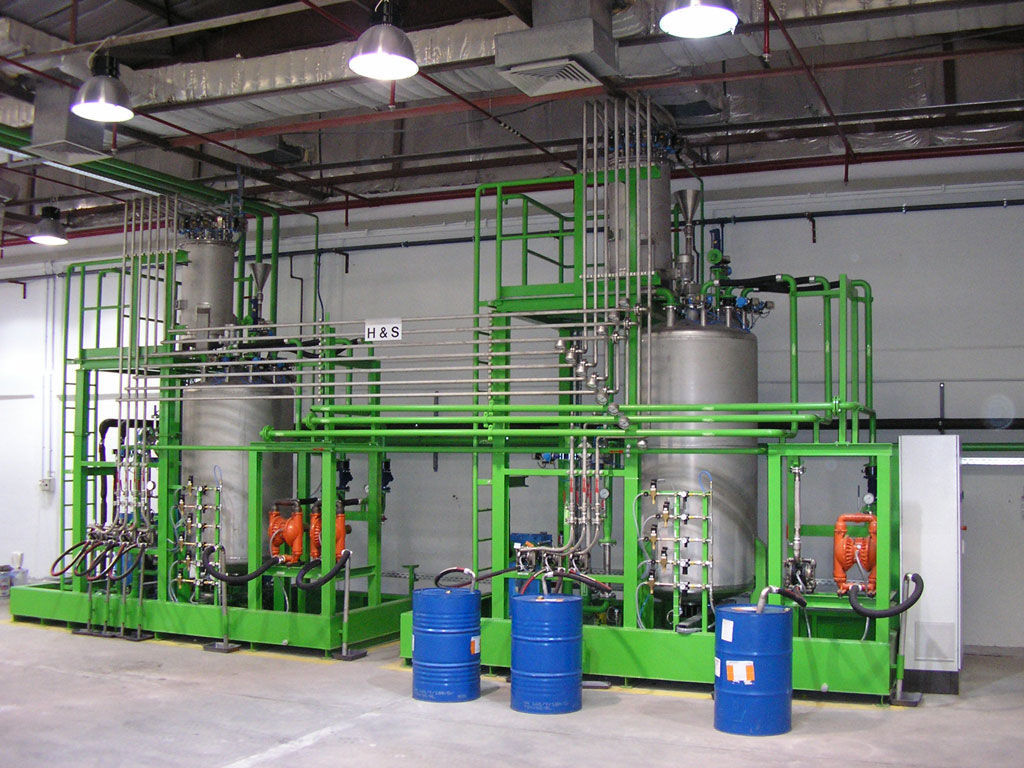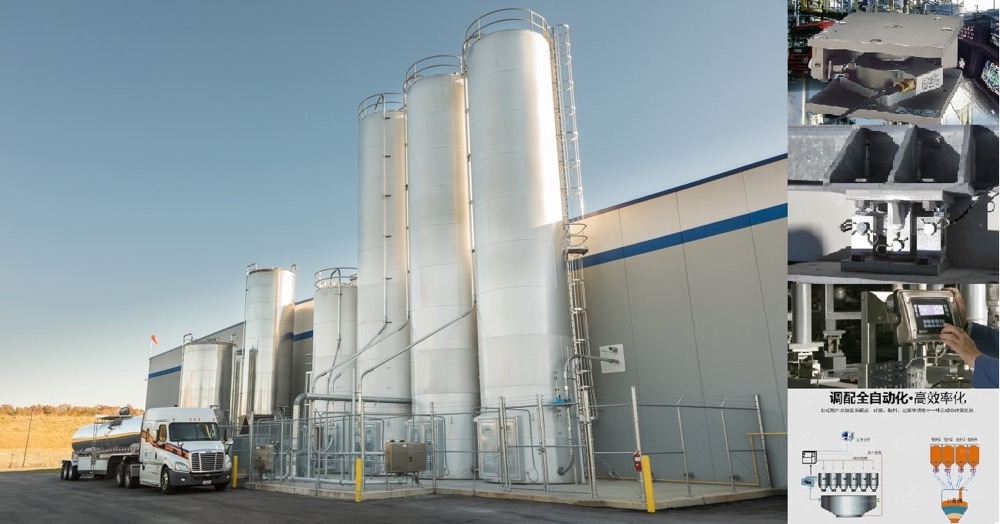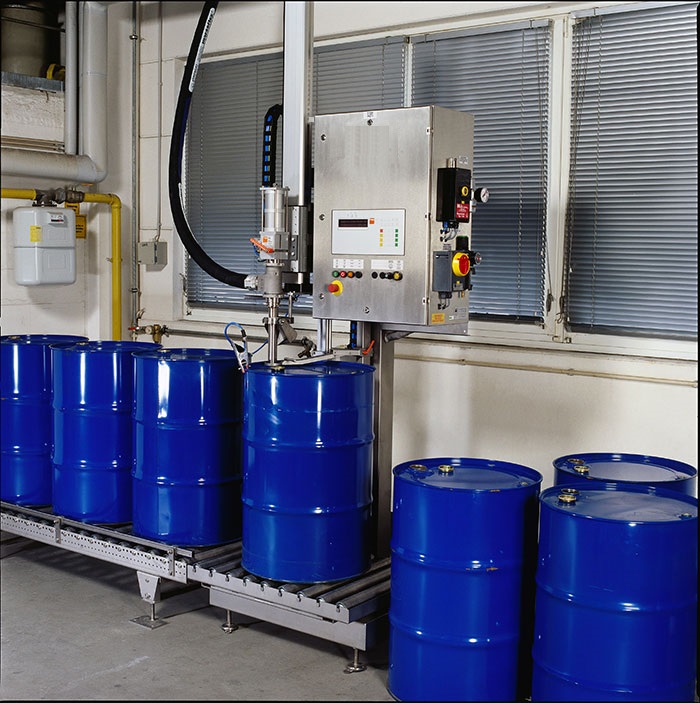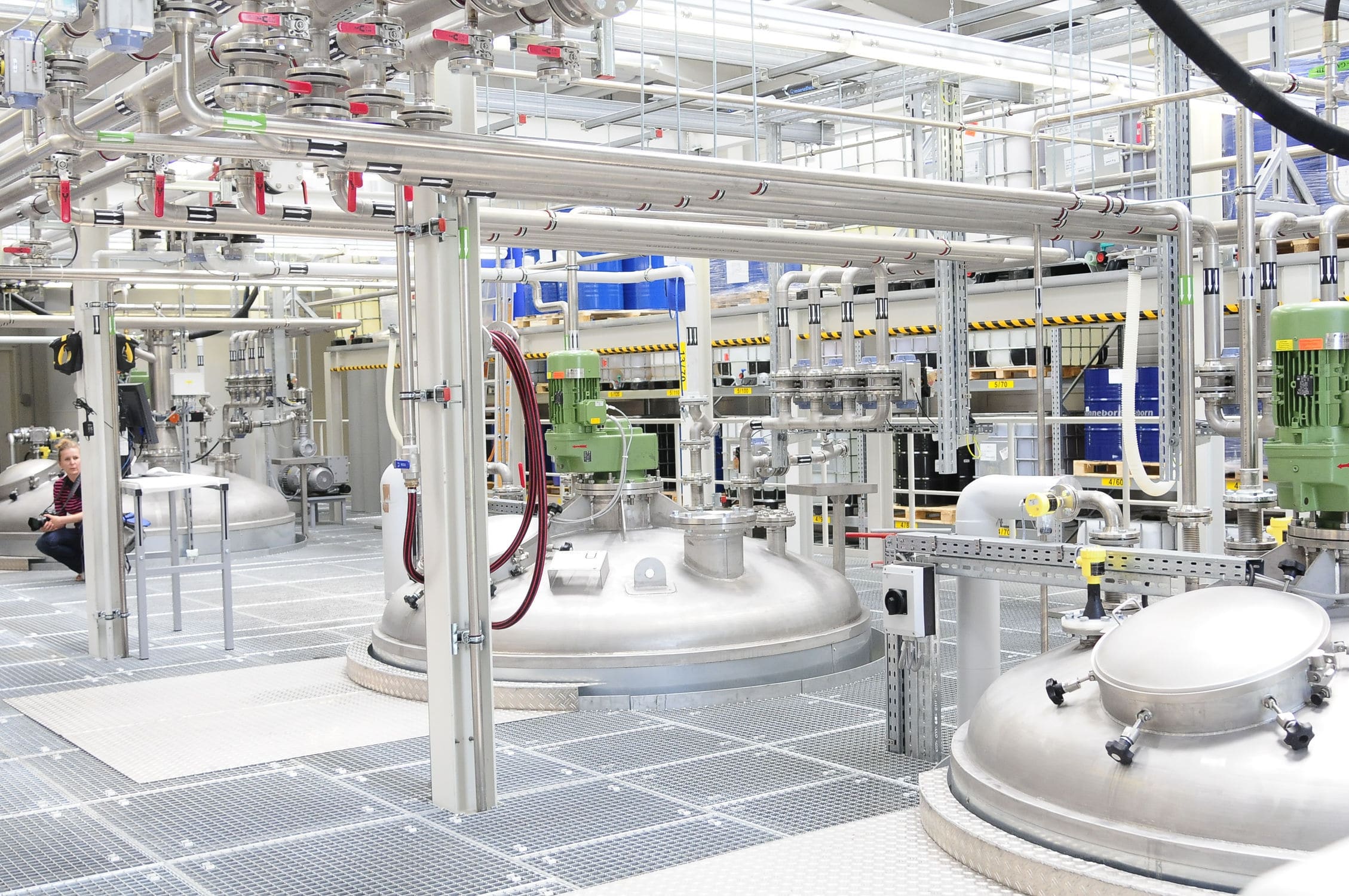


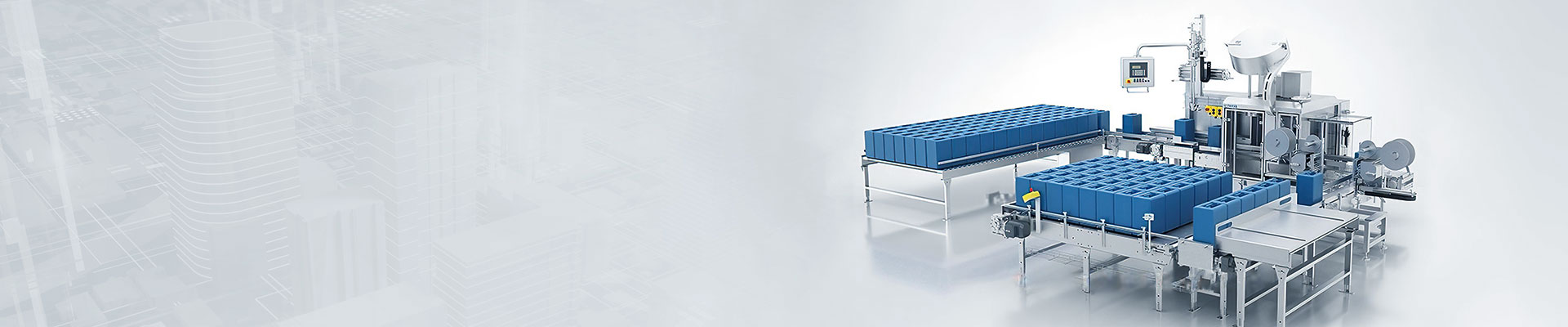


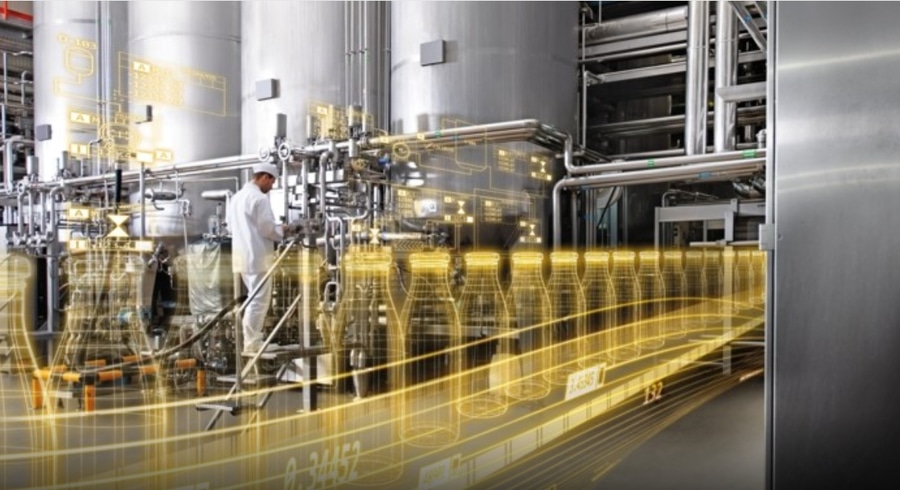
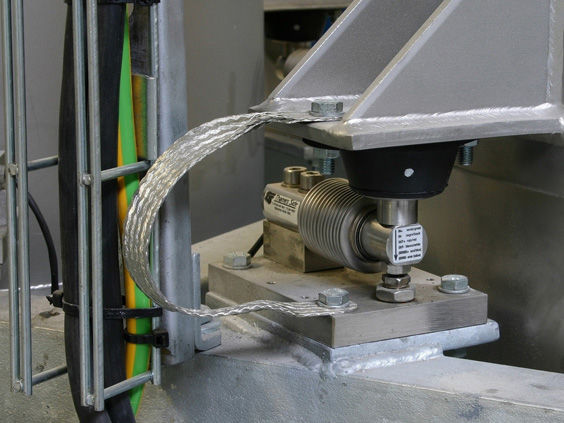
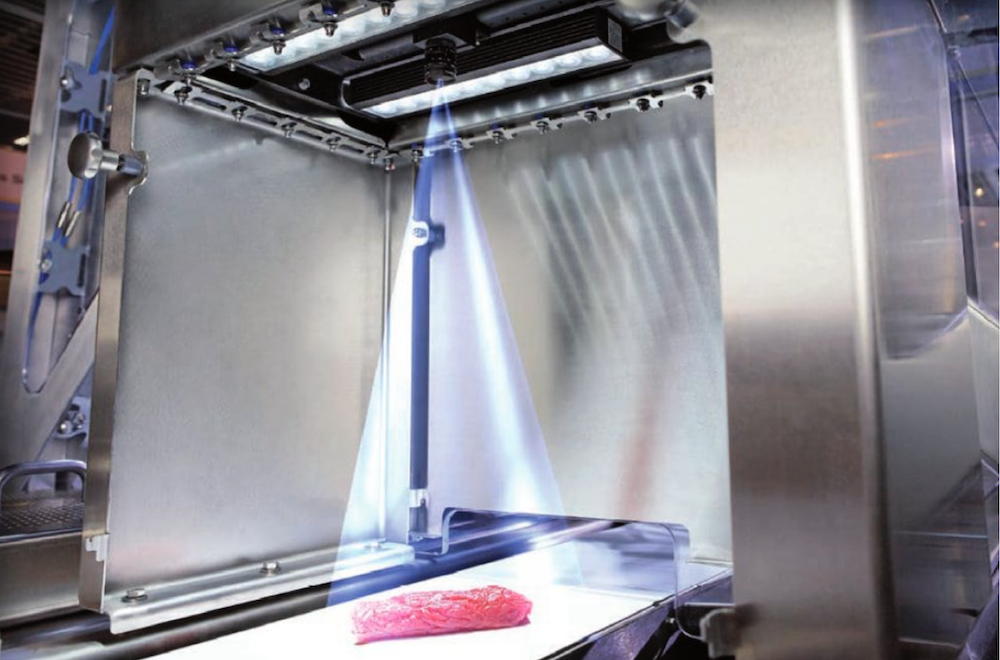
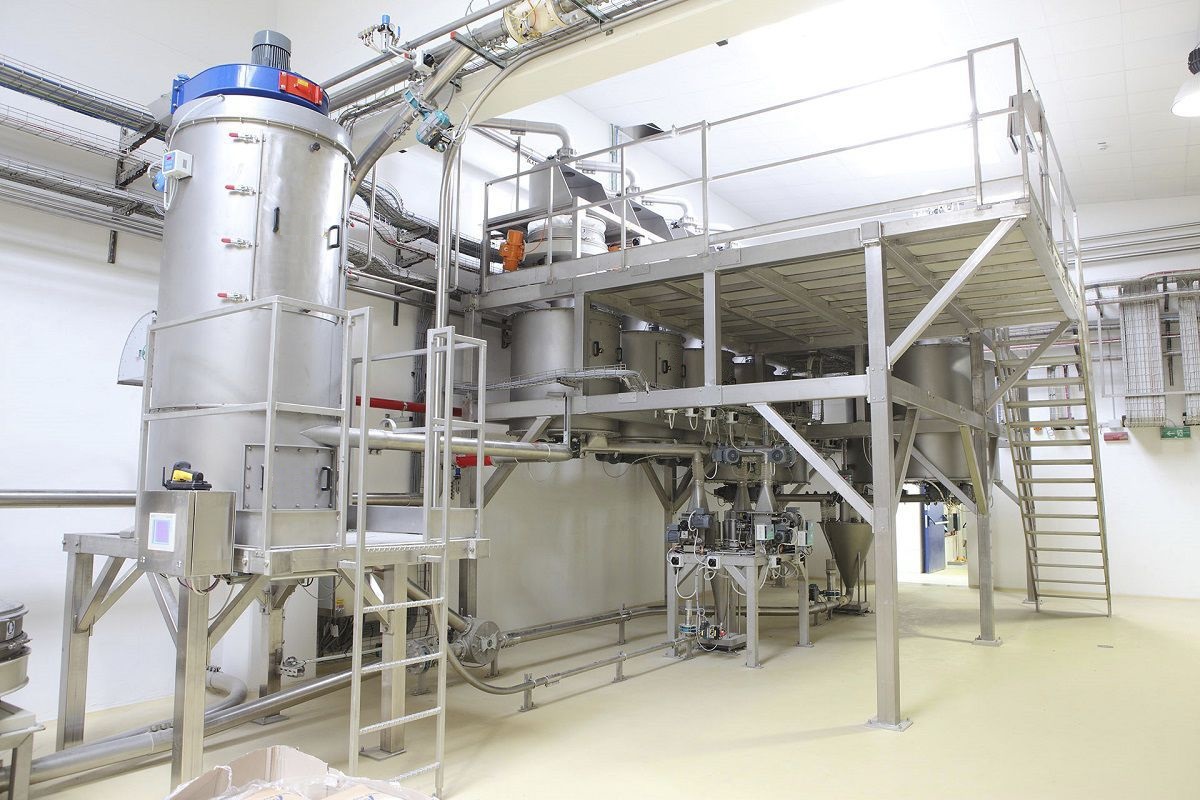
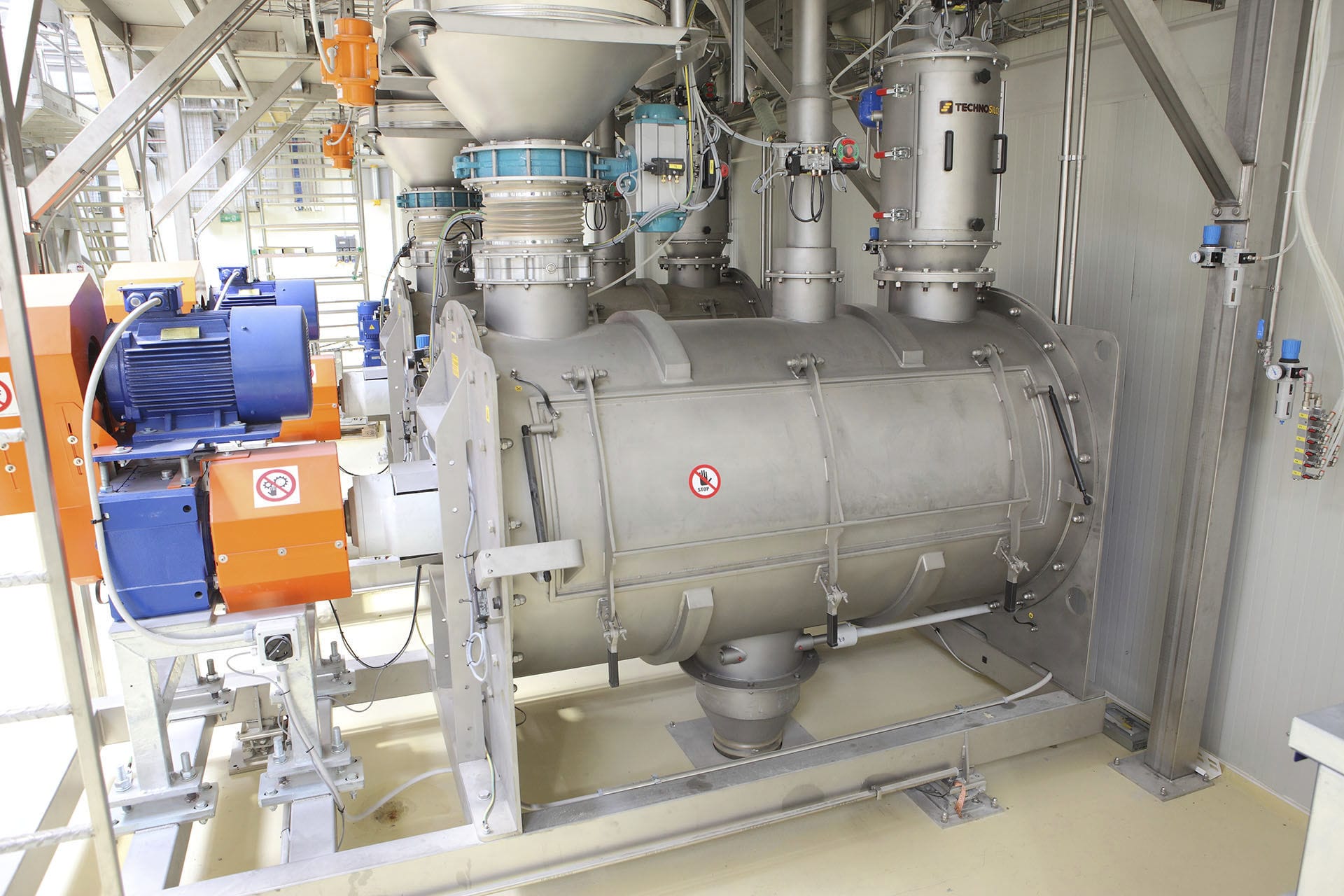
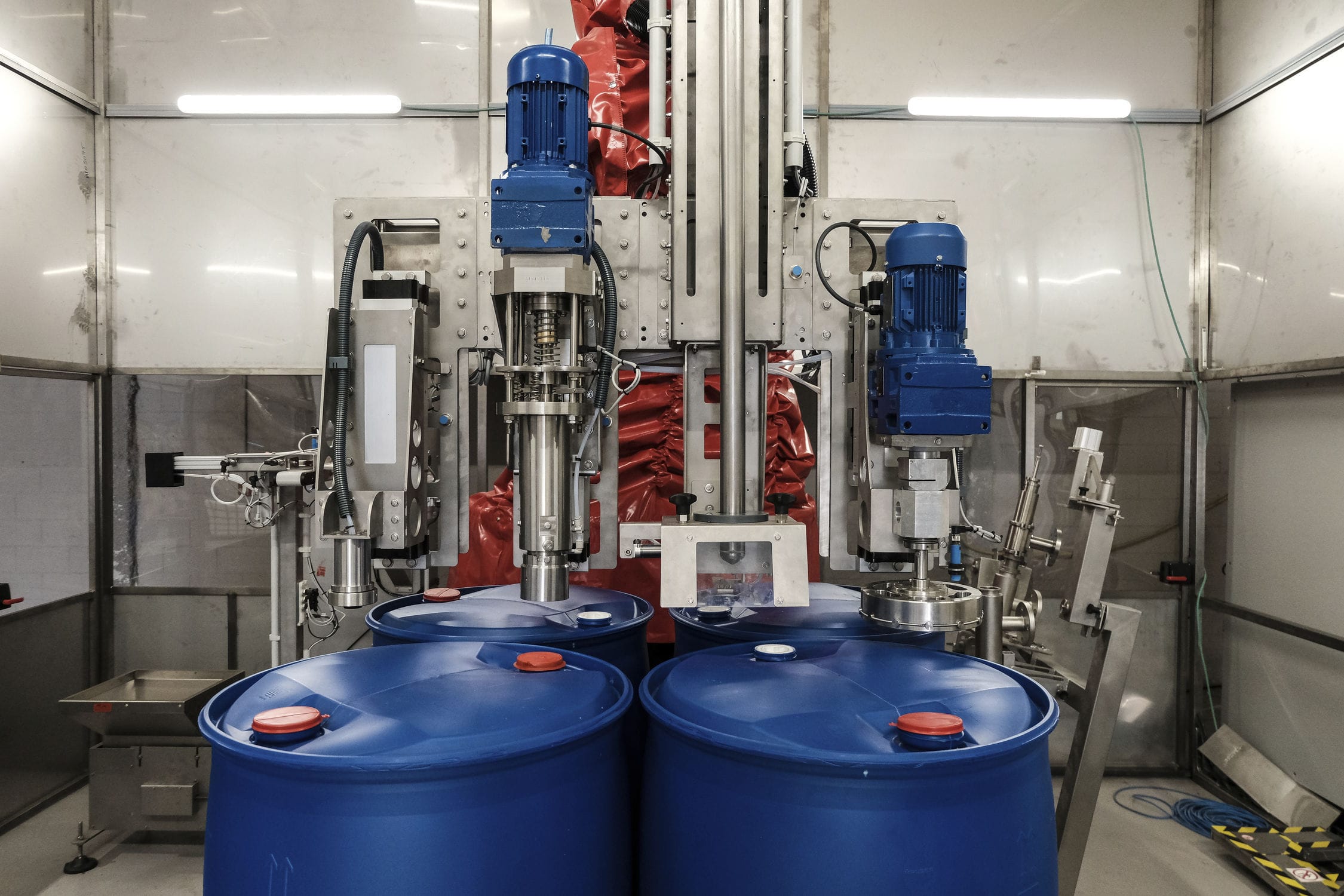
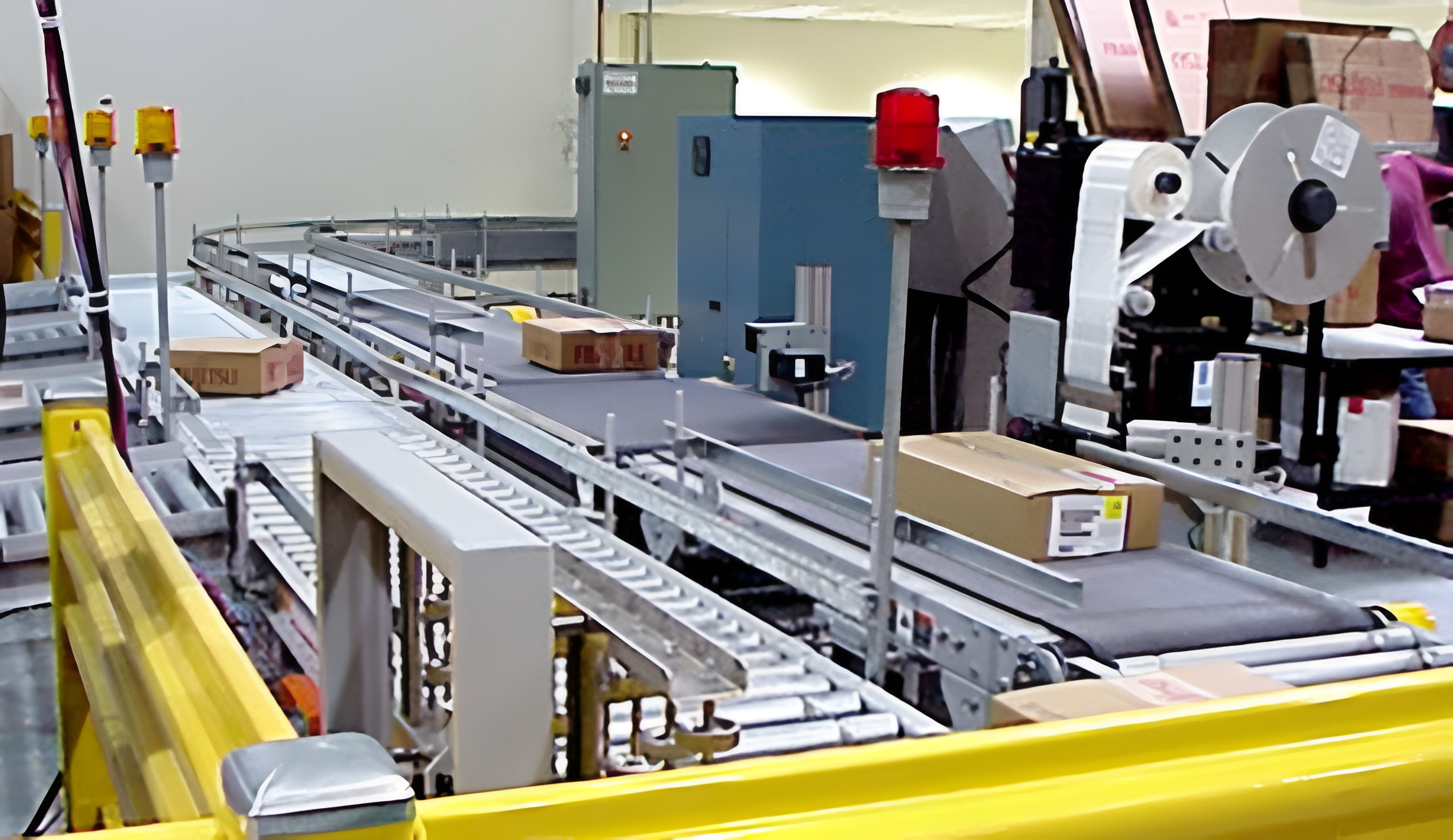


The fully automatic weighing filling machine sets the given values for each material based on the formulation ratio. The weighing instrument or DCS system controls the addition of various materials in sequence and detects the amount of material added. The rotation speed of the discharging motor is controlled according to the set amount of materials in the system. When the amount of material added reaches the set value, the feeding valve for this material is closed, and the filling process continues until all materials have been added to the set amount and the filling is completed.

 020-34563445
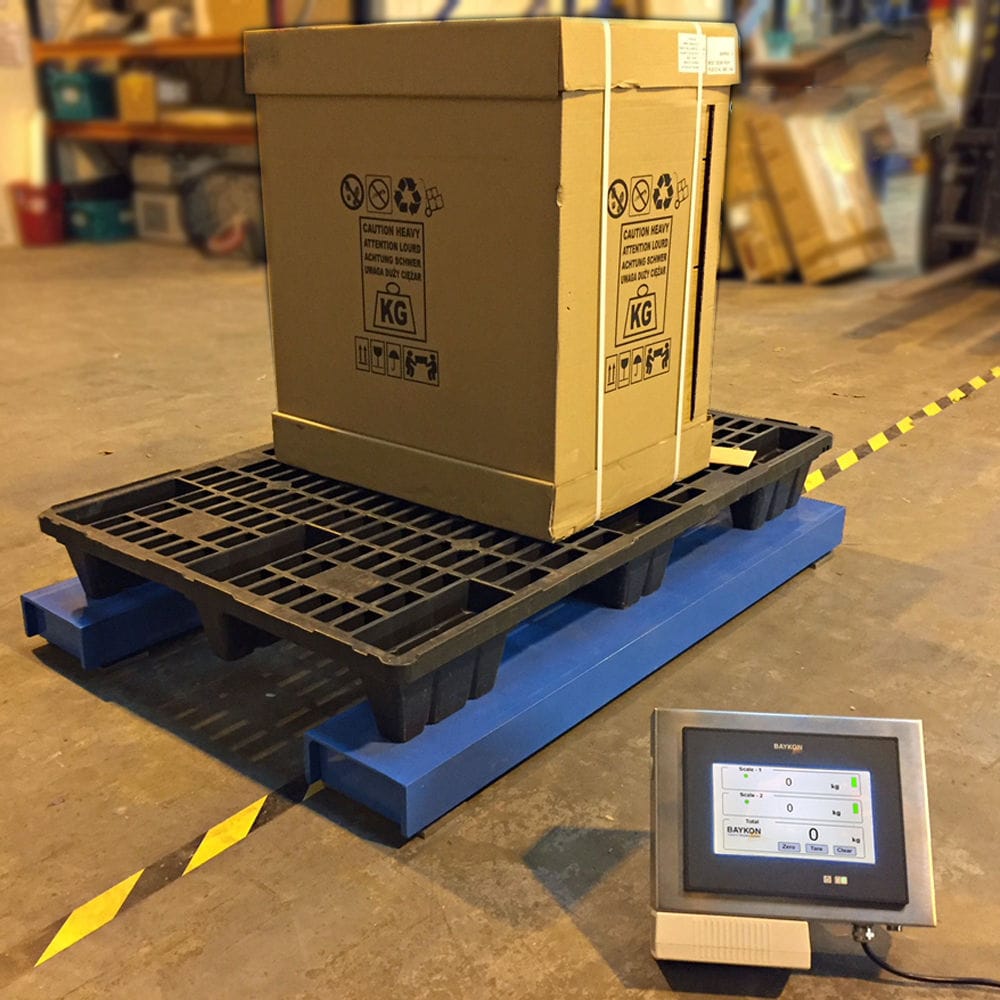
The fully automatic weighing Filling machine is a device for automatically weighing and filling liquid materials. It automatically fills the materials from the front into empty barrels according to the set weight. It can be used for various barrels or containers for trade approval, and the system can also be used in humid, hazardous or other adverse environments. It is mainly composed of a spray gun device, a system control box, an electronic platform scale, mechanical components, conveying rollers, etc. The structure is compact and reasonable, the operation is stable and reliable, the installation and operation are simple, and it can be adjusted according to various sites and production capacities to meet user requirements. This system has a high degree of automation and can minimize the spillage of materials and prevent the pollution of materials to the environment to the greatest extent, thereby providing effective labor protection for operators.
The Liquid filling machine adopts a PLC system and uses a programmable controller to design process control such as filling scanning and filling management. Based on the relevant database information service, a monitoring interface for the filling production line has been installed using the configuration software. The PLC system is connected to the on-site control through the configuration software's internal PLC system. The filling machine adopts an intelligent multi-function panel, with a simple and user-friendly human-machine operation interface that is applicable to configuration and easy to modify, achieving a complete human-machine dialogue state. The PLC control system and the operation station can communicate and set up quickly through the RS-422/485 interface, and the PLC can be operated to start and stop by using the basic control unit provided by the PLC.
The metering filling machine sets the given values for each material based on the mixing ratio. The weighing instrument or DCS system controls the addition of various materials in sequence and detects the amount of material added. According to the system's setting of the amount of materials, it controls the rotation speed of the discharge motor. When the material addition reaches the set value, the feeding valve of this material is closed until all the materials are added to the set amount and the filling process is completed. The Electronic scales are used to detect whether the raw materials in the filling containers are sufficient. If the raw material supply reaches this position, the electronic scale gives a signal to control the discharge valve of this material container to close, stopping the discharge. The rotor pump is responsible for sending the raw materials in the corresponding filling containers to the quantitative filling machine according to their concentrations. The quantitative filling machine detects the weight in real time by the electronic scale. When the required various raw materials reach the weight, it controls the piston valve of the opening mechanism of the quantitative filling machine to open, and when the concentrated raw materials completely enter the container, the opening mechanism of the quantitative filling machine closes the piston valve.
The automatic filling machine uses an electronic scale for weighing, and the electronic scale performs intermittent weighing. This enables convenient batch control of filling. According to production requirements, various material ratios are input into the upper computer, and the upper computer calculates the target values for each material. Then, the target quantities of various materials are sent to the corresponding weighing instruments through communication methods, and the PLC sends a start signal for filling to activate the weighing instruments. The weighing instruments then perform the filling process. The weighing instruments send a rapid feeding signal to keep the rotor pump in a high-frequency state, allowing the materials to quickly fall into the weighing container. At the same time, the net weight of the materials is displayed in real time on the upper computer. When the materials reach the set rapid filling target value, the weighing instrument sends a slow feeding signal and stops the rapid feeding signal, putting the rotor pump in a low-frequency state. When the materials reach the set slow filling target value, the weighing instrument stops the slow feeding signal and stops the rotor pump. If the difference between the actual material weight and the target value is beyond the allowable range, the weighing instrument will continue to activate intermittent feeding to ensure the filling accuracy.