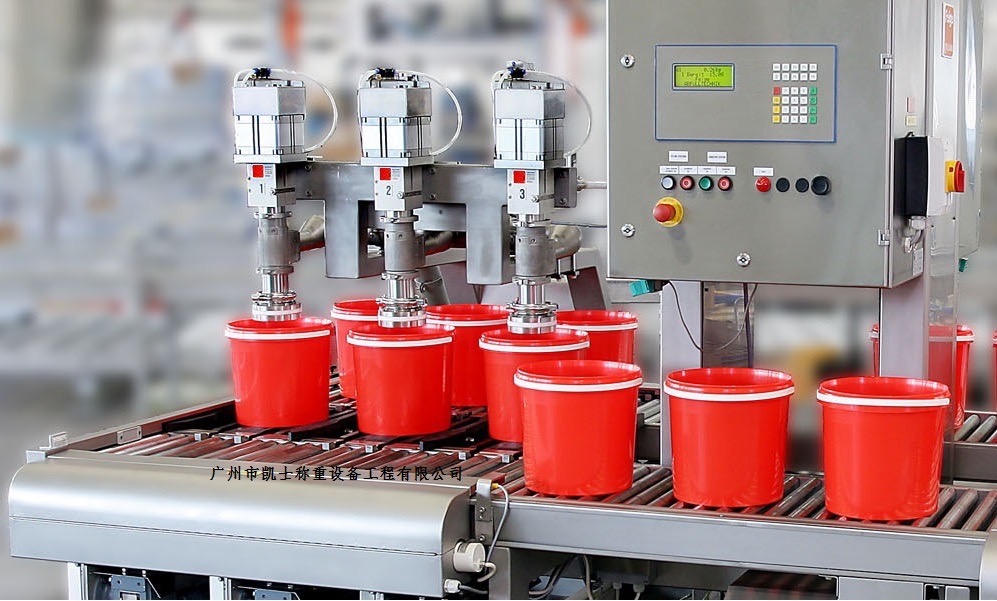





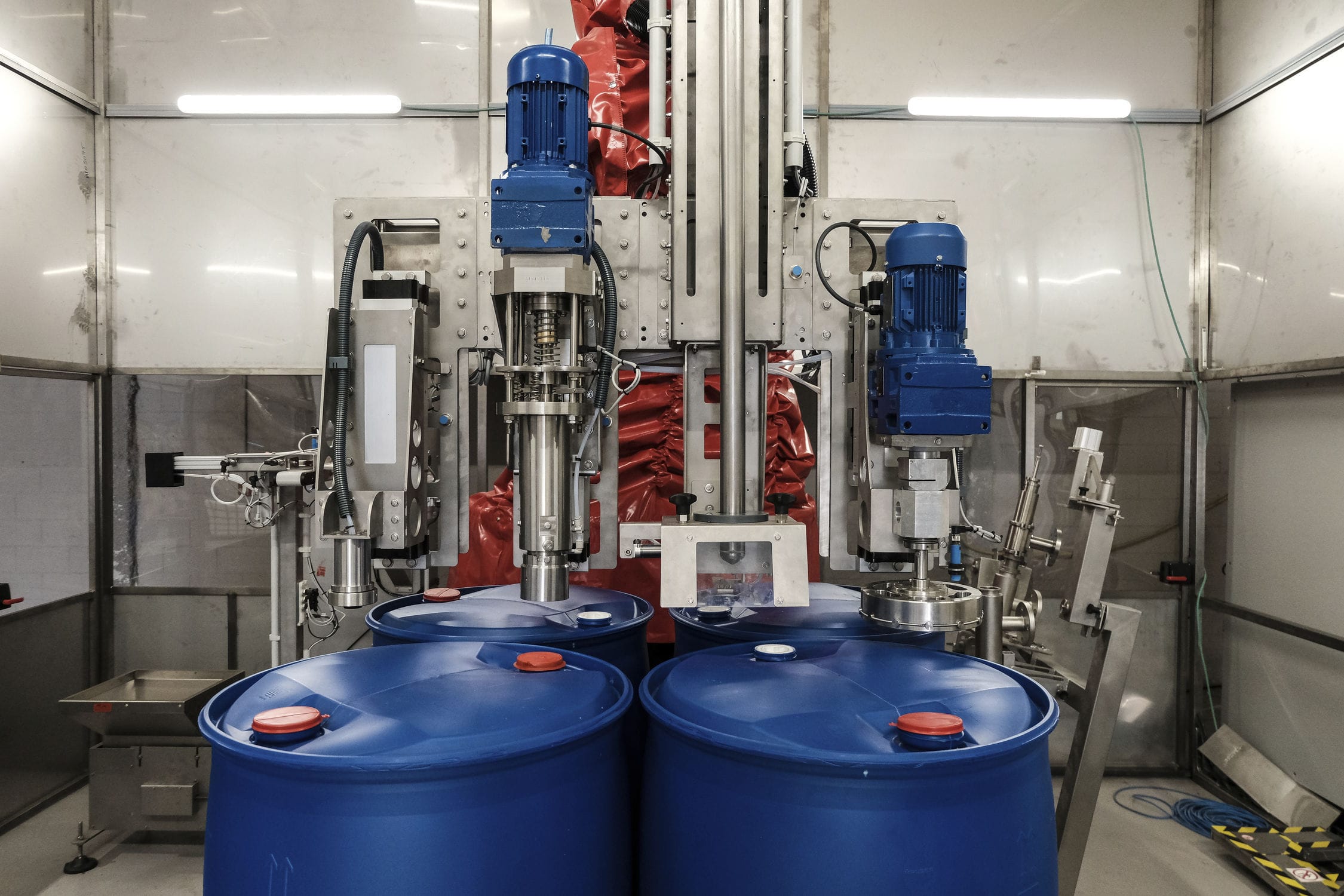
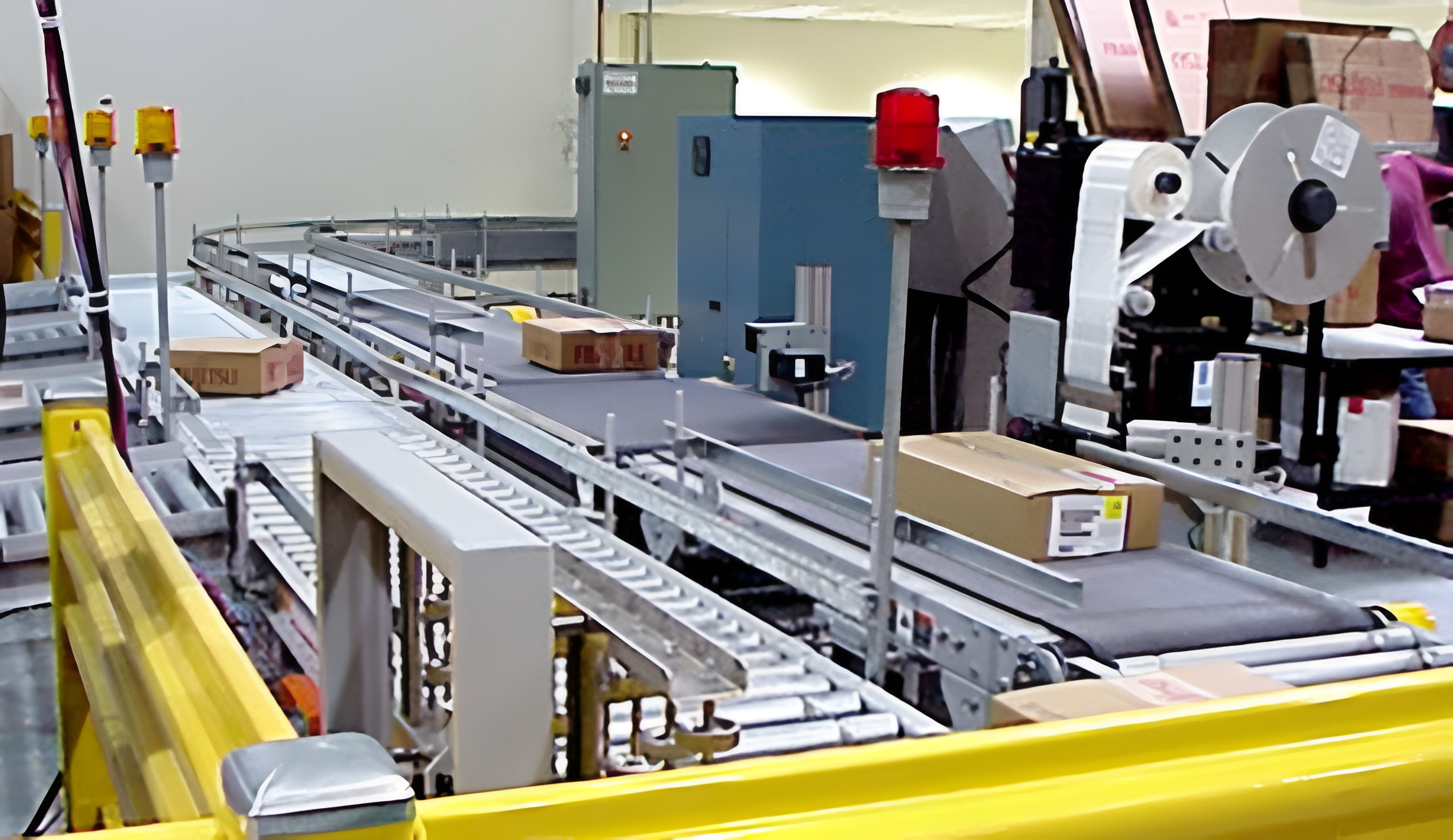
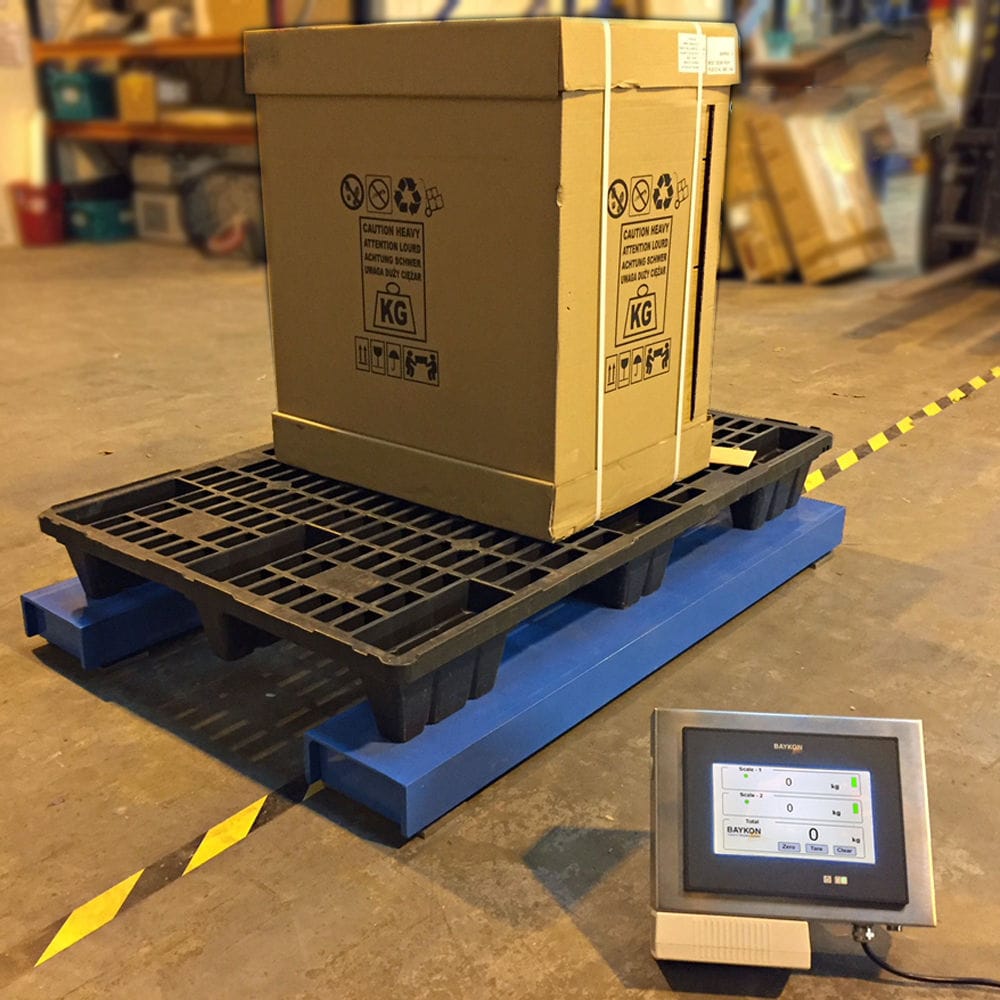


The rotational liquid filling machine uses a weighing instrument for weighing, displaying the weight value of the material, and using the output signal of the electronic scale as the judgment basis. The two are combined to complete the quantitative weighing of the material. At the same time, PLC is used to control the sequence of the filling action, and related executive driving devices are equipped to achieve the control of the electrical system for the material filling, quantitative weighing, and automatic filling processes. Automatic control of the automatic weighing, quantitative feeding, and other working processes is realized. During the material filling process, the processing operations of bucket clamping, filling, weighing, and cap pressing can be automatically completed.

 020-34563445
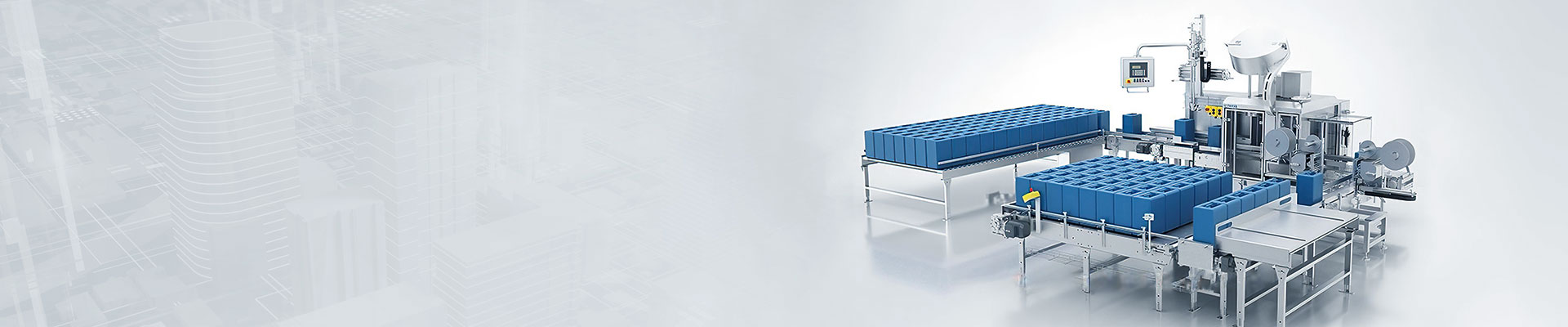
The rotational speed liquid Filling machine adopts a high-precision weight detection method for weighing and measurement to control the automatic quantitative filling and filling operation of raw materials. It is divided into liquid level type filling program control, without the need for lifting operations. After the packaging bucket is put into the machine, it directly performs automatic quantitative filling. The spray gun structure is of high-viscosity type, with a clamp-type connection structure, which is easy to disassemble and clean, and can be used for filling various materials of different viscosities. It is mainly composed of the spray gun device, system controller, Electronic scale platform, mechanical components, conveying roller track, etc. The structure is compact and reasonable, the operation is stable and reliable, the installation and operation are simple, and it can be adjusted according to various sites and capabilities to meet user requirements. The Liquid filling machine adopts liquid surface filling, the designed spray gun device is easy to operate, the filling is fast, and it minimizes the dripping of residual liquid when the filling is completed. During filling, the operator simply moves the container to align the filling port with the spray gun head and presses the "start" button. The empty bucket automatically removes the weight, then it performs double-speed filling, ensuring the filling accuracy. After the filling is completed, the bucket is removed, and one filling cycle is ended. The Filling system uses the WinCC development monitoring system software PLC to collect input signals, process them through the program, and send control commands to the filling mechanism. It realizes the control of the electrical system for material filling, quantitative weighing, and automatic filling through open fieldbus and industrial Ethernet, adopting a modern software architecture, and managing, processing, archiving, and establishing files for the project.
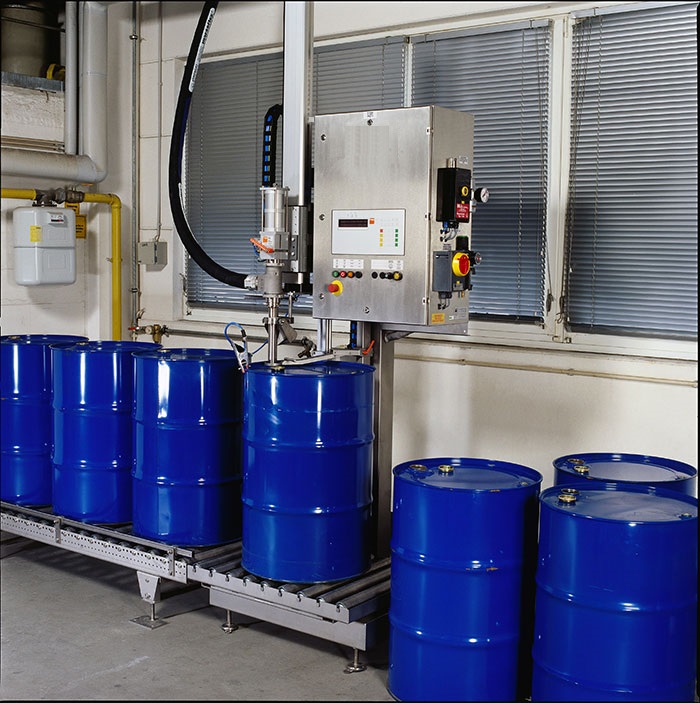
The weighing filling machine uses a weighing instrument for weighing, displays the weight value of the material, and uses the output signal of the electronic scale as the judgment basis. The combination of the two completes the quantitative weighing of the material. At the same time, PLC is used to control the sequence of filling actions, and related executive drive devices are equipped to achieve the control of the electrical system for material filling, quantitative weighing, and automatic filling. The automatic control of the working process of automatic weighing, quantitative feeding, etc. is realized during the material filling process. During the filling position, the electronic scale is set below, and after the container is placed on the scale, the PLC records the initial weight and collects real-time weight data during the filling process. When the weight reaches the preset value (deducting the container's skin weight), when the material reaches the filling head, the filling head performs quantitative filling according to the preset filling volume. A special valve structure is used, and the piston precisely controls the volume of the material for each filling. The piston filling is achieved through the reciprocating motion of the piston in the cylinder, absorbing and discharging a certain volume of material, thereby achieving quantitative filling; the "anti-dripping filling head" design is adopted, when the filling is close to completion, the filling head will raise the height or reduce the flow rate (i.e., "slow filling") to avoid material dripping due to inertia. After the filling is completed, it can quickly close the material channel and clear the residual material at the filling head outlet through blowing or suction back methods. At the end of filling, sterile air is introduced to blow the material at the filling head outlet back into the material pipeline, or a vacuum suction back device is used to suck back the residual material.
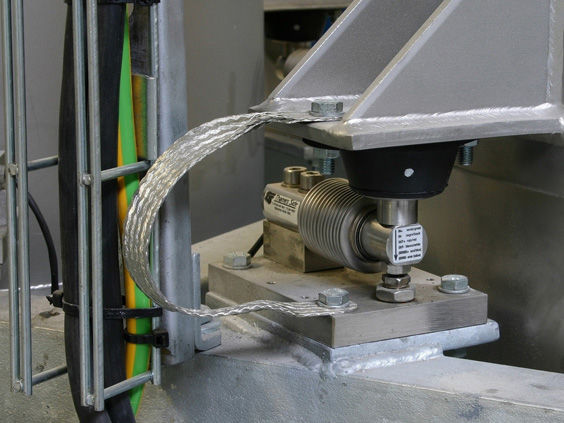
The explosion-proof filling machine uses the lifting cylinder to load the material buckets in both filling and non-filling states onto the high-precision electronic scale for weighing once each. The weighing instrument obtains the electrical signals of the high-precision electronic scale through the bus to obtain the skin weight and total weight, and after calculation and processing, compares it with the standard value to obtain the net weight and deviation value. The weighing instrument compares and judges whether the net weight of each material bucket filling is over the limit. If the filling weight does not meet the standard, the weighing instrument triggers the reject cylinder through the conveyor belt to pass to the next workstation, and the reject cylinder removes the material bucket that does not meet the standards, allowing it to enter the reject channel. Qualified products will enter the next workstation. At the same time, the deviation value is used to adjust the filling cam curve of the rotor pump online, that is, to adjust the displacement of the cylinder piston movement to adjust the filling volume. This process repeats until the filling weight meets the standard. The weighing instrument simultaneously transmits the weighing data in real time to the PLC for data recording and analysis. Through the interconnection between the weighing instrument and the PLC, the data is visualized, facilitating the operators to query the operation status at any time.
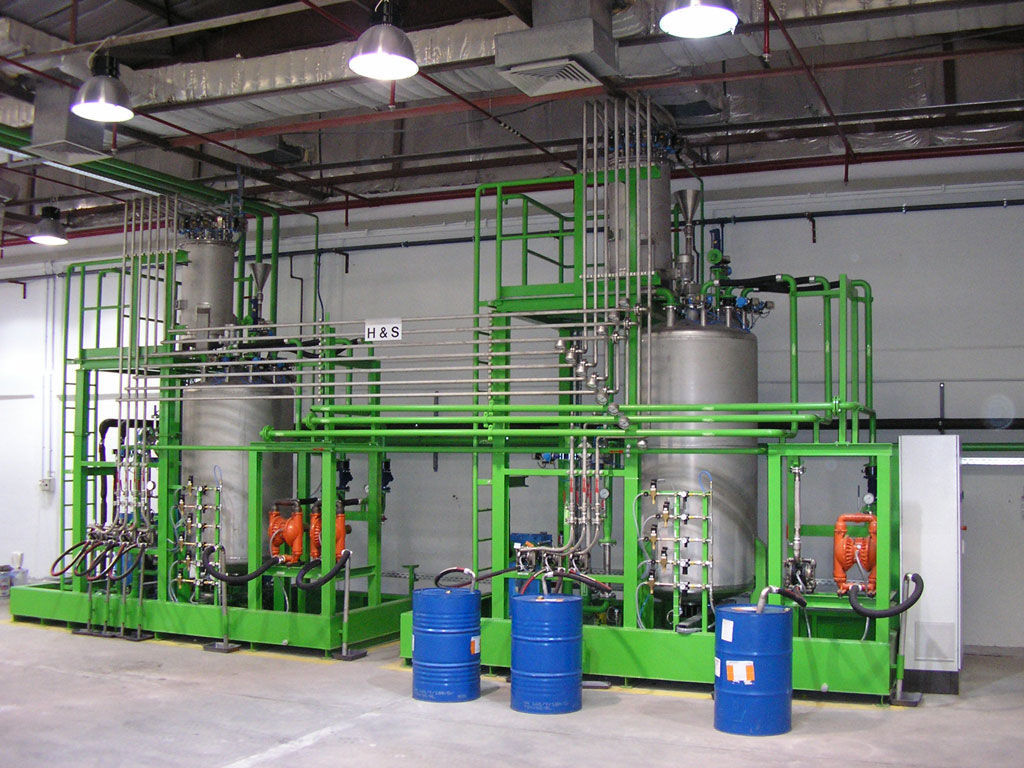
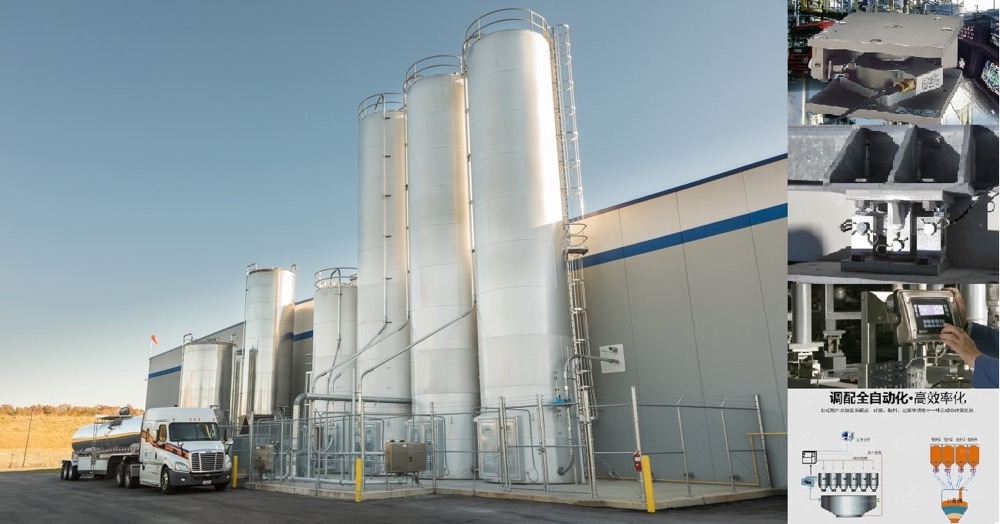
The quantitative filling machine compares the filling weight value with the set weighing value and performs filling according to the requirements set. Based on the output signal of the electronic scale, PLC is used to control the particle filling machine to achieve automatic quantitative filling of the materials. After the empty containers are sorted and placed in the tank machine, they are uniformly transported to the filling area by the conveyor belt. When the photoelectric sensor detects that the container reaches the preset position, it immediately sends a signal to the PLC. The PLC controls the conveyor belt to stop and activates the positioning mechanism (such as mechanical claws or vacuum suction cups) to fix the container directly below the filling head. The filling process is driven by the servo motor to move the cylinder piston rod in and out. The material is connected to the fixed bracket through the liquid guiding pipe and then flows through the piston to the material bucket. This ensures that the material is accurately injected during filling and avoids leakage. Some equipment may also add container cleaning or blowing dust steps at this stage to improve the filling hygiene level. The liquid materials in the storage tank are transported to the filling main pipeline by the feeding pump (gear pump, Duesenberg pump or centrifugal pump, selected according to the material viscosity). To ensure the filling accuracy, the control system is equipped with a rotor pump and a weighing module. The rotor pump can balance the pressure fluctuations in the pipeline (such as pressure changes during replenishment), and the weighing module provides real-time feedback on the material flow rate. PLC adjusts the feed pump speed based on the feedback signal to ensure a stable material conveying rate. For low-viscosity materials, gravity self-flow combined with an electromagnetic valve control can be used; for high-viscosity materials, a combination of heating insulation and high-pressure pump transportation is required.