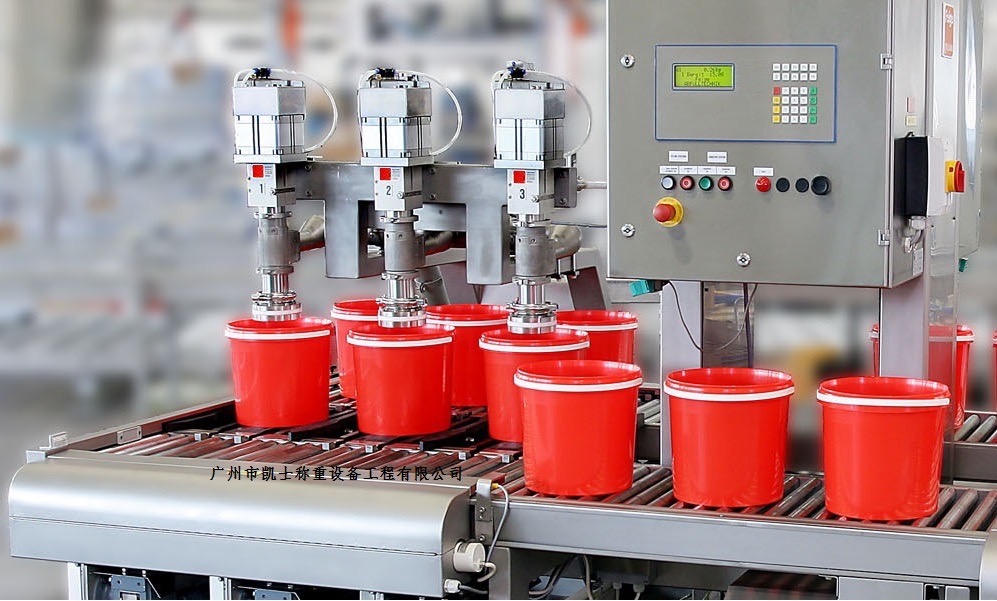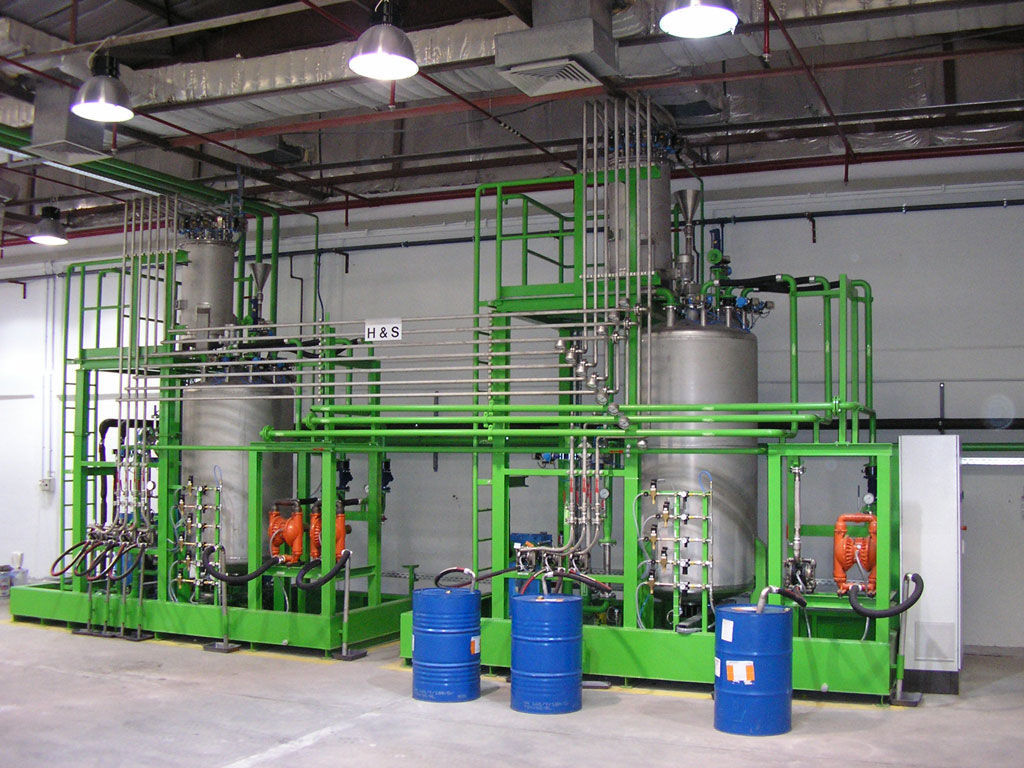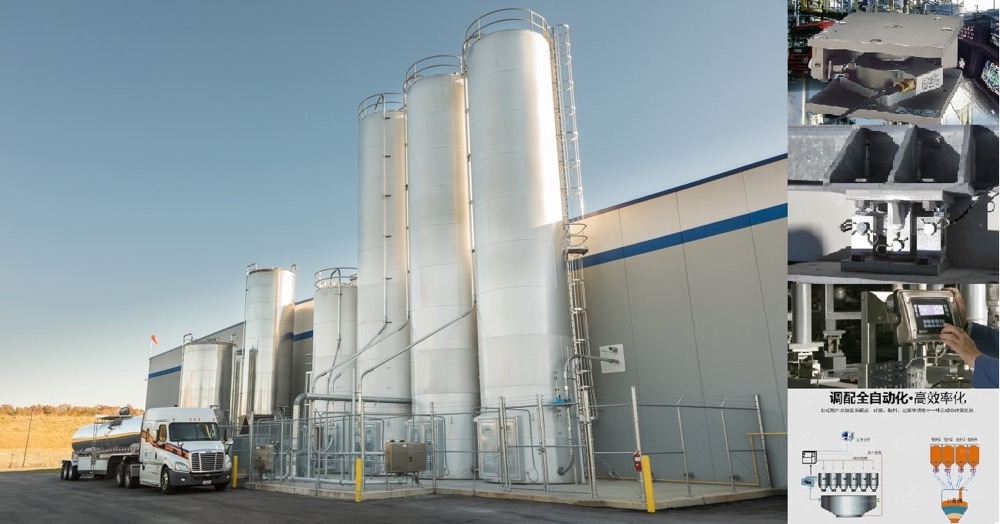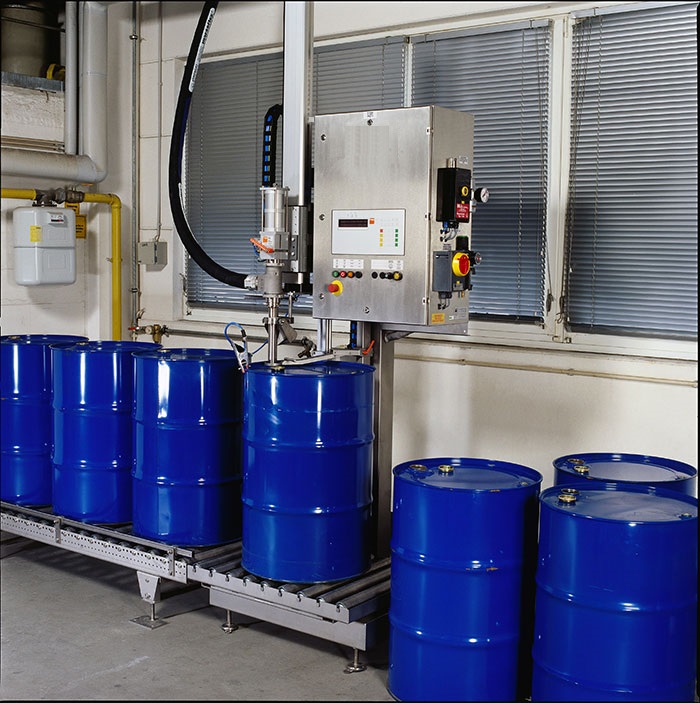


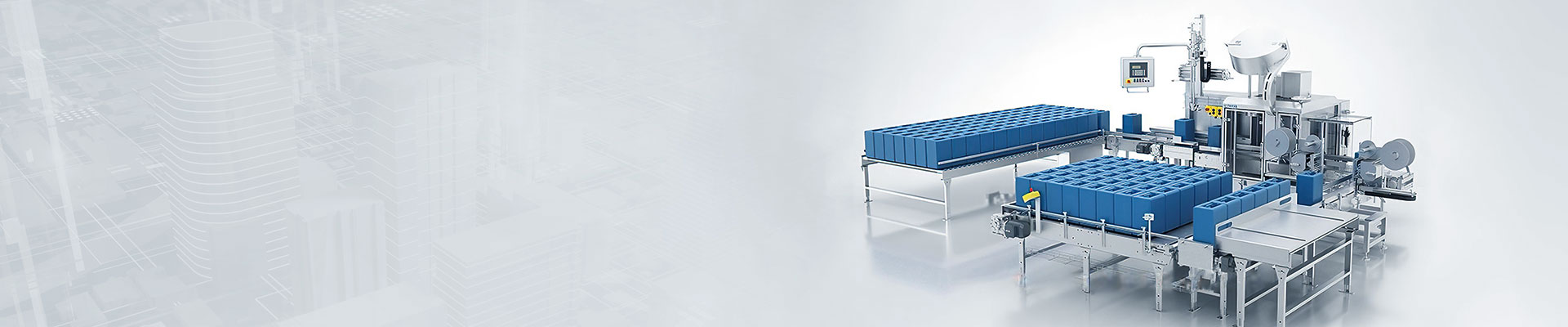


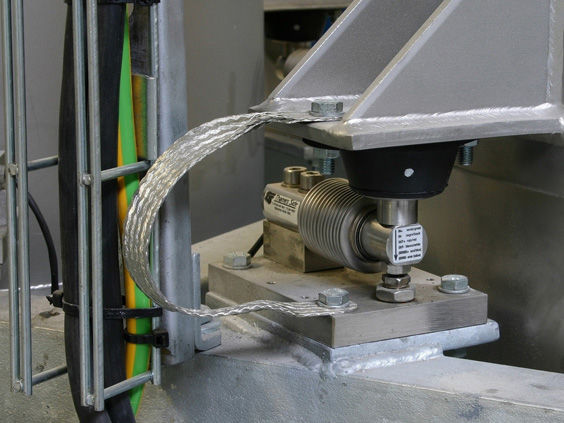
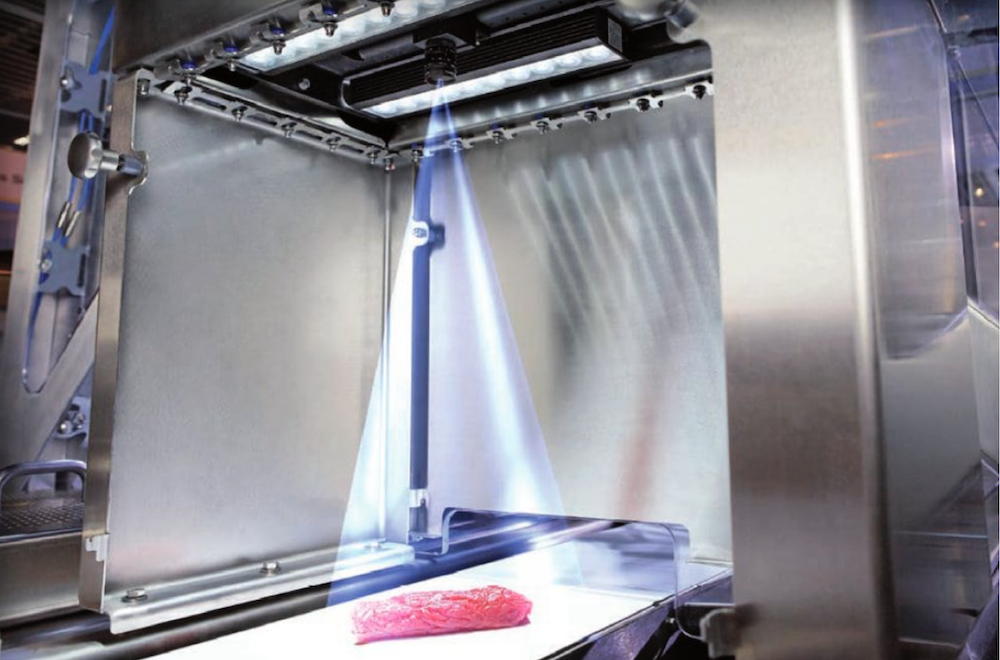
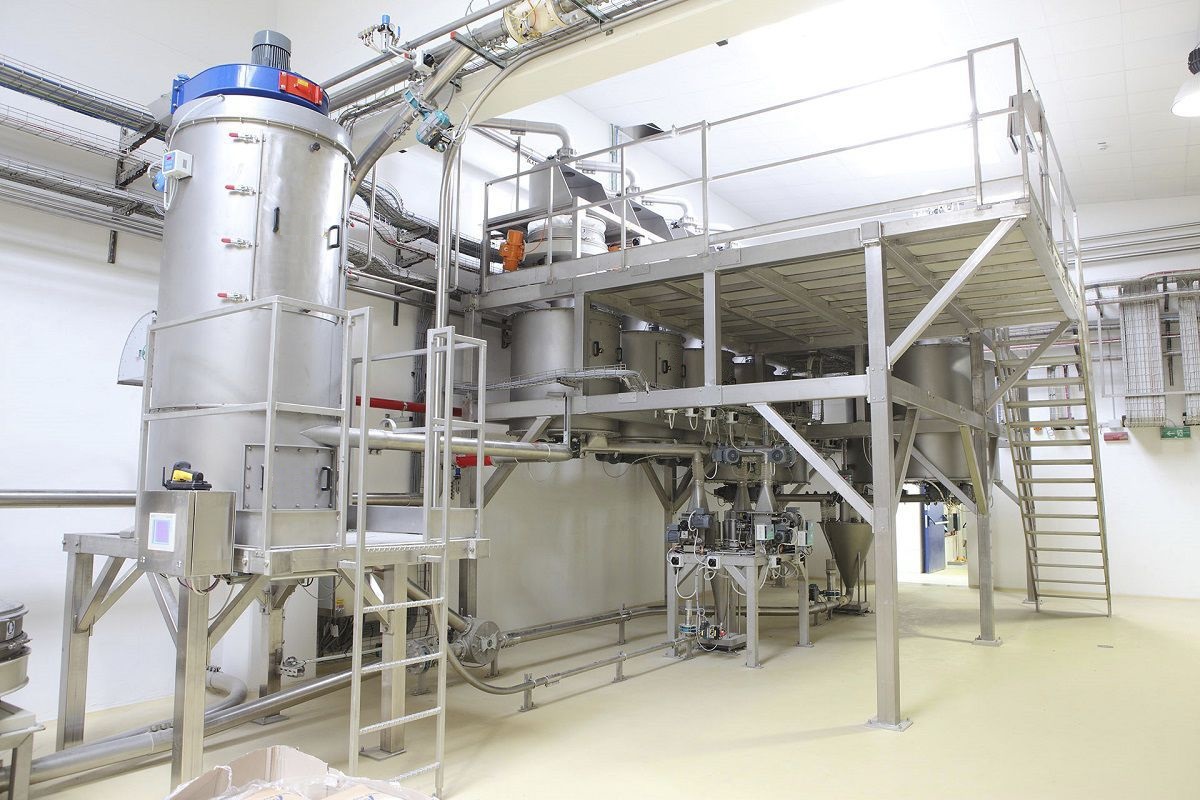
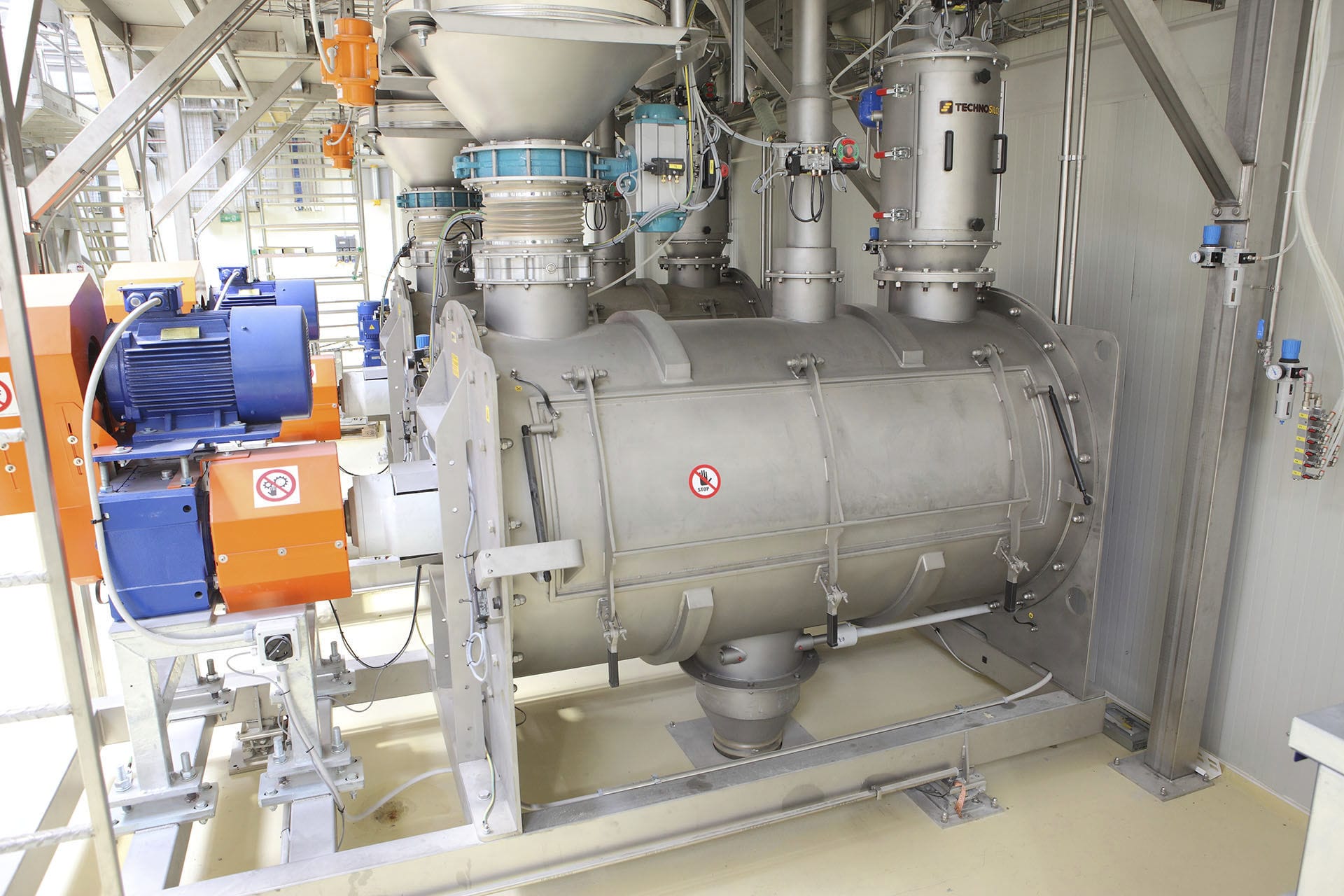
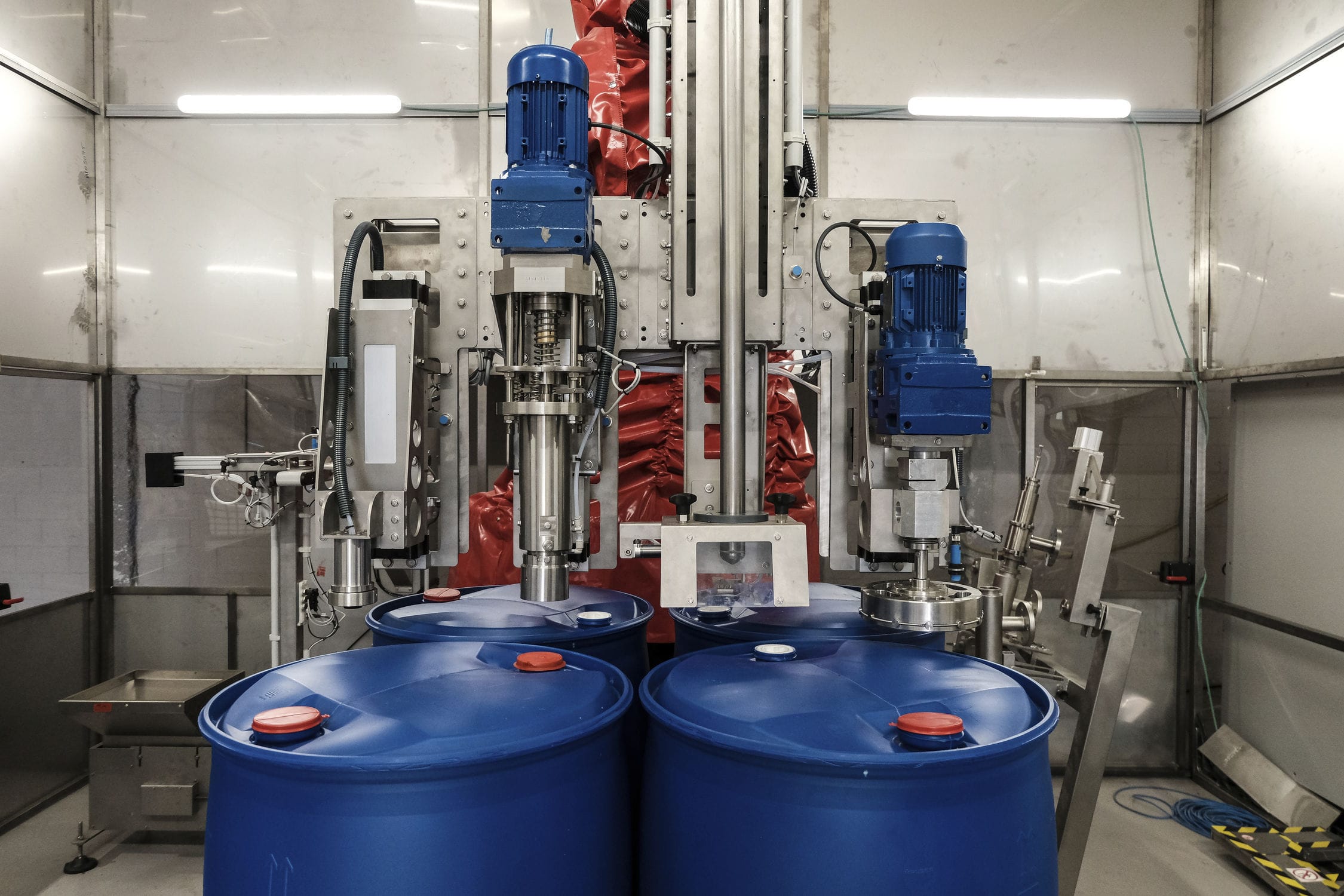
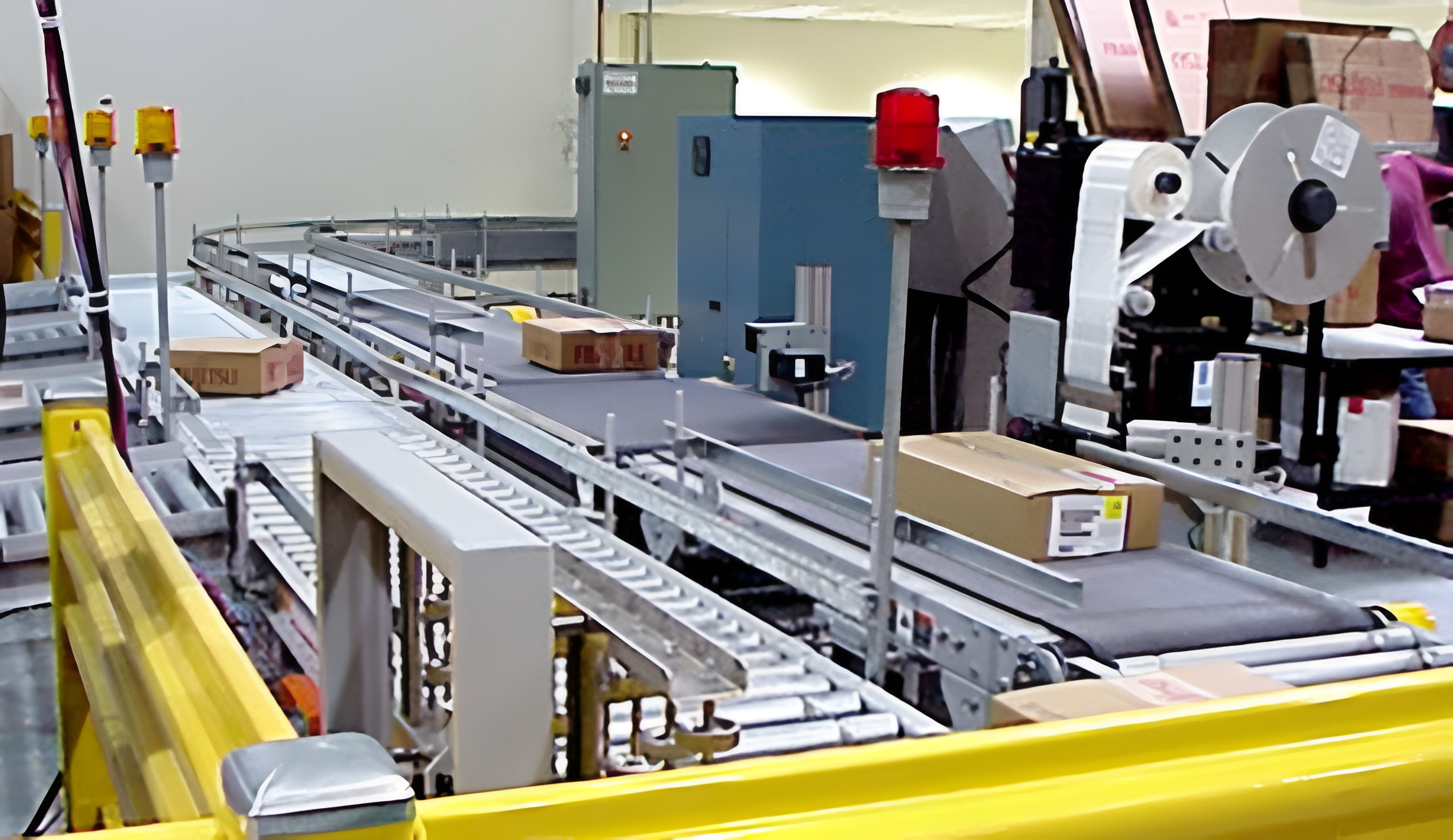
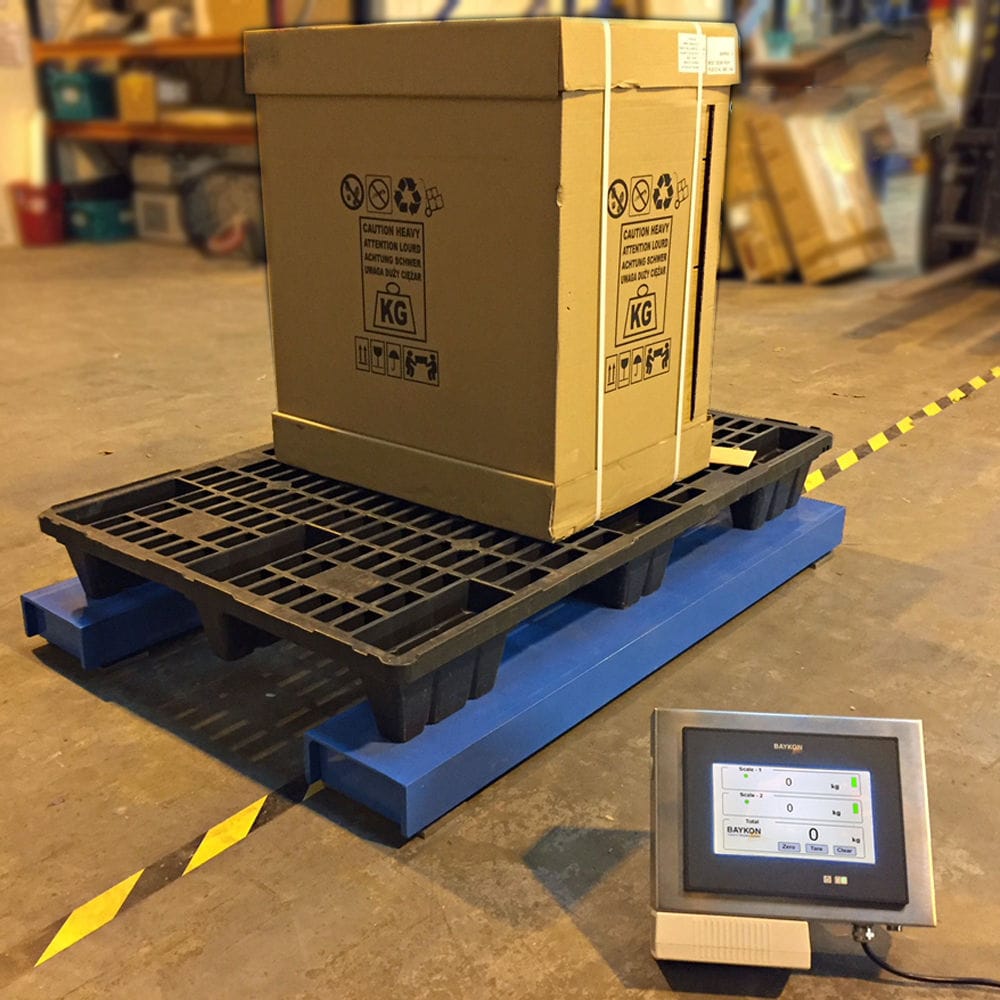


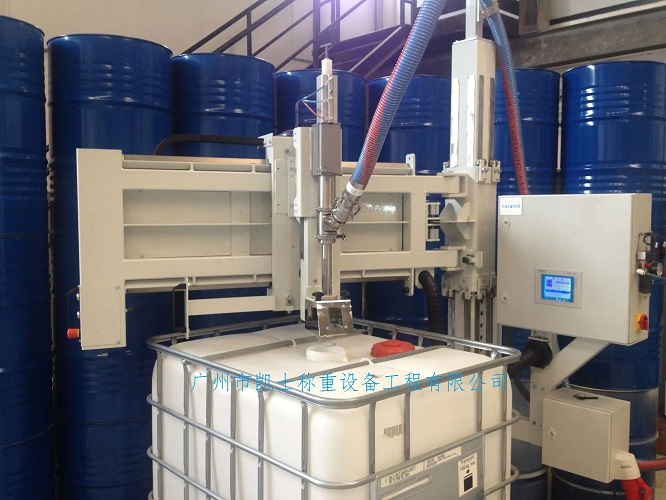
The bucket automatic filling machine is controlled as a whole by a programmable controller (PLC) for tasks such as bucket positioning, roller conveyor operation, weighing and filling, and material in the material tank. It is controlled in various modes including manual and automatic through a human-machine interface. High-precision weighing modules and highly stable weighing instruments are selected to control the filling process, fully meeting the accuracy and speed requirements of the system.

 020-34563445
The automatic Filling machine adopts the net weight filling method, which is not affected by the skin weight and the specific gravity of the materials; it uses a segmented automatic filling method with different-sized material valves, resulting in higher accuracy; the filling target volume can be freely set, facilitating packaging of various weights; the height of the filling gun can be adjusted up and down to adapt to different barrel heights for filling; the filling gun is inserted automatically for filling, avoiding the splashing of materials from the barrel to the outside; the filling gun has a drip-proof and leakage-proof design to prevent residual liquid from contaminating the packaging and the environment; the Weighing system is controlled by a programmable controller (PLC) to coordinate and control the overall process of bucket positioning, roller operation, weighing filling, and material in the material trough. It uses a human-machine interface for manual and automatic control in various modes, eliminating a large number of buttons and switches on the panel, making the operation more convenient; at the same time, there are many status displays on the touch screen, which are convenient for the operator to understand the operation status of the system. The filling machine selects high-precision Weighing modules and highly stable weighing instruments to control the filling process, fully meeting the accuracy and speed requirements of the system.
The Liquid filling machine feeds the materials to the preparation bucket through the feeding mechanism. The preparation bucket then supplies the materials to the metering bucket in a three-stage rapid feeding manner, namely, large, medium, and small liquid substances are fed into the metering bucket for quantitative weighing. After the quantitative weighing is completed, the materials are discharged to the filling bucket. The entire quantitative process is controlled by the quantitative weighing instrument. At the same time, this controller also provides bucket clamping and unclamping control. The weighing instrument achieves process time control through programming of the timer. Only data input is required to complete calibration, setting of working parameters, target quantity parameter setting, date and clock input, etc. Before filling, the operating parameters (number of filling buckets, filling weight, rated bucket number, etc.) and the lifting quantity are input from the touch screen, or they can be input through the communication port on the touch screen. During filling, the weighing instrument controls the filling magnetic valve and other actuators through the output of I/O signals based on the operating parameters and target quantity. To ensure the speed of filling and discharging, as well as the accuracy of weighing, the measurement process is divided into large feeding, medium feeding, and small feeding stages. After one weighing and filling process is completed, the weighing controller automatically increments the "number of filling buckets" by 1, and then compares the total number of buckets with the rated number of buckets. If they are equal, the next weighing and filling process is stopped and returns to the stop state. Otherwise, the next weighing and filling process control is continued. After the filling is completed, the controller enters the stop state interface.
The silo Filling system is in a waiting state. At this time, the discharge valve is closed, the pump motor stops, and the indicator light goes out. The operator first inputs the filling volume, advance volume, quantity, etc. on the touch screen interface and sets the control system to the initial state. Then, start the control system. The material passes through the pipeline and enters the silo. When the material completely enters the silo, the instrument's weighing value stabilizes, the indicator light lights up, and the control valve for filling the silo is closed. The material feeding and conveying stop. At the same time, the weighing instrument measures the mass of the material in the silo and adds it to the total material volume. After the above silo filling process is completed, the control system opens the discharge valve to the first position. The material passes through the discharge valve and falls into the material bucket on the Electronic scale of the material conveying conveyor. The bucket automatically stops under the filling gun under the control of the photoelectric switch for large and small material dispensing and filling. The filling is completed at the target volume and the material bucket is transported away by the conveyor. In local control, the requirements for silo feeding and discharging can be fully independent of PLC. At the same time, the weighing instrument can achieve instantaneous and cumulative measurement. When the PLC fails, it does not affect the normal function of the upper computer. The weighing instrument can still collect normal data and print normally when measuring.