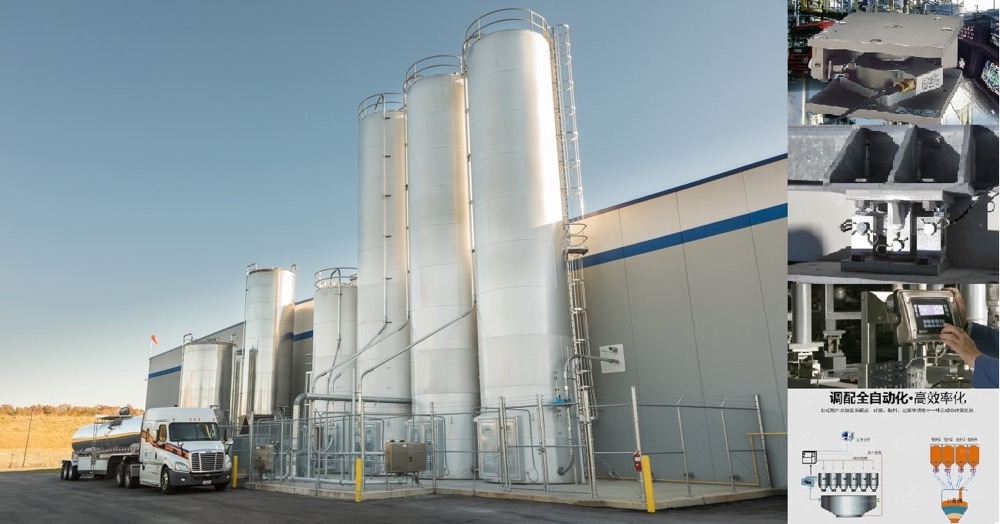











The simulated current signals from the weighing machine are transmitted to the frequency conversion controller. The frequency conversion machine then appropriately processes the current, changes the rotational speed given to the feeding machine from the upper level, and completes the calculation and configuration of the raw materials. The set values are calculated based on the detection data, and input into the electronic weighing machine system through the human-machine interface. The weighing control system of the weighing machine automatically calculates the supply and filling volume of the raw materials based on this detection data and the process target quantity. Then, the PLC control system integrates the supply speeds of each raw material supply system according to the process sequence to precisely and continuously complete the filling of the raw materials.

 020-34563445
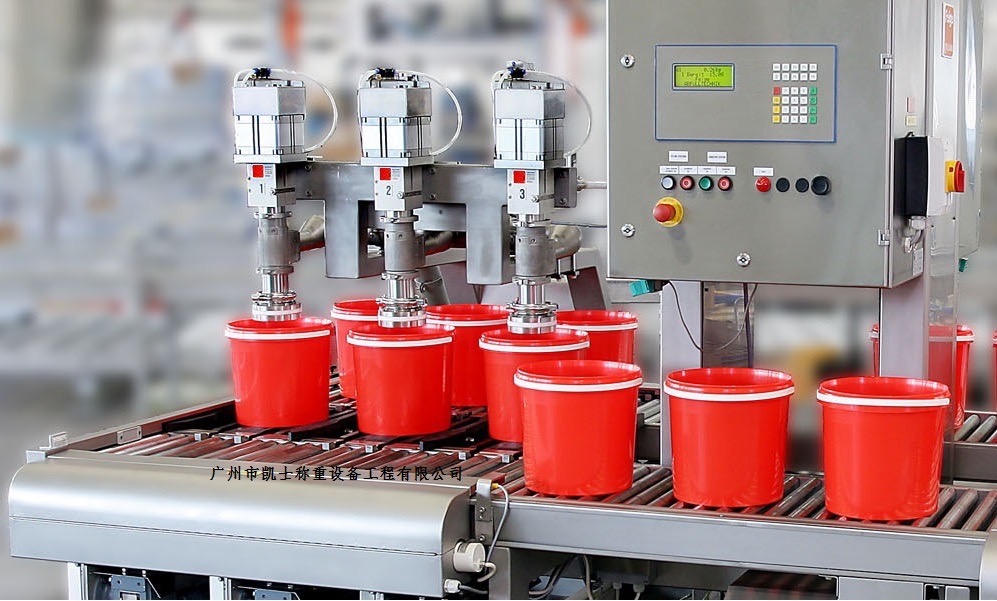
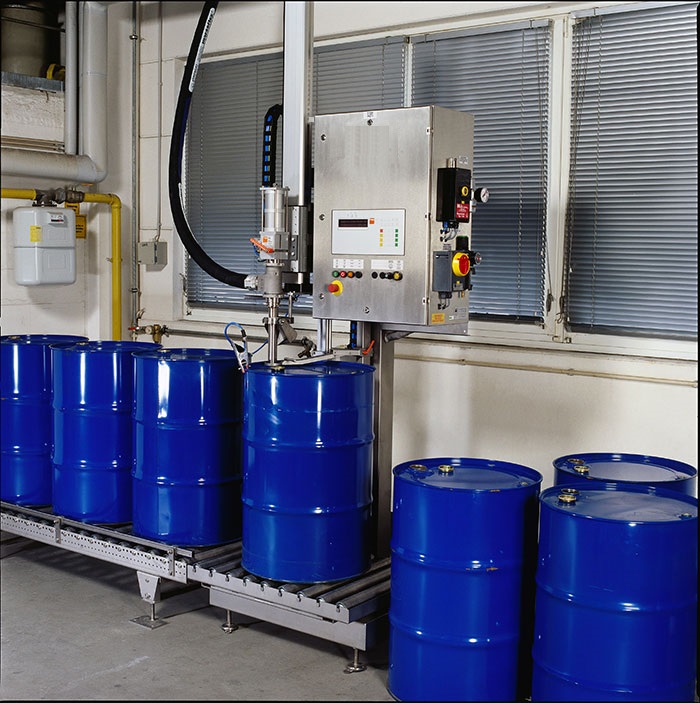
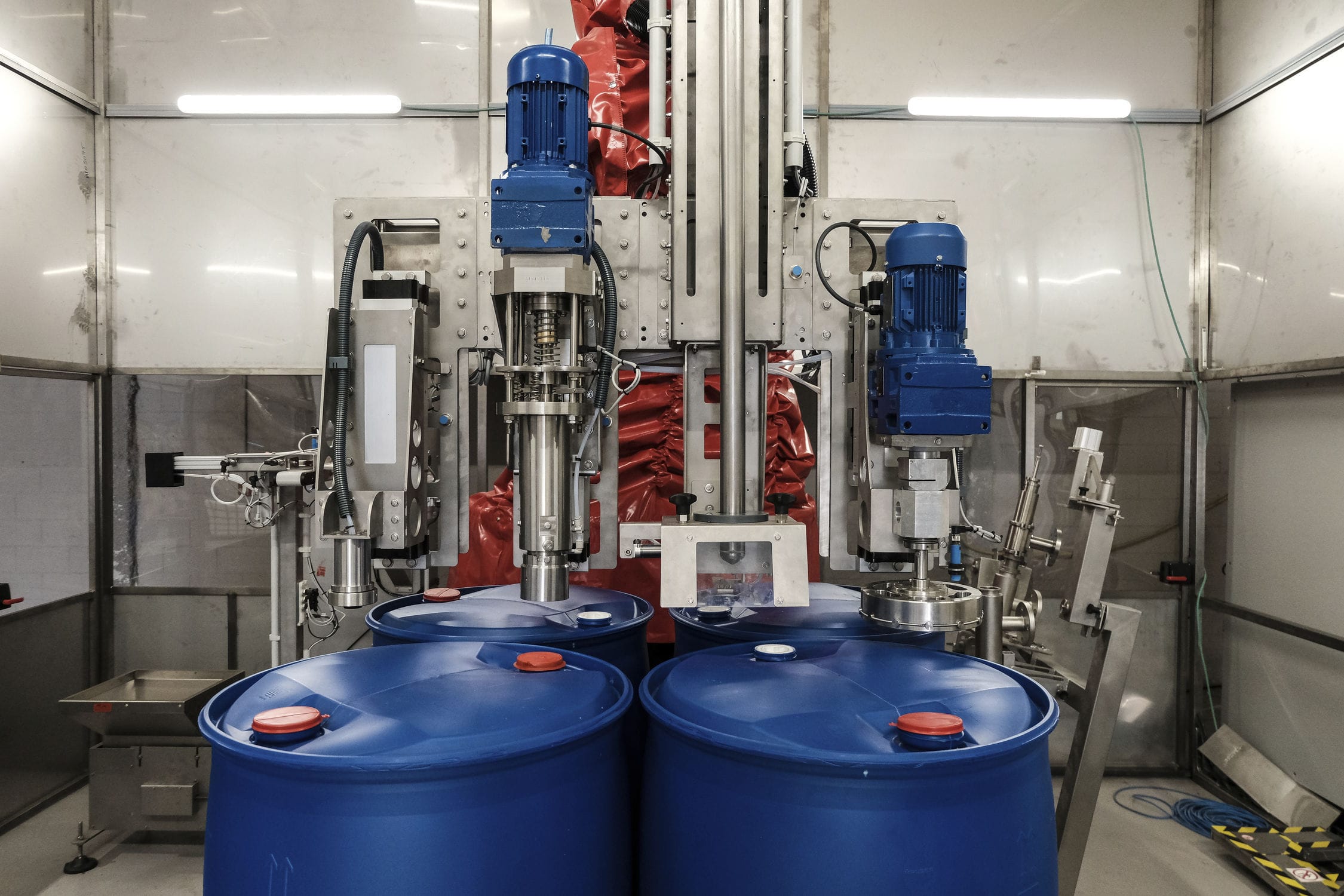
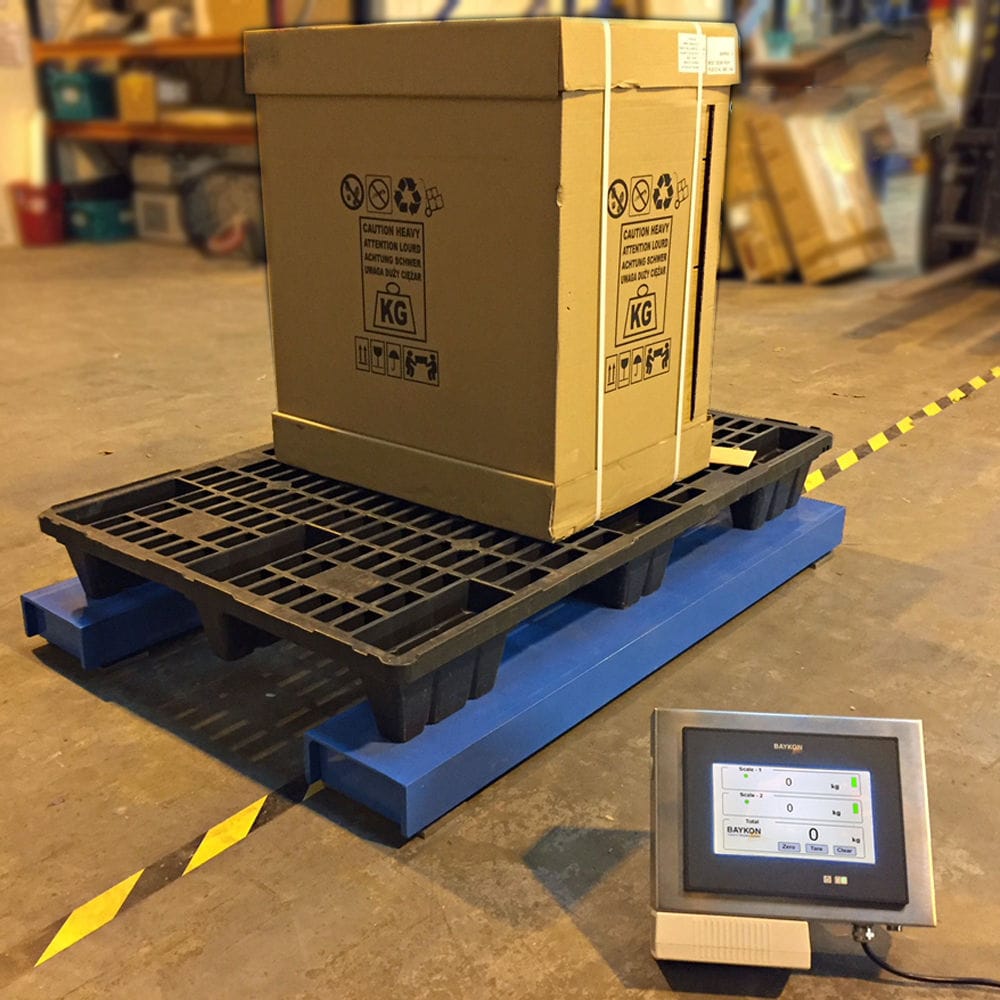
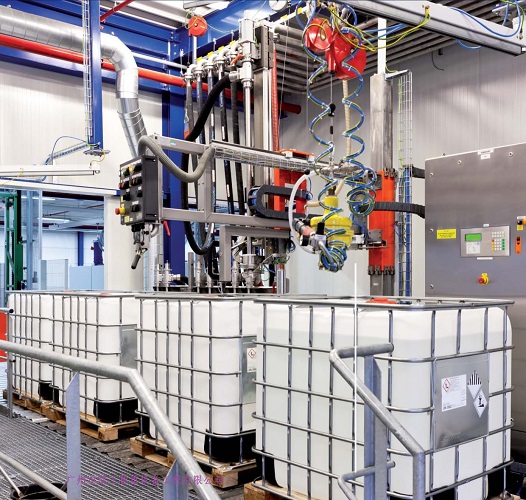
The quantitative scale is composed of a feeding system, an Electronic scale, a filling rack, pneumatic control, a control system, and an unpowered raceway, etc. The feeding mechanism is controlled by solenoid valves, which are executed by cylinders to perform rapid and slow feeding. The ordinary conventional filling and the submerged Filling system are equipped with a weighing bracket, a weighing module, a weighing platform, an unpowered roller and a rack support, and a filling system. The weighing Filling machine selects PLC and high-speed pulse-driven servo motors, a fully digital AC permanent magnet synchronous servo drive device, and a grasping mechanical hand device is installed on the sliding guide plate of the linear motion transmission component. Under the drive of the transmission component, the entire device performs linear reciprocating motion and is fixed to the material platform of other working units, then completes the function of grasping and lowering the filling barrel. The rotor inside the servo motor is a permanent magnet, and the three-phase electricity controlled by the driver forms an electromagnetic field. Under the action of this magnetic field, the rotor rotates, and at the same time, the encoder of the motor provides feedback signals to the driver, which compares the feedback value with the target value and adjusts the rotation angle of the rotor. The accuracy of the servo motor depends on the number of lines of the encoder.
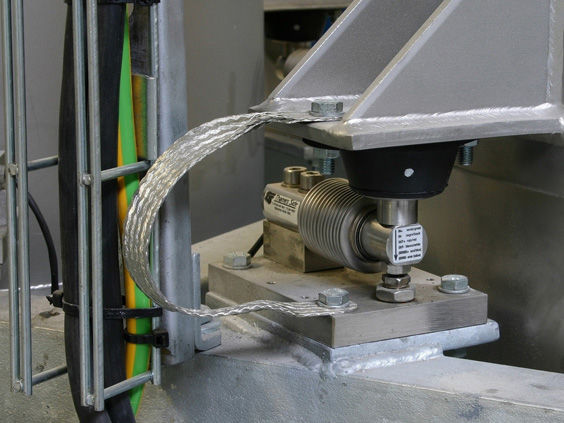
The filling scale is usually composed of an electronic scale as the body, a discharging mechanism, a loading mechanism, and a control system. The scale is combined with a weighing transmitter and a PLC, along with a touch screen. The weight is measured through the electronic scale under the scale frame to ensure the quality of the raw materials on the scale. During the operation of the filling system, the weight data and speed signals received by the PLC are processed to convert into cumulative values and instantaneous flow rates. The data is then transmitted to the work control machine and sent as an analog current signal to the frequency converter. The frequency converter appropriately arranges the current and changes the rotational speed given to the Feeding machine by the upper level. This completes the calculation and configuration of the raw materials. Based on the detection data, the set value is calculated. The detection data is input into the electronic scale system through the human-machine interface. The scale weighing control system automatically calculates the supply and filling volume of the raw materials based on this detection data and the process target volume, and then the PLC control system integrates the supply speeds of each raw material supply system according to the process sequence to accurately and continuously complete the filling of the raw materials.