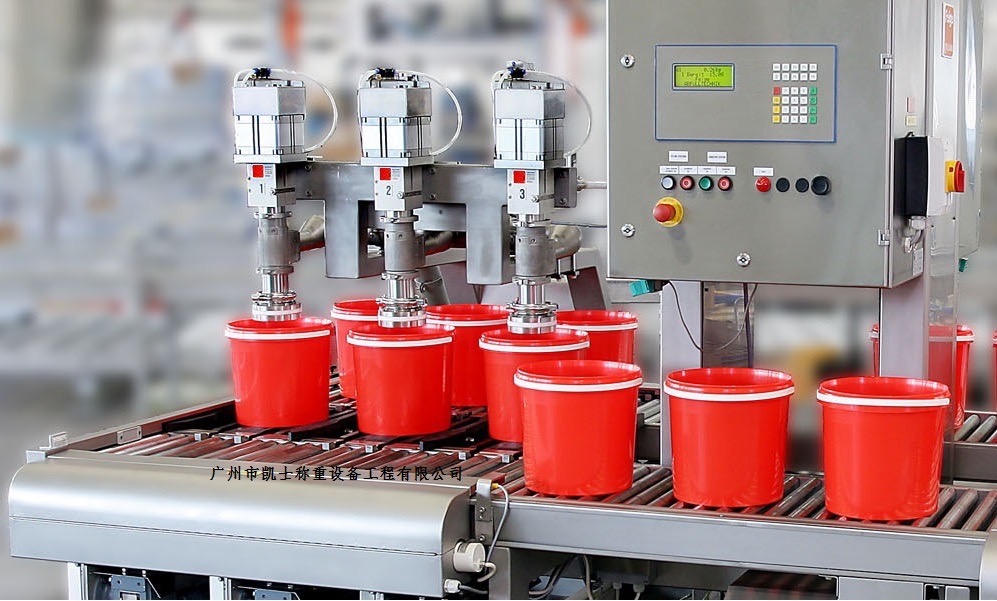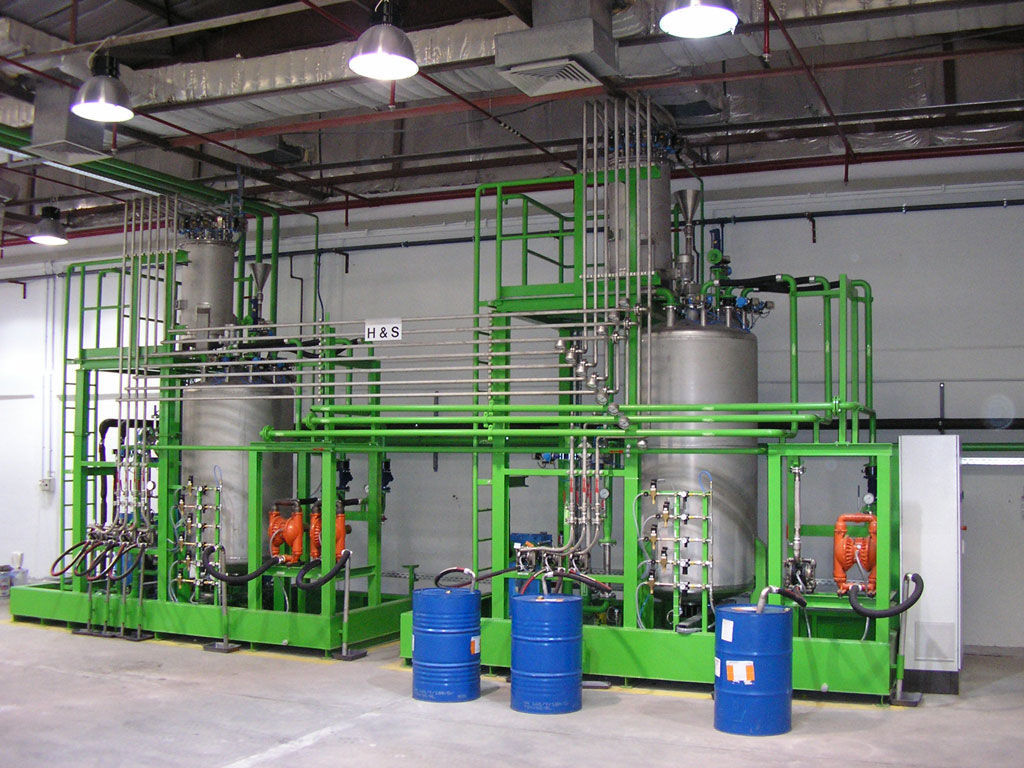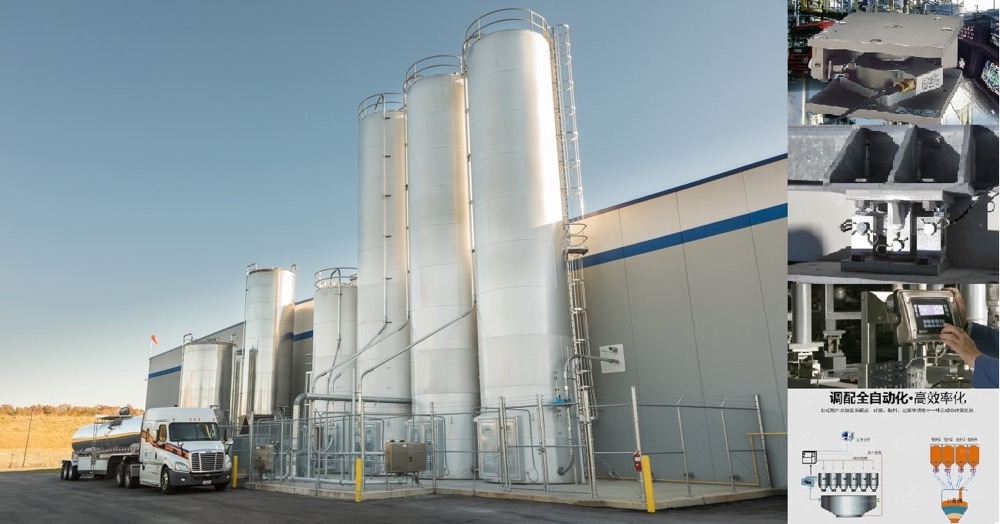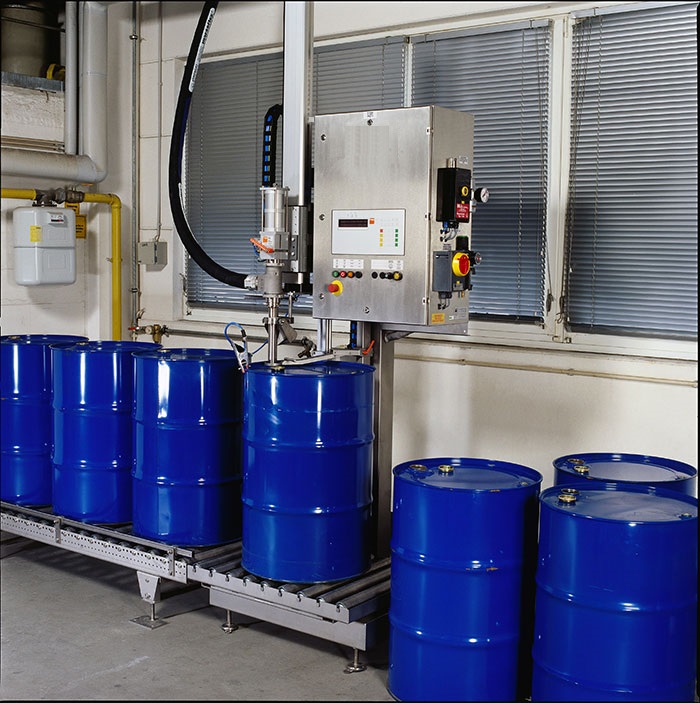






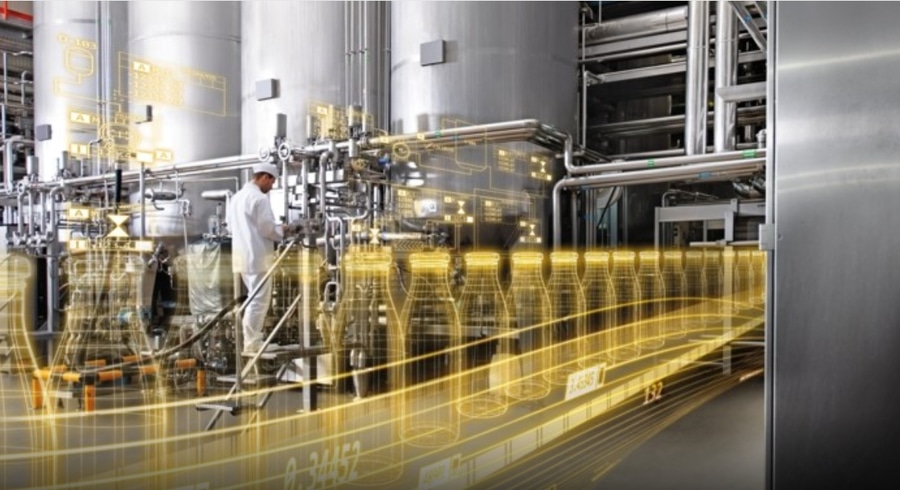


The quantitative capacity filling machine achieves dual closed-loop control of motor speed and current for the control unit. Production parameters such as filling volume and filling time can be set through the touch screen. The parameters are transmitted to the PLC using the weighing instrument. Based on the parameters, information such as motor speed and displacement is calculated, and control instructions are generated. During the filling production process, the encoder provides real-time operation information of the motor, including rotor position, speed, and filling volume.

 020-34563445
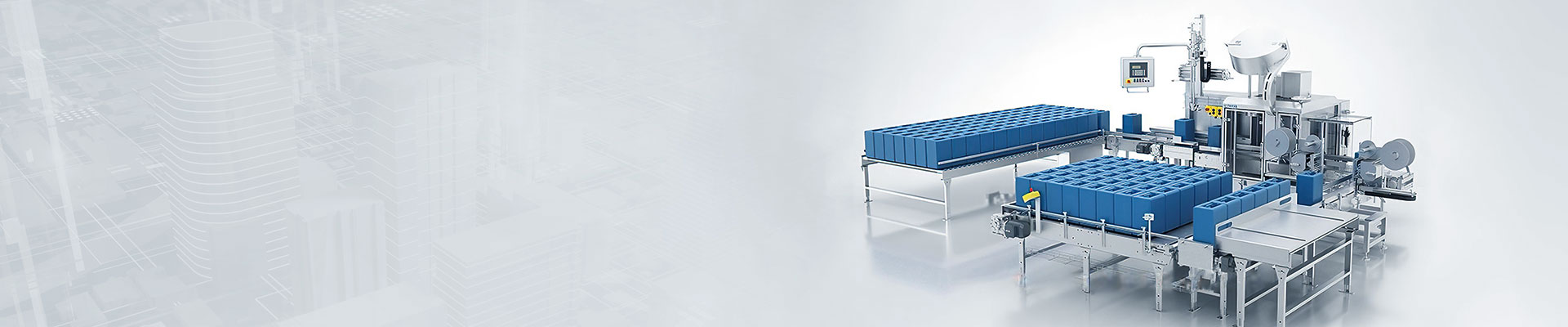
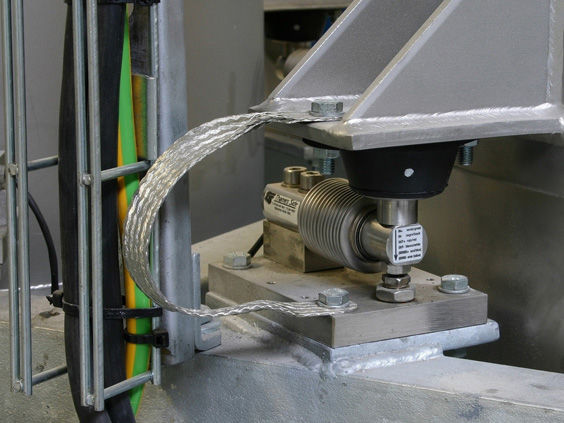
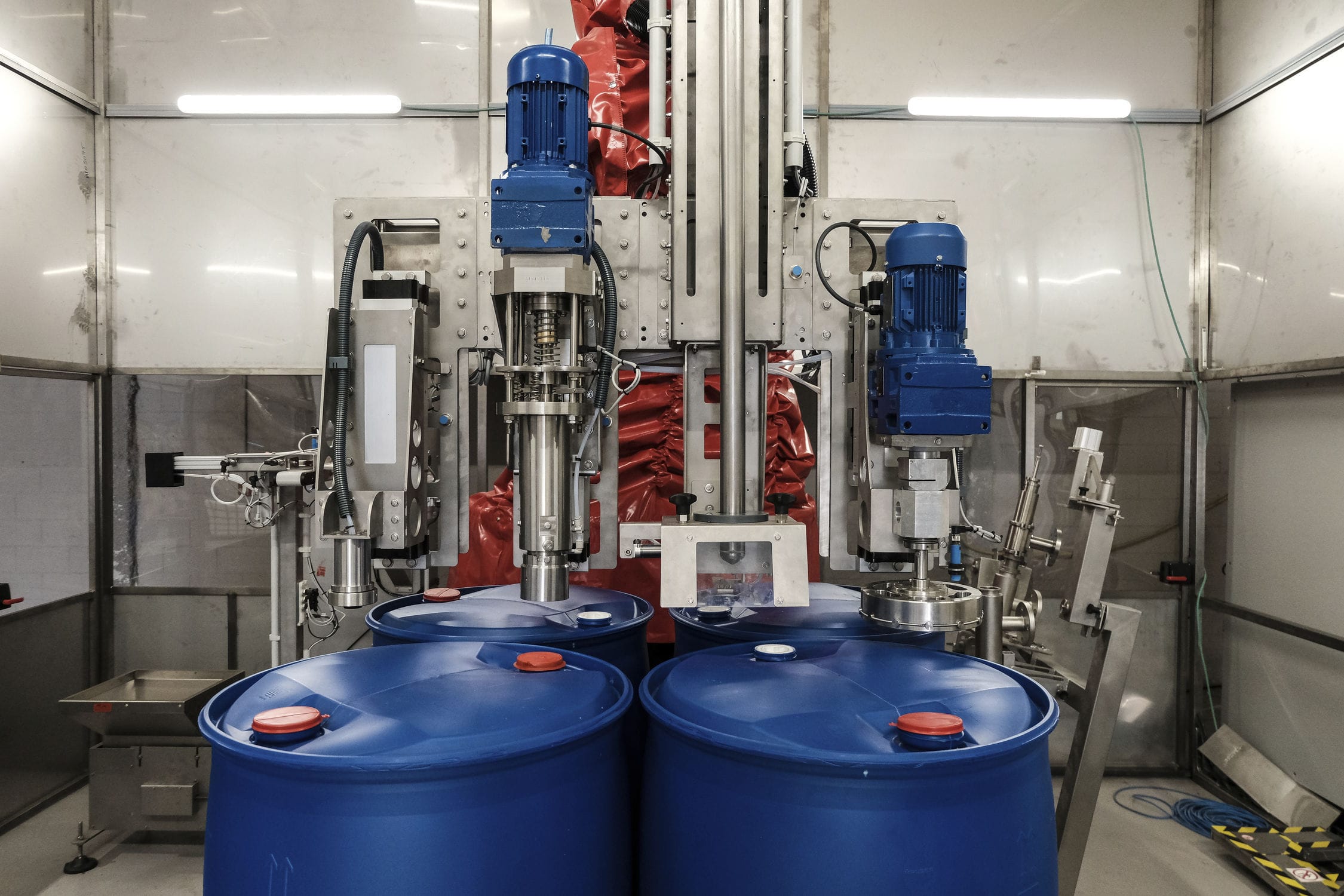
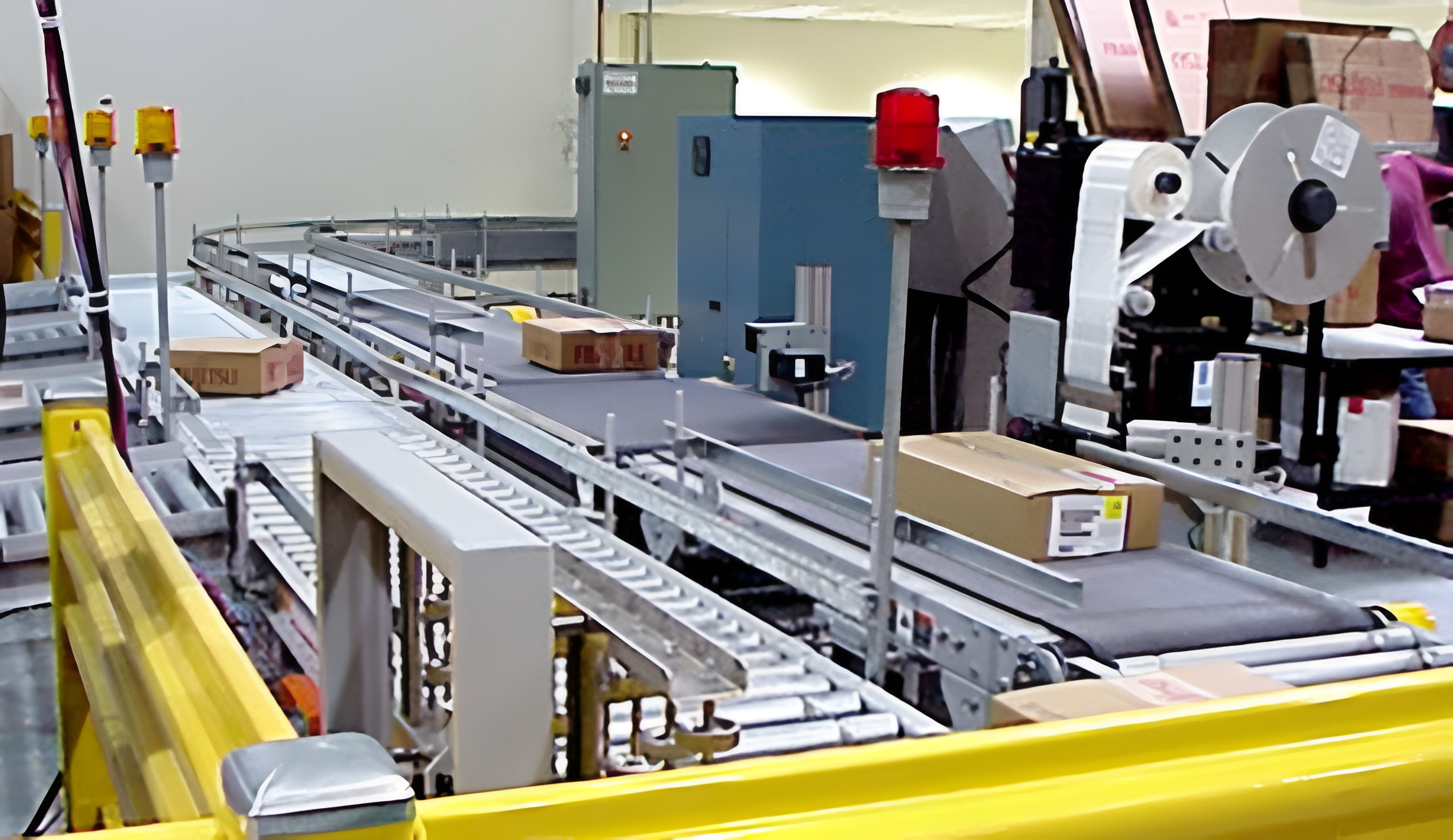
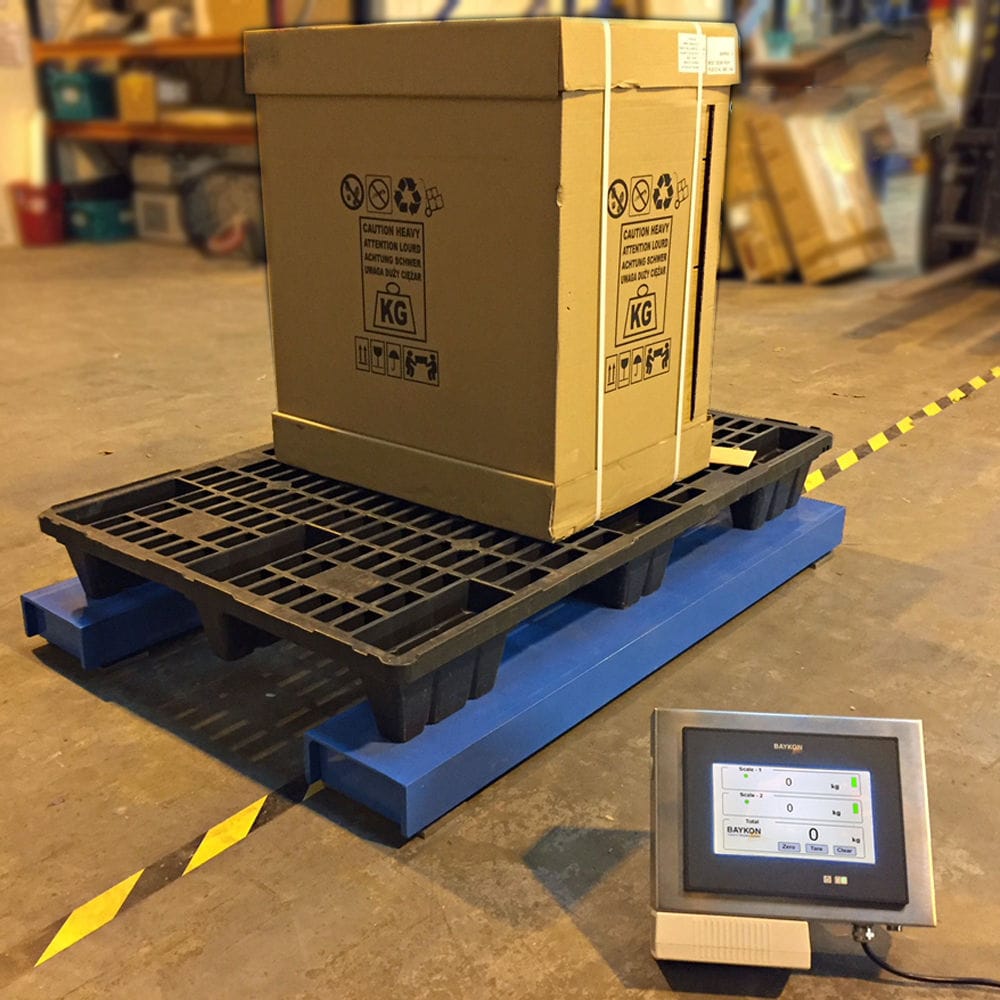
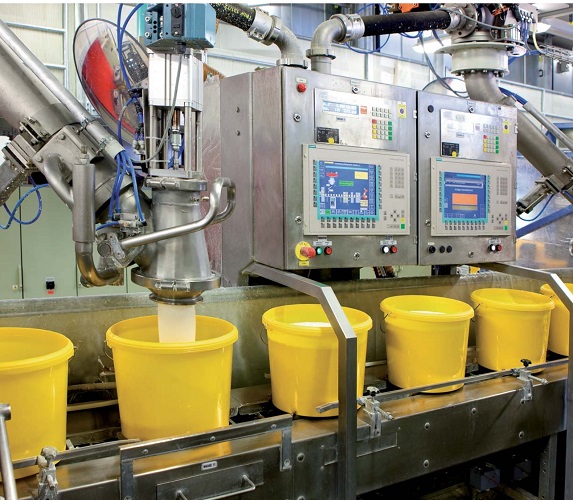
The quantitative Filling machine integrates the collection, amplification, transformation, transmission, processing and display of weight information into a Weighing system. It controls various sensors, relays, switches and solenoid valves through PLC programs. The conveyor transports empty buckets to the filling position. The proximity switches arranged at the filling position automatically sense and automatically fill until the predetermined weight is reached. Then, the PLC controls the filling gun to stop filling, the suction cap device automatically seals the cap, and the conveying motor is started to transport the filled bucket away. The weighing filling machine is composed of a stepping motor, a gear pump filling head, a conveyor belt and an electrical control box. The electrical part mainly includes the stepping motor drive power supply, positioning solenoid valve, counter, cylinder filling head, conveying motor and corresponding control circuits, and the filling mechanism is connected by the output shaft of the variable speed reducer motor to the driving shaft of the gear pump. The stepping motor can not only serve as the power source for filling liquids, but also achieve precise control of the rotational speed of the gear pump by controlling the running steps of the stepping motor, thereby achieving the purpose of precise measurement.
The automatic filling machine achieves dual closed-loop control of motor speed and current for the control system. Through the touch screen, production parameters such as filling volume and filling time can be set. The parameters are transmitted to the PLC using the weighing instrument. Based on the parameters, information such as motor rotation speed and displacement is calculated, and control instructions are generated. During the filling production process, the encoder provides real-time operation information of the motor, including rotor position, speed, and filling volume. The reference values given by the PLC and the operating status of other motors are combined with radial basis PID control to adjust the proportional, integral, and derivative coefficients of the PID controller in real time, thereby achieving coordinated control of the synchronous motors.
After being processed by the conveyor belt, the empty barrels will enter the spiral bucket transfer device. The empty barrels are separated at regular intervals and then transferred to the bucket transfer star wheel. The bucket transfer star wheel will move the empty barrels to the filling station. At the filling station, the filling head extends downward and inserts into the empty barrel while the valve opens, and the filling begins. When the liquid reaches the set quantity by the user, the valve closes and the filling head returns to its original position. The filled containers are transferred by the central star bucket to the sealing station for packaging, and then by the out-bucket star wheel, the filled and sealed containers are moved to the conveyor belt to enter the next process. The main motor is controlled by a control device through a belt pulley to reduce the speed and then the power is transmitted to the worm shaft through a worm reducer, and then directly drives the filling machine, the bucket transfer star wheel, and the central star wheel. To ensure the continuity of power supply and reduce power loss caused by long-distance transmission, separate motors directly drive the spiral bucket transfer device, the out-bucket star wheel, and the sealing machine. Intelligent control methods can be used to coordinate the positions and speed relationships of each moving part, and according to the production process requirements and the set filling capacity, speed, time, etc., achieve coordinated control of the motors.