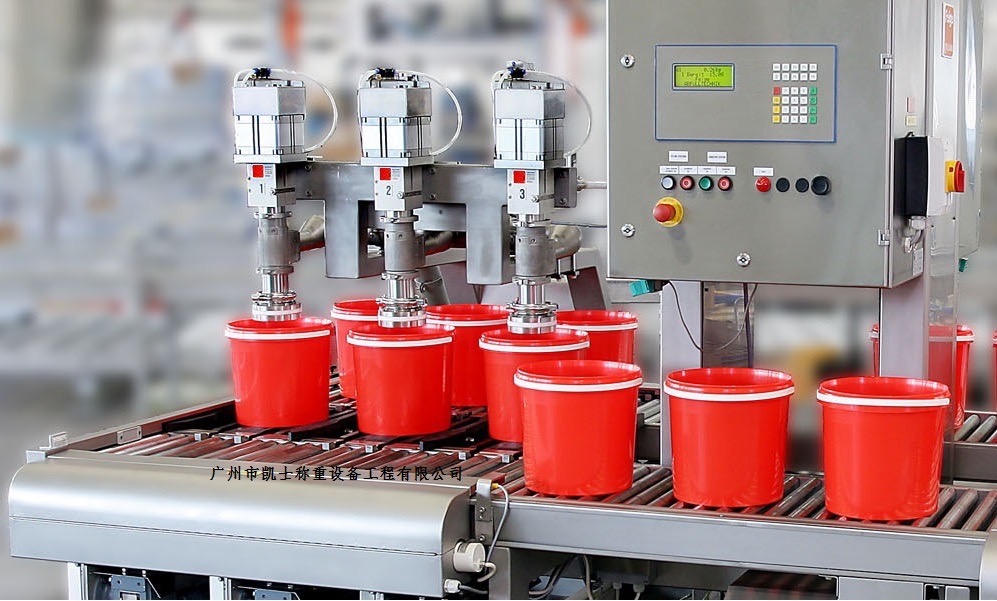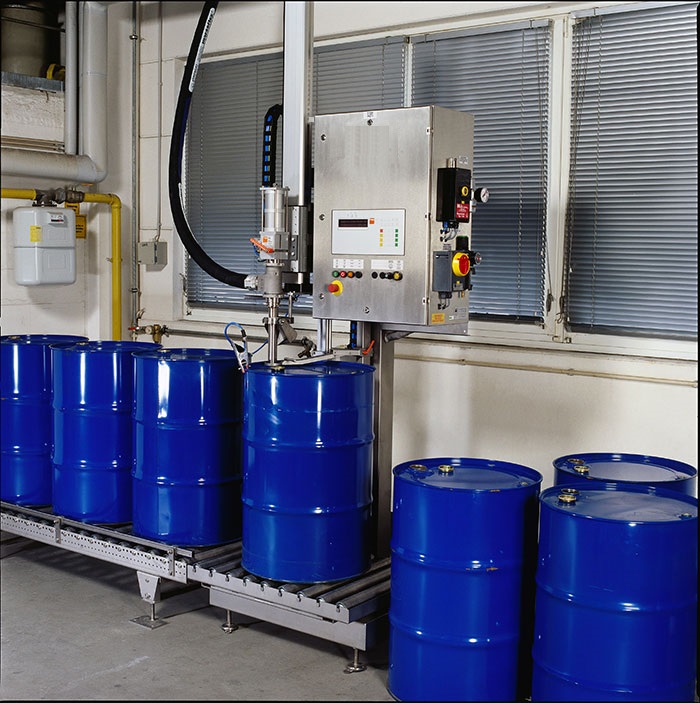





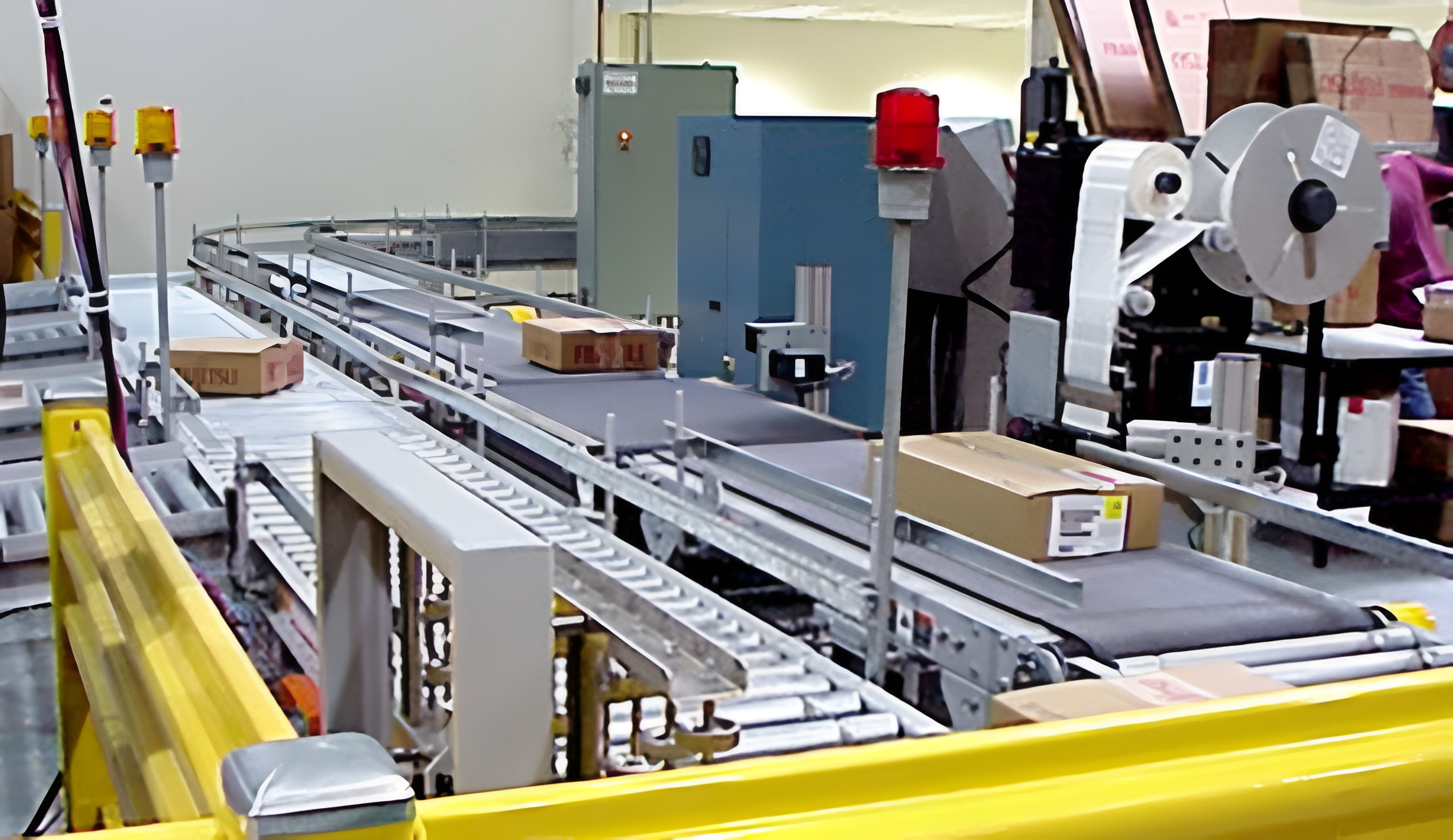
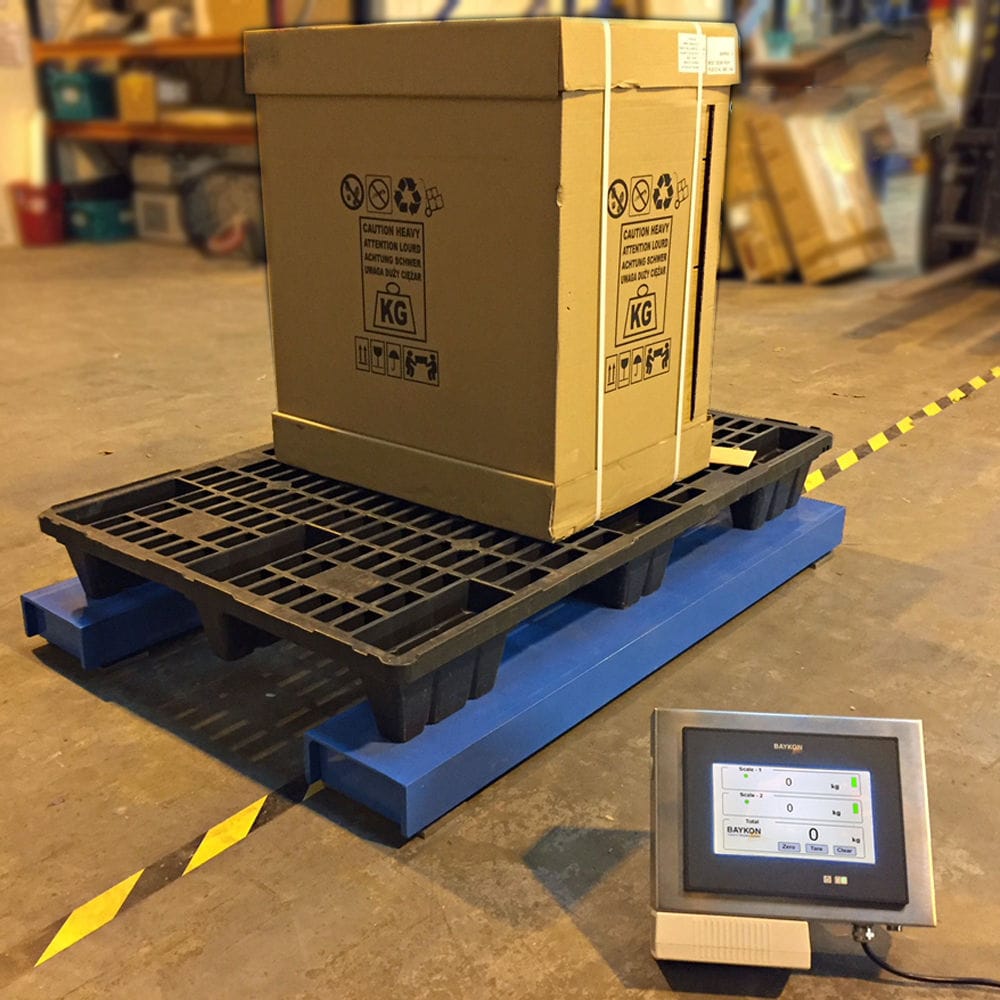


The filling platform adopts fast and slow dual-position filling valves. The filling nozzle is screwed onto the lower end of the valve body, the valve core is fixed at the lower end of the push rod, the push rod is placed inside the valve body and the filling nozzle, and the push rod is fixedly connected to the lower piston of the dual-position stroke cylinder. The upper piston is located above the lower piston. Both the upper and lower pistons can be slidably installed in the inner hole of the cylinder body. The filling is measured and controlled by the electronic scale. The filling valves, filling tanks, filling valves, and the weighing platform of the electronic scale are connected to the PLC system. The filling piston drives the filling head to slowly rise, and when the filling gun piston continues to run to the lower stop point and reaches the target weight, the filling stops.

 020-34563445
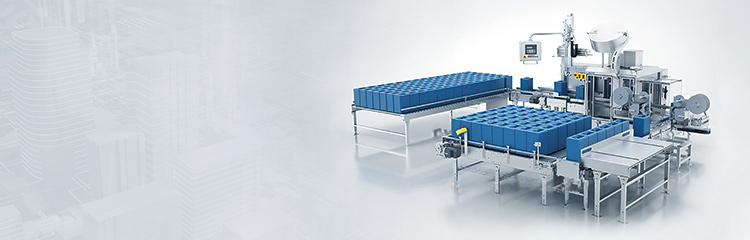
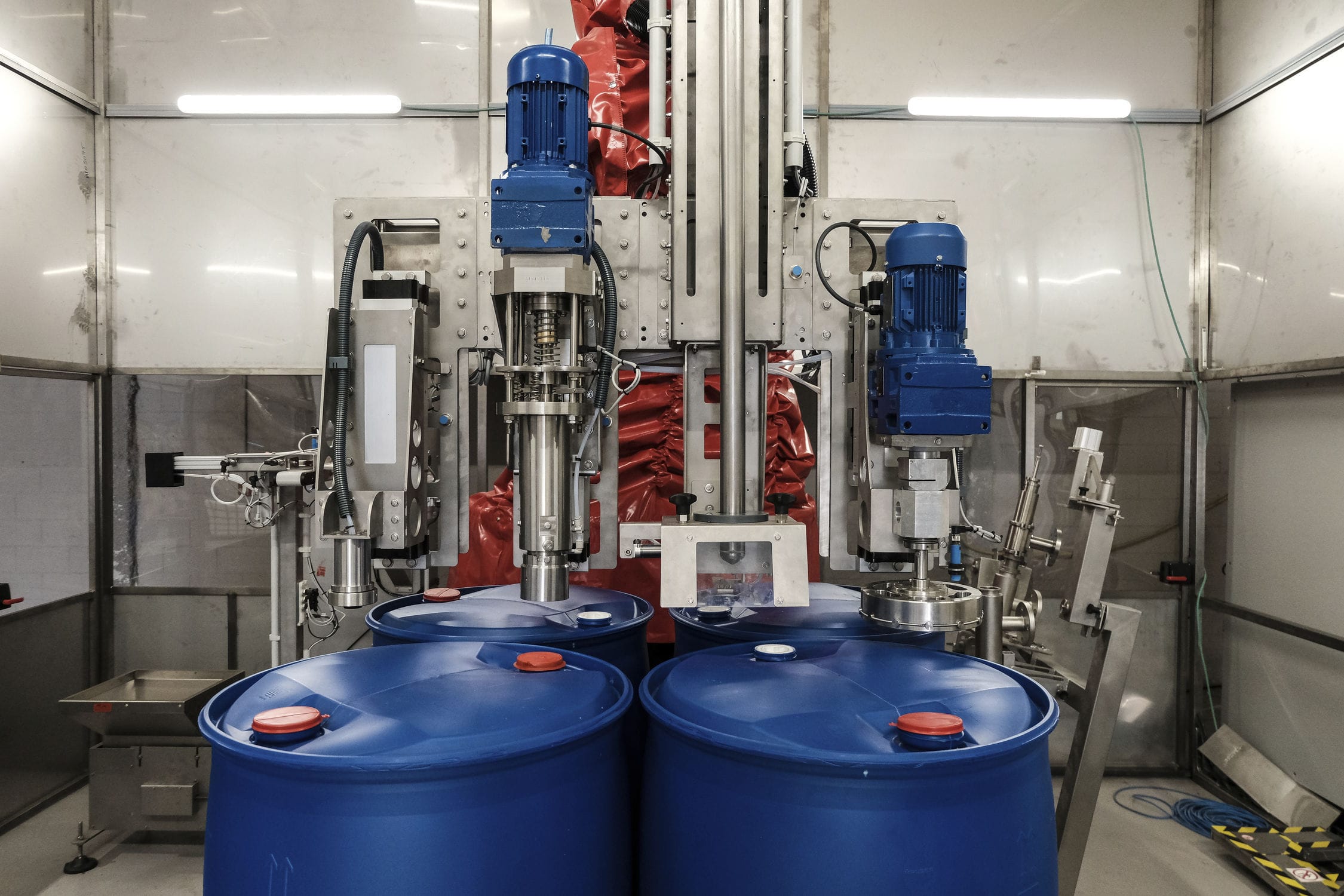
The main body of the filling scale is mainly composed of mechanical components such as the transportation chain, large plate, tray and filling nozzle. During the filling process, the filling barrels are sent to the filling position by the transportation chain; after the filling is completed, the filled barrels are then transported away; the large plate rotates once to complete the filling of one barrel at each workstation, that is, after one barrel is filled, the large plate rotates once to move this barrel away from the filling position, while the next barrel is moved to the filling nozzle's position for the next filling; the tray lifts the barrel, which is driven and controlled by a servo motor, and can perform precise CAM position elevation control; the filling nozzle is a slender cylindrical nozzle. When filling each barrel at each workstation, the device controls the certain liquid flow of the nozzle.
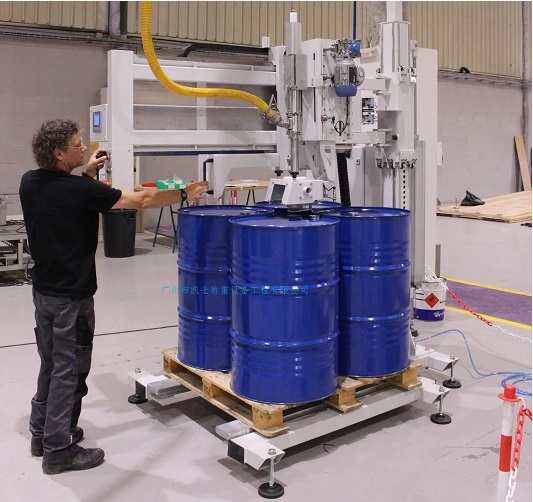
The filling Electronic scale transports the barrels via the conveyor belt to the filling area, and automatically fills them onto the pallets. The filling nozzle position remains stationary, and the servo motor controls the pallet to rise, bringing the barrel bottom close to the nozzle position. During filling, the liquid flows out from the nozzle under a fixed pressure. The nozzle position remains fixed, and the servo motor controls the pallet to automatically descend according to the CAM curve position, ensuring that the nozzle always remains at a fixed position relative to the liquid surface. After filling is completed, the large pallet rotates once, moving the filled barrels towards the conveyor belt and sending them away. At the same time, the next empty barrel is moved to the nozzle position to start filling the next barrel.
The quantitative weighing and Filling system adopts a fast-slow dual-position filling valve, including the valve body, push rod, filling nozzle, valve core feed port. The filling nozzle is screwed onto the lower end of the valve body, and the valve core is fixed at the lower end of the push rod. The push rod is placed inside the valve body and the filling nozzle. The push rod is fixedly connected to the lower piston of the dual-position stroke cylinder. The upper piston is located above the lower piston. Both the upper and lower pistons can be slidably installed in the inner hole of the cylinder body. Since the valve core in the fast-slow dual-position filling valve is controlled by the dual-stroke cylinder, at the beginning of filling, the valve core is in the maximum filling cross-section state. When the filling approaches the predetermined filling weight, the dual-position stroke cylinder makes the valve core enter an accurate small cross-section filling state, making it more suitable for the requirements of electronic weighing filling process.
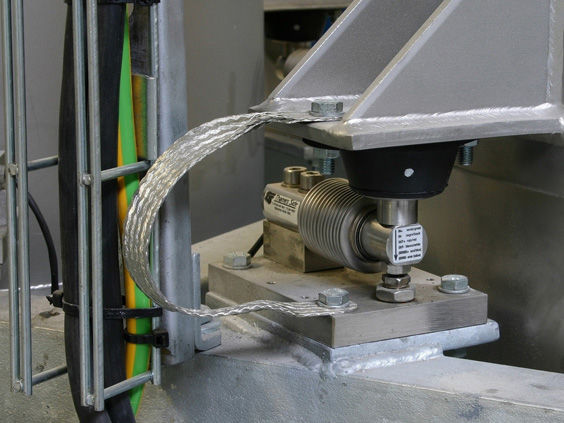
When the empty barrel is pushed to the filling station by the filling conveyor, the outer wall of the barrel triggers the limit switch at that station, and the control circuit causes the reversing valve of the filling cylinder to change direction. The filling piston drives the filling head to move rapidly downward for filling. When the filling head reaches the bottom stop point, the non-contact sensing switch is connected. Through the control circuit, the reversing valve of the weighing cylinder is changed, and the filling gun piston is controlled to move downward. The filled material is filled into the barrel through the filling valve. The filling cylinder changes direction (releases), and the filling piston drives the filling head to slowly rise. When the filling gun piston continues to run to the bottom stop point, the filling stops when the target weight is reached. The filling head continues to rise to the top stop point, and the output of the already filled barrel is achieved. At this time, the filling valve of the filling gun cylinder changes direction and resets, and the weighing piston is controlled upward. The filled material is sucked into the filling gun (for the next barrel) through a one-way valve or a rotary valve. The entire filling cycle is completed. The electronic scale uses the weighing module for weighing and measurement. It uses the weighing module to control the filling of each filling valve. For the filling material cylinder, filling valve, electronic scale weighing platform, etc. connected to the PLC system, corresponding fast-opening valve filling electromagnetic valves for the filling valves, corresponding slow-opening valve filling electromagnetic valves for the filling valves, start filling signals (pulses), and forced closing filling valve signals (pulses) form a complete control system. Through RS485, parameters are set and formulas are selected for the controller. The filling material cylinder, filling valve, electronic scale platform, etc. complete the filling control in the filling process.