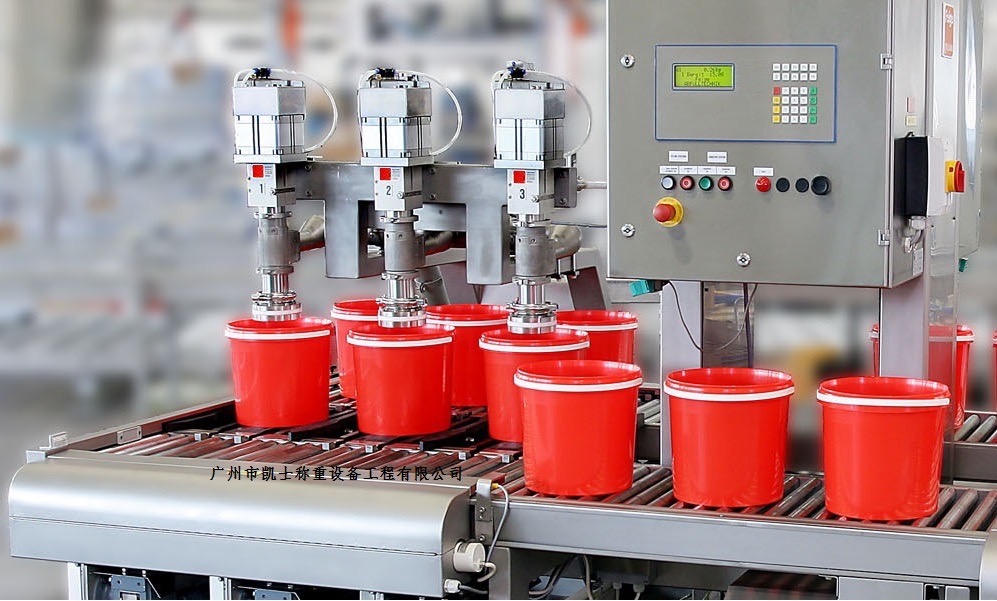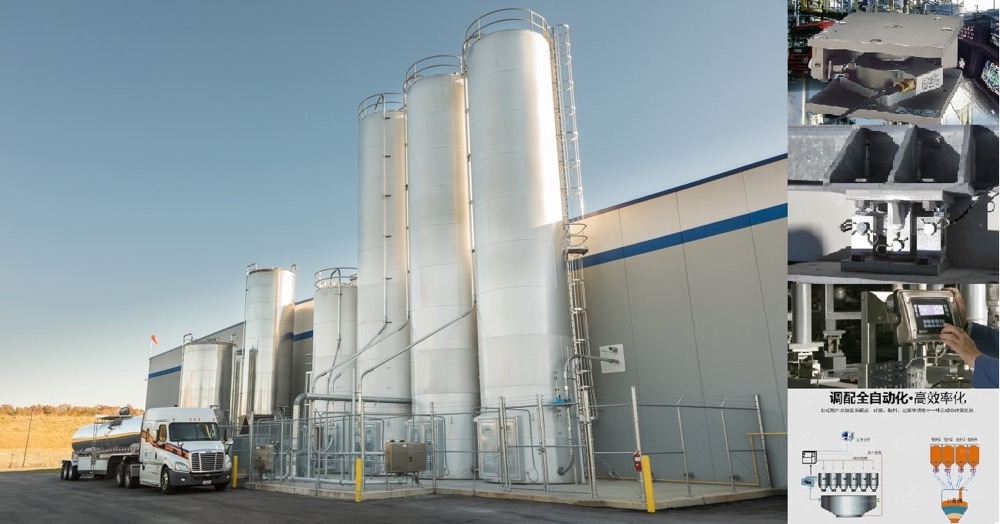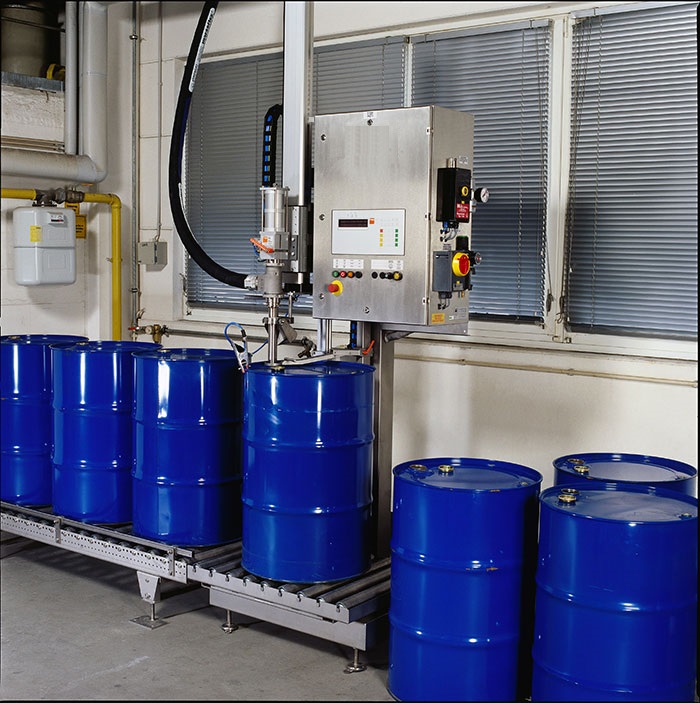


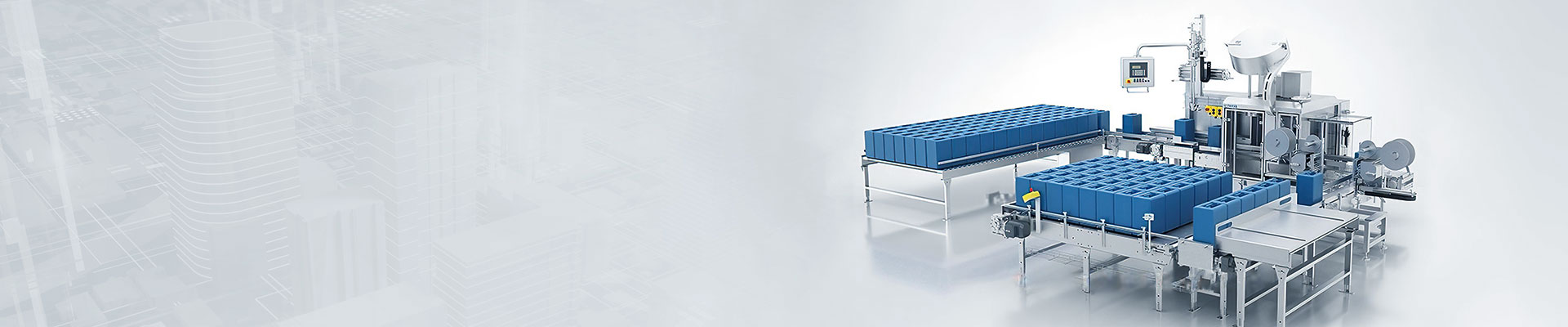






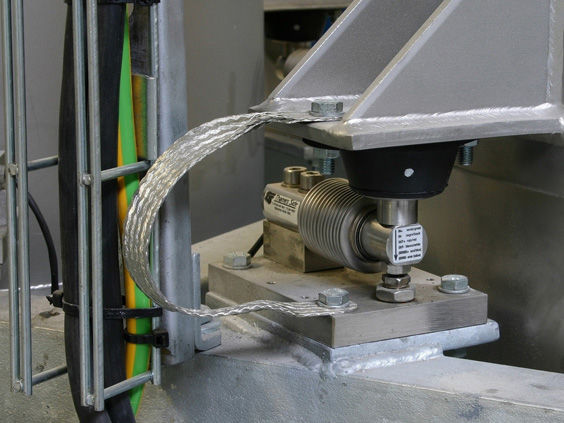
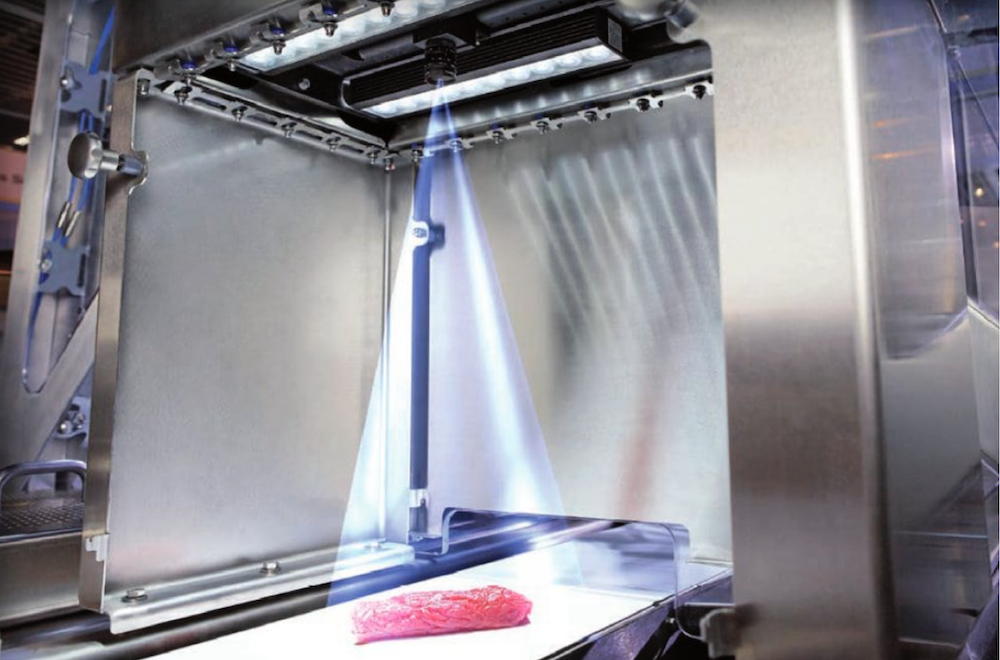
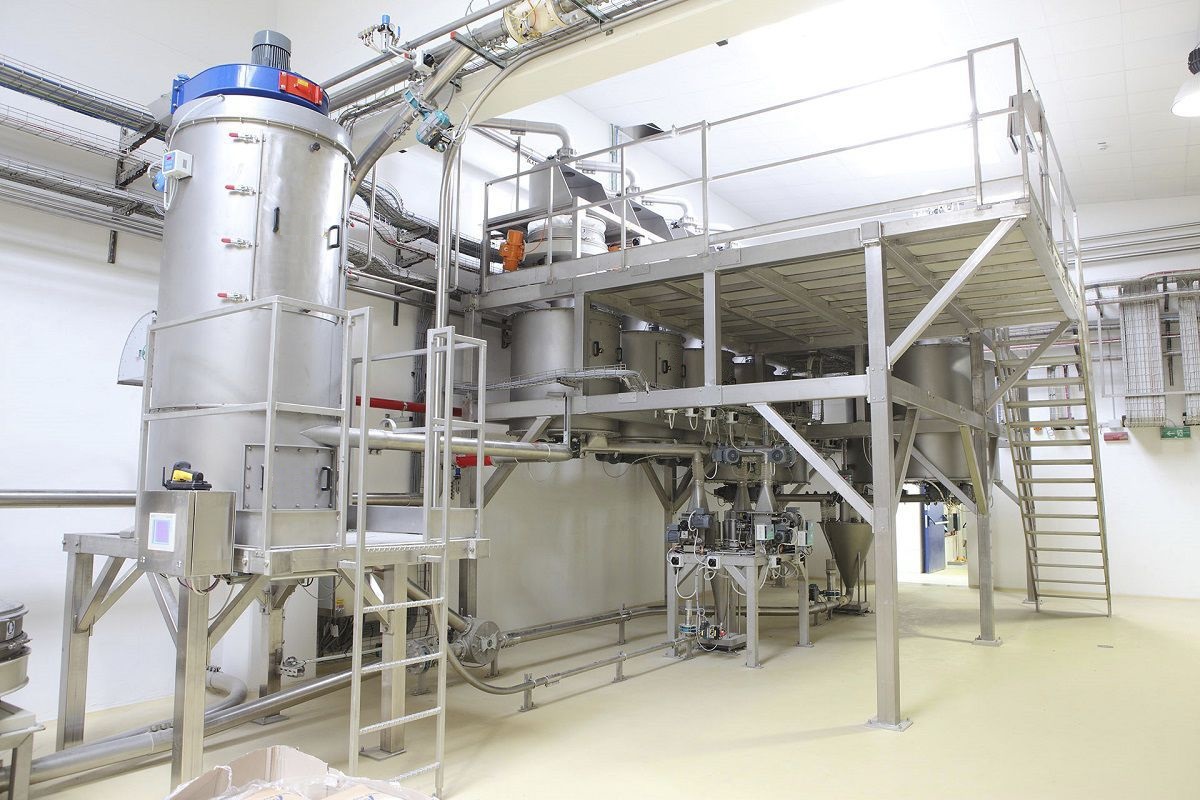
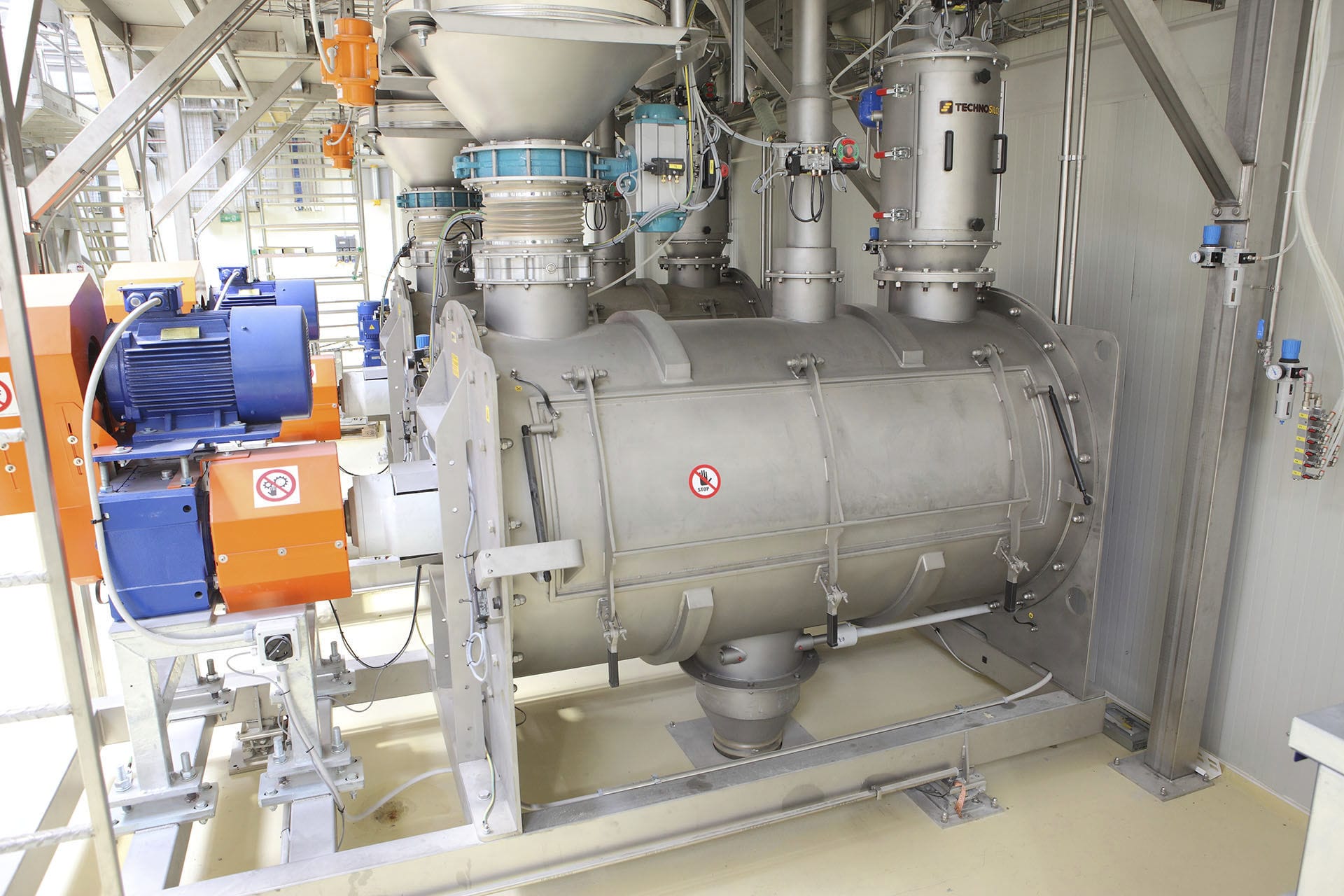
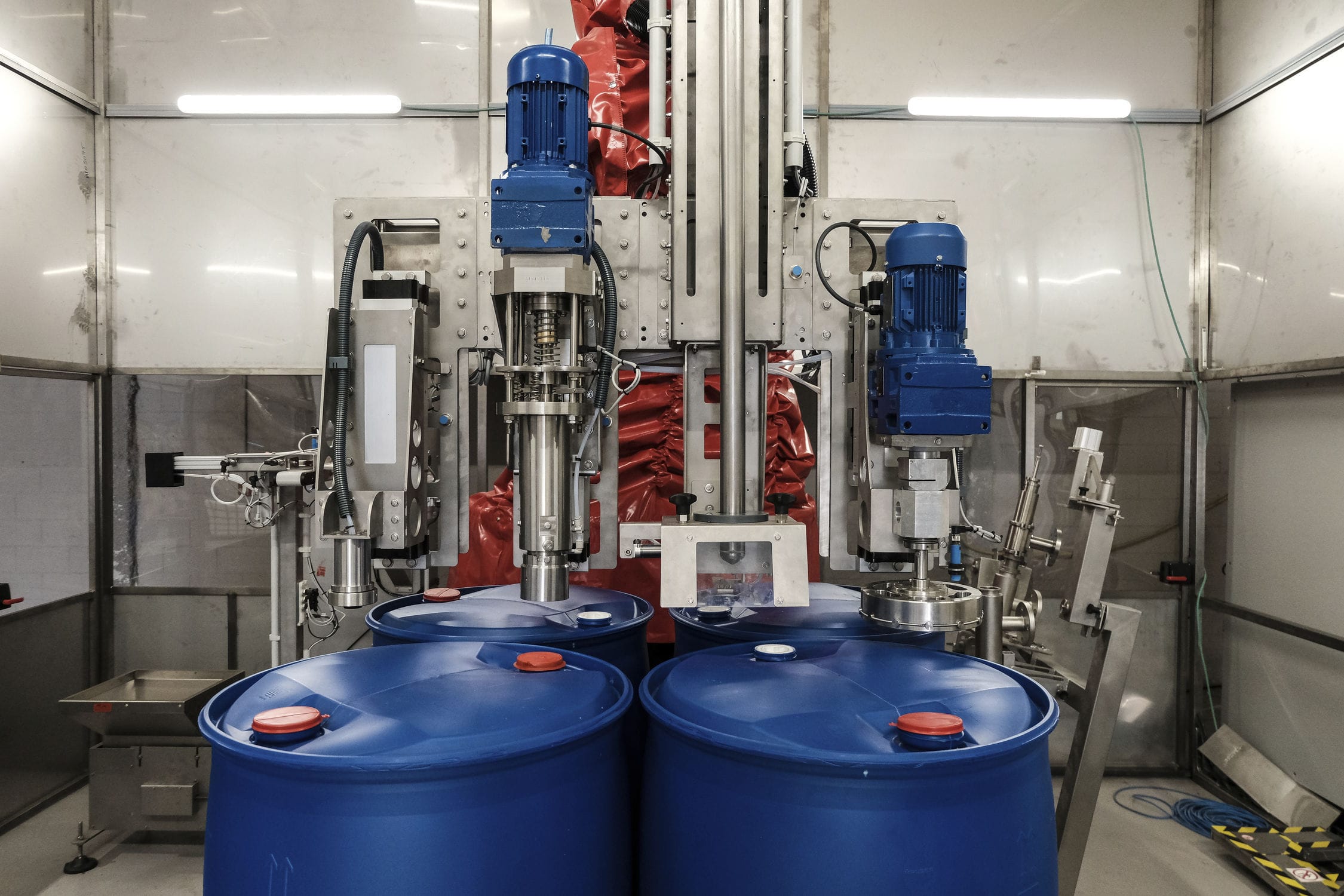
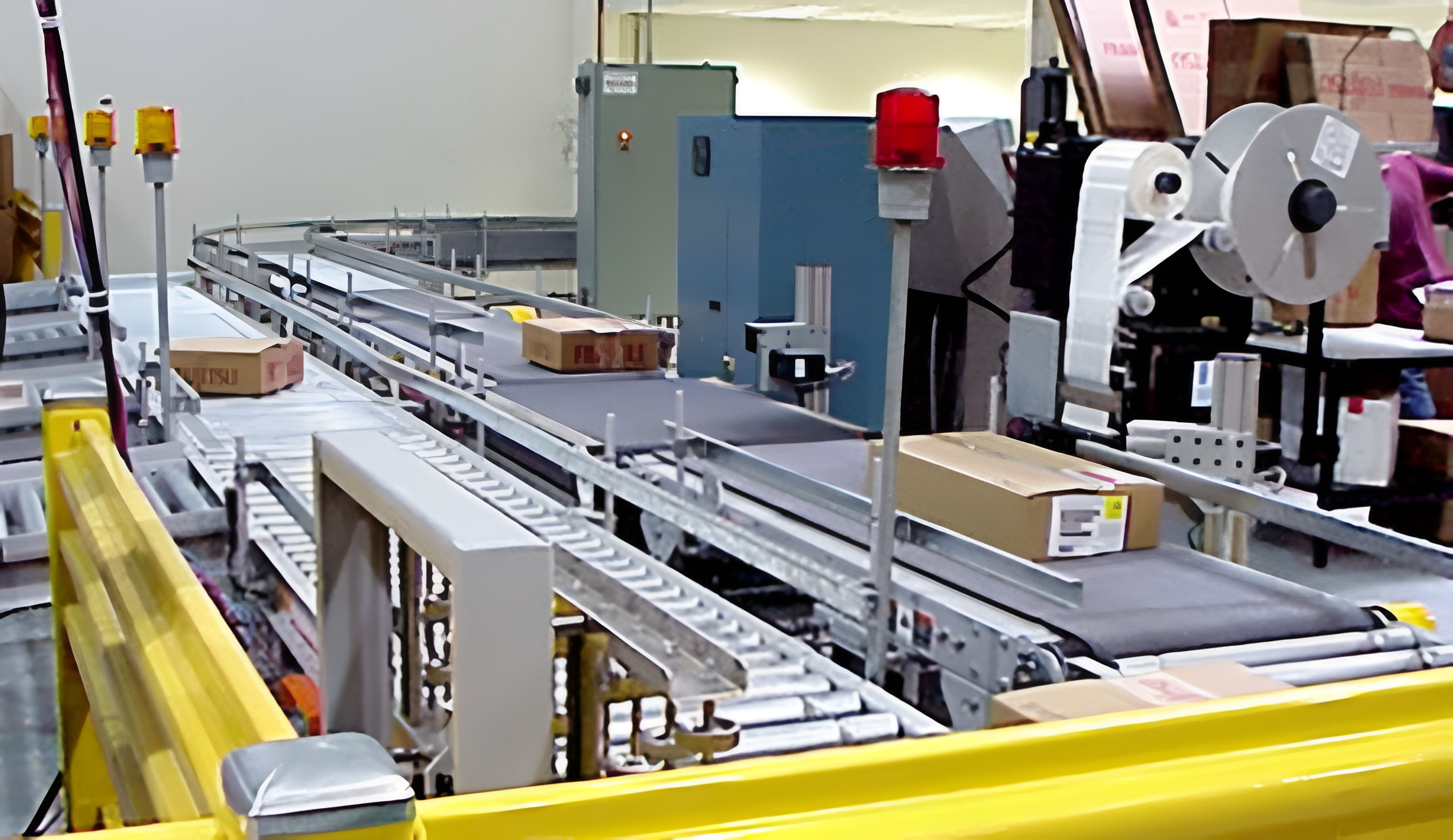
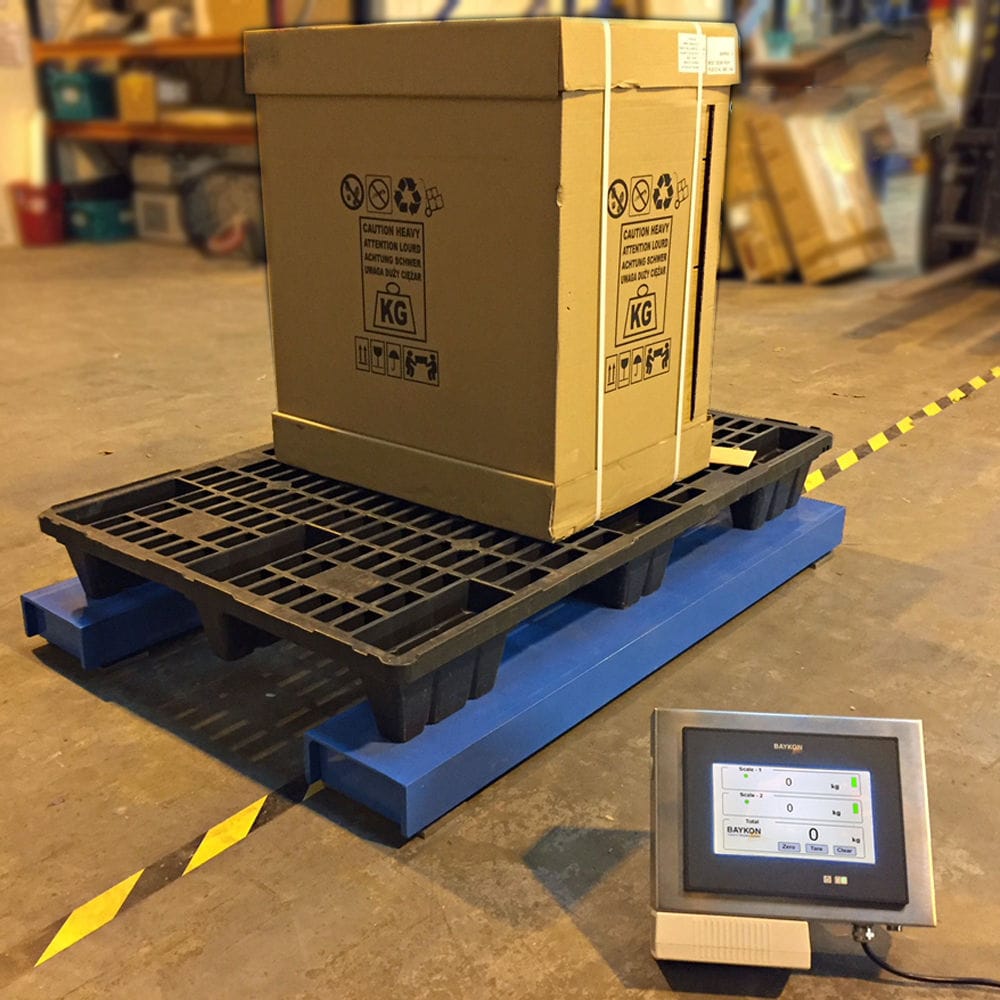


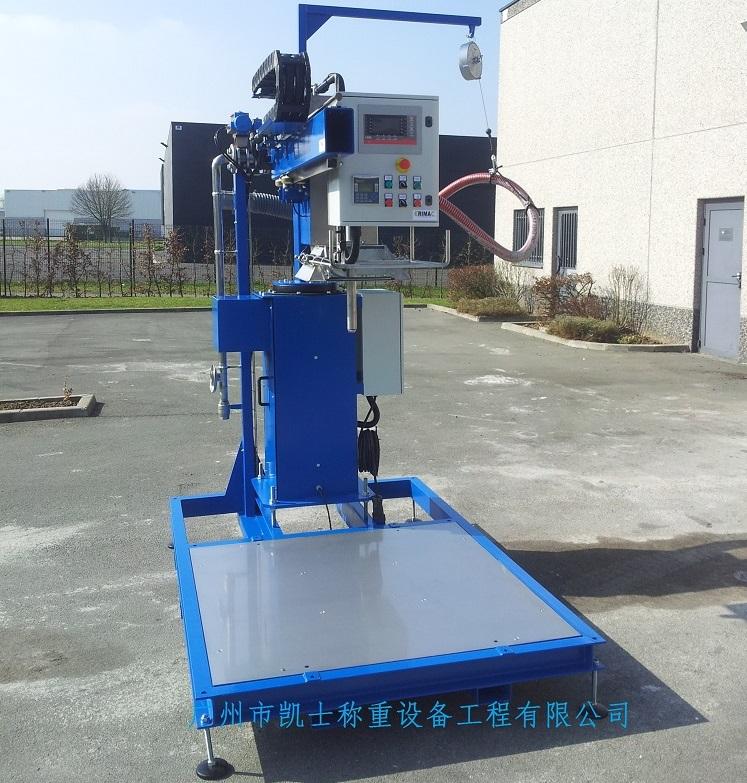
The ground-based weighing system consists of a storage hopper, a filling gun device, an electronic scale, a power conveying device, a verification scale, a control cabinet, and a PLC control system. The electronic scale transmits the raw material weighing data to the PLC, which then controls the process. The raw materials are distributed from the hopper on the top of the storage bin and the distributor into the material buckets on the corresponding weighing scales. The rotor pump feeder delivers the raw materials to the buckets, and transmits the signals to the weighing instrument to control the feeding of the filling gun, thereby controlling the quantitative amount of each material.

 020-34563445
The weighing platform is driven by a cylinder to move a piston to extract and discharge the materials. The flow of the materials is controlled by a one-way valve, and the stroke of the cylinder is controlled by a magnetic reed switch, allowing the filling volume to be adjusted. It mainly consists of electronic weighing platform for measurement, control, transmission and sealing components. The transmission component realizes the transmission of packaging items through a chain plate transmission system controlled by a motor; the sealing mechanism automatically performs functions such as sealing, pad sealing or adding a rolled edge according to the product and the shape of the plate; the measurement component is composed of the weighing platform and corresponding measurement and weighing instruments, completing the weighing, sub-packaging and quality display of the materials, using three-level feeding and filling control to achieve fast, medium and slow control of valve closure, and controlled by PLC signals to move the cylinder stroke to complete the actions of weighing, filling, opening the cover, opening the valve, closing the valve, adding the cover, etc. During normal operation, the liquid material flows from the storage tank through the feeding pump into the high-position storage cylinder, and the bucket is manually moved to the scale position. The opening cylinder moves to the given position to grip the valve seat, the opening cylinder moves downward, relying on the force of the opening cylinder to remove the valve opening, and the opening cylinder returns. The opening cylinder rises and relies on the force of the opening cylinder to open the sealing device of the filling head, and the Filling machine starts filling and measuring. When the weighing module measures to the given weight value, the opening cylinder returns to close the filling valve, the opening cylinder moves to the given position, the opening cylinder moves upward, and the valve cover is installed.
The filling scale controls the rotational speed of the discharge rotor pump based on the rate of weight decrease of the material, in order to achieve the purpose of quantitative filling. When the material in the feeding scale reaches the lower limit of the weighing, the discharge filling gun will discharge at the current speed, while controlling the material in the storage bin to quickly enter the bucket of the feeding scale. The filling stops when the filling reaches the upper limit target value. Through the fixed set values of the material weight in each stage, it is possible to achieve automatic batch control and the collection and transmission of a series of signals during the production process, thereby achieving precise control of the feeding. It can automatically or semi-automatically complete the processes of ratio matching, weighing, loading, and distribution of each raw material, until the required number of weighing/filling cycles for each batch is completed. The PLC performs a series of calculations and control operations, calculating the next target value, calculating the target value of the raw materials, and relevant parameters will be displayed on the main screen and parameter setting window of each raw material, which can be used as a control reference by the operators.
The packaging scale operates by using an Electronic scale installed beneath the power drum and a front-end photoelectric sensor to detect signals. When the bucket reaches the center position of the scale, two signals are sent to the control system for weighing calculation. The scale determines the instantaneous target value and the drop value. It compares the actual measured weight with the set weight value. The frequency converter controls the pump's speed according to the filling volume. The filling gun above the scale uses the drop value to control the start and stop of the piston, ensuring that the actual weight matches the set value and achieving precise quantitative feeding of the entire system. When the conveying volume reaches the set mass, the electronic scale sends a command to shut off the rotor pump for feeding, completing one measurement and dispensing cycle.
The feeding scale is composed of a storage hopper, a filling gun device, an electronic scale, a power conveying device, a verification scale, a control cabinet, and a PLC control system. The electronic scale transmits the raw material weighing data to the PLC, which then controls the process. The raw materials are distributed from the hopper on the top of the storage bin and the distributor into the material buckets on the corresponding scales. The rotor pump Feeder delivers the raw materials to the buckets, and transmits the signals to the weighing instrument to control the feeding of the filling gun, thereby controlling the quantitative amount of each material. When all the materials in the storage bins have been weighed and filled according to the set filling volume requirements, and reach the specified set quality (the quantity of each batch of materials), the PLC, following the control program, opens the filling gun material door. Under the control of the PLC, the material door opens to discharge the materials and deliver them to the buckets, completing the filling process. The materials are then conveyed by a scraper conveyor to the finished product area for storage, and proceed to the next process.