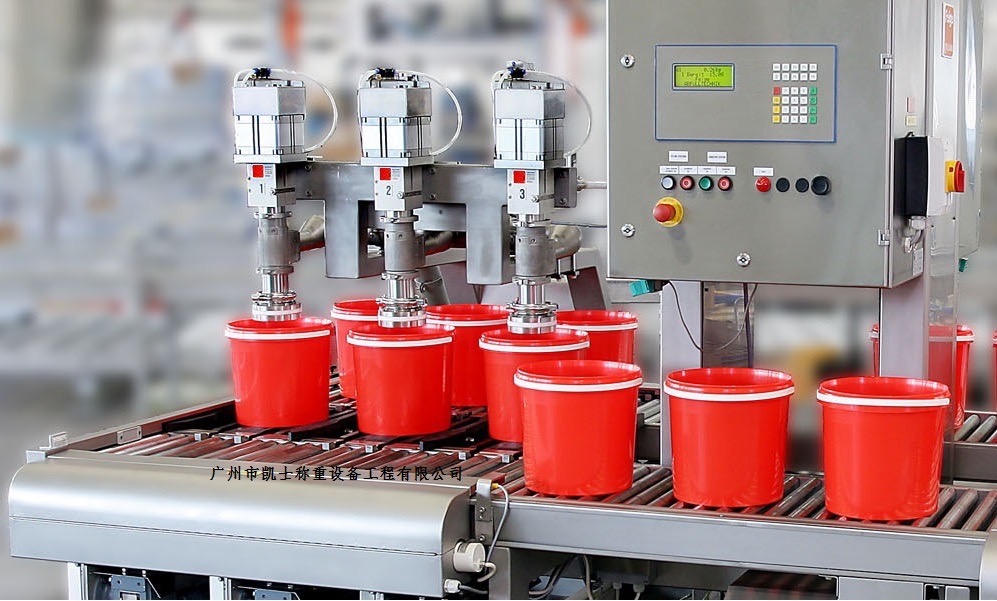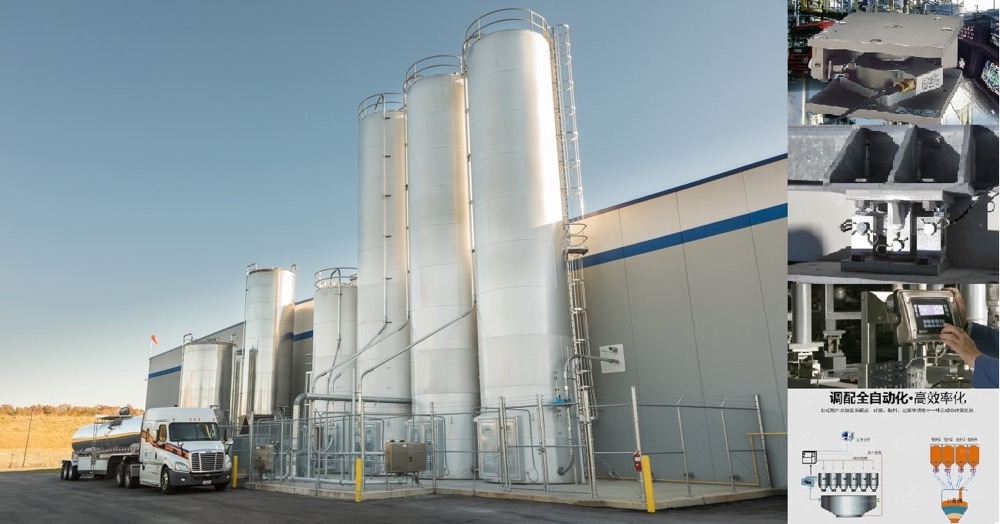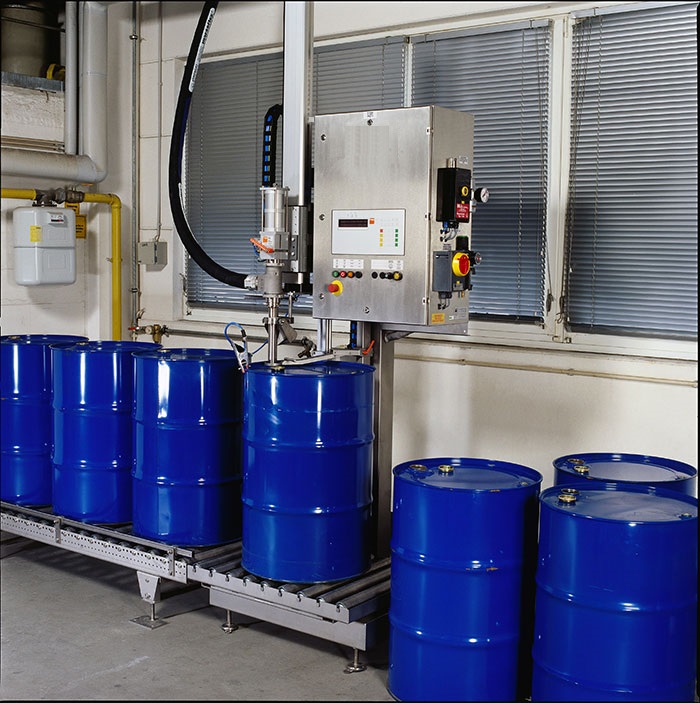


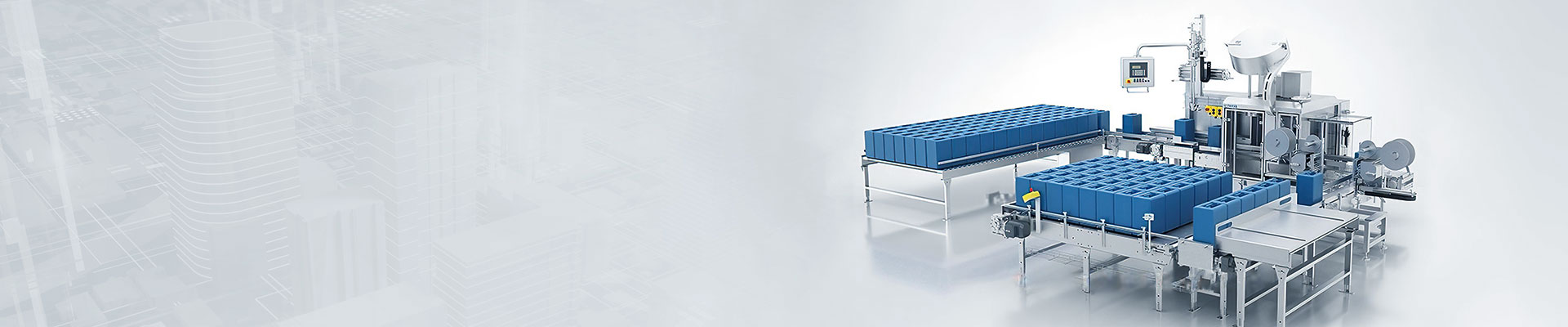
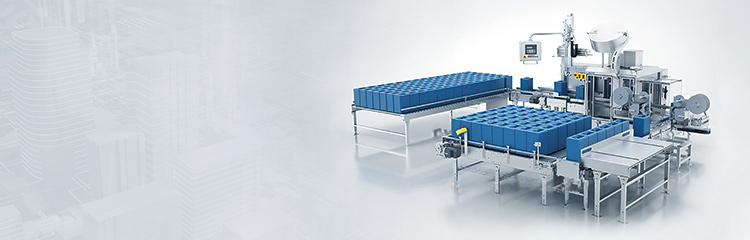

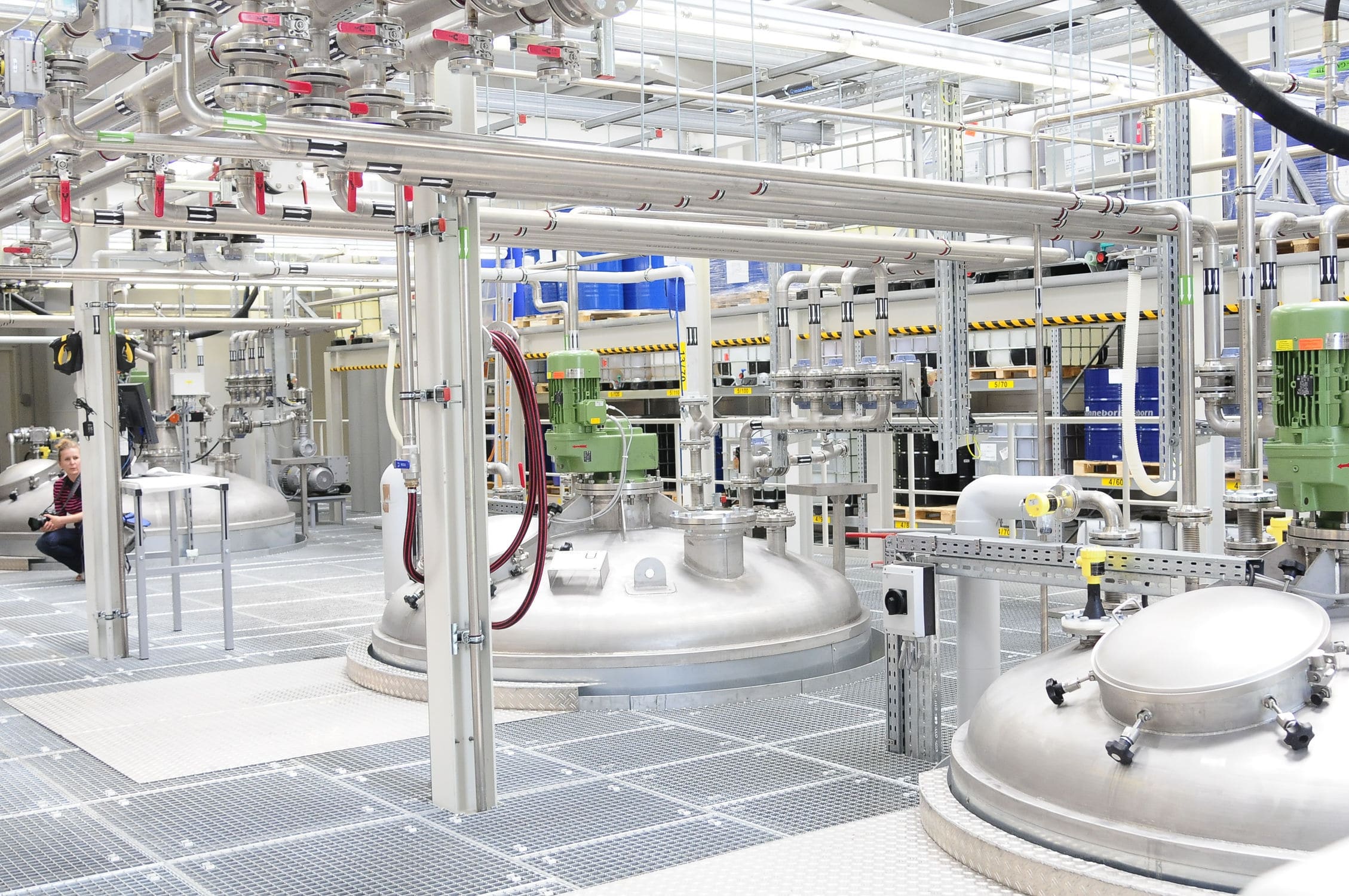


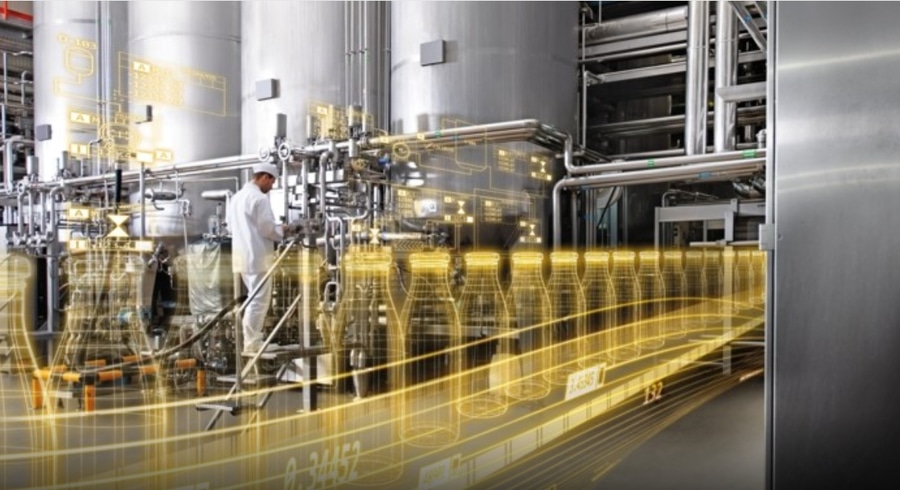
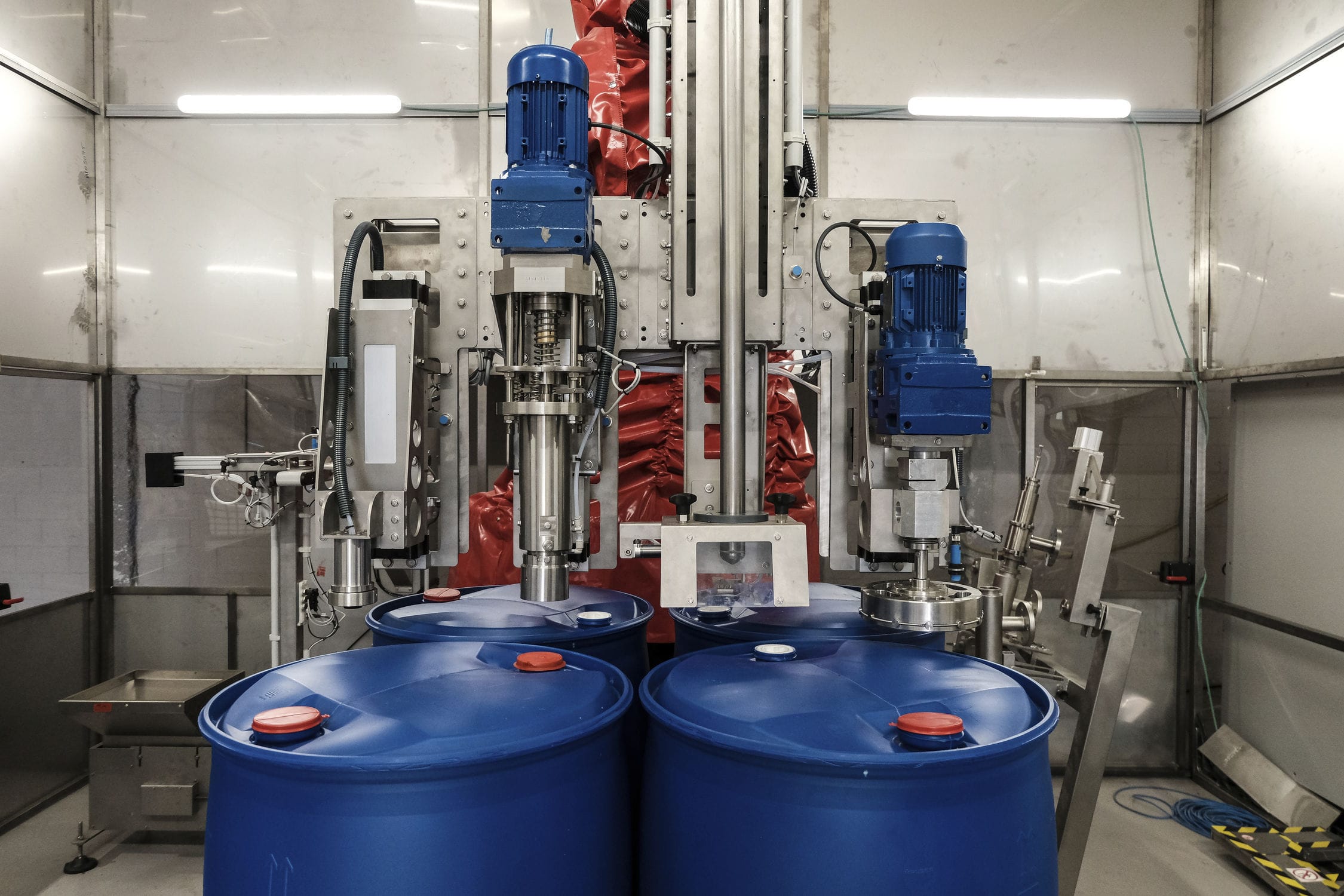
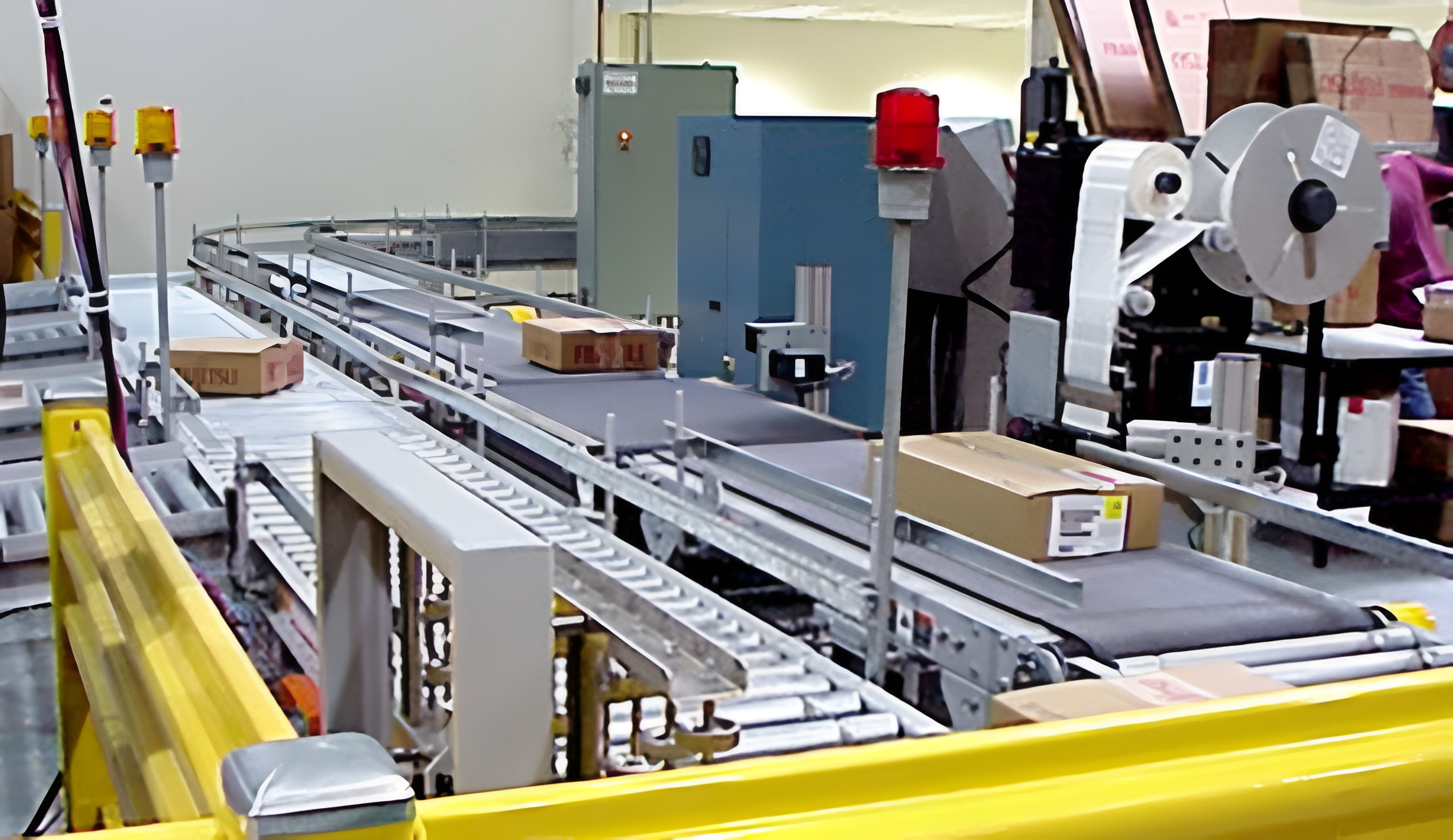
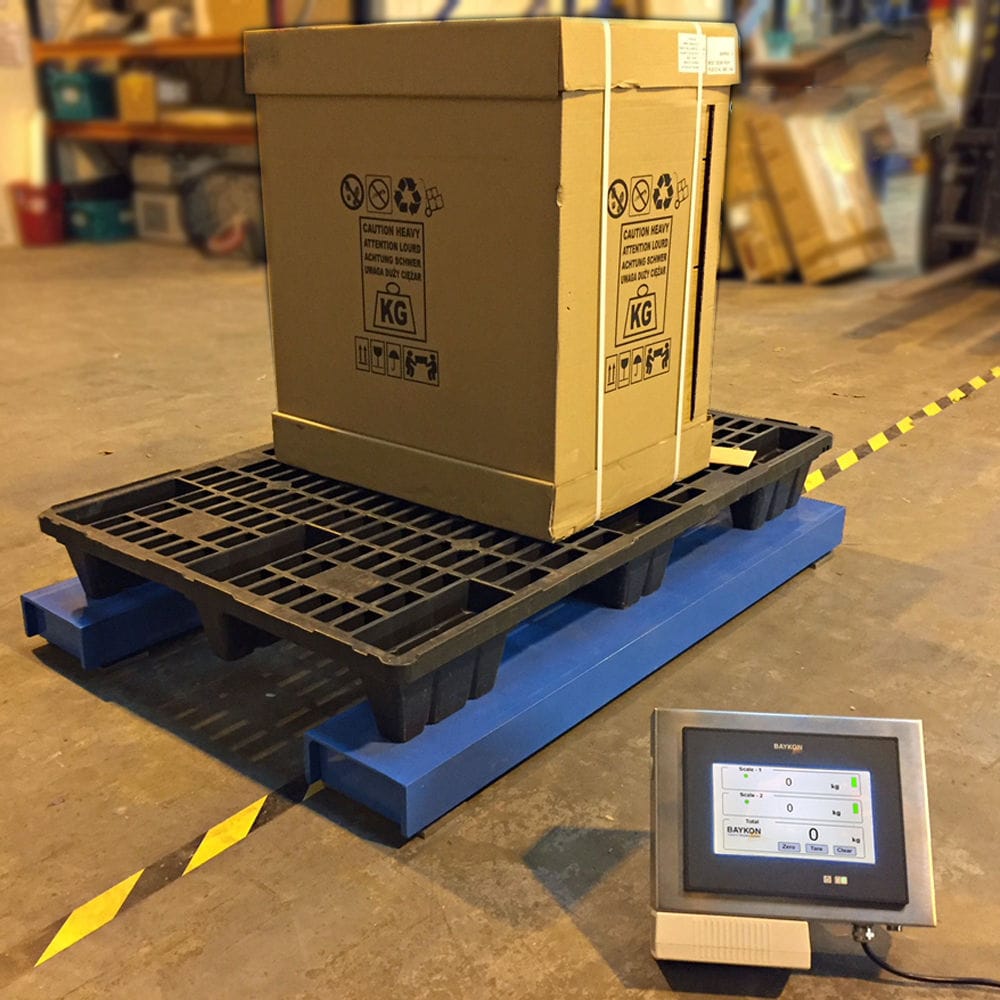


The weighing filling conveying line displays the current filling quality, the number of filling barrels and other on-site working status through the screen in real time. The corresponding operation can be carried out on the upper computer, and the filling mode can be selected and the buttons such as start and stop can be operated through the interface. The ability to change the filling quality, number of barrels and manually remove tare weight (i.e. the quality of the filling bottle) when using different filling barrels.

 020-34563445
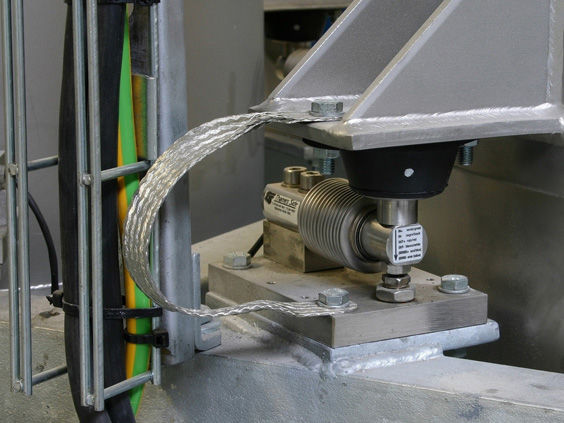
The batching weighbridge is mainly composed of the weighing module, the electrical control system, the conveying device, the photoelectric detection, the bucket feeding device, the grasping and releasing device, the lifting device, the transmission system, etc. The electrical control part consists of a PLC programmable computer program controller and a variable frequency speed regulator. It uses touch screen technology and integrates automation, which is a control concept for a general control system. Process control mainly involves the detection and control of various analog quantities. The electronic weighbridge controls the pressure of the filling process through the constant liquid level control device and uses the principle of constant pressure timing to precisely control the filling volume. Parameters for filling are set in the industrial control computer, then start by pressing the touch screen, activate the conveyor belt, when the filling bottle reaches the position before the photoelectric module, trigger the photoelectric weighing module to start counting. When the counting reaches the set value, the motor stops and the filling head descends to insert into the bottle mouth. The PLC controls the electromagnetic valve to open and start filling. The PLC starts timing, when the filling time is up, the filling is completed and the conveyor belt is started to begin the next process.
The filling scale is a technical device based on precise filling control using industrial control computers and PLCs. It integrates mechanical, electrical, signal processing, communication and other technologies. The flow rate is directly proportional to the filling time. By controlling the opening time of each solenoid valve, the filling flow can be controlled. With the core of industrial control computers and PLCs, the filling shapes are various. When the rotating base rotates, the position of the filling container is detected. When the filling container passes through a certain small angle range, the photoelectric switch is triggered, and an ascending pulse is sent to the PLC. If other conditions are met, the corresponding solenoid valve is opened for filling; if no filling container passes by and no pulse is triggered, no filling will be performed. At the same time, a two-level control system composed of the upper computer industrial control system reasonably shares the tasks of upper-level monitoring and on-site data acquisition and control.