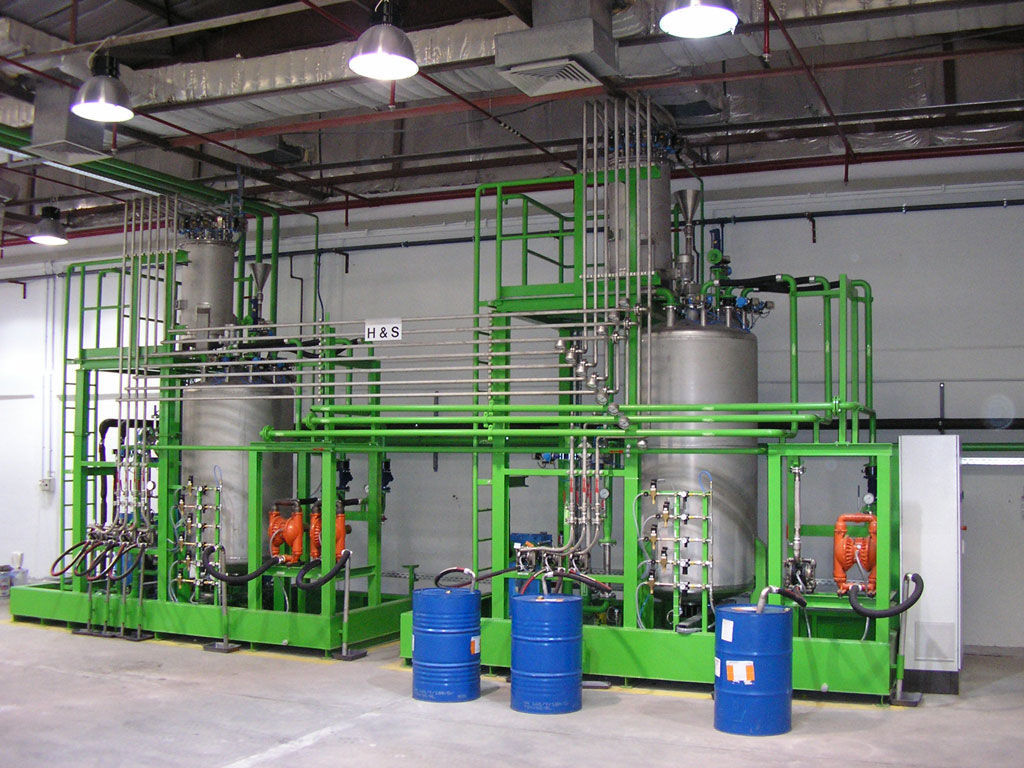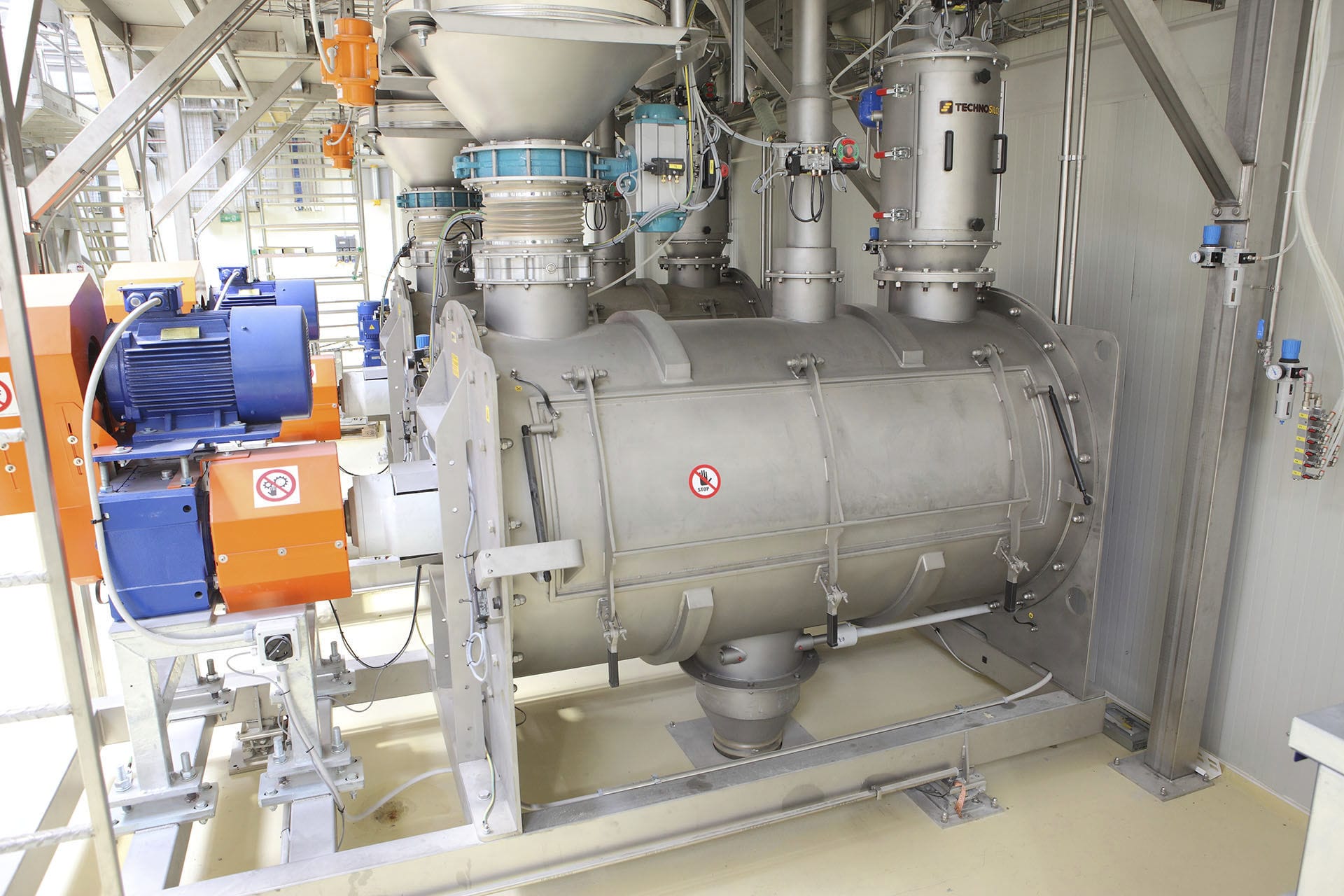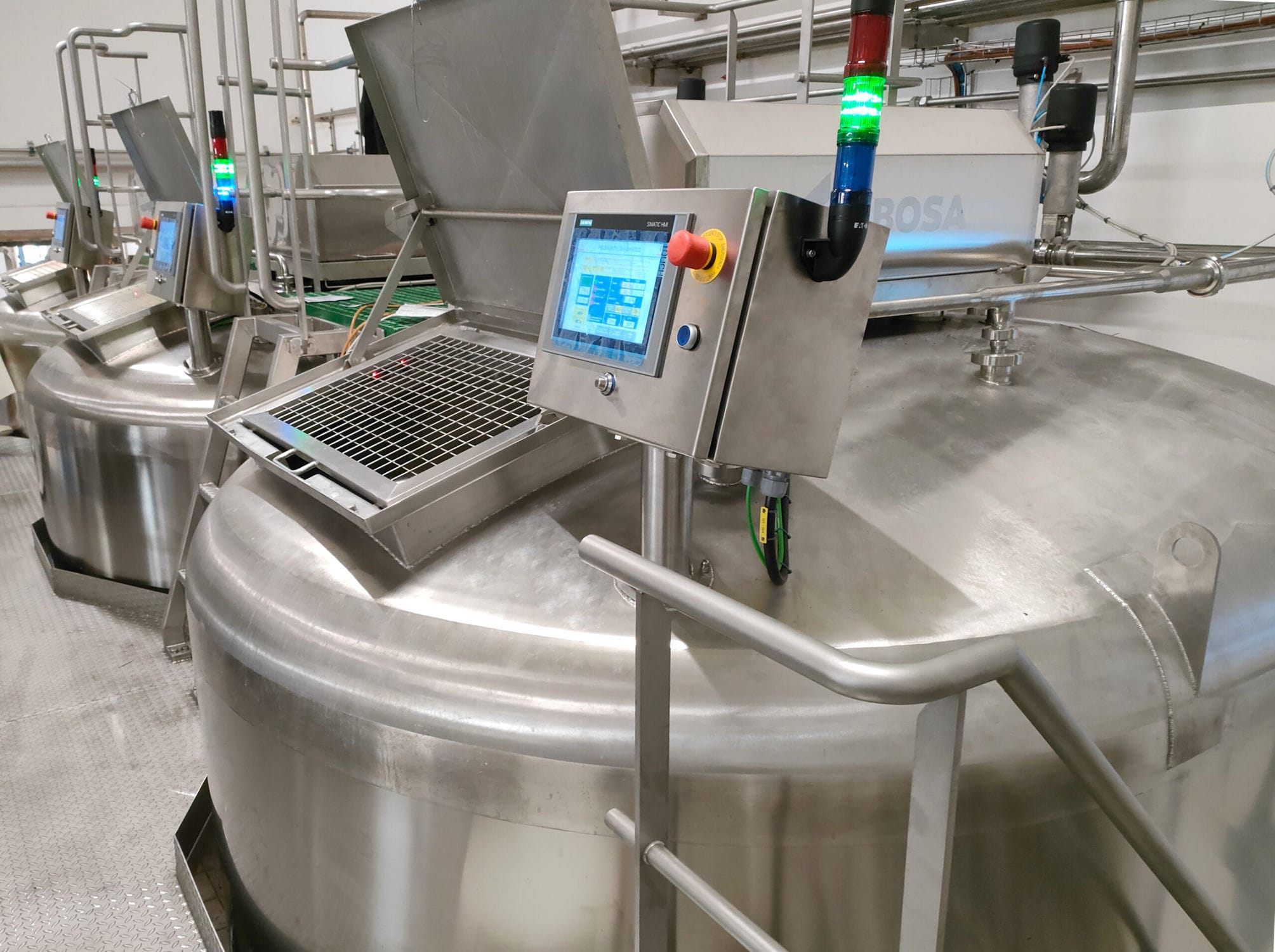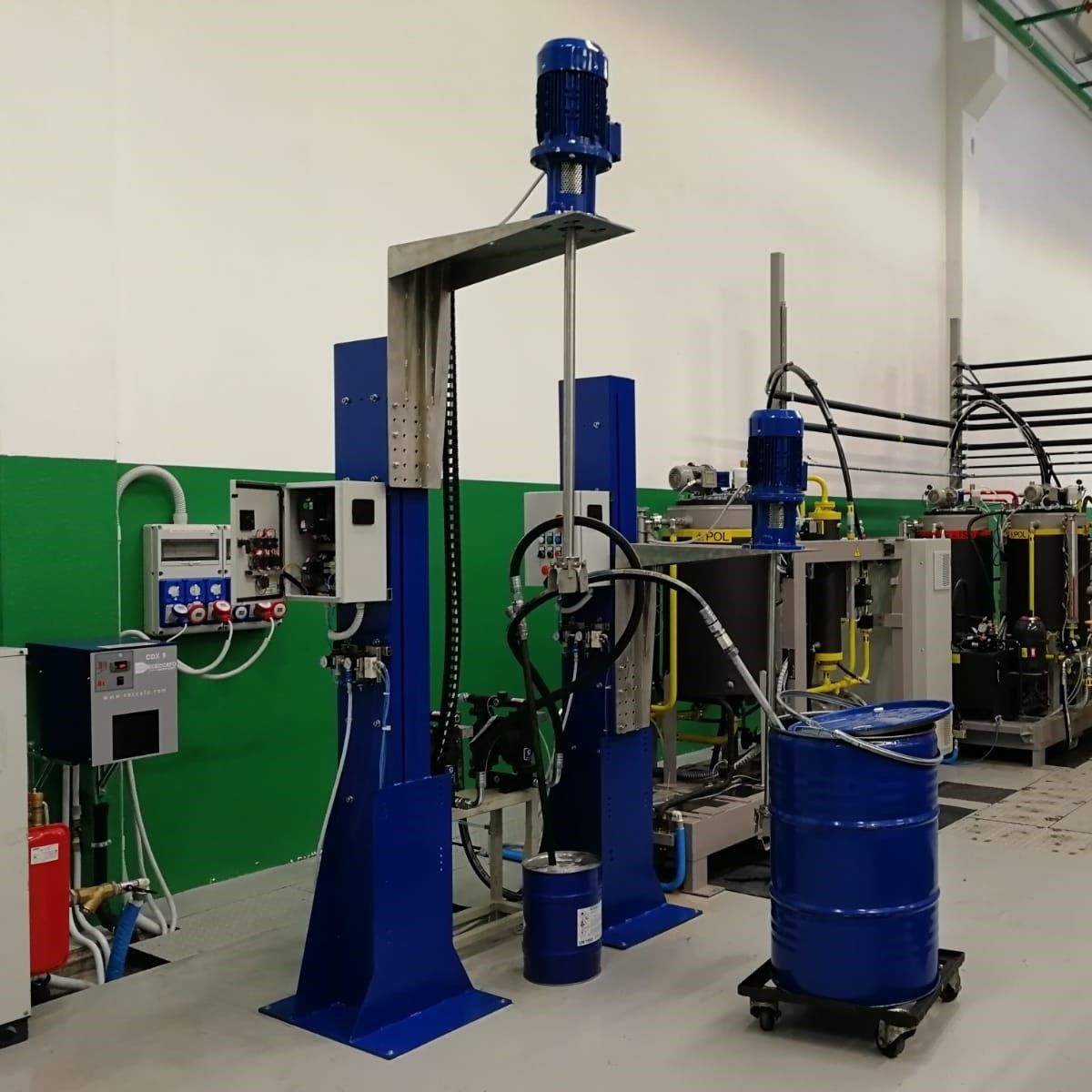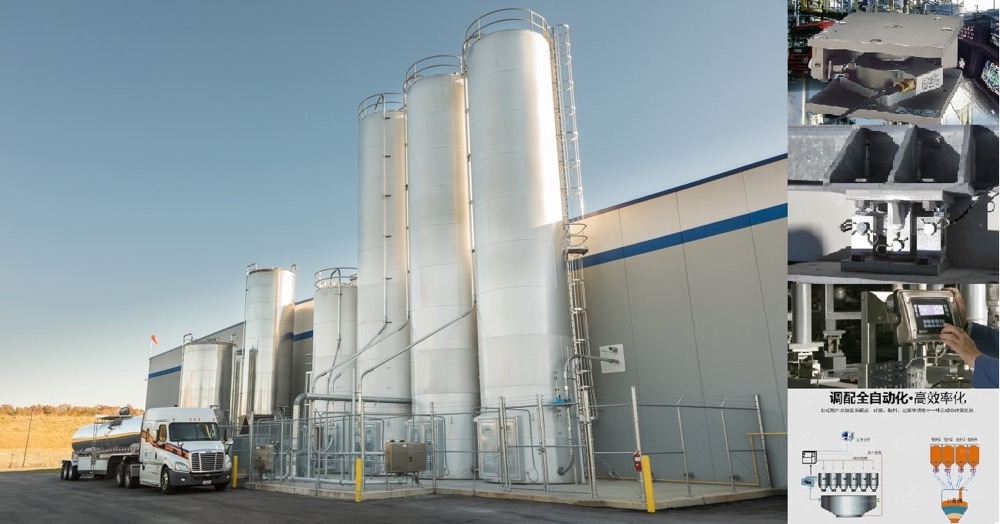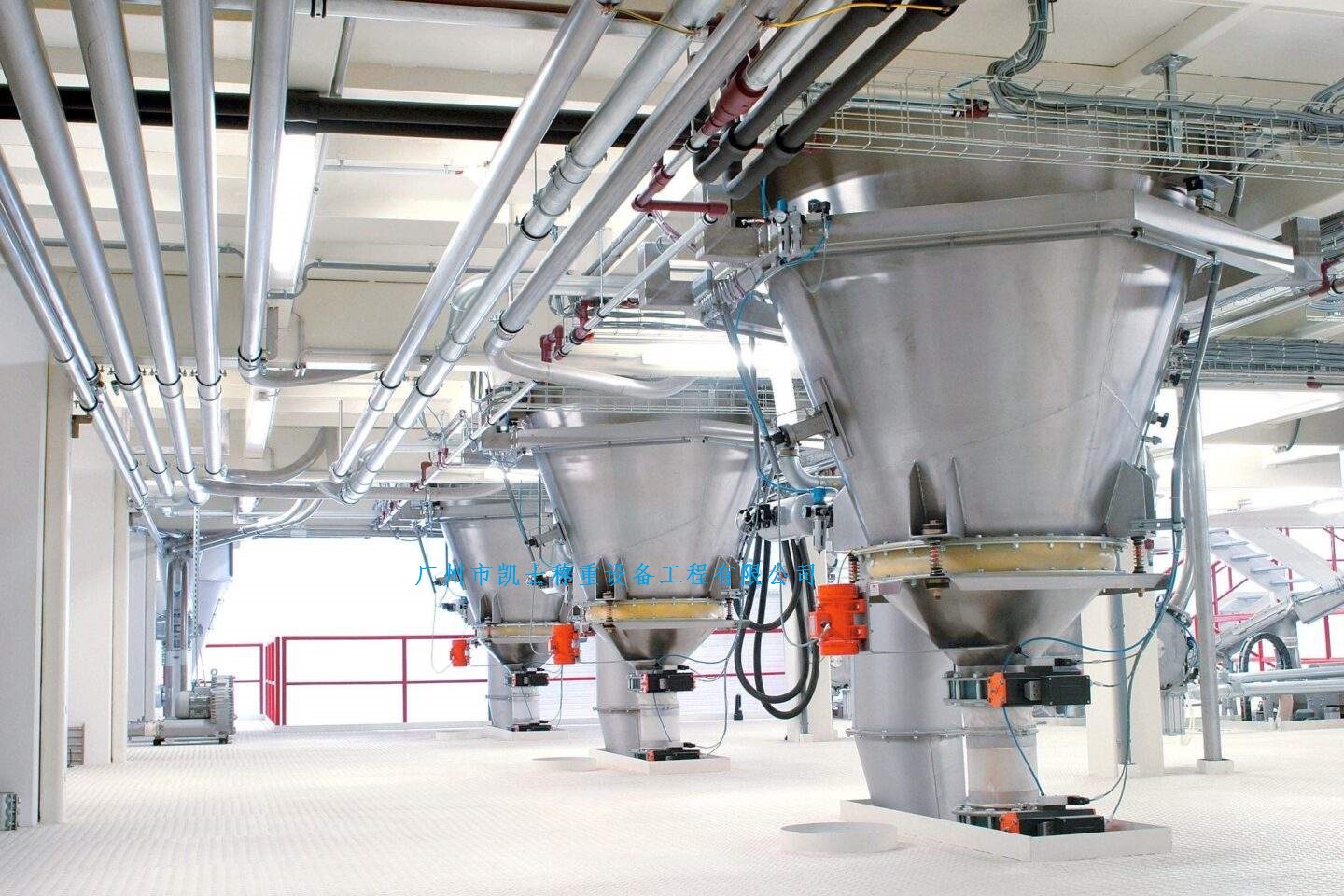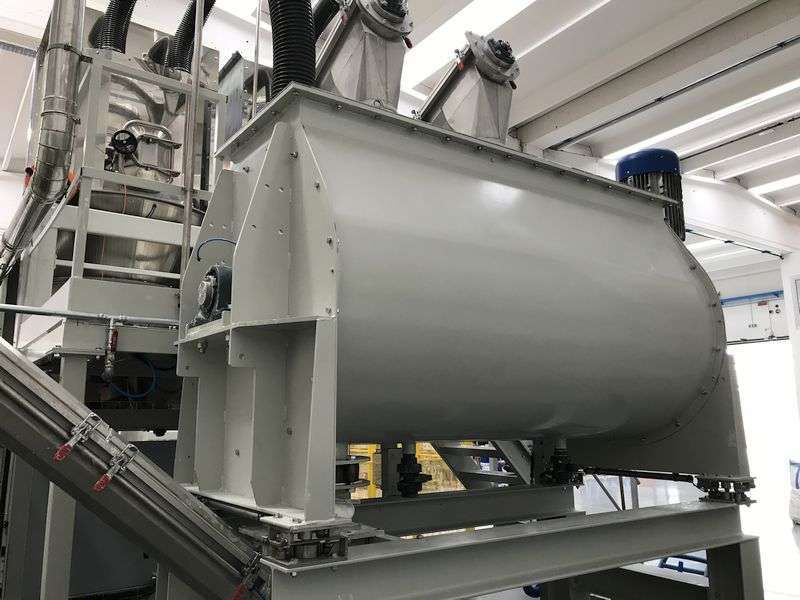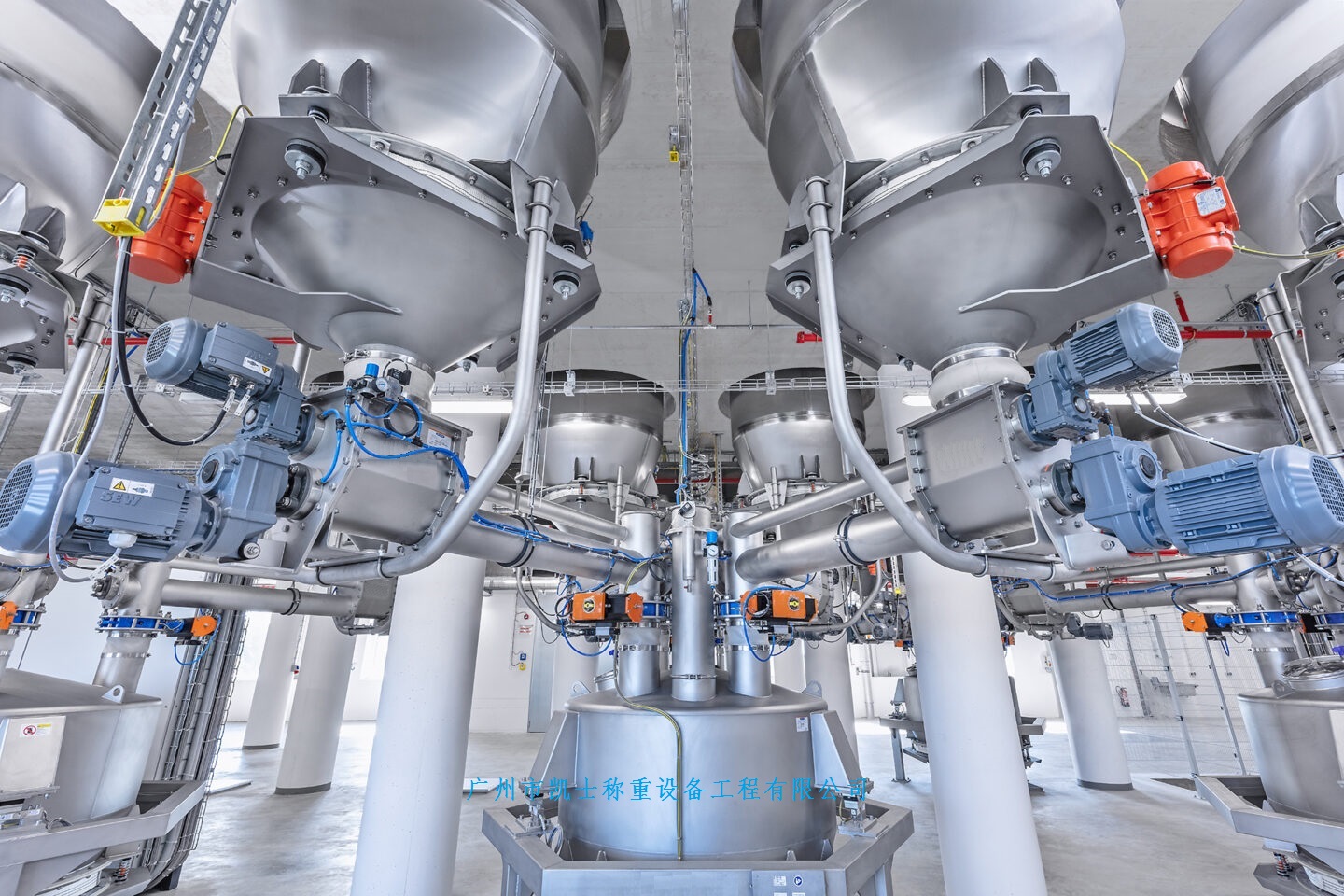


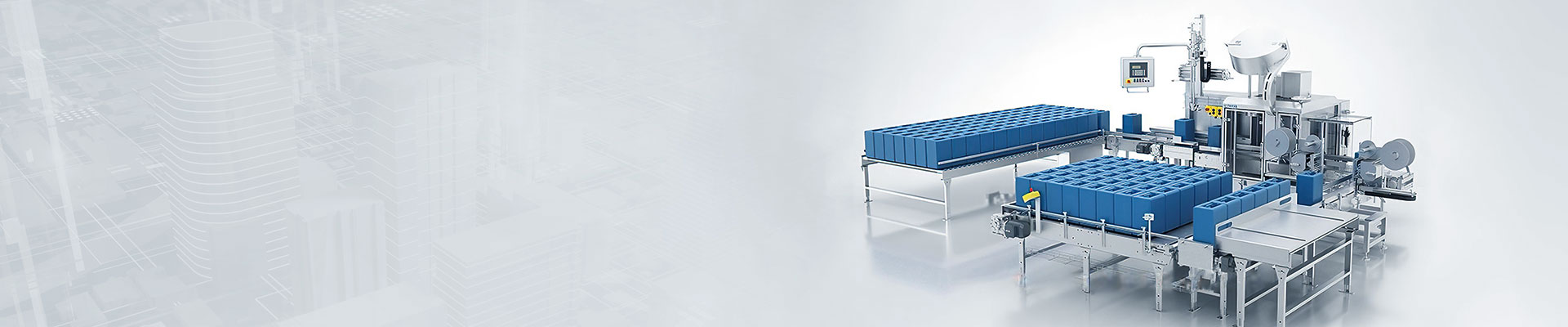




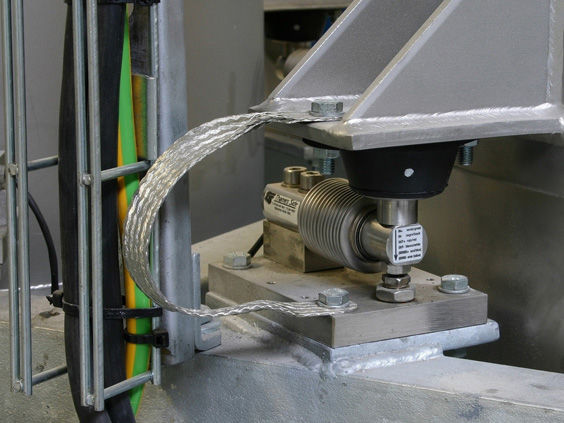
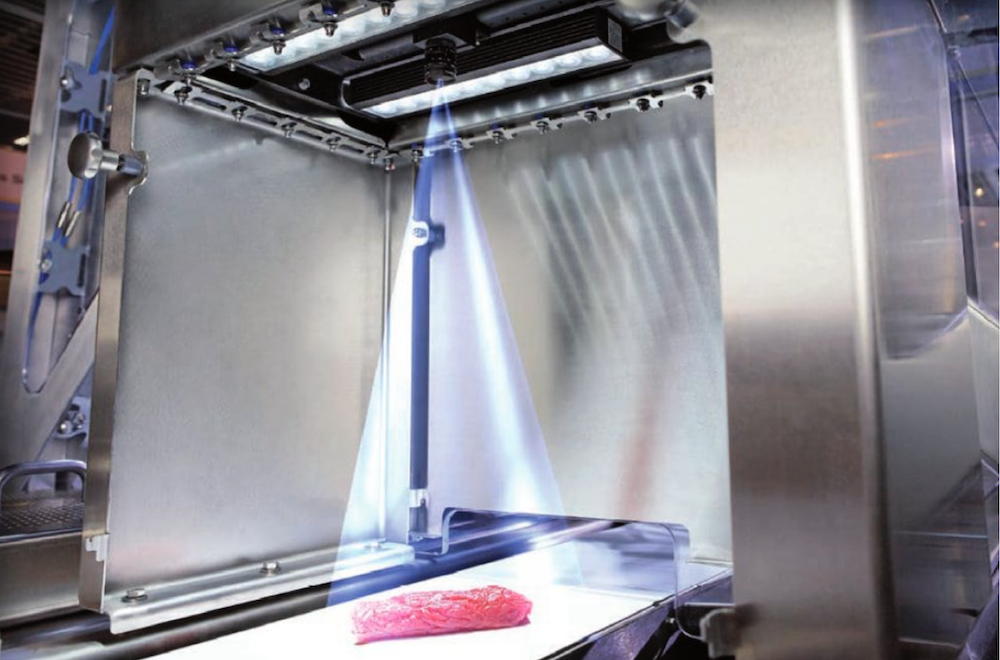
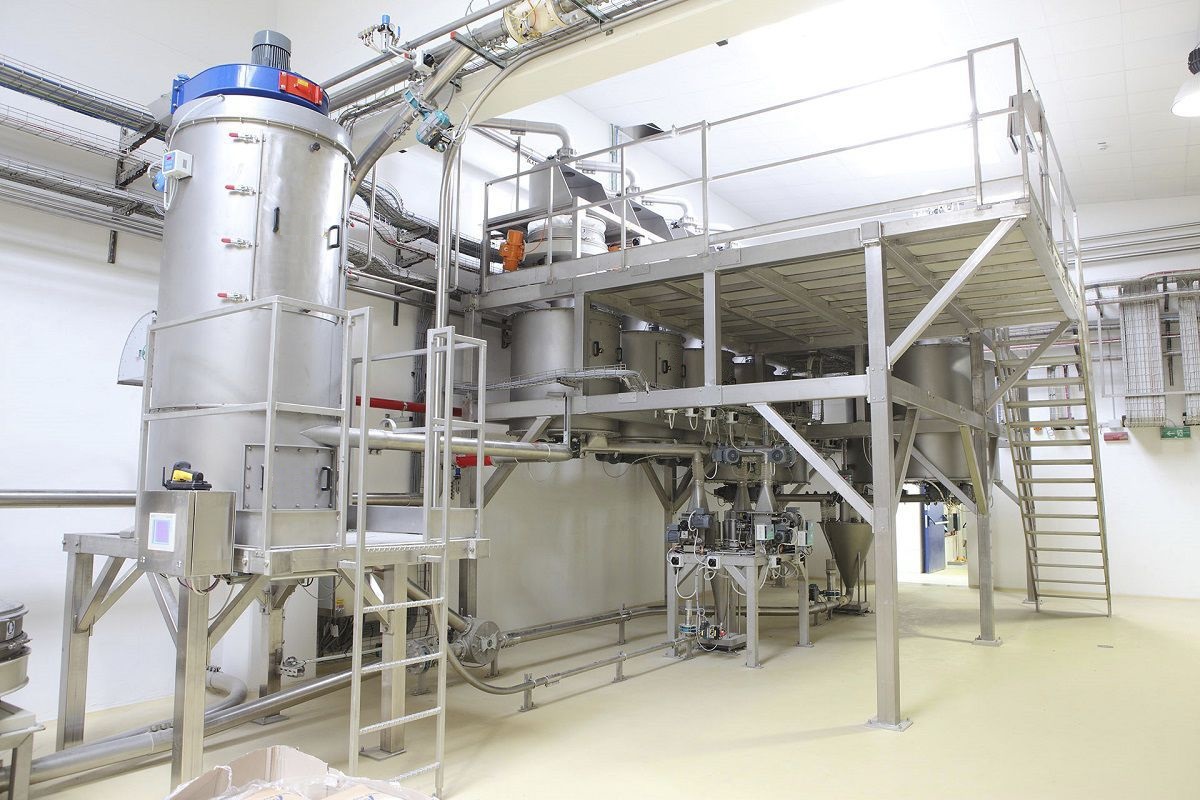
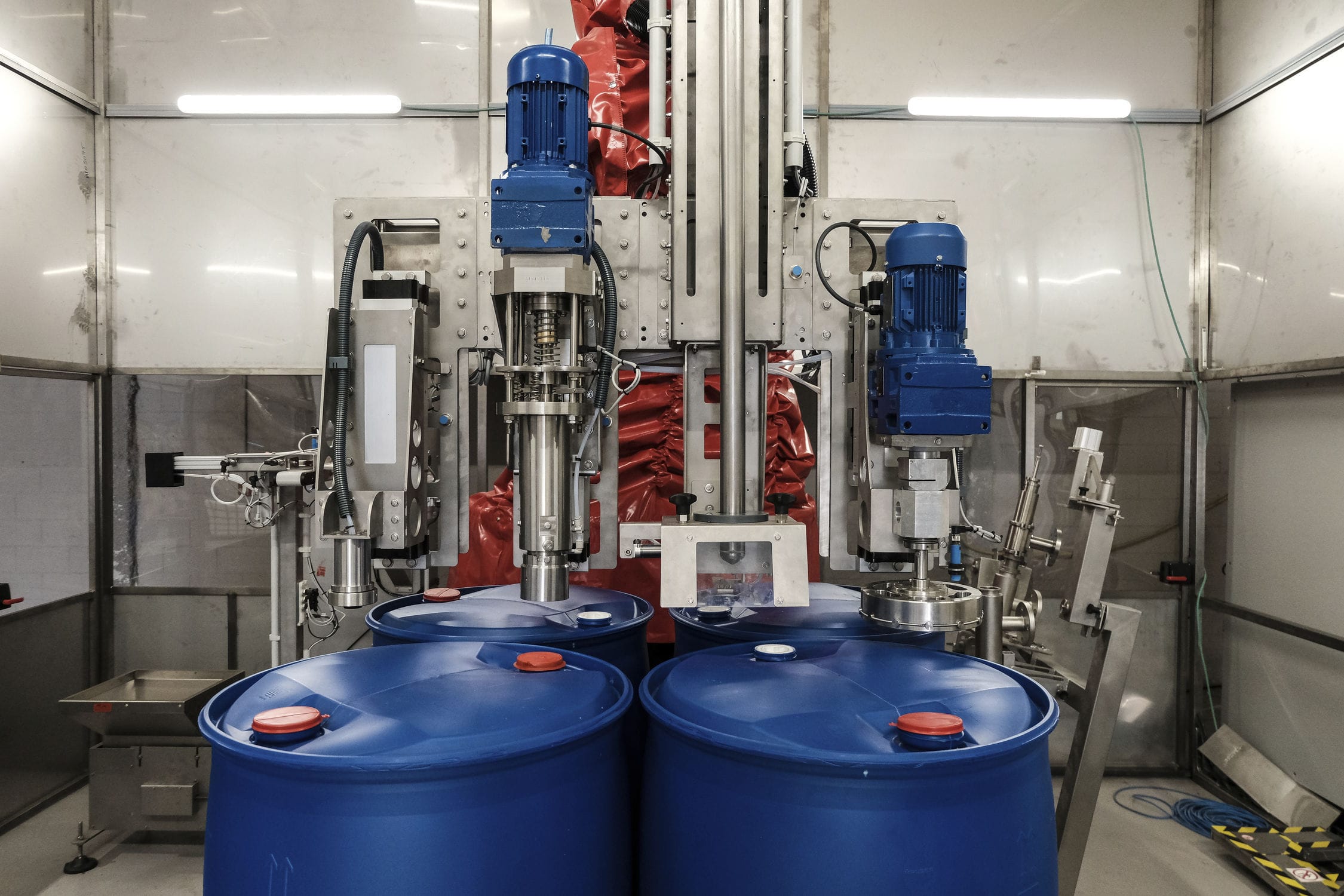
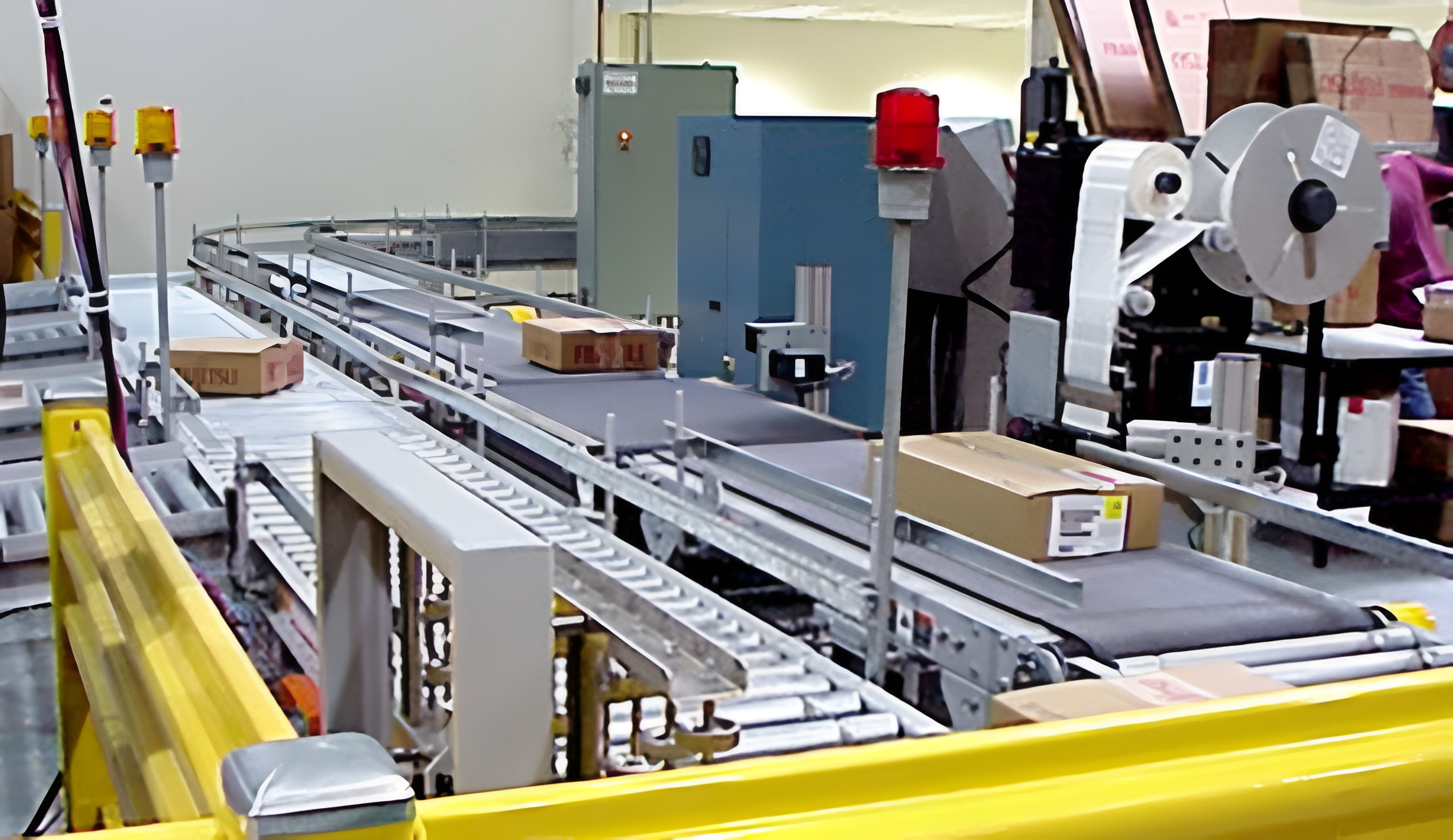
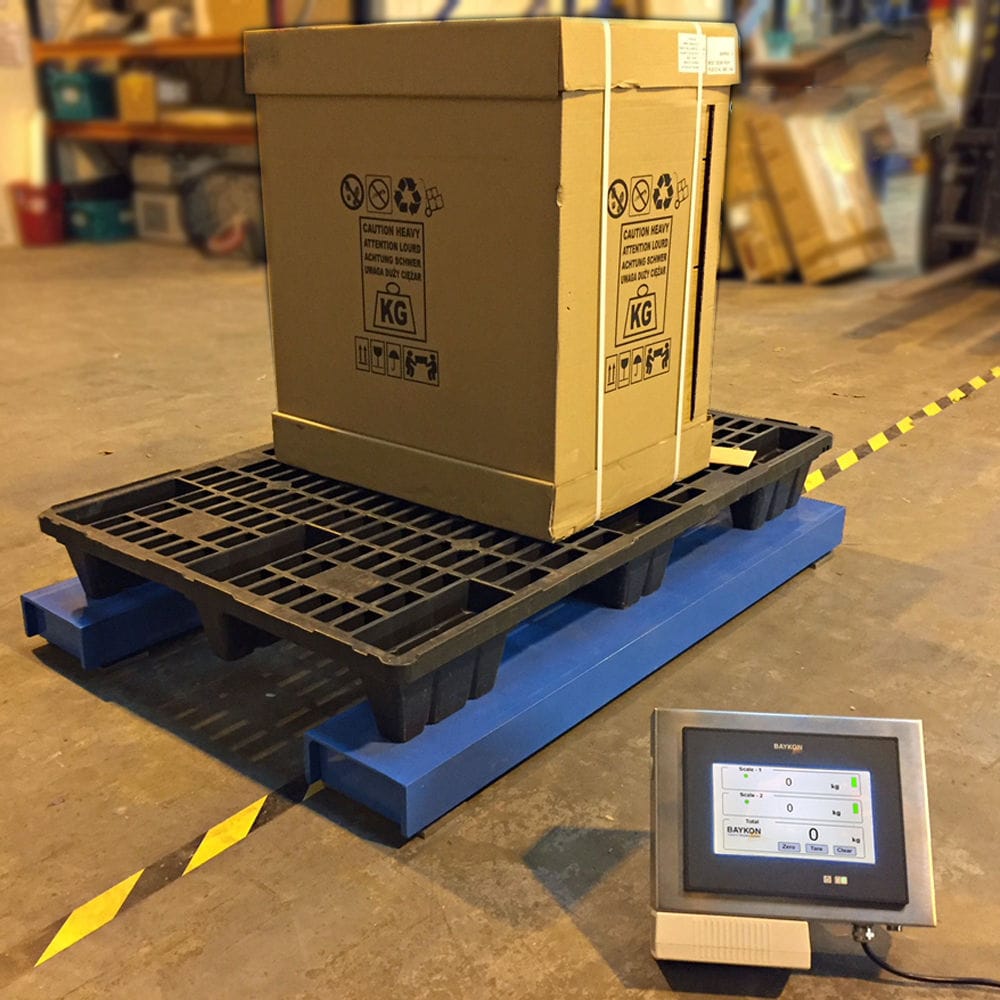


The Release mixture dosing system integrates weighing, display and complete dosing control. Provide fast and slow feeding speed to ensure the accuracy of dosing. It provides printing function of formula, actual weight of ingredients and accumulated value of blanking to facilitate the management and statistics of production data.

 020-34563445
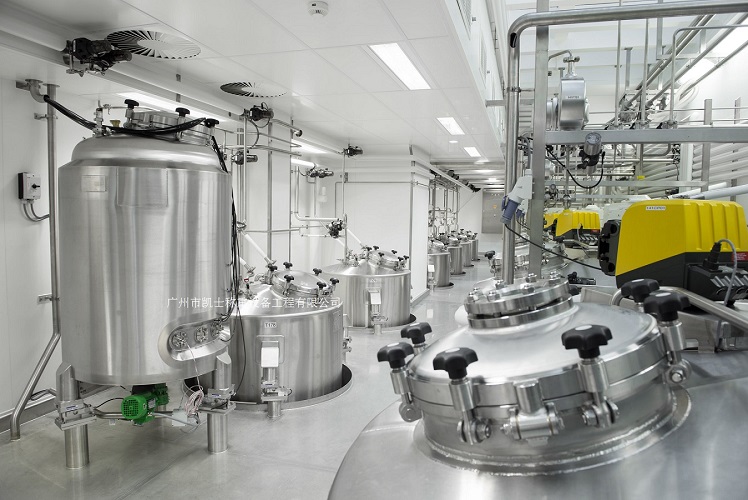
The blending and evaporation mixing system adopts the continuous proportional blending and mixing technology. It is controlled by a proportional regulator, which sets the weighing instrument and regulates the flow of two monomer materials through control valves. The materials are fully mixed by a static mixer and then analyzed online for timely adjustment. The monomers are mixed in the blending buffer tank and continuously circulated by a circulating mixing pump. The mixing ejector in the buffer tank performs continuous mixing to ensure uniform and stable ratios of the mixed monomers. Due to the different boiling points of styrene and acrylonitrile monomers and their characteristics of low-pressure evaporation, the acrylonitrile monomer with a lower boiling point is removed in the first evaporation stage. Meanwhile, the lower temperature and vacuum degree of the first evaporation stage can reduce the gas phase entering the evaporation stage from the reactor, avoiding fluctuations in the operating parameters and product quality of the evaporation stage. The higher boiling point styrene monomer and solvent ethylbenzene are removed in the second evaporation stage. The gas evaporated is condensed, collected, and recycled in the condenser. The Weighing system is controlled by the weighing body and signal detection part, control and processing part, logic control part (PLC), and actuating mechanism (motor, valve), mainly consisting of feeding and discharging. During the feeding process, when the PLC sends a weighing signal, it closes the bottom door of the Electronic scale, automatically removes the skin weight, then starts the coarse and fine discharging motor, opens the discharging baffle, and simultaneously starts the large and small screw conveying. When the preset quantity is reached, the coarse discharging motor is closed, and the small screw discharging motor controls the small screw discharging. When reaching or approaching the set value, the discharging baffle is closed, and the PLC sends a signal indicating the completion of weighing.
The twin screw conveyor is the key device of the entire system. The large screw is mainly used to control the coarse discharging, and the small screw controls the fine discharging to improve the accuracy of the entire weighing system. Since in the original design, the rotational speed of each group of screw motors controlled by PLC was a fixed value, the rotational speed of the large screw was 1440 r/min, and the rotational speed of the small screw was 695 r/min. The small screw rotational speed was too fast. When reaching the final weight, due to the time delay factors when the PC sends the signal to close the discharging baffle and stop the small screw motor, the upper part of the material on the small screw was sent into the electronic scale under the action of inertia force, causing weighing errors. To effectively control the rotational speed of the small screw, a variable frequency speed regulation was adopted to adjust the rotational speed of the small screw motor. The open-loop control method was used, and the PLC controlled the start/stop of the small screw. The frequency converter reduced the rotational speed of the small screw motor, and the frequency was manually adjusted according to the qualified rate of the packaging product to find the appropriate frequency value, and then locked the frequency converter.
The dynamic continuity of the entire device's operation, continuous discharging will cause an additional pressure in the storage bin. At the same time, it is necessary to ensure that the temperature at the outlet of the dryer is higher than 70℃, so as not to be lower than the air dew point temperature and become compacted. The temperature and pressure at the bottom of the storage bin have reached 97℃, and the continuously accumulated temperature and pressure in the storage bin further increase the flow rate of the material conveyed by the small screw. This further causes serious weighing deviation, causing the packaging system to be interlocked and the weighing control system to freeze. In response to the overpressure in the storage bin and the excessively high temperature of the material, four 10-cm-diameter round holes were drilled on the top of the sealed storage bin, and a filter screen was installed to facilitate pressure release, temperature reduction, and prevent dust from spilling out. At the same time, the action time of the control electromagnetic valve for discharging was adjusted according to the actual situation, and the damping of the cylinder for controlling the discharging baffle was reduced to eliminate the action delay of the actuating mechanism. By reducing the material density from 0.8 g/cm to 0.74 g/cm, the problem of excessive flow rate was alleviated, and the number of interlocks of the system was reduced.