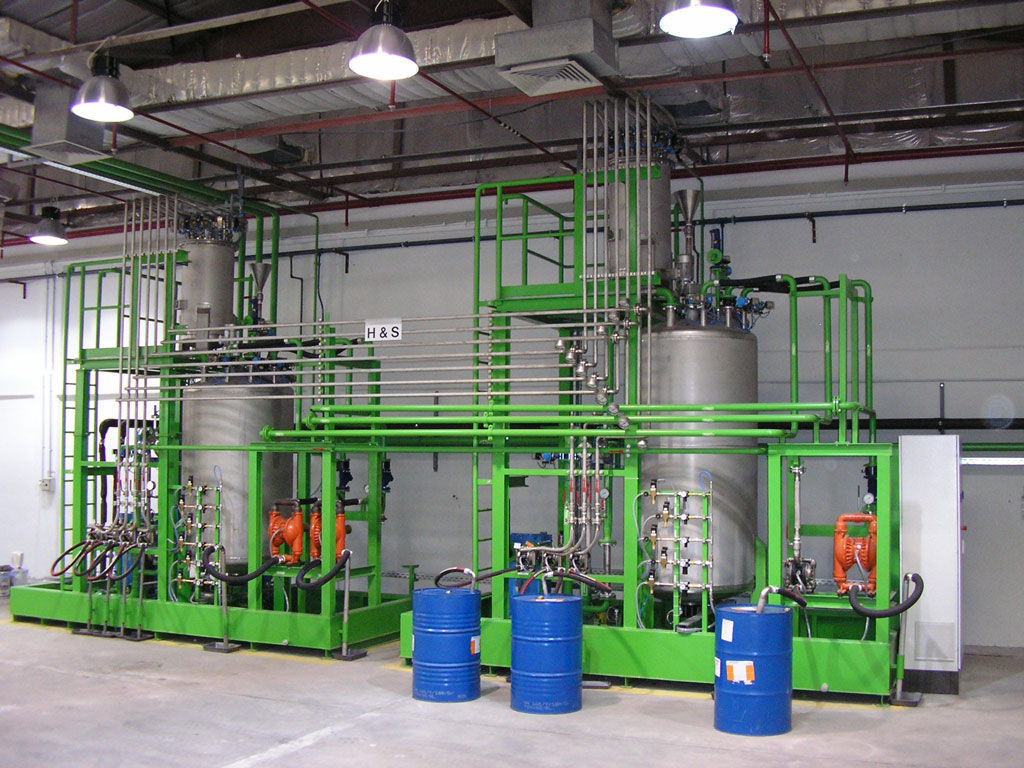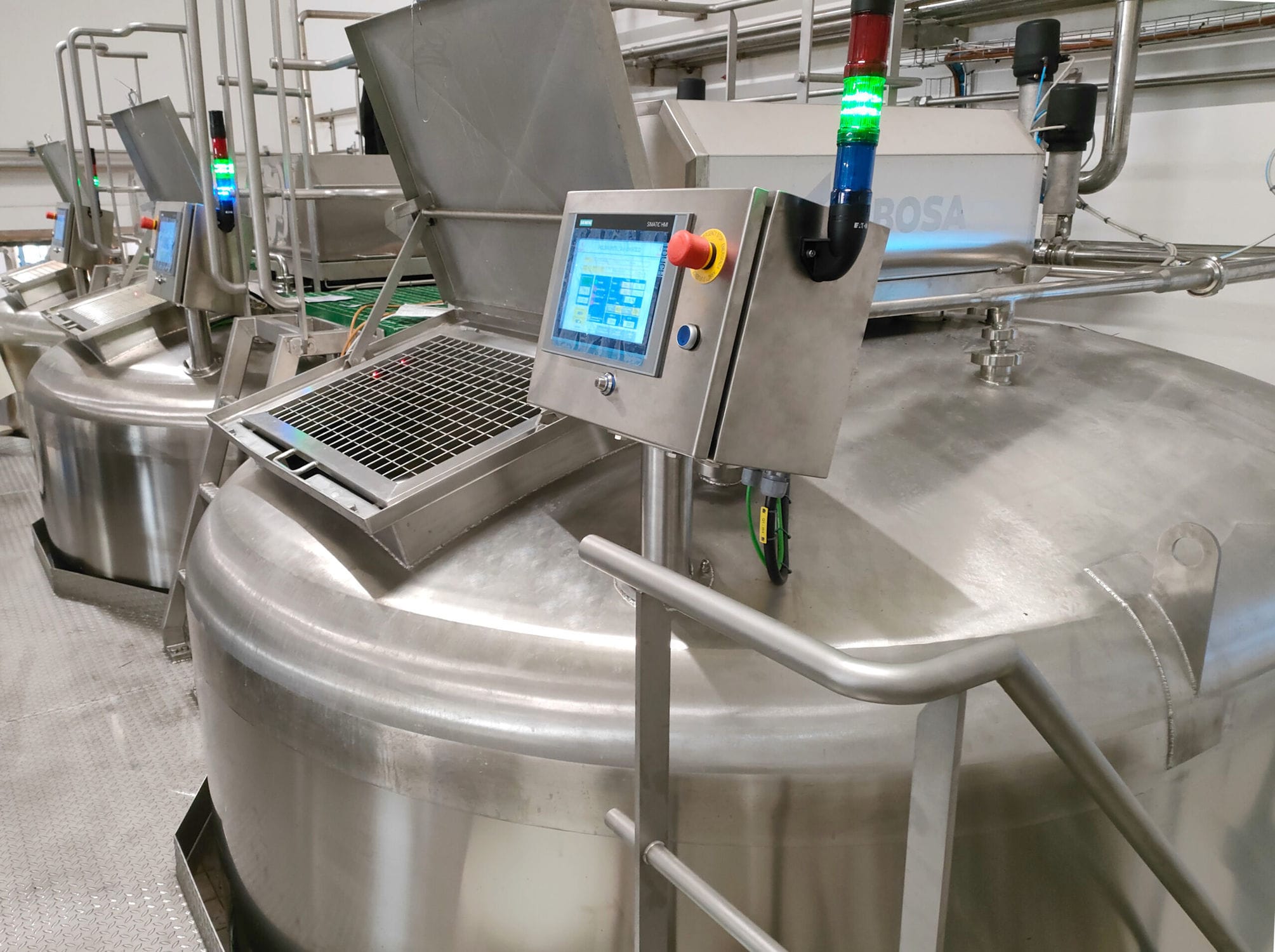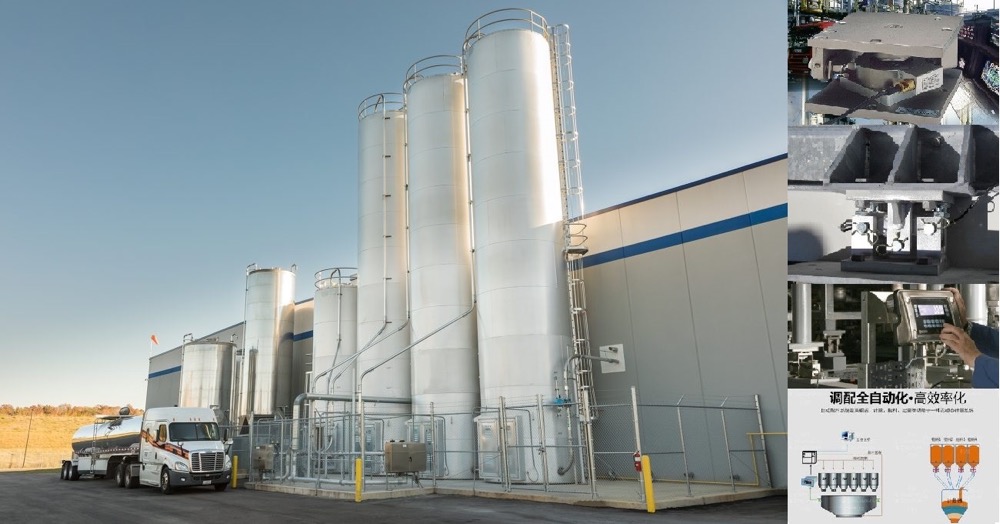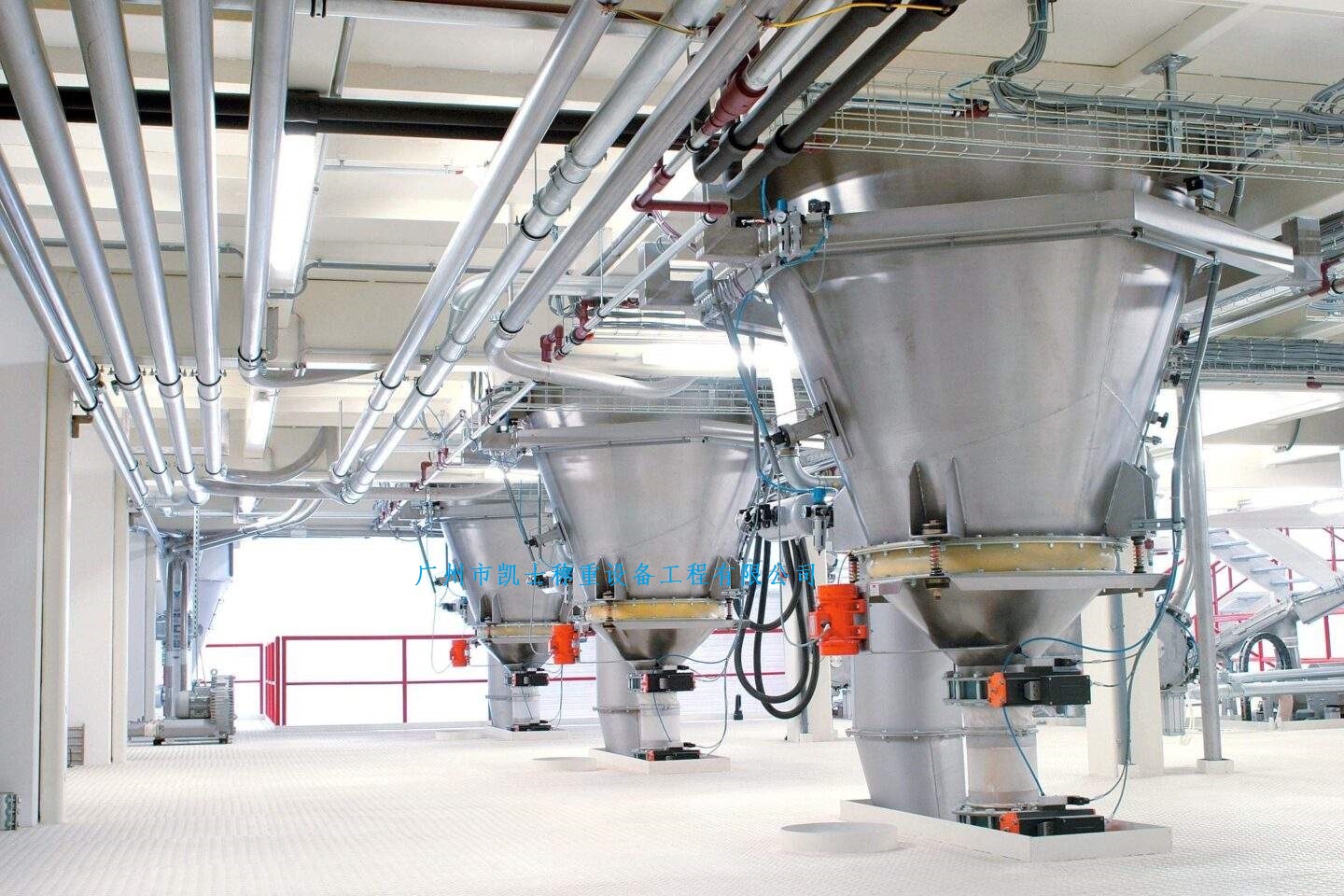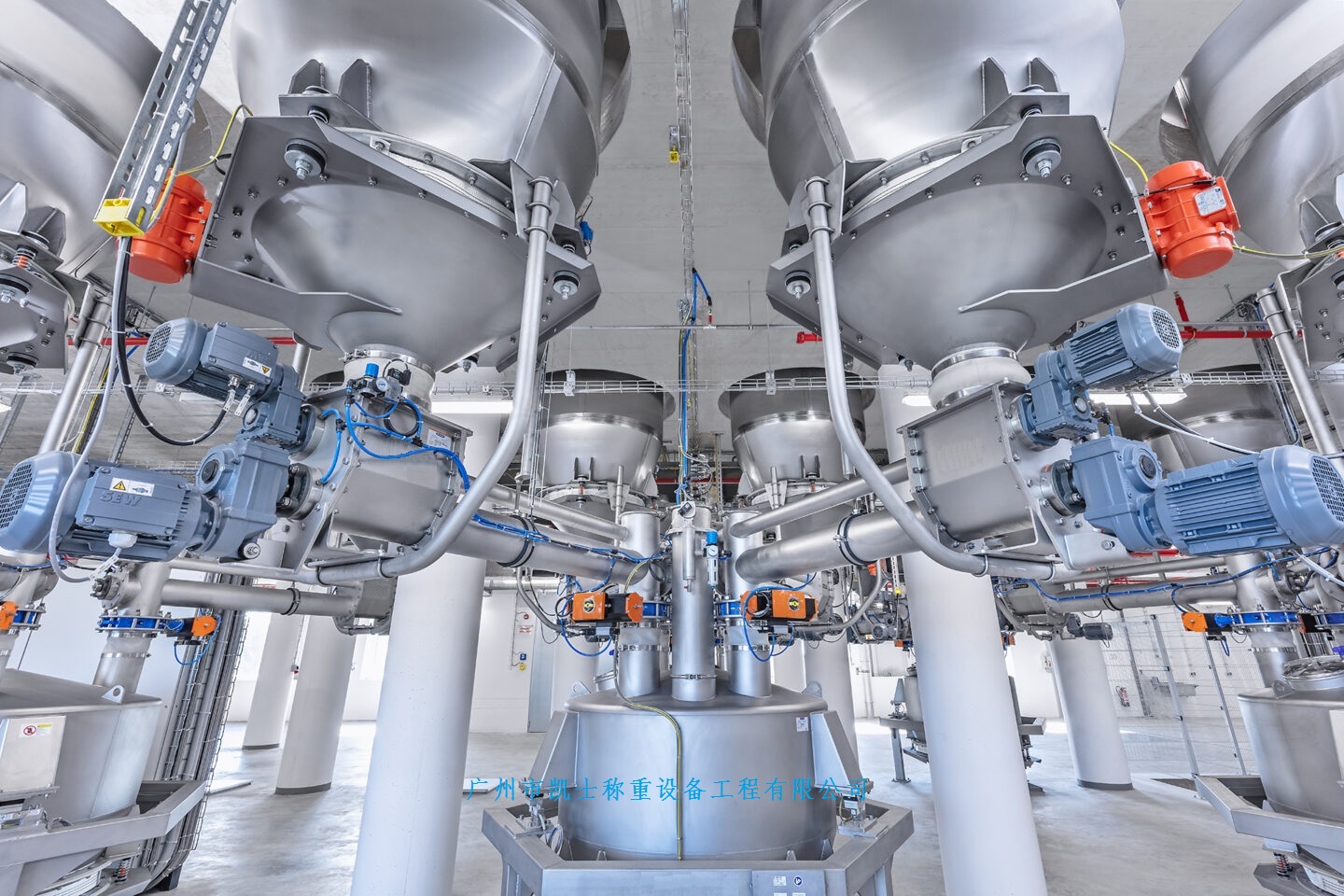


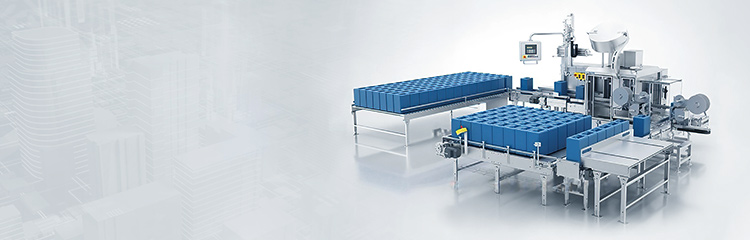


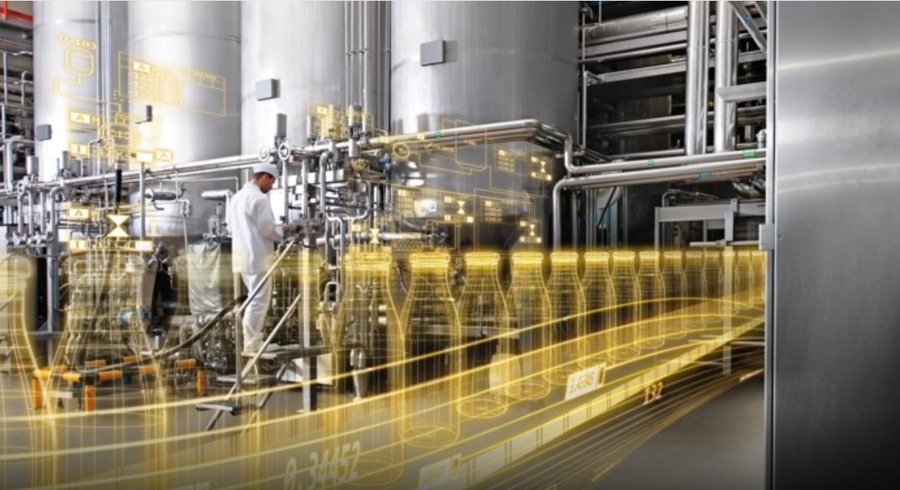
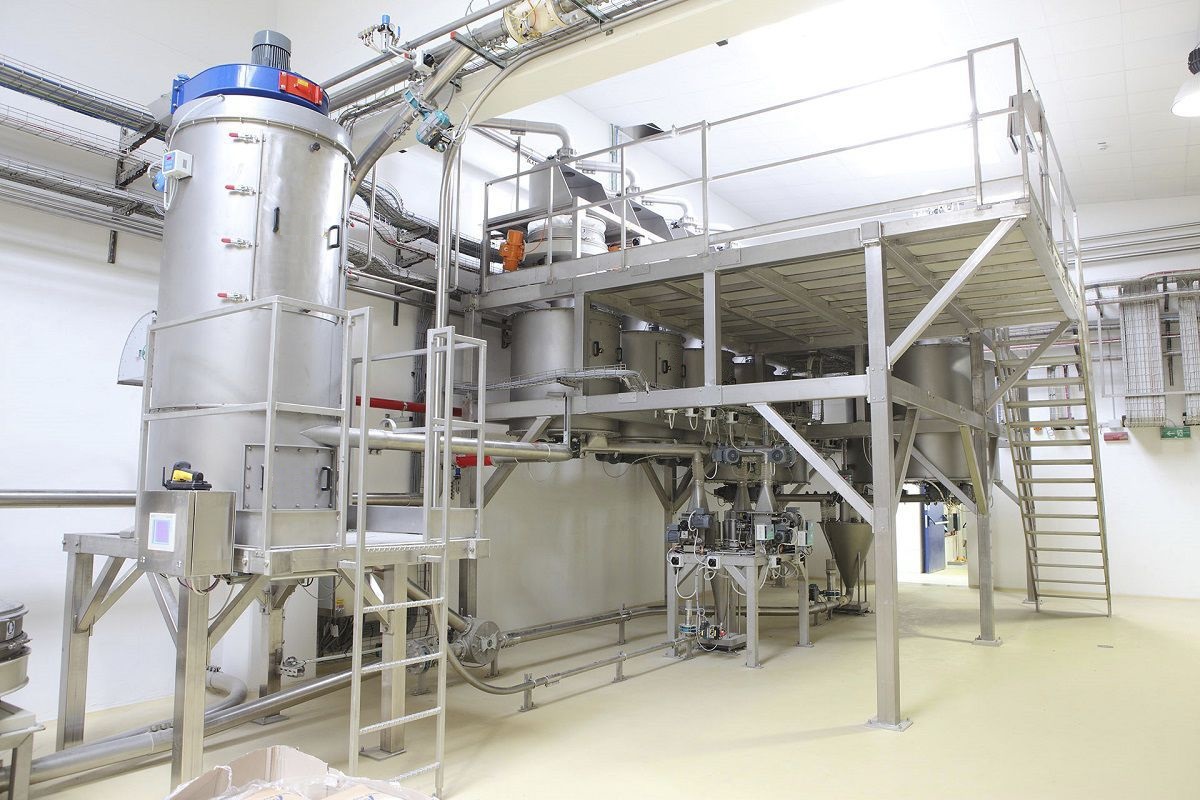
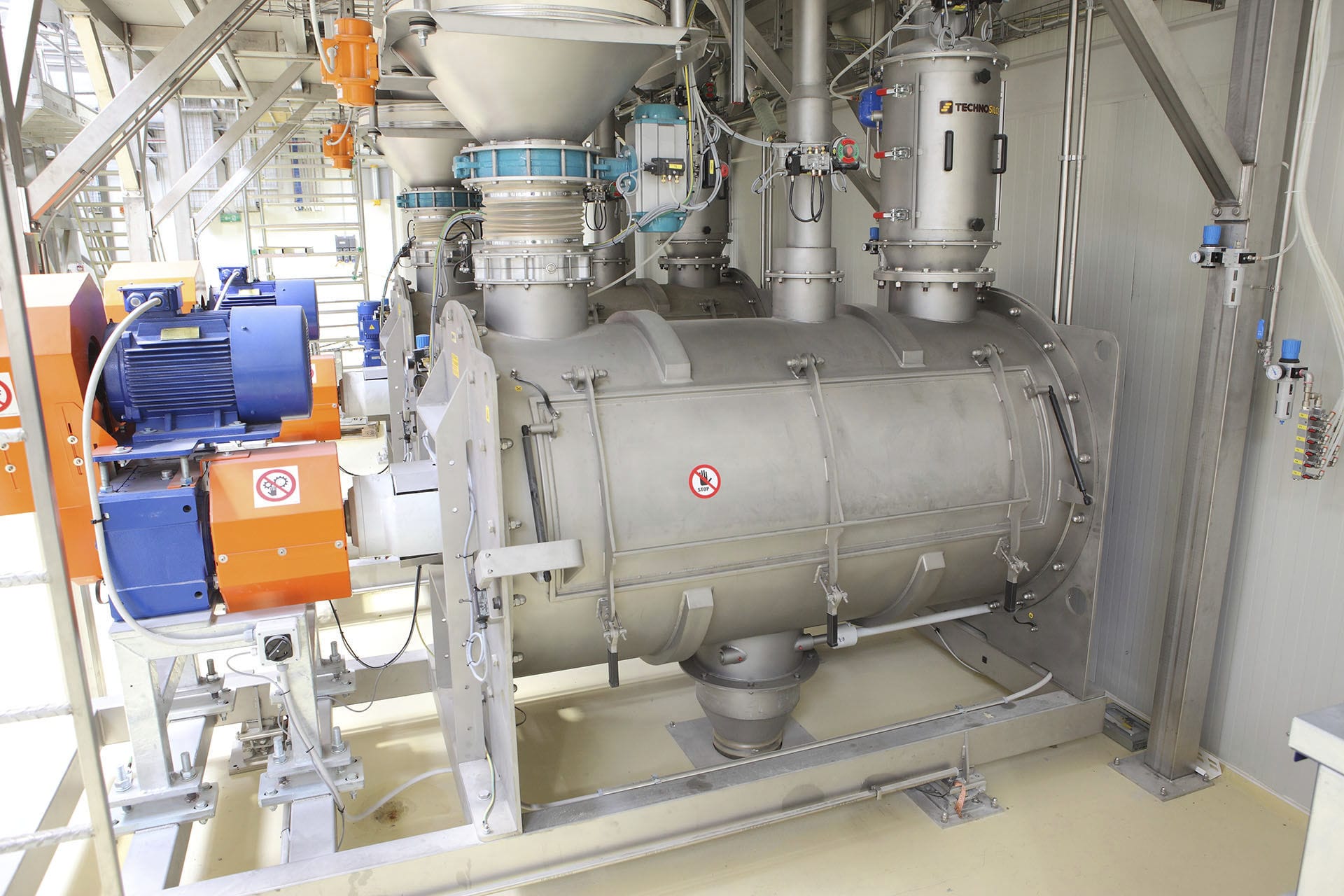


The quantitative hopper scale is divided into three specifications - large, medium and small - according to the requirements to better control the accuracy and feeding frequency. The grain silo can be made of stainless steel or carbon steel based on cost and service life. The materials inside the silo are isolated from the outside air. Each silo has a door and is kept closed, reducing the contact between the materials and the outside air to avoid the influence of damp air on the materials. Barcode recognition for feeding prevents errors, and the original information used for batching can be traced to avoid material mixing. A single dust removal system is set at the top of the silo. Customers can choose either a single dust removal system at the top of the silo or a unified dust removal system through pipelines according to their needs, reducing material loss. All materials are fed using a horizontal screw variable-speed feeding method.


 020-34563445
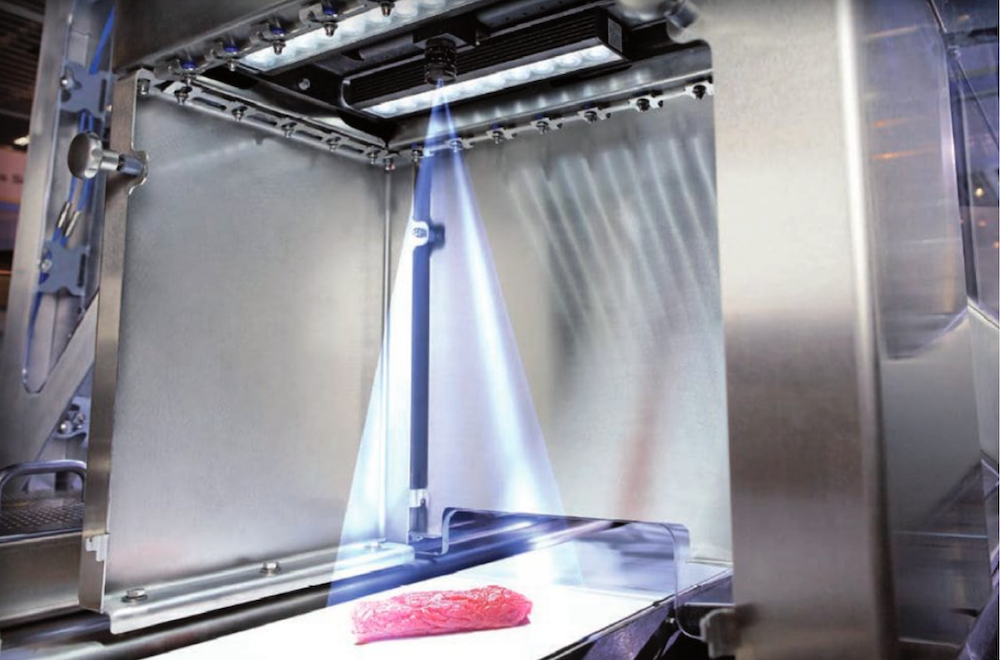
The automatic hopper scale is equipped with a mobile vehicle body, a screw conveyor, a track and a controller. An electronic track scale is installed beneath the track. The electronic track scale consists of two weighing platforms. Magnetic reflective plates, laser distance meters, RFID vehicle number detectors, positioning sensors and image detectors are installed beside the track. A traction device is installed at the front end of the mobile vehicle body. The screw conveyor is located at the upper end of the vehicle body of the mobile vehicle. Pressing a button starts the traction device, which moves the empty mobile vehicle forward. The positioning sensor continuously detects the position of the mobile vehicle. When the mobile vehicle reaches the loading position, the traction device stops. The RFID vehicle number detector identifies the information of the moving vehicle. The electronic track scale uses the weighing module to weigh the empty mobile vehicle and the data is uploaded to the main unit. After the information upload is correct, the Weighing system automatically starts the screw conveyor, the weighing Feeding machine and the gate, and the chute falls down. Loading begins.
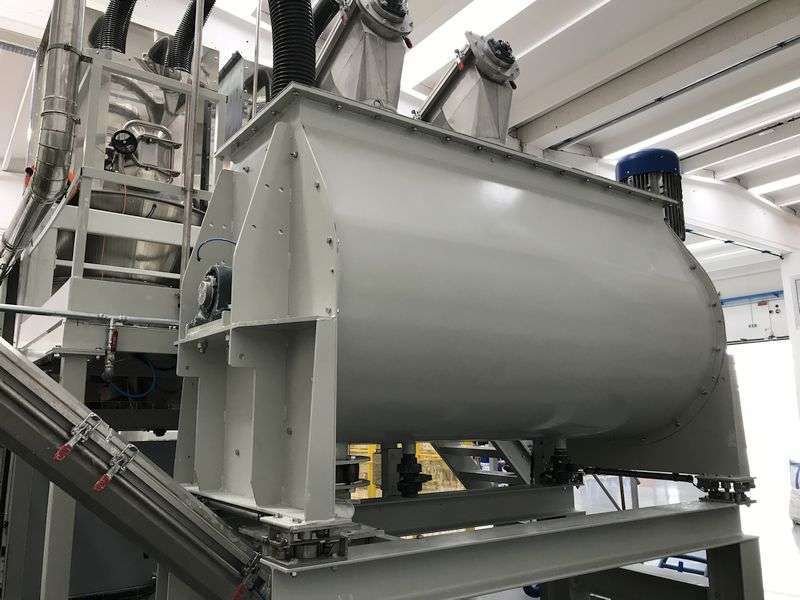
The quantitative hopper scale is divided into three specifications - large, medium and small - according to the requirements to better control the accuracy and feeding frequency. The grain silo can be made of stainless steel or carbon steel based on cost and service life. The materials inside the silo are isolated from the outside air. Each silo has a door and is kept closed, reducing the contact between the materials and the outside air to avoid the influence of damp air on the materials. The barcode recognition prevents feeding errors. The original information used for batching can be traced, avoiding material mixing. The silo roof is equipped with a single dust removal system. Customers can choose either a single dust removal system on the silo roof or a unified dust removal system through pipelines, reducing material loss. All materials are fed by a horizontal screw variable speed feeding method. The large-sized dragon is used to accelerate the feeding speed, while the small-sized dragon is used to slowly add the materials to ensure the accuracy of feeding. A 40*40 diameter 5-millimeter stainless steel welded screen is installed in the silo to filter out impurities or lumpy materials from the raw materials. A level alarm device is equipped, allowing for small material batching as an independent system. The batching and conveying layer, with the control room placed on the second floor for batching and conveying, enables operators to monitor the batching site. The conveying methods include screw conveying, track trolley conveying, and a combination of screw and track trolley conveying. The screw conveying method is mostly used for large-scale material batching, with fast feeding speed. The screw has an S-shaped structure to reduce contact with the materials, and brushes are installed at both ends of the screw to clean the adhered materials. The Batching system synchronously batches the materials, and the materials are fed into the conveying machine only when the screw rotates. The screw is equipped with sensors and has a dual-scale function. The batching time is less than or equal to 3.5 minutes. The track trolley conveying method is mostly used for material batching with a smaller production volume and fewer batching machines. The batching accuracy is high, and the receiving vehicle does not use stainless steel material. The receiving vehicle is equipped with a dust remover, and the batching weight command and feeding sequence come from the computer-set program. The receiving vehicle uses servo control, with encoder feedback data and proximity switches for dual control to achieve fast receiving speed and accurate positioning. The batching time is less than 5 minutes. The combination of screw and track trolley conveying method is mostly used for batching with a large production volume and a large number of batching machines. The batching is qualified, and all materials are simultaneously fed into the screw. The screw rotates to convey the materials to the trolley, which then conveys the materials to the batching machine as per the system's instructions. The equipment has the common features of screw and trolley conveying methods, with fast feeding speed and meeting the needs of 2-9 batching machines.
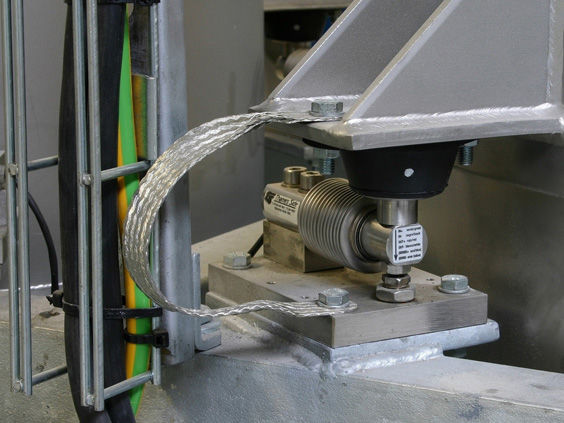
The hopper scale uses PLC control to write an automatic control program. By collecting data from the weigh module of the weighbridge and the calculator, and installing limit sensors and large load shear beam sensors, it realizes centralized automatic control of the belt conveyor for loading and the electric motors of the middle trough flap. The weighing system can preset the loading volume in advance. Once the preset volume is reached, the double discharge middle trough flap will automatically flip, and the loading process will be carried out alternately and continuously dynamically. No human intervention is required during the loading process. The PLC acts as the brain of the system, receiving signals from various sensors and making corresponding control decisions according to the preset program. The control program is written based on the loading requirements, and the program can process the input signals and make quick and accurate output decisions. The electronic weighbridge is used to monitor the loading weight in real time to ensure loading accuracy. The calculator collects and processes the data from the weighbridge calculator for monitoring and controlling the loading process. The limit sensors ensure that the Loading machinery operates at the correct position and prevent position deviations during loading. The large load shear beam sensor is used to accurately measure the load and ensure loading accuracy. The operator can preset the loading volume for each vehicle before the system starts. When the preset loading volume is reached, the PLC will instruct the middle trough flap electric motor to automatically flip, achieving alternating and continuous dynamic loading.
The batching system consists of a buffer bin, a hopper scale, a pressure system, a control system and calibration weights, etc. Pressure Weighing modules are installed at the four corners of the hopper scale. The mass value of the hopper scale can be converted into an electrical signal by sensors, and then processed through conversion and amplification, and finally displayed by the weighing instrument as the mass value of the hopper scale. Before loading materials, the settings of the batching system are made. First, the weight of each section of the hopper box on the vehicle is determined, and the vehicle weight value is compiled and input into the loading control system in sequence. Then, according to the requirements of the hopper scale and the rated load value of each section of the carriage, the hopper scale quantity for each section of the carriage is set, forming a preset value sequence table. When the hopper travels at a specified speed into the batching system area, the system will automatically start. Based on the set hopper scale quantity for each hopper (or each carriage section), the materials will automatically be discharged through the conveyor into the buffer bin. When the hopper carriage reaches the appropriate position below the discharge port, the feeding gate is opened, and the computer instructs each hydraulic cylinder to drive the buffer bin hydraulic flat gate to open at the right time. At this time, the hopper flat gate should be completely closed, and the materials will be discharged through the hydraulic flat gate of the buffer bin into the hopper scale. Subsequently, the batching system automatically weighs the quantity of the hopper scale, and the computer instructs the hydraulic cylinder to drive the buffer bin hydraulic flat gate to close at the right time, ending the weighing process. At this point, the computer instructs the hopper scale hydraulic flat gate to close, and enters the next working cycle.
Functional Features
1. Automatic quantitative control. The system can automatically adjust the loading volume according to preset conditions or real-time monitoring data to ensure loading accuracy.
2. Dynamic adjustment and feedback: During the loading process, the system should be able to make dynamic adjustments based on real-time data and provide feedback to the operator.
3. Fault Diagnosis and Alarm System: In the event of system failure or abnormal operation, this system is capable of automatically diagnosing the issue and issuing an alarm, ensuring prompt maintenance and repair.
4. Data recording and reporting: The system should be able to automatically record all loading data, including loading volume, vehicle information, operation time, etc., and generate detailed reports.
5. Remote monitoring and control, providing remote monitoring and control functions, so that operators and management personnel can manage the loading process even when they are not on-site.
6. Environmental protection and energy-saving measures: In the design, measures should be included to reduce dust emissions and energy consumption, in order to enhance environmental friendliness.
7. Human-machine interaction interface, providing an intuitive human-machine interaction interface, so that operators can easily monitor and control the loading process.