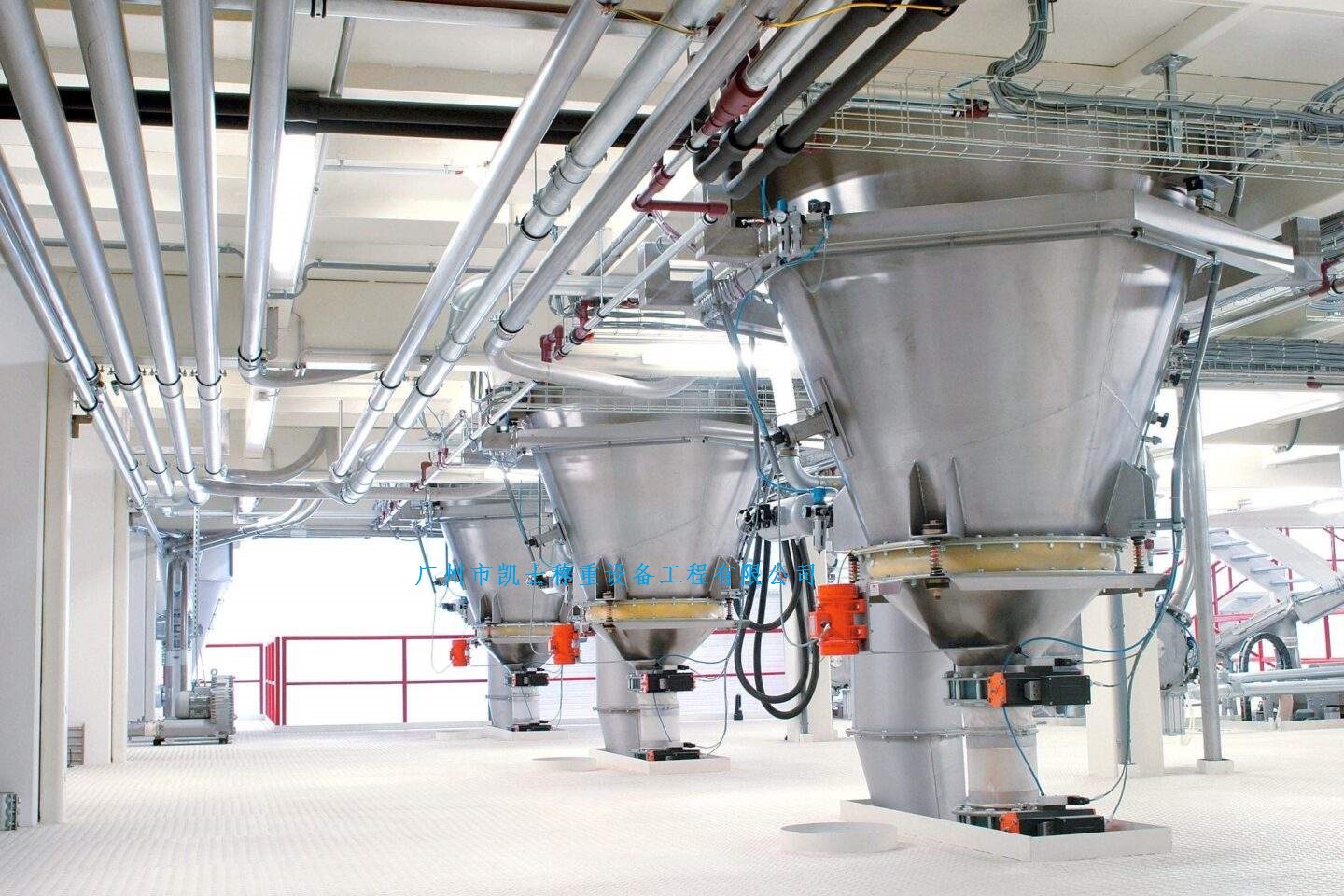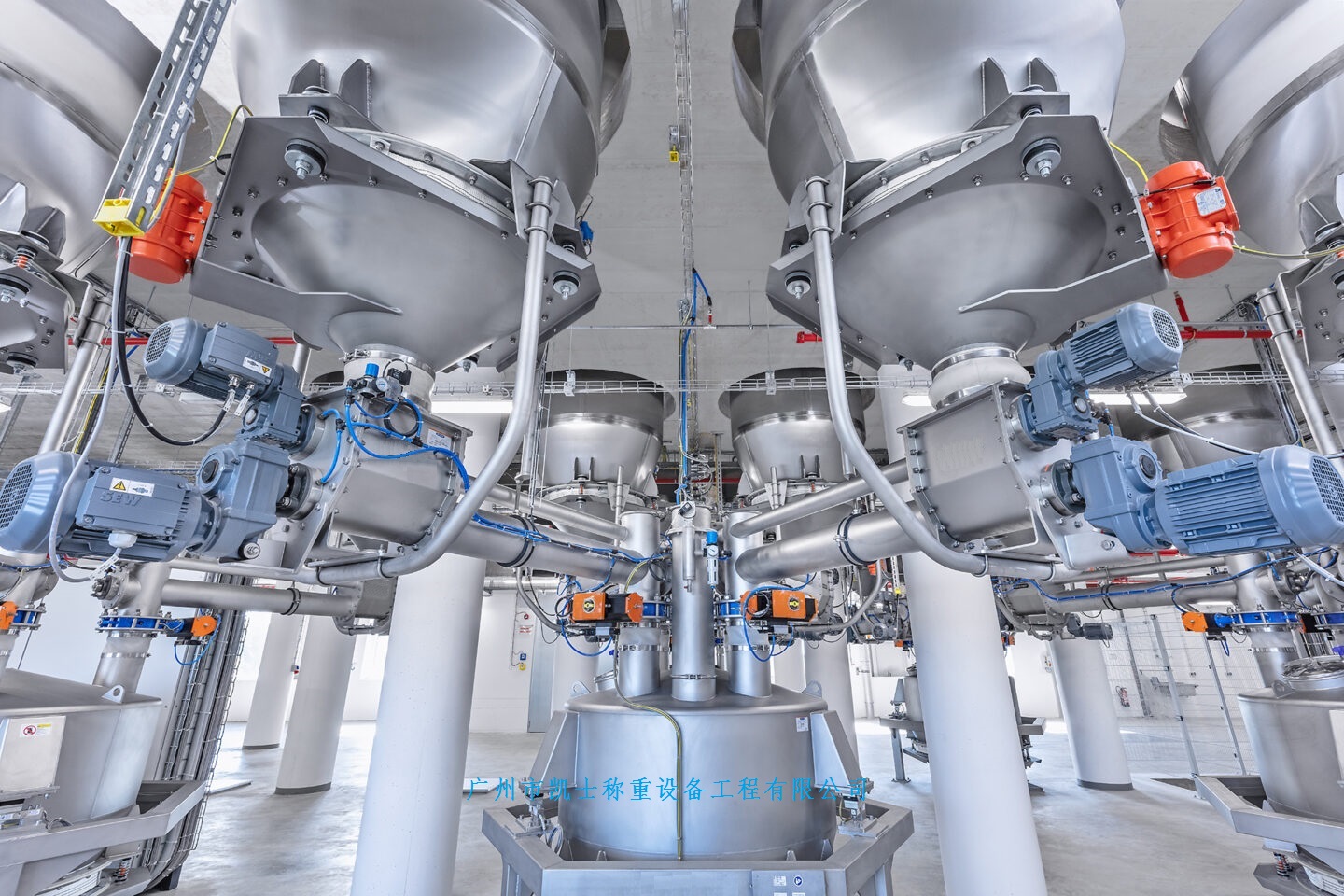








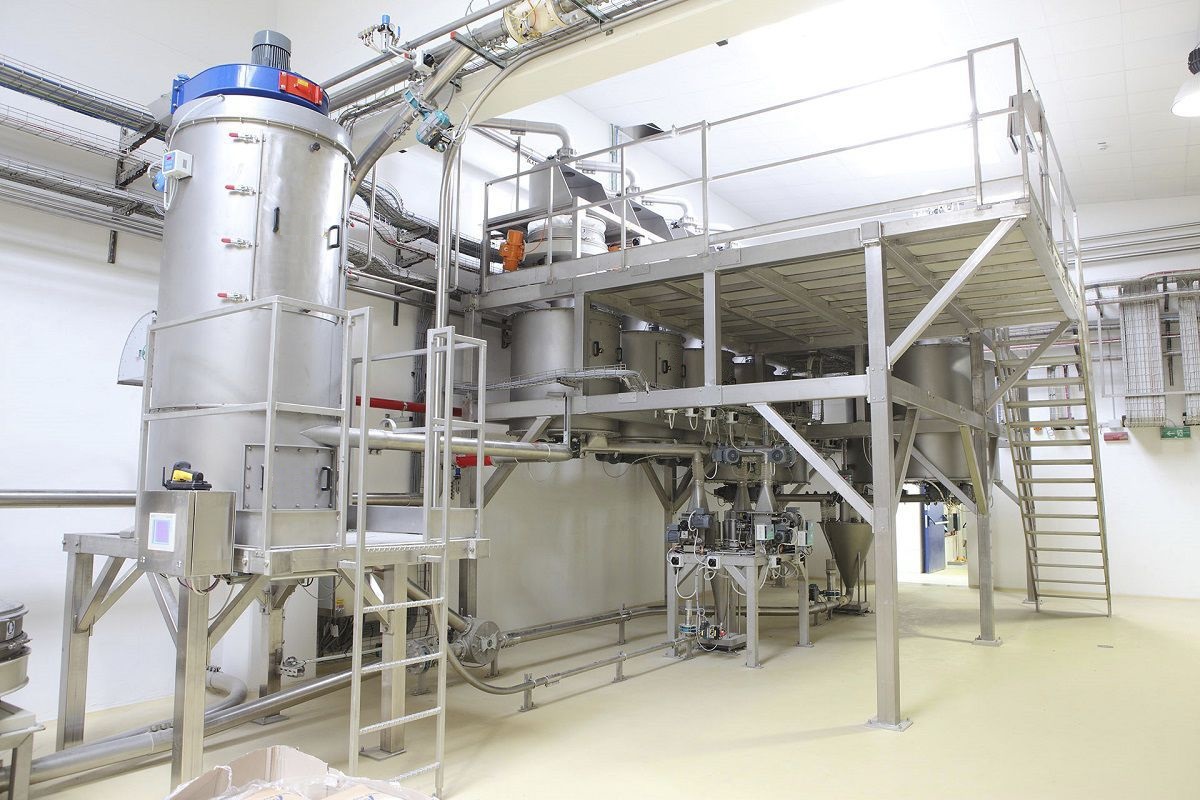
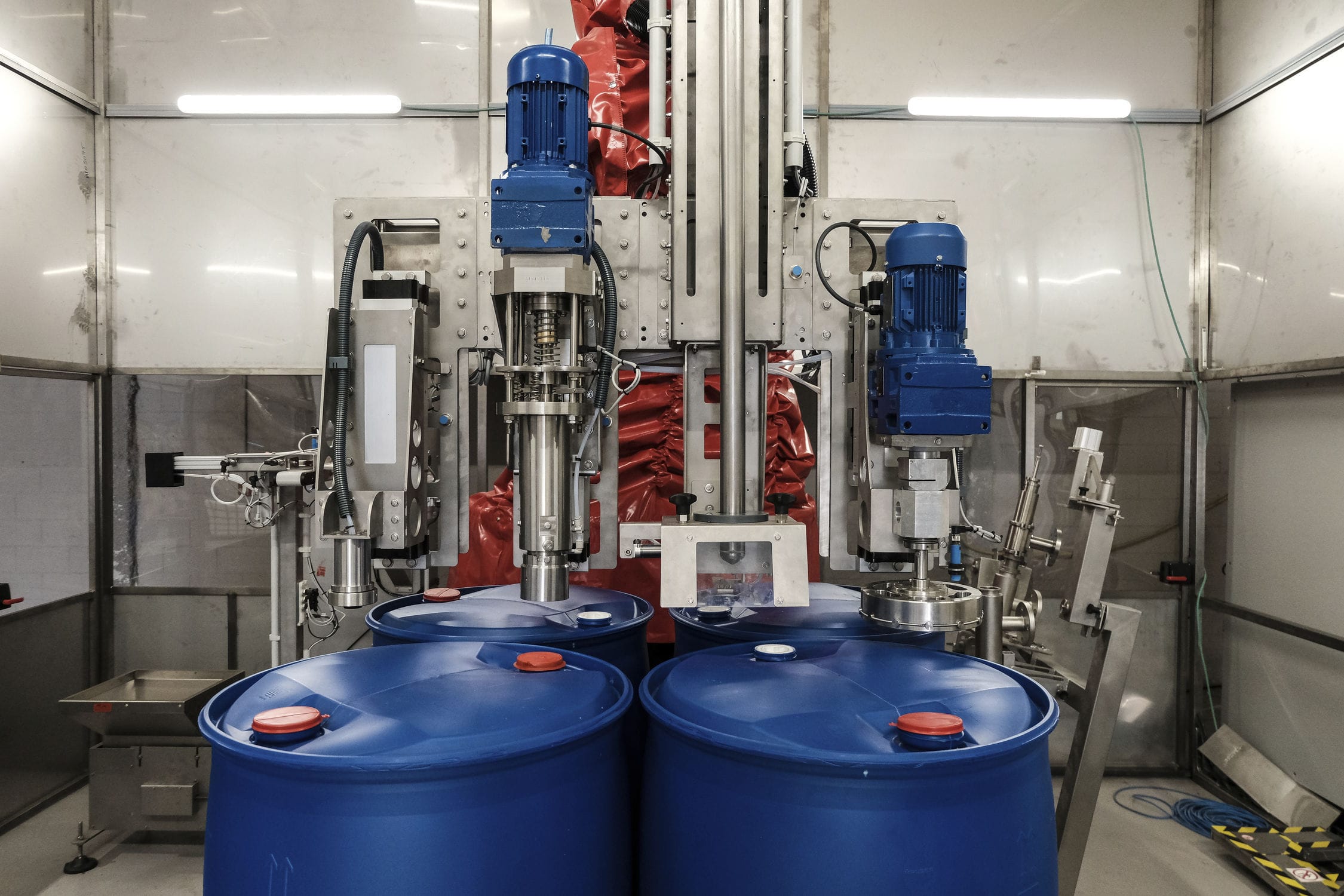
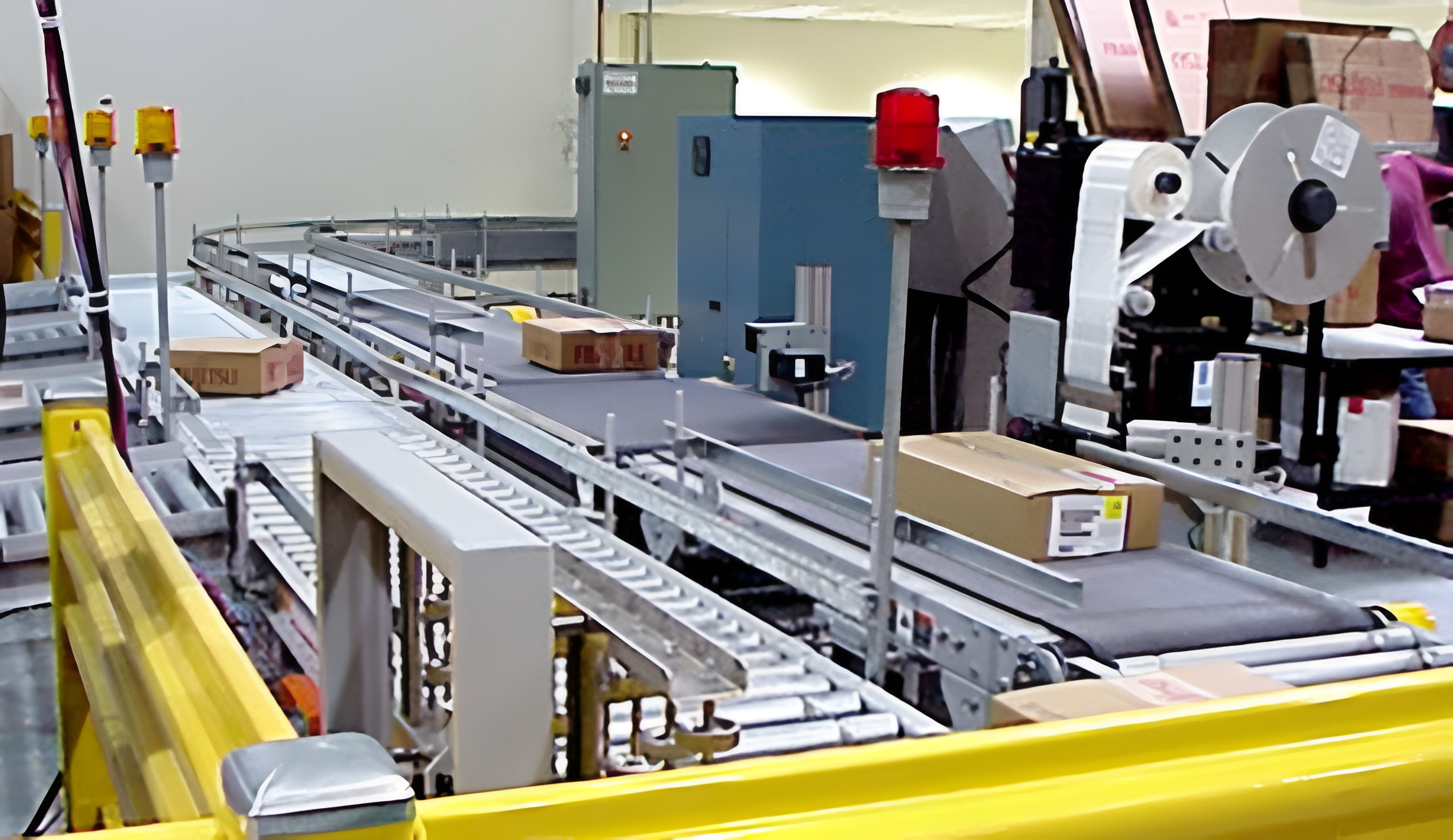
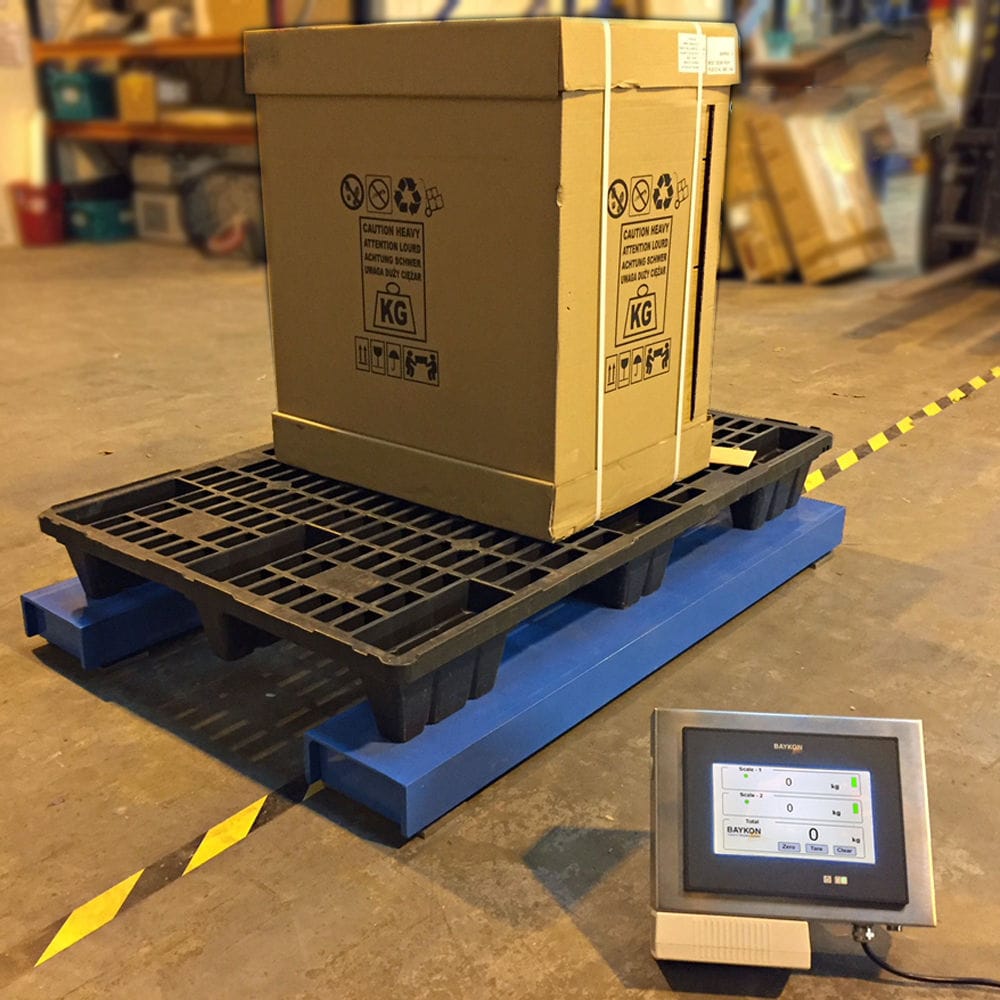


The operation process of the double-bin scale is as follows: Firstly, the weighing instrument transmits the raw material formula data to the PLC. Then, the PLC controls the distribution of various raw materials through the top conveying equipment and the distributor into the corresponding storage bins. During the batching process, the screw feeder sequentially delivers the raw materials to the scale. Raw materials with a large proportion (>20%) are sent to the large-bin scale; while raw materials with a small proportion (5% - 20%) are sent to the small-bin scale for weighing. The weighing module detects the quantity of each material and transmits the signal to the weighing instrument to control the feeding of the screw feeder, thereby controlling the quantitative amount of each material.

 020-34563445
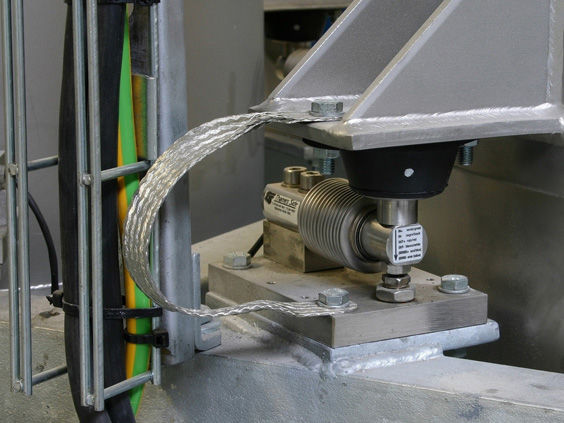
The double-bucket scale is connected to the weighing module and is responsible for measuring the mass of the materials. The scale is located below the dual-purpose bucket. The projections of the dual-purpose bucket and the narrow conveying hopper at the front end and the end of the narrow conveying chamber should fall on the scale. The dual-purpose bucket is a key component for the Electronic scale to measure accurately. The dual-purpose bucket has two states: the feeding state and the storage state. In the early stage of measurement, the dual-purpose bucket functions as a conveyor, guiding the materials from the wide conveying hopper into the scale; in the later stage of measurement, the dual-purpose bucket flips over, temporarily storing the materials from the wide conveying hopper, while the narrow conveying hopper continues to perform fine feeding and conveying, completing the entire measurement process. When in the conveying state, the dual-purpose bucket droops and should form a 22-degree angle with the horizontal line to ensure that the materials can smoothly slide onto the scale without accumulating. When in the storage state, the bucket flips up to a horizontal position, and the materials slide to the rear of the bucket and are blocked by the overflow baffle. When the stored materials are excessive, the materials can overflow over the baffle and ensure that the stored materials do not exceed the limit. The height of the overflow baffle can be adjusted according to the shape, size and weight of the stored materials.
When the scale starts to measure, granular materials fall from the bucket into the screw conveyor, most of the materials pass through the wide conveying hopper and fall into the dual-purpose bucket, and the remaining small portion is directly dropped into the scale from the narrow conveying hopper. At this time, the dual-purpose bucket droops, and the materials slide into the scale along a certain slope. When the mass of the materials in the scale approaches the set value, the dual-purpose bucket翘起, stops feeding, and the materials can only fall into the scale through the narrow conveying hopper. Due to the narrow conveying belt only allowing a small amount of materials to slide into the scale, the measurement accuracy is guaranteed. At the same time, the flipped dual-purpose bucket stores a certain amount of materials (the storage capacity is determined by the height of the overflow baffle and the angle and time of the dual-purpose bucket's flipping). When the mass of the materials in the scale reaches the set value, the feeding stops, the scale opens, the materials are discharged to the receiving device, the discharge is completed, the scale closes, the dual-purpose bucket droops, and the stored materials fall back into the scale, starting the next cycle. Since the dual-purpose bucket has stored materials at the beginning of the new cycle, there is no need to start weighing from zero, thus greatly improving the measurement efficiency.
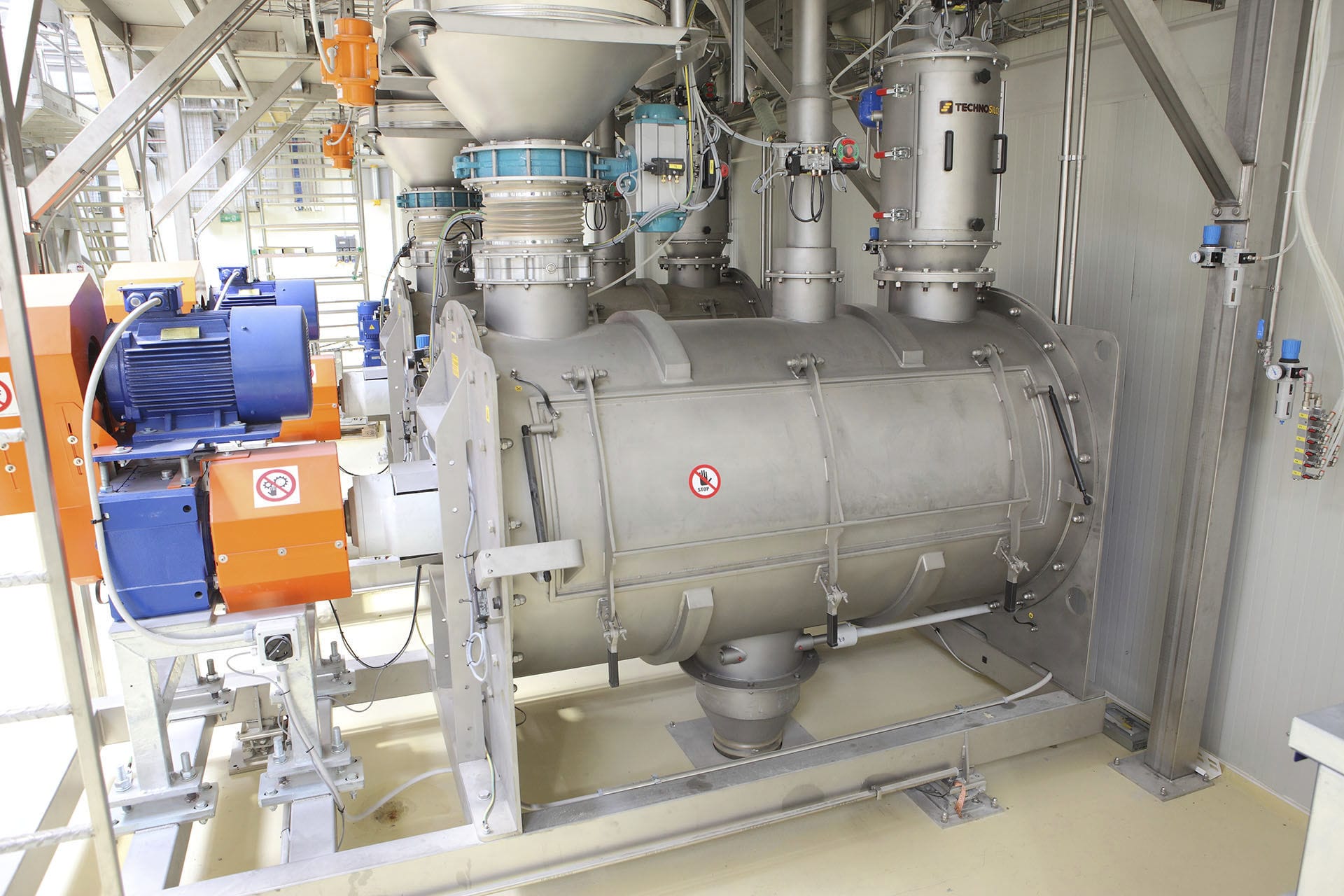
The operation process of the scale is as follows: first, the weighing instrument transmits the raw material formula data to the PLC, and then the PLC controls the distribution of various raw materials through the top conveying equipment and the distributor into the corresponding batching bins for storage. During batching, the screw Feeder sequentially delivers the raw materials to the scale. Raw materials with a large proportion (>20%) are delivered to the large-scale bucket scale; raw materials with a small proportion (5% - 20%) are sent to the small-scale bucket scale for weighing. The weighing module detects the quantity of each material and transmits the signal to the weighing instrument to control the feeding of the screw feeder, thereby controlling the quantitative amount of each material. When all the materials in the bins are weighed and batched according to the set formula requirements and reach the specified cumulative mass (batch quantity), the PLC opens the material door according to the control program, and the materials in the scale are placed into the mixing chamber of the mixer for stirring and mixing. When the mixer reaches the predetermined mixing time, that is, the mixing uniformity meets the requirements, the material door opens under the control of the PLC, discharging the materials to the buffer bin, falling into the finished product conveyor, and being transported to the bucket elevator inlet for storage in the mixed material bin, and to the next process.
The weighing instrument transmits the corresponding formula and production process parameters to the PLC according to the production process. The PLC controls the frequency converter to start the batching auger based on the formula parameters and the discharging sequence. The weighing signal is detected by the PLC, and the operation sequence of the scale is completed. When there is material in the mixer, the scale door closes; when the discharging door of the mixer is fully closed, the scale door opens. After the opening time of the scale door reaches, the remaining materials on the scale are detected. When the remaining materials exceed the limit value, the system alarms; when they are below the limit value, the scale door closes. When the scale door is closed in place, if the predetermined production batch has not been completed, batching continues, and at the same time, signals for adding premix and material addition are sent. After the premix is added and the designated position is completed, the mixing machine starts to mix and timing begins. Once the mixing time is reached, the mixing machine opens the door to discharge the material based on the material level in the buffer hopper. The door of the mixing machine starts timing, and when the opening time is over, the door of the mixing machine automatically closes. Once the next batch of material falls, a new round of cycle begins.