



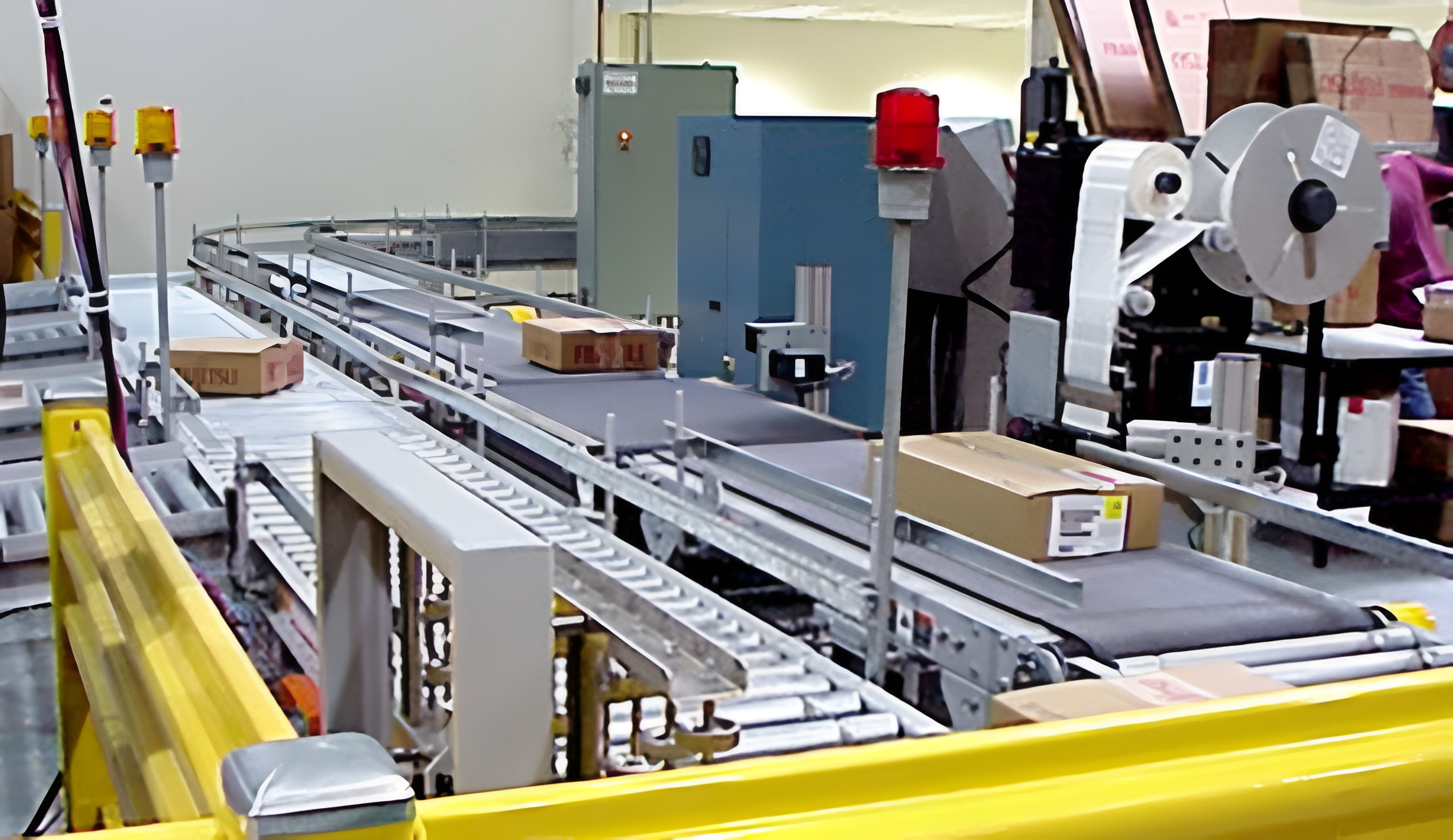
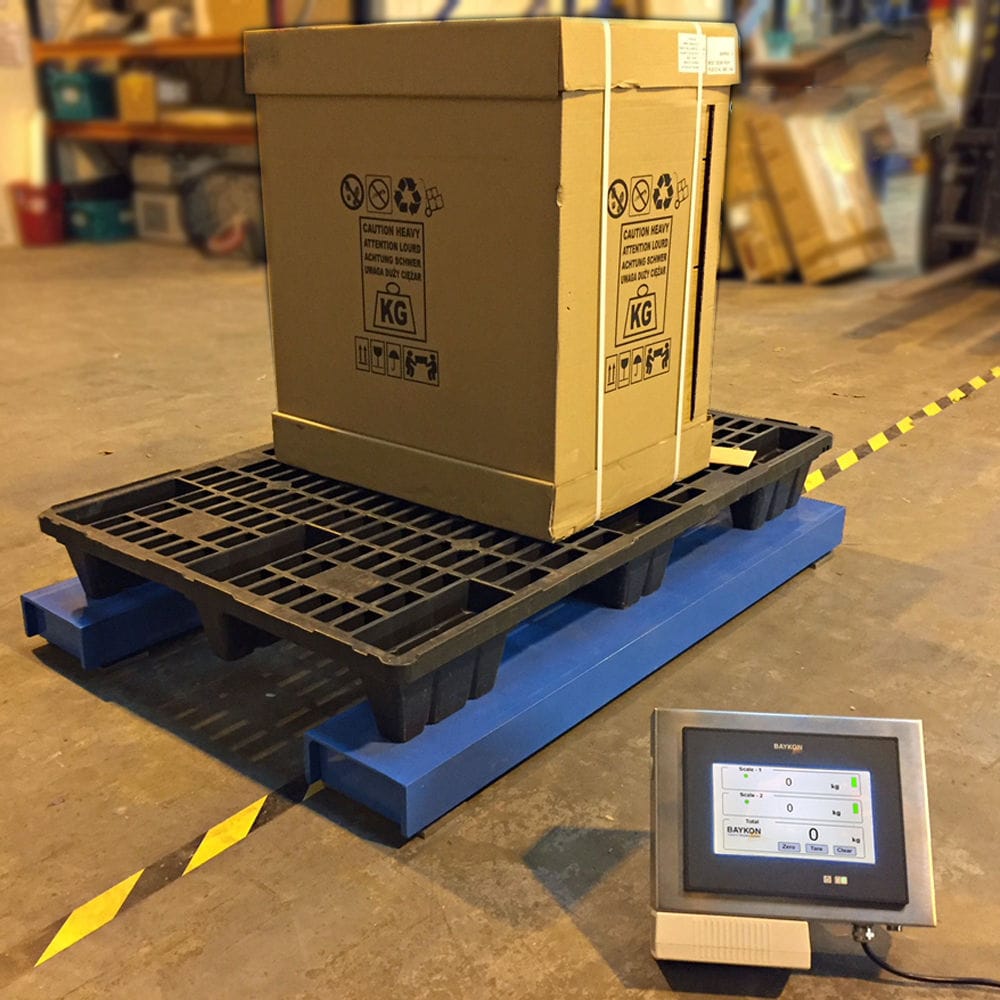


The weighing system of the loading platform building is the core part of the entire weighing platform, directly affecting the accuracy of loading. The weighing system is installed on both sides of the joint feeding gate of the buffer bin through hydraulic cylinders, and is controlled by an electro-hydraulic proportional directional valve to adjust the opening degree of the feeding gate of the buffer bin. The opening size is detected in real time by the encoder. The hydraulic cylinder is controlled by an electro-hydraulic directional valve with a manual control device to open and close the discharge gate of the hopper scale. The differential circuit can achieve the rapid closure of the discharge gate. When the weighing module detects that the ore placed in the hopper scale reaches the target tonnage, the piston rod of the hydraulic cylinder extends and the feeding gate of the buffer bin closes.

 020-34563445
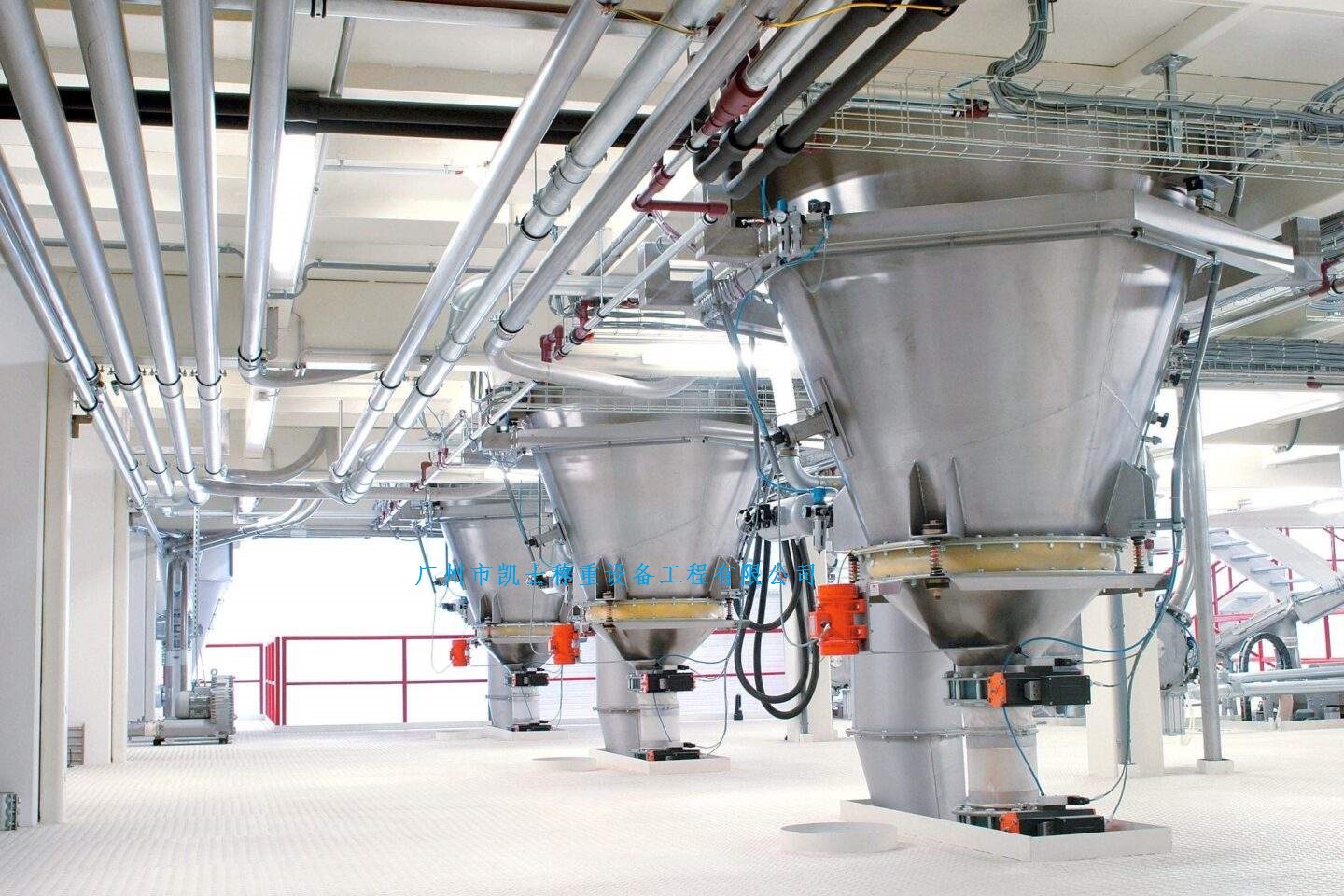
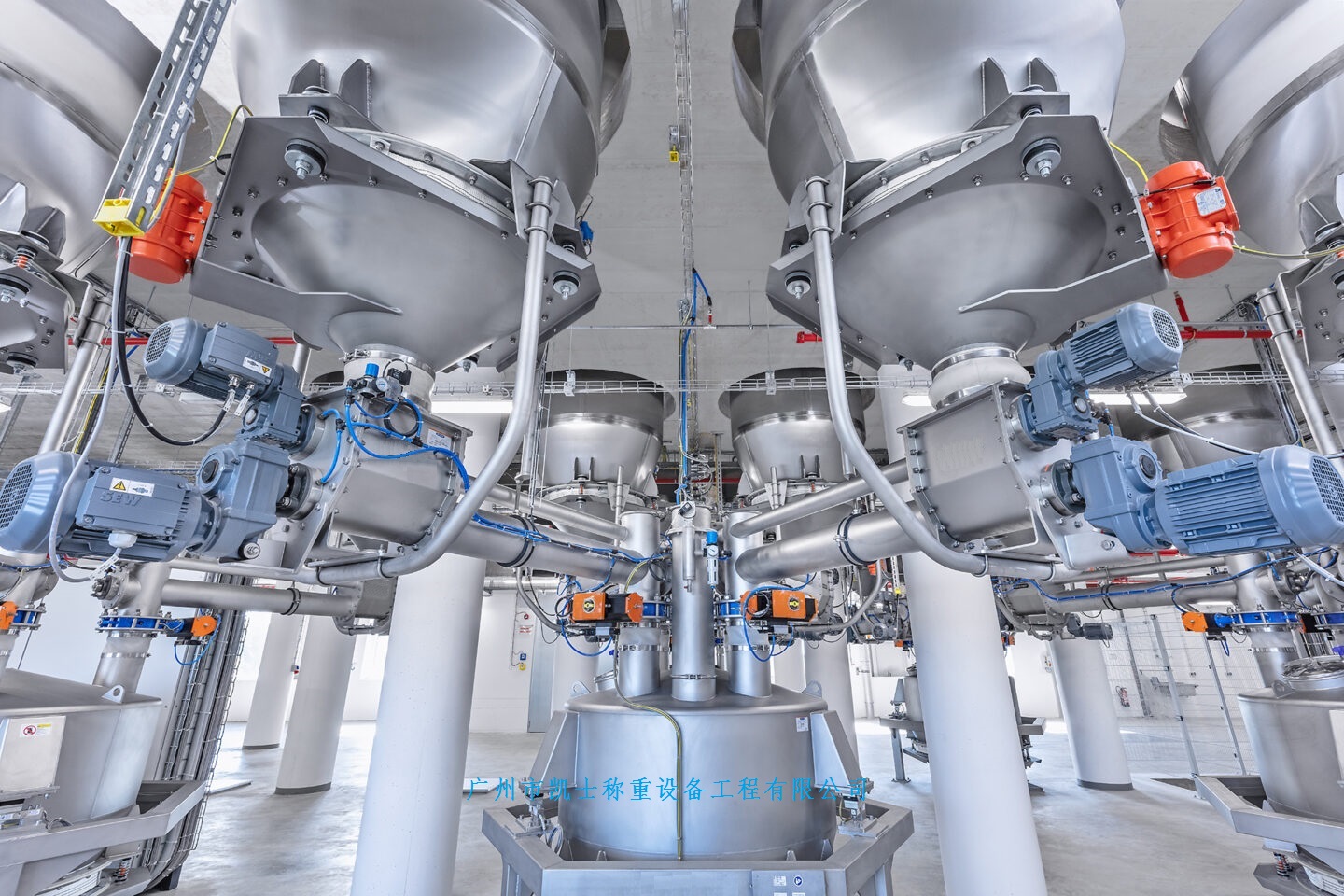
The main structure of the weighbridge loading building includes the feeding system (including buffer silo and feeding gate), the Weighing system (including hopper scale, discharge gate of hopper scale, weighing module and weighing instrument, calibration weights combination), the loading chute, the electronic weighbridge, the hydraulic system and the control system. The accessory parts include the pulling vehicle system, vehicle identification system, level detection system, dust-proof and sealing system, etc. The system has a loading operation room, a power distribution room and a traction machine room. The buffer silo mainly functions to receive the materials transported by the belt conveyor system, enabling continuous loading by the weighbridge and serving as a storage and buffering function. It is equipped with a level detection device, which can achieve high-level alarm and emergency shutdown to prevent excessive materials in the buffer silo. It is made of 12mm thick low-carbon steel with 16mm thick wear-resistant lining, capable of storing 310㎡ of iron ore.
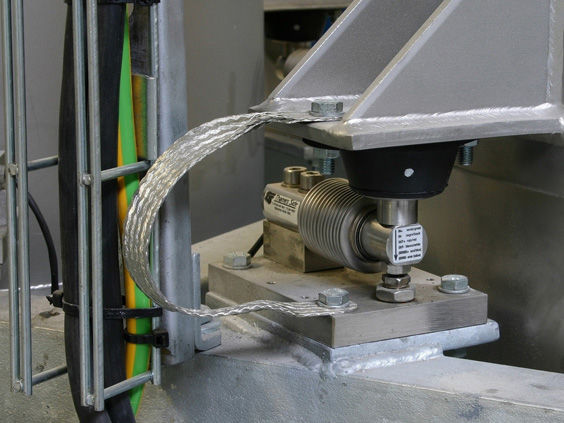
The bottom of the buffer silo is equipped with a double-valve feeding gate, which can precisely control the material flow from the buffer silo to the hopper scale. Its nominal opening is 1820mm x 1620mm. The feeding gate is equipped with two double-door plates made of 36mm thick wear-resistant steel plates, with sufficient strength and a long service life. The operation of the double-valve feeding gate is controlled by an electro-hydraulic proportional valve, and a encoder is installed on the rotating shaft of the gate to identify the gate opening. The accumulator group in the hydraulic station can ensure the timely closure of the double-valve feeding gate. The hopper scale is an independent silo located between the buffer silo and the loading chute, capable of storing 34m of materials. It is made of 10mm carbon steel and lined with 16mm thick wear-resistant lining. It is supported by four corner Weighing modules on the steel structure of the weighbridge loading building. The weighing module can real-time detect the tonnage of the ore in the hopper scale. The discharge gate of the hopper scale is installed at the bottom and is used to control the material flow from the hopper scale to the loading chute. Its nominal opening size is 1700mm x 1620mm. The discharge gate is composed of two horizontal double-door plates made of 42mm thick wear-resistant steel plates and is controlled by two hydraulic cylinders. In case of abnormal situations such as power failure, the accumulator group in the hydraulic station can ensure the timely closure of the discharge gate.
The iron ore transported by the belt conveyor system first enters the buffer silo. When the accumulated iron ore in the buffer silo reaches a certain quantity, the electronic weighbridge loading system is activated, loading the iron ore from the buffer silo to the hopper scale according to the target tonnage required for the vehicle load. When the target tonnage is reached, the buffer silo feeding gate is closed, completing the pre-loading process. The pulling vehicle system reverses to push the vehicle load into the weighbridge, waits for the vehicle load to be in place, then opens the discharge gate of the weighing silo and conducts quantitative loading of the ore through the loading chute. After emptying, the discharge gate of the weighing silo is closed, and the target tonnage of the vehicle load is reset for pre-loading. The vehicle load is completed, and a corresponding record of the cargo list is established. The pulling vehicle system pushes the heavy vehicle out while pushing the next empty vehicle into the weighbridge, completing the loading process of a single vehicle load and entering the next cycle. The loading speed can reach 3000th. The entire system is controlled by a programmable weighing instrument PLC.
The weighing system of the weighbridge loading building is the core part of the entire weighbridge and directly affects the accuracy of loading. The weighing system is installed on both sides of the double-valve feeding gate of the buffer silo by hydraulic cylinders and is controlled by an electro-hydraulic proportional directional valve to adjust the opening degree of the buffer silo feeding gate. The opening size is detected in real time by the encoder. The hydraulic cylinder is controlled by an electro-hydraulic directional valve with a manual control device to open and close the discharge gate of the hopper scale. The differential circuit can achieve rapid closure of the discharge gate. When the weighing module detects that the ore placed in the hopper scale reaches the target tonnage, the piston rod of the hydraulic cylinder extends, and the buffer silo feeding gate closes. When the discharge signal is issued, the electromagnet of the electro-hydraulic directional valve is energized, the piston rod of the hydraulic cylinder retracts, and the discharge gate of the hopper scale opens, completing the discharge process. The hydraulic cylinders of the weighing system are controlled by hydraulic means in two ways. One way is controlled separately by electromagnetic directional valves. When the materials in the hopper scale meet the accuracy requirements, all the discharge gates are opened to complete the discharge process. The other way is controlled separately by electro-hydraulic proportional valves. The weighing module sends the tonnage signal of the pre-installed materials in the hopper scale to the weighing instrument. The weighing instrument sends out corresponding command signals based on the difference between the pre-installed materials and the target tonnage. The opening size of the discharge gates is controlled through the electro-hydraulic proportional valves, thereby controlling the retained quality of the overweight materials. The target position of the discharge gates can also be input manually. The accumulator can absorb and mitigate the pressure shock generated when the control valves change direction.