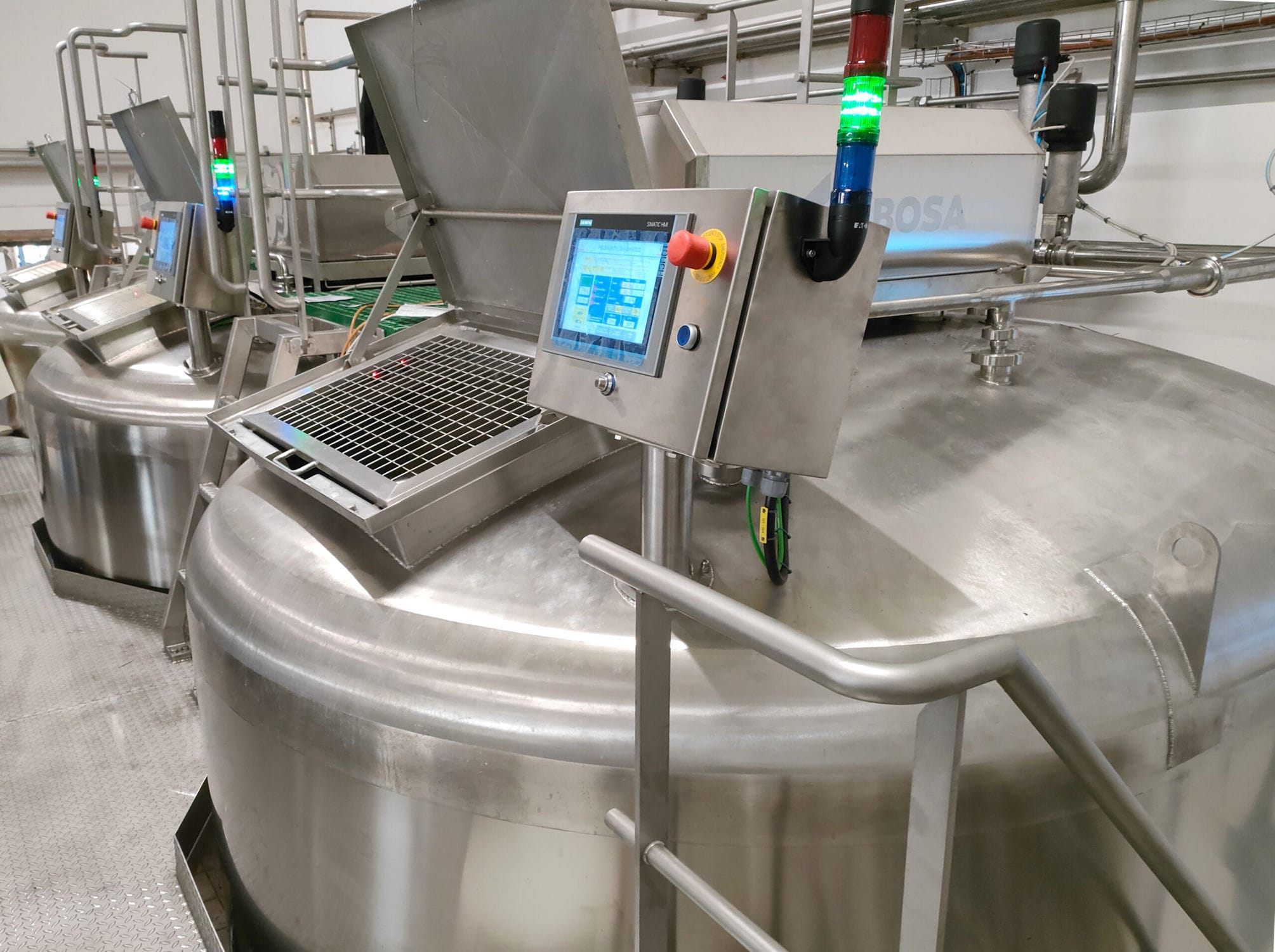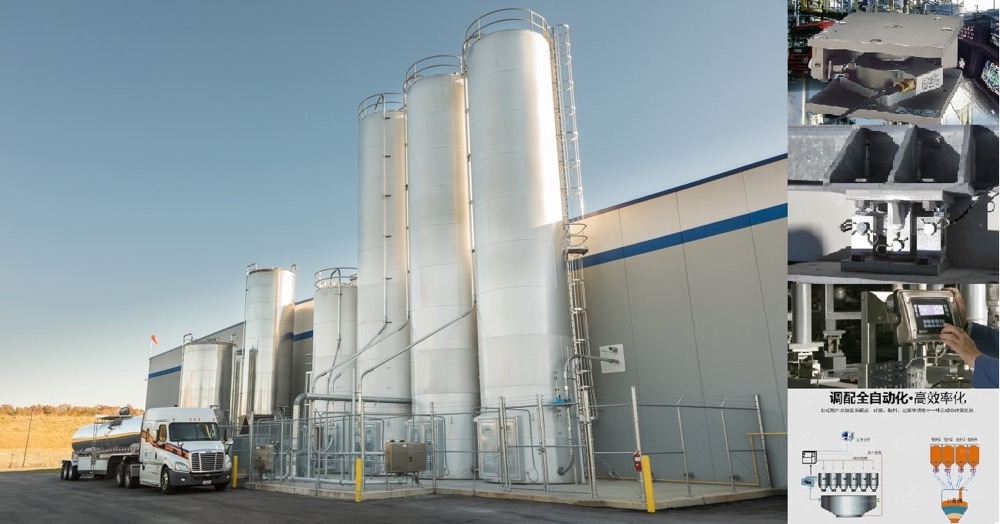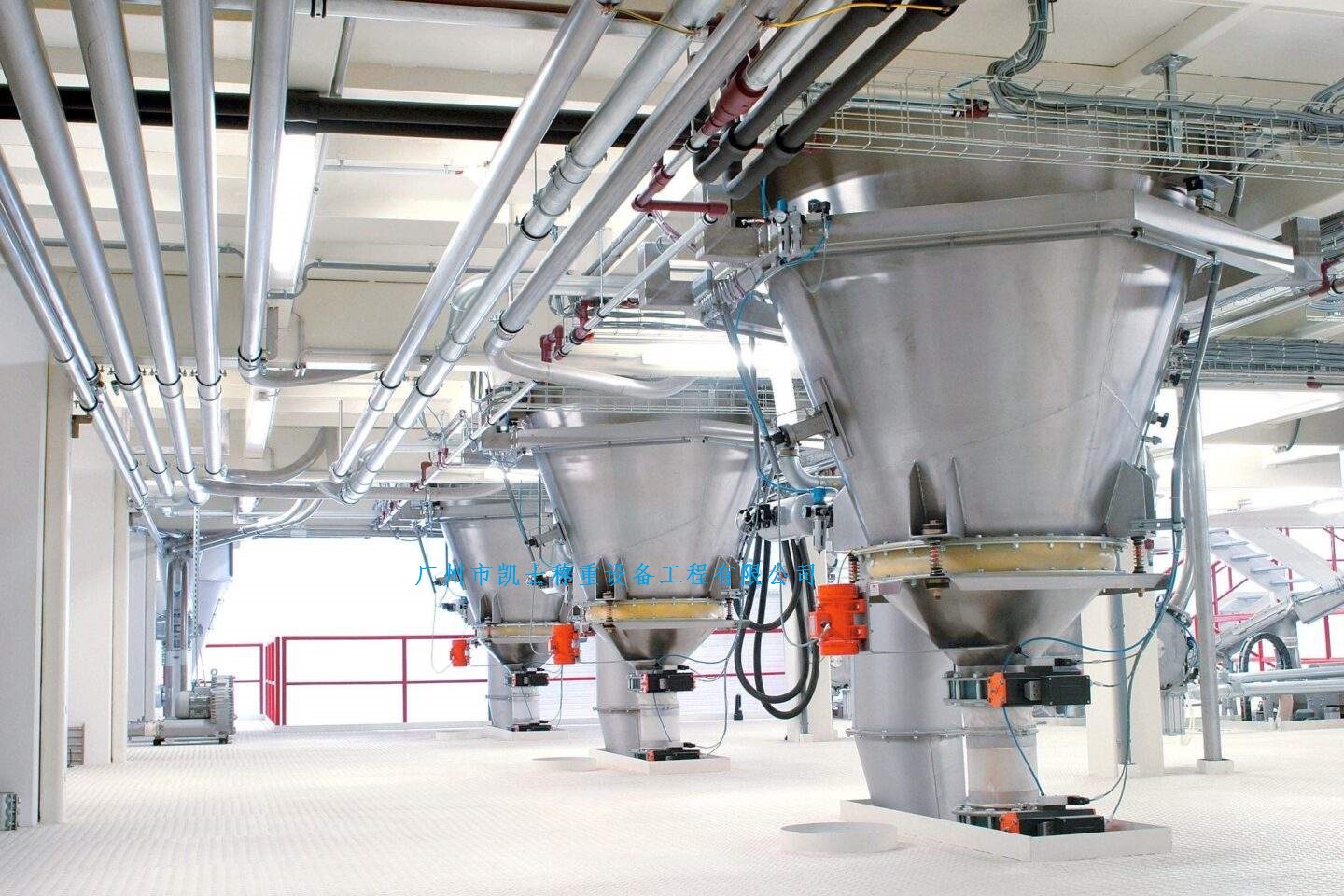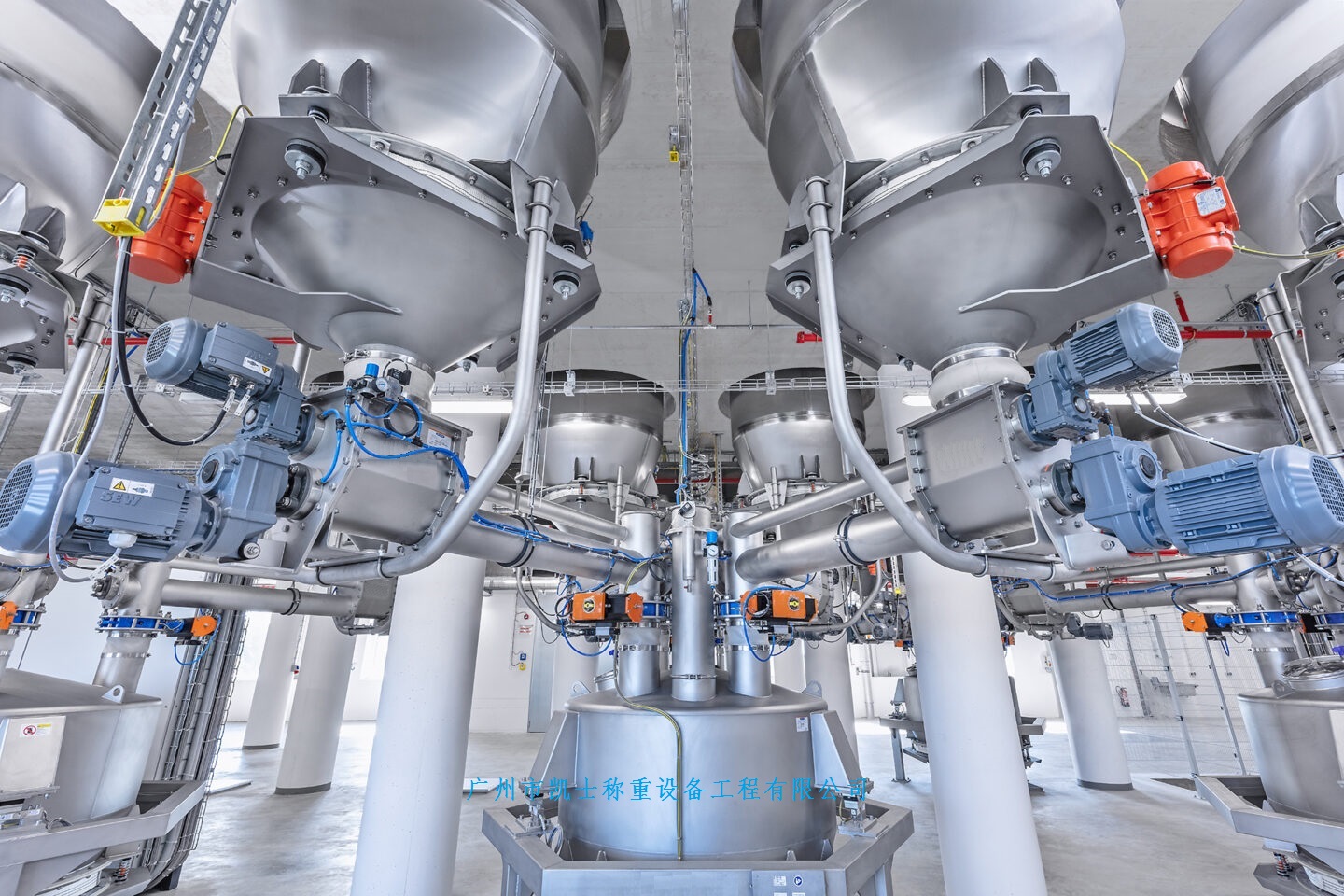





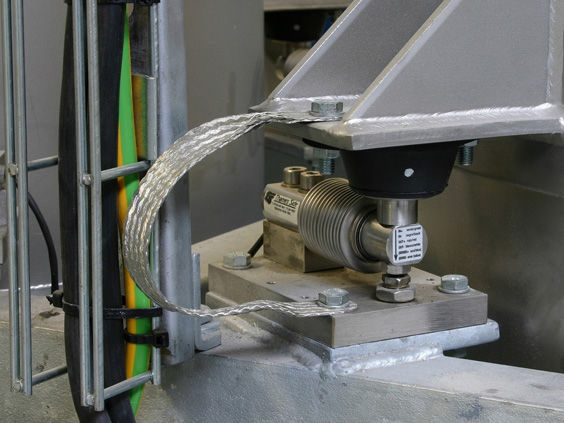
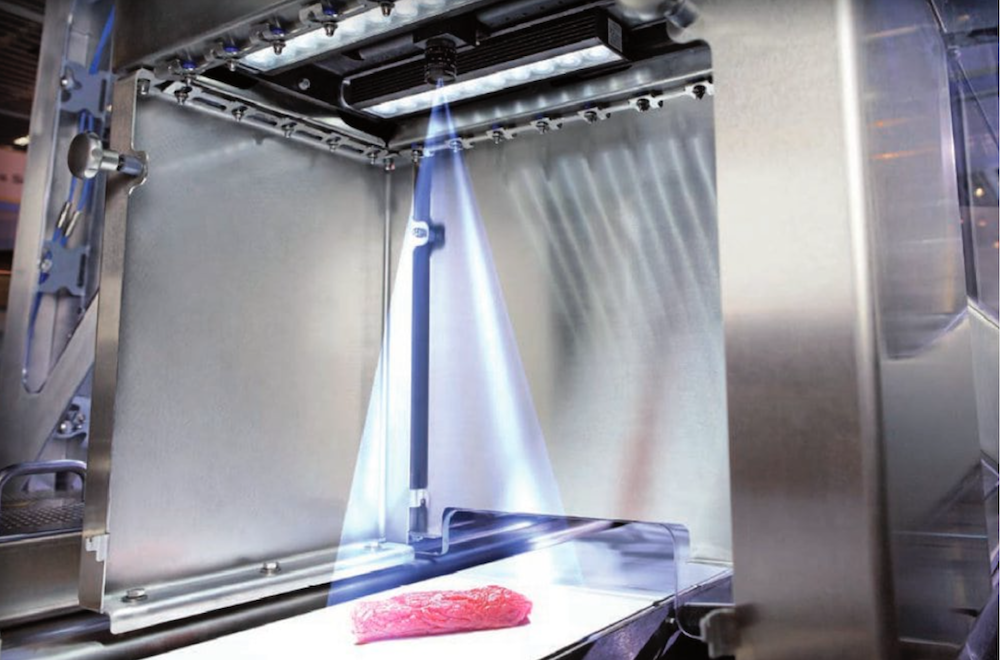
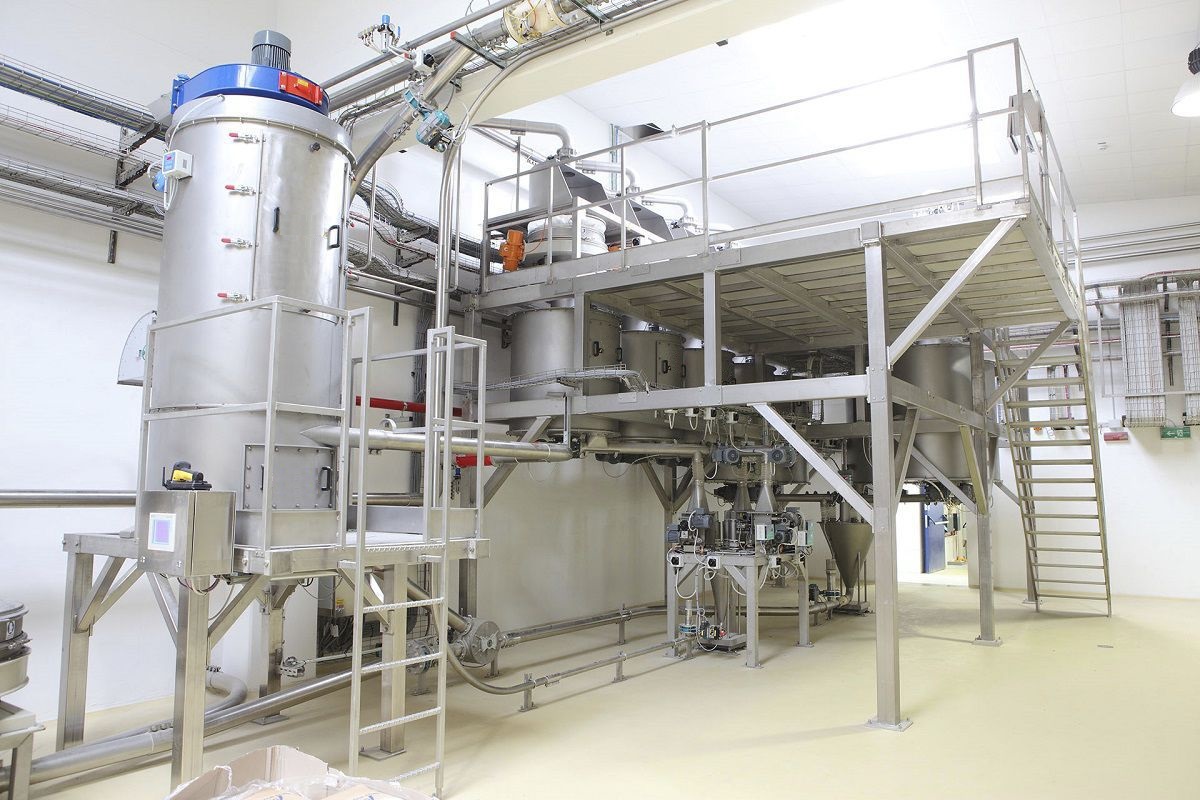
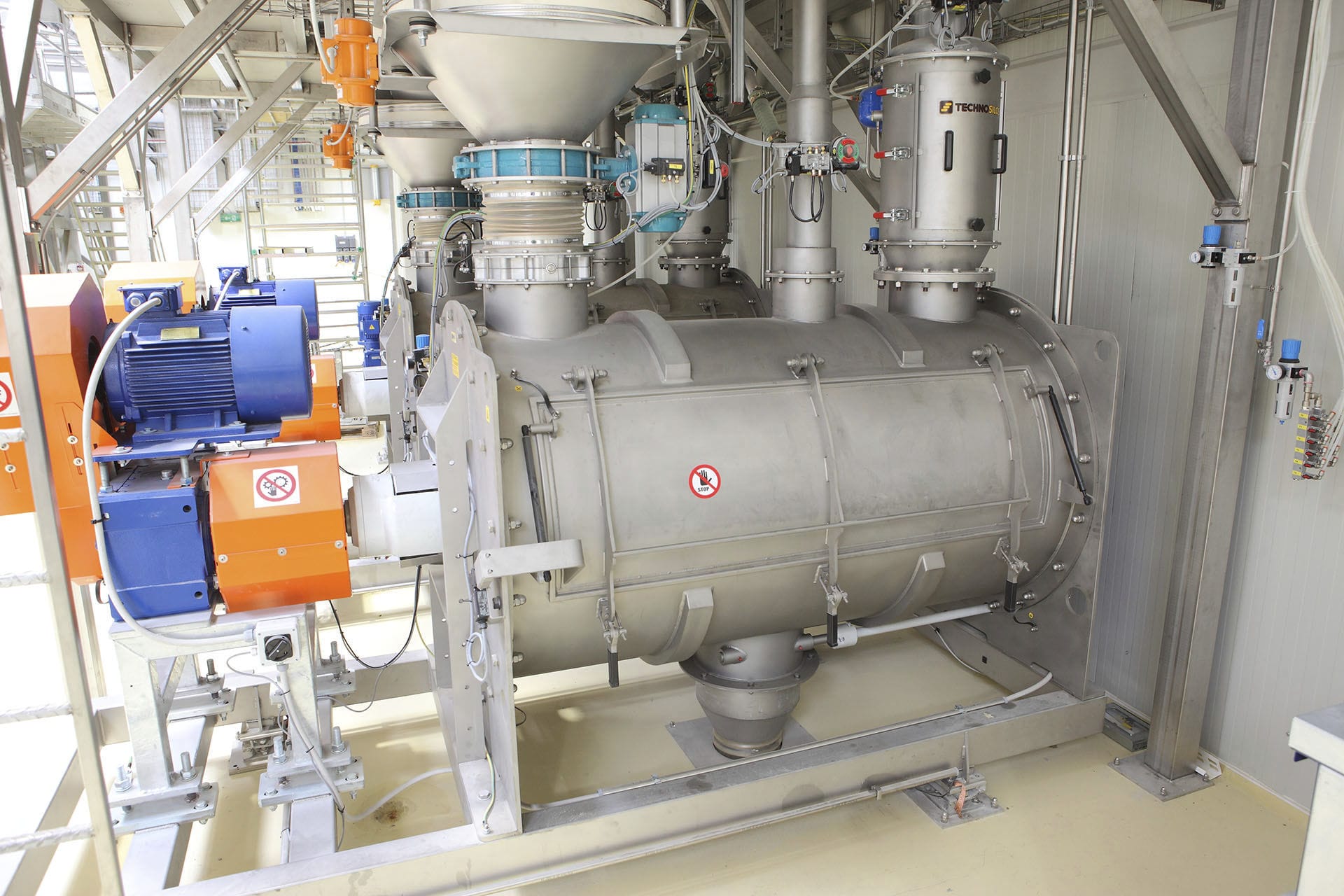
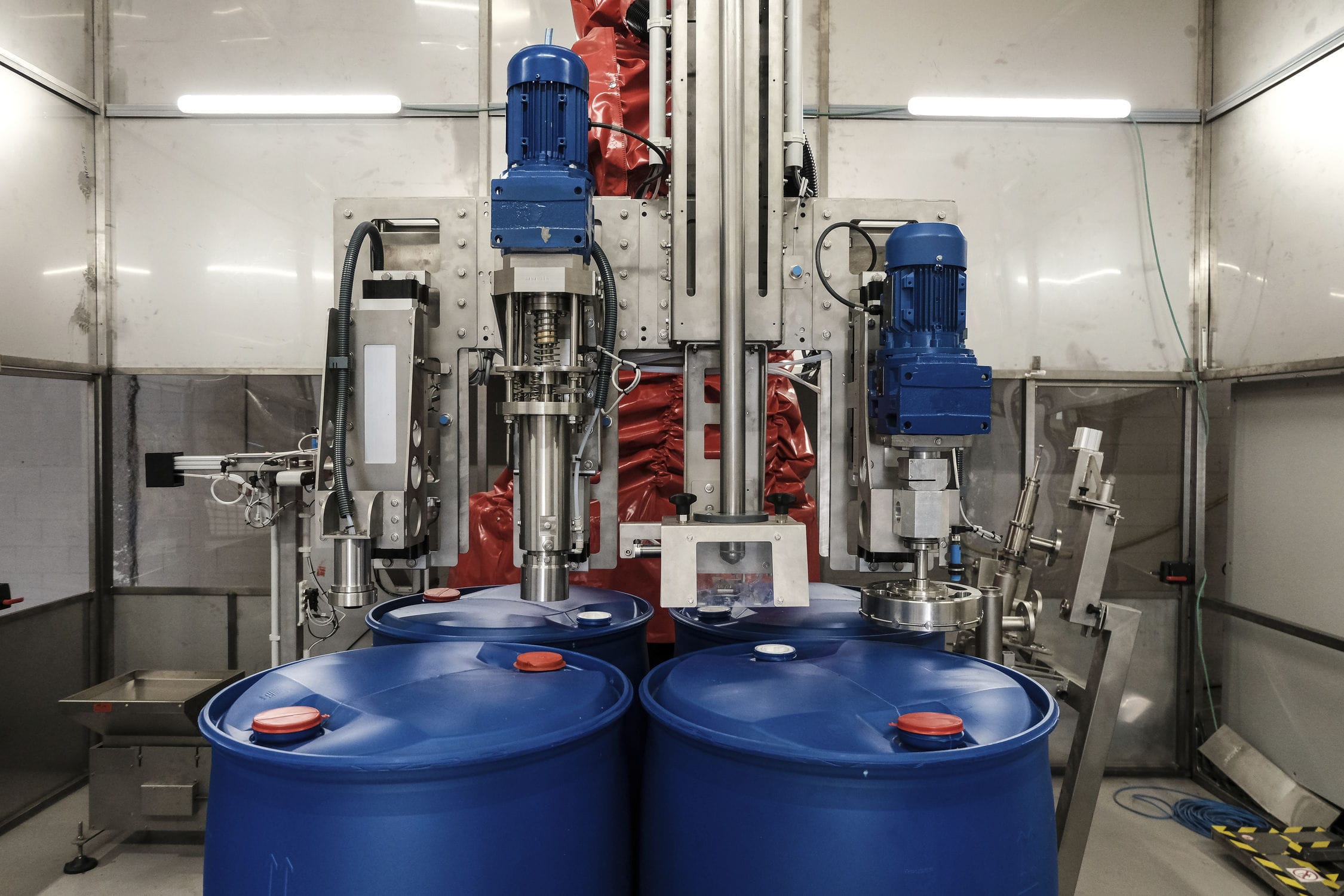
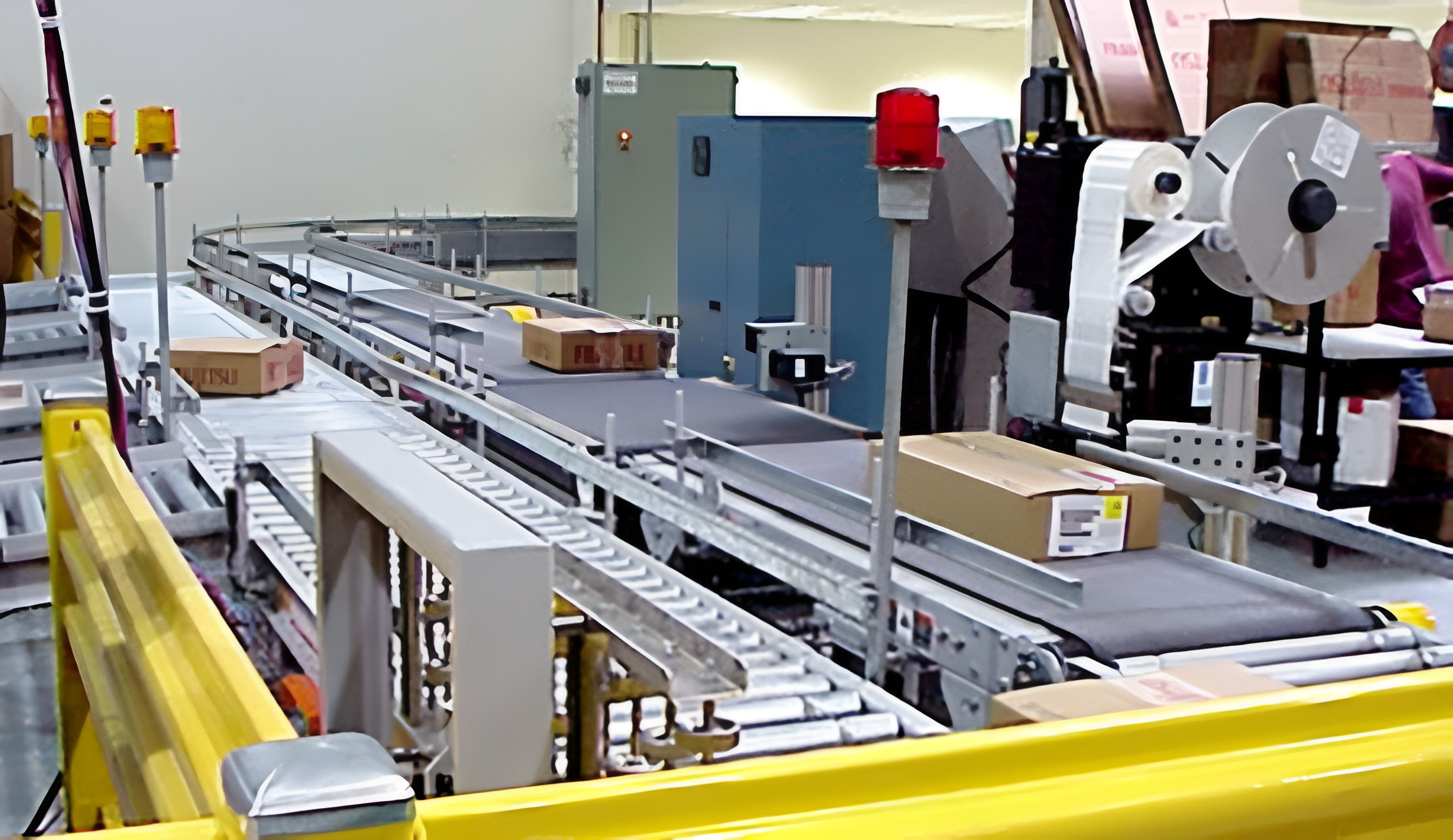
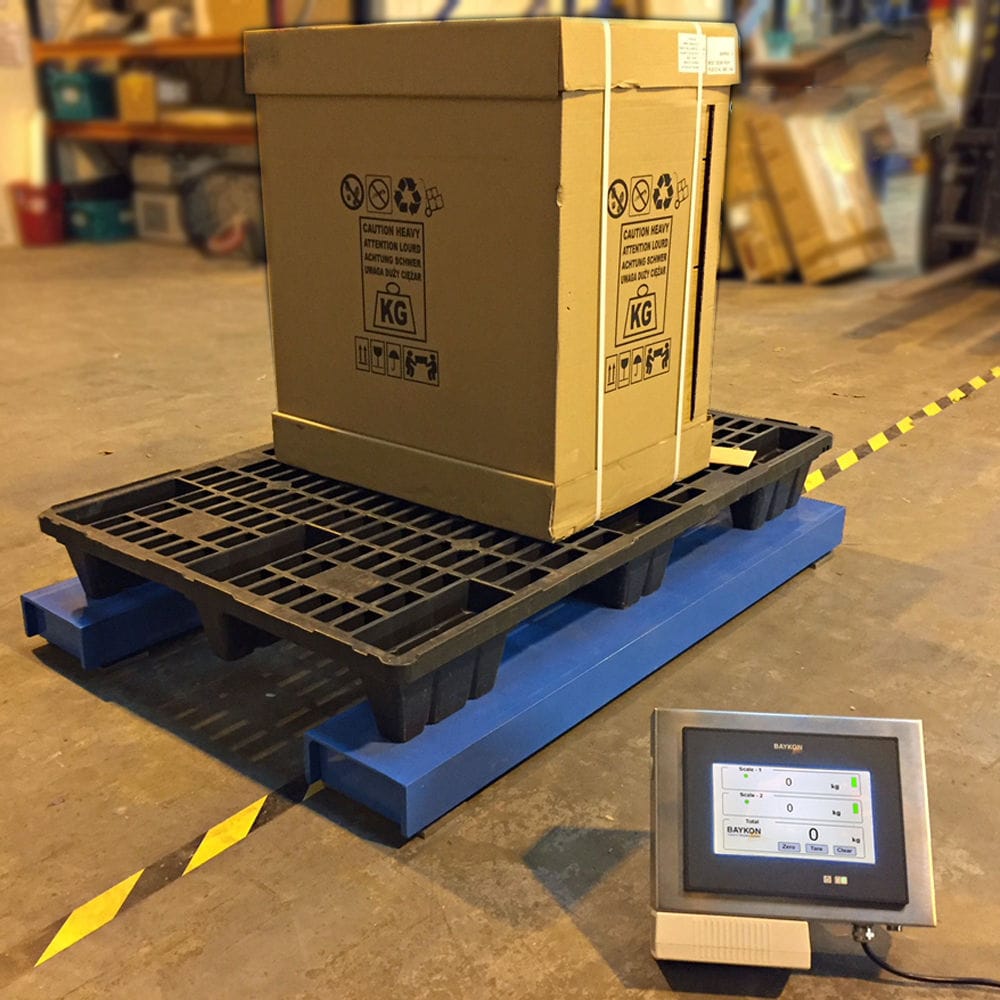


The mixing feeder is mainly accomplished by the weighing system. The working process of the weighing system is that the sensor senses the weight of the materials added to the mixing tank. Through a series of transmissions, the sensing is converted into a numerical value and displayed on the monitor. The weighing system is composed of weighing modules, variable-speed amplifiers, displays, alarms, and optional printers, remote displays and other components. Each component and function of the weighing system is a necessary means for the effective implementation of the formula.

 020-34563445
The mixed Feeding machine realizes serial communication based on the Visual Basic development environment. The data is sent to the upper computer in real time through the serial port. The upper computer intercepts and converts the read data, and the weighing data can be displayed in the VB operation screen in real time for the query and traceability function of the data, which not only facilitates the supervision of the weighing process, The operation of the workers was also restricted.
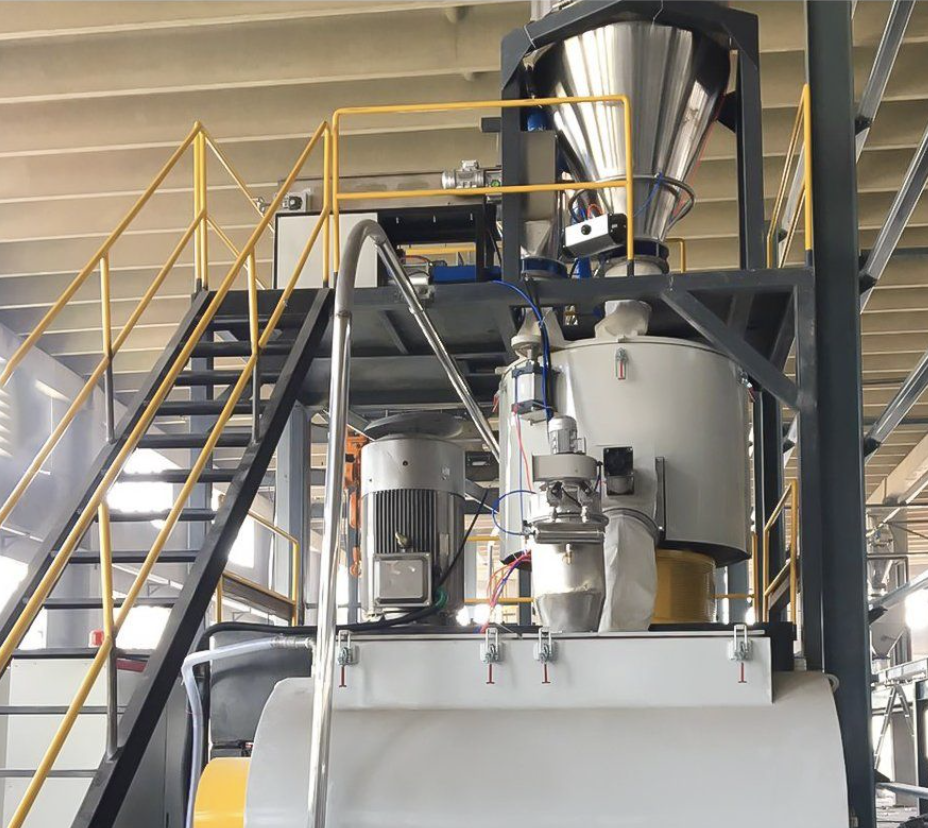
The raw materials are successively sucked into the weighing hopper by negative pressure, weighed and stored in the hopper. When the set time arrives, the PLC gives a control signal, turns off the feeding motor, opens the discharge port of the weighing hopper, and sends the raw materials into the high-mixing tank. At this time, the high-mixing motor starts. The raw materials are stirred and heated in the high-mixing tank until the purpose of mixing (synthesis) is achieved. During the mixing process, the thermocouple converts the real-time detected temperature signal value in the high-mixing tank into A digital signal through the internal A/D converter and transmits it to the PLC. When the set temperature of the high-mixing tank is reached, the PLC sends a control signal, opens the discharge port of the high-mixing tank, and sends the high-temperature mixed material into the cold mixing tank. At this point, under the control signal of the PLC, the cold mixing motor starts, and the cold mixing water pump starts the water circulation to cool the material. The thermocouple detects the temperature signal in the cold mixing tank in real time and converts it into a digital signal, which is then transmitted to the PLC. When the set temperature is reached, the discharge port of the cold mixing tank opens to discharge the material, completing one mixing process.
Each weighing valve is equipped with a lead time for its speed. When the control instrument detects that the weight of the material weighed by the scale has reached the set value, the Electronic scale will subtract the lead time, and the control weighing instrument will close the feed valve. The lead time can be manually corrected or automatically corrected to ensure that the weighing instrument controls the batching scale to achieve the set target value for each batching accuracy. Put the already weighed raw materials into the mixing tank in a certain order, and start stirring and heating at the same time. This control process is accomplished jointly by the temperature control instrument and the PLC. The upper limit of temperature is controlled by the temperature control instrument, and the heating is completed by the PLC control. There are two control methods for automatic batching: fixed sequence and programmable.