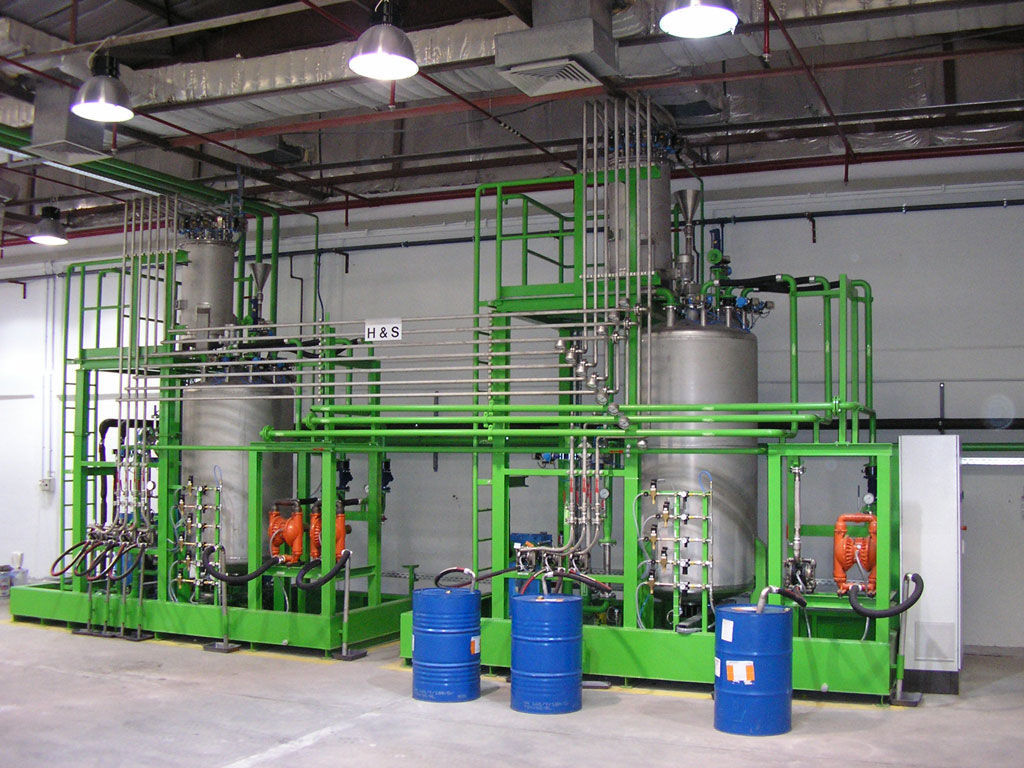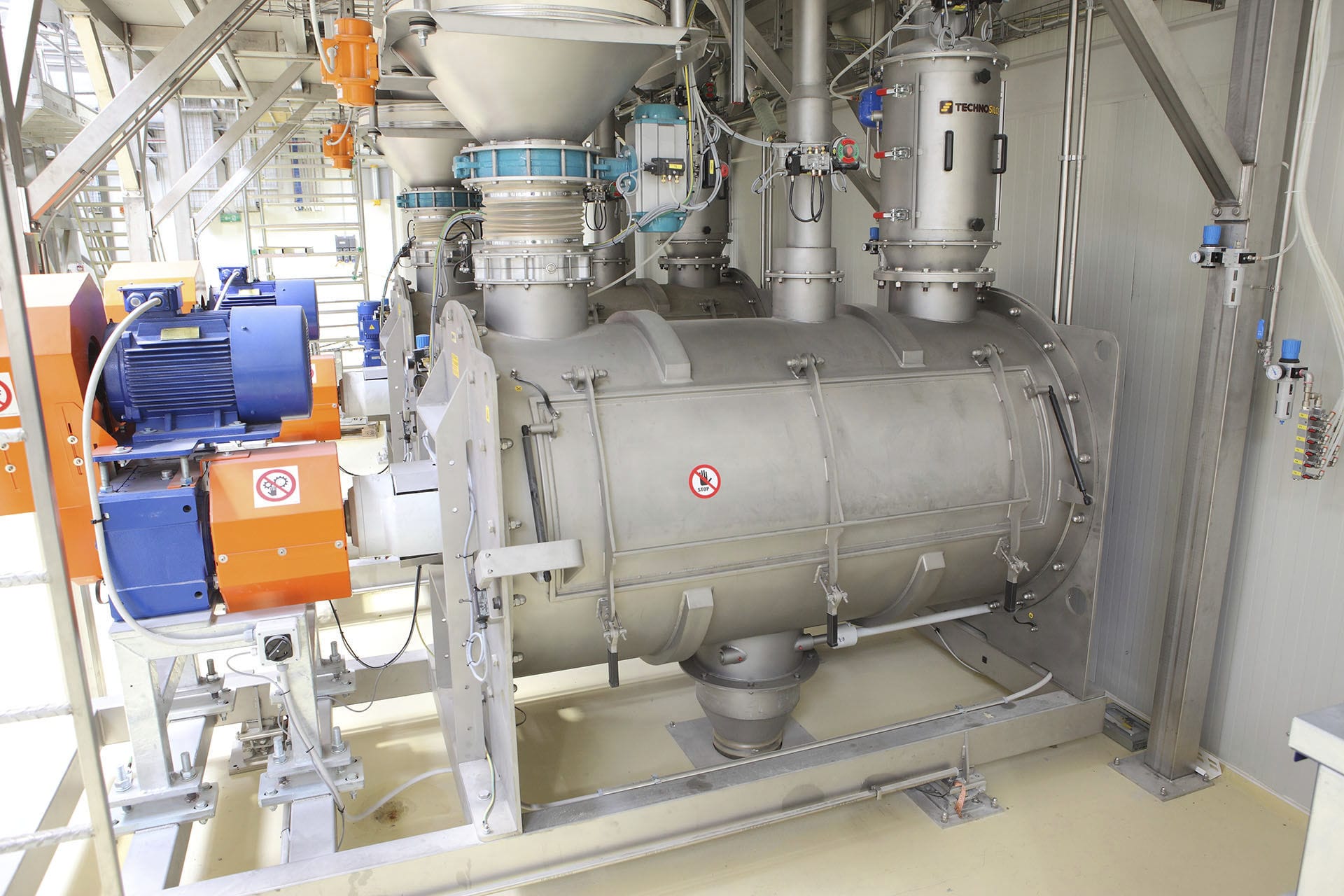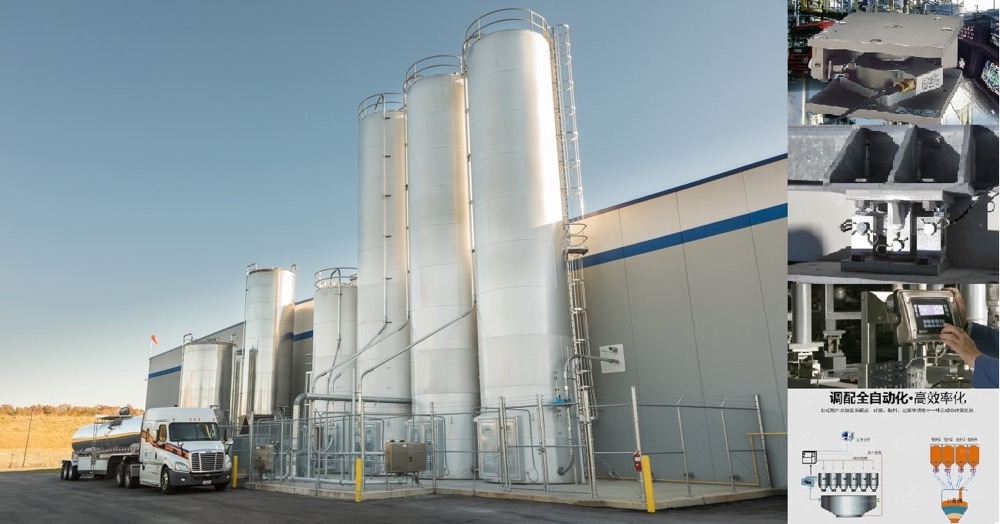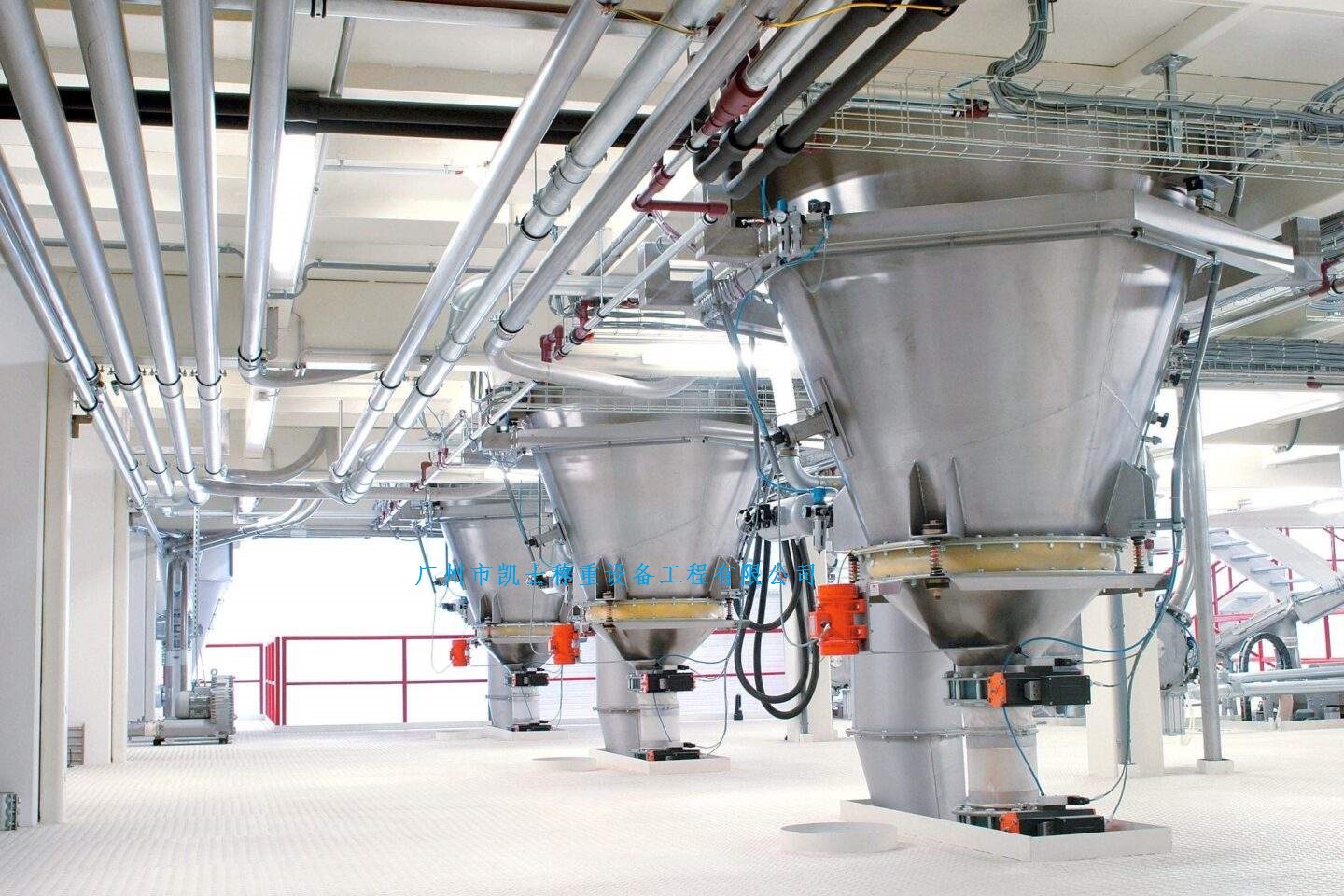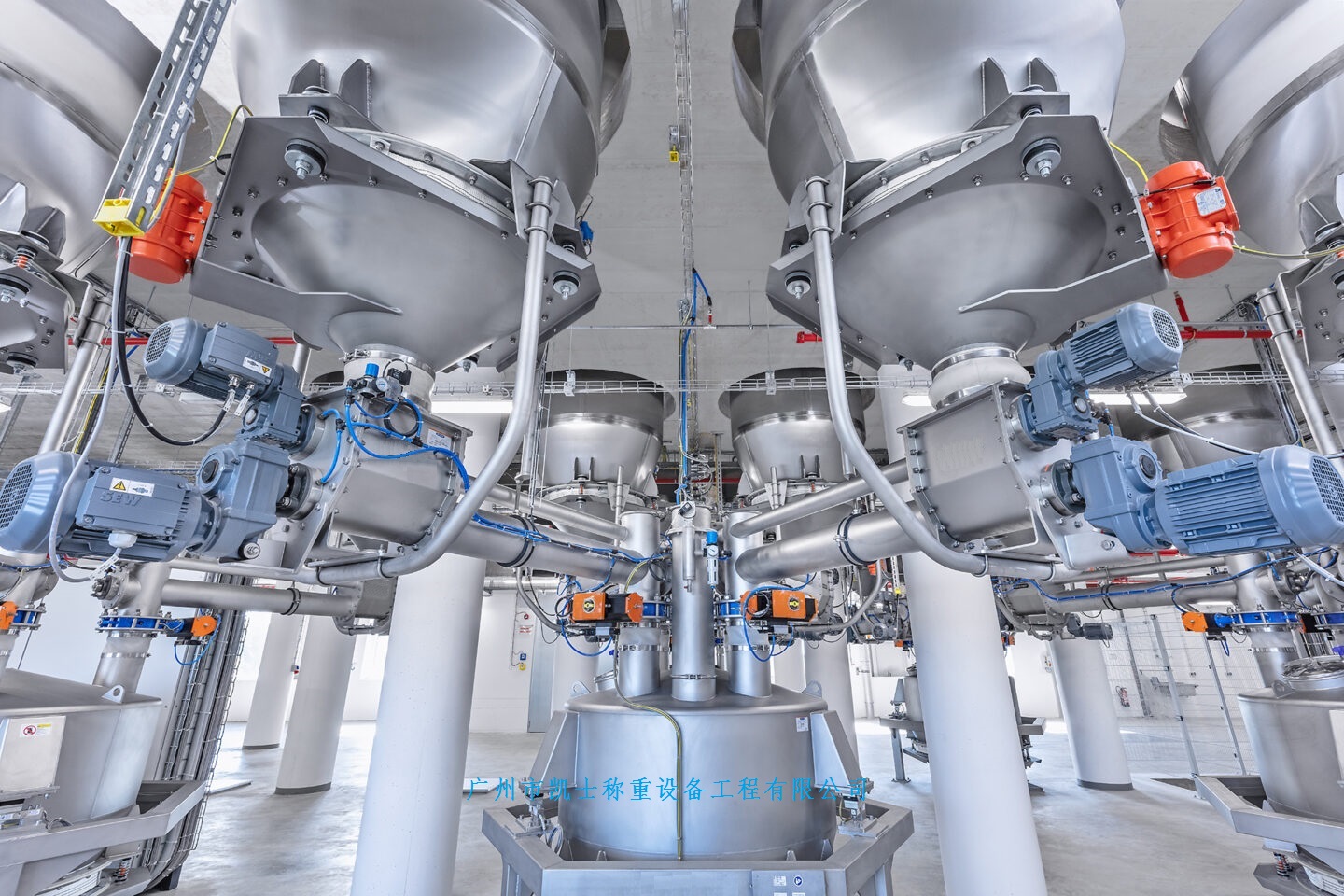


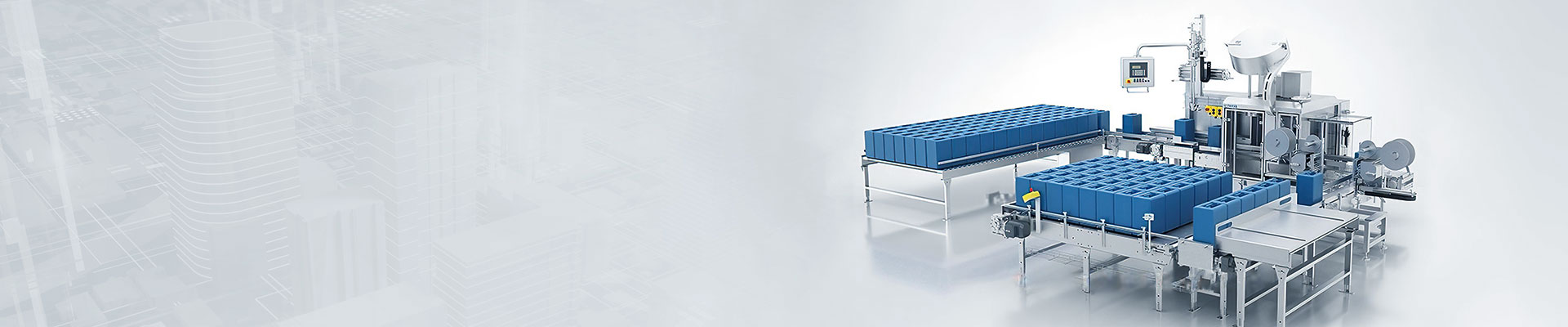


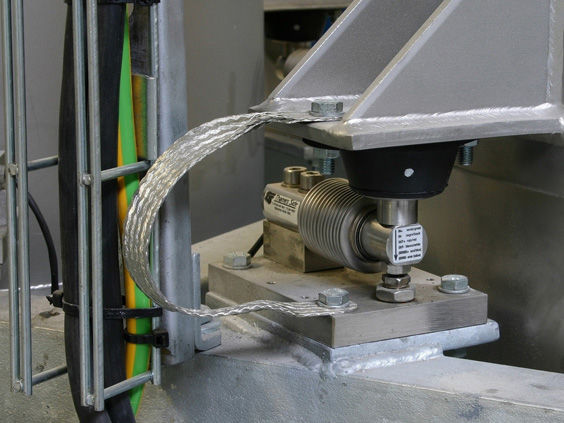
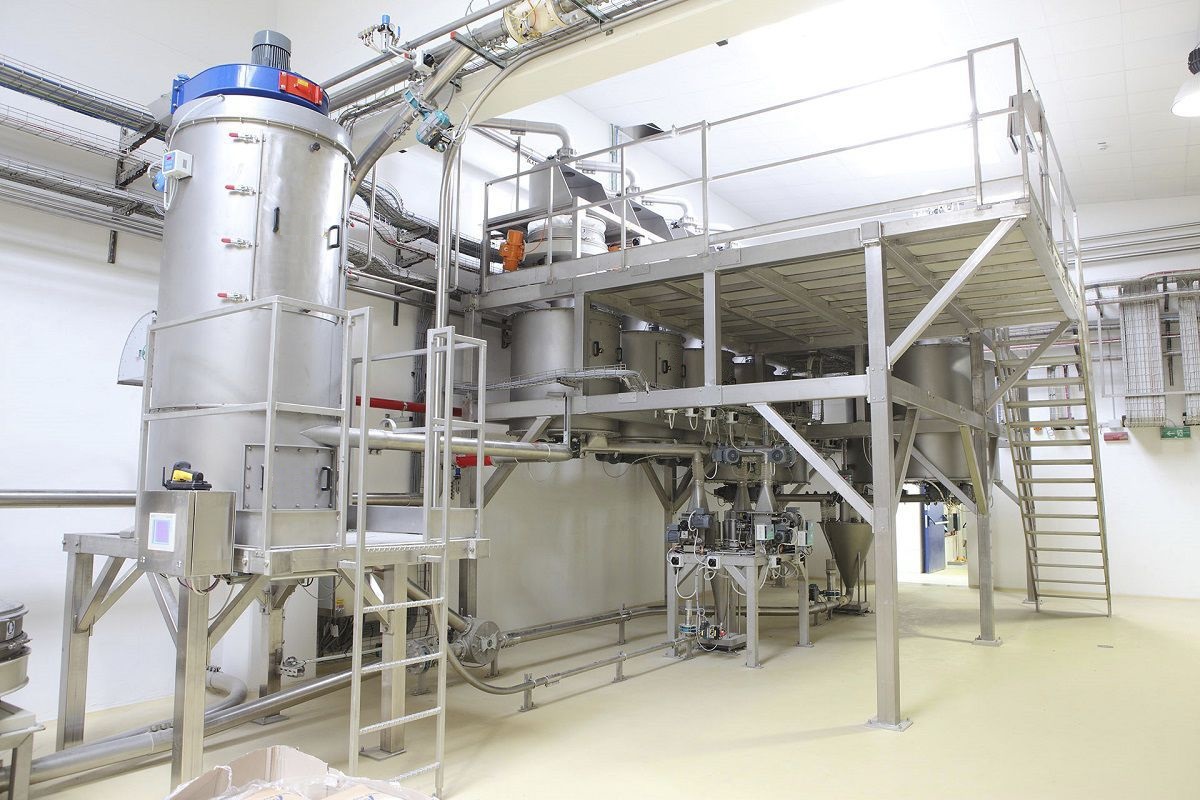


The weighing batching system uses a screw mechanism to add raw materials to the silo. The weighing module detects the quantity of raw materials in the silo. When the quantity drops below this level, an alarm is triggered to prompt timely feeding. The pneumatic hammer is used to vibrate the outer wall of the silo during feeding to improve the flow performance of the raw materials in the electric furnace. The manual gate valve is used for inspection and maintenance when discharging materials to facilitate the isolation of raw materials in the large silo. The hopper feeding screw completes the feeding of the hopper scale. The pneumatic discharge door is opened when discharging. The weighing sensor is used to weigh the weight of the hopper scale and the raw materials inside the silo, and also supports the hopper scale. The hopper scale is used to store the raw materials measured in the current period. The discharge screw of the hopper scale adopts variable frequency control to adjust the speed to achieve precise feeding of the raw materials.

 020-34563445
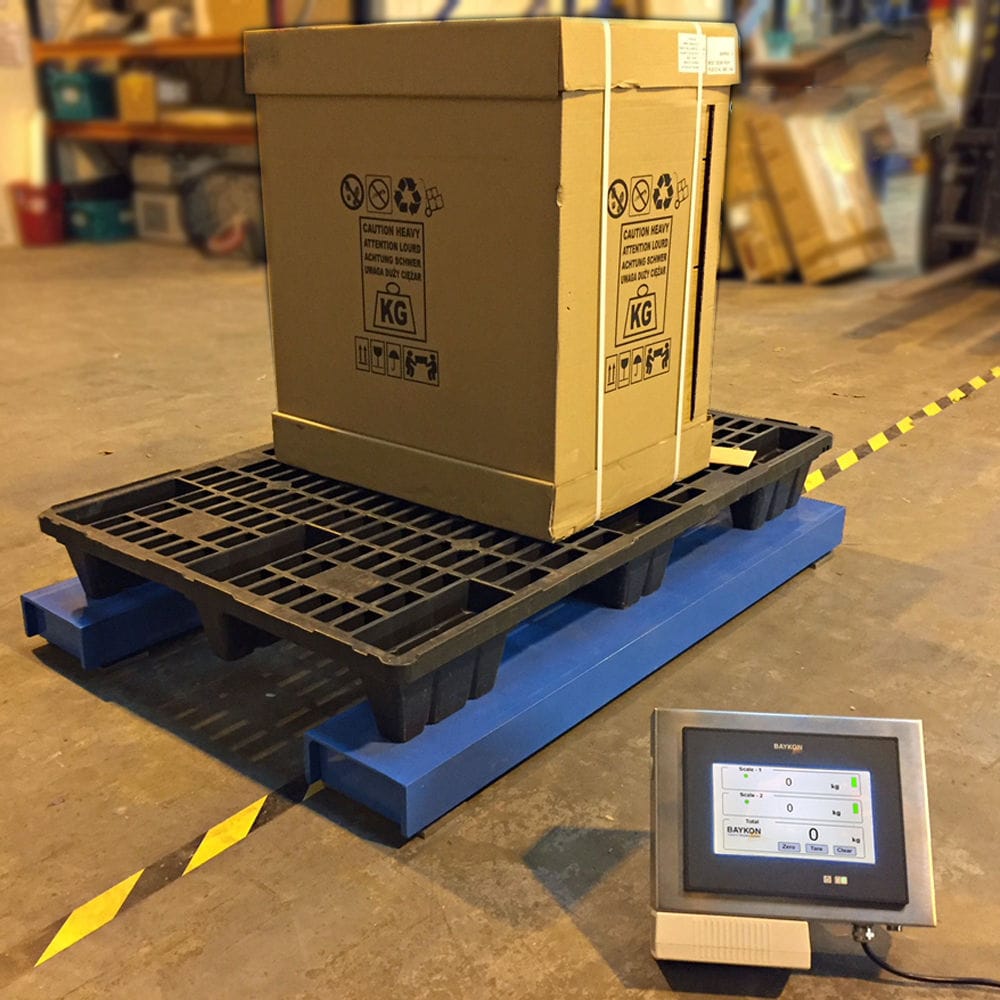
The Batching system is a very important process in the production process of a fine chemical factory. The quality of the batching process is of great significance to the overall quality of the product. The automatic batching control process is a multi-input, multi-output system. Each batching conveying line is strictly coordinated and controlled to monitor and adjust the material level and quantity in a timely and accurate manner. The system consists of a programmable controller and various equipment to form a two-level computer control network. It is connected to on-site weighing instruments, control computers, PLCs, frequency converters and other intelligent devices with high processing speed and high intelligence through field buses. In the automatic batching production process, the main materials and auxiliary materials are combined in a certain ratio, and the batching equipment completes the measurement of the materials conveyed by the conveyor. The PLC mainly undertakes real-time control of the conveying equipment and weighing process, and completes system fault detection, display and alarm, as well as outputting signals to the frequency converter to regulate the motor speed. The hopper scale can achieve weighing and measurement of the batching system through the combination of weighing sensors, weighing instruments, multi-channel junction boxes (including amplifiers), and the control system. This enables the control system to be controlled by the user directly through the PLC to implement multi-stage control and automatic control systems, and the terminal control system. It collects high-precision weighing data. It provides a complete control scheme, integrates weighing display, stores component parameters, data acquisition and processing, feeding and discharging, and the instruments can meet the user's control production requirements, with high integration. The weight signal output by the weighing sensor is mainly collected, processed by internal filtering, and then transmitted to the PLC, which completes other control parts.
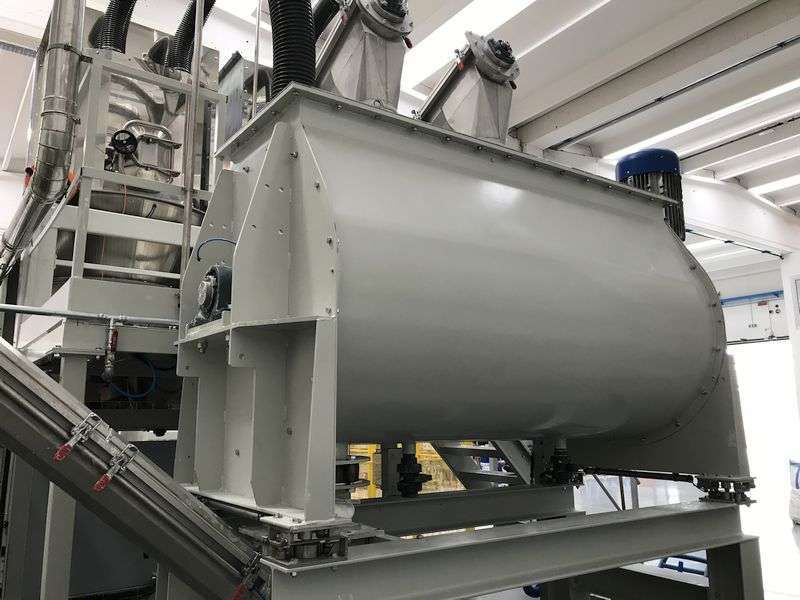
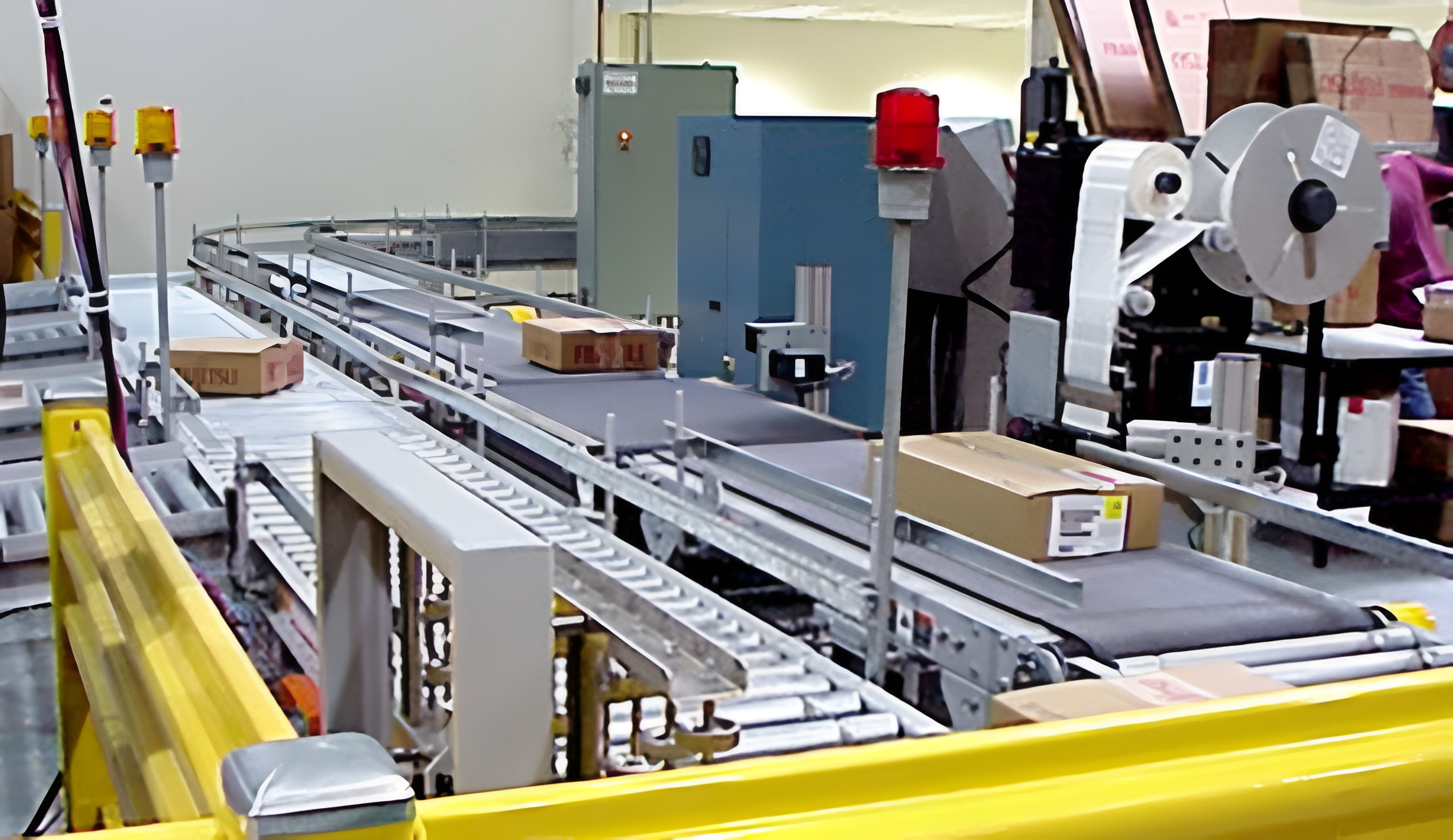
The feeding system stores the materials to be mixed in the material storage warehouse, and then transports them to the weighing mechanism through conveying equipment. The weighing mechanism precisely measures the materials to ensure the accuracy of the material ratio. The mixed materials are transported through pipelines to the mixing equipment, where they are fully mixed. The control system detects the quality of the mixed materials and adjusts parameters such as mixing time and speed to ensure the stability of the final product quality. The feeding system precisely mixes various raw materials according to production requirements, and the stirring system thoroughly mixes the raw materials. The mixing system ensures the uniform distribution of the raw materials, while the transportation system is responsible for delivering the finished products to the designated locations promptly, and the packaging system packages the finished products according to specifications. The operation process of the fully automatic batching production line is as follows: First, the operator inputs the production instructions, and the system automatically batches according to the instructions. The stirring, mixing, transportation, and packaging processes are carried out according to the preset procedures. Finally, the finished products undergo quality inspection, and the products that meet the standards will be output. The entire production process is highly automated.
The reduction Weighing system mainly consists of the following components: the large storage bin (including the upper weighing module and the manual plug valve, pneumatic vibrating hammers), the feeding screw and mixing device, the pneumatic discharge door, the screw Feeder, and the sensors and hopper scale. The storage bin is used to store raw materials and is achieved through a screw to add the raw materials to the storage bin. The weighing module detects the stock of the storage bin's raw materials and issues an alarm when it is below a certain level, prompting timely feeding. The pneumatic hammer is used to vibrate the outer wall of the storage bin during feeding to improve the flow performance of the raw materials in the electric furnace. The manual plug valve is used for inspection and maintenance when the discharge screw and mixing device need to be isolated to prevent the raw materials in the large storage bin from flowing out. The hopper feeding screw completes the feeding to the hopper scale, and the pneumatic discharge door is opened when discharging. The weighing sensor is used to weigh the weight of the hopper scale and the raw materials inside the storage bin, and also supports the hopper scale. The hopper scale is used to store the raw materials measured at the current time. The discharge screw of the hopper scale adopts variable frequency control to adjust the speed and accurately feed the raw materials.
The hopper scale adopts a platform frame. The frequency converter electrical box is fixed on the platform frame. The frequency converter is installed inside the frequency converter electrical box. On one side of the frequency converter electrical box, a weighing platform frame is installed. A cover shell is placed on the top of the weighing platform frame. The weighing module is installed between the weighing platform frame and the cover shell through sensor pads. Above the cover shell is an installation plate. The middle part of the installation plate is connected to the spiral storage bin through a bin body connection plate. The output end of the spiral storage bin is equipped with a downward discharge port. The internal of the spiral storage bin is installed with a screw. The tail end of the screw is sleeved with a connecting bin. One end of the connecting bin is fixed to the connection plate of the bin body, and the other end is connected to the motor. The motor is connected to the internal circuit of the frequency converter. The upper part of the middle section of the spiral storage bin is provided with an opening. A conical-shaped storage bin with a structure is installed at the opening. The top of the storage bin is equipped with an upper cover plate. The screw and the analog quantity control of the frequency converter can enable the hopper scale to quickly reach a stable state. Then, it can precisely mix the ingredients as required, improve the accuracy of ingredient mixing, increase production efficiency, and reduce costs.
The weight reduction weighing system controls the reduction amount based on the operation of the silo. The weight of the materials inside the silo is converted into analog signals by the weighing sensor and the weighing instrument and sent to the PLC. The PLC compares and judges the calculated material weight with the set upper and lower weight limits, and controls the feeding device to intermittently feed materials into the silo. At the same time, the PLC compares the calculated actual discharging rate (discharging capacity) with the set discharging rate, and controls the frequency converter through internal PID regulation to control the discharging device, so that the actual discharging rate accurately tracks the set value. When the feeding device starts to feed materials into the silo, the control signal locks the discharging rate and performs volumetric discharging. The human-machine interface will display the actual discharging rate and the cumulative weight of the discharged materials.
In the weighing system of the reduction weighing system, the materials enter the buffer bin from the storage bin. The feed valve, dust collection valve and air inlet valve of the buffer bin are opened, while the air inlet valve, feed valve of the hopper scale and dust collection valve are closed. When the accumulated materials reach the material switch, the feed valve and dust collection valve of the buffer bin are closed. The screw conveyor continuously and uniformly discharges materials outward. The material weight of the hopper scale keeps decreasing. When the weight of the material in the hopper scale reaches the lower limit, the feed valve, dust collection valve and air inlet valve of the buffer bin are opened, while the air inlet valve of the hopper scale is closed. Then, the feed valve, dust collection valve and air inlet valve of the buffer bin are closed, and the air inlet valve of the hopper scale is opened. The above process is repeated in sequence during production.