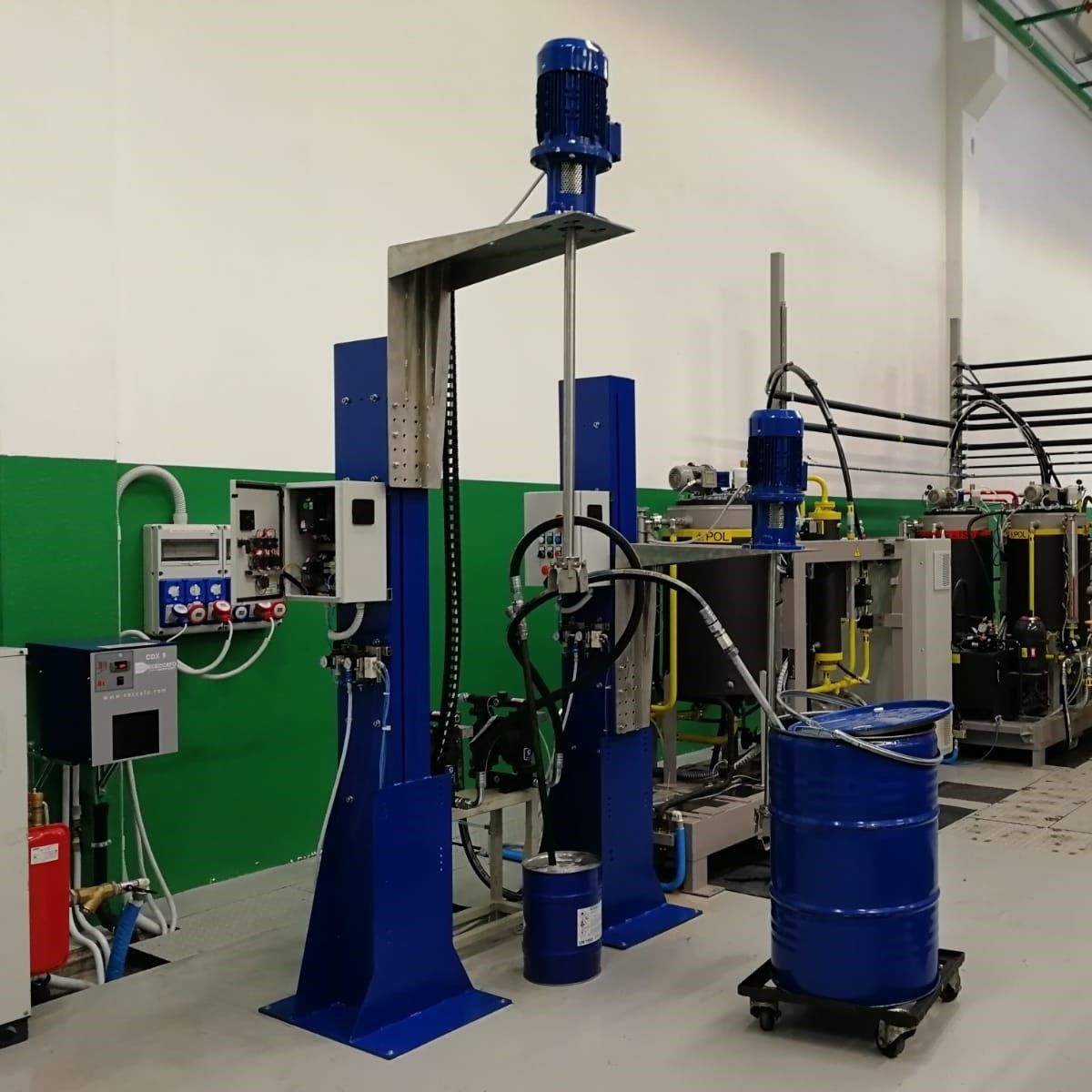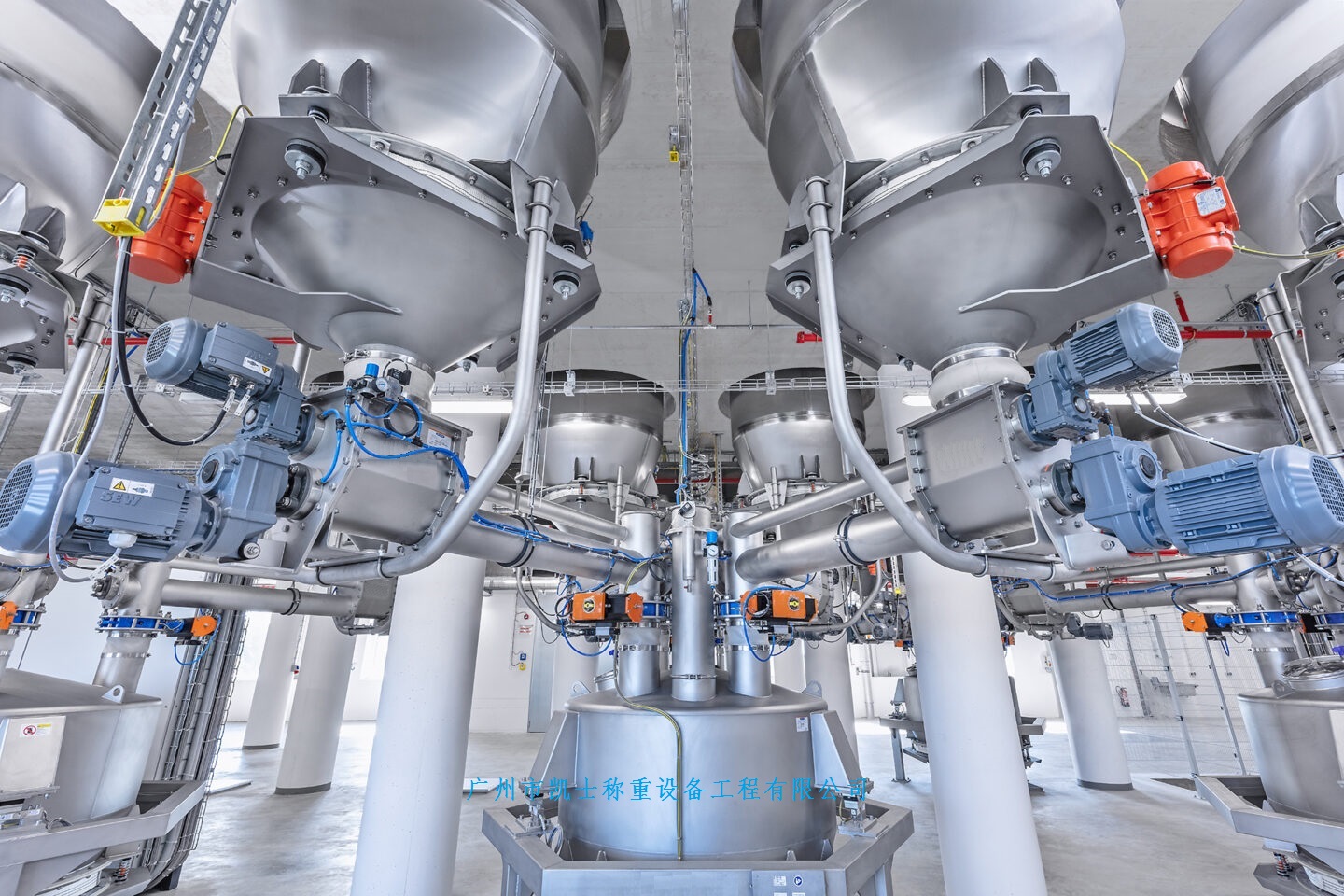



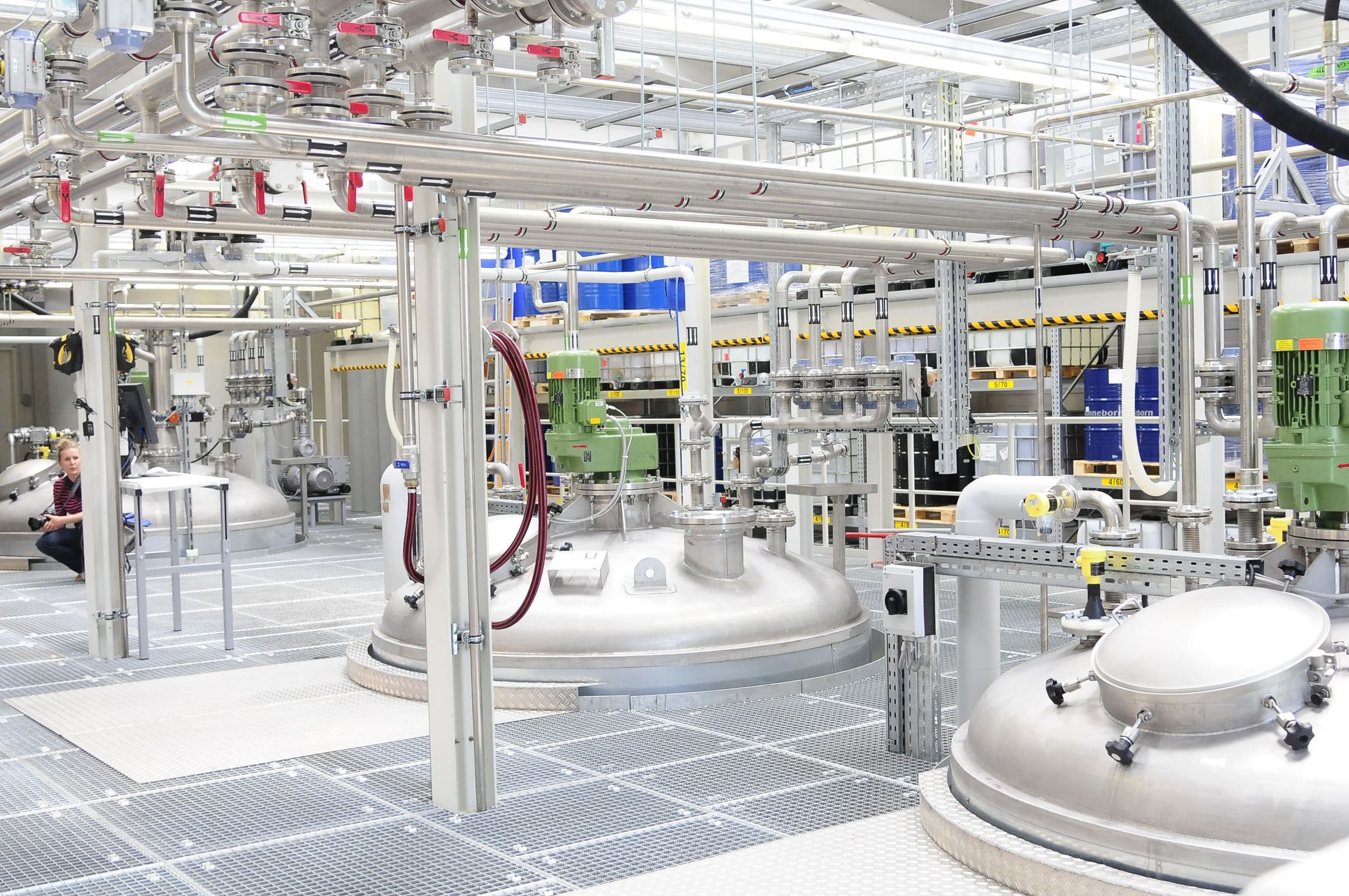


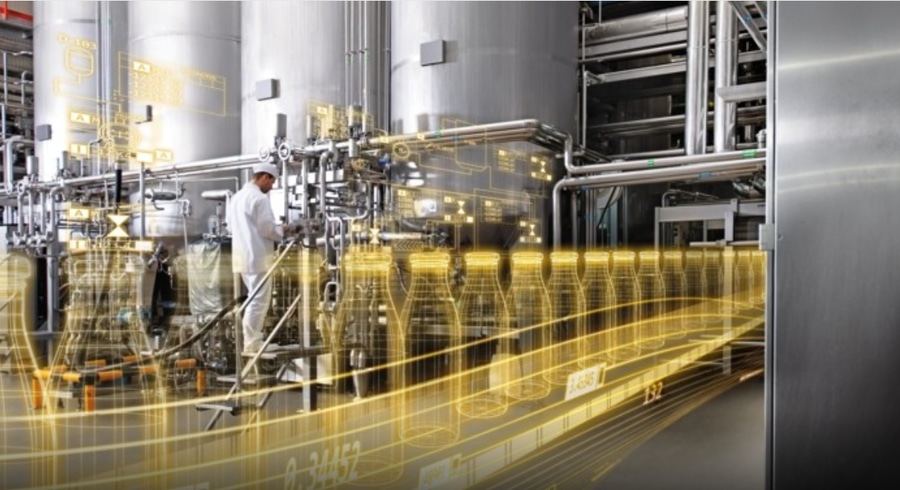
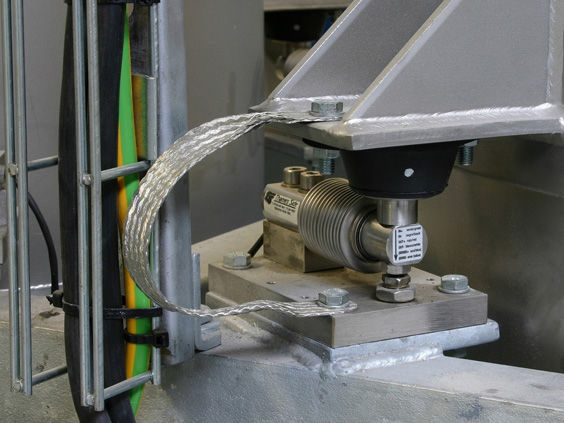
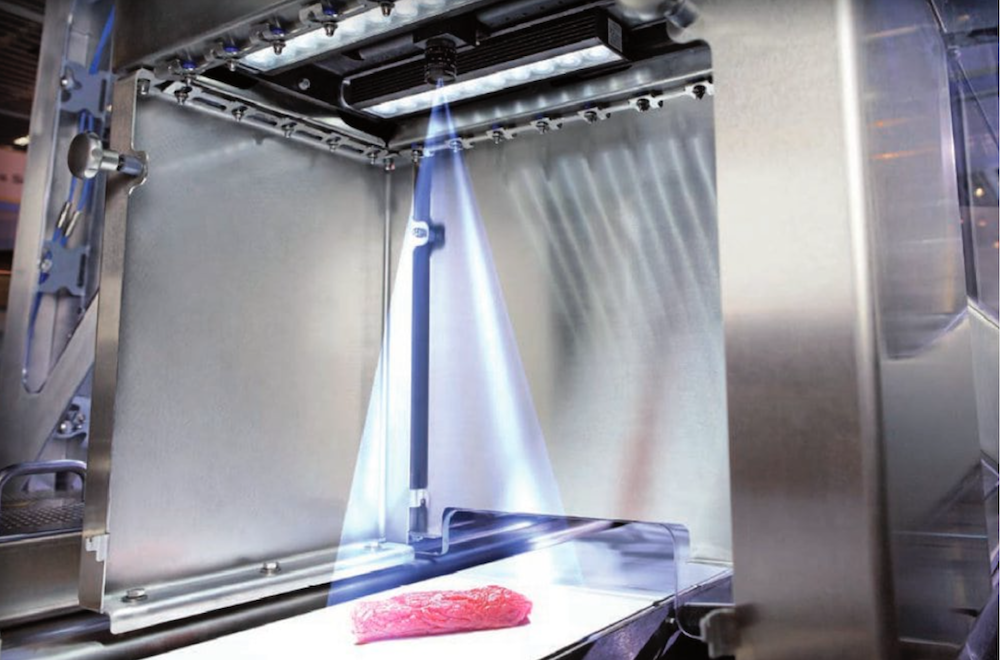
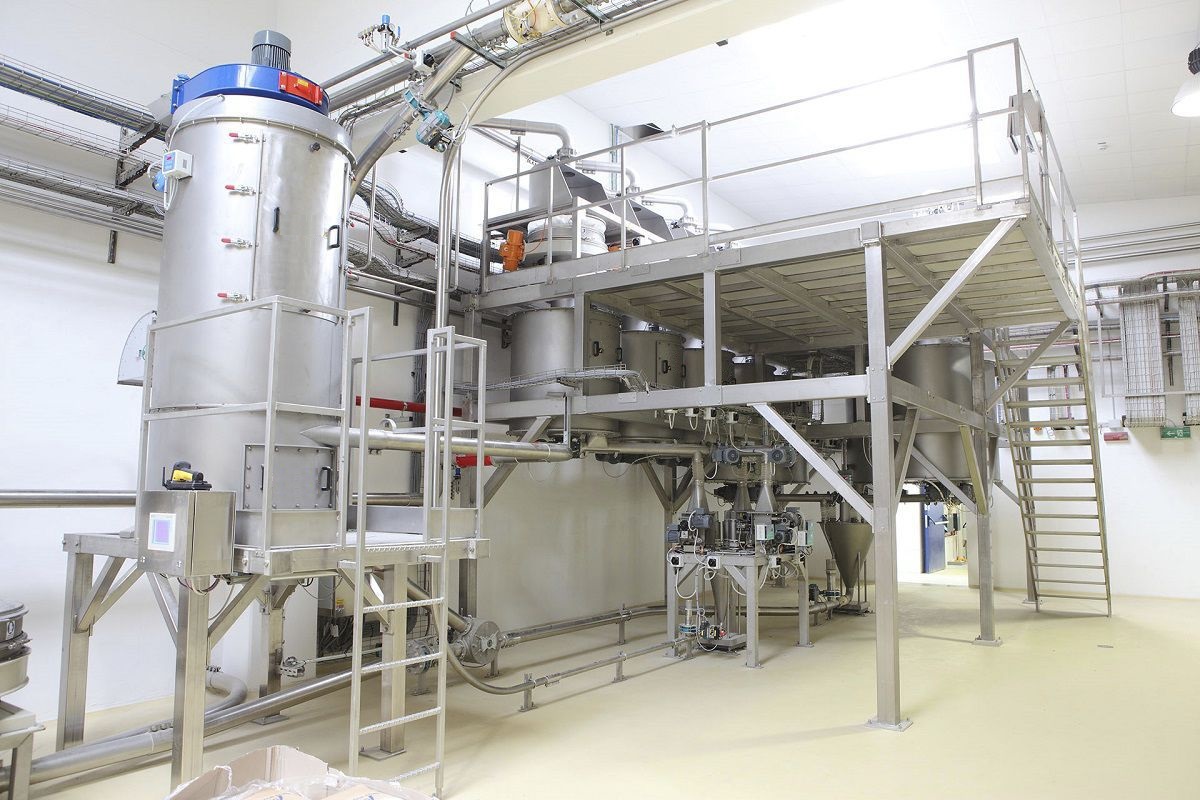
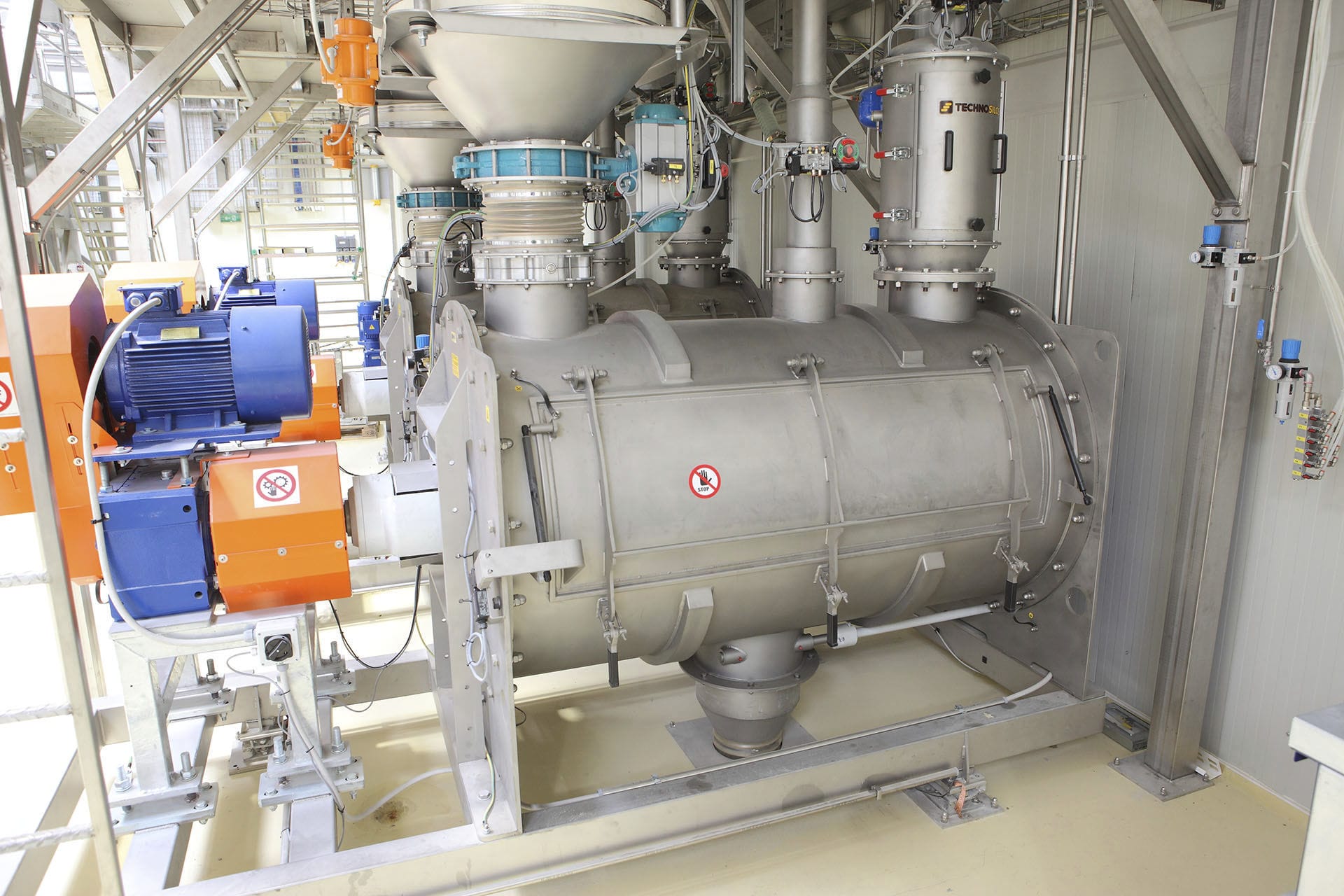
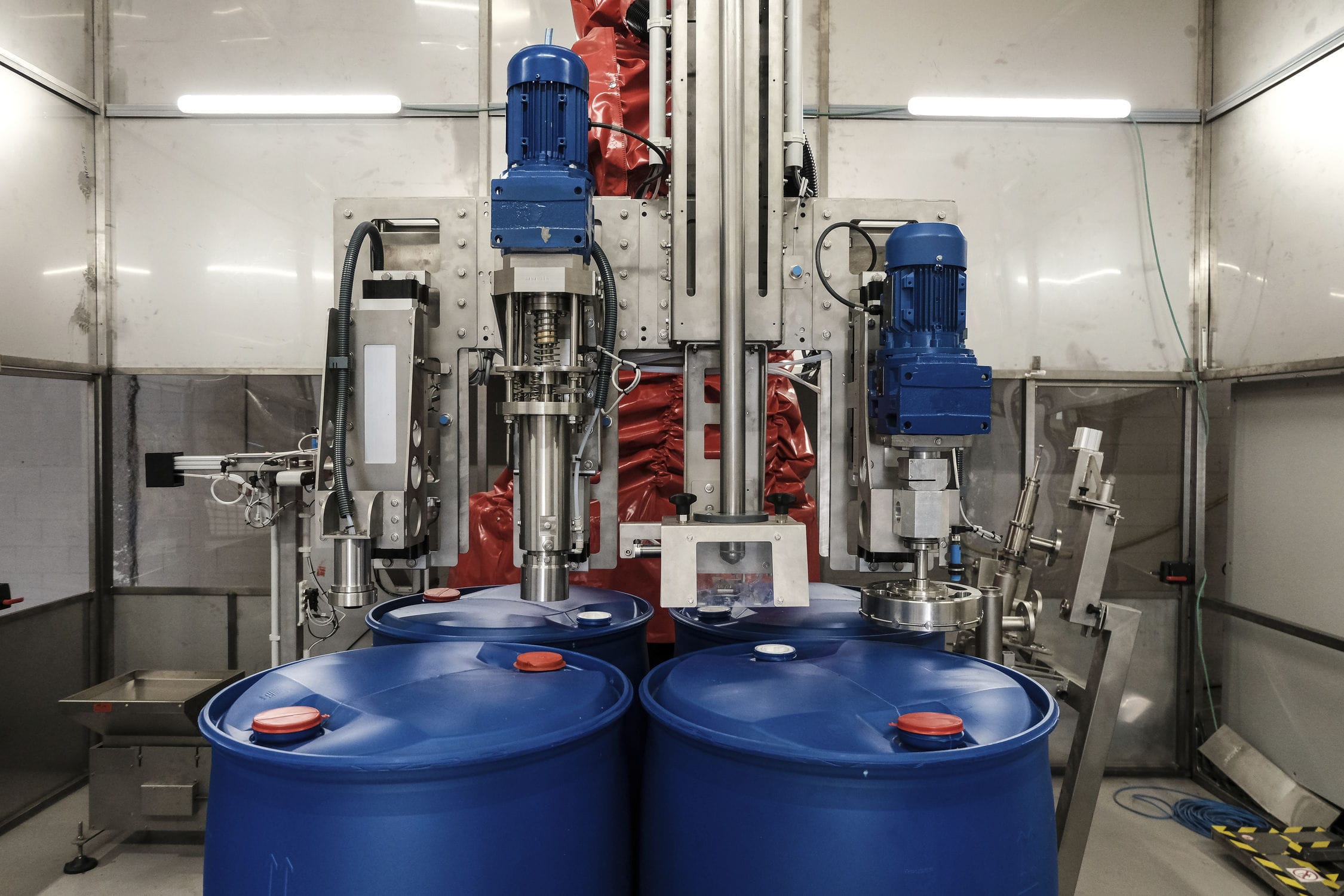
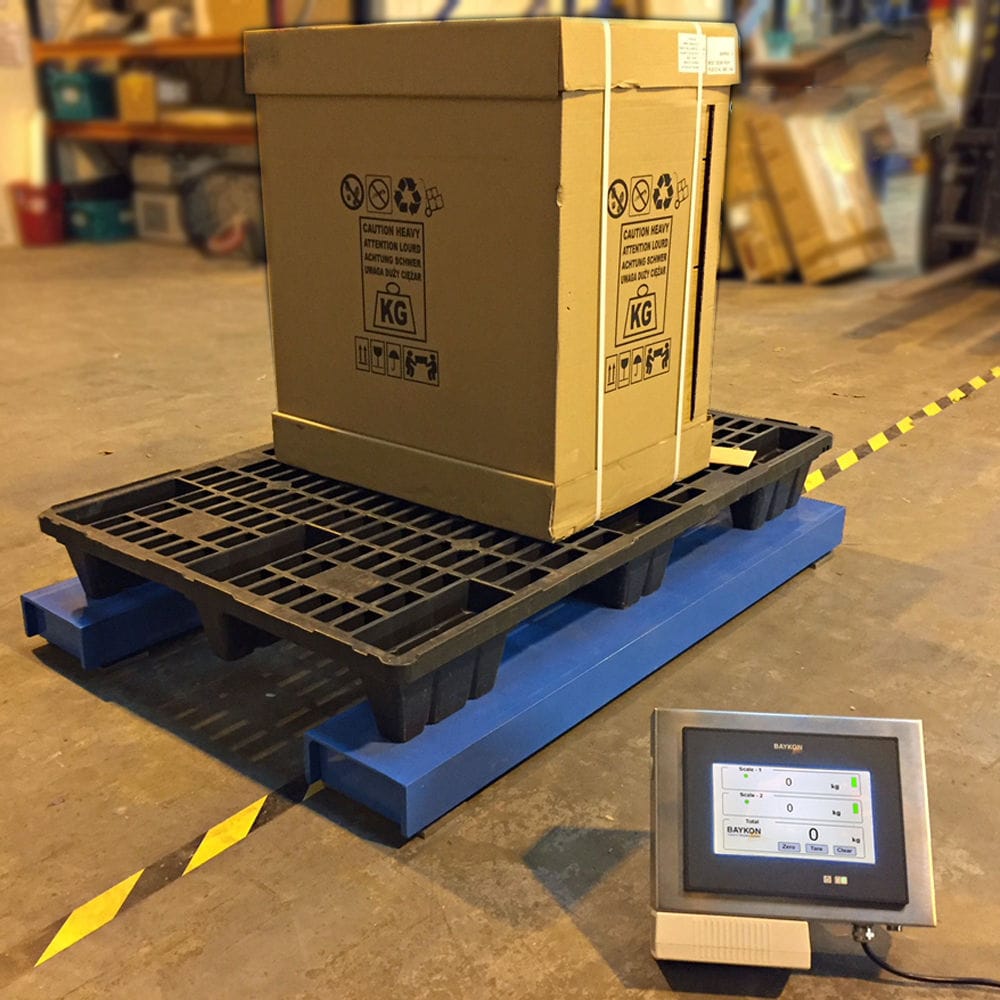


The weighing reaction tank is composed of a PLC control system, weighing instruments, material tanks, stirring motors, weighing modules and signal distributors. The PLC is used to configure switch control such as start and stop, opening and closing of the silo door, and to detect the status of the silo door and operation configuration, as well as to implement interlocking of the batching system.

 020-34563445
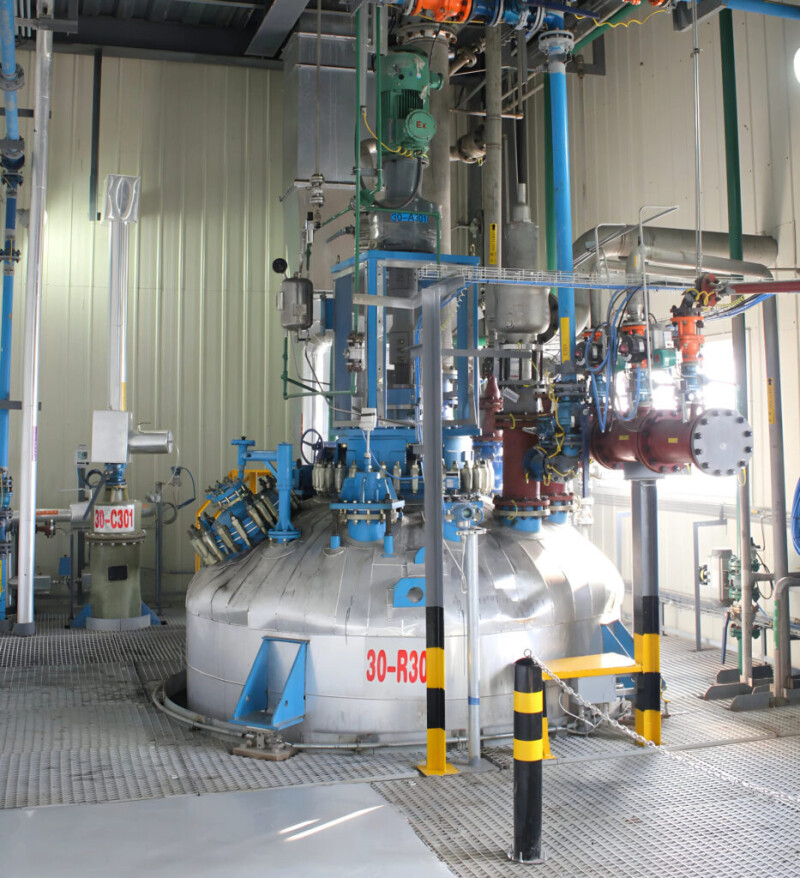
The weighing reaction tank is composed of a PLC control system, weighing instruments, material tanks, stirring motors, Weighing modules and signal distributors. The PLC is used to configure switch control such as start and stop, opening and closing of the silo door, and to detect the status of the silo door and operation configuration, as well as to implement interlocking of the Batching system. The PLC and the weighing control instrument are connected in an I/O manner and directly incorporated into the batching control. It features weighing signal collection, fast and slow addition control, and self-tuning of overshoot, and can modify the input of material and parameters. Each scale is equipped with three weighing modules. Their signals are sent to the distributor and connected in parallel to the bridge wall. After voltage division, they are sent to the weighing control instrument.
The materials are fed into the mixing tank from their respective material level Feeders, and the small materials are pre-mixed and then sent to the small silo. When the lower limit alarm of the reaction tank silo is triggered, the batching system starts up. First, the screw conveyor, the feeding system and the feeding system are started in sequence. At the same time, the weighing control instrument begins batching according to the formula. The start of batching is interlocked with the closing of the hopper door, meaning that batching can only begin when the hopper door is closed. When preparing ingredients, the addition of materials can be divided into fast addition and slow addition. Quick addition refers to the rapid addition of materials when the weighing mass is not close to the material volume. If the flow rate has not reached the specified flow rate, the mixing tank starts to vibrate until it reaches the specified flow rate. Slow feeding refers to starting to add materials slowly when the weighing mass approaches the material volume. At this time, it is not allowed for the silo to vibrate. When the weighing in the three weighing bins is completed, request the PLC to release materials. Under the condition that the material doors are fully closed, allow the batching weighing controller to control the release of materials. After the material is discharged, the PLC controls the closing of the material doors. Once all the material doors are fully closed, the PLC allows the next type of material to be loaded. The mixing and stirring are controlled by PLC timing. The mixer is always stirring. During stirring, liquid is added quantitatively. The material bin must be discharged when the material door of the temporary storage hopper is closed (if the temporary storage hopper is equipped with a weighing scale) and the scale is empty. After the material and miscellaneous bin is closed in place, the temporary storage hopper begins to discharge materials.