



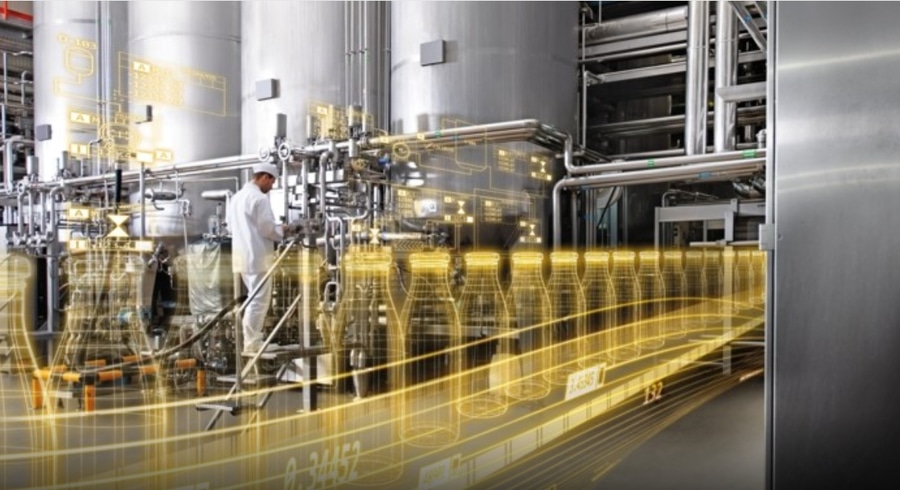
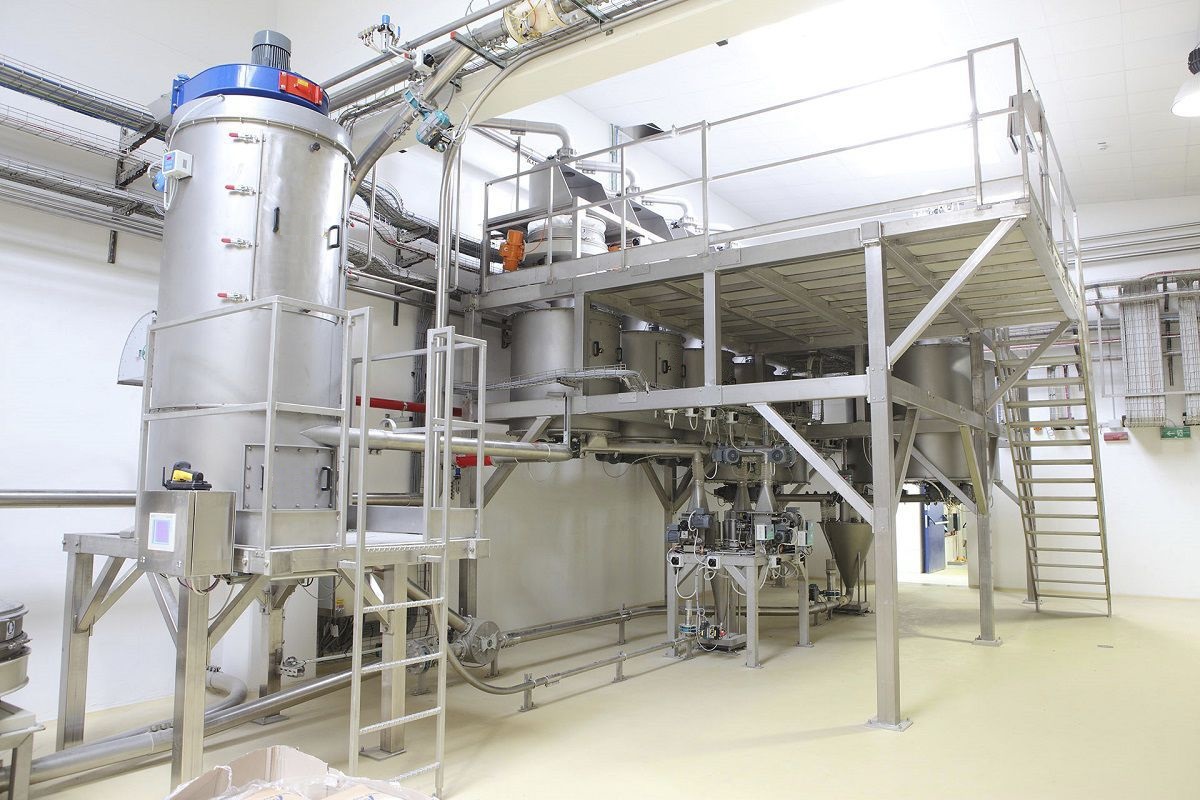
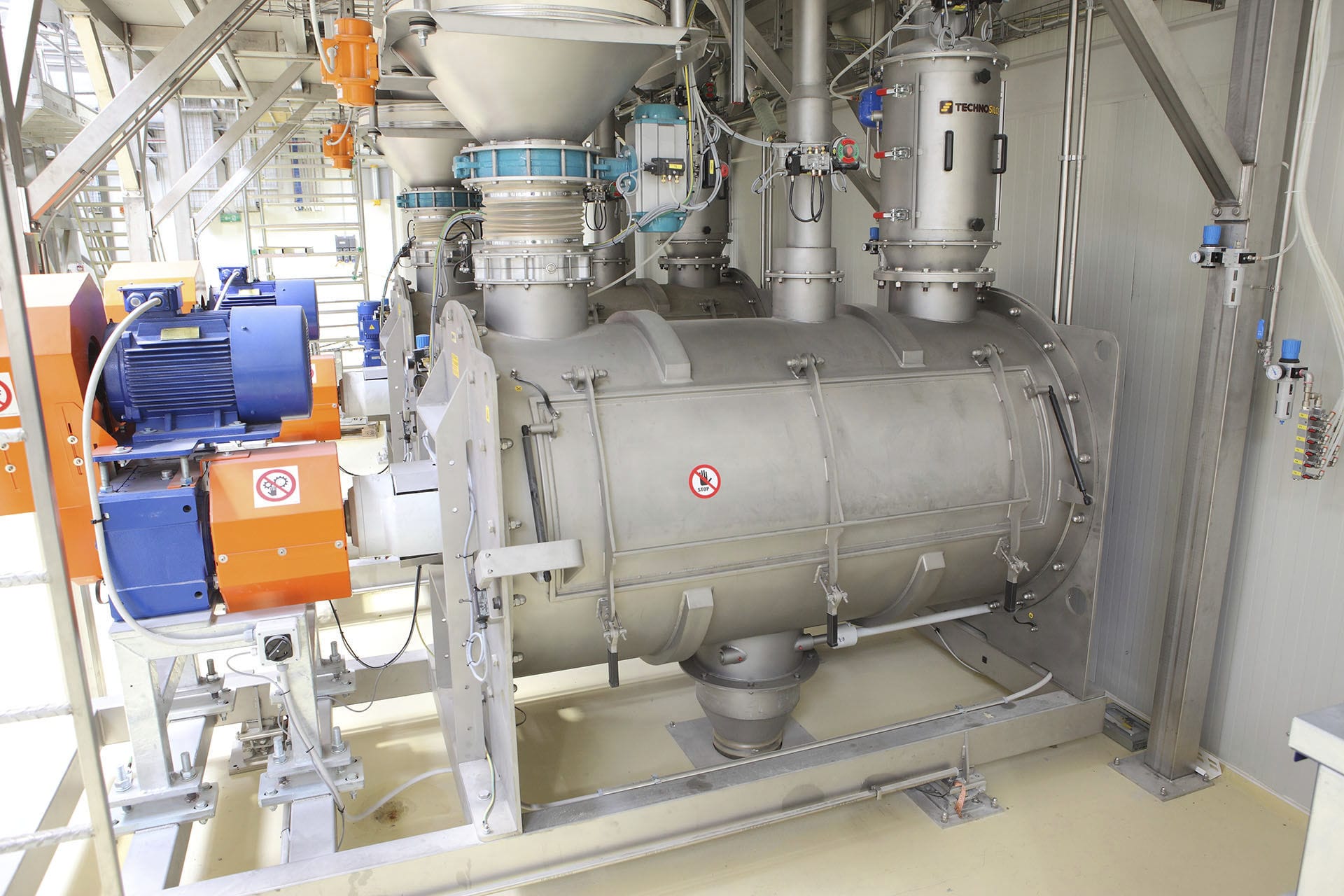
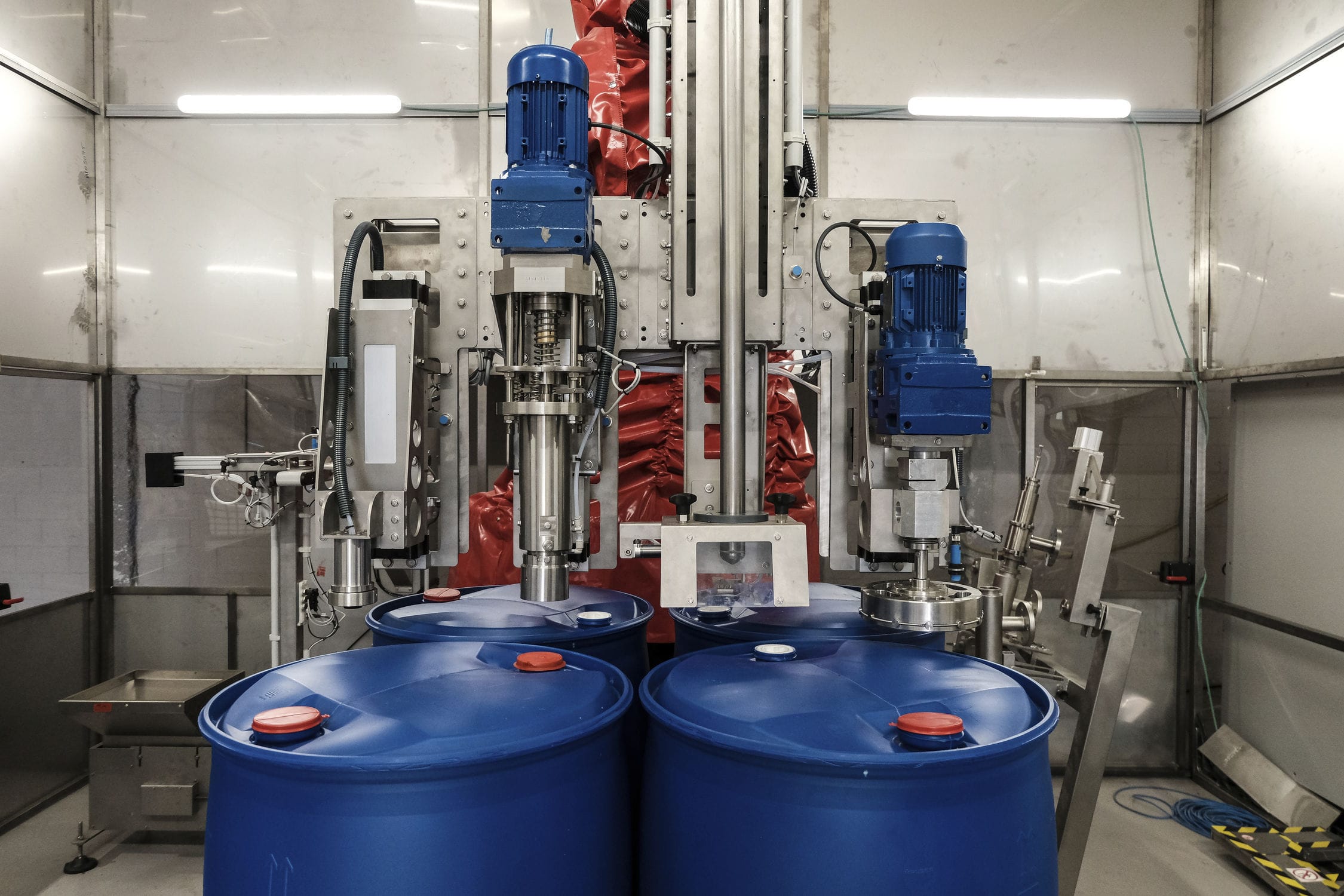
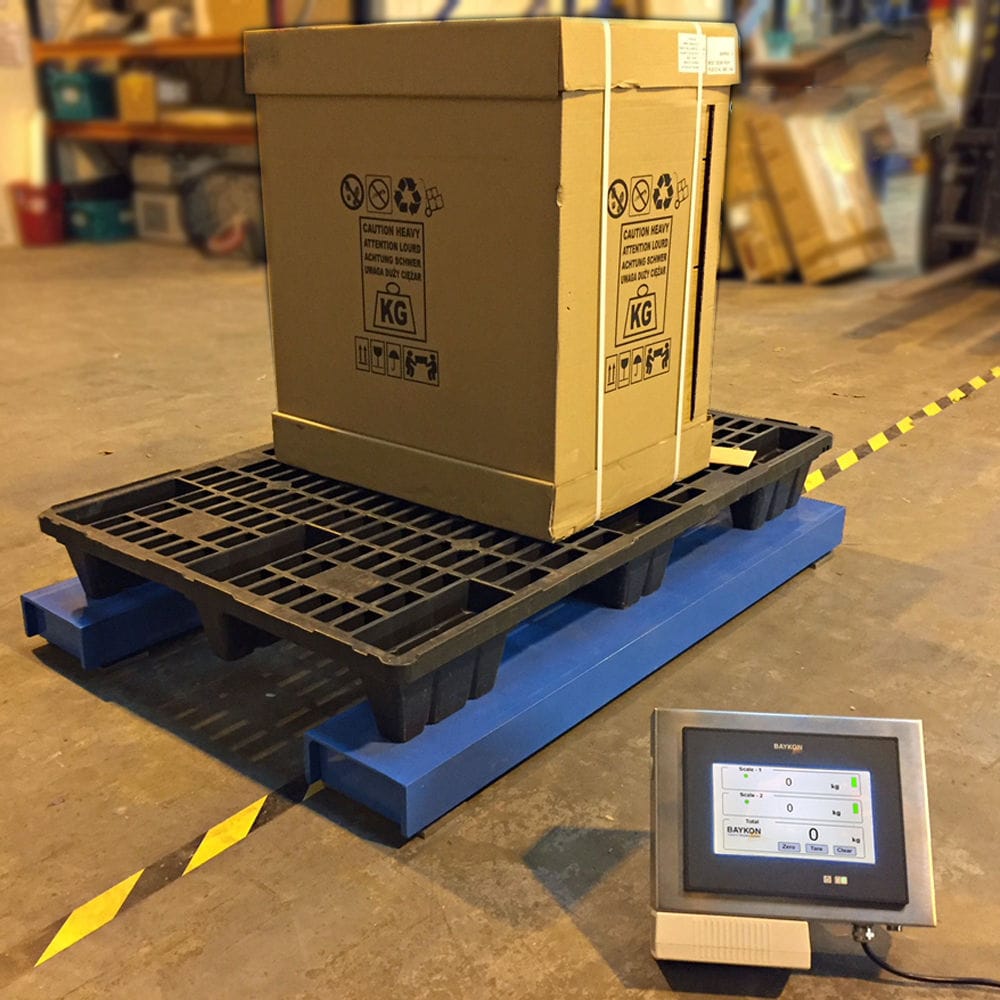


The electronic mixing scale is a multi-input and multi-output system. Each of the ingredient conveying production lines is strictly coordinated and controlled, and the material level and flow are monitored and adjusted in a timely and accurate manner. A two-level computer control network composed of a programmable controller and the material tank weighing system connects the on-site instruments and meters, control computers, PLCs, frequency converters and other intelligent devices with high processing speed and fast response.
 020-34563445
The electronic mixing scale is a multi-input and multi-output system. Each of the ingredient conveying production lines is strictly coordinated and controlled, and the material level and flow are monitored and adjusted in a timely and accurate manner. A two-level computer control network is composed of PLC and the Electronic scale system of the material tank. Through the field bus, the on-site Weighing system, control computer, PLC, frequency converter and other intelligent and fast-processing equipment are connected. In the automatic ingredient mixing production process, the main material and auxiliary material are combined in a certain proportion, and PLC mainly undertakes real-time control of the ingredient mixing and weighing process, and completes the detection, display and alarm of system faults, while outputting signals to the frequency converter to regulate the motor speed.
The electronic scale automatically quantitatively adds two or more materials in a certain weight ratio to the mixed ingredient tank, and automatically discharges after mixing to meet the predetermined requirements. A computer with stable performance is used to complete data acquisition and communication processing, which is convenient for providing processing accuracy and reducing costs. Data output and management are carried out through the computer's own COM communication interface. A Mitsubishi F900 touch screen is selected to replace the conventional weighing display as the human-machine interface, making the interface programming of PLC and weighing display simpler and enhancing the display function.
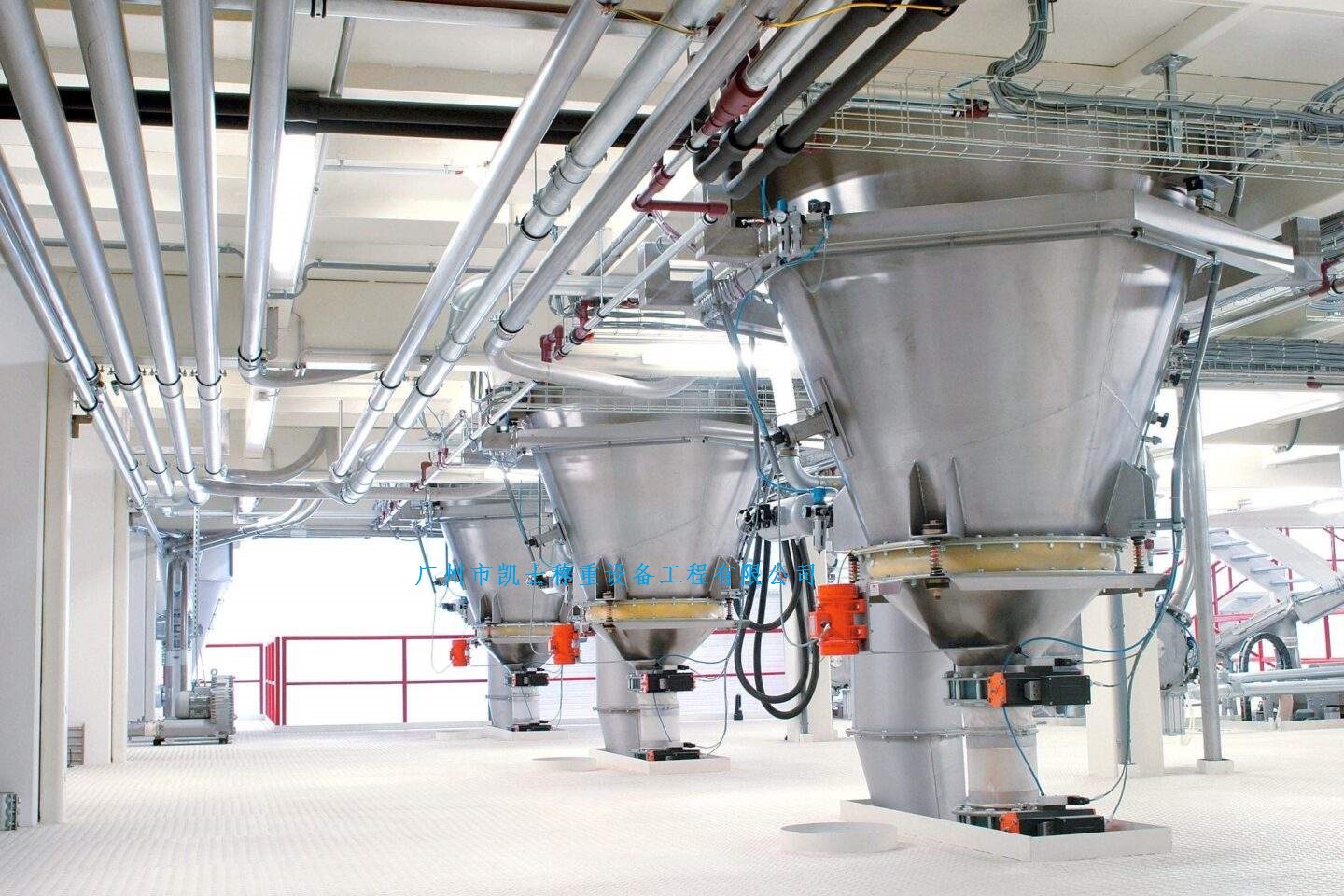
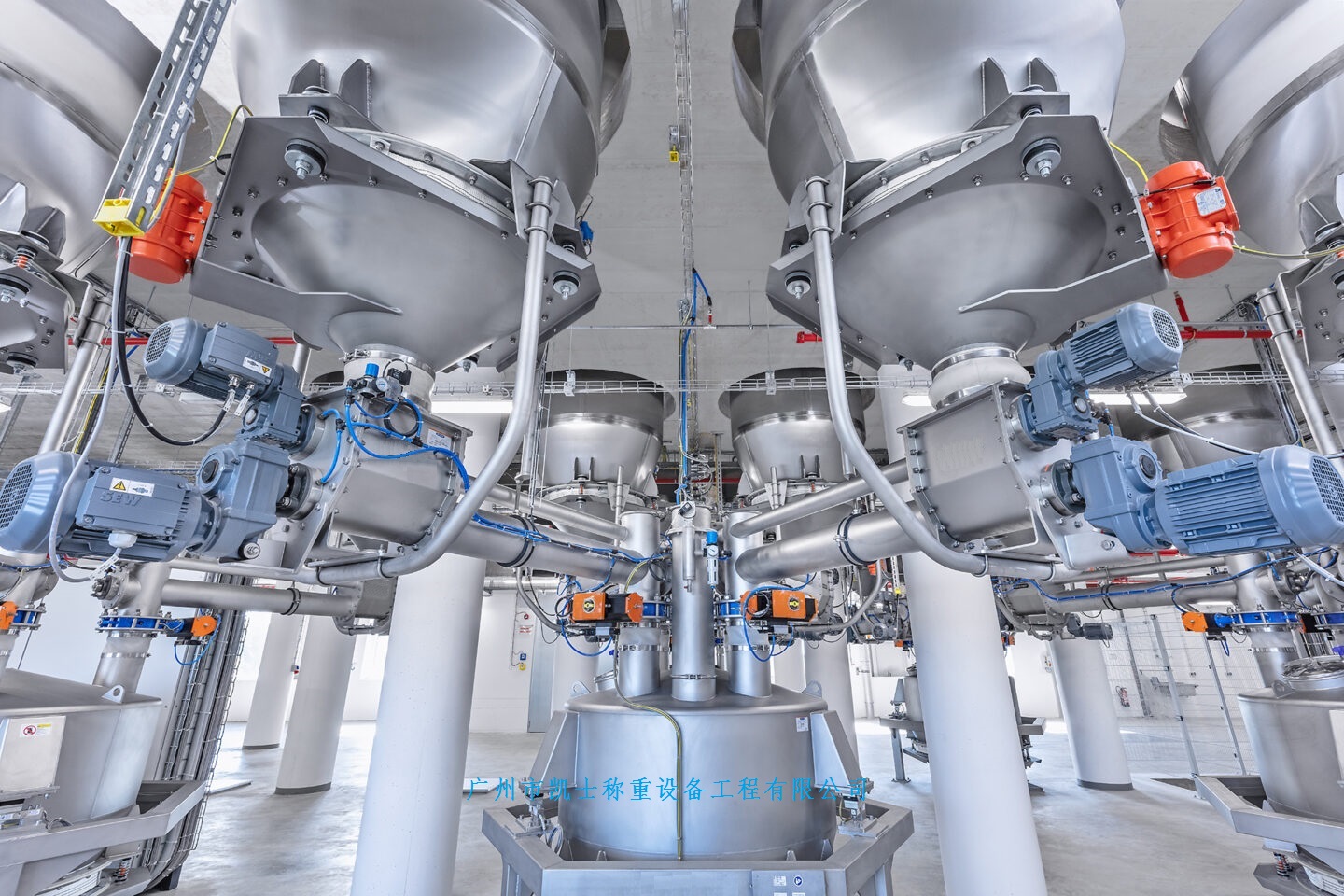
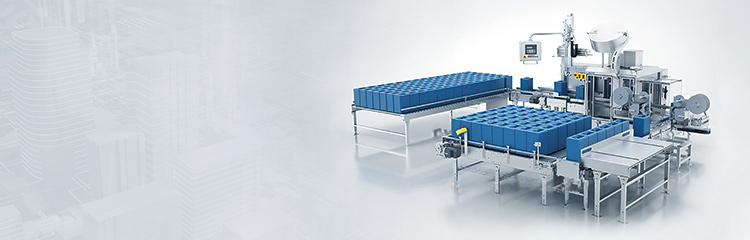
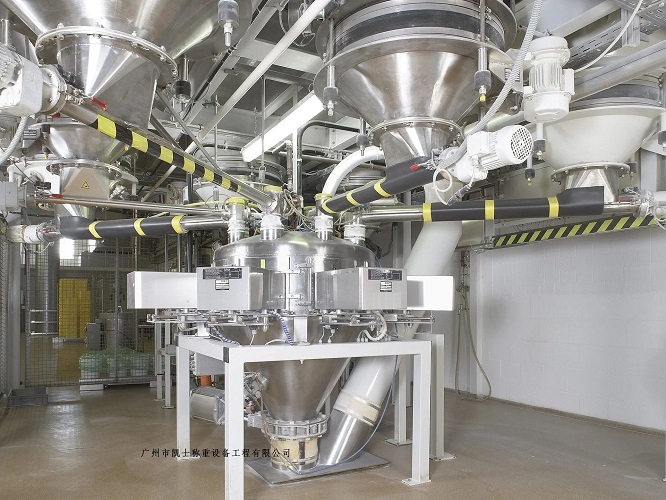
The weighing hopper of the scale includes a main frame with a self-driven device, and the main frame is equipped with a discharge funnel. The lower part of one side of the discharge funnel is provided with a hopper door, and a vibrating Feeder is set at the bottom of the discharge funnel. The vibrating feeder is fixedly installed by a suspension bracket, and the output end of the vibrating feeder is equipped with a weighing hopper. The bottom of the weighing hopper is equipped with a discharge hopper door that controls its opening and closing, and the bottom of the weighing hopper is equipped with a discharge hopper. The discharge hopper is installed above the ground belt conveyor. The weighing hopper and the discharge hopper are both installed on the scale frame, and the bottom of the scale frame is installed with a fixed bracket.
The structure of the scale control system consists of the metering and dispensing system, the data acquisition system and the PLC system, etc. A scale is installed at the lower part of the screw conveyor, and speed sensors and electronic scales and other components are installed. The external connection is made with a signal acquisition and signal conversion device. The electronic scale signal is transmitted to the PLC through RS-232 serial port data acquisition technology, and the material output volume is measured by the PLC, and the instantaneous output speed is monitored. The automatic discharge process is controlled by the electronic scale and pneumatic valves, etc., to control the on-off quantities of the discharge pump motor and the electromagnetic valve, and complete the automatic discharge function.
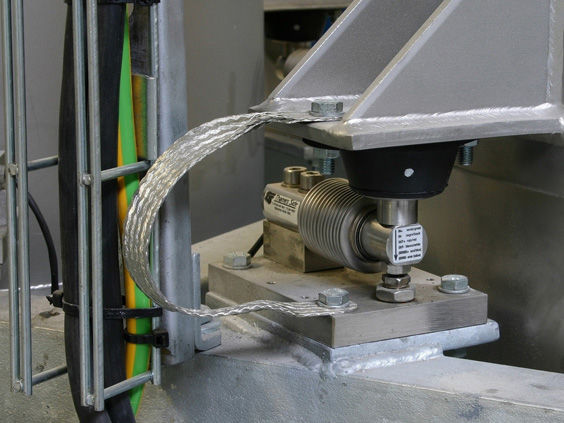
The weighing system measures the material by loading the stress changes on the electronic scale, causing the strain gauge to deform, and realizing the weighing measurement through the resistance change relationship. The weighing measurement process is to measure the output volume by recording the mass difference. The weighing discharge system mainly consists of a conveying pump, an electromagnetic valve, an electronic scale, an air valve and a PLC system. The pneumatic valve is used to control the connecting pipeline valves of the scale, and the PLC controls the pneumatic valve to achieve the on-off quantity control of the motor and the electromagnetic valve, realizing the control and automatic measurement of the scale by the PLC.
During the weighing process, when the material quantity in the hopper reaches a certain quality, the external discharge pump automatically opens for discharge. When the material quantity in the hopper is reduced to a certain quality, it is automatically closed to complete a measurement cycle. In response to the characteristics of intermittent discharge from low-yield storage bins, during one production interval, the storage bin has no production and lasts for a long time. Even if the material quantity in the hopper does not reach the standard weight, the electronic scale, through judging the instantaneous production speed, determines whether it is in the production interval, automatically records the data and opens the external discharge pump for discharge to prepare for the next production period measurement. The system uses the measurement method of discharging during the production interval to reduce the measurement error of the control system.