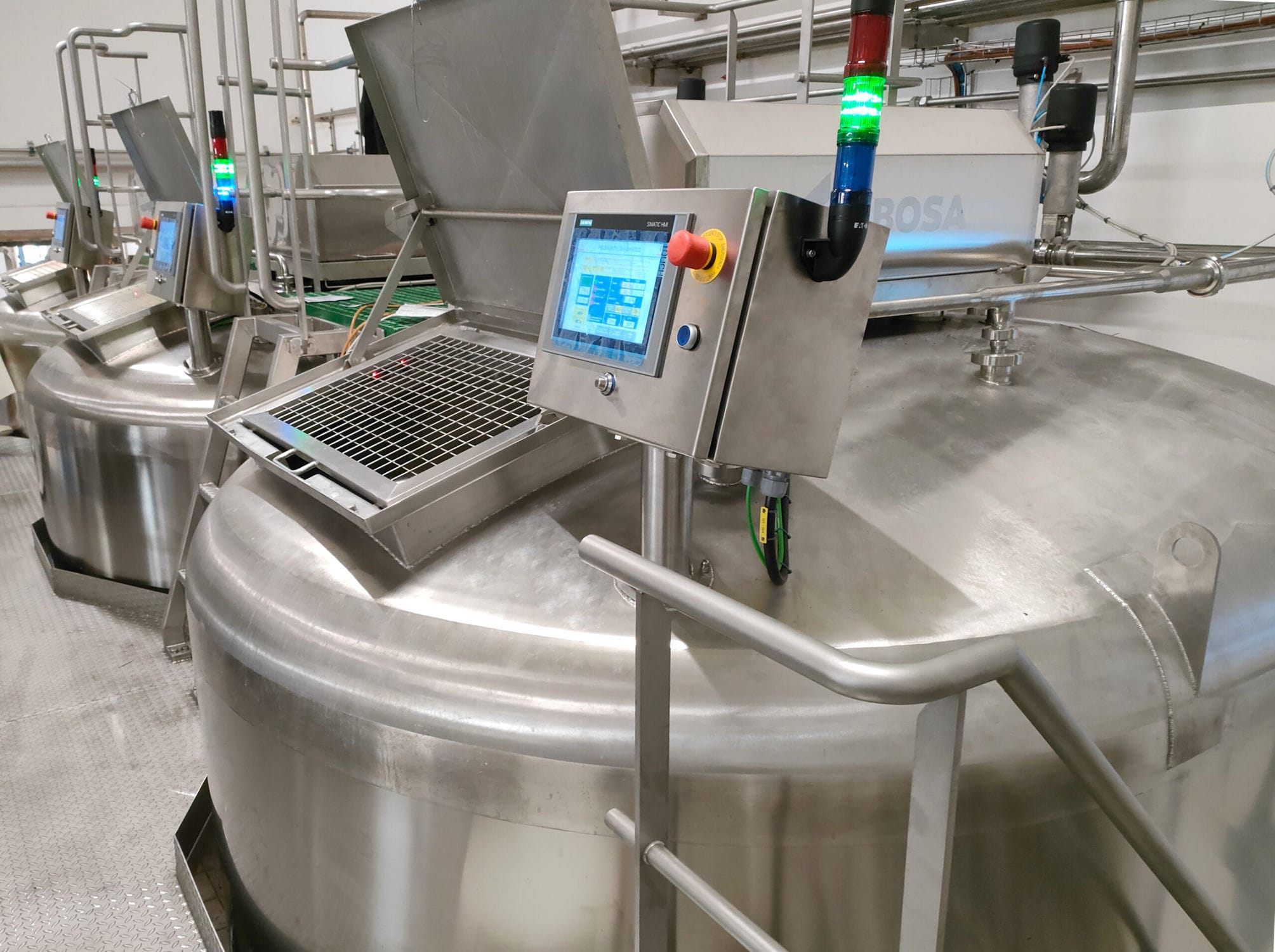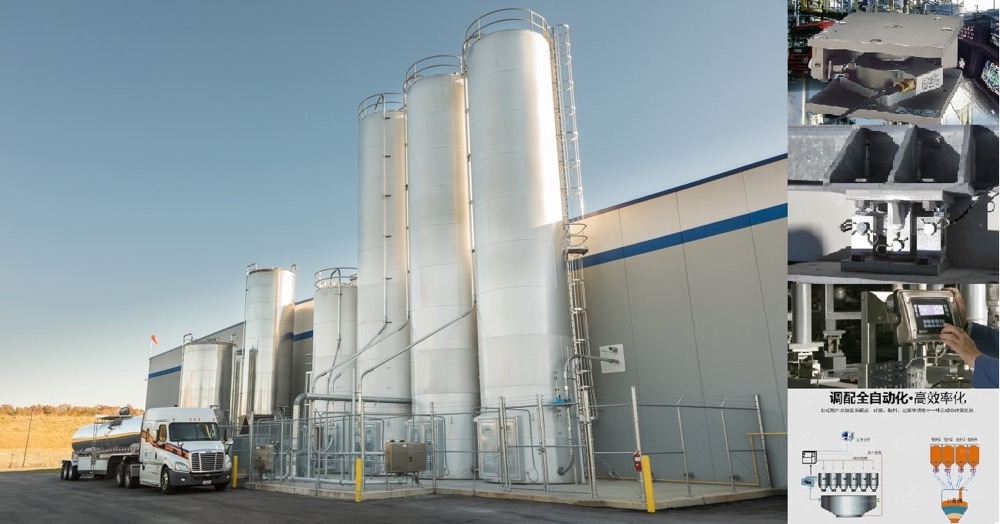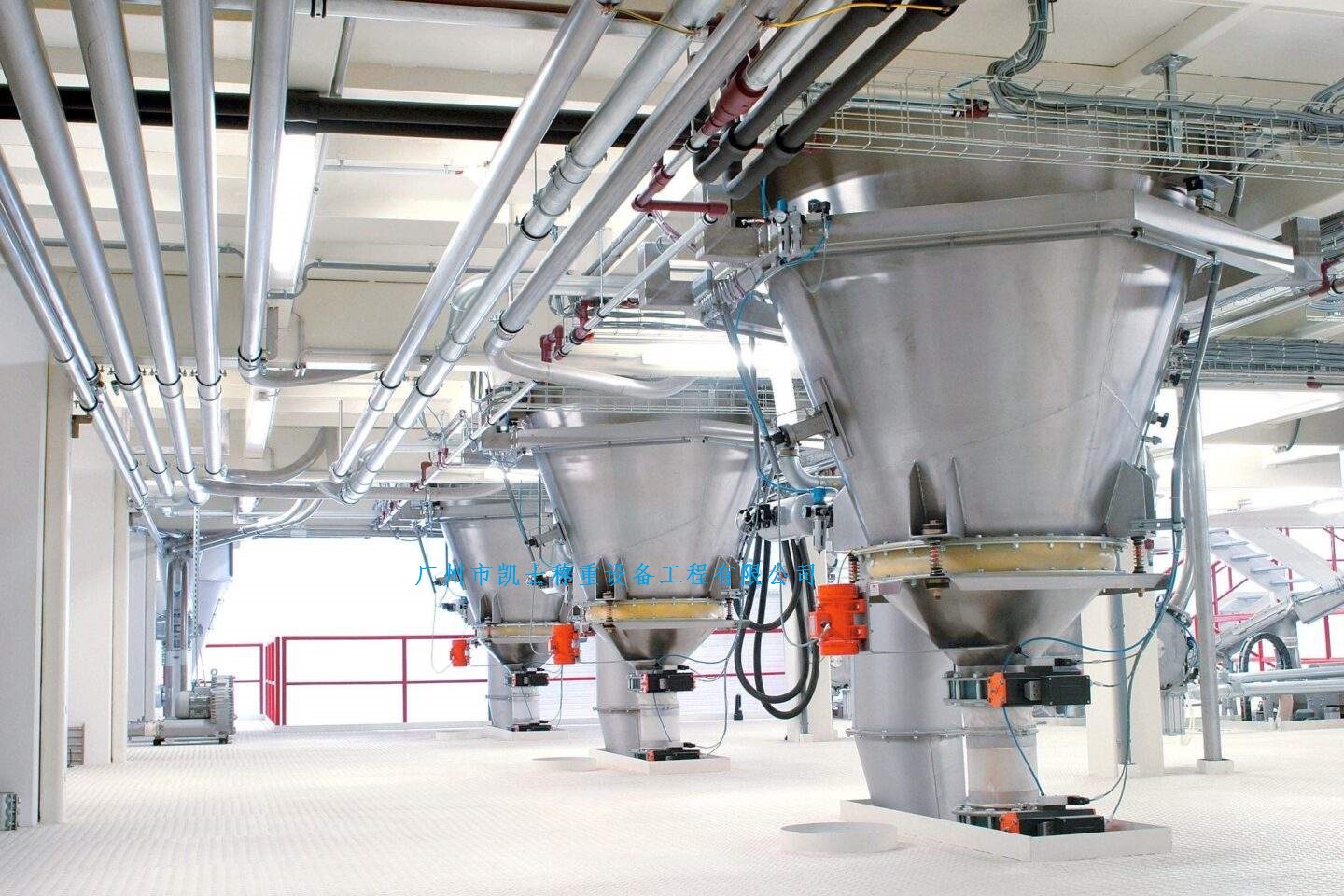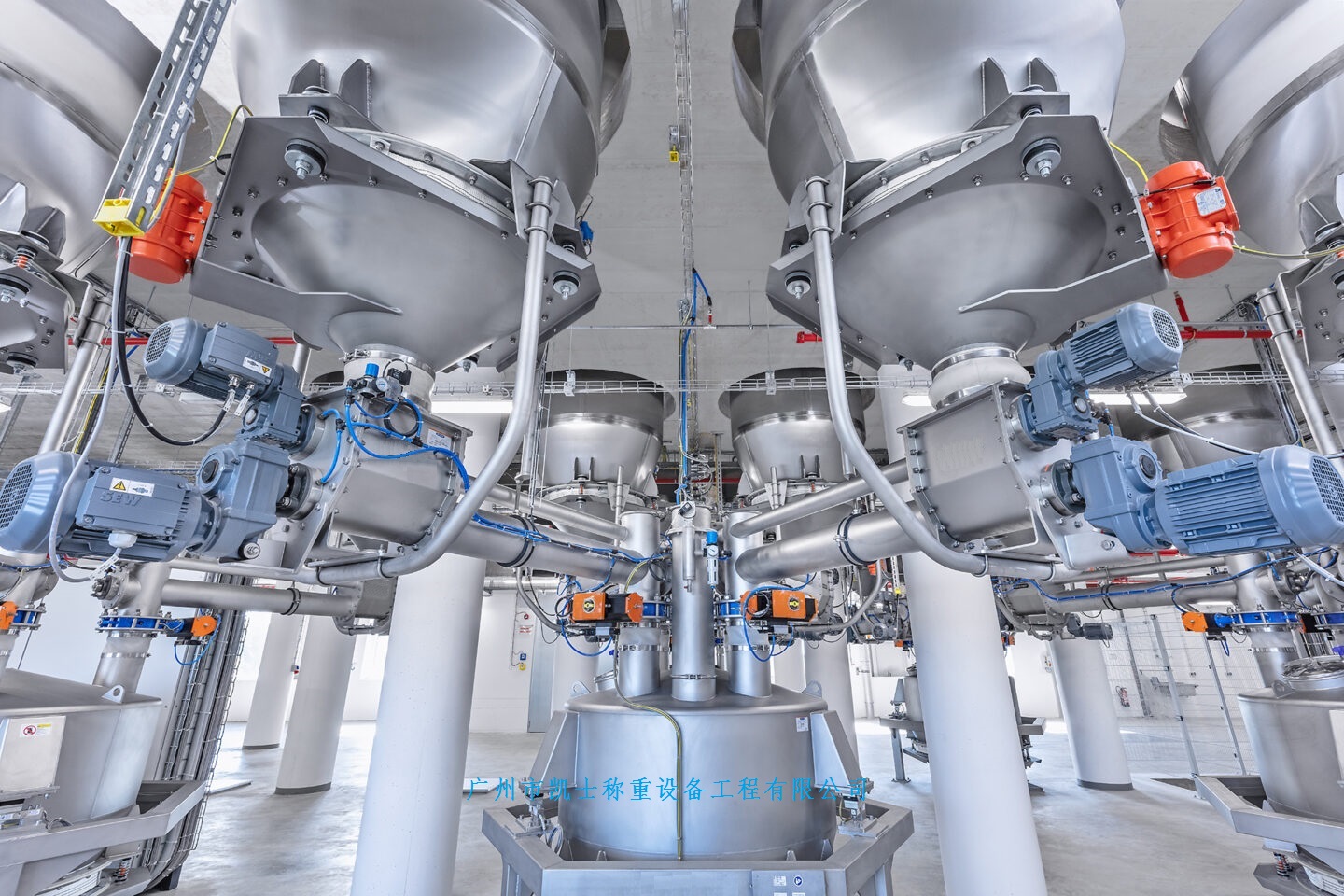


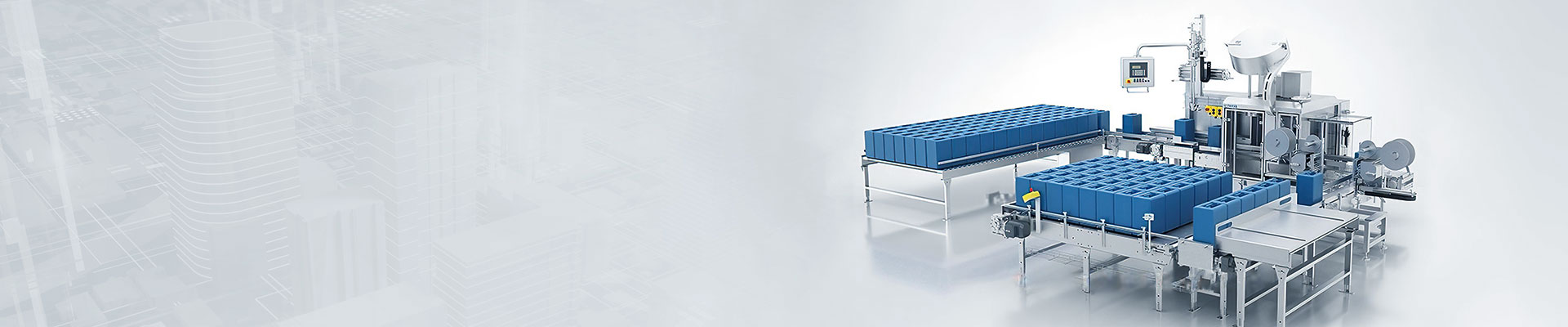



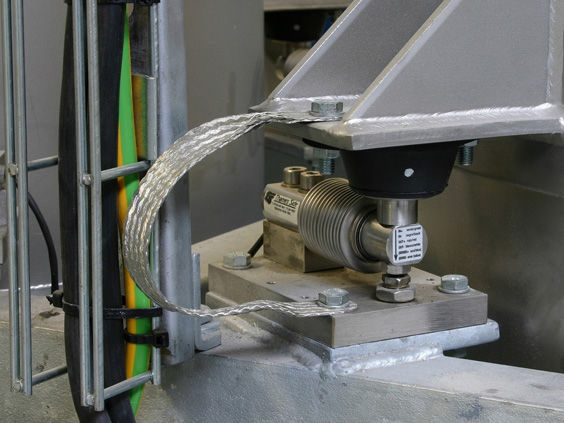
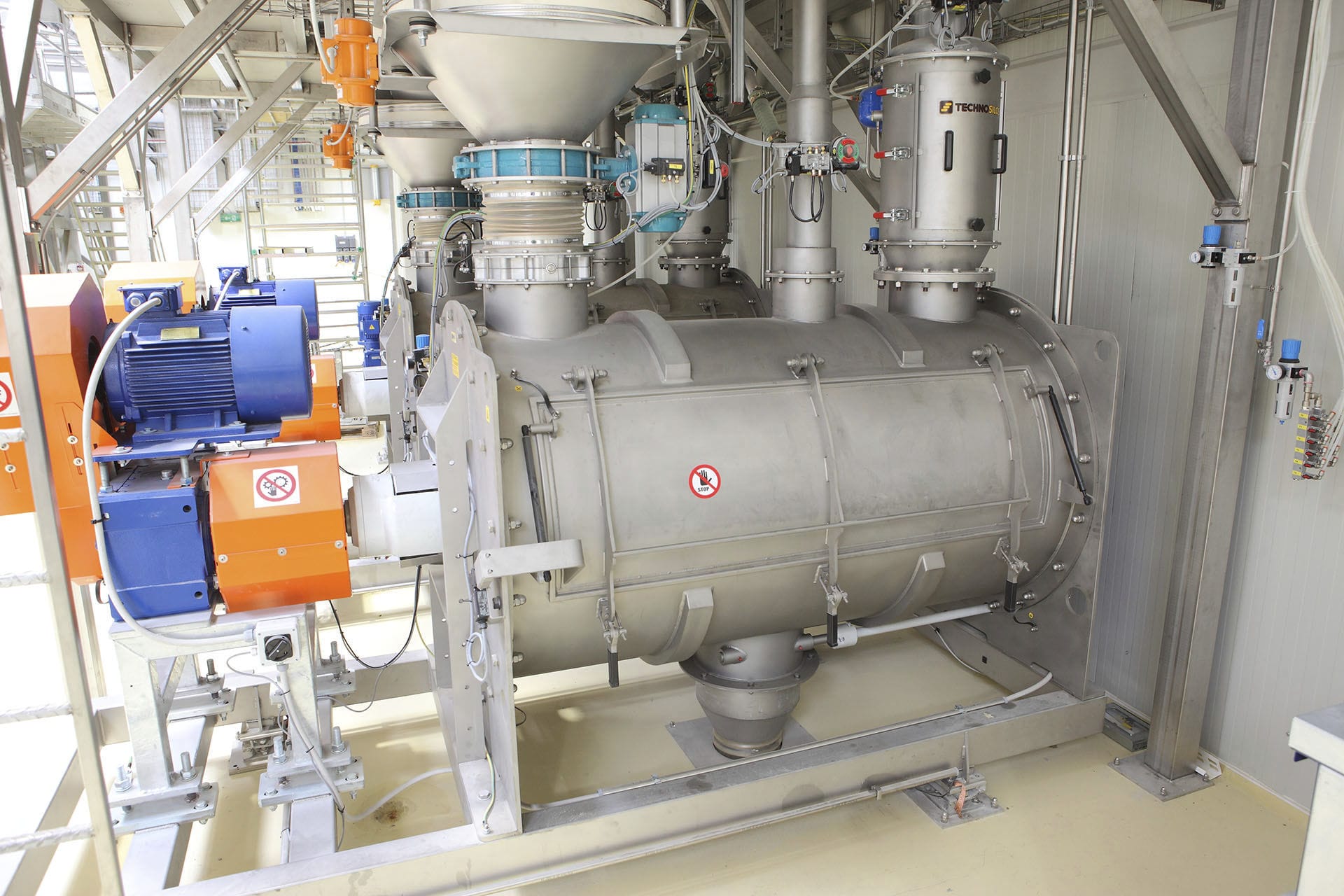
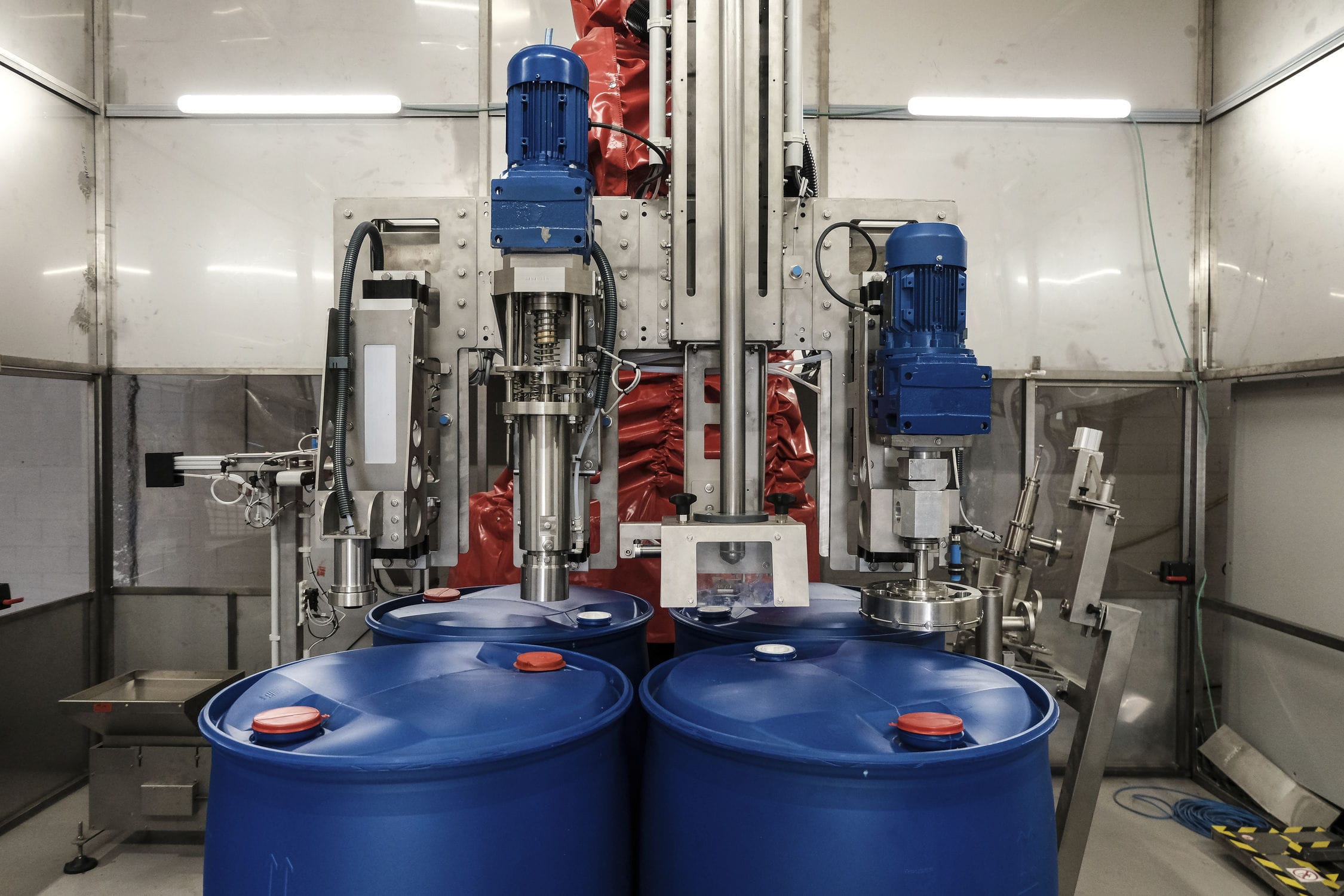
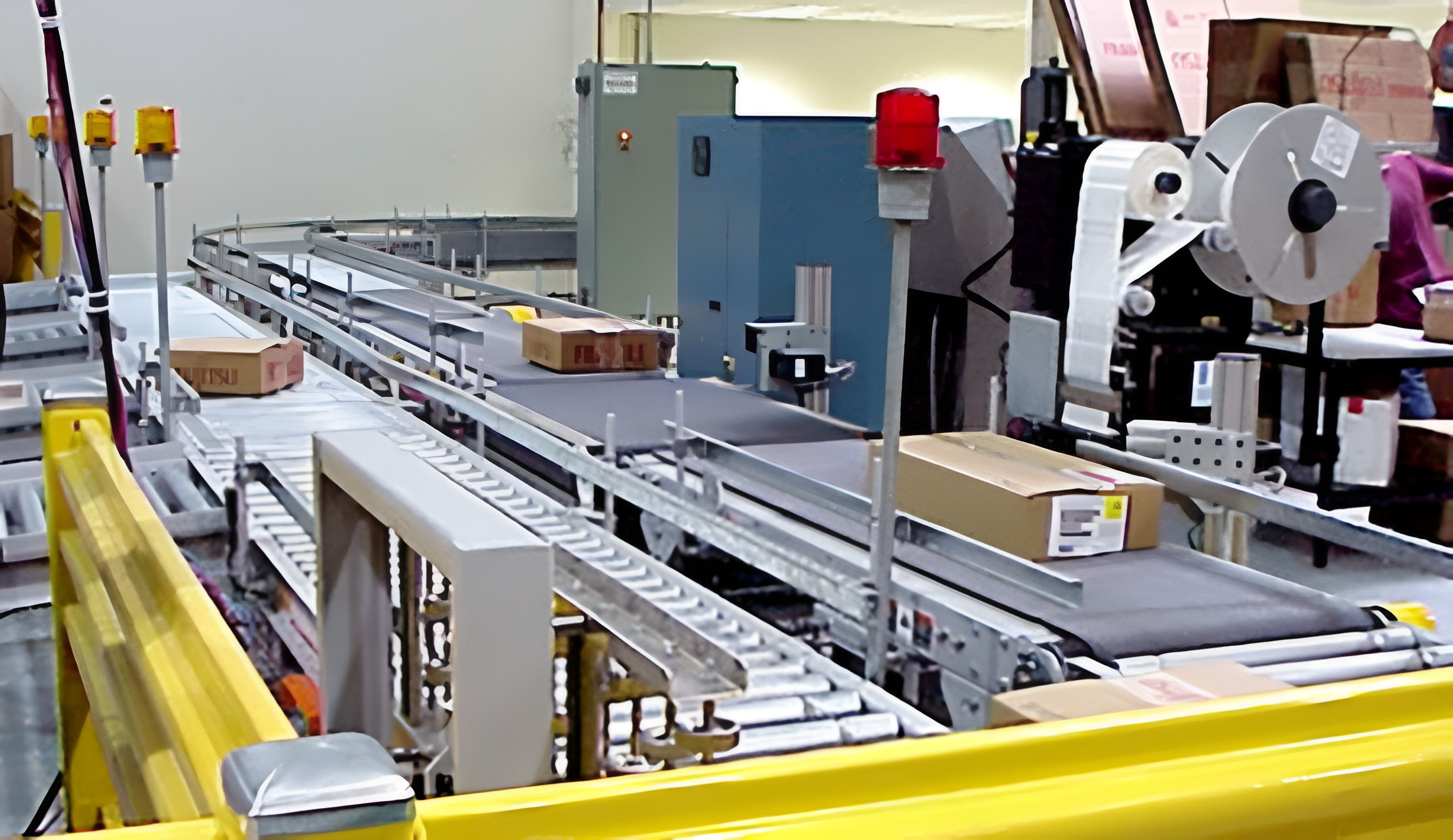
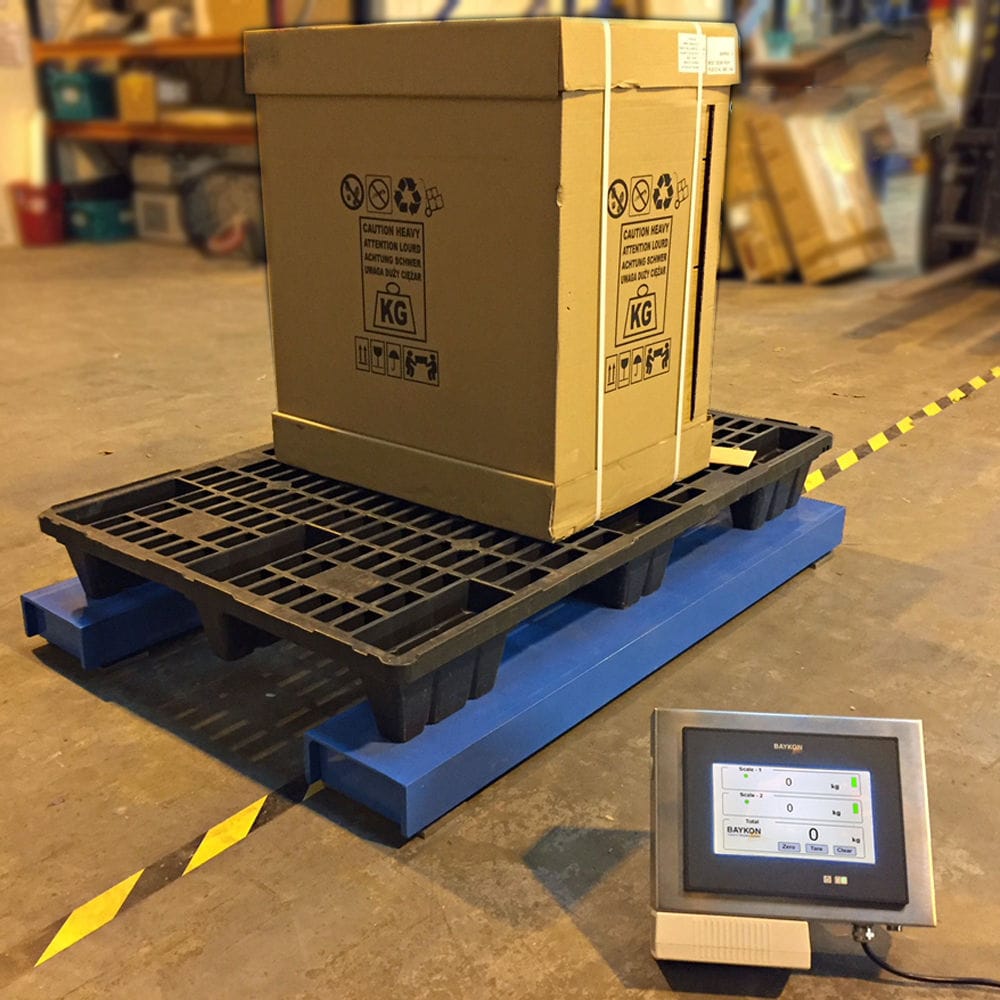


The multiple mixing groups of the circulating metering feeding machine are equipped with weighing modules. They are configured together according to the proportion requirements of the formula and sent to the "batch mixer" that works periodically for mixing. Then, they are configured into a material flow containing various components in accordance with the proportion of the formula. When the material flow enters the continuous mixer, it is mixed into a uniform material flow.

 020-34563445
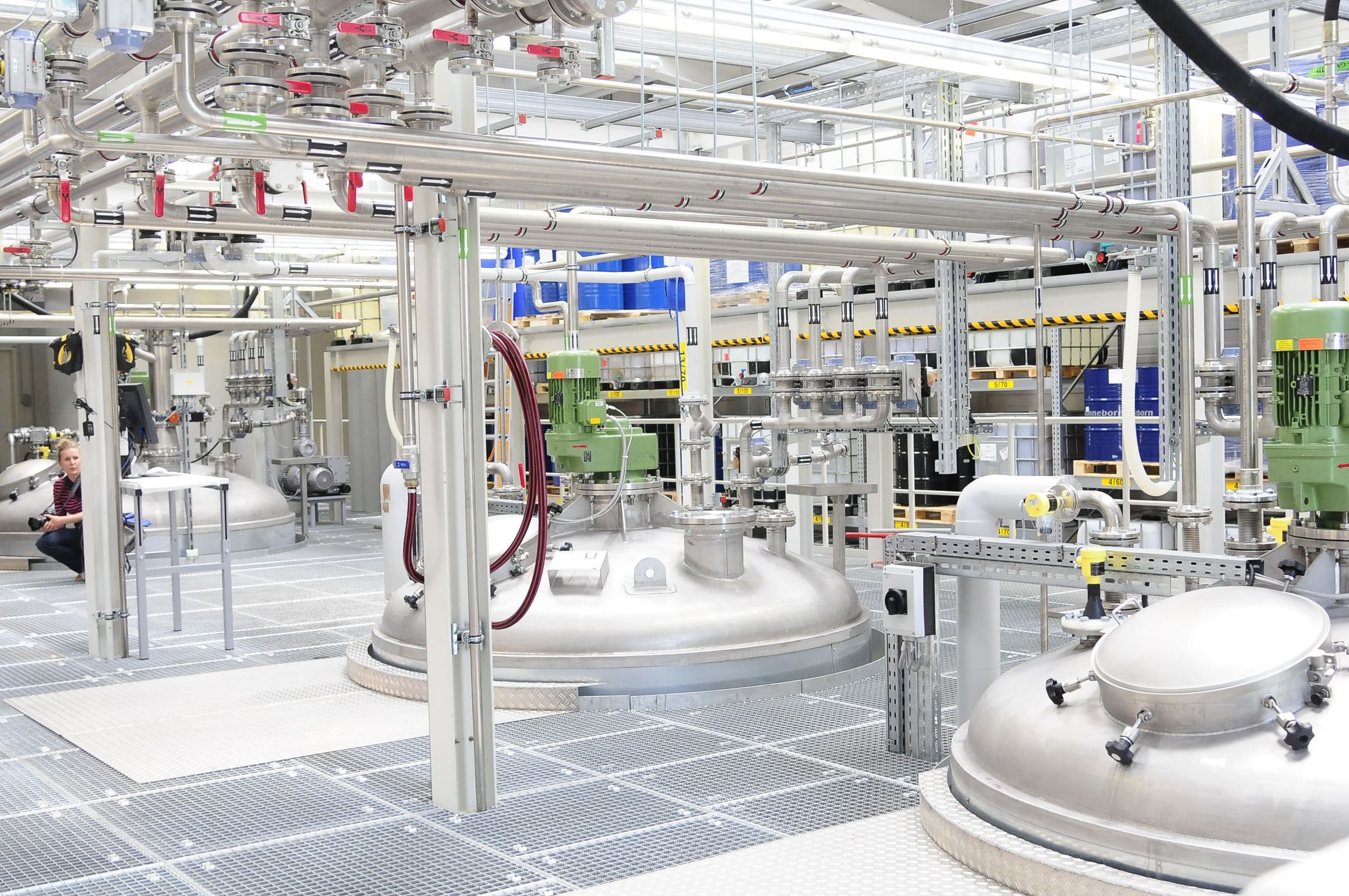
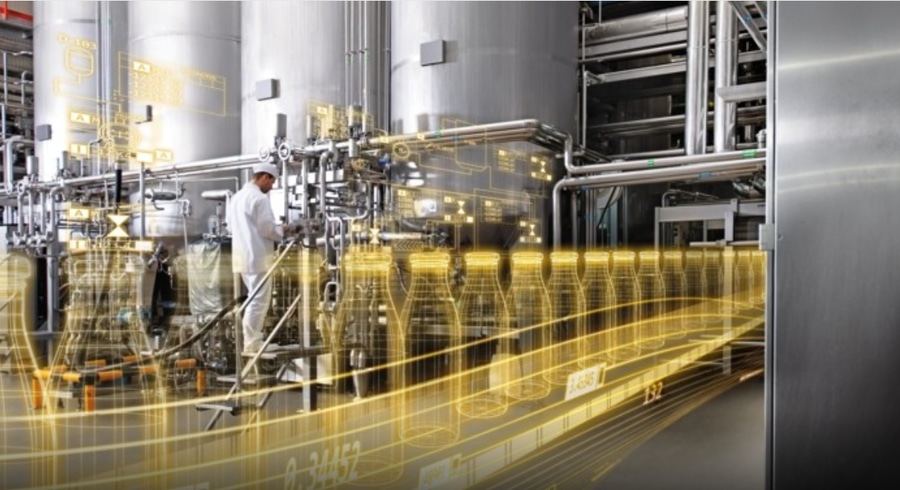
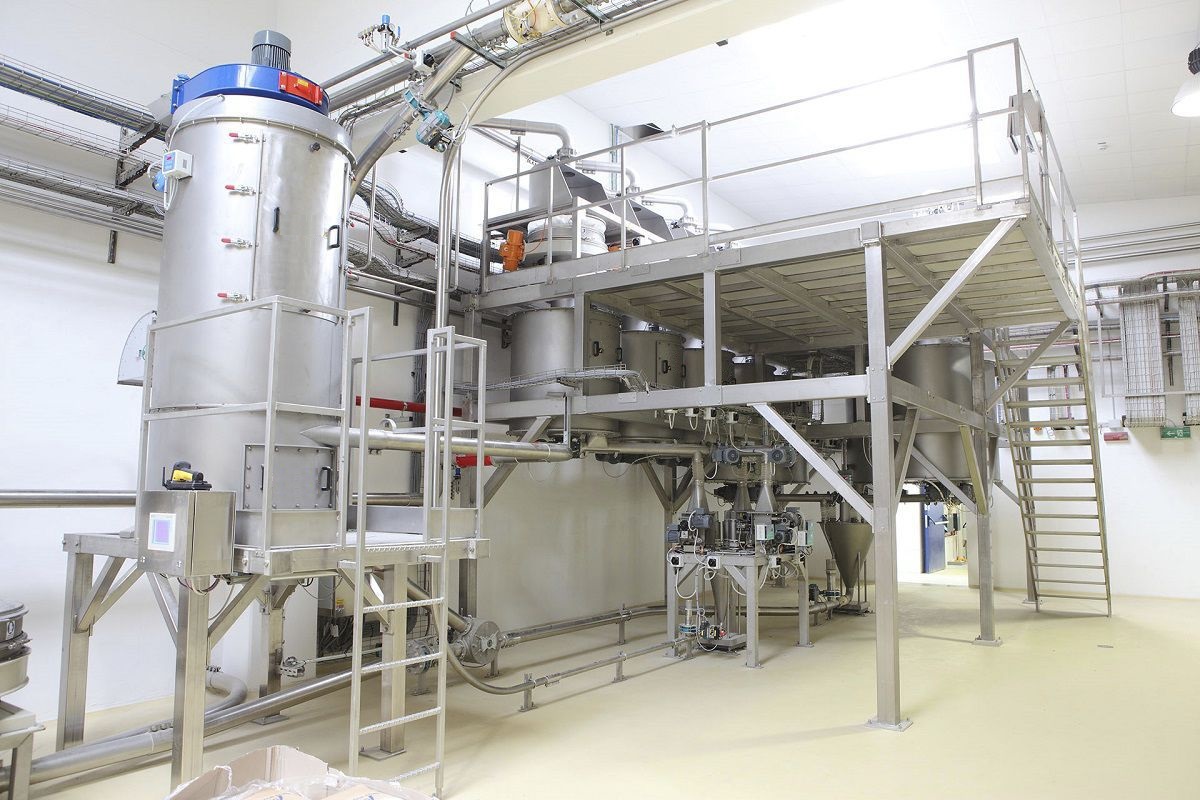
The production process of a circulating metering Feeder generally includes systems such as raw material reception and cleaning, crushing, batching, mixing, granulation, finished product packaging and storage, as well as dust removal and fire protection. Each production stage is an independent production section. Each system in the raw material production process is relatively independent. The automation of raw material production includes the automatic control of the entire system, the automatic control of each process, and the automatic control of individual equipment. Among them, the PLC is responsible for controlling the operation of on-site equipment and obtaining its operation status and fault information. The sensor system collects on-site information data. The computer acquires data through network communication for storage and management, dynamically displays the process flow, equipment operation status, production data, alarm information, and generates various production reports. Its core control component, PLC, adopts a modular programming concept, separating each subsystem from relatively independent internal functions, and integrating each functional block according to the process flow of the raw material production system to form a distributed control of the entire system. It also realizes a remote monitoring and command system for production management through the network.
The automatic Feeding machine is composed of a PC, PLC, feeder, hopper, weighing module and actuator, etc. The operation process of the system is that the upper computer first transmits the raw material formula data to the lower computer PLC, and then the PLC controls it. All kinds of raw materials are distributed into the corresponding mixing silos for storage through the top conveying equipment and distributors. When batching, the raw materials are sent to the hopper scale one by one by the feeder. Raw materials with a large proportion (≥2O) are sent to the large hopper scale. The raw materials with a small proportion (5 to 20) are sent to the small hopper scale for weighing. The weighing module detects the quantity of each material, transmits the signal to the weighing instrument, controls the feeding of the feeder, and thereby controls the quantification of each material. When all the materials in the silos are weighed and mixed according to the set formula requirements and reach the specified cumulative mass (the amount of each batch of materials), the PLC opens the material door according to the control program and places the materials in the hopper scale into the mixing chamber of the mixer for stirring and mixing. When the mixer reaches the predetermined mixing time, that is, when the uniformity of the mixture meets the requirements, under the control of the PLC, the material door opens to discharge the material, which is sent to the buffer bin, falls into the finished product scraper conveyor, and is then sent to the bucket elevator for lifting and storage in the mixing bin for the next process.
The computer transmits the corresponding formula and production process parameters to the PLC according to the production process. The PLC controls the frequency converter to start the batching screw conveyor to work based on the formula parameters and the feeding sequence. The weighing signal is detected by the PLC. The working sequence of the feeding machine: After weighing is completed, when there is material in the mixer, the scale door of the hopper is closed. When the discharge door of the mixer is closed in place, the hopper scale door opens. After the opening time of the hopper scale is up, the remaining material on the hopper scale is detected. When the remaining material exceeds the limit value, the system will sound an alarm and the hopper scale door will not close. When the value is below the limit, the hopper scale door closes. After the hopper scale door is closed in place, if the predetermined production batch has not been completed, the batching continues, and at the same time, signals for adding premix and oil are sent out. After the premix is added and the response reset is completed, the mixer starts the mixing timer. When the mixing time is reached, the mixer opens the door to release the material according to the material level in the buffer hopper. The mixer door is timed. When the opening time is up, the mixer door will automatically close. After the next batch of materials falls, a new cycle begins.