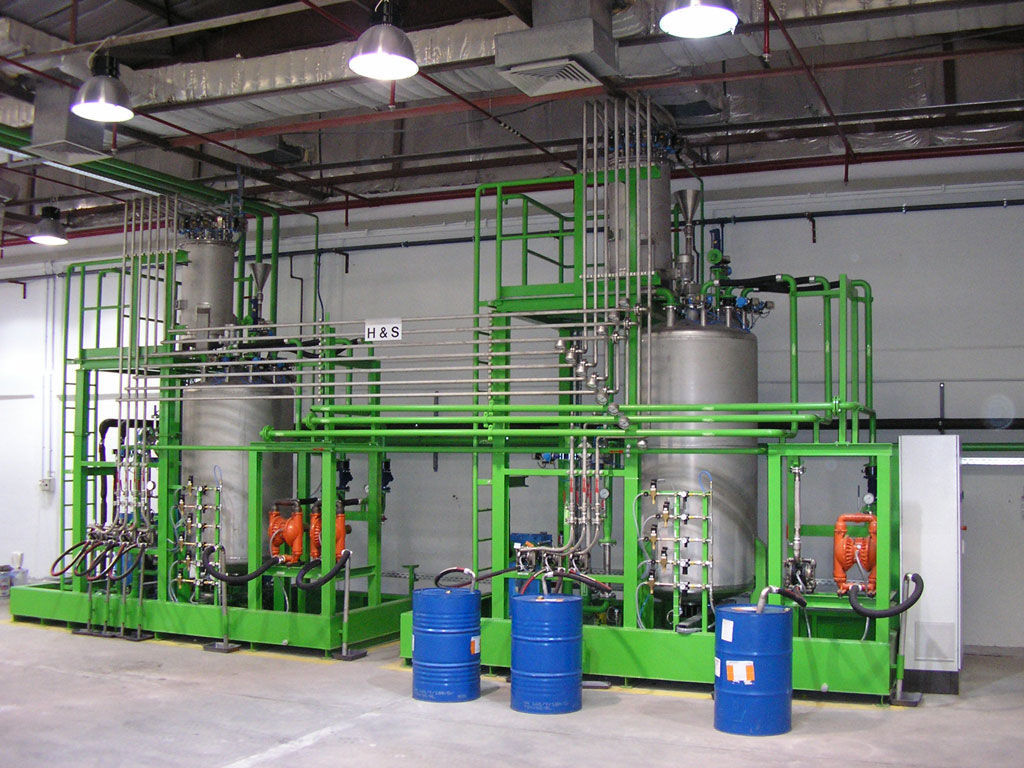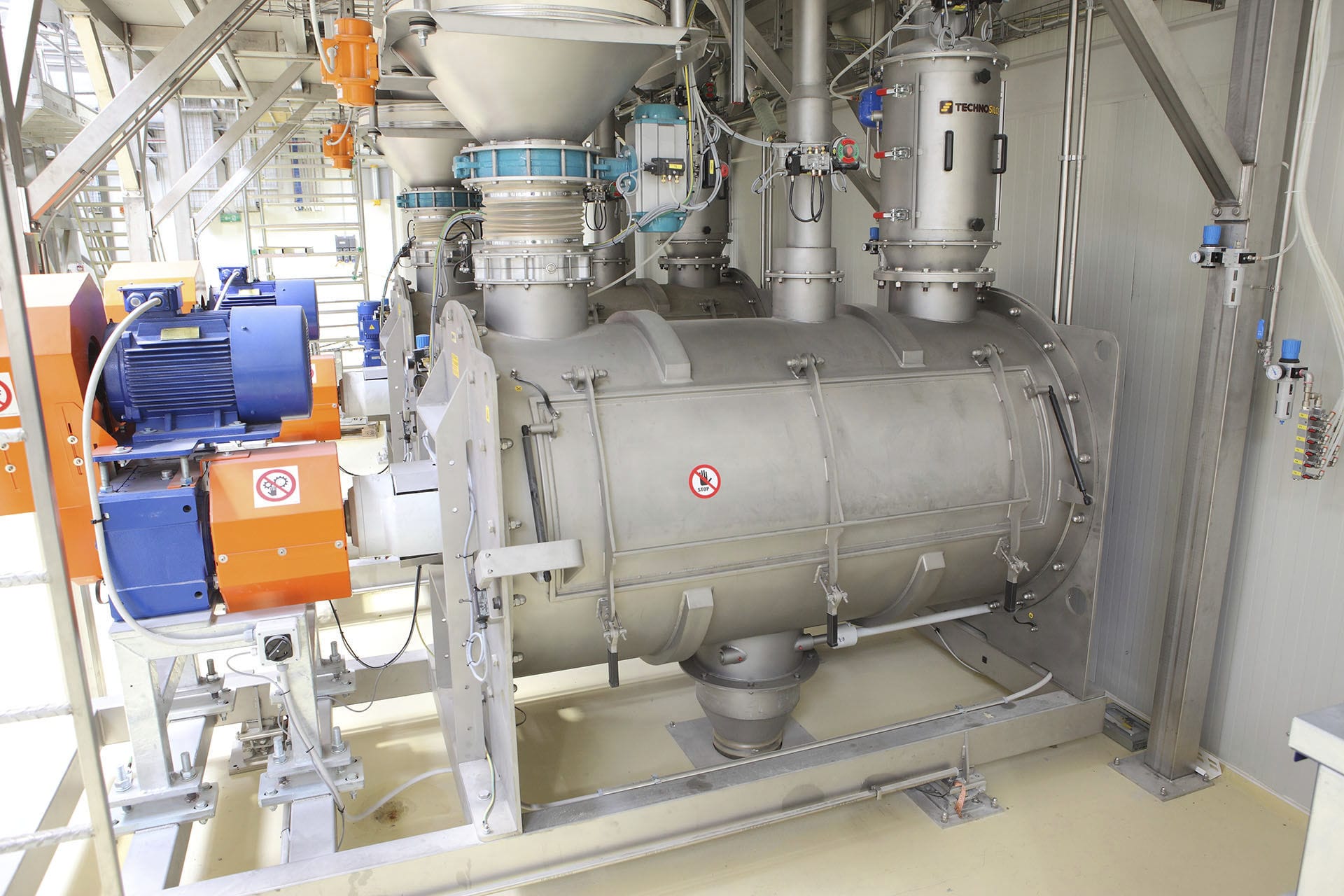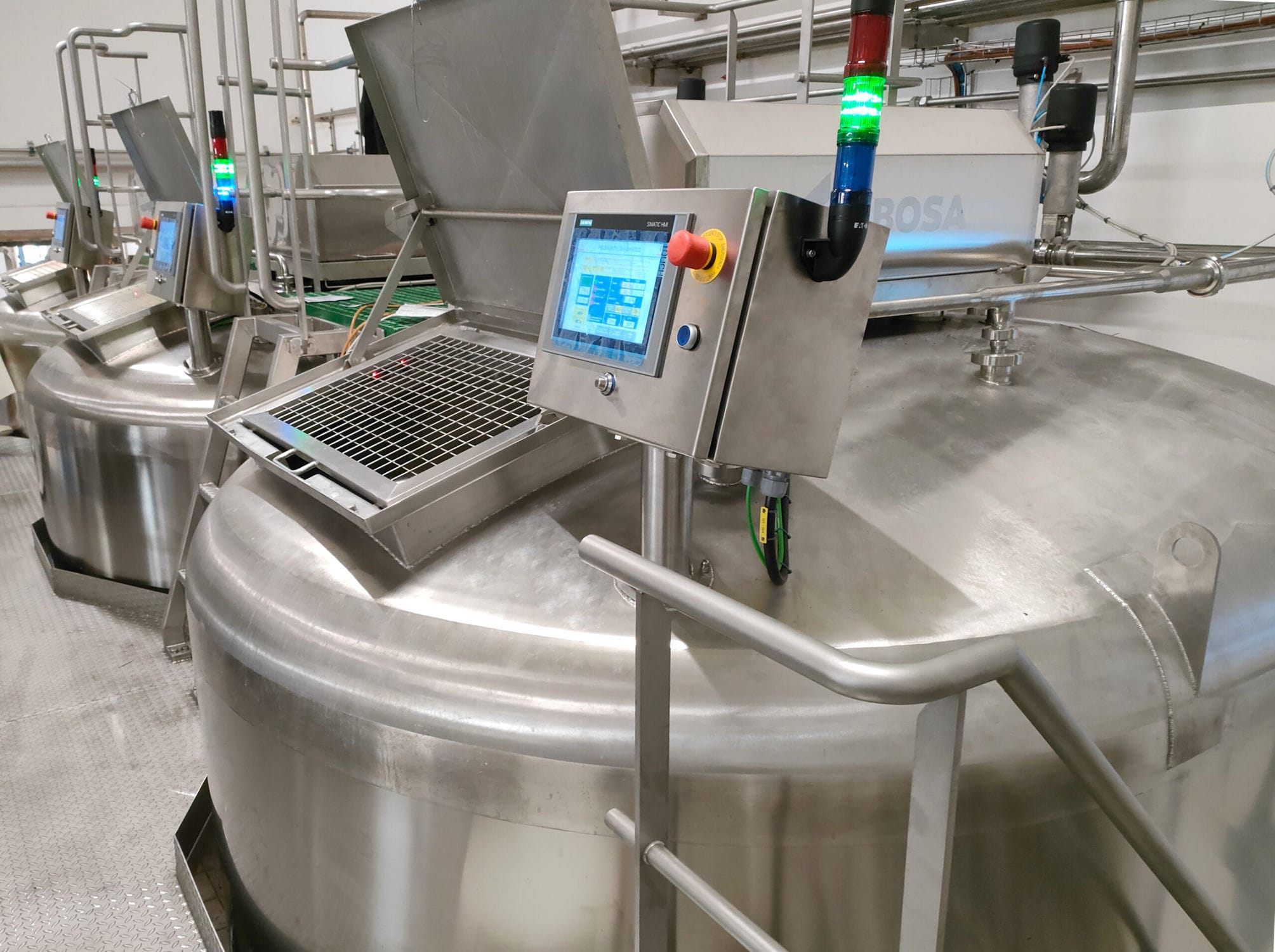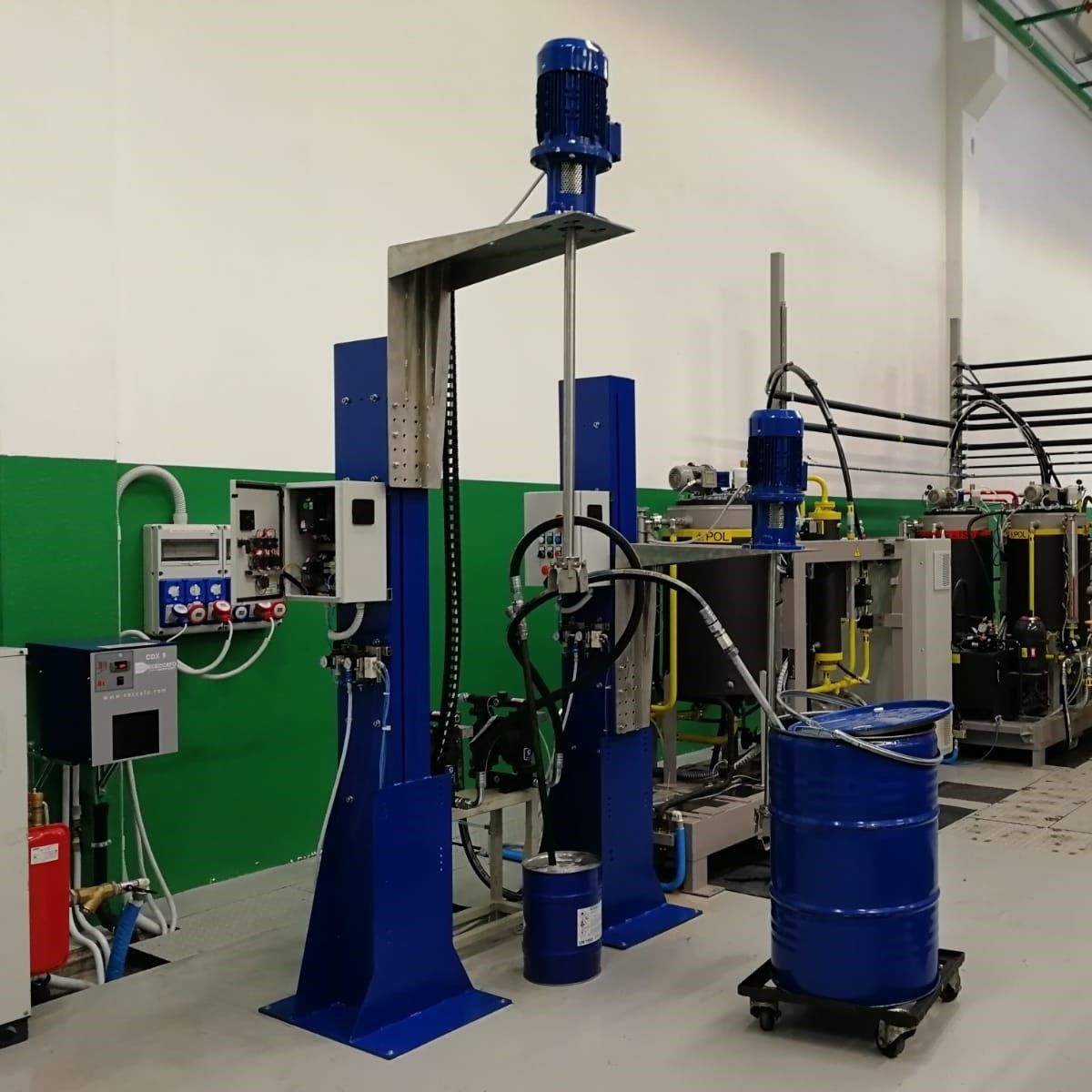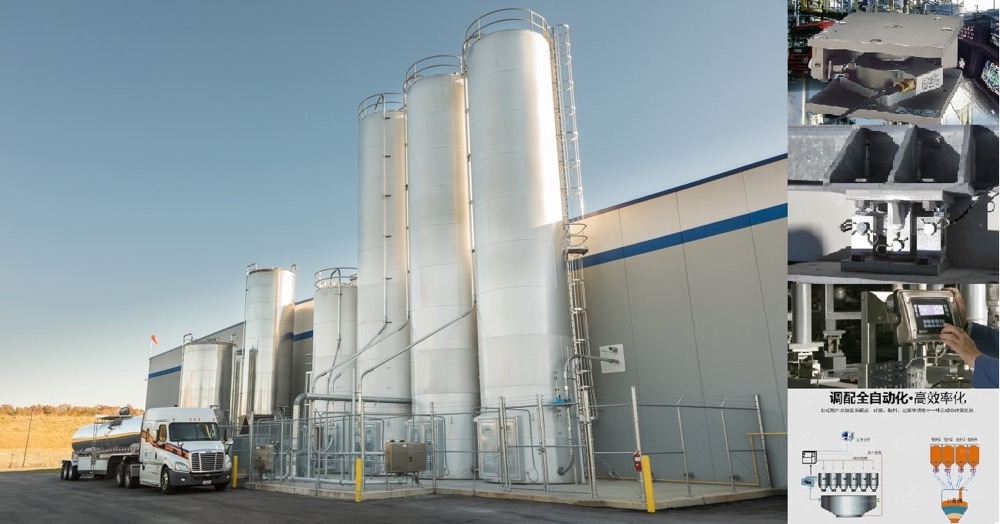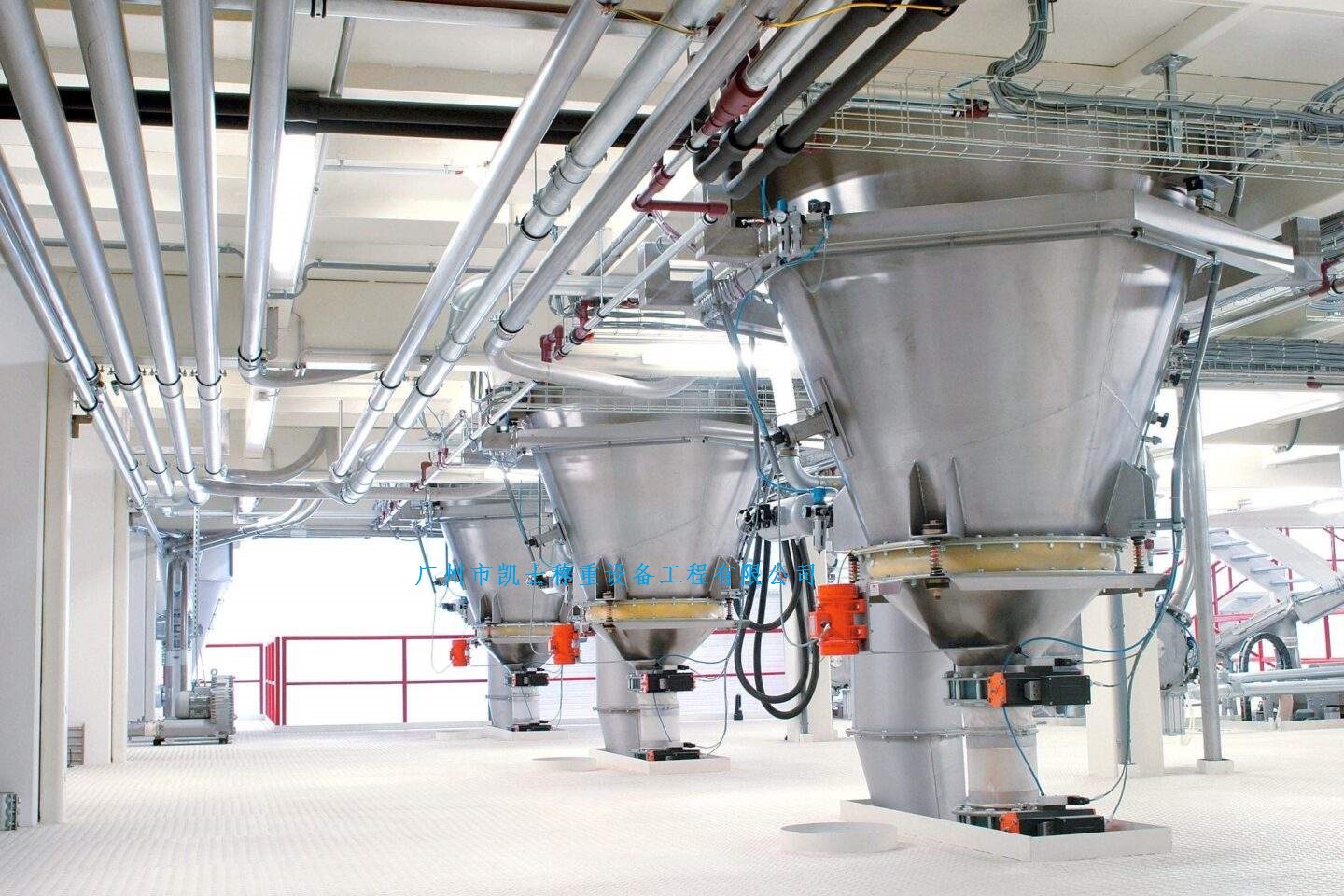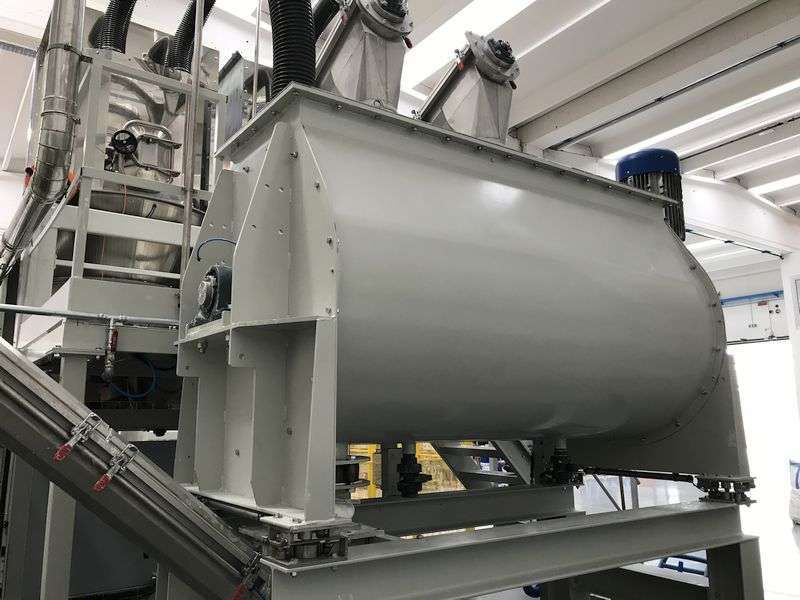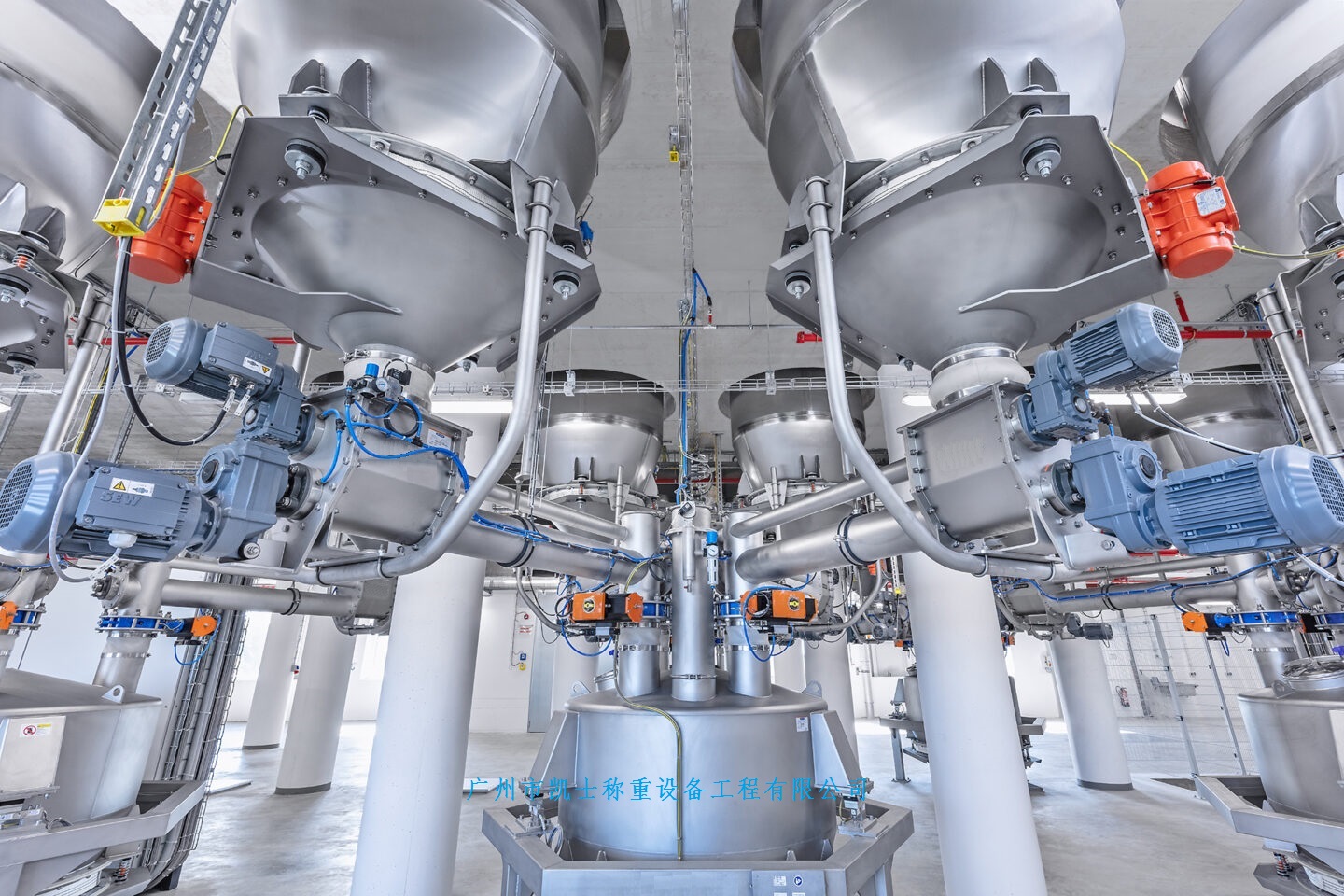




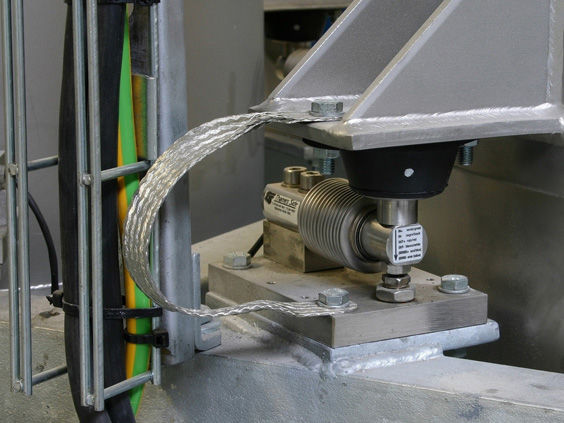
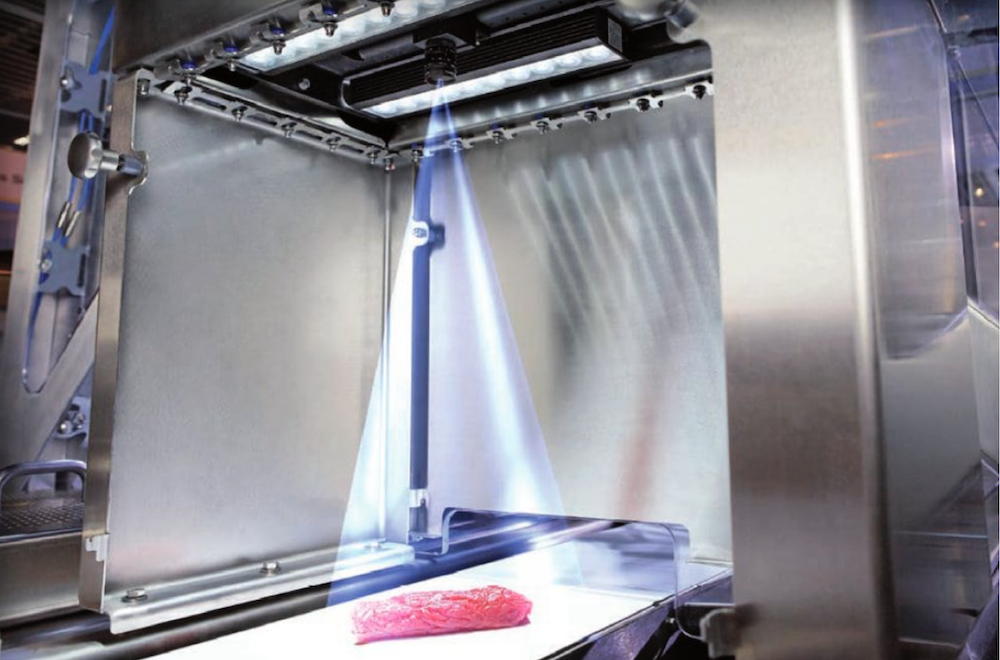
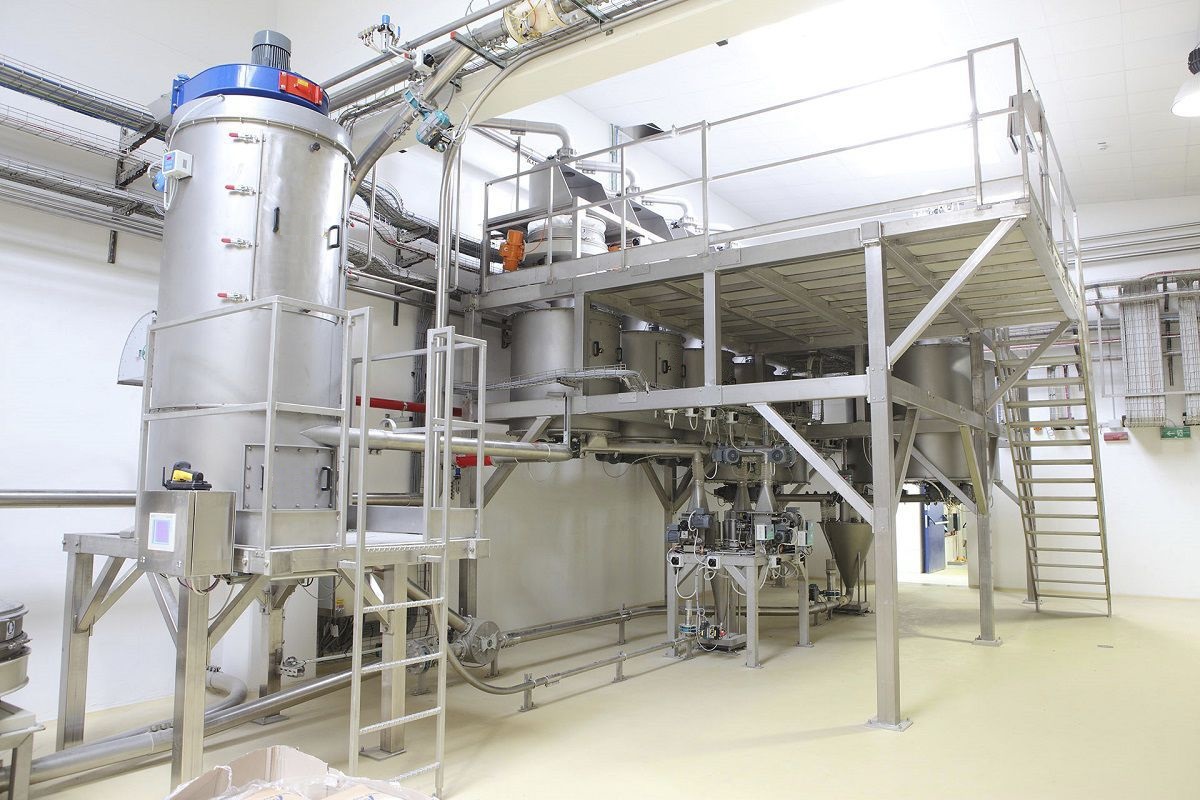
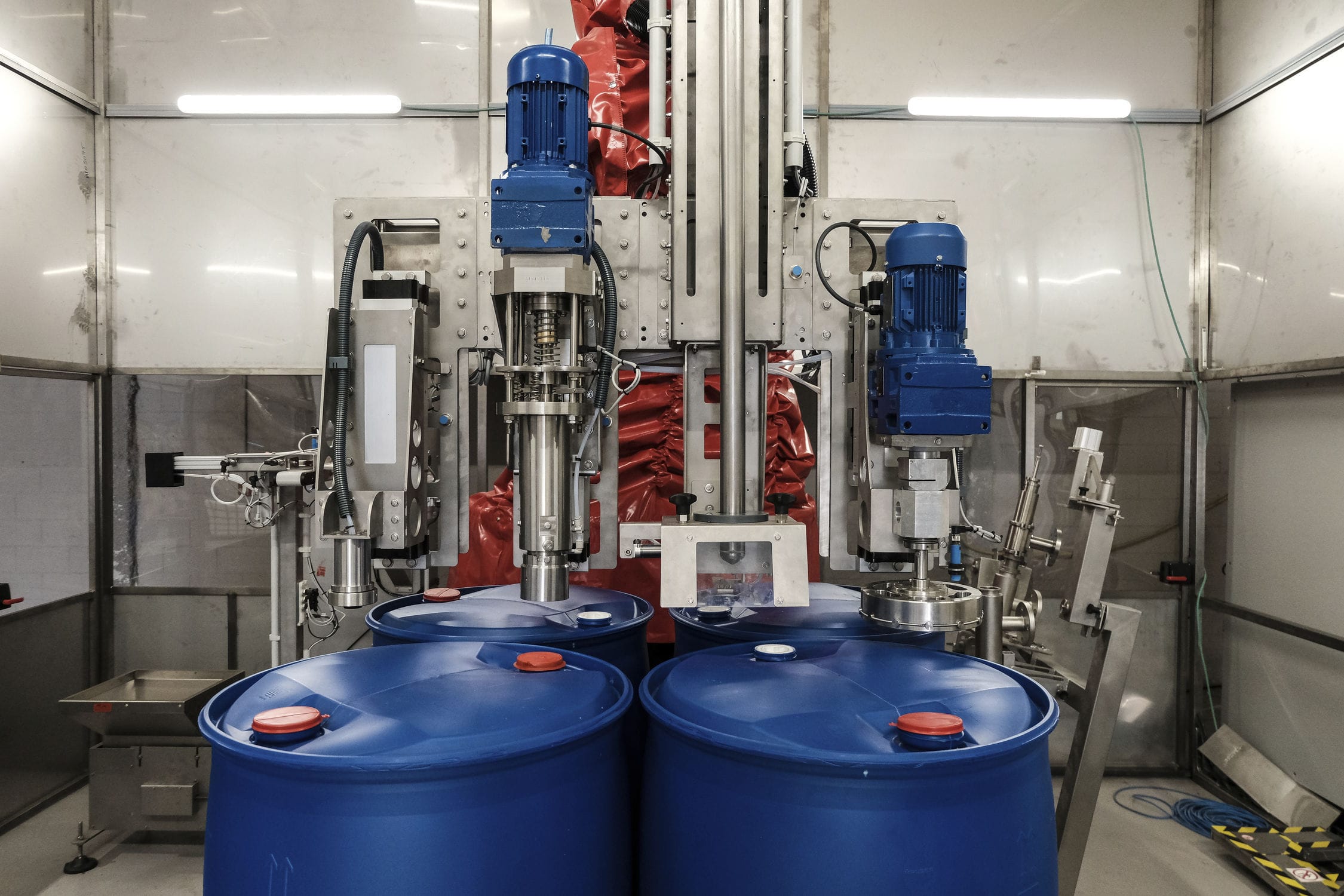


The automatic batching system can control the material to be fed into the designated silos. There is an interlock alarm system composed of rotary level sensors on the silos, which is used to start and stop the elevator and the scraper feeder. At the bottom of each silo, there is a screw feeder. During batching, according to the top-mounted formula, the weighing system performs program control to push each screw feeder to feed materials into the hopper scale one by one for weighing. The weighing procedure is one material one weighing. When the sixth batch of materials is fed to the double-screw mixer, the double-screw mixer is started to mix the materials that enter successively. After the mixture is uniform, the double-screw mixer begins to feed materials into the finished product silo, and the next batch of batching and weighing will be carried out after the feeding is completed.

 020-34563445
The automatic Batching system uses automatic weighing of up to six types of materials, can preset nine recipes, and the feed valves of the silo automatically open and close; the lights indicating the upper and lower limits of the silo and the interlock alarms are activated according to the recipe for automatic weighing and batching; the double-screw mixer starts up, and the discharge stops the program control, and the upper limit of the finished product silo is interlocked with the silo; the semi-simulation display of the entire production process is carried out. The Weighing system transfers various materials from the first floor to the third floor through a bucket elevator to a self-cleaning scraper Feeder. Two scraper feeders are connected to three silos each, and there are electric gates between the feeders and the silos, which can control the material to be fed to the designated silo. There is an interlock alarm system composed of a rotary sensor on the silo to open and close the elevator and the scraper feeder. Each silo is equipped with a screw feeder at the bottom; during batching, the weighing system controls the process according to the top-mounted recipe, and pushes the screw feeders to deliver the materials to the scale one by one for weighing. The weighing program is one material at a time. When the sixth batch is discharged to the double-screw mixer, the double-screw mixer is started to mix the materials that enter sequentially, and after the mixture is uniform, the double-screw mixer starts to discharge to the finished product silo until the discharge is completed and then the next batch weighing and batching is carried out. The upper end of the finished product silo also has a rotary sensor, when the finished product silo is full, the weighing and batching stop, and when the material level is below the upper limit position, it resumes the operation and continues to weigh the materials.
The entire system can be divided into two parts, the pre-batching process before the silo and the batching process after the silo. The task of the pre-batching process is mainly to transport the various materials in the product ratio from the elevator and scraper feeder to the designated silos for preparation for the batching control, and the task of the batching process is to weigh the materials in each silo, and mix them according to the proportion of the recipe into the finished product.
The weighing system mainly consists of a relay group and a relay interlock system. There are two control cabinets, each controlling one elevator and one scraper feeder, as well as three electric valves for the scraper feeder to discharge materials to the silos. During the pre-batching process, the operator switches the control box's toggle switch to the position of the silo to be fed, and presses the buttons to start the elevator and scraper feeder. At this time, this type of material will continuously enter the designated silo. When the material level in the silo reaches the upper limit position, the upper limit indicator light of the silo lights up, indicating that the material is full, and after a certain delay, the elevator is closed. During this period, all the materials in the elevator's lifting buckets are poured into the scraper feeder, and after a certain delay, the scraper feeder and the electric valves are closed. During this period, all the materials in the scraper feeder are scraped into the designated silo. The delay time can be adjusted according to the process requirements.
During the production process, the material levels in each silo gradually decrease. When the material level in a certain silo drops to the lower limit position, an audible and visual signal is emitted to indicate which silo is empty, notifying the operator to quickly follow the above operation method to add materials to that silo. The control box has test and mute buttons.
Each external relay of the weighing control system connects two intermediate relays, which are then connected in series with the fast/slow addition signals for the batching control. This is used to control the double-speed motor of the screw conveyor to achieve the speed control of feeding to the scale. There are set values and advance amounts for each recipe's various material ratios. When the weighing value is less than (set value - advance amount), the fast addition signal is output, and the double-speed motor rotates fast. When it is greater than (set value - advance amount), the slow addition signal is output, and the motor rotates, used to reduce the overshoot during weighing. When the weight of the scale reaches the set value, the slow addition signal disappears, and a discharge signal is emitted, driving the electric valve under the scale, and the materials enter the double-screw mixer. When the weighing indicator of the weighing instrument returns to zero (the program also requires a waiting time), it automatically switches to the signal for the second material, achieving the weighing control of the second material until the sixth material.