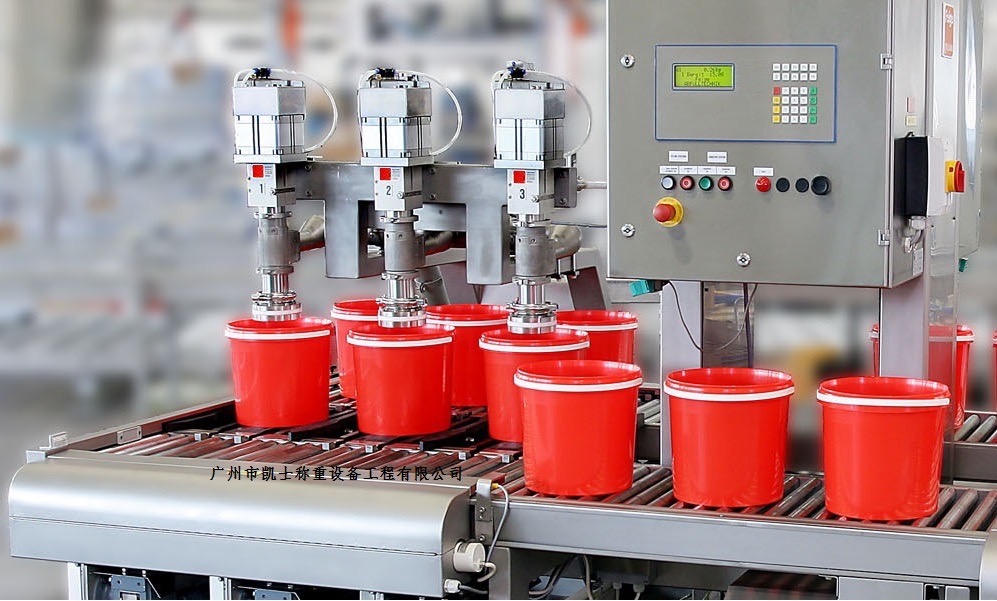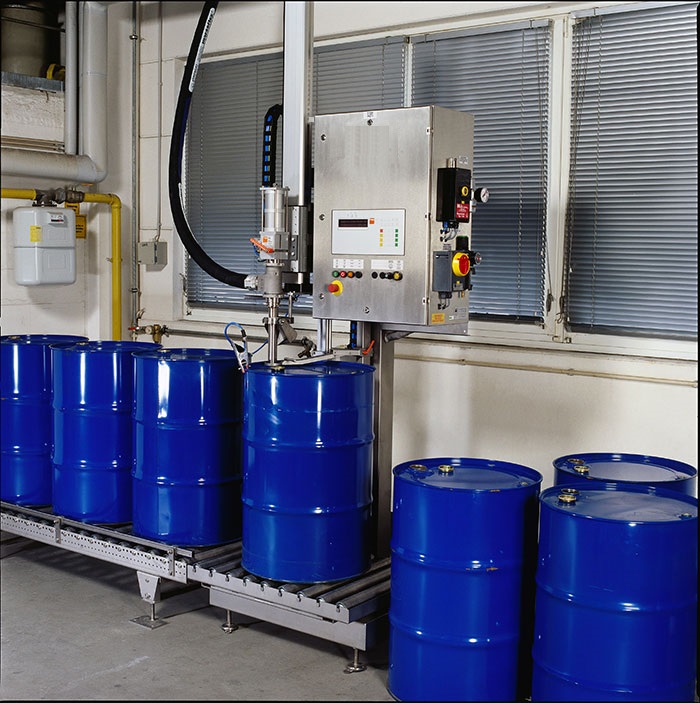


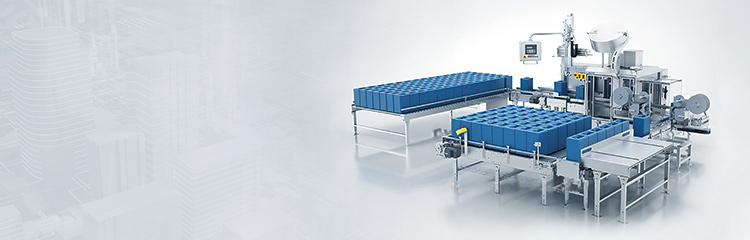


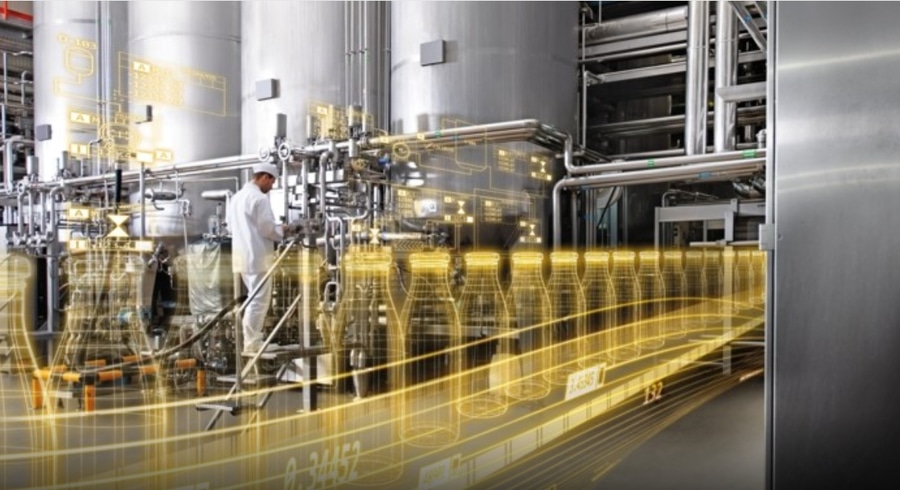
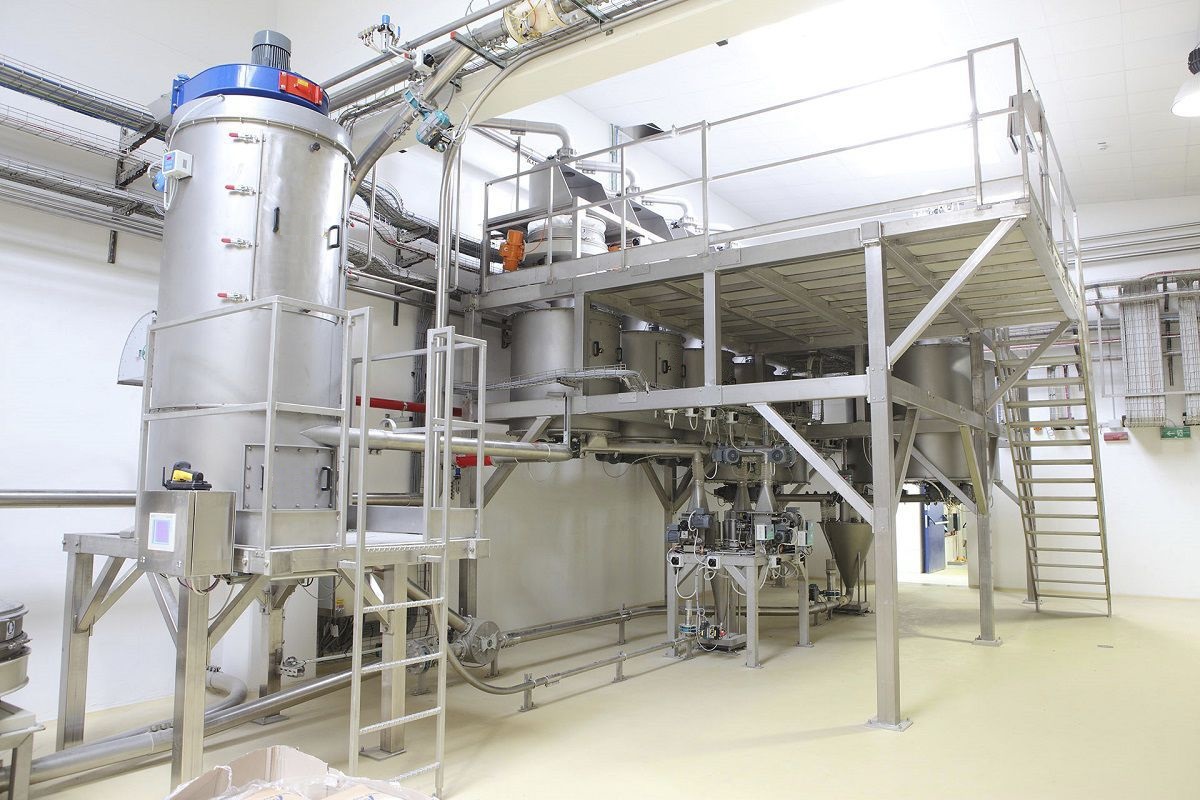
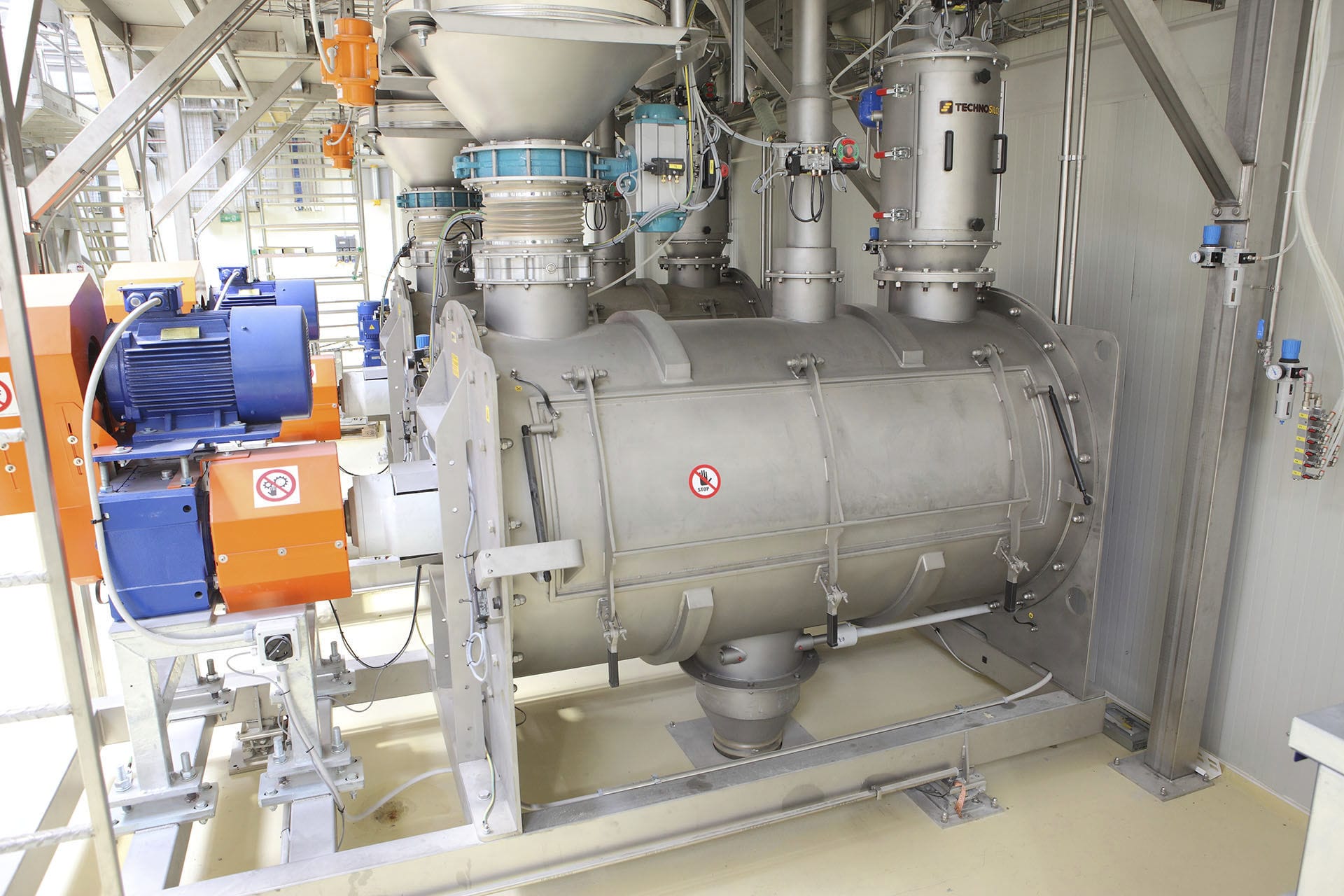
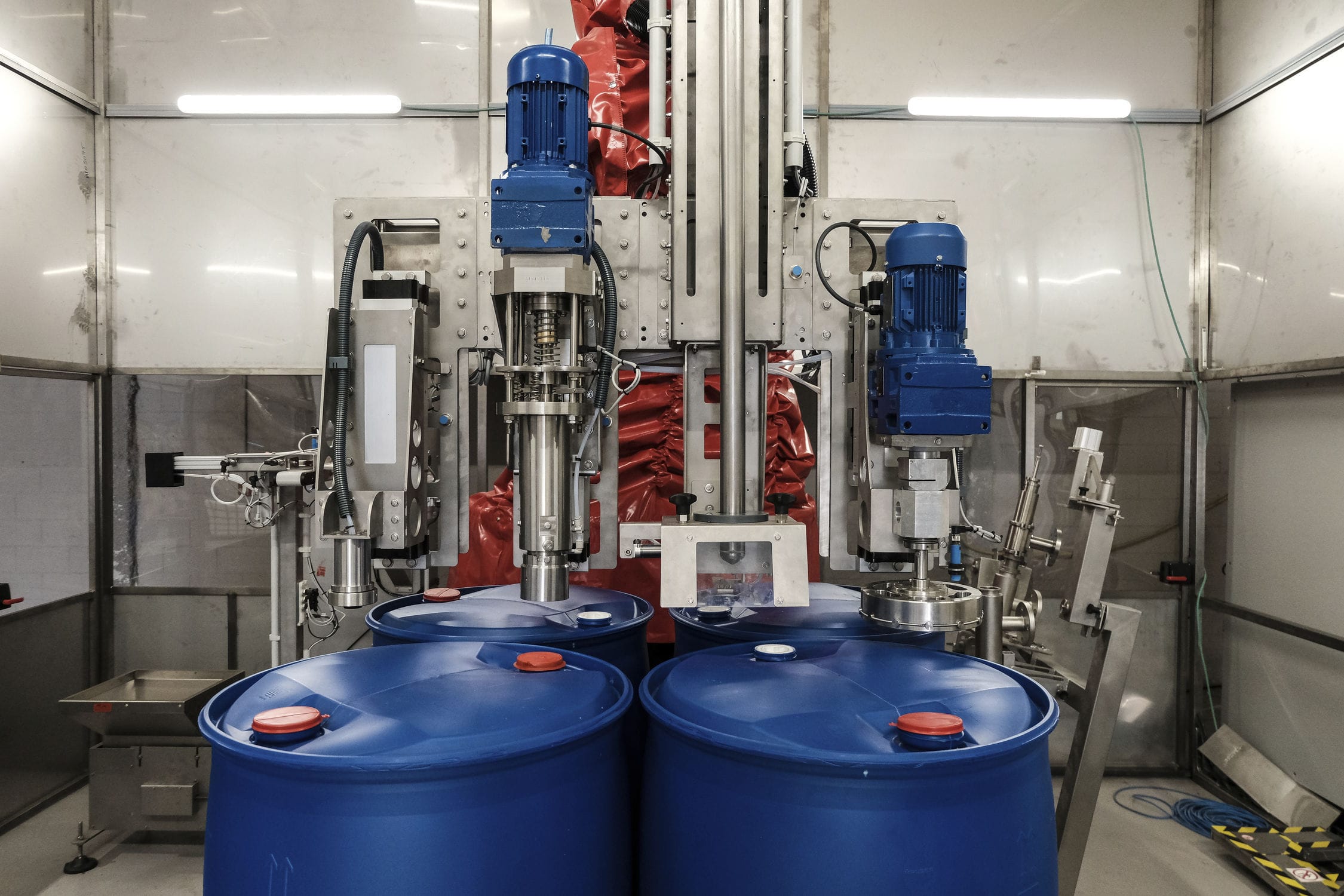
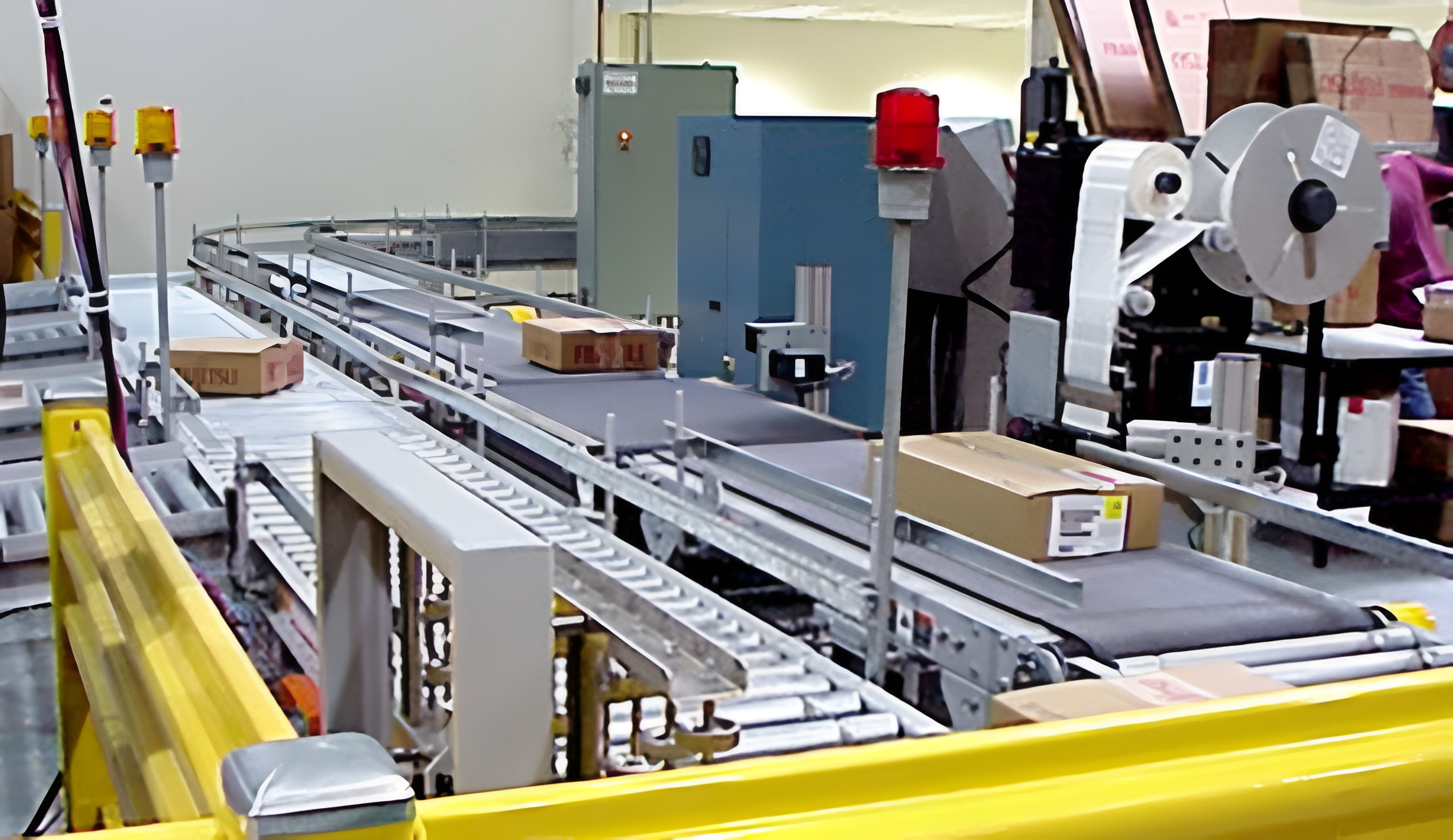


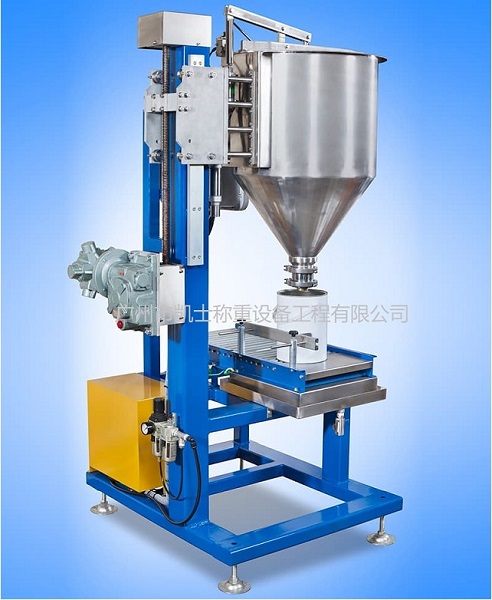
The automatic filling machine for edible oil integrates PLC technology, variable frequency technology, precise feeding technology, and real-time detection technology to form a filling equipment. Based on the information such as the pixel distribution, brightness and color of the image, it recognizes the size, shape and color, collects it through triggering or continuous collection, converts the optical characteristics of the target object into electrical signals representing two-dimensional information, and then through the sampling and quantization functions of the data acquisition card or the equipment itself, it is transformed into a digital image.

 020-34563445
The automatic Filling machine for edible oil uses a fully intelligent linear filling scale. It is controlled by PLC programming, equipped with photoelectric sensors and electric pneumatic control, and is specially configured with a full-color touch screen human-machine interface. During the filling process, the PLC can set the filling volume and the number of filling heads automatically, allowing them to fill automatically. It is driven by a transmission mechanism, enabling coordinated division of labor in all aspects and truly achieving a coordinated effect. There are dedicated infrared sensors on the container feeding track to receive and sense. When the number of containers reaches a certain level, the subsequent containers will be automatically held, and when the previous containers are filled, they will be automatically released, allowing the subsequent containers to fill the empty spaces, achieving the effect of no containers without filling. When the container enters the filling head position, other working sections stop, only the filling head works. When the container leaves, the filling head stops working, the track part works, and the container holder releases. From the container washing machine, the clean containers are sent by the container conveyor belt into the filling machine's container feeding screw, and then sent to the container support cylinder on the rotary table through the container feeding star wheel and raised. The container mouth is guided by the centering device and tightly presses the discharge port of the filling valve to form a seal. After the container is evacuated, the back-pressure gas in the liquid storage cylinder is pushed into the container. When the gas pressure in the container is equal to that in the liquid storage cylinder, the liquid valve opens under the action of the liquid valve spring. At this time, the object is guided by the umbrella-shaped reflective ring on the return air pipe. It is automatically filled along the container wall. The CO in the container is replaced back into the liquid storage cylinder through the return air pipe. When the object rises to a certain height and closes the return air pipe opening, the filling process automatically stops. Then the liquid valve and air valve are closed, and the pressure gas in the neck part of the container is discharged to prevent the spouting of the gas-containing object when it descends. Thus, the entire filling process is completed.
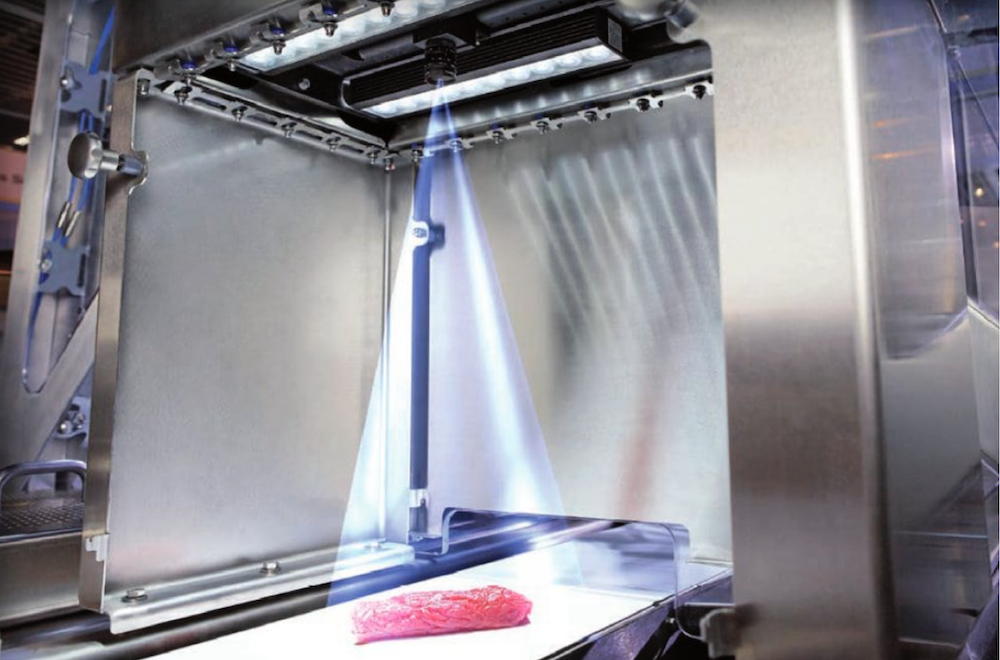
The automatic filling machine is a filling equipment that integrates PLC technology, variable frequency technology, precise feeding technology, and real-time detection technology. It integrates functions such as conveying, metering, filling, recording, and monitoring. Using a computer to replicate human visual functions, the machine replaces the human eye for measurement and judgment. The photoelectric imaging system collects the image of the controlled target, which is then digitally processed by a computer or a dedicated image processing module. Based on the pixel distribution, brightness, and color information of the image, the machine can identify dimensions, shapes, and colors. The collection can be triggered or continuous. The optical characteristics of the target object are converted into two-dimensional information electrical signals. Then, through the data acquisition card or the sampling and quantization function built into the acquisition device itself, it is converted into a digital image. It is mainly used for the selection and setting of filling, monitoring of the filling process, processing of alarm signals, and retrieval of ingredient data. It is manufactured using PLC programmable controllers and adopts a two-stage automatic filling method. When the filling head is not inserted into the barrel, it automatically lifts the lever. When it reaches the filling target value, the filling head automatically rises.
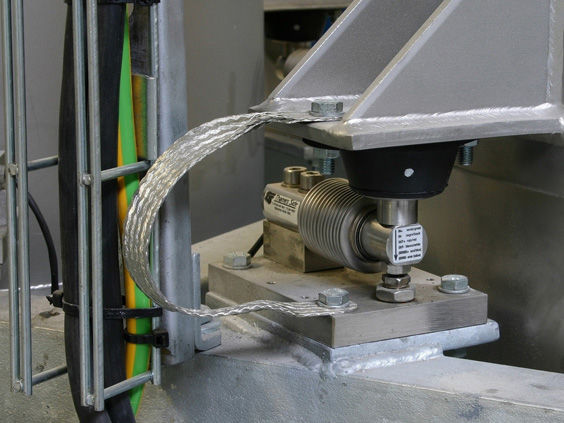
The filling device of the metering filling machine supplies materials to the container through two sections of cylinders. The Electronic scale converts the weight signal into an electrical signal and transmits it to the weighing instrument. The weighing control instrument measures the weight value and controls the entire weighing process to form automatic weighing control. The switch input signals in the system include start buttons, stop buttons, filling gun status and other detection signals; the switch output includes filling solenoid valves, outflow pneumatic valve solenoid valves and some display and alarm output signals. The digital channel receives the weight input signal from the electronic scale. The closing of the weighing filling gun is completed by approaching the target weight, large feeding and small feeding together, with 95% of the rated weight value being fed within a short period of time. Then the large feeding stops and the small feeding completes the feeding volume of 5% to 10% of the rated weight value, which requires a longer time. In actual production, the weight and time parameters of these two sections need to be adjusted according to specific circumstances to achieve the best state.