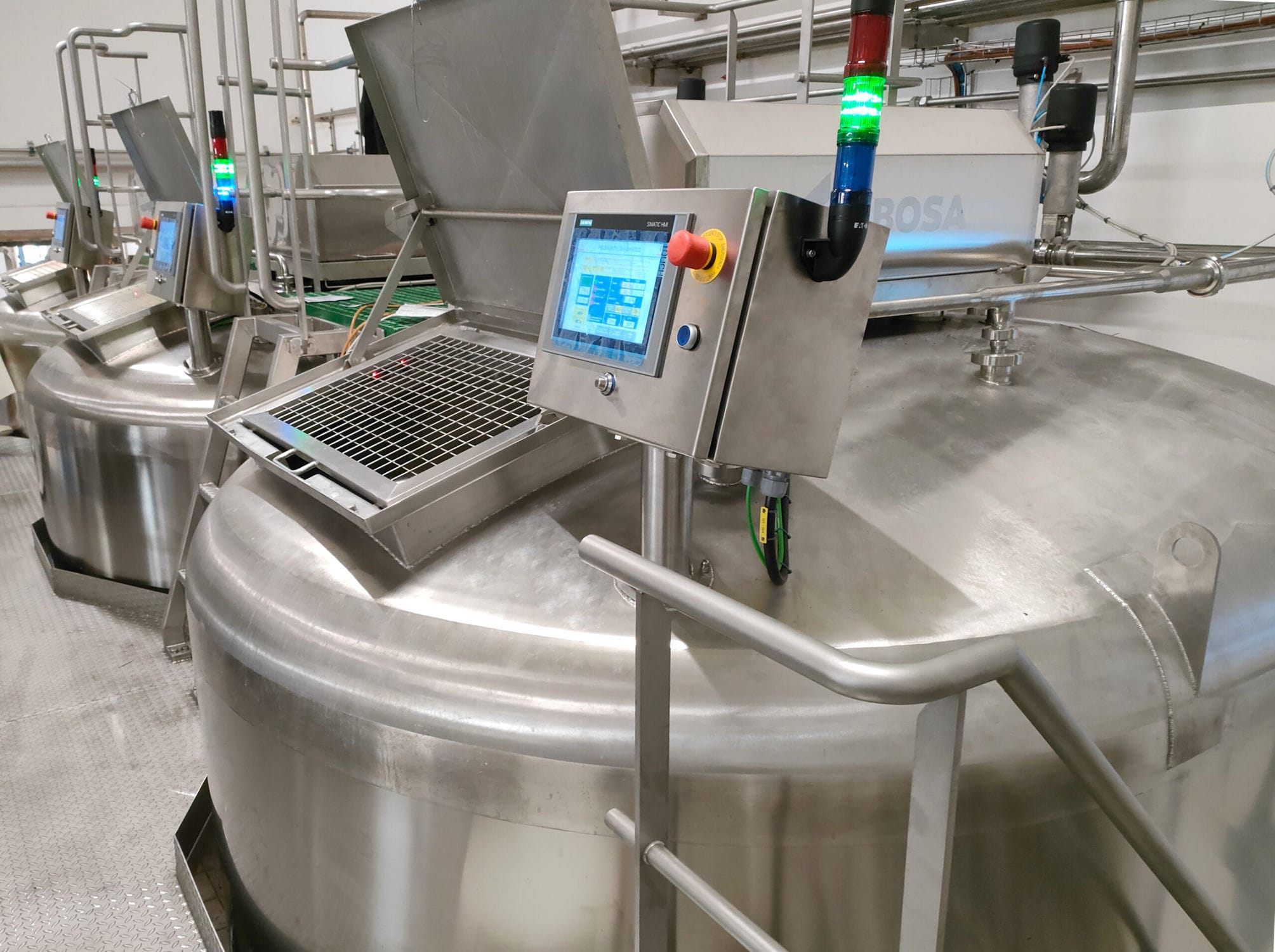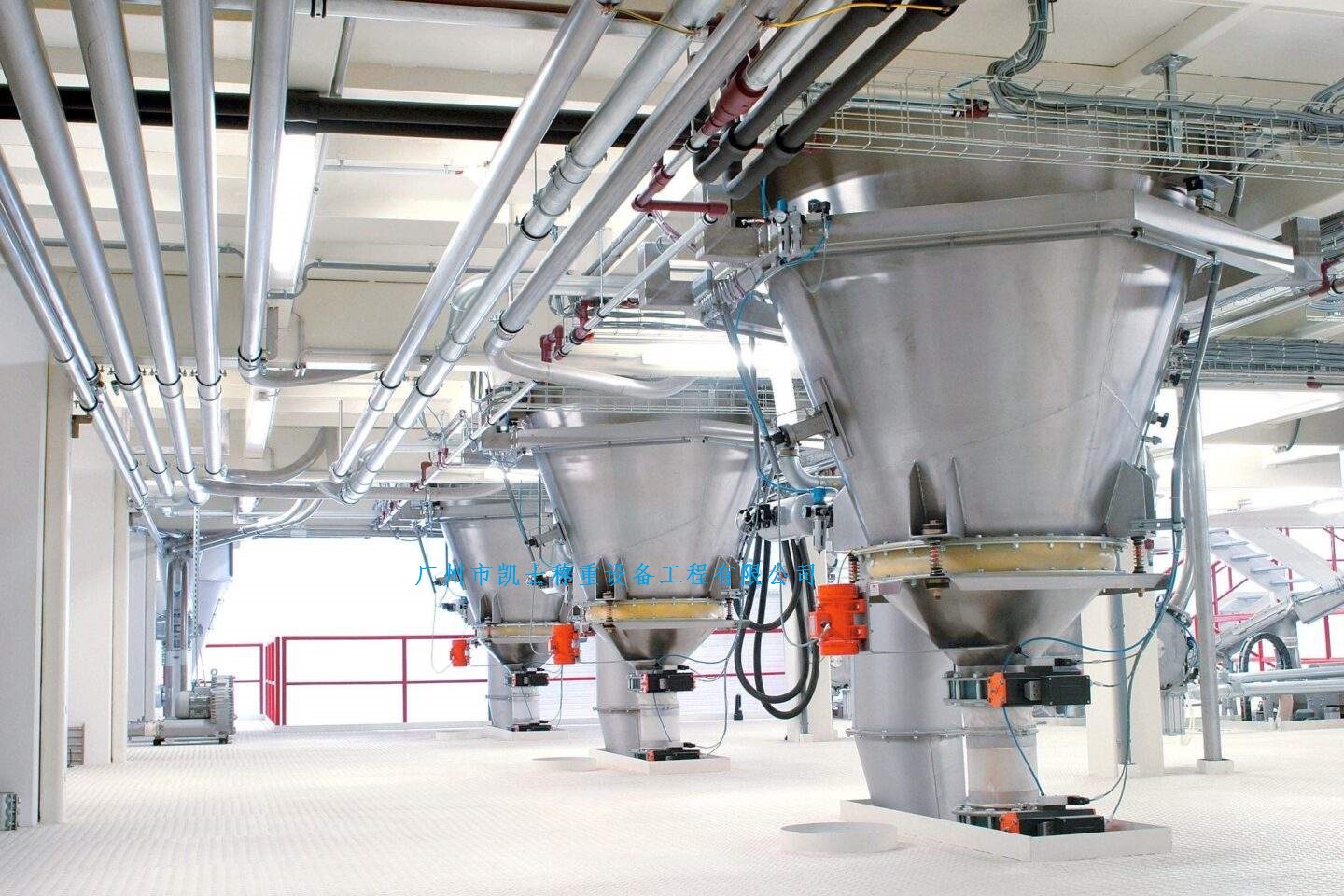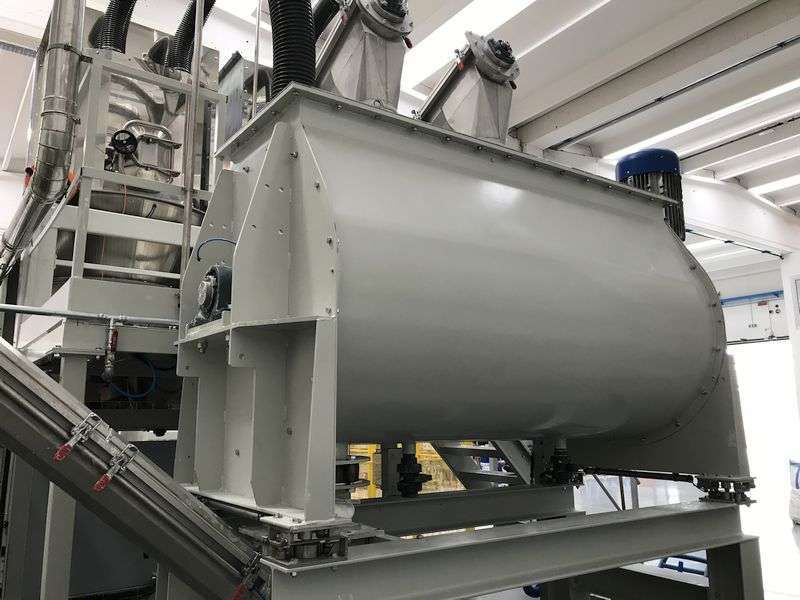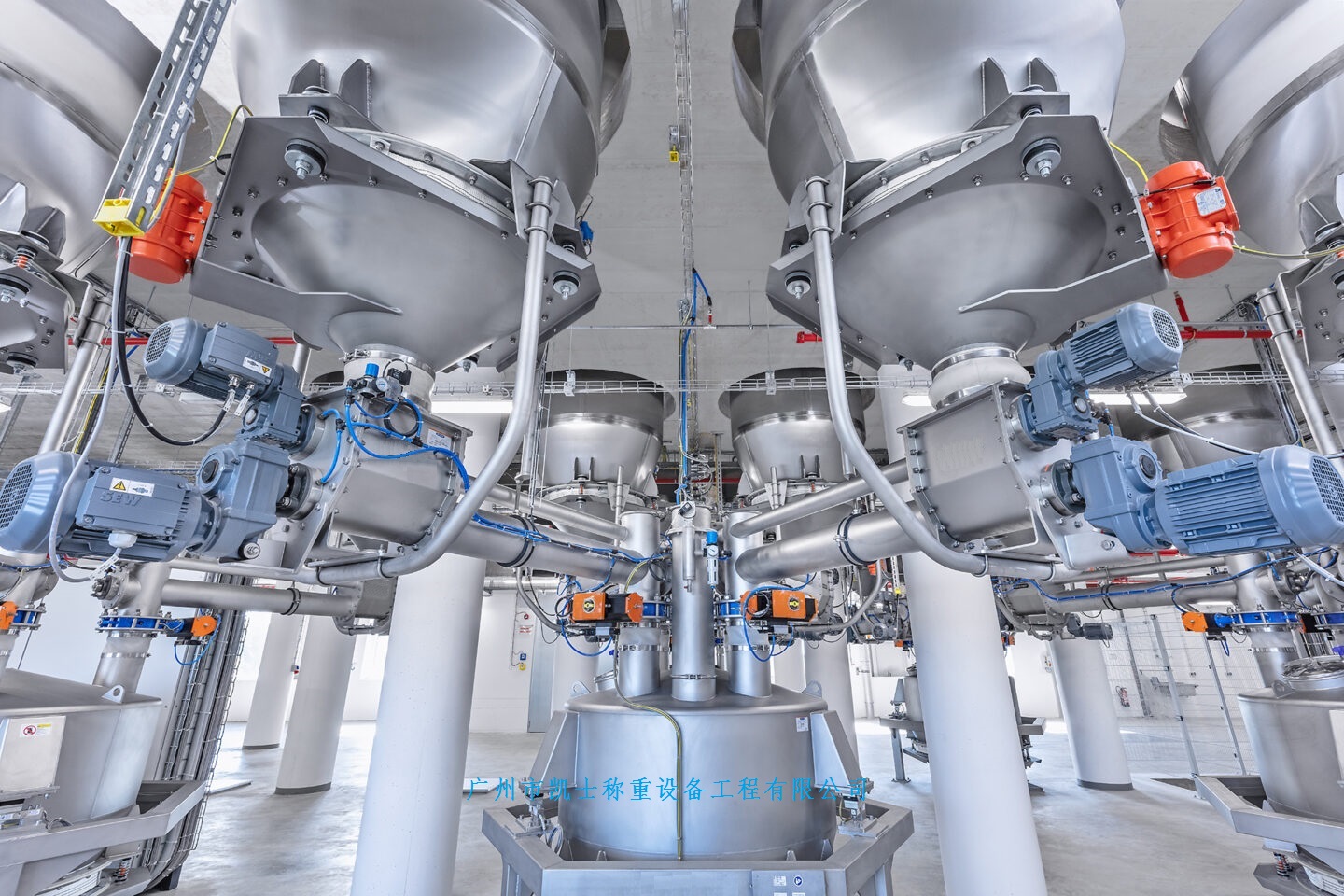




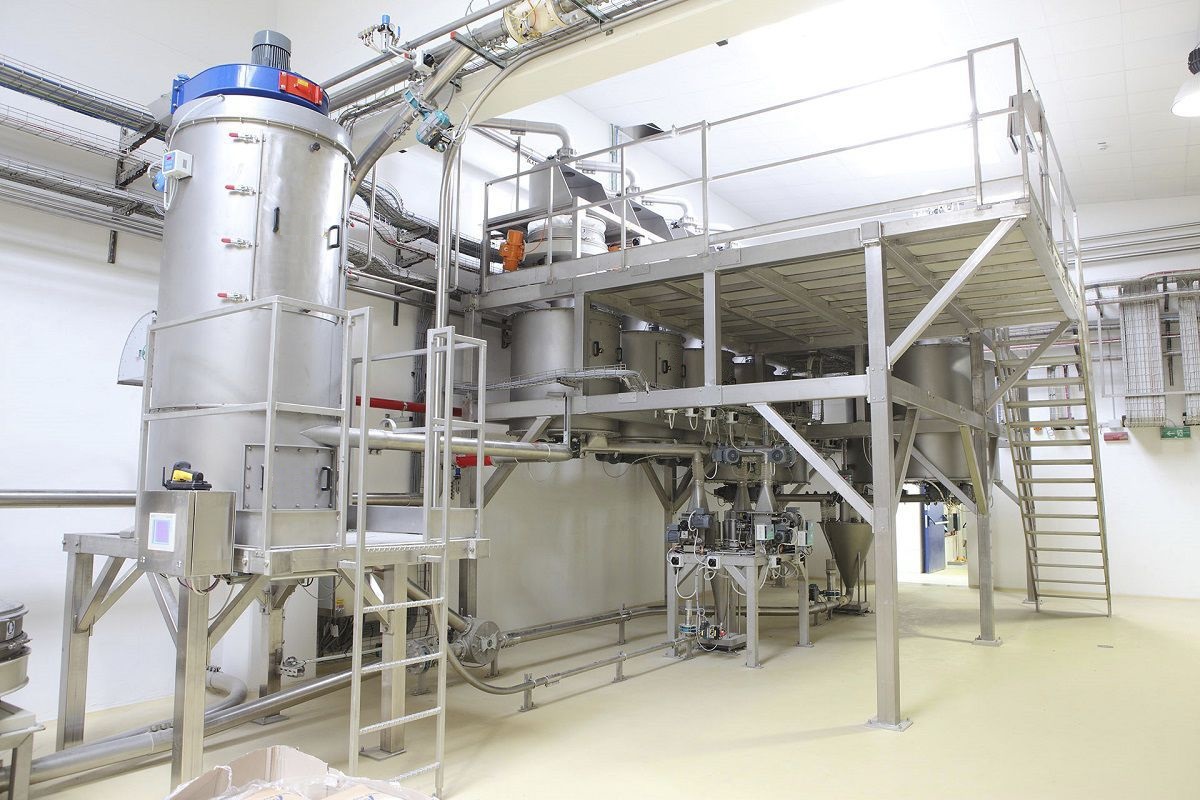
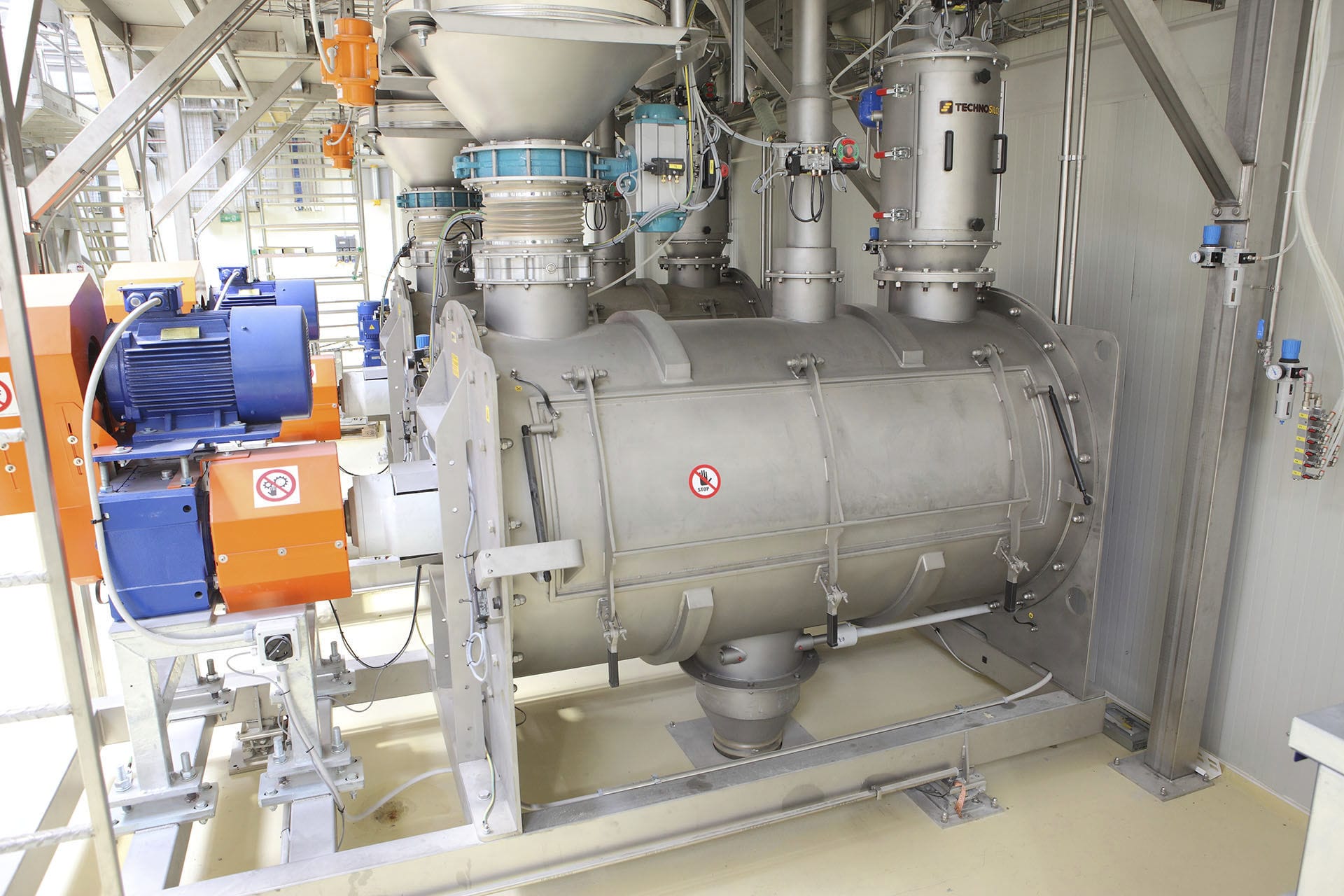
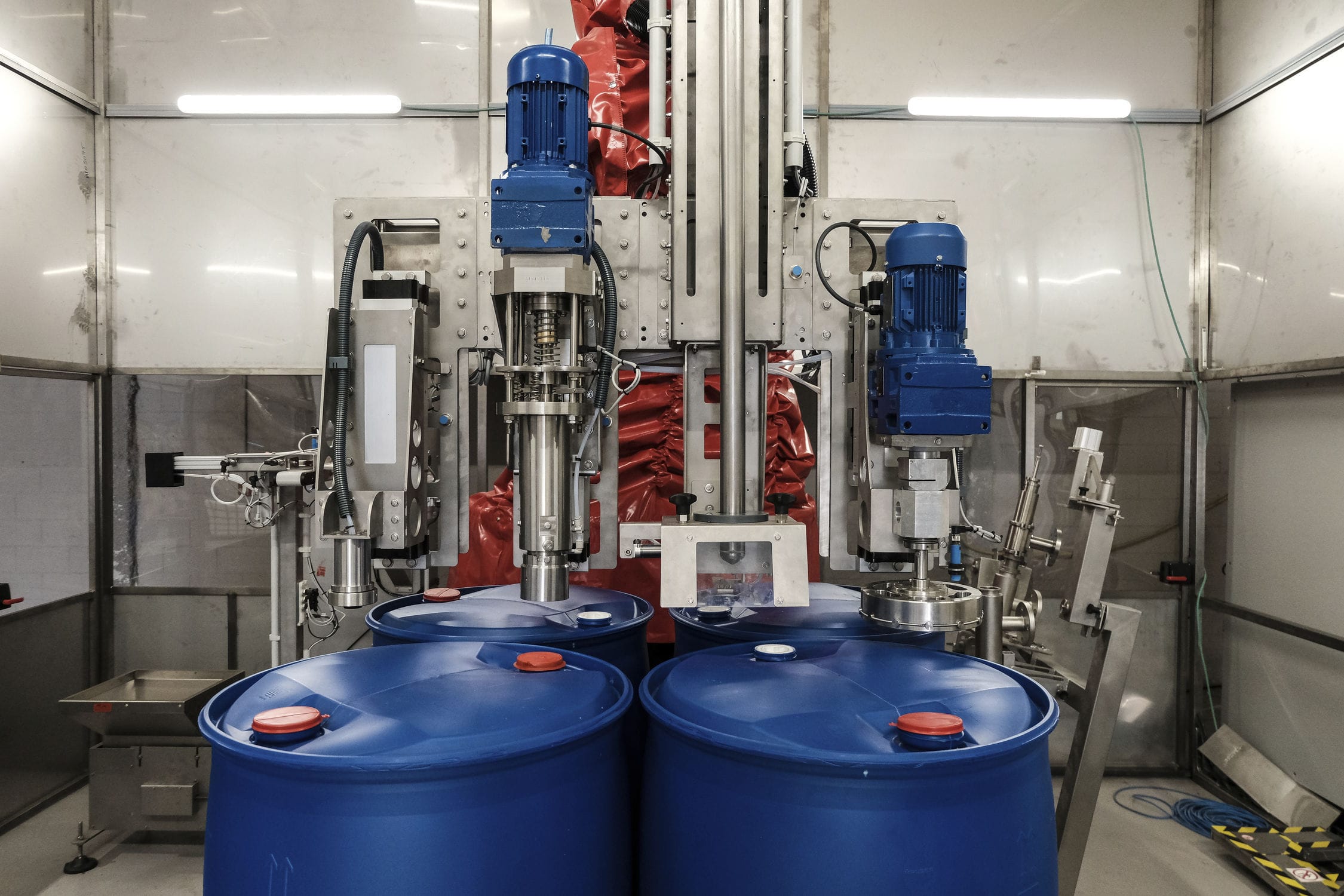
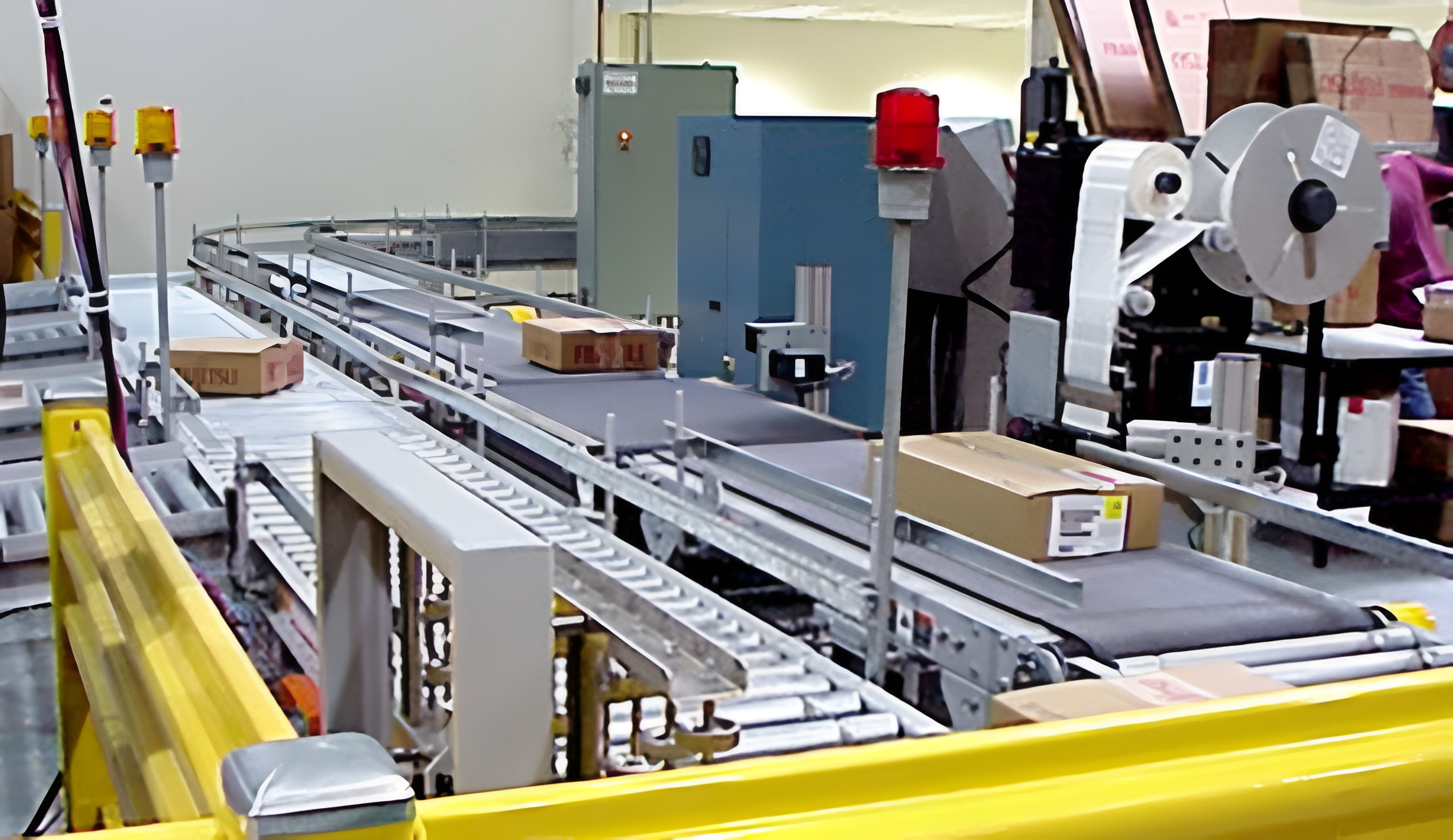
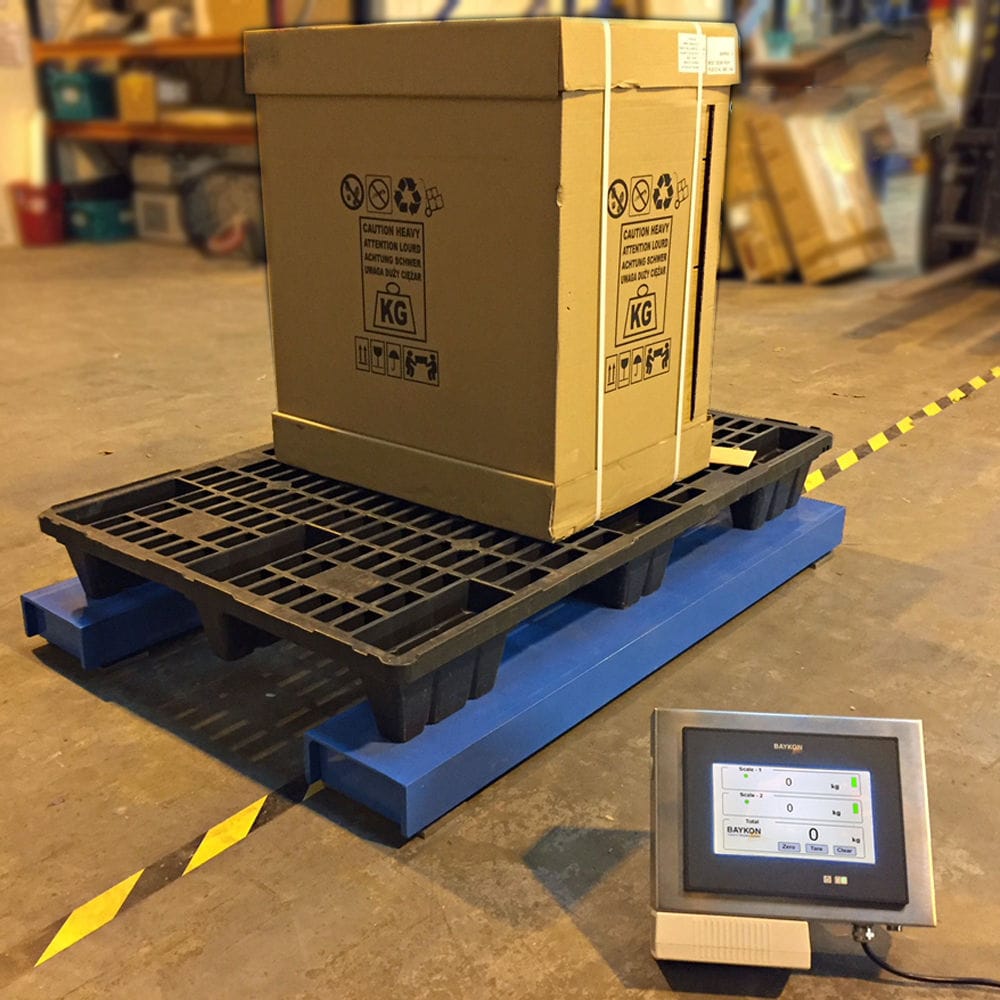


A total of three motors are designed in the mechanical system of the Discrete feeder to achieve lateral movement, turnover movement and longitudinal movement respectively. Lateral movement to achieve the reactor feed, flip movement to achieve pouring, longitudinal movement to achieve the movement of the station.

 020-34563445
The discrete Feeding machine solution package includes the automatic control of various equipment such as conveying control, weighing and batching, material mixing and stirring control, packaging and filling, etc. It provides a complete control solution, integrating functions such as touch display, production management, weighing sensor collection and processing, feeding and discharging, and alarm output, meeting users' production control requirements with high integration. It provides all functions except touch display and production management, and cooperates with the human-machine interface to complete control.
The mechanical system of the automatic Feeder is designed with a total of three motors, which respectively achieve lateral movement, flipping movement and longitudinal movement. The lateral movement enables the feeding of materials into the reactor, the flipping movement enables the discharging of materials, and the longitudinal movement enables the movement of workstations. This system has a total of 10 workstations. The entire process of its operation is: At the initial point, the system first detects the amount of material in the silo and the level of the material liquid in the reaction vessel. When the material in the silo is sufficient but the liquid level is low, the feeder starts to operate, and the lateral movement begins. At the same time, the feeding motor starts to vibrate the material. When the motor reaches the end of the lateral movement, the flipping motor begins to flip (for one cycle). After returning to its original position, the lateral retraction motor returns to its original position. Detect the height of the liquid level in the reaction vessel. If it is high, the system returns to the origin. If it is low, the longitudinal motor moves forward by one position, and then the lateral feeding movement into the reaction vessel is repeated once. That is to say, every time the longitudinal motor moves forward by one position, the feeding movement into the reaction vessel is repeated once until the feeding movement of the last position is completed. The longitudinal motor directly returns to the starting position to check if there is enough material in the silo and the height of the material liquid level, and then repeats the next feeding cycle.
The feeding system has the following functions:
It can achieve manual and automatic operation functions.
(2) Origin reset function.
(3) Power failure retention function.
(4) Material shortage alarm function.
(5) Function for detecting the liquid level of the material in the reaction vessel.
To ensure the automatic and normal operation of the control system, the system is also equipped with the following protection devices:
Peripheral limit switches are used to prevent the equipment from overstepping when the boundary proximity switch is damaged.
(2) Silo limit travel switch to prevent the automatic vibrating machine from exceeding the time limit during vibrating, which may cause some compound materials to be added outside the silo.
(3) Alarm for the material level in the silo to prevent no one from knowing when the silo is short of materials.
(4) The change of motor speed can be achieved through frequency converters, with one frequency converter for each motor.
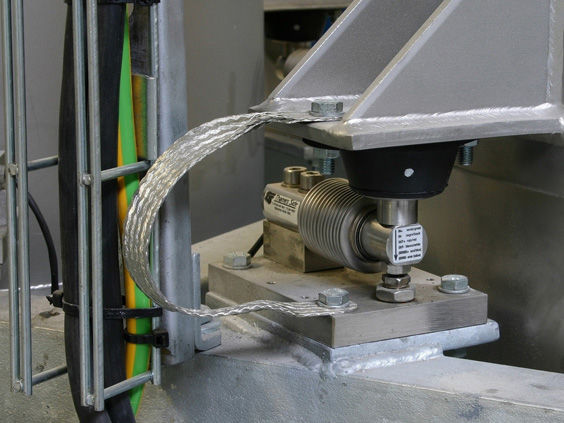
(5) The material level in the silo is detected by the weighing module.