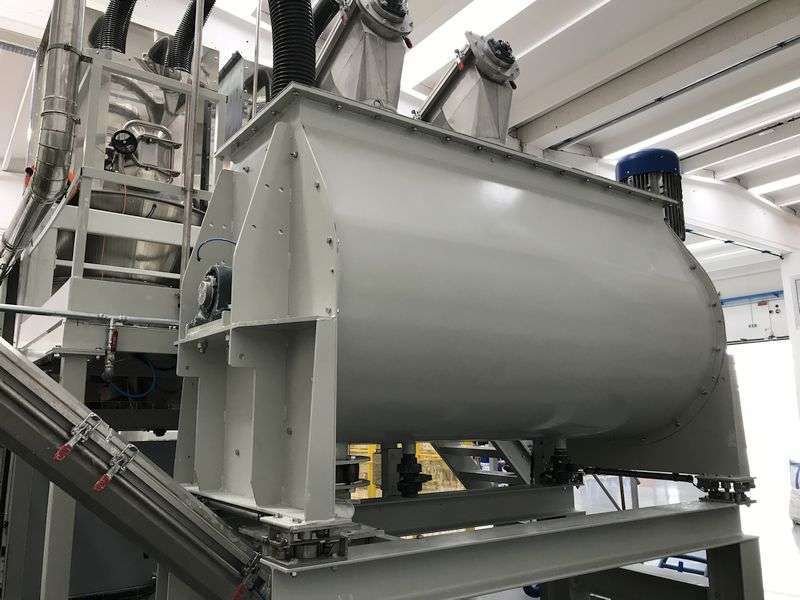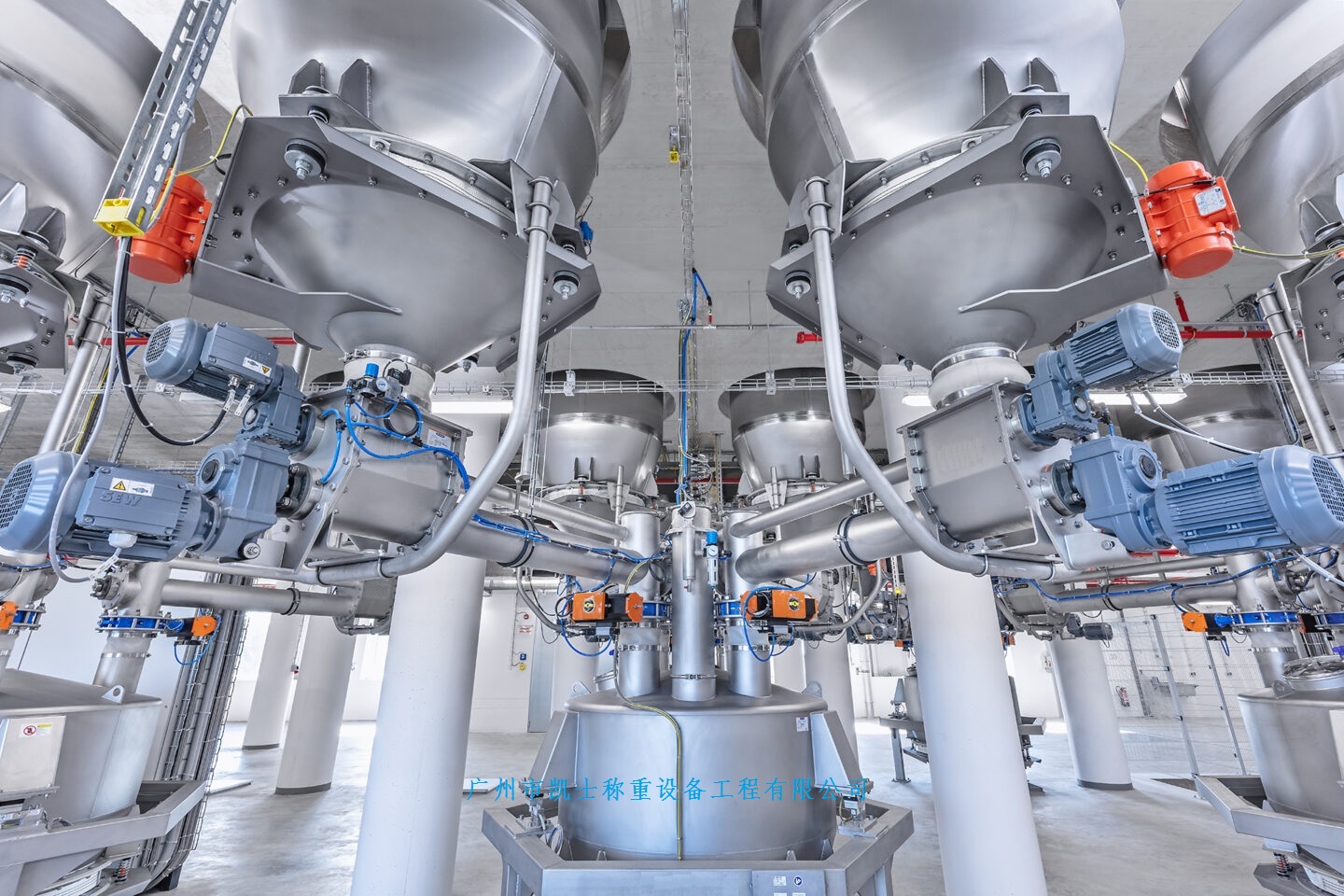





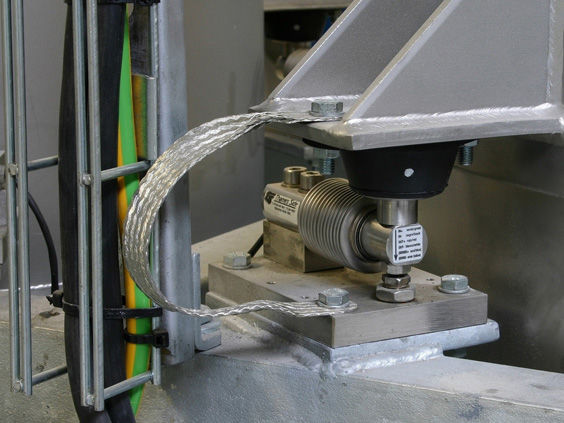
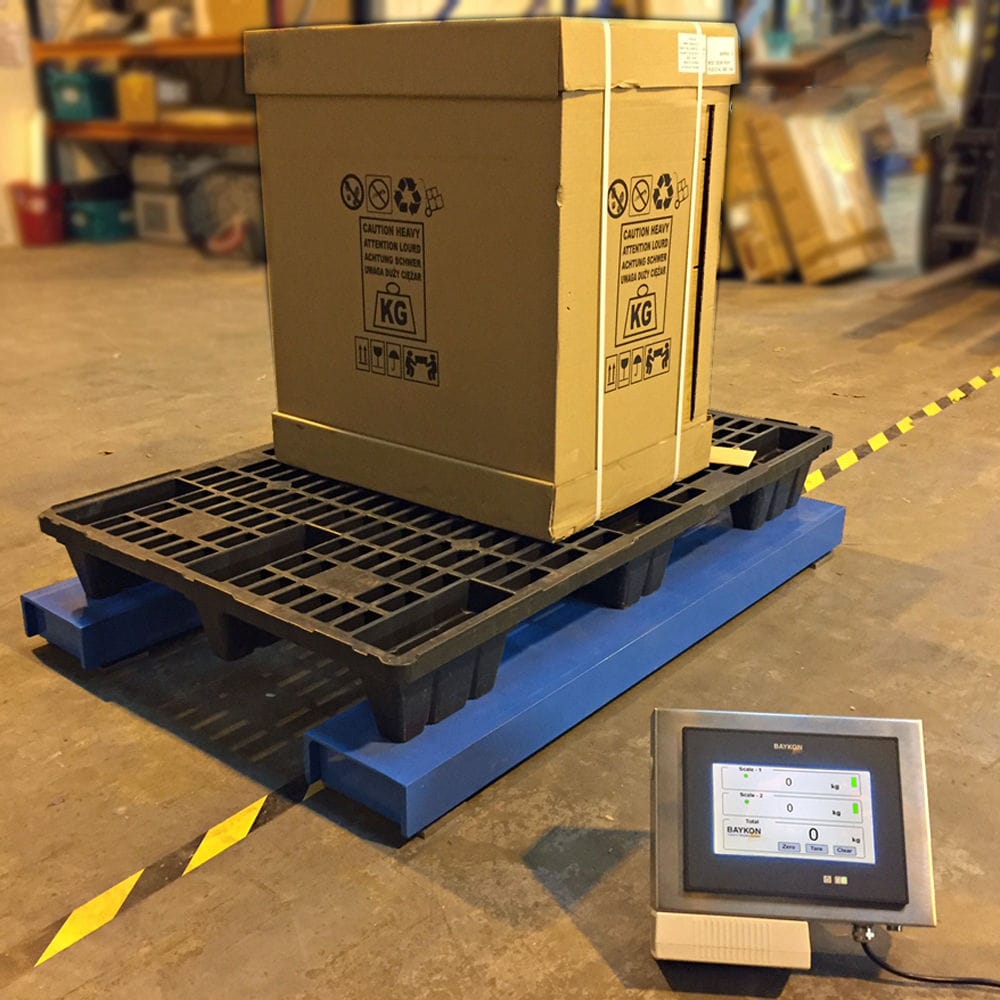


Hopper scales realize material level control by weighing, the material can be liquid or granular solid. Usually 3 or 4 force sensors are used. The weight of the material is converted into an electrical signal by the force sensors and amplified by the amplifier in the measuring circuit for display, recording and data processing. It has automatic zeroing and weighing data processing functions.

 020-34563445
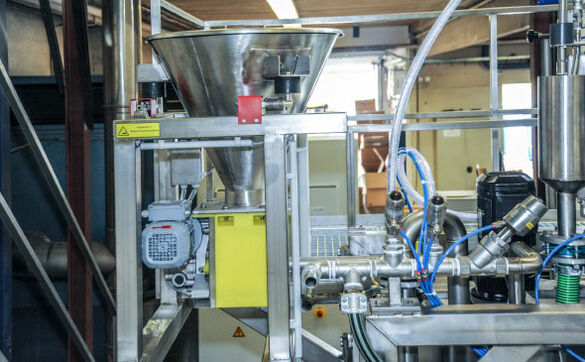
The hopper scale is a metering control device for material batching. It is an overall device fixed on a weighing module, with a hopper door installed at the side bottom that can be opened and closed by an electromagnetic pneumatic valve for timed and quantitative discharging and feeding (when the hopper door is open, the materials inside the hopper scale are discharged, while when the hopper door is closed, the materials can enter the hopper scale from above through an electric vibrator or a spiral knife). It is a metering batching device composed of a hopper container. There are mainly two types of automatic hopper scales: Electronic scales and non-continuous cumulative scales. The non-continuous cumulative scale is used to obtain the cumulative target value of multiple weighings. The automatic hopper scale is designed to obtain the target value of a single weighing. From a structural perspective, both the non-continuous cumulative scale and the automatic hopper scale have feeding devices, Weighing modules, and discharging devices, as well as a bagging and packaging device. With the development of the automation of logistics industrial processes, automatic hopper scales are increasingly applied in various industries. Therefore, higher requirements have been put forward for the weighing speed and accuracy of automatic hopper scales.
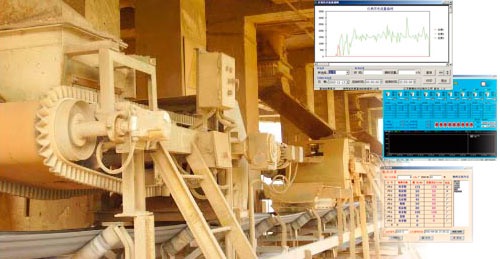
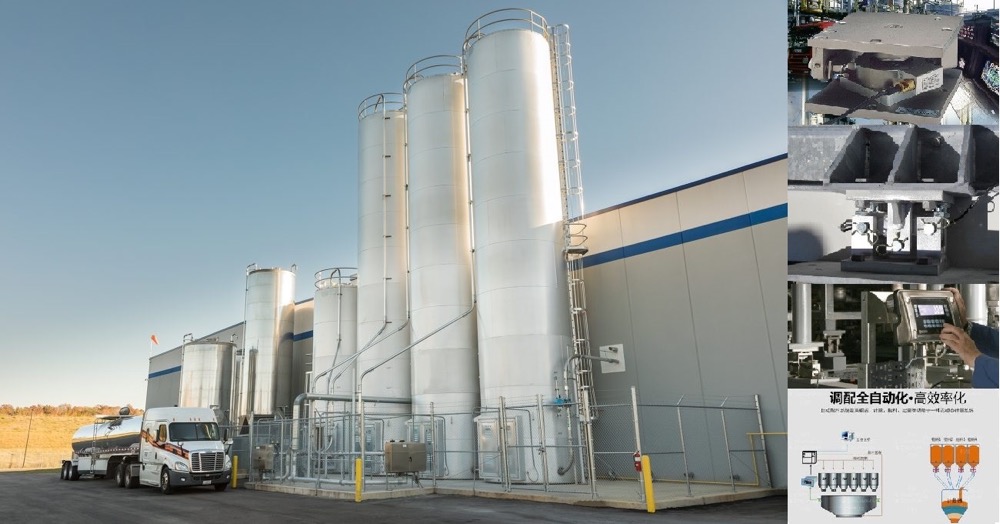
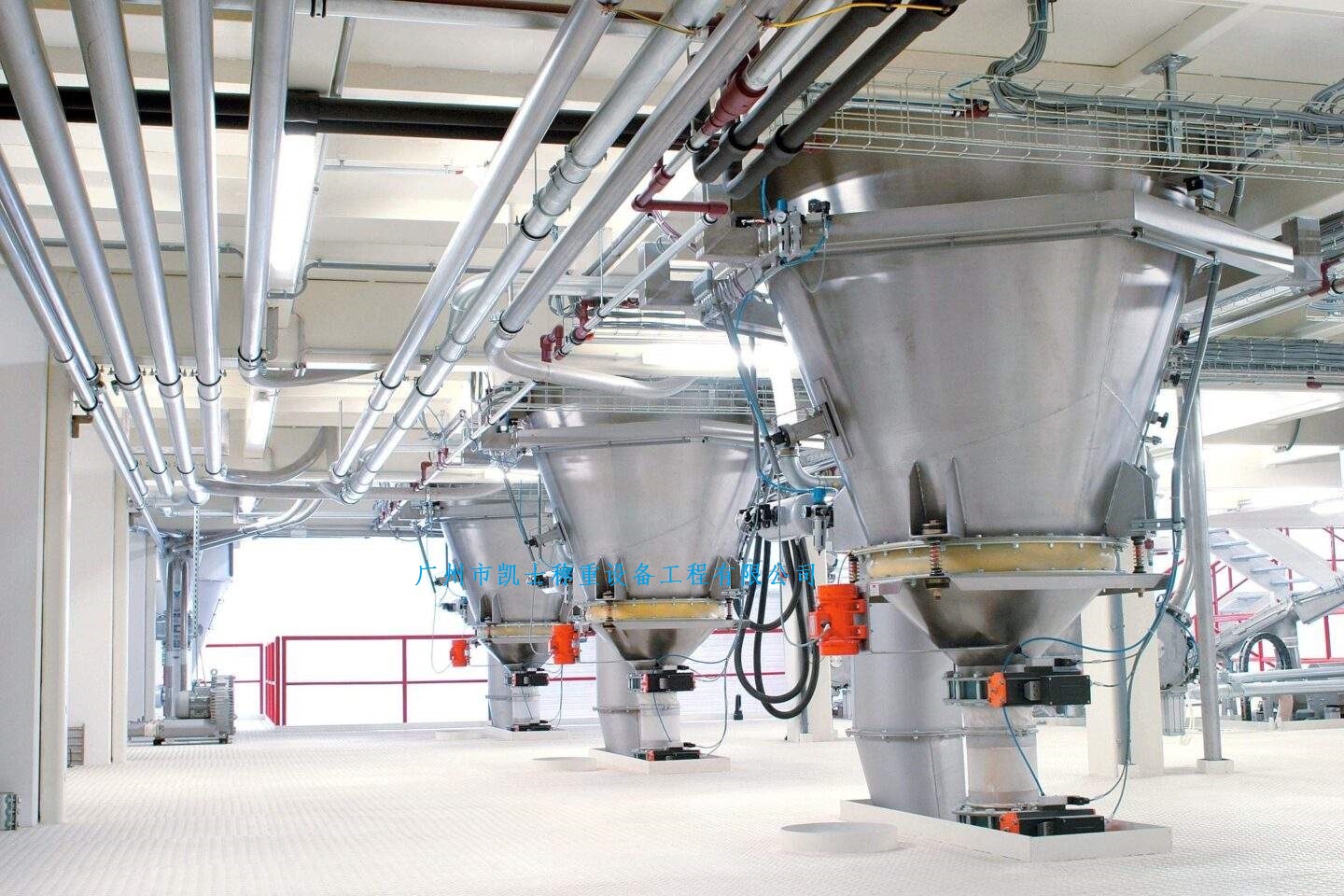
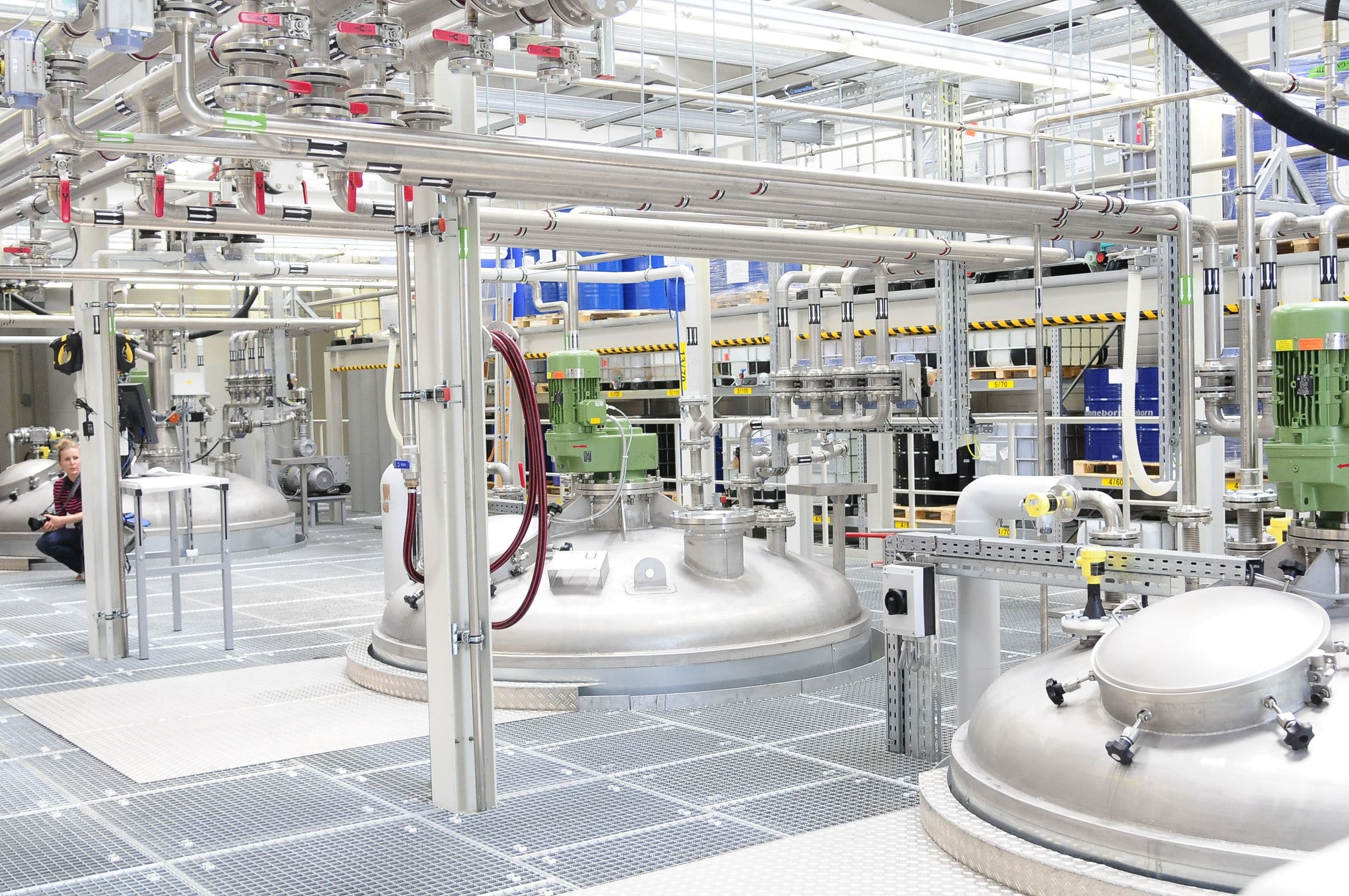
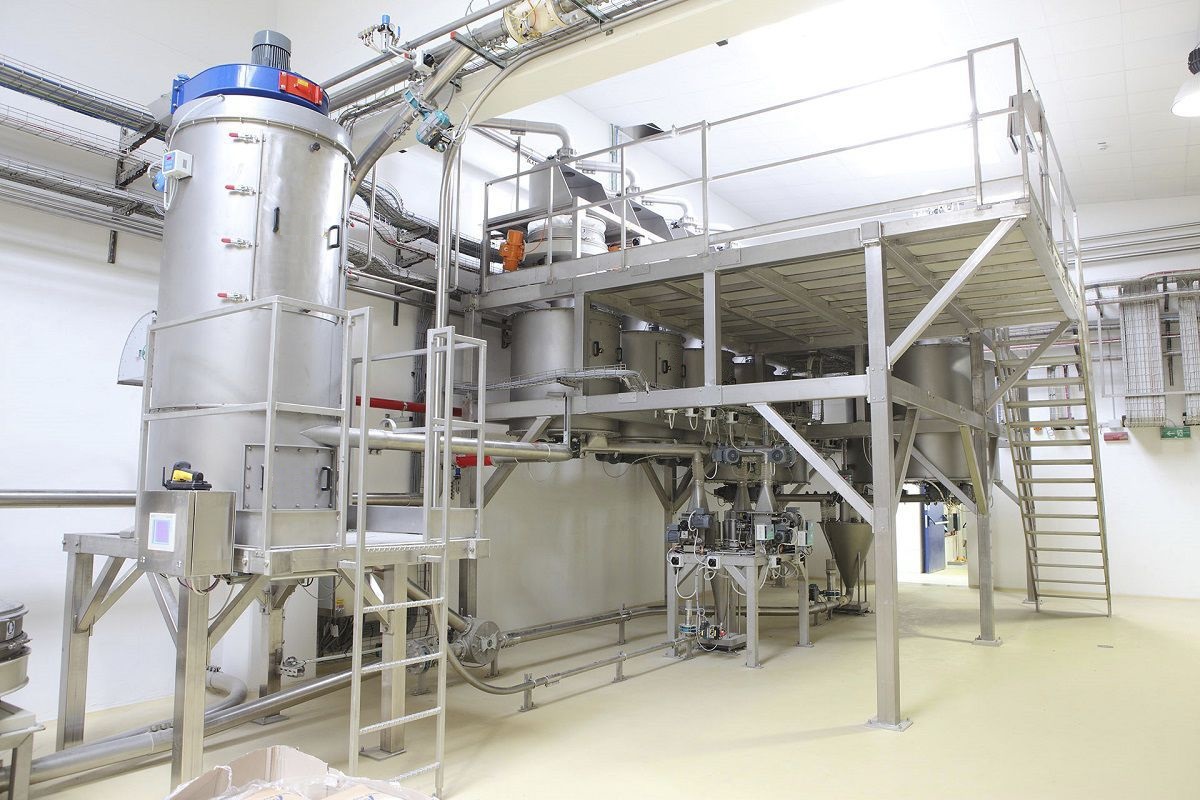
The hopper scale is composed of a storage bin, a measuring hopper, a weighing sensor, a batching controller, a logic controller (PLC controller), and actuators (screw conveyors, discharge gates). The general process of the production is that the material is lifted to a high position by a bucket elevator and then sent to various storage bins at the upper levels through an electrically controlled rotary distributor. Under the instructions of the batching controller, the screw conveyors in each storage bin sequentially discharge the materials to the measuring hopper according to the set quantity. After fully mixing the ingredients as per the formula, the measuring hopper automatically opens the discharge door to send the mixed materials to the mixer for blending. Then, the required added oils that have been measured are injected, and the mixture is mixed again before being sent to the next processes such as pressing and forming. The measuring hopper adopts an inverted conical structure. To prevent the hopper from swaying when the materials are discharged, it is best to use a weighing sensor with a compression force. If a weighing sensor with tension force is used, both ends must be equipped with universal joint bearings, and a horizontal pull rod must be installed in the hopper to prevent horizontal shaking.
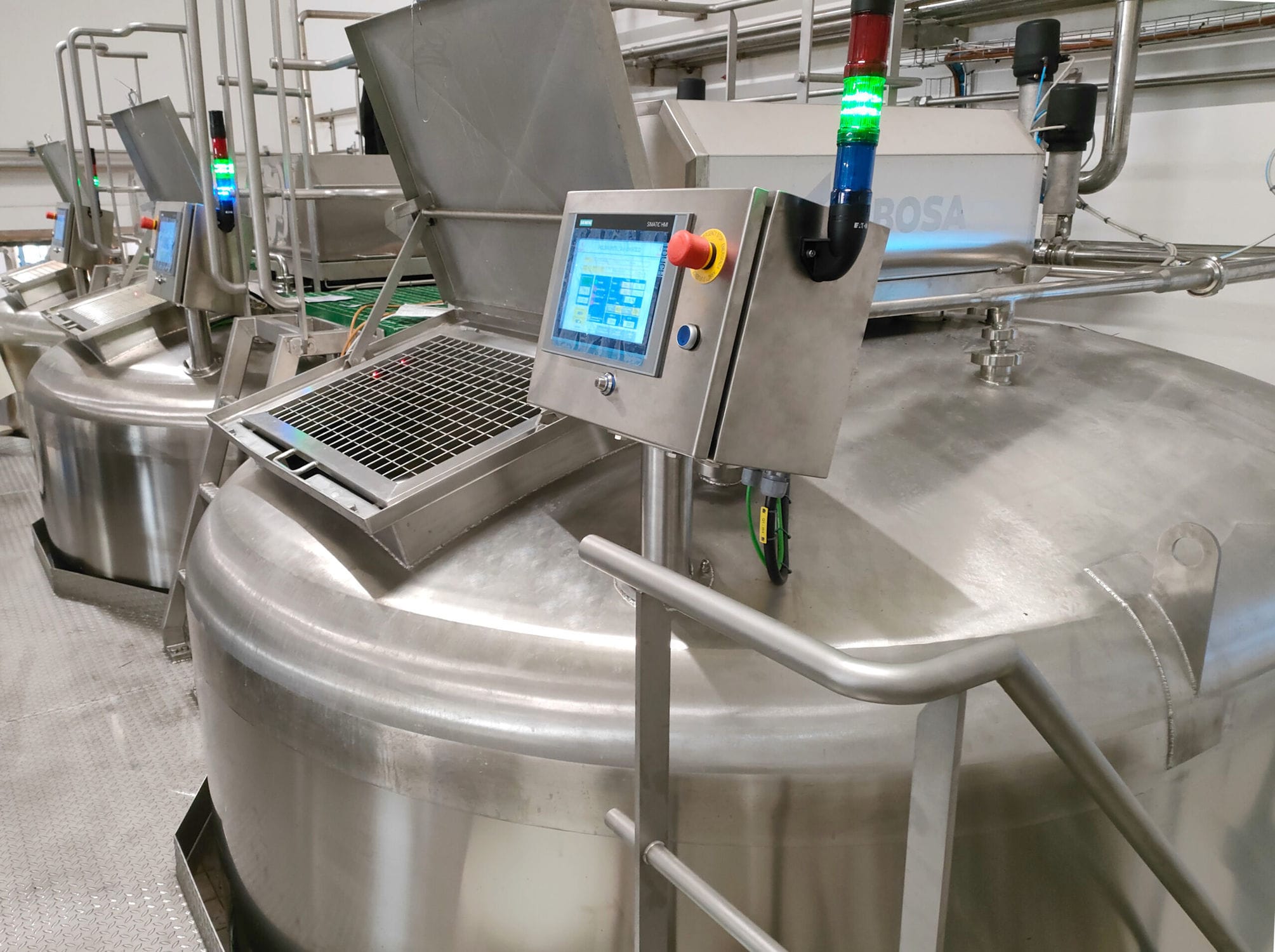
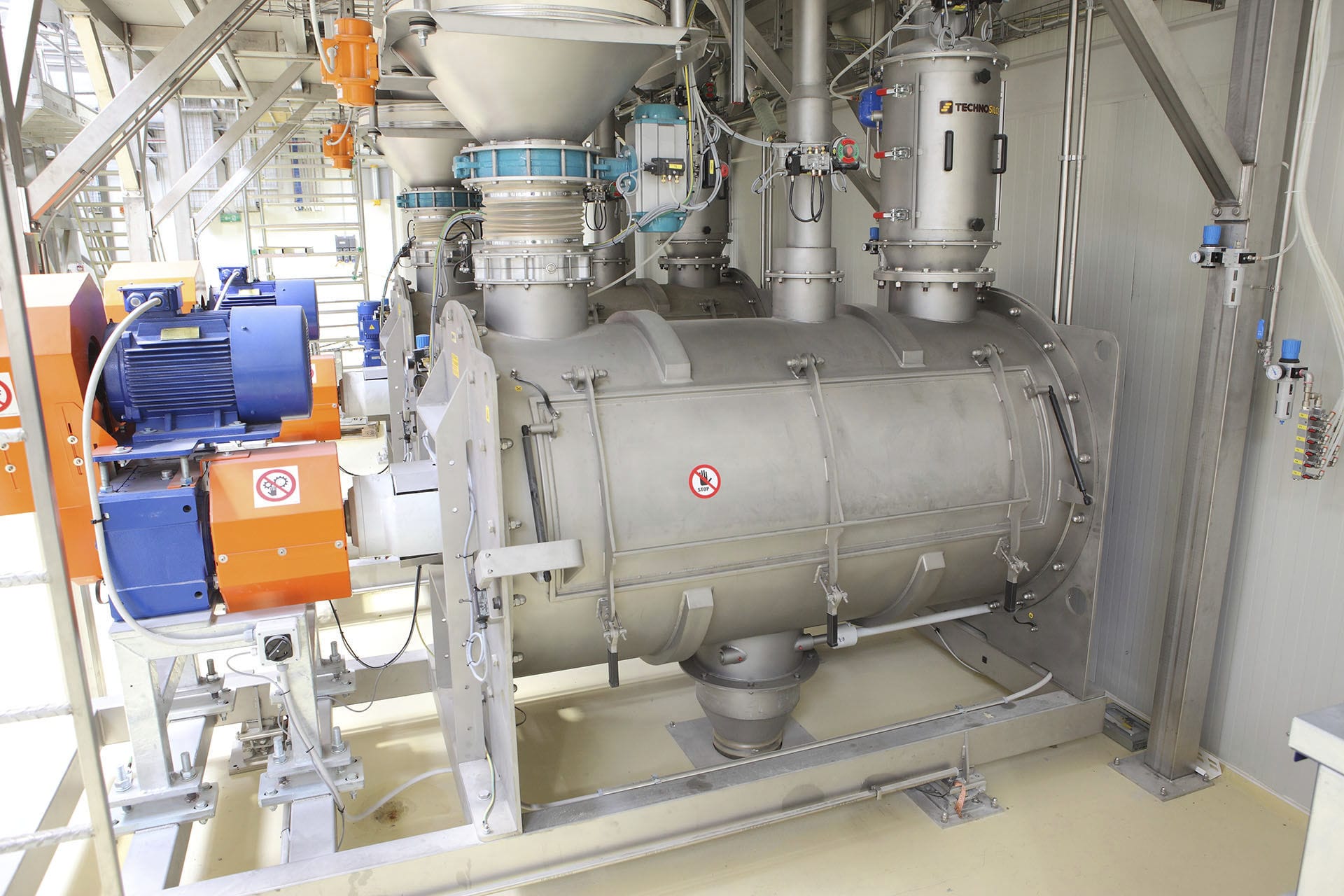
The hopper scale mainly consists of a weighing sensor, a data acquisition unit, a control execution unit, a frequency converter, a feeding motor, and a material output mechanism. In the entire system structure, the signal acquisition unit and the execution unit of the material system are located between the central controller and the center controller, converting analog signals to digital form to digitize the weight information of the materials; the processed signals are transmitted to the central control computer, performing various necessary controls on the electrical components of the scale body, and the frequency converter serves as the driving power supply for the feeding motor, receiving control signals from the control unit and controlling the speed of the feeding motor, which is responsible for driving the conveying mechanical mechanism to achieve the purpose of controlling the feeding volume. The central control computer is the control center of the entire dynamic Weighing system, responsible for the coordinated control and management of the entire weighing system, and also responsible for the human-machine information exchange between the operator. To ensure that the metering hopper operates at its best state and prevents the wet raw materials from accumulating and blocking on the inner wall, affecting the measurement accuracy and discharging speed, a hopper wall vibration device can be added outside the hopper wall to forcibly vibrate and break the blocking state. Additionally, a triangular deflector structure can be set at the upper end of the discharge port. At the top of the hopper, there are the screw conveyor discharge ports of the raw materials, with a high unit density. Reasonable and evenly distributing these discharge positions is very important for rapid and accurate measurement. Proper layout is beneficial for production and maintenance. To facilitate the periodic calibration of the metering hopper, a steel wire mesh frame can be welded around the upper side of the hopper, or a hook can be welded at each 90° along the circumference to place or hang weights for calibration.