







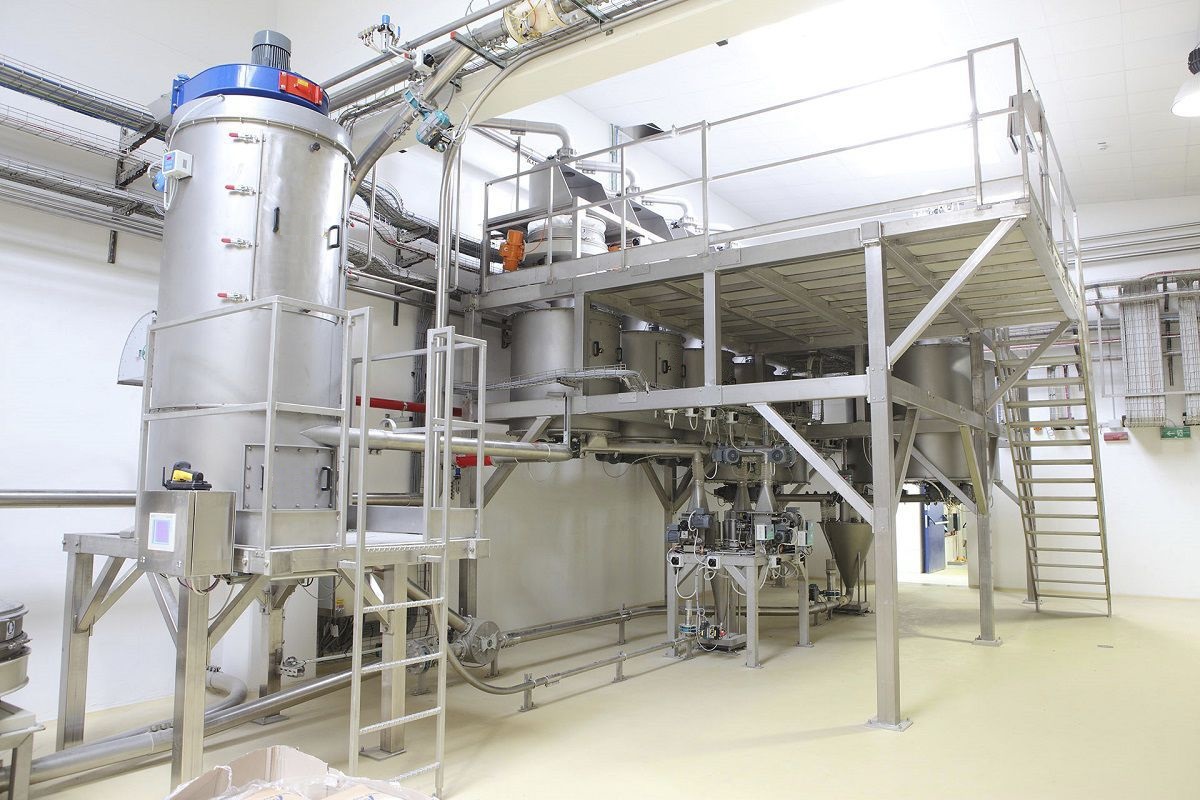
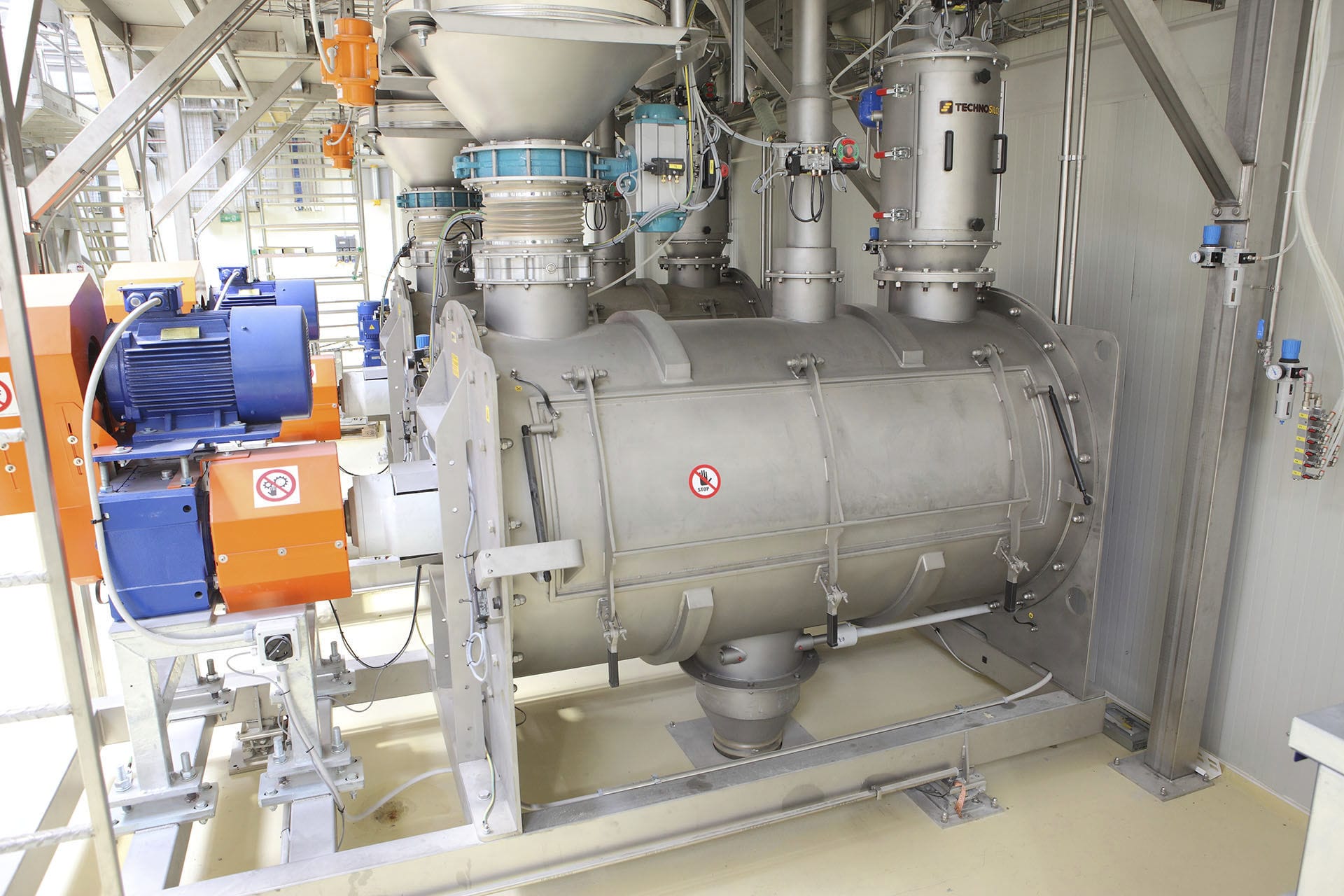
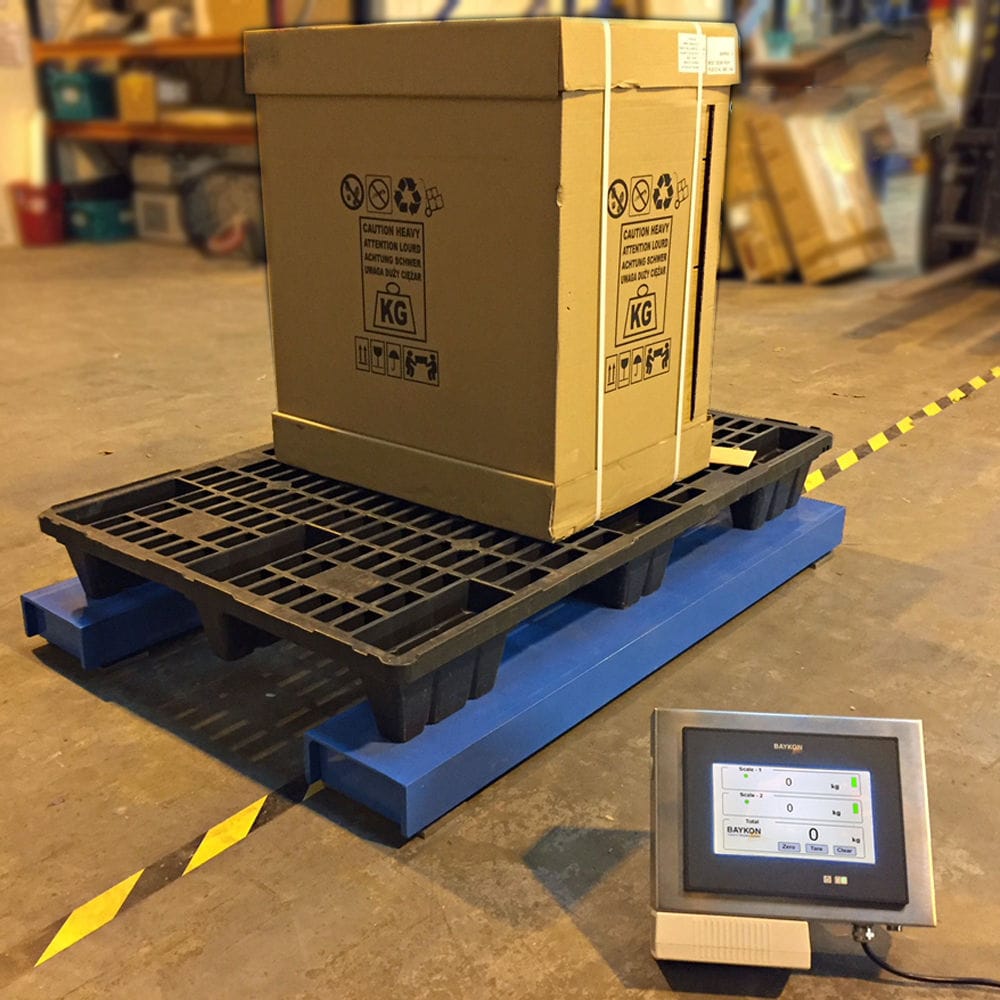


Calibration equipment adopts standard weights to calibrate the weighing hopper. As the weighing hopper belongs to online operation equipment, it must be calibrated online. There is no platform or space stacking standard weights such as large-area carrier (tank), which cannot be calibrated at full scale, and it is time-consuming and labor-intensive, and is restricted by objective conditions such as environment, which cannot accurately and reliably reflect the measurement performance. Therefore, the new measuring and calibration device carries out the calibration of the weighing hopper, unifies the technical indicators of the weighing hopper, and strengthens the supervision and management.

 020-34563445
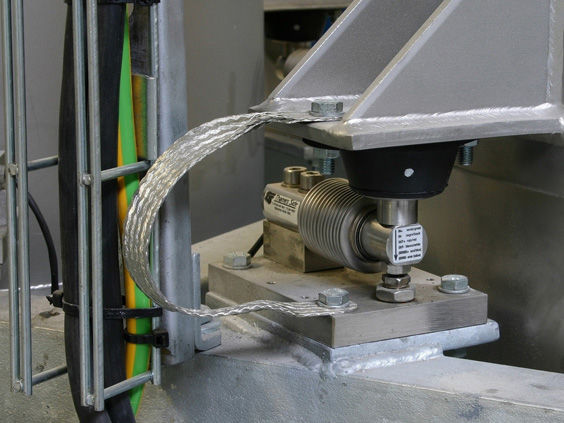
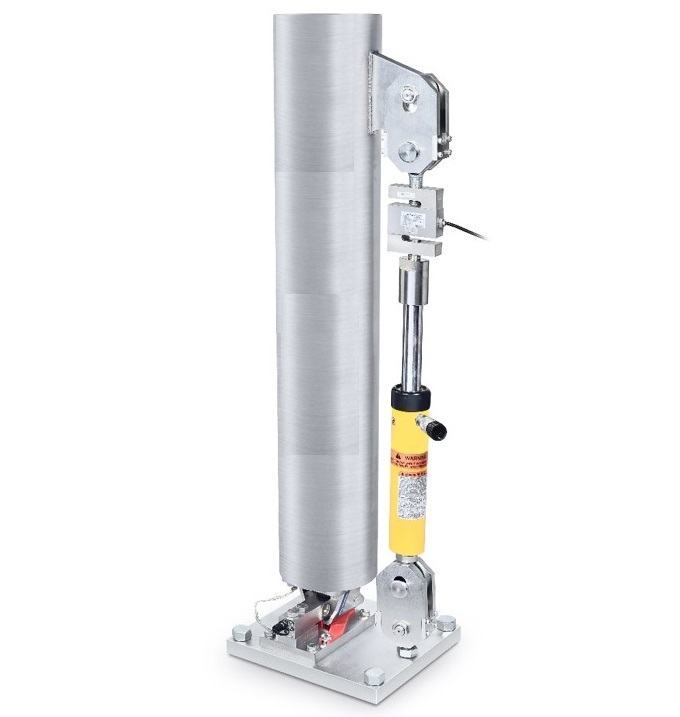
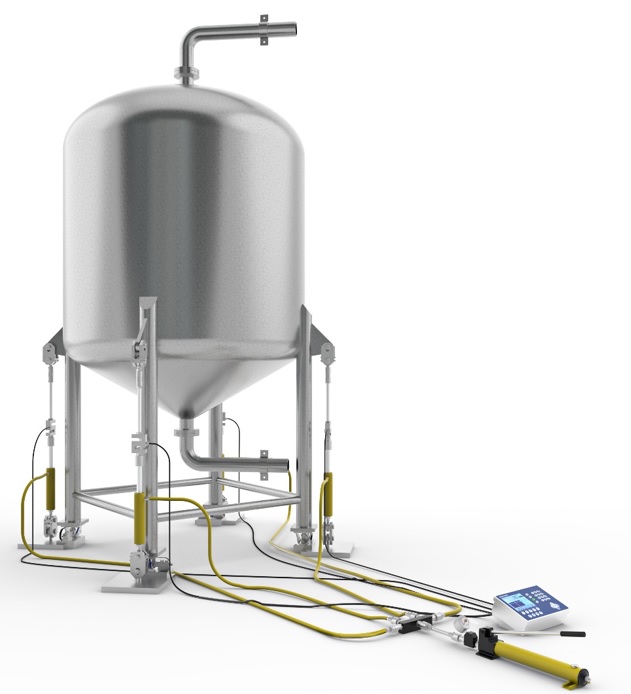
The loading device such as the screw jack of the dynamometer is evenly distributed in the carrier (tank), and connected with the ear bottom plate and the special calibration scale support. The accumulated weight of multiple dynamometers is manually input (tank weighing display) and the accumulated weight of the dynamometer is carried out hopper calibration. The screw jack inputs the pressure synchronously from the weighing sensor to the dynamometer, and the three weighing sensors load synchronously and equalize, and maintain the stability of the loading. The weighing sensor is affected by the force and reads the data through the dynamometer. In order to achieve the same standard load value given by multiple groups of dynamometer loading device units, the gravity of force measurement is used to feed the signal back to the dynamometer in real time. Multiple groups of standard dynamometer loading device units work synchronously. Single-chip microcomputer technology is adopted to collect multiple AD values, calculate and convert them into digital signals, which are displayed on the dynamometer respectively according to the stress state of each standard loading device unit. By applying the force of each screw jack manually, the force of each dynamometer unit can be evenly and synchronously operated.
Through the linear movement of the jack, the gap of the whole mechanism of the loading device unit of the dynamometer is eliminated, so as to gradually transfer the load to the weighing sensor at the bottom of the weighing hopper. Through the matching dynamometer to display the value, the jack can move bidirectional linear to load and unload the weighing hopper. The digital dynamometer is used as the core unit in combination with the loading calibration scale bracket to test the measurement characteristics of the weighing hopper as a standard loading device. The calibration of the weighing hopper uses the dynamometer loading device as the calibration standard. The standard dynamometer is composed of a weighing sensor with an accuracy of C4 and related tooling.
The error of the reproduced mass value of the loading device of the dynamometer should not be greater than 1/3 of the allowable error of the corresponding load of the hopper to be calibrated, and its short-term stability should not be greater than ±0.01%/30s. The installation requirements of the loading device of the dynamometer and the special calibration scale support: the embedded parts should be kept level, and the levelness deviation should be less than 1°; The ground plane leveling deviation of embedded parts is less than 2mm; All special scales should be in the same horizontal plane, height difference is less than 2mm; The installation verticality of the standard loading device (to the ground) should be kept vertical, and the deviation should be less than 1°. The balance bracket must maintain a gap with the carrier and cannot contact the carrier. The installation position of the balance bracket is in the same position as the stress point of the center point of the support ear platform of the carrier.
Selection of weighing point: According to the maximum calibration load of the tank, select the following load points for calibration: 25% maximum calibration load, 50% maximum calibration load, 75% maximum calibration load, maximum calibration load, or select the calibration load point according to the user's requirements.
Under conditions of repeatability, a set of measurements is taken in a practically consistent manner with close to 50% of the maximum calibration load, and the reading should be taken when the tank has reached stability after loading. If the user has special requirements, the test load test point can be adjusted. The load should be unloaded to zero before each loading, and loading should be carried out after the reading of the tank is stable. Set the tank indication value to zero before measuring. Load the test load at least 6 times. Each time the load is loaded, the indication value is recorded. The indicated value should be checked after each discharge during measurement. If the display is not zero, you can set it to zero.
Defects in objective conditions of hopper weighing. By analyzing the structure, main technical parameters and weighing method of the hopper, the system design of applying standard load by standard loading device is adopted to realize the detection and calibration of the hopper, laying the foundation for the "calibration specification of hopper Weighing system", promoting the standardization and standardization of the traceability of the hopper, and strengthening supervision and management of the hopper. Guided weighing hopper specification inspection.