











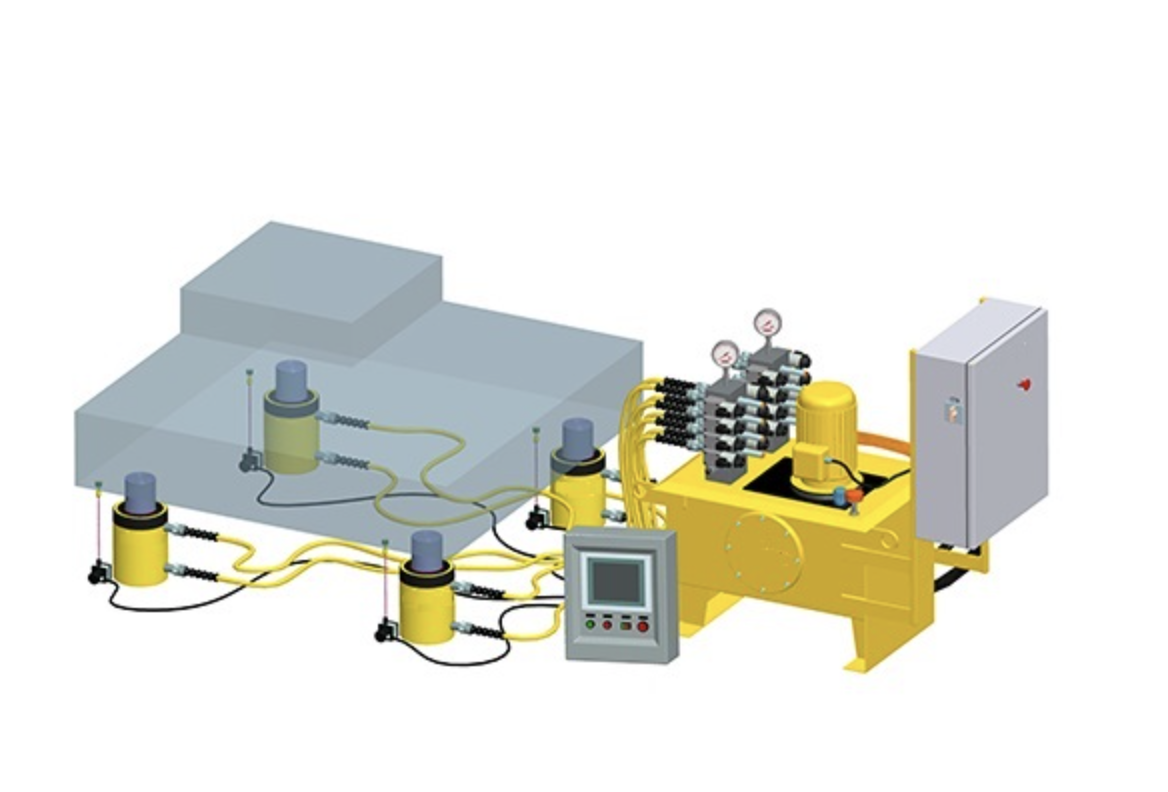
The axle load scale is mainly composed of a PLC-based system and a lower-level computer system based on weighing instruments. The weighing system is mainly responsible for data acquisition and control of the hydraulic servo system. The system uses weighing sensors to detect the load of the four legs of the scale respectively, and converts the measured values through A/D conversion and transmits them to the PLC for comparison with the reference value. The comparison result is converted into the piston lifting control quantity of the servo actuator (including servo amplifier, servo valve, hydraulic cylinder, and lifting hydraulic cylinder) by the PLC algorithm and provided as control signals to the lower-level weighing instrument control program. Then, the control signal is output by the lower-level computer to adjust the lifting change of the hydraulic cylinder, thereby controlling the positions of the four actuators.

 020-34563445
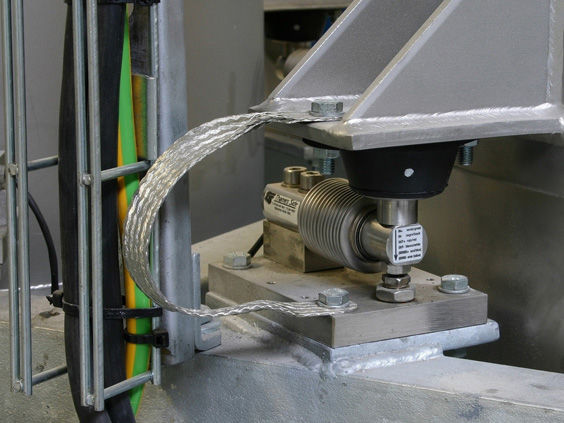
The leveling device of the scale platform of the weighbridge, the weighbridge consists of the scale platform and the frame. The weighing module is installed in the frame, and a weighing sensor is set between the scale platform and the frame. The leveling device includes a nut vertically threaded and connected to the scale platform at each position corresponding to the weighing sensor. The bottom end of the nut is in contact with the weighing sensor. The scale platform is supported on the weighing sensor through this nut. A groove is opened on the top surface of the scale platform at the installation position of the nut. The top end of the nut extends into the groove, and the top end is set lower than the top surface of the scale platform. The anti-loosening structure to prevent the nut from loosening is provided in the groove. Ensuring that the scale platform can be firmly pressed against each weighing sensor, thereby ensuring that the angular deviation and segment deviation during the weighbridge inspection meet the requirements.
The weighbridge Weighing system is mainly composed of a PLC-based system and a lower computer system based on weighing instruments. The weighing system is mainly responsible for data acquisition and control of the hydraulic servo system. The system uses weighing sensors to detect the weight of the four legs of the weighbridge and transmits the measured values after A/D conversion to the PLC for comparison with the reference value. The comparison result is converted by the PLC algorithm into the piston lifting and lowering control quantity of the servo actuator (including servo amplifier, servo valve, hydraulic cylinder, and lifting hydraulic cylinder) to provide control signals to the lower-level weighing instrument control program. Then, the control signal is output by the lower computer to adjust the lifting change of the hydraulic cylinder, thereby controlling the positions of the four actuators, releasing or compressing the Weighing modules of each support point, and changing the load-bearing force of each point of the weighing modules. The piston lifting and lowering of the servo actuator is measured by four lifting hydraulic cylinders, and the deviation signal obtained from the weighing module and the piston lifting and lowering control quantity of the four axes is used as the control signal of the actuator, forming a closed-loop control system.
The weighbridge is composed of multiple devices such as the hydraulic load-bearing platform (scale platform), weighing instrument, and axle weight identifier. When the hydraulic platform is being weighed, first, the platform is lifted and lowered by the servo control of the hydraulic platform. The weighing instrument processes the weighing signal obtained from the weighing sensors of the hydraulic platform, weighs the four legs, and effectively handles special situations. Once the weighing is completed and the platform leaves the scale platform, the weighing instrument can determine the end signal based on the detected signal and the weighing signal obtained from the weighing sensors. The weighing instrument processes the weight of the four axes of the platform, obtains the four angle signals of the weight during the control process of the weighbridge platform, and forms an overall weighing information. The complete weighing information includes the number of axles, axle weight, axle type, axle group load, total weight, etc. The weighing information of the entire vehicle is transmitted to the PLC through the data interface, thereby completing the weighing process and waiting for the next material weighing.


