









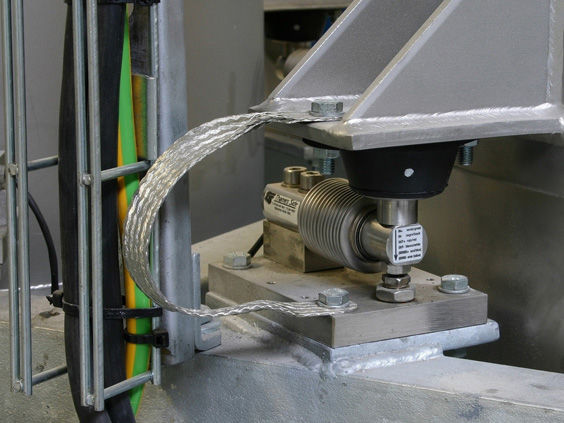
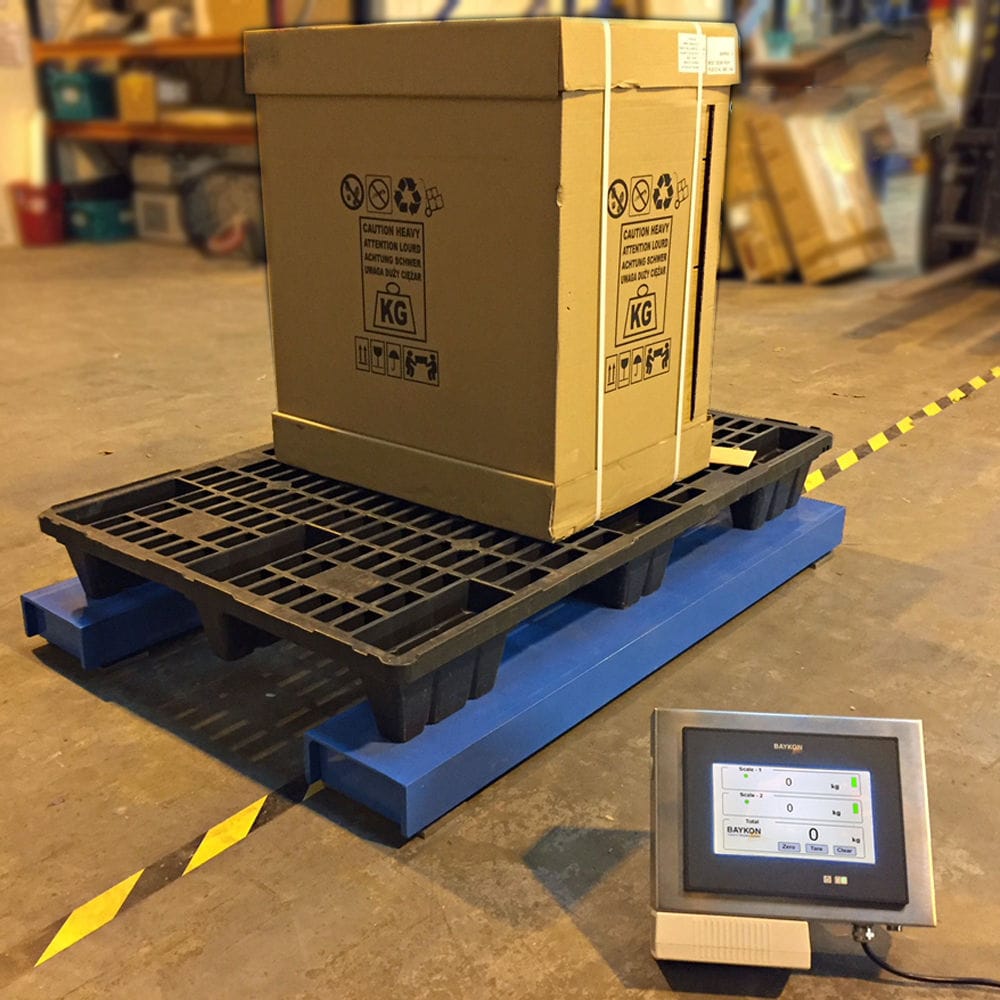


The weighing platform for detection consists of a weighing module and a data collection and analysis device. The sensors detect the arrival of vehicles and the corresponding dynamic tire pressure. Using the collected data for analysis, the weight, speed, wheelbase and vehicle type of the vehicle can be estimated. It can be used to detect various parameters such as the number of vehicle axles, wheelbase, axle weight, vehicle speed, wheel spacing, and tire number. It has been applied in various scenarios including vehicle type classification, dynamic weighing, toll station weighing platforms, red light violation photography, parking area monitoring, traffic information collection, road monitoring, and airport taxiway monitoring.

 020-34563445
The weighing platform detects the connection between the weighing equipment and the computer through project implementation. The data from the weighing equipment is read through computer software programming, and data is exchanged with the background database to achieve real-time display, automatic collection, secure storage, multi-method query, summary statistics, and print output of weighing data. According to the requirements of enterprise management, the designed weighing management software needs to meet the business processes and requirements of the transportation site, with clear and rigorous program flow; obtaining weighing data quickly and accurately; being simple to operate, with high automation, and effectively preventing fraud; convenient and fast data query and report production; stable and reliable operation of the system over a long period; high data security and reliability.
The weighing platform uses the weighing module to sense the pressure changes caused by the loaded goods. The internal structure of the weighing module usually consists of sensitive elements such as strain gauges. When pressure acts on the weighing module, the strain gauges will deform, and their resistance values will change accordingly. By measuring the changes in resistance values, pressure signals can be converted into electrical signals, providing a basis for subsequent data processing and control. The signal amplification and the electrical signals output by the weighing module are usually weak, requiring amplification and conditioning. The amplifier inside the weighing instrument will amplify the weak electrical signals to a suitable amplitude for subsequent processing. The weighing instrument will perform filtering, shaping, etc. operations on the signals to remove noise and interference, ensuring the stability and accuracy of the signals. The analog-to-digital conversion principle amplifies and adjusts the analog signals to convert them into digital signals for processing by the weighing instrument. The signals are converted into digital signals according to a certain sampling frequency and quantization accuracy. The sampling frequency determines the time resolution of the signal, and the quantization accuracy determines the amplitude resolution of the signal. The appropriate sampling frequency and quantization accuracy can ensure that the digital signals accurately reflect the characteristics of the weighing platform application.
The weighing platform includes the weighing module and the data collection and analysis device. The sensor detects the arrival of the vehicle and the corresponding dynamic tire pressure. The collected data is analyzed to estimate the weight, speed, axle spacing, and vehicle type of the vehicle. It can be used to detect various parameters such as the number of axles, axle spacing, axle weight, vehicle speed, wheel spacing, and tire number. It is applied in examples such as vehicle axle number and axle spacing classification, dynamic weighing, toll station weighing platform, red light photography, parking area monitoring, traffic information collection, road monitoring, and airport taxiway monitoring. The electronic weighing platform converts the output voltage signal to the pressure signal relative to the vehicle's pressure. The voltage signal is converted by the weighing instrument into voltage, which determines the time when the axle is detected, and the corresponding axle weight is calculated based on the voltage size. For each lane, there is a corresponding weighing module according to the vehicle length and width. The induction coil is installed 2 meters in length and is placed in front of the weighing module platform. The time that the vehicle passes the weighing platform is used to calculate the speed of this vehicle. The axle spacing is calculated by multiplying the time through the weighing module by the speed. The axle spacing measured by the weighing platform is the average of the axle spacings calculated by the two Weighing modules. When the vehicle passes the induction area of the coil, the induction value of the installed induction coil on the road changes, causing a change in the vibration frequency of the internal induction detector in the weighing instrument. This frequency change is used by the system to determine whether a vehicle has passed the induction coil. The length of the vehicle is determined by the time when its metal chassis activates the induction coil. The induction signal is also used to distinguish the front and rear vehicles. The computer collects and dynamically displays the weighing scene in real time. The weighing platform and the mobile phone can send commands to trigger the computer to retrieve the captured images. When the weighing software saves the collected weight data and sends a command to the computer to capture the real-time weighing scene, the images are saved to the local computer hard drive and the remote video server image database. This operation is automatically completed by the system and is not allowed for user intervention. The Electronic scale and the query mobile phone can also send commands to make the computer transmit real-time videos, thus enabling real-time monitoring of the weighing scene on both the scale and the query mobile phone.


