









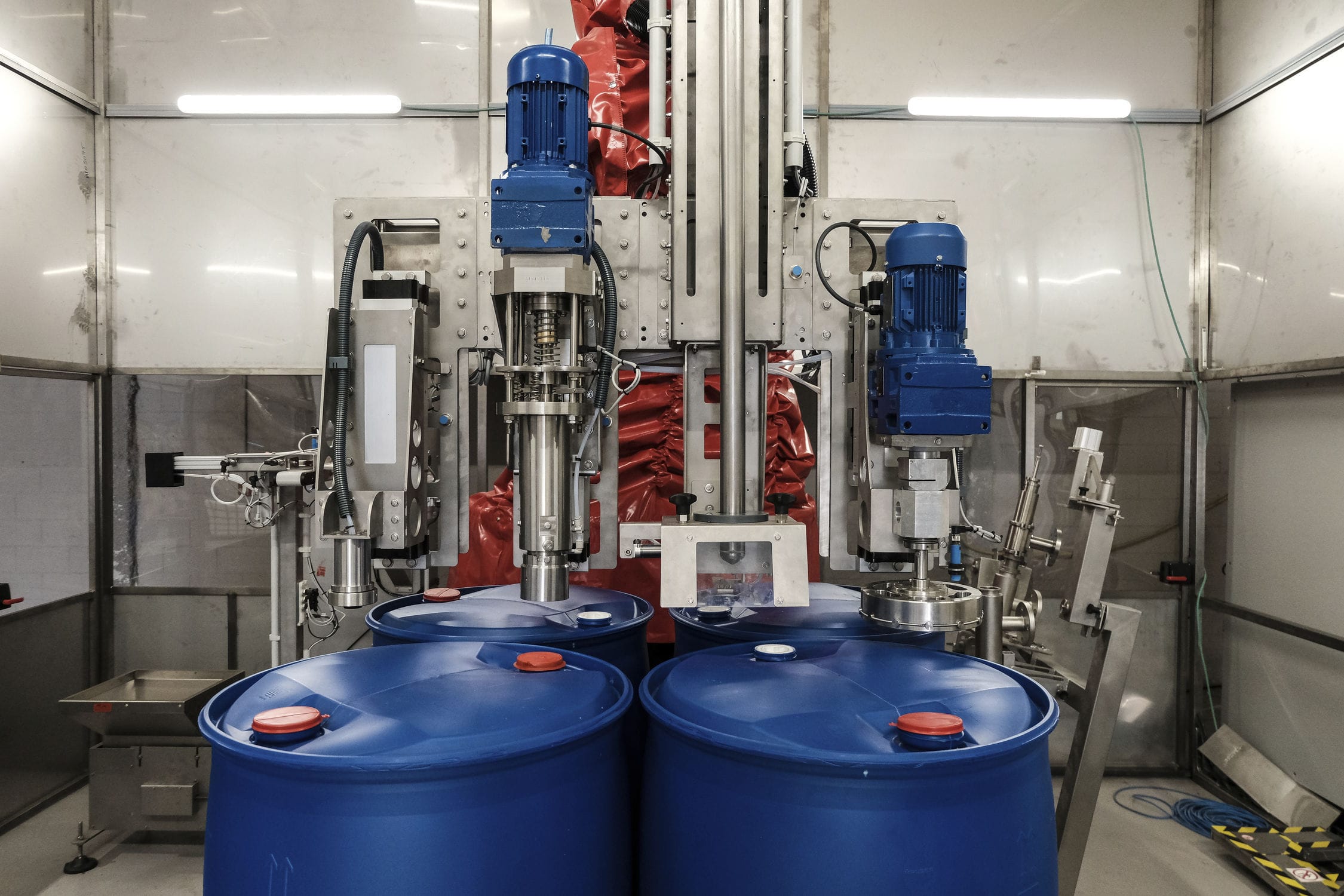
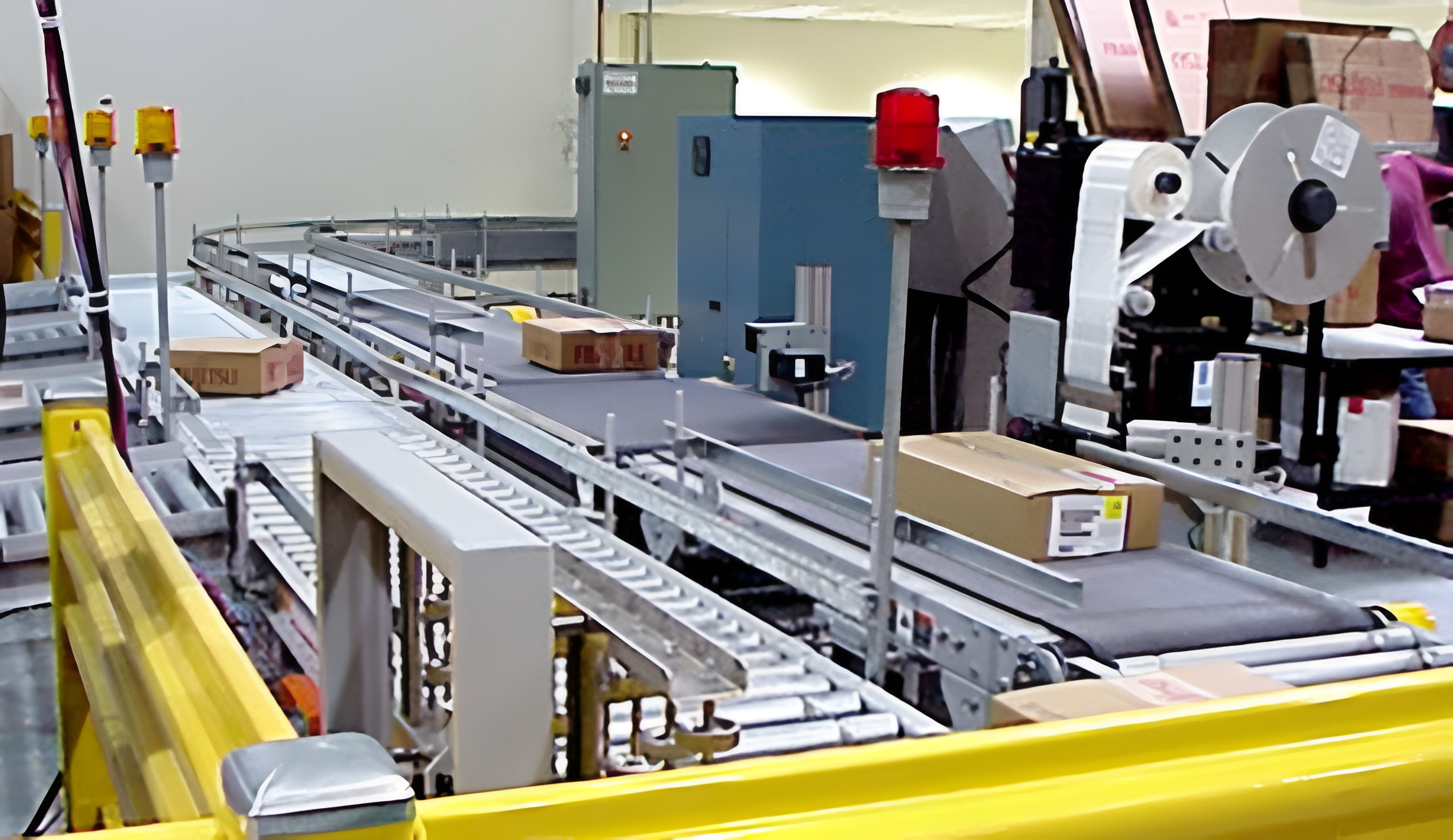
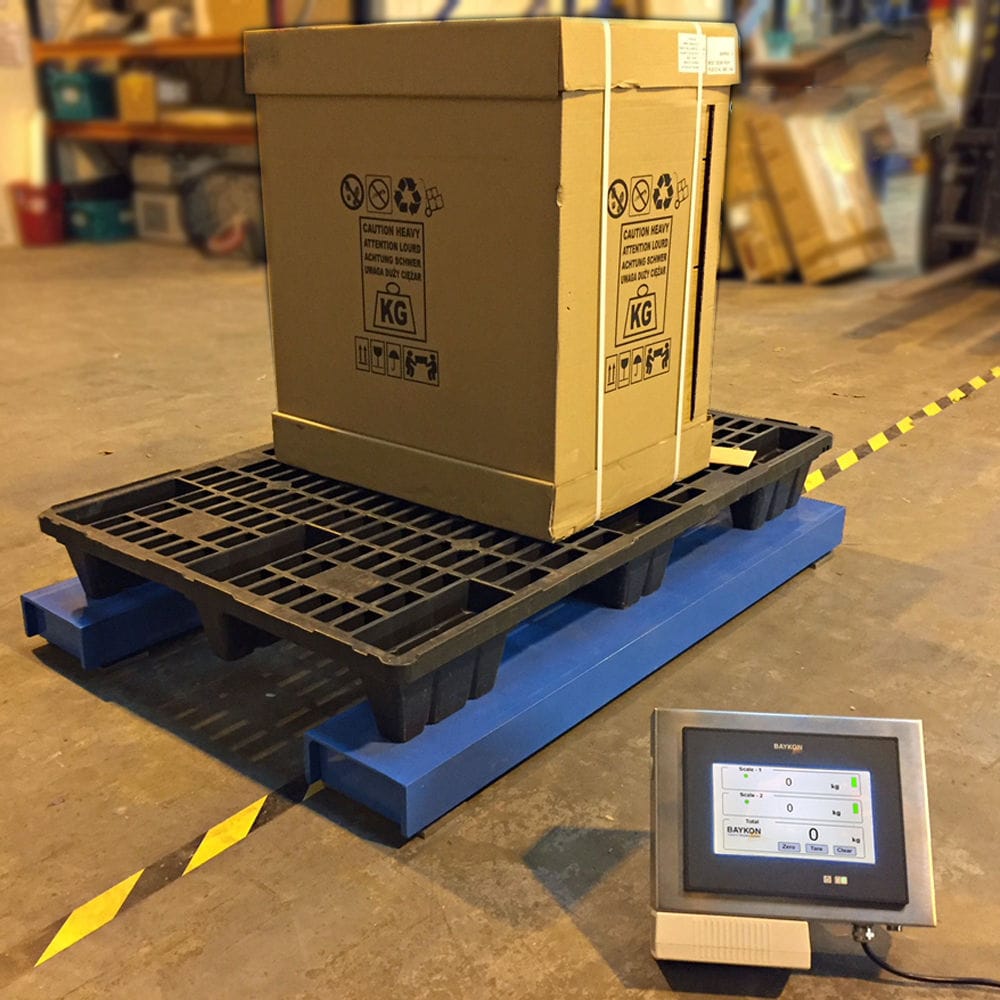


Explosion-proof weighbridge introduces RFID technology into warehouse management, and automatically collects the data of each operation link, such as warehouse arrival inspection, warehousing, warehousing, allocation, warehouse transfer, inventory counting, etc., to ensure the speed and accuracy of data input in each link of warehouse management, and to ensure that enterprises can accurately grasp the real data of inventory in time for warehouse weighing and track incoming and outgoing goods.

 020-34563445
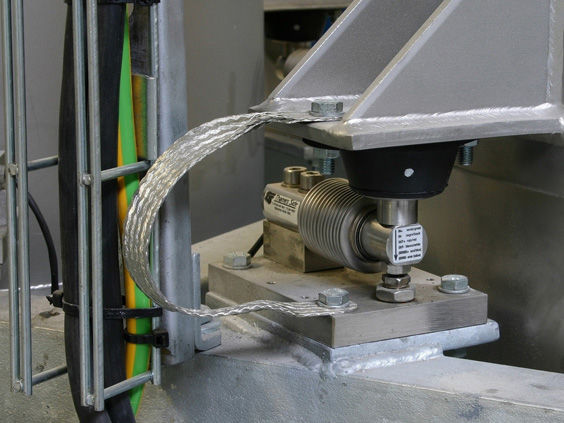
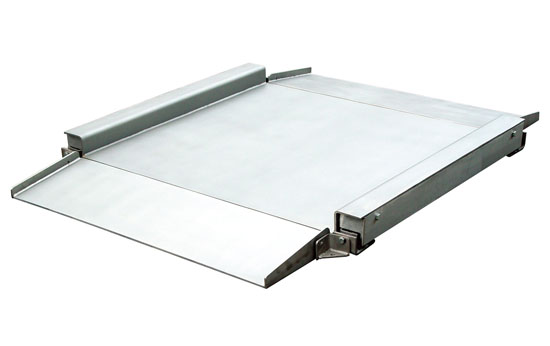
The explosion-proof scale combines the electrical signals from the four weighing sensors through addition operation, then amplifies the signals and sends them to the A/D converter for conversion from analog to digital. Finally, it is sent to the weighing instrument for processing. At any position on the Electronic scale platform, weighing will not affect its measurement accuracy, ensuring the precision requirements of the measurement error. The scale adopts dynamic window technology to rapidly filter the collected data, providing a guarantee for meeting the requirements of accuracy and stability. At the same time, this explosion-proof scale can automatically perform indication compensation according to the changes in the on-site temperature, ensuring the accuracy and stability of the scale measurement values in hot summers and cold winters.
The explosion-proof electronic scale converts the weighing signal from the weighing sensor into an electrical signal. This signal is then processed through an adder circuit and a high-speed operational amplifier before being sent to a 16-bit high-precision A/D converter, which converts it into a digital quantity. This digital quantity is processed by the weighing instrument and sent to the explosion-proof scale display for real-time display. The system application program is compiled using assembly language for the weighing instrument. Dynamic window data processing technology is adopted to perform software filtering on the measurement data, which has high accuracy and strong stability. It can automatically perform temperature compensation according to the working site's temperature to ensure high accuracy and strong stability of the system within the range of -30 to +60 degrees Celsius. It can accurately perform segmented linear compensation on the measurement data to ensure measurement accuracy. It has a zero tracking function, which can effectively suppress zero drift. It has a digital weight removal function, which can flexibly set the skin weight value according to actual needs. It can display system date and time, etc. It is intelligent and can give error information prompts when the system has an error to facilitate user use and maintenance.
An electronic scale is actually a device that converts the mass signal into a measurable electrical signal output. It can convert the gravitational force acting on the measured object into a measurable output signal according to a certain ratio. The performance indicators of electronic scales in different usage locations mainly include linear error, lag error, repeatability error, creep, zero-point temperature characteristics, and sensitivity temperature characteristics, etc. The behavior of an electronic scale is similar to that of a hard spring oscillation, thereby achieving precise weight readings. The issue that electronic scales need to solve is to stop oscillation in a shorter time within the required weighing period. They require a fast response from the electronic scale. When a load is applied to the weighing sensor, the electronic scale suppresses the natural oscillation frequency. However, electronic scales do not reject external applied vibrations, such as the vibrations caused by the environment where the weighing equipment is located and the mechanical structure of the weighing equipment. Therefore, the electronic scale still needs to be isolated from the vibration source and the deviation of the four corners needs to be adjusted.
The core technology of the electronic scale is how to obtain the product weight data accurately and promptly. When collecting the weighing signal, other interfering signals inevitably exist. These interferences mainly affect the measurement accuracy due to air flow. For example, fans, air conditioners, and wind in the workshop all have an impact on the accuracy of the scale. By designing the weighing part of the electronic scale to reduce the interference from air flow; high and low temperatures, as well as humidity, can also affect the accuracy of the scale. Generally, the suitable working environment for the scale is -5℃ to 45℃, with a relative humidity of 95% (no condensation); electrostatic induction. When an electrified object or dust approaches a metal object, electrostatic will be generated, and this will also cause interference or even damage to the sensitive scale. Precautions should be taken in advance to prepare anti-static measures. The machine shell should be well grounded. Due to the loud noise in the workshop, frequent operation of the machine leads to ground vibration, and even the unevenness of the floor in some workshops can also affect the accuracy of the scale. On the other hand, there is mechanical structure vibration of the scale. Mechanical structure vibration is the main factor affecting the weighing performance. There are mainly vibrations from the motor, conveyor belt, and bearing. Through the analysis of the mechanical system and dynamic characteristics of the scale, the main parts with large mechanical structure vibration can be redesigned to reduce the impact of vibration on the weighing signal, and methods such as increasing damping can be used to improve the weighing characteristics, so that the vibration signal decays rapidly. Some necessary processing of the detected weight data is carried out in the electronic circuit and program, mainly filtering to remove interference signals.


