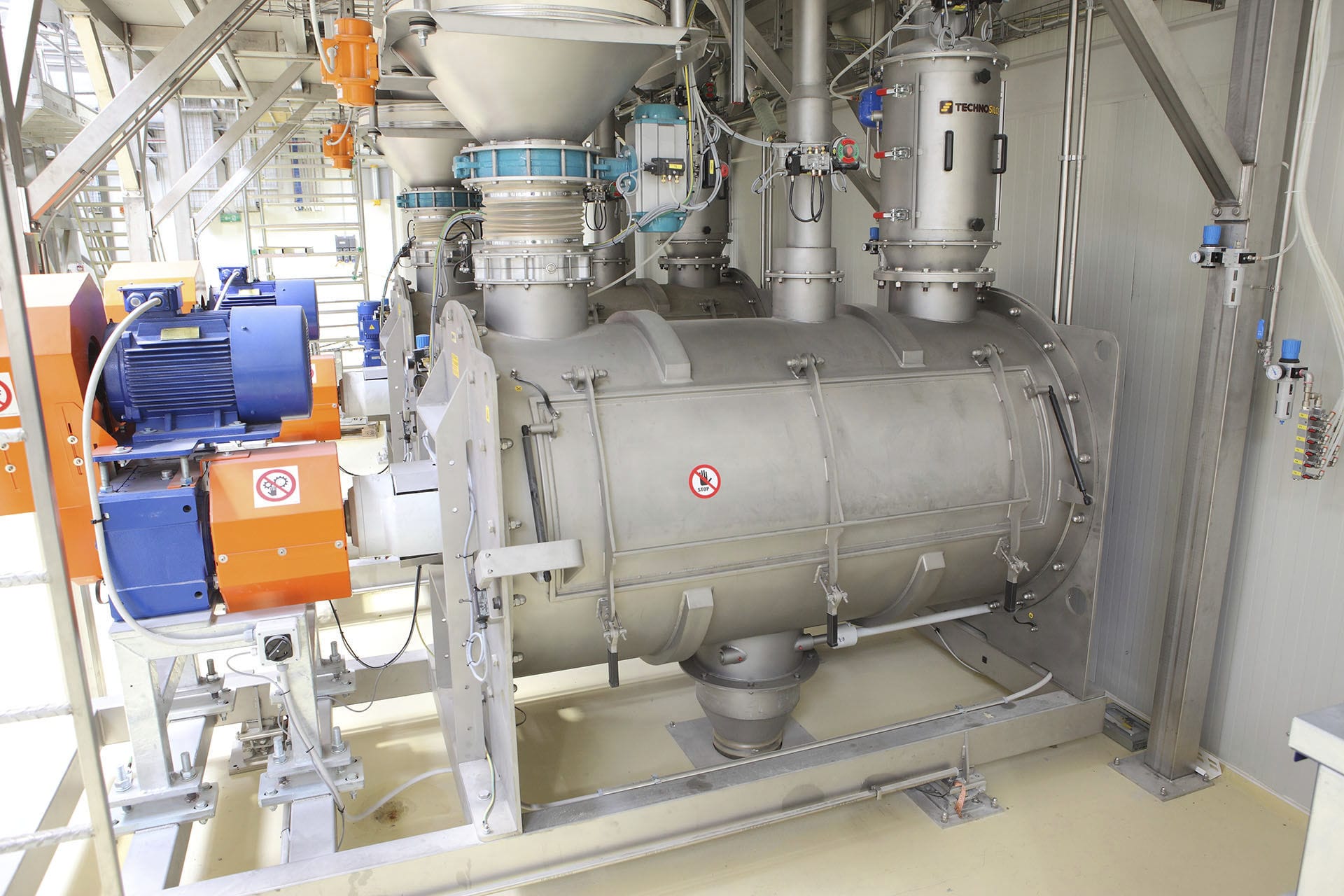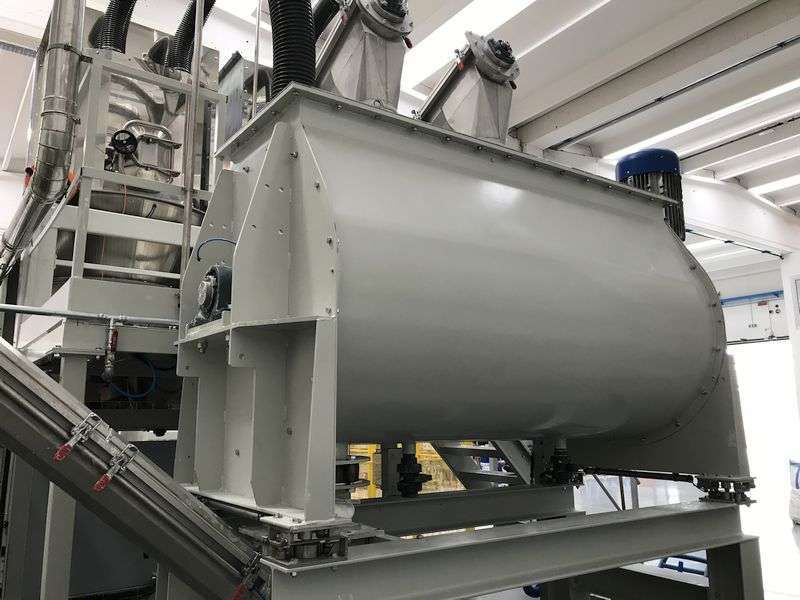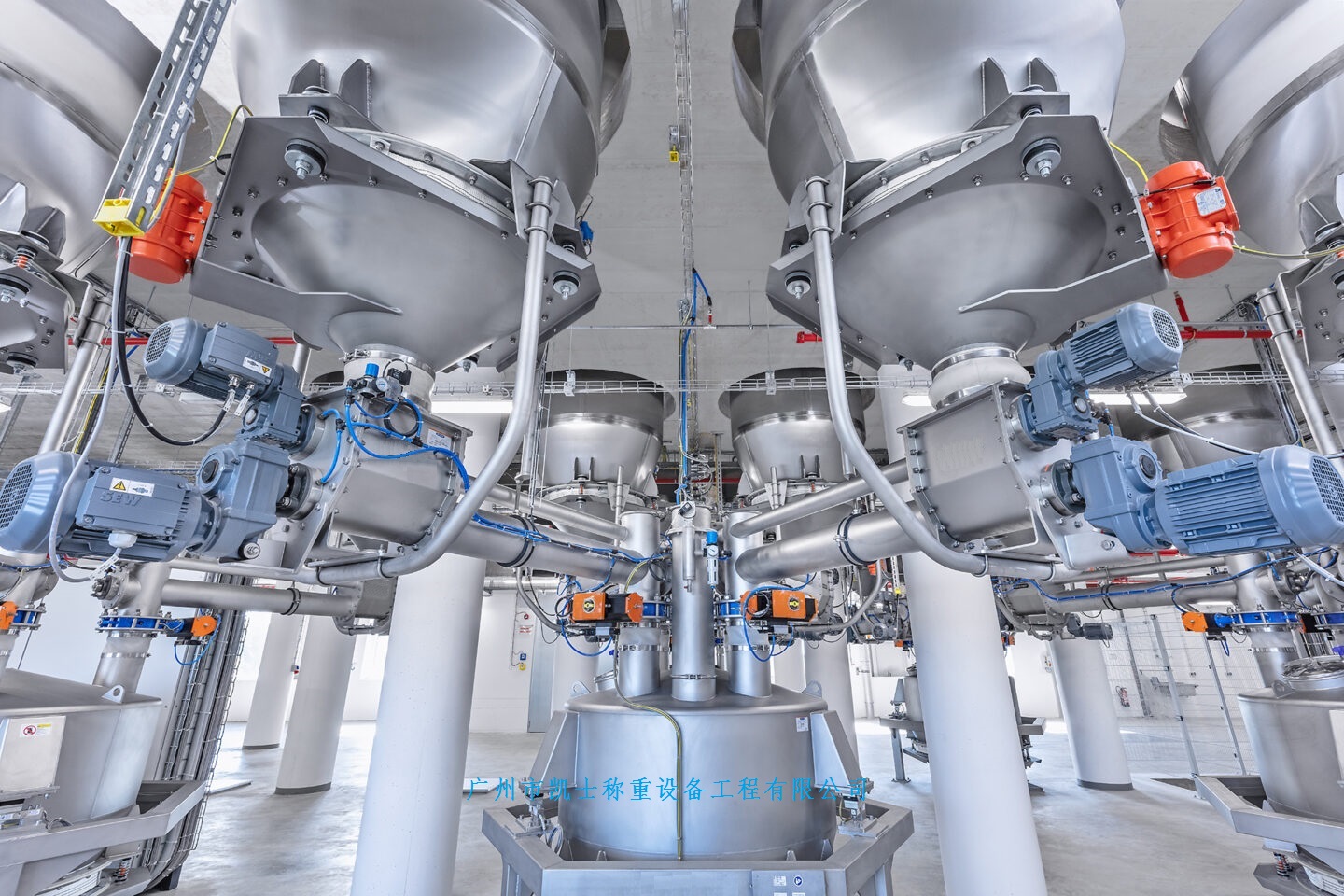


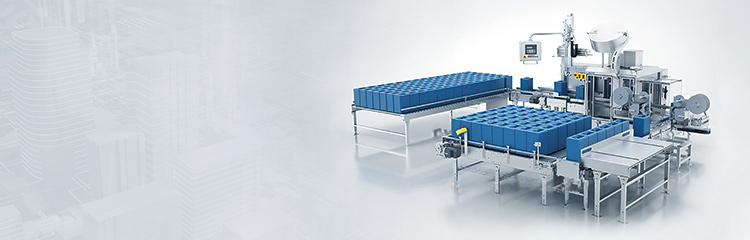



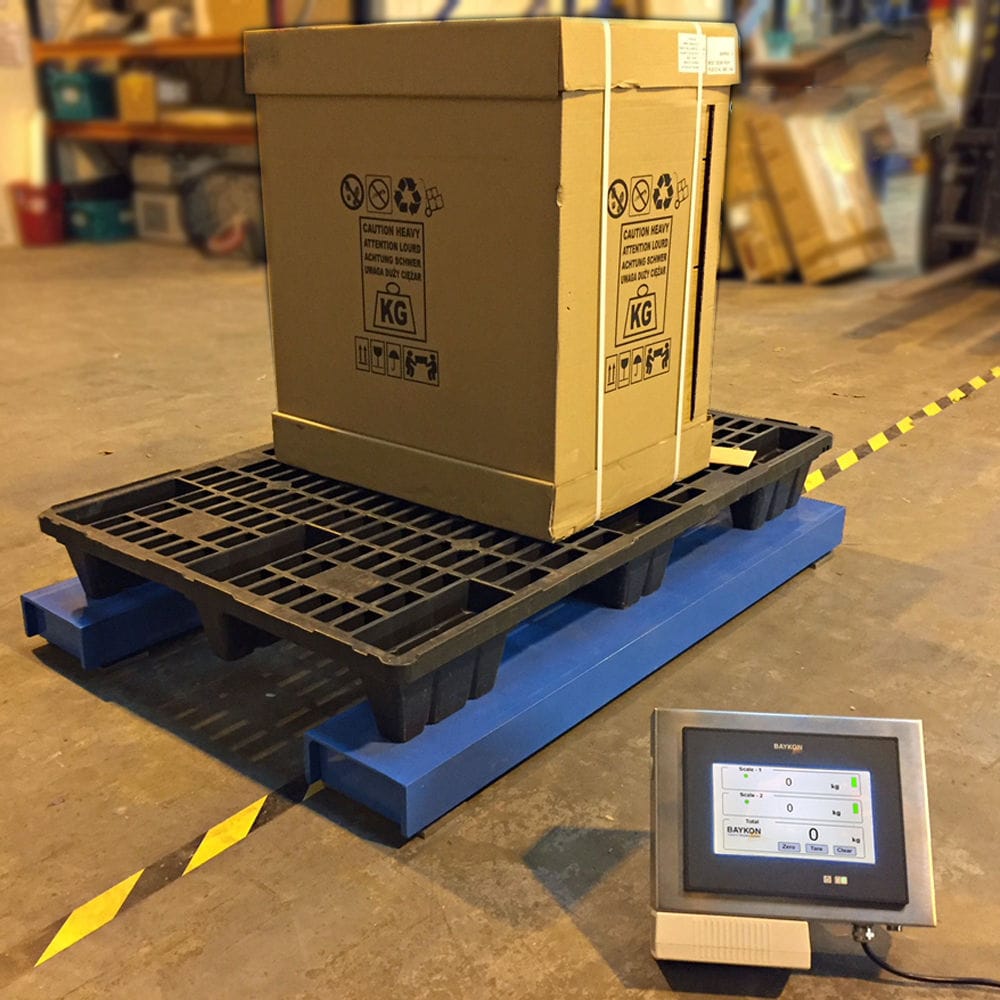


The weighing hopper feeder is a dynamic weighing and feeding method for the hopper scale. In the quantitative weighing device, an integrated mechanical and electrical equipment driven by an electric motor (commonly known as a screw feeder motor) is placed between the silo and the hopper. The electronic control device realizes the dynamic quantitative weighing of powder and granular materials. The powder and granular materials in the silo rotate with the rotation of the screw feeder mechanism and enter the hopper. There are three strain-type weighing modules between the hopper and the scale frame. When the set weight value is reached, the screw feeder motor is turned off to stop feeding, and the hopper door is opened to discharge the material, thus completing a dynamic weighing and quantitative feeding process.

 020-34563445
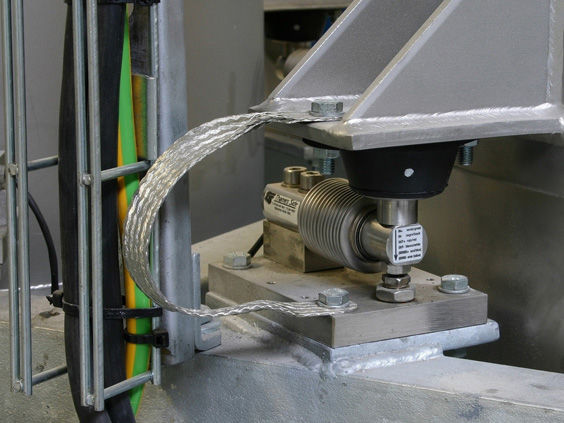
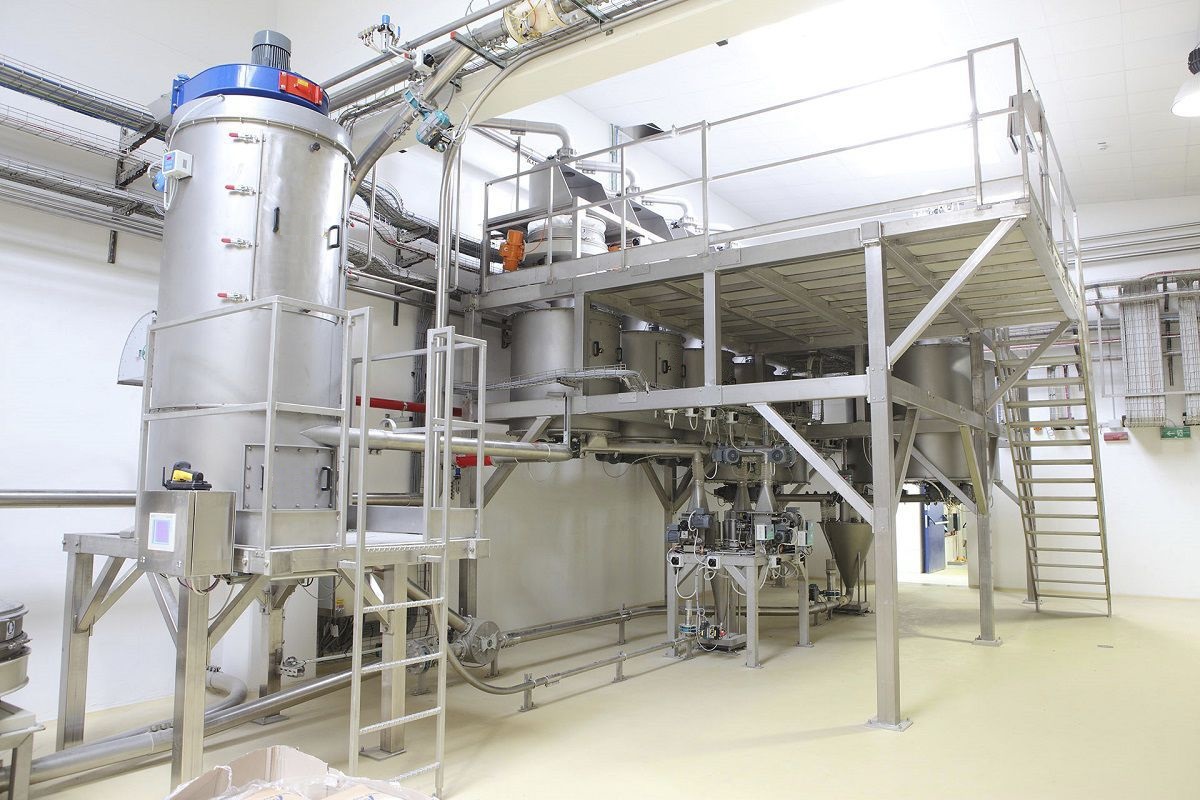
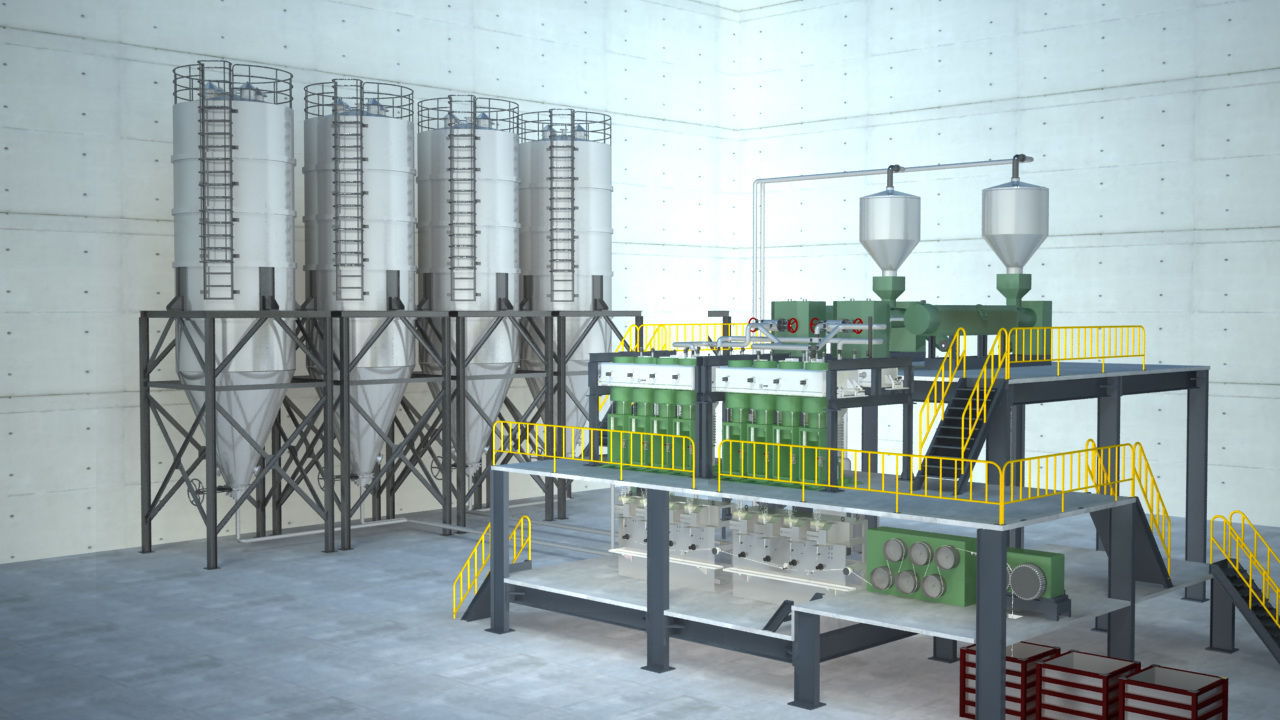
The hopper scale is used to weigh the mineral powder and then feed it into the storage hopper and the mixing tank. It consists of a main hopper, a weighing device, a screw conveyor and an automatic control system. The weighing device is composed of a bracket, a weighing sensor installed at the top of the bracket, and a weighing hopper installed at the top of the weighing sensor. The outlet of the discharge port of the main hopper is connected to the inlet of the weighing hopper through a conveying pipeline and a butterfly valve. The outlet of the weighing hopper is connected to the inlet of the screw conveyor. The outlet of the screw conveyor is connected to the mixing tank through a discharging pipeline assembly. The automatic control system includes a controller, a manual-automatic switching switch connected to the controller, a touch screen, a weighing instrument and a frequency converter. The butterfly valve is connected to the controller, and the frequency converter is connected to the motor in the screw conveyor, forming the screw conveyor and the electrical control system. The weighing process is divided into two stages: coarse feeding and fine feeding. That is, in the initial stage, the screw conveyor adds the coarse feed at a relatively fast speed. When the weight of the material in the measuring hopper is close to the set value for feeding, the screw rotation speed is reduced, and the fine feeding stage begins. Before the screw is closed, there is still a part of the material that has not entered the measuring hopper, and there needs to be an advance quantity. This advance quantity needs to be set by the equipment operator. Due to the influence of various factors, the advance quantity is not fixed and does not remain unchanged. The fine feeding stage is also set to reduce the error caused by improper setting of the advance quantity.
The weighing hopper Feeder uses a weighing module for measurement, which is installed on the hopper machine to weigh the discharge device and the hopper machine. It calculates the difference between the total weight of the materials in the hopper machine and the weight of the materials in the weighed container after reduction. Based on the weight loss per unit time, it compares the actual feeding rate with the set feeding rate, thereby controlling the discharge device and ensuring that the actual feeding rate always accurately conforms to the set value. The weighing function is realized using a screw Electronic scale. The screw electronic scale is a continuous conveying equipment without perturbing traction components. It uses a rotating screw to push the transported materials along the fixed casing as the surface for the conveying work. It seems as if a non-rotating nut held by a screw rod moves in a translational motion. The force that prevents the materials from rotating together with the screw is the weight of the materials and the frictional resistance of the casing to the materials. Screw feeding is the most commonly used dynamic weighing feeding method in hopper scales. In the quantitative weighing device, an electro-mechanical equipment driven by an electric motor (commonly known as a screw conveyor motor) is placed between the hopper and the hopper. The electronic control device realizes the dynamic quantitative weighing of powder and granular materials. When the screw conveyor motor is started, the powder and granular materials in the corresponding hopper will enter the hopper with the rotation of the screw feeding mechanical mechanism. Three strain-type Weighing modules are installed between the hopper and the weighing frame. The weight of the hopper is directly converted into an electrical signal by this weighing module group and sent to the electronic control device to reach the set weight value. At this point, the screw conveyor motor is closed to stop feeding, and the hopper door is controlled to open for discharging, completing a dynamic feeding and quantitative weighing process.
The spiral feeding device is a crucial link for ensuring the accuracy and uniformity of dynamic quantitative weighing. Due to the nonlinearity and strong non-self-balancing nature of the mechanical and electronic integrated device of the spiral feeding mechanism, as well as the instability of the feeding flow caused by factors such as the particle size, moisture content of the materials, and the pressure of the hopper during the feeding process, if the weighing speed is accelerated, the impact of the materials on the hopper will affect the accuracy and stability of the weighing; while if the weighing accuracy is improved, the feeding speed must be reduced. To reconcile the contradiction between weighing accuracy and weighing speed, most dynamic online quantitative weighing equipment currently adopts a two-stage feeding method, using a feeding control method of "fast first, then slow, and finally intermittent feeding", aiming to use "fast feeding" to shorten the feeding time and increase the weighing speed; "slow feeding" is used to reduce the impact of the materials and improve the detection accuracy; finally, "intermittent feeding" is used as a supplementary feeding method to ensure the accuracy of the final quantitative weighing. The control of the feeding process starts with "fast feeding" at the beginning of weighing, when the predicted value of fast feeding is reached, "slow feeding" is initiated; when the predicted value of slow feeding is reached, a delay is applied for the materials to fall into the hopper, if the system still does not reach the lower limit value of the allowable error of the material quantitative value, then "slow intermittent feeding" is started, until the net weight of the materials is greater than the given value, then the hopper door is opened to discharge the materials. Due to the fact that the time of intermittent feeding decreases as the difference in materials decreases, this effectively avoids the occurrence of deviations.