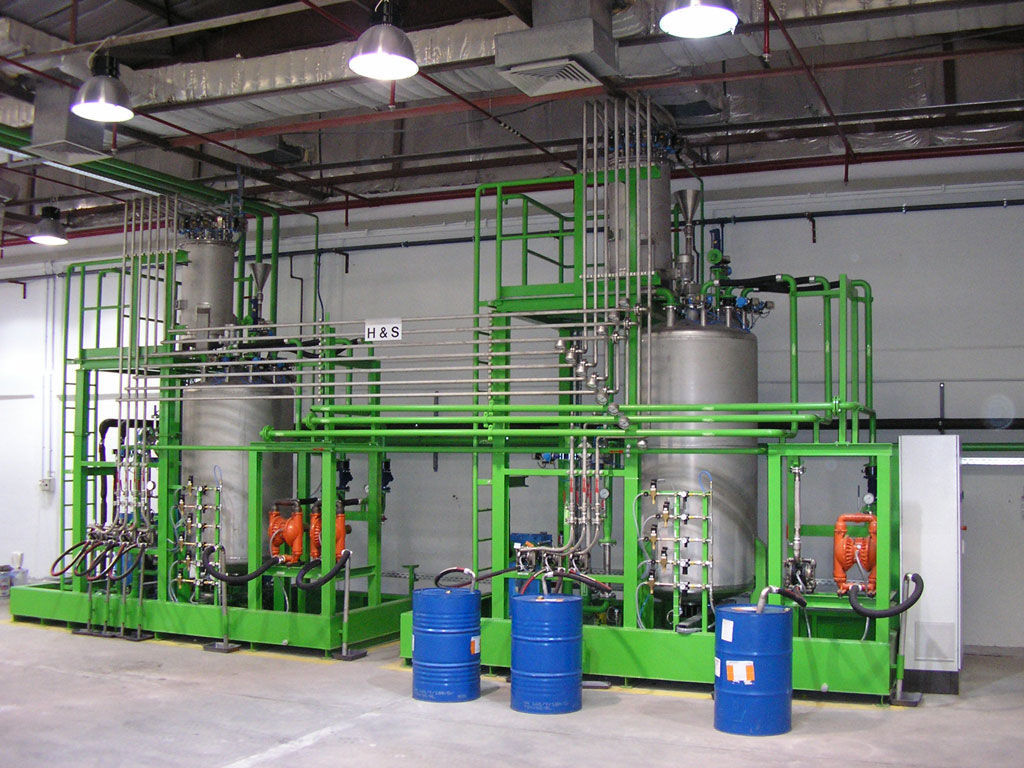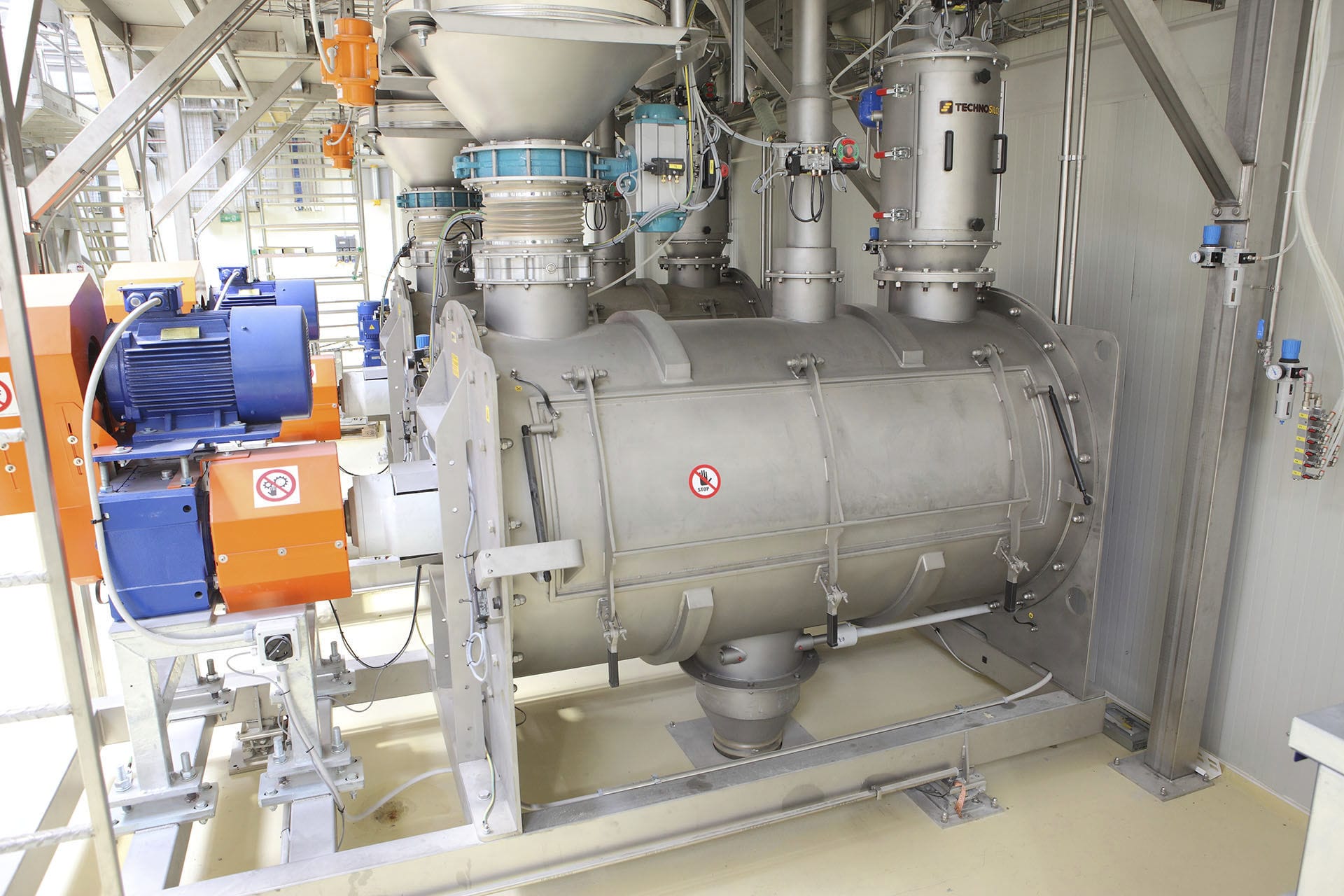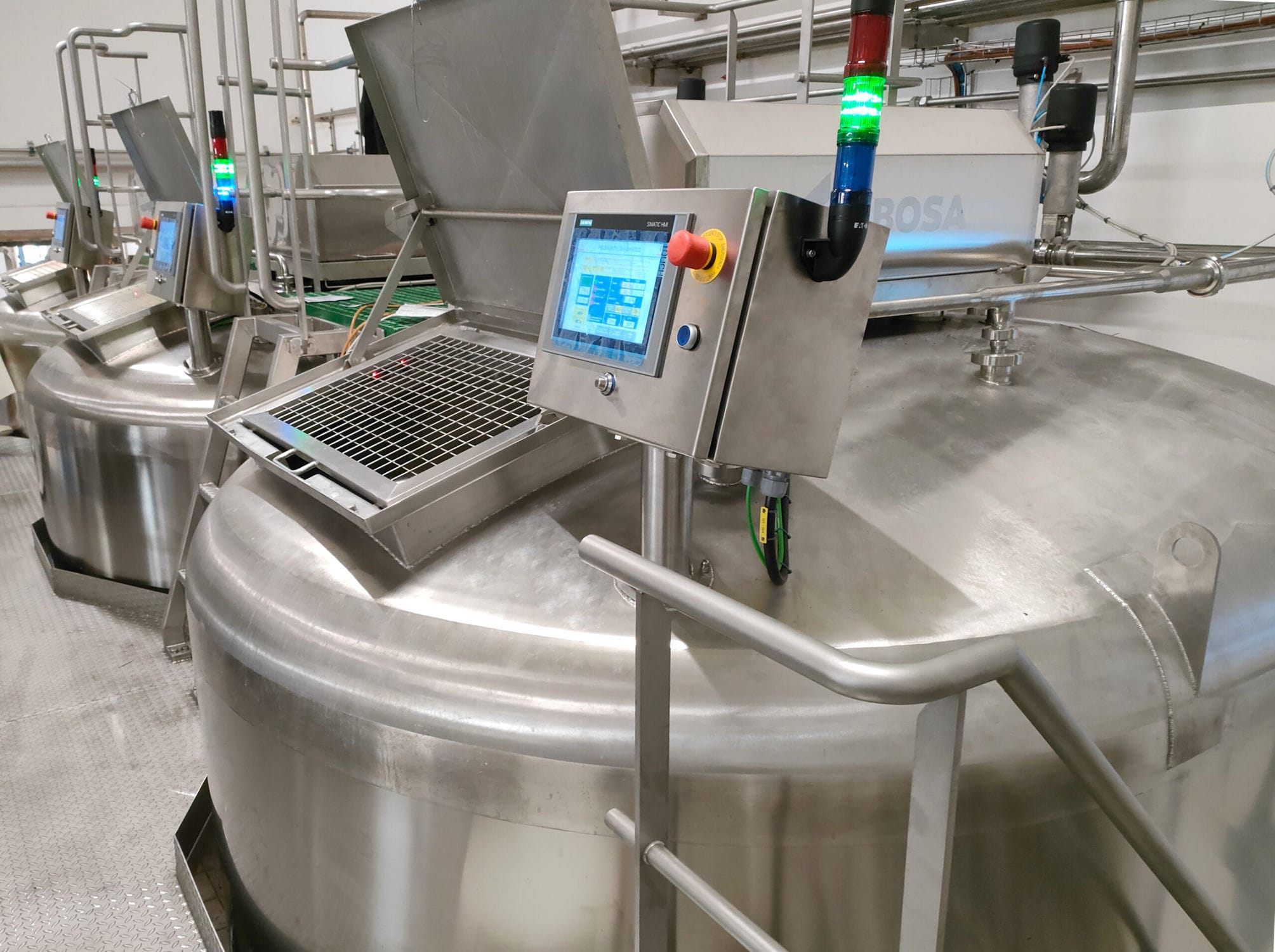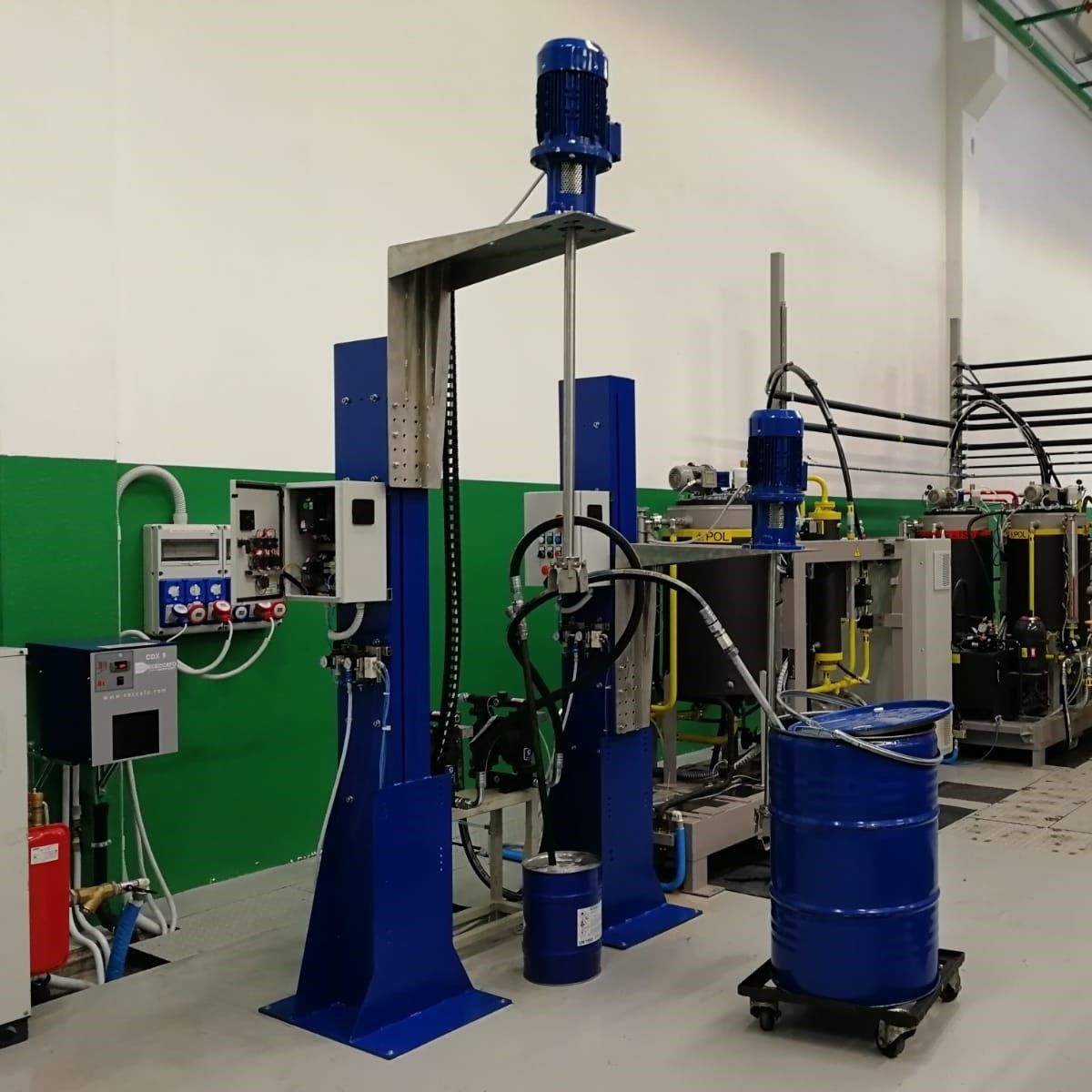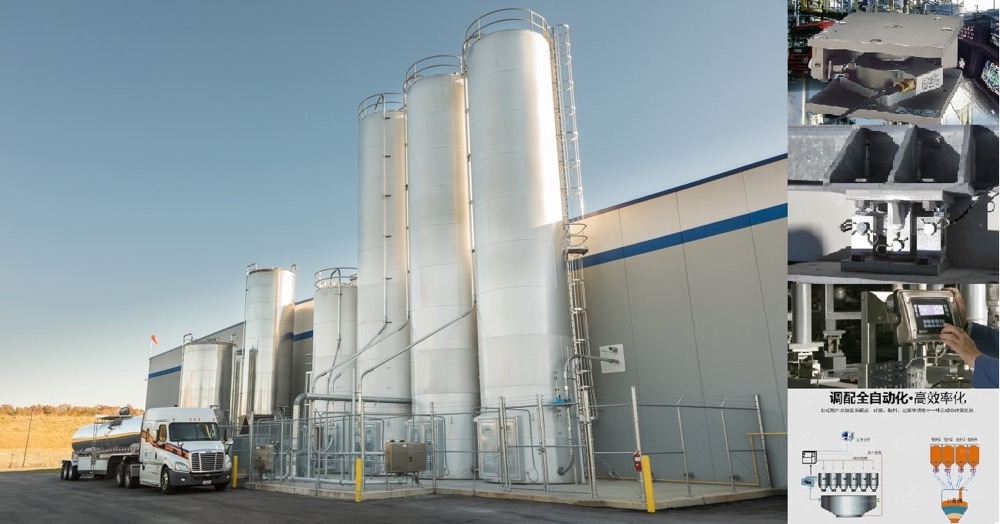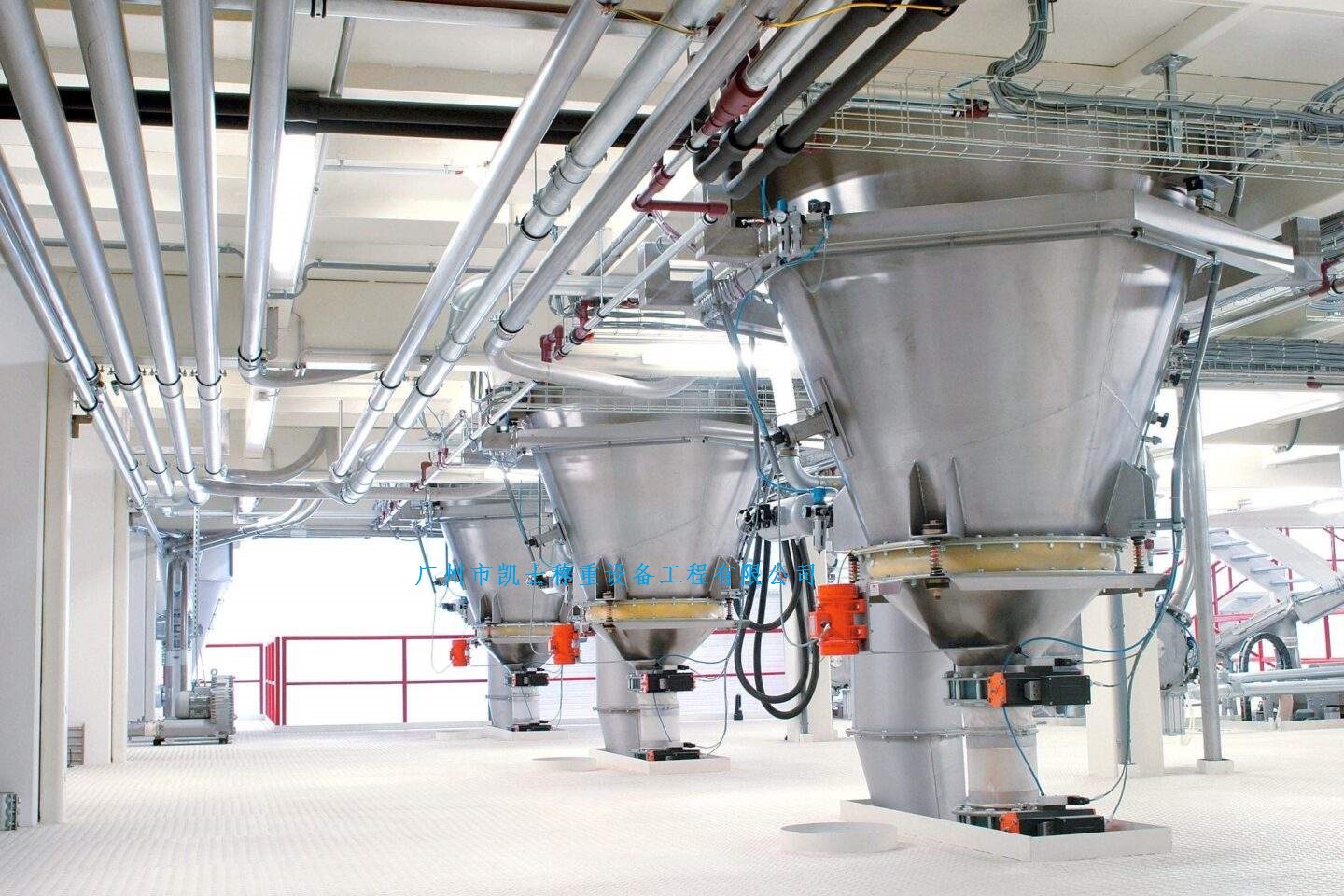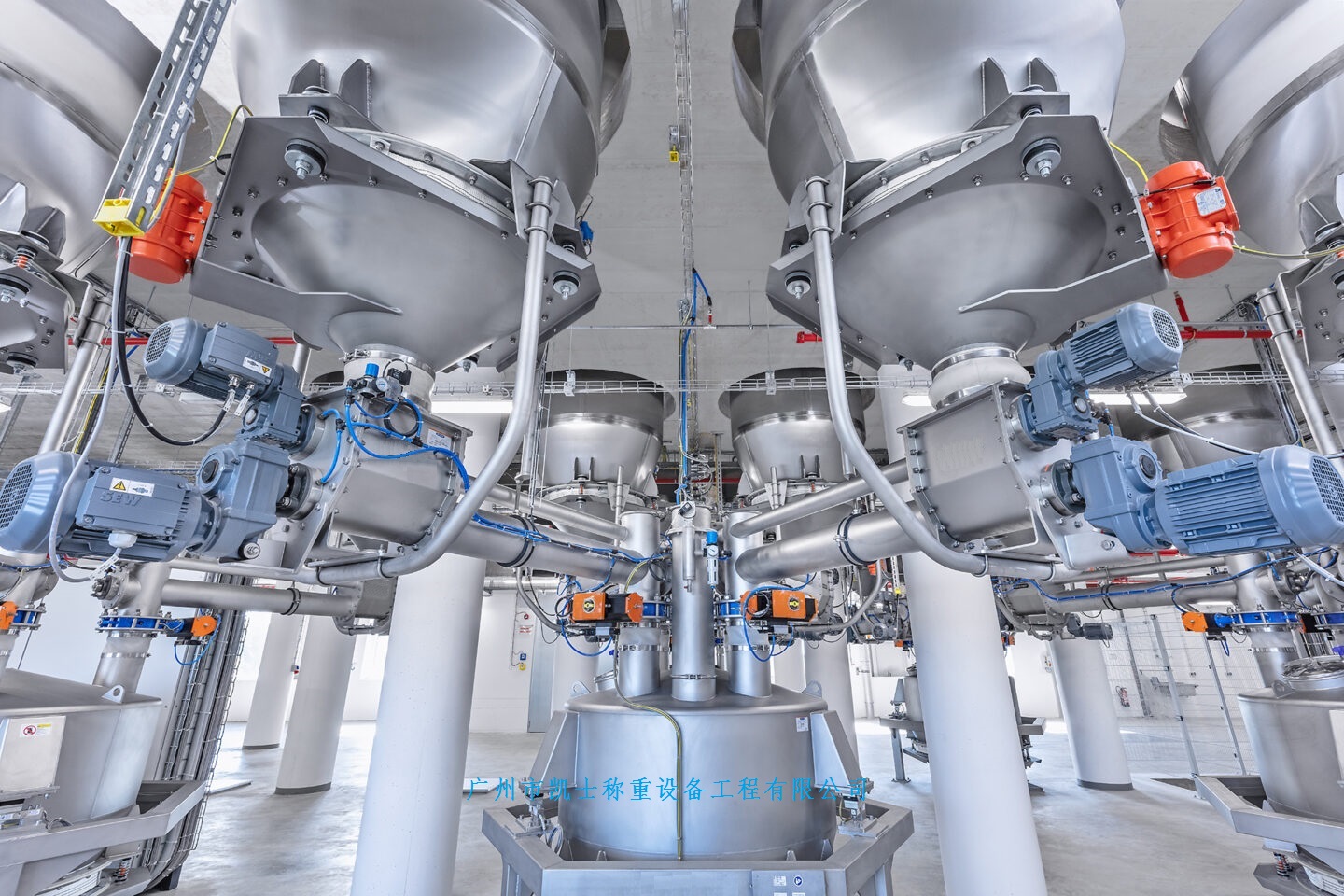




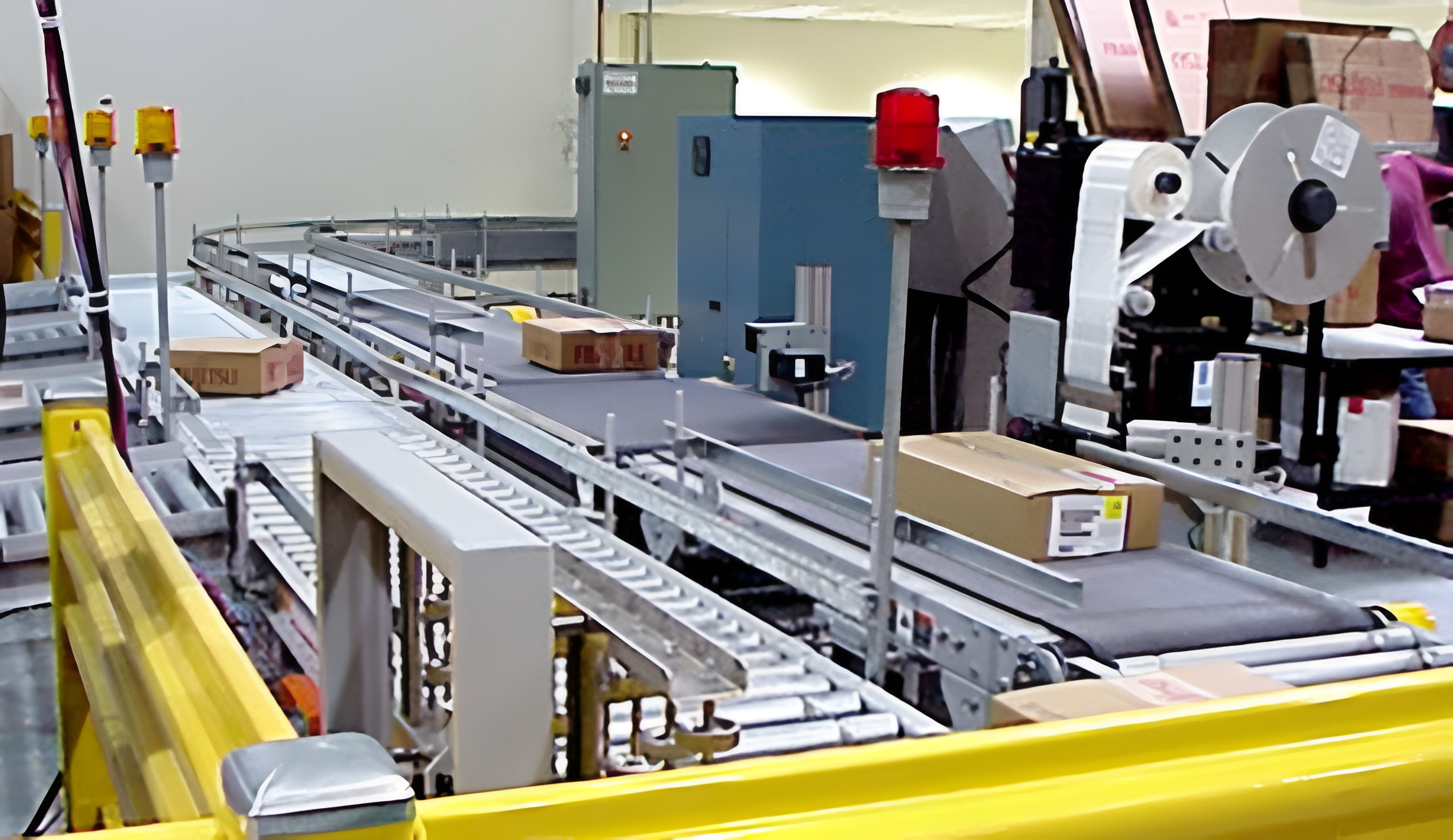
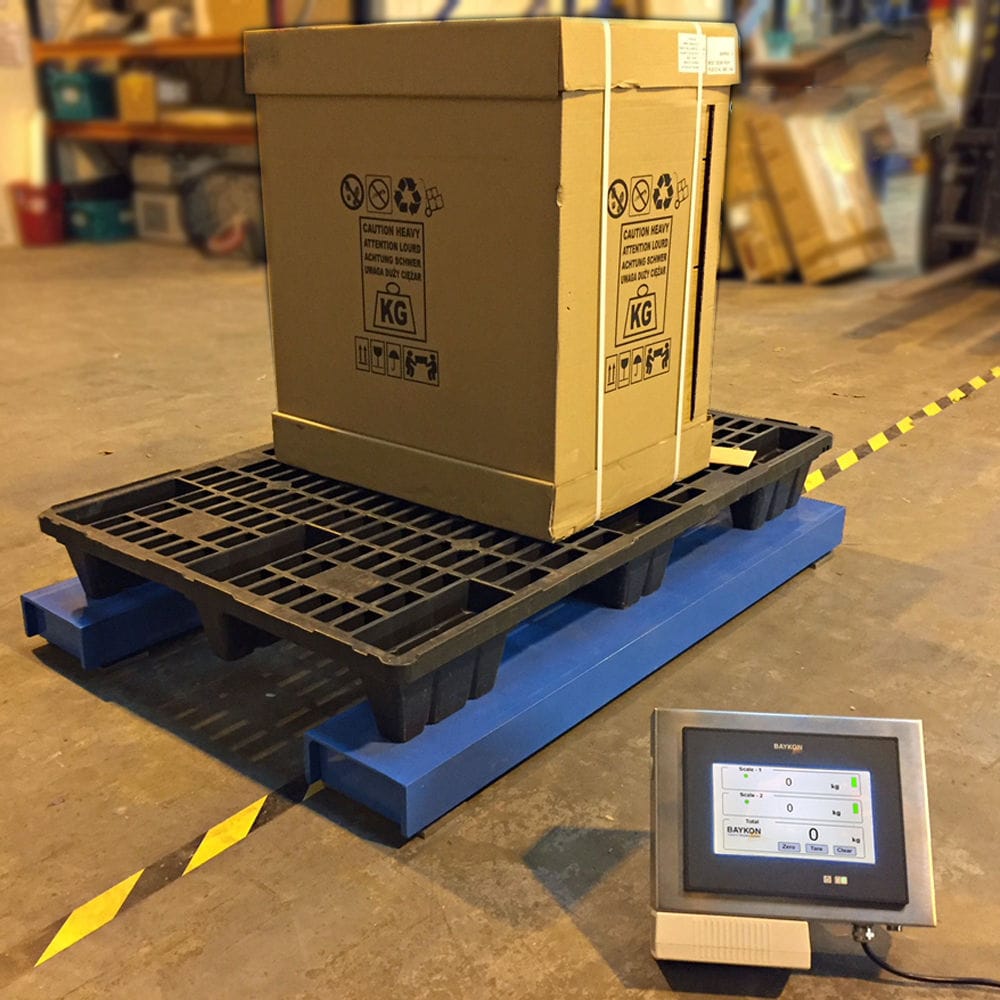


The Reduction automatic batching system is a secondary batching system, which controls the amount of material by adjusting the speed of the scale, and the disc feeder and spiral scale are installed in other warehouses, and the spiral weighing value is used to control the speed of the disc to control the amount of material. All the selected silos are sequentially fed onto the same screw in the way of material line tracking, transported by pipeline conveyor, mixed with water, mixed with two mixed granulation to the mixing tank of the batching machine.

 020-34563445
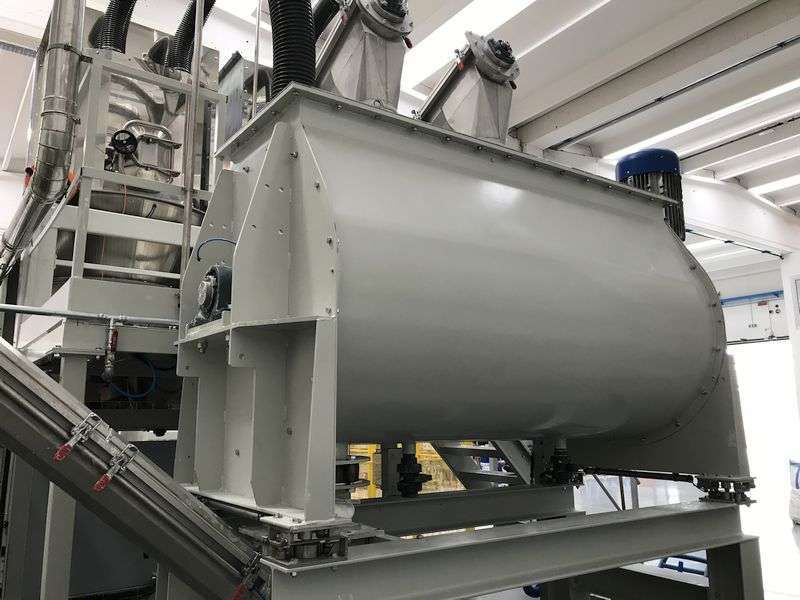
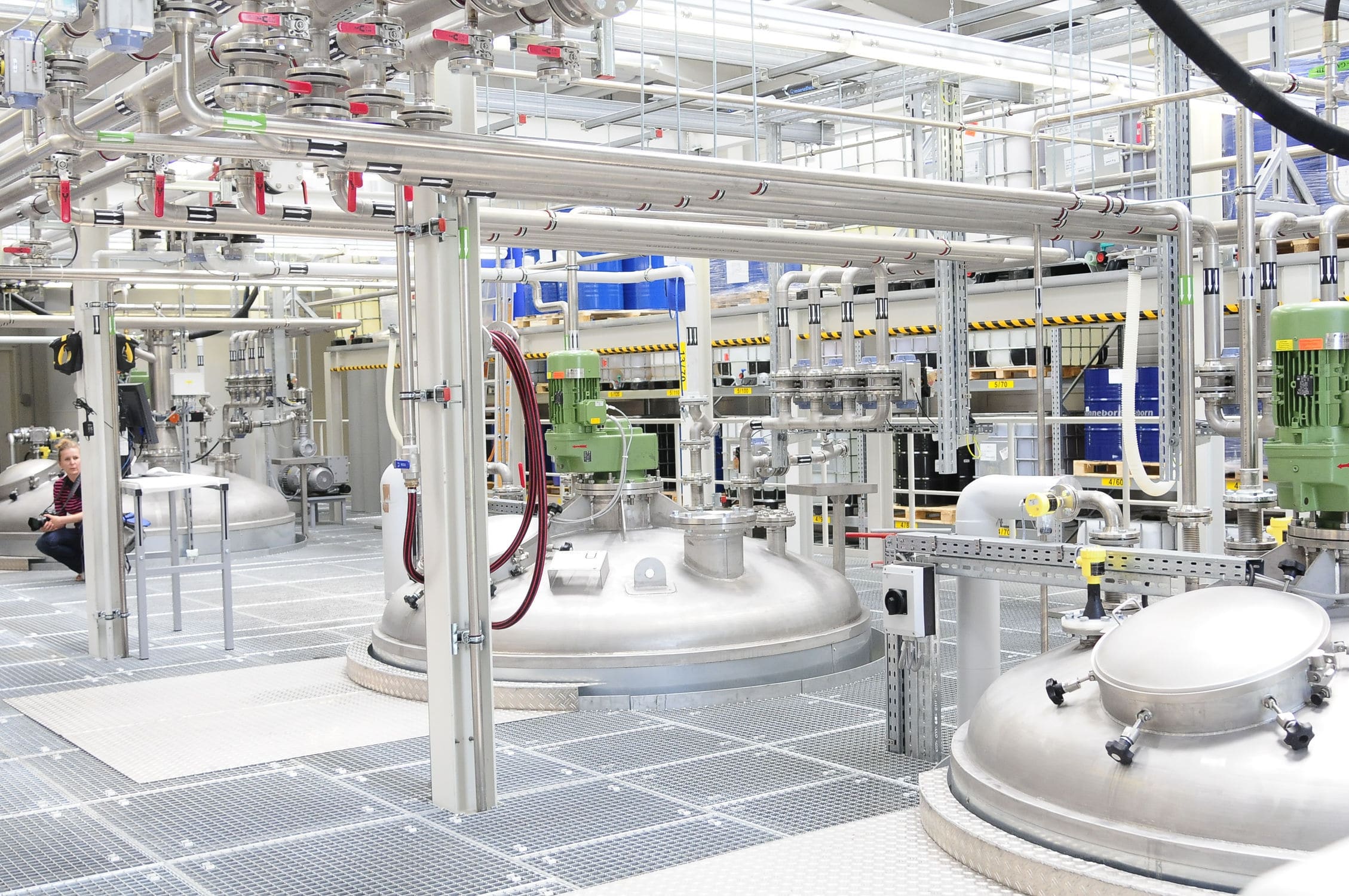
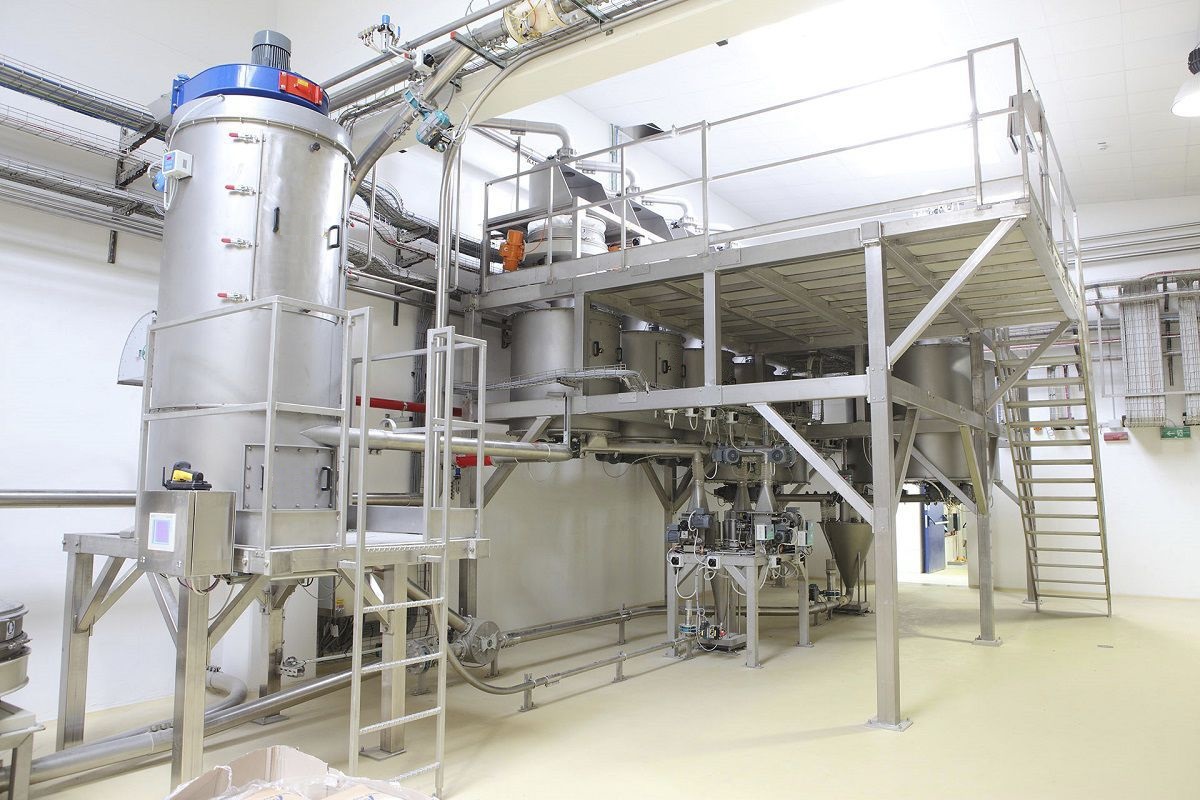
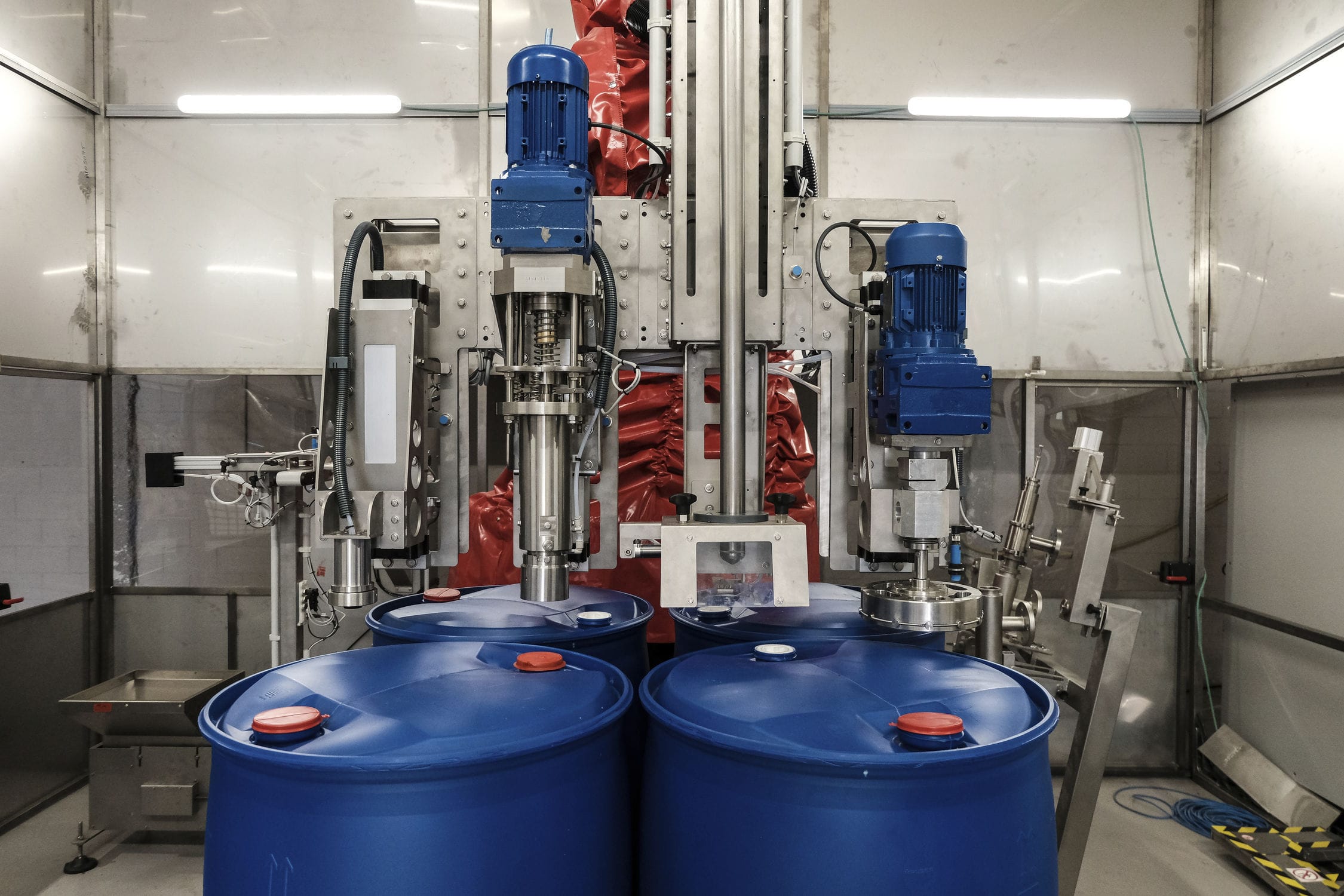
The automatic reduction-based Batching system includes various equipment such as raw material storage, transportation, weighing and batching, dust removal, and material mixing, covering various types of powdery and granular solid bulk materials and liquids. The weighing batching equipment can select "reduction method" and other weighing methods based on industry characteristics, production process requirements, and detailed material properties, and has various working forms such as single-bucket single-material, single-bucket multiple-material, and multiple-bucket multiple-material. It mainly consists of raw material preparation, batching, one-time mixing, two-time mixing, batching, cooling, finished product screening, finished product transportation, and dust removal systems. During production, the materials are mixed in a certain ratio and liquid is added to improve the permeability rate. After one-time and two-time mixing with water, the mixed materials are sent together with the base material to the batching machine, and then stirred by the point mixer. The materials blend and fuse after mixing, and the generated smoke is drawn away from the top by the exhaust fan. After passing through the single-roller crusher at the end of the batching machine, the materials are sent to the screening chamber, and the materials on the screen are the finished product ingredients and are sent to the storage bin for use, while the materials on the screen are used as base materials for re-batching.
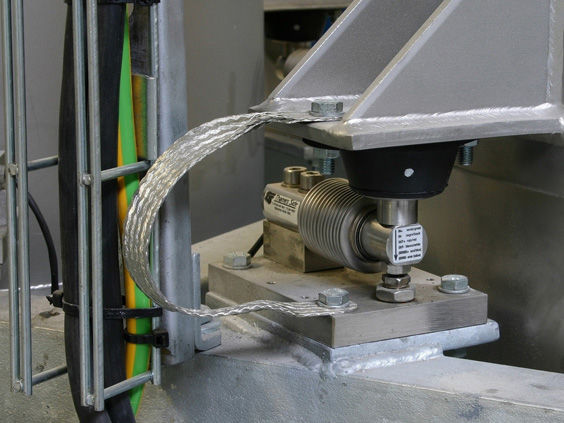
The weighing batching system is mainly composed of storage bins, weighing bins, screw Feeders, a batching controller composed of a programmable sequential controller (PLC) and an upper computer, etc. The materials are fed by an automatic Feeding machine or manually into the storage bin, and then sent to the weighing bin by the screw feeder at the lower part of the storage bin. The materials are continuously sent out by the screw feeder at the lower part of the weighing bin. The weighing bin and the screw feeder are placed on the weighing module, and the weight of the two is detected at regular intervals, and the weight loss within the unit time is calculated to obtain the instantaneous flow rate of the materials being sent out. The actual feeding speed is compared with the set feeding speed, and the deviation is calculated through PID operation. The frequency converter controls the rotational speed of the screw feeder to make the actual flow rate change within the range specified by the set flow rate.
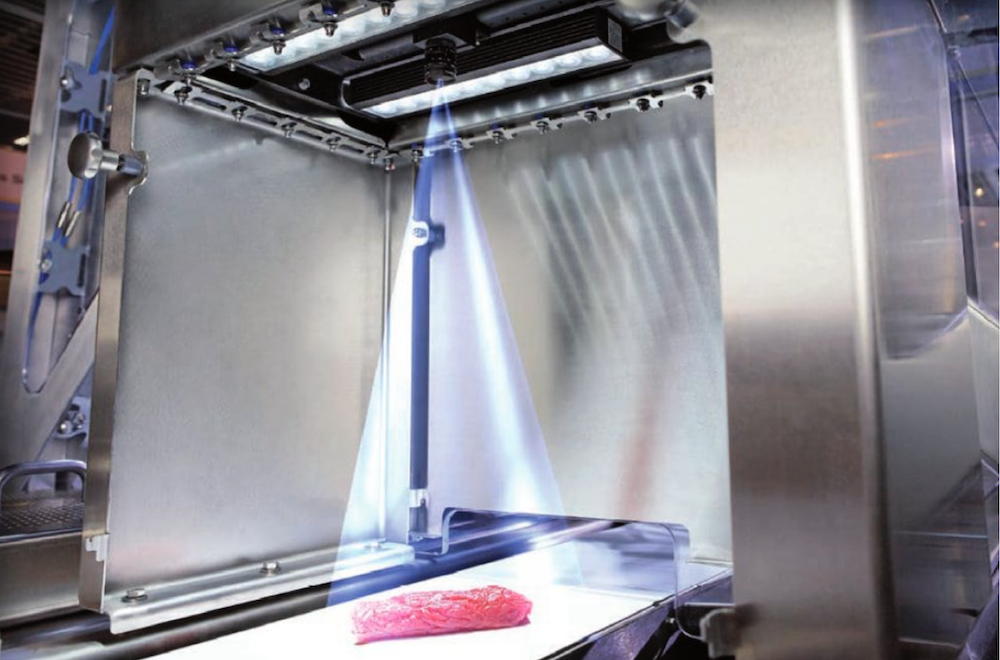
After entering the mixing bin, the materials are rapidly stirred and analyzed for the material composition using near-infrared technology. If the material composition exceeds the set material ratio value, the flow rate of material 1 is kept unchanged, while the flow rate setting of material 2 is changed, and the actual flow rate of material 2 also changes accordingly. The composition of the materials in the mixing bin is detected again until the product quality requirements are met. The flow rate signal of material 1 is formed into a closed-loop system with the controller itself, the closed-loop formed by the flow rate signal of material 2 and the closed-loop formed by the material ratio value signal form a cascade system, and the closed-loop formed by the flow rate signal of material 2 is the secondary loop. When the material in the weighing bin is less than the lower limit value, the screw feeder at the lower part of the storage bin is opened to quickly add the materials from the storage bin to the weighing bin. When the weight approaches the upper limit, it is closed. This process is the re-filling process. During the re-filling process, the material transportation in the weighing bin is volumetric, that is, the feeding motor operates at the initial speed of the re-filling. After the re-filling process is completed, the speed regulation process of weight measurement is restored.