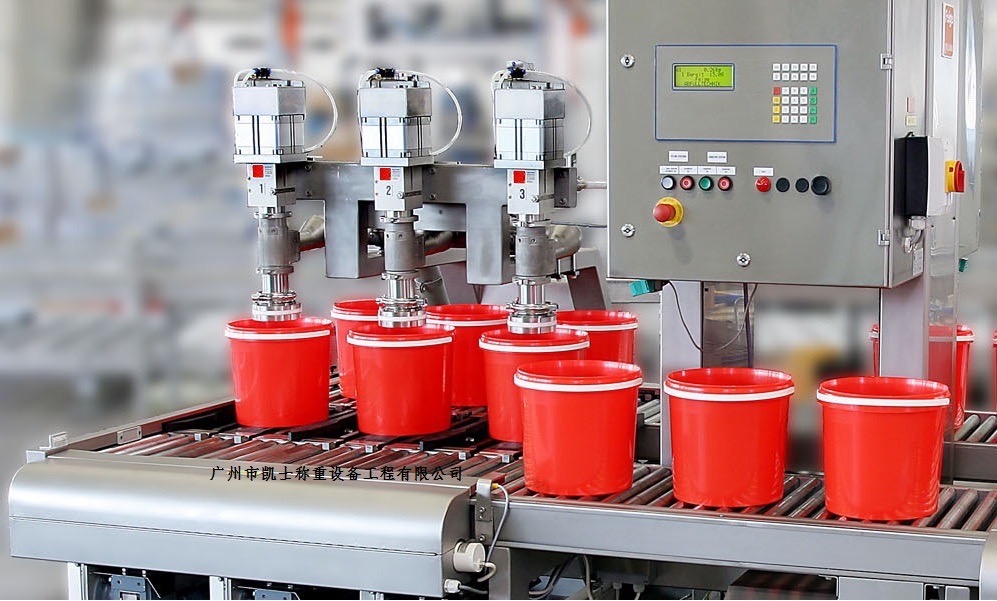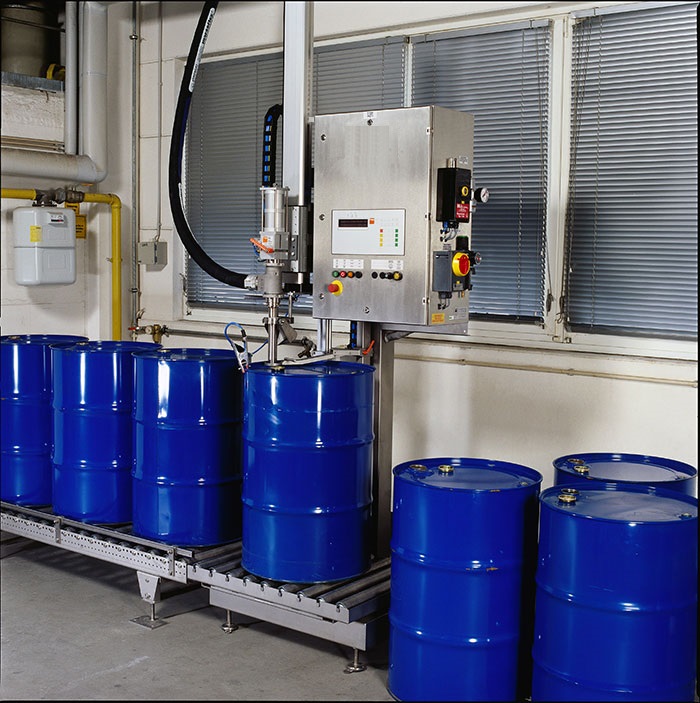


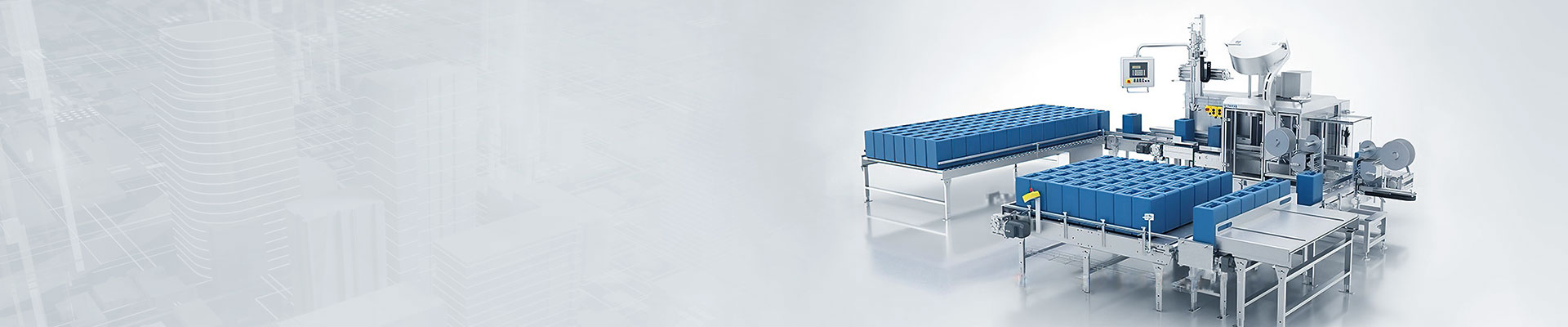

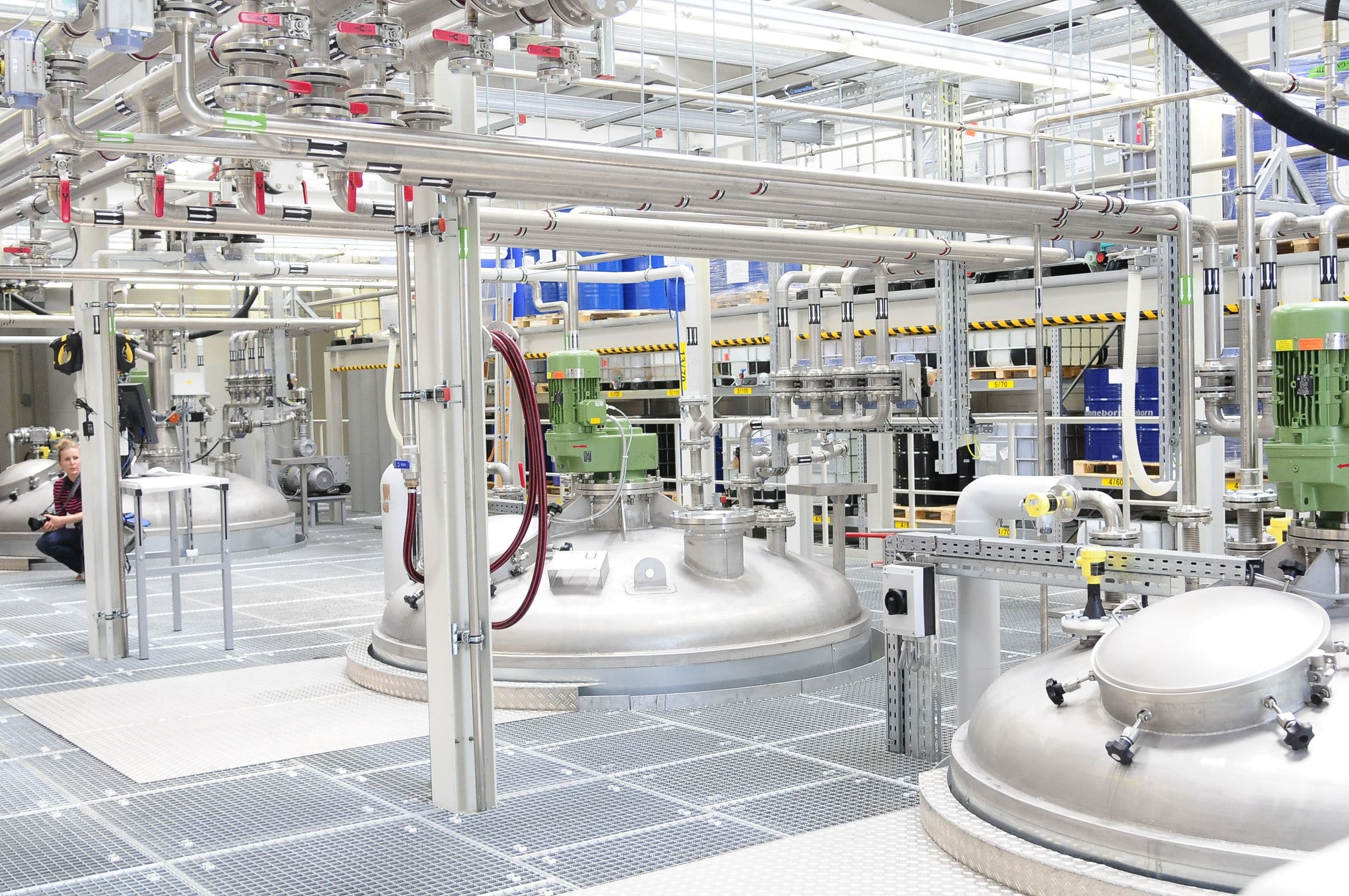


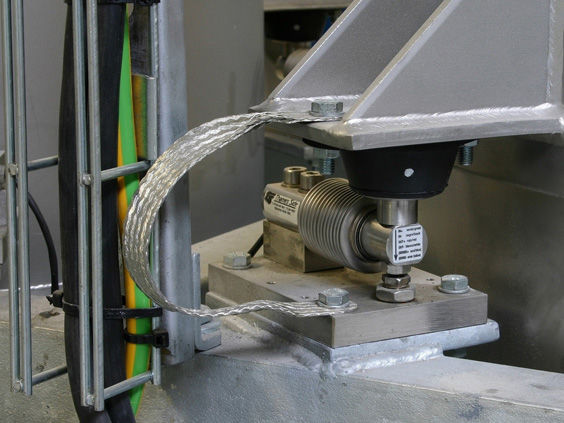
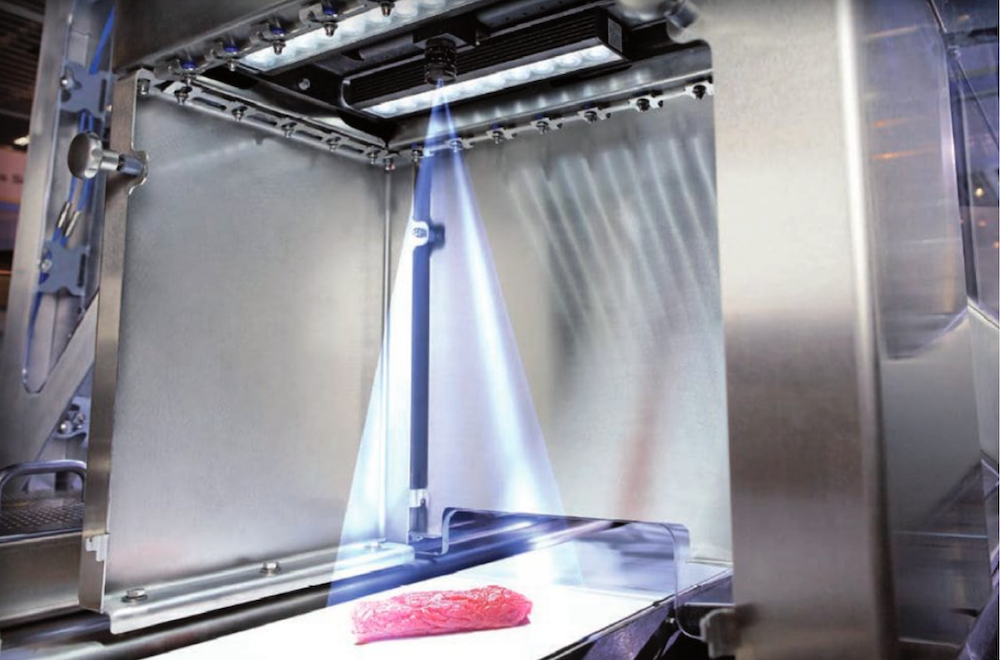
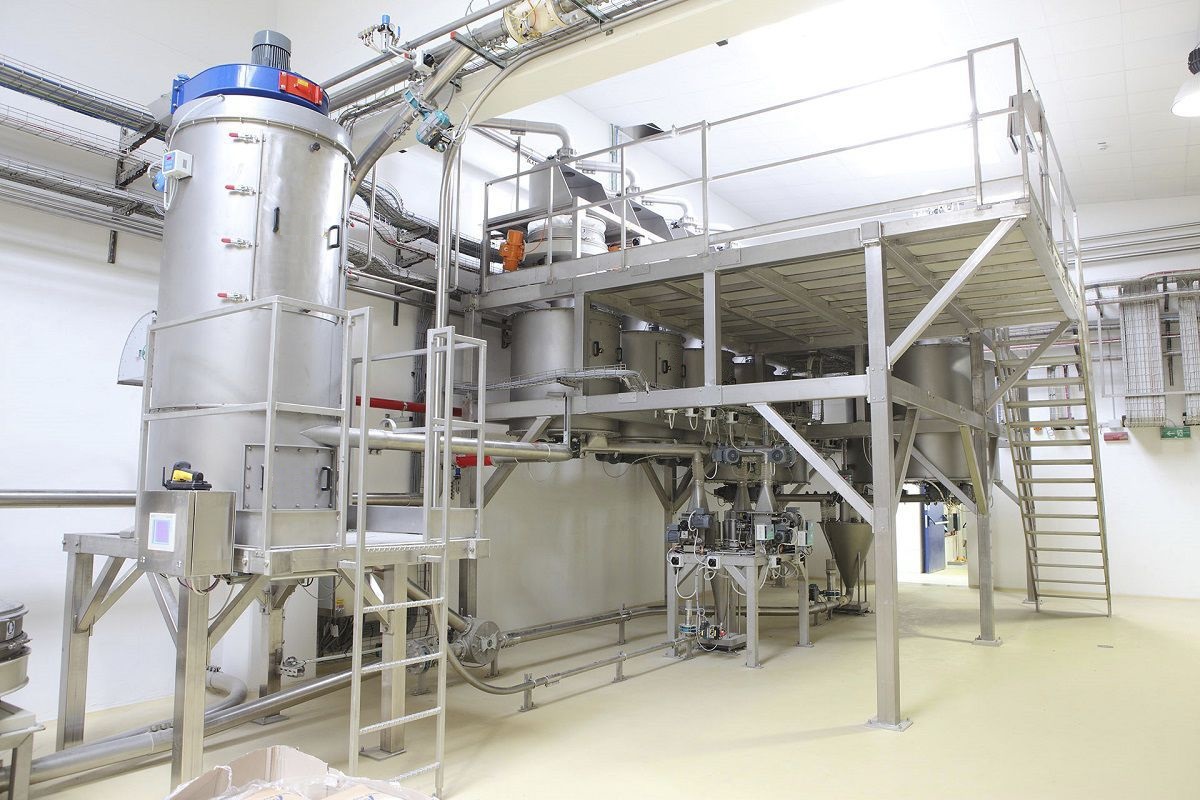
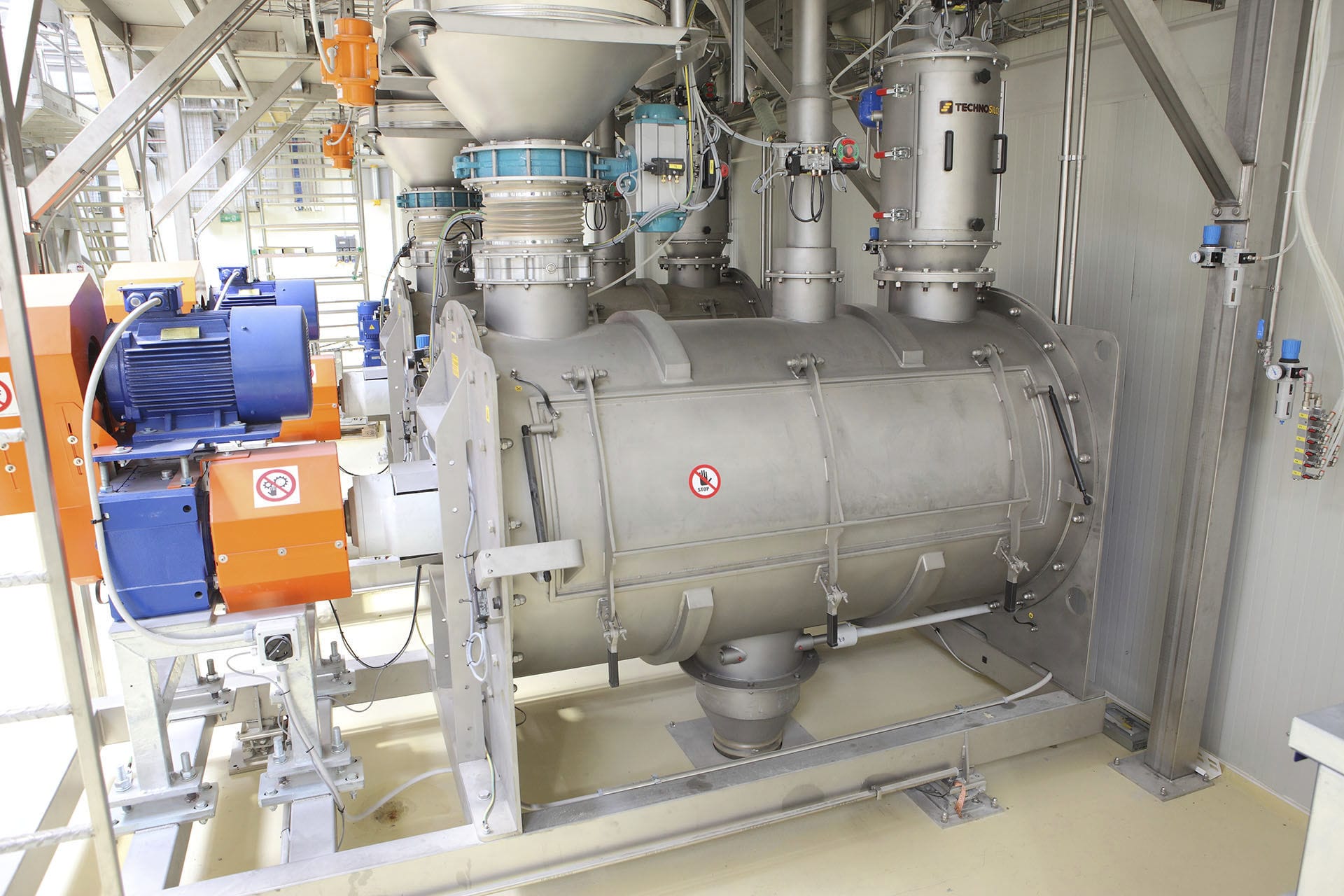
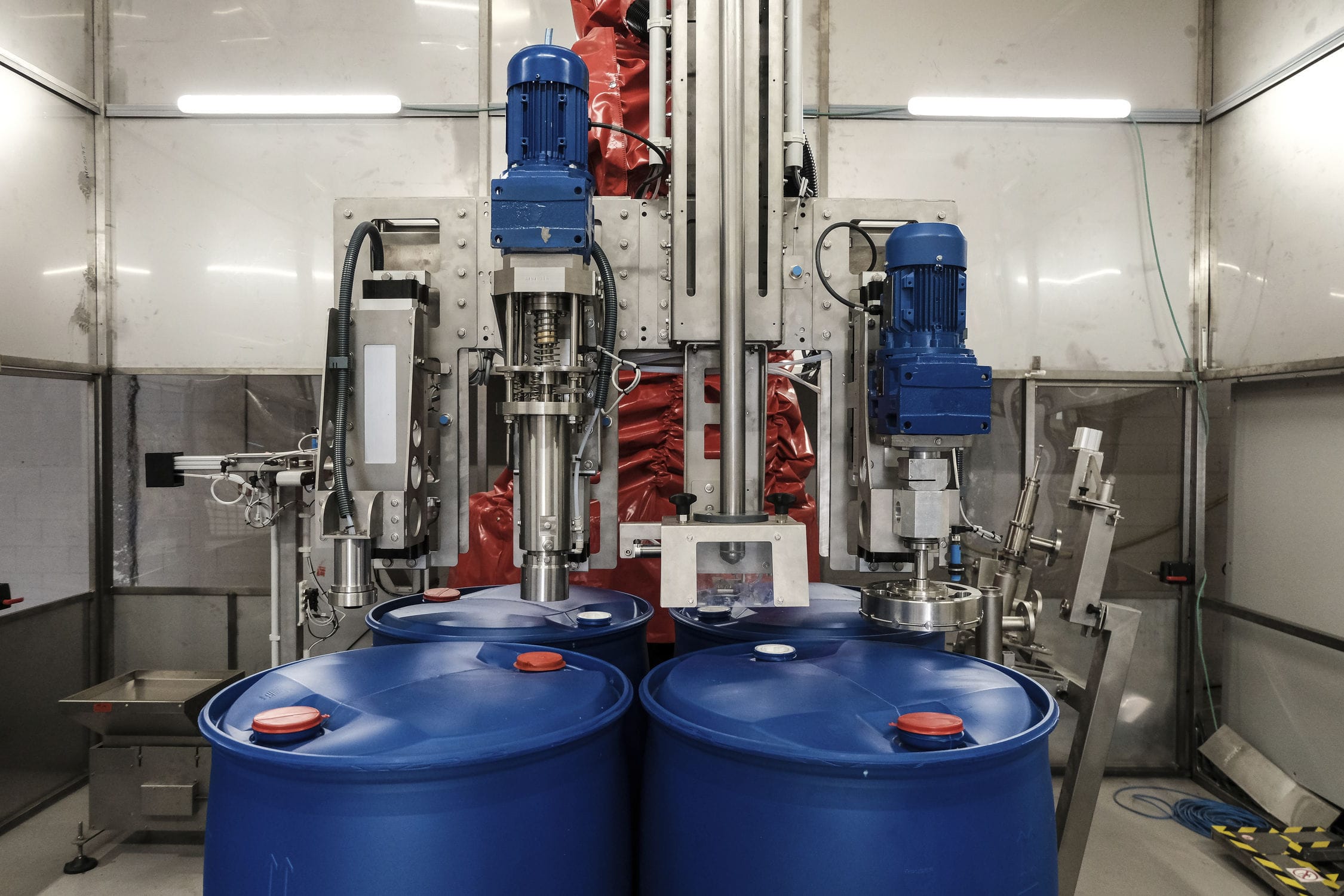
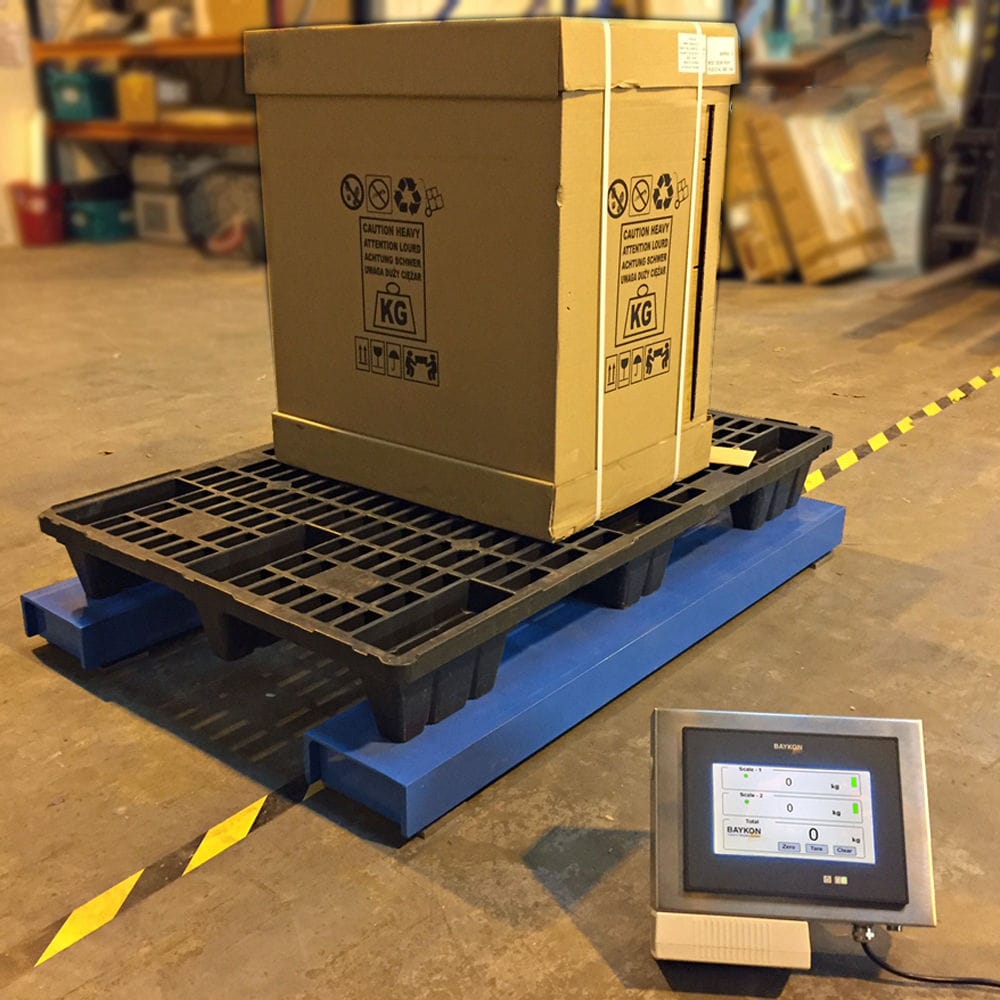


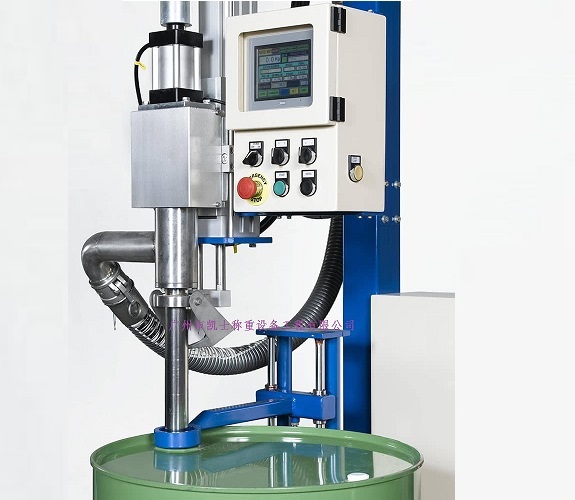
Automatic filling scale adopts filling nozzle positioning through CPM system or scanner, automatic de-plugging/plugging/moving nozzle/sealing station-filling head design, each barrel filling completion will display prompts, cumulative weight and number of times, the use of high-precision sensors and a new generation of digital control system, the filling accuracy to play a reliable guarantee. With debugging function switch, no filling during debugging, easy to operate. Automatic bottle spotting function, and can be connected to the computer to facilitate the query of filling volume at any time.

 020-34563445
The filling Electronic scale and liquid Filling machine adopt the piston quantitative method, driven by air pressure and controlled by electronic technology. It is uniquely designed and easy to operate and debug. It uses dual-speed control for the filling flow rate, with a faster filling speed first and then a slower one, ensuring the fastest filling speed while preventing overflow during the filling process. The pneumatic internal closed filling nozzle can effectively prevent dripping and leakage during the filling process. Through PLC technology, it centrally monitors, manages, and controls the production process, collects and acquires information from the electronic scale, and collects analog input signals such as the level of the storage bin and the frequency of the frequency converter; it also collects switch quantity status signals such as the on-off state of the solenoid valve, photoelectric switch, proximity switch, and actuator, and outputs signals to control the opening and closing of various valves according to the operating requirements; then it communicates with the filling machine to control the servo motor of the weighing and filling device to achieve precise control of the filling capacity of the container; ultimately, it realizes automatic control of the system.
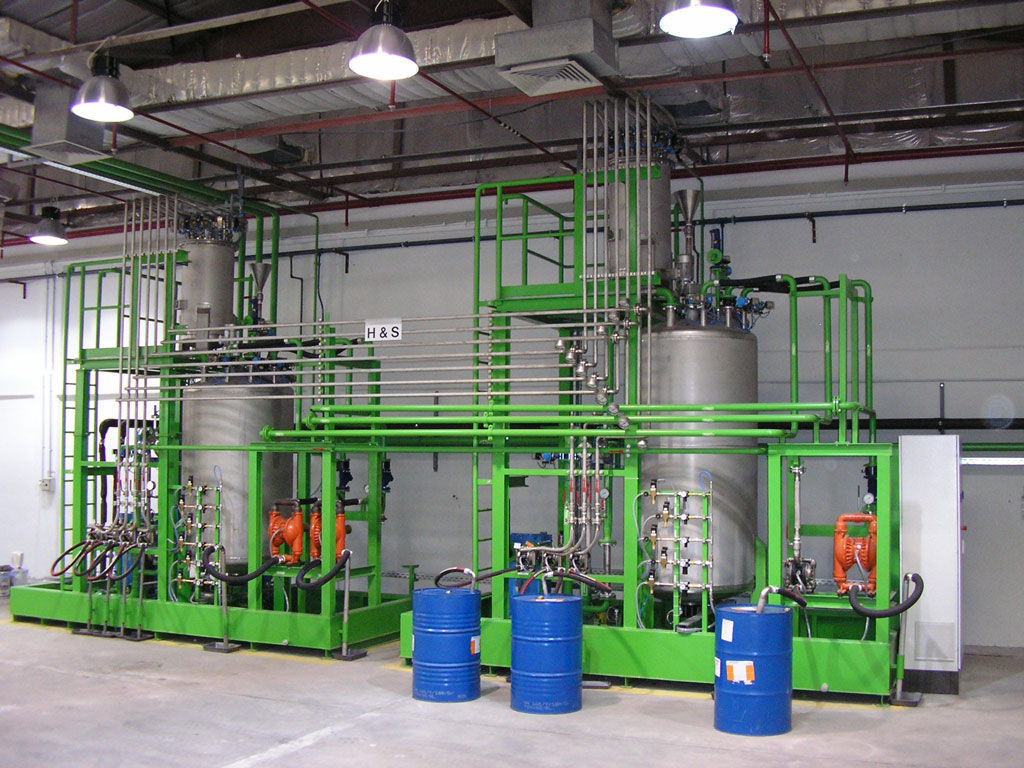
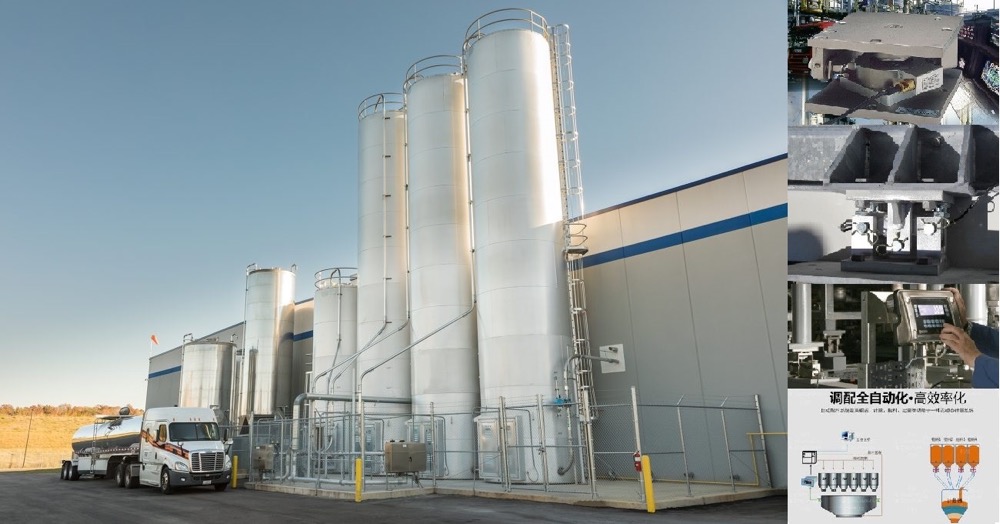
The storage tank of the filling machine is located at a high position and is connected to the upper valve by a pipeline. The upper valve is divided into two parts by an elastic membrane, which can separate the material from the action parts of the upper cylinder. The lower part is a one-way valve body with a spring return, connected to the storage tank and the quantitative material cylinder. The upper part of the valve is equipped with the upper cylinder, and the piston rod of the material cylinder controls the opening of the upper valve through the action of the elastic membrane. At the upper part of the upper cylinder, there is also a control cylinder, through which the stroke of the piston rod of the upper cylinder can be determined in two ways, thereby controlling the opening size of the upper valve. The quantitative material cylinder is connected to the outlet of the upper valve and is connected to the lower valve through a pipeline, and through the piston movement, the material is quantitatively sucked in and discharged. The structure of the lower valve is similar to that of the upper valve, but there is no control cylinder. The lower part of the lower valve is the filling head, and the material is filled into the container through this filling head outlet. At the outlet of the filling head, a screen is installed to prevent the material from leaking due to its own weight. When the filling head outlet is connected to the spare cleaning pipe connector in the cleaning state, it can be connected to the cleaning pipe connector.
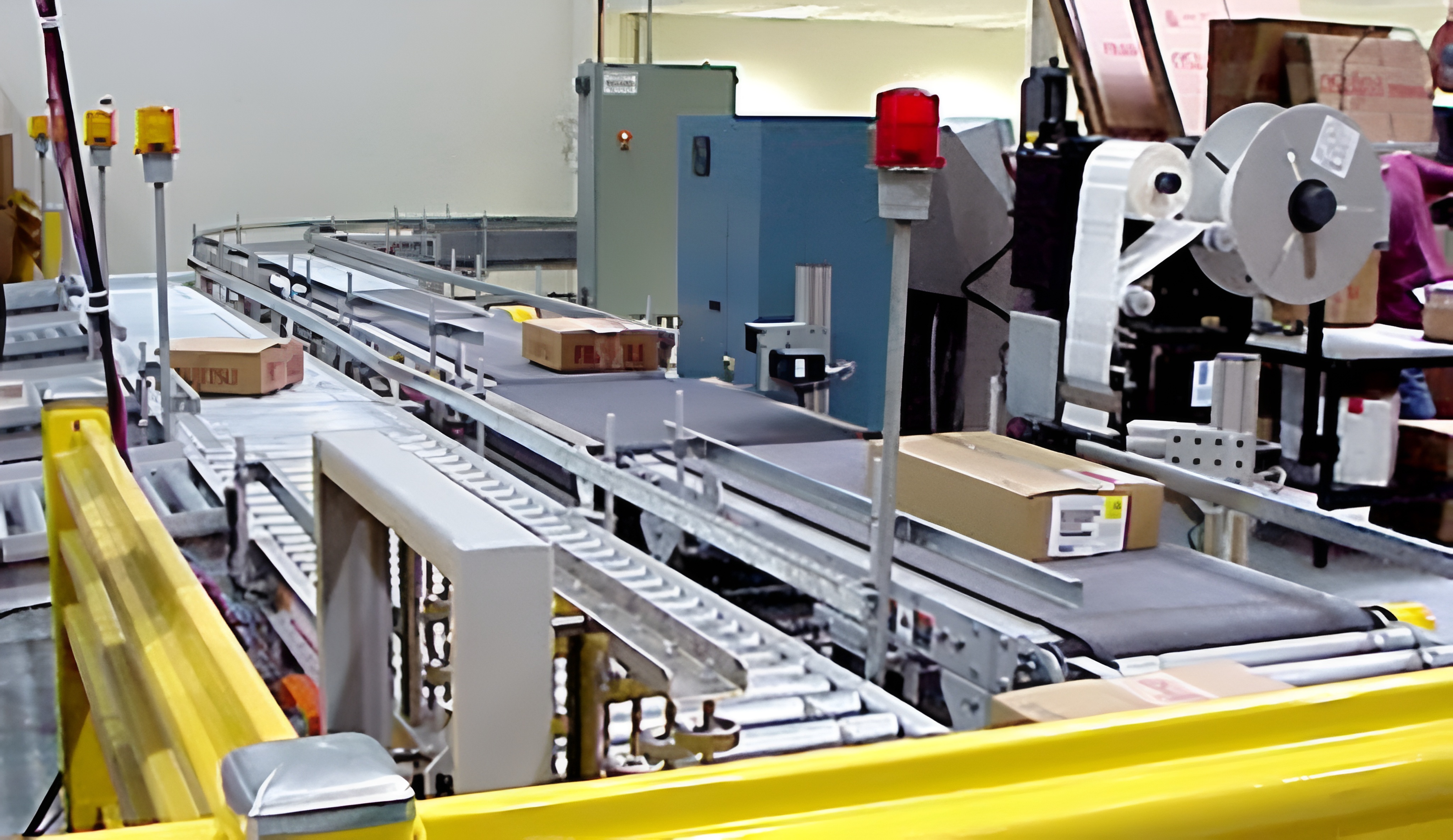
Adjust the height of the filling nozzle according to the height of the container, adjust the piston switch with the cylinder equipped with the filling gun on the cylinder to change the filling capacity, adjust the size of the capacity by adjusting the screw, change the speed of the cylinder by adjusting the throttle valve on the air path, and control the filling speed of the cylinder by adjusting the valve. After the filling bucket is placed on the conveying mechanism's conveyor belt, the conveying motor starts, and the filling bucket is conveyed to the filling position. When it reaches the filling position, the proximity switch senses the filling bucket and transmits the sensing signal to the PLC. The PLC controls the conveying motor to stop, and the lifting cylinder starts to descend under the control of the PLC. The container is pushed to the filling station by the electronic scale, which activates the automatic zeroing of the scale. When the outer wall of the bucket touches the limit switch of this station, the control circuit switches the reversing valve of the filling cylinder, and the filling piston drives the filling head to move rapidly downward. When the filling head reaches the bottom stop point, the contactless sensing switch is connected. Through the control circuit, the filling gun piston moves downward, and the filling material is controlled by the electromagnetic valve to descend to the container. The PLC controls the non-rod pneumatic cylinder to bring the filling gun into the filling bucket for liquid filling. The weighing sensor can sense the change in weight of the filling bucket and reach the set value set by the electronic scale. After the filling gun is filled, the reversing valve of the filling cylinder (repositioning) is switched, and the filling piston drives the filling head to slowly rise. When the filling piston continues to run to the bottom stop point, the filling stops, and the filling head continues to rise to the top stop point, automatically removing the filled container. Once the filled container is removed, the limit switch of this station resets, the reversing valve of the filling gun with the leakage cylinder is switched (repositioning), and the filling gun piston moves upward. The filled material is sucked into the filling gun (for the next bucket) through a one-way valve or a rotary valve. The entire filling cycle is completed.