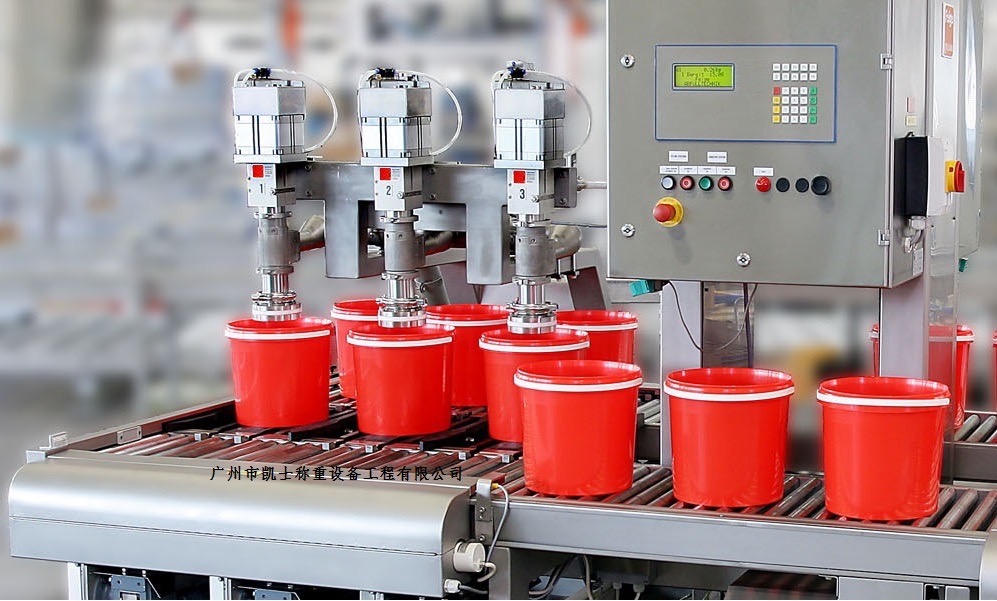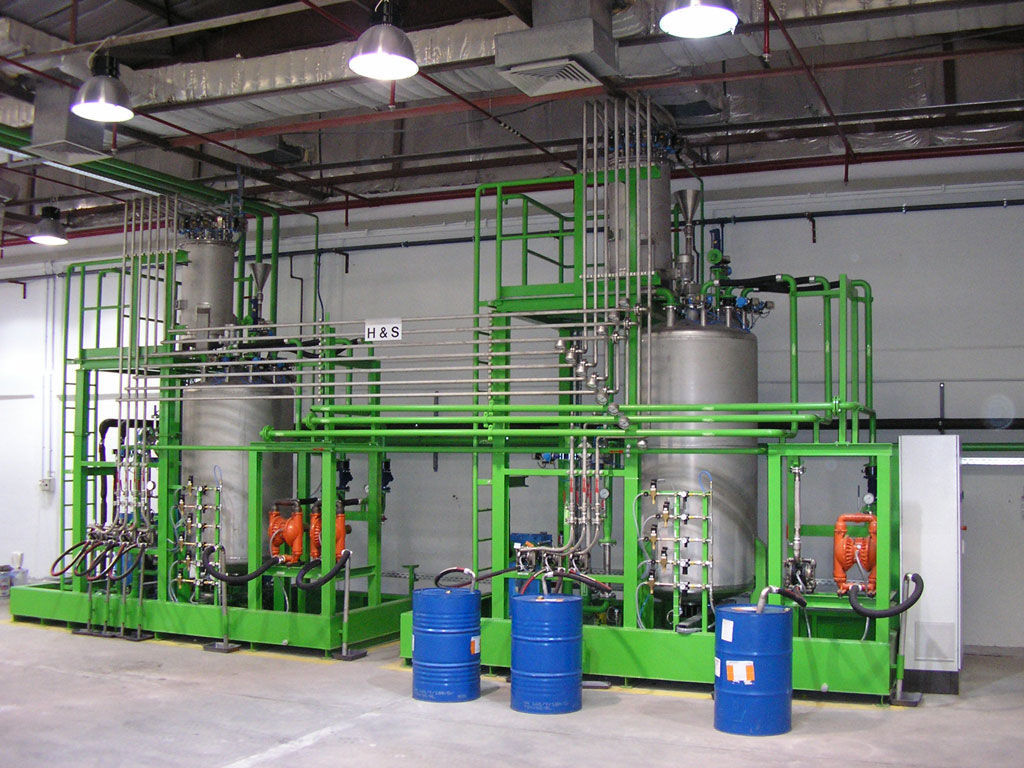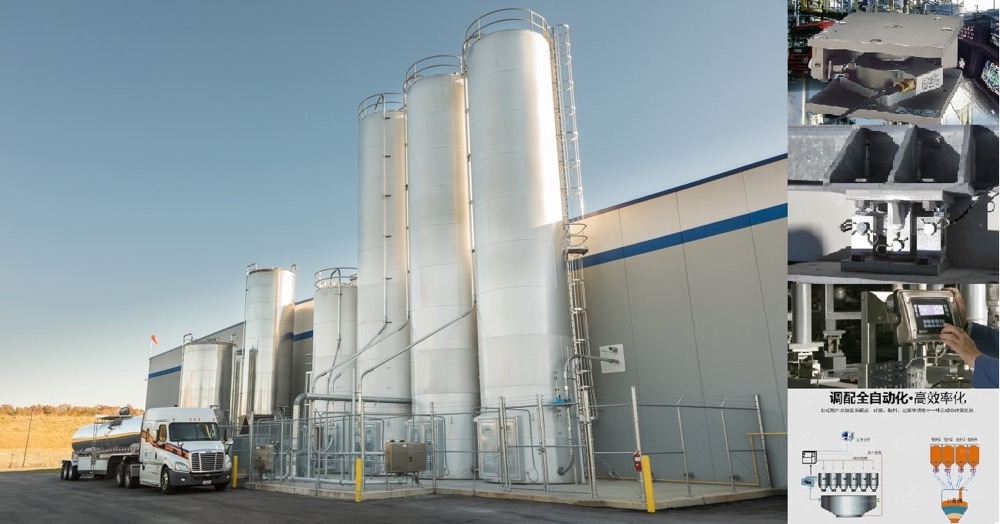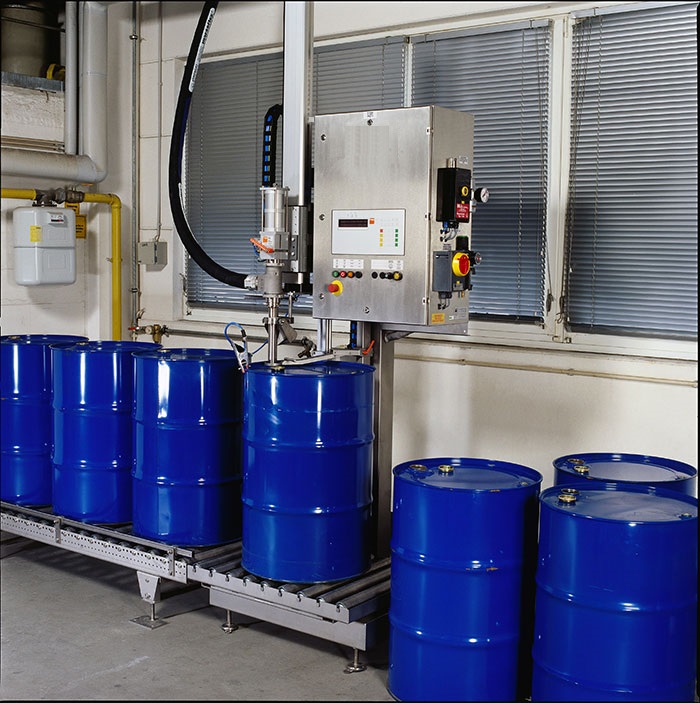


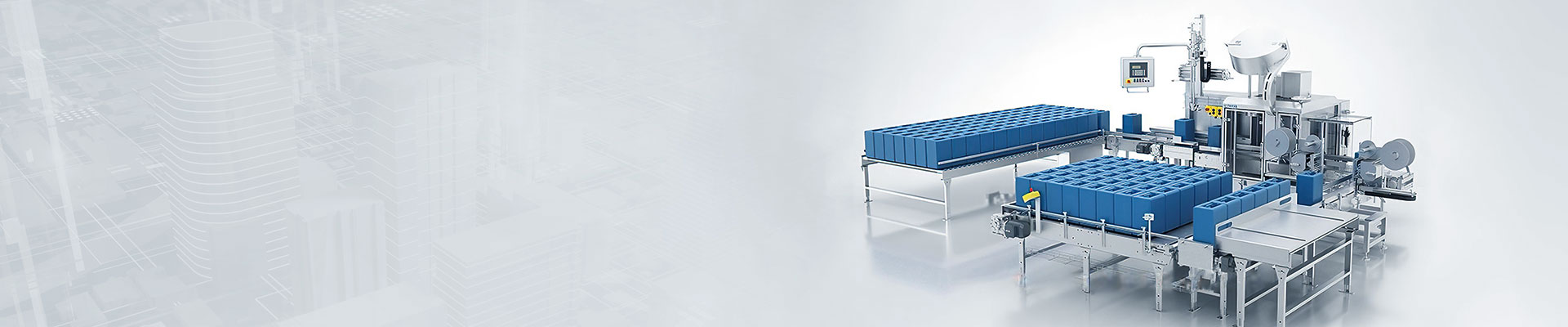


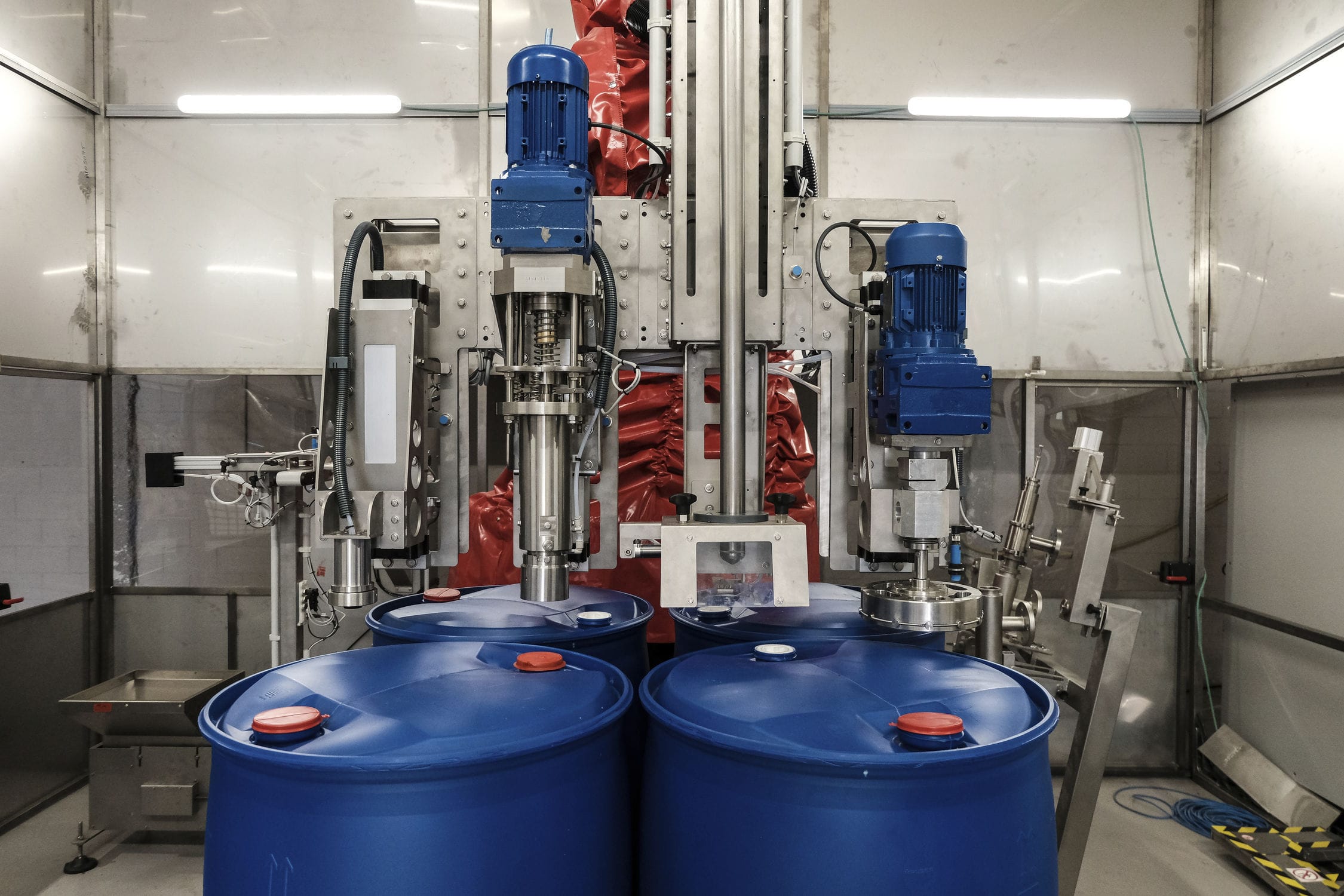
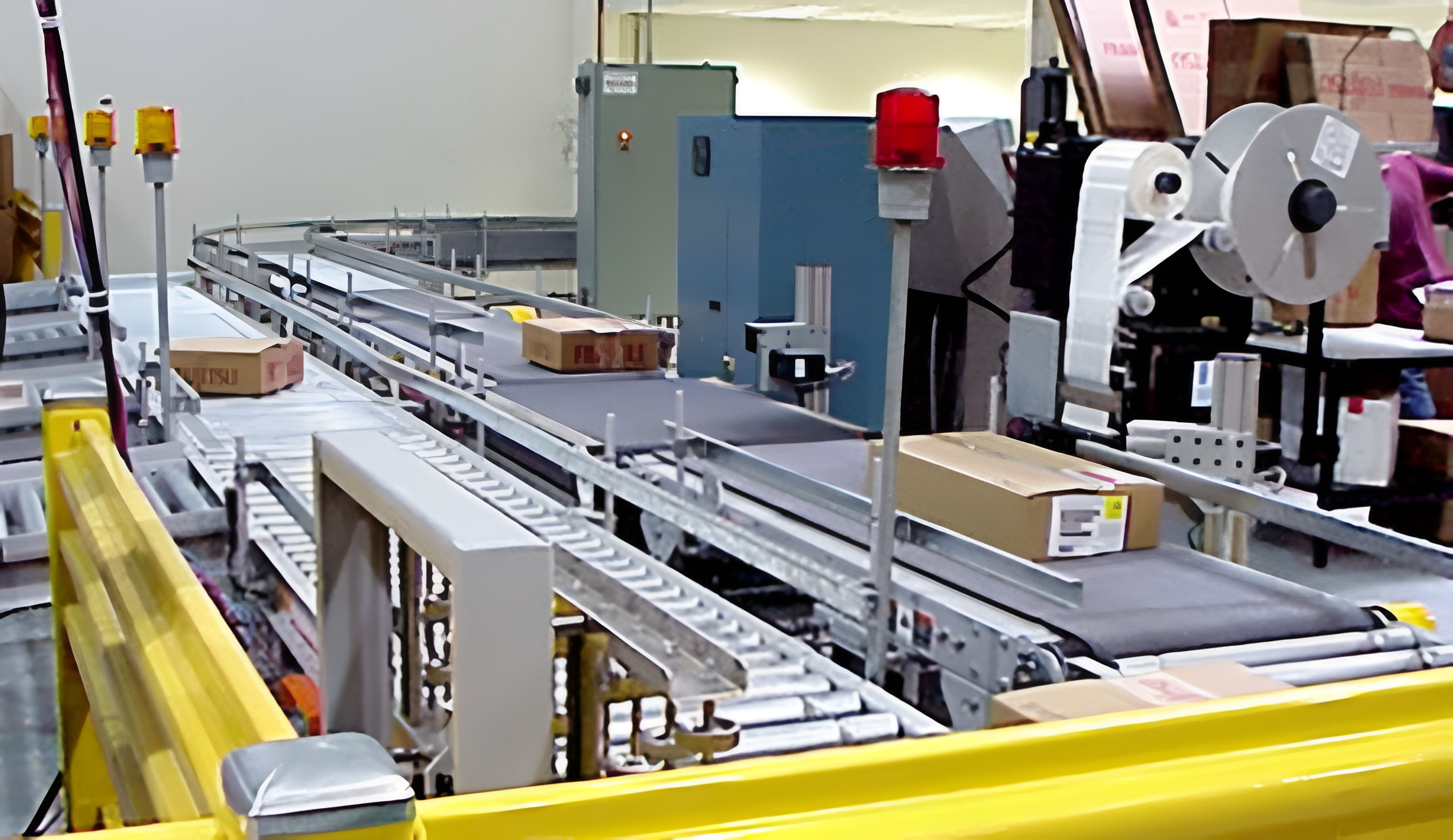
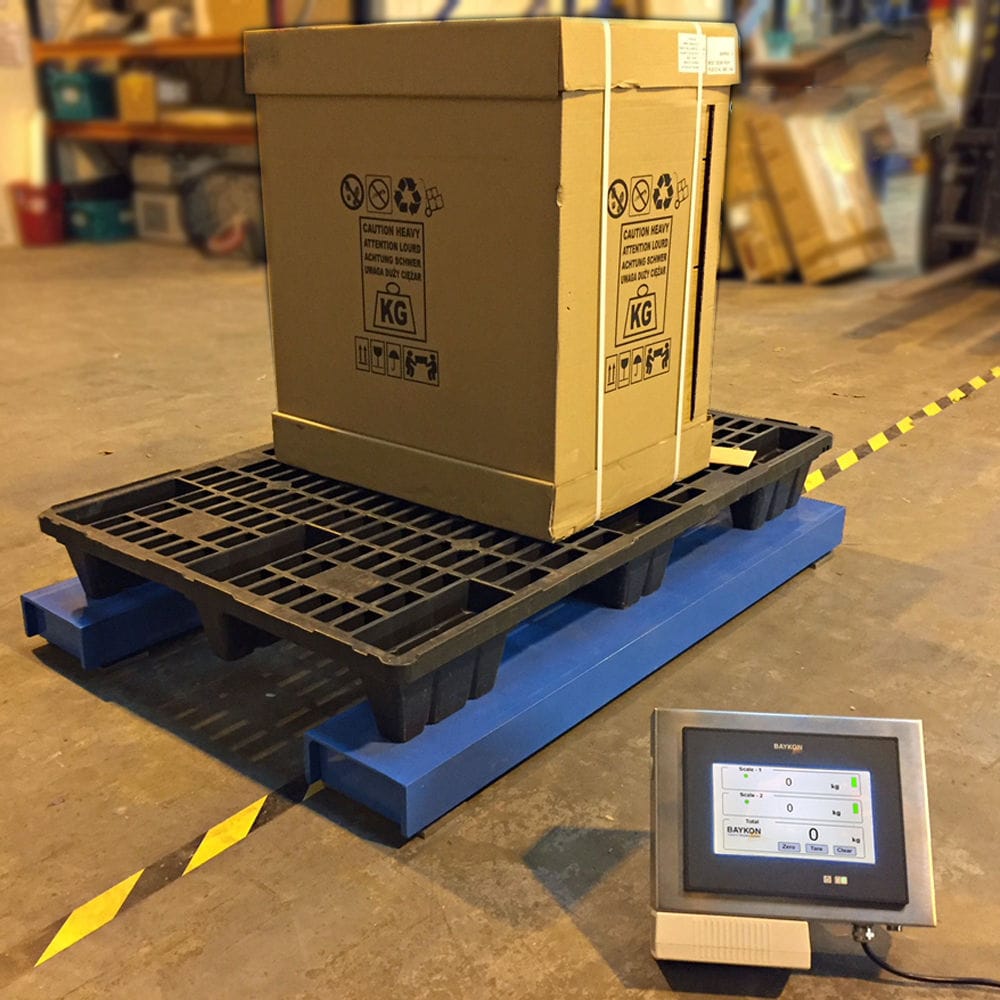


The Capacity automatic filling machine consists of programmable controller and electronic scale to form a two-stage computer control network, integrating automatic control technology, electronic scale measurement technology, weighing module sensor technology, computer management technology in an integrated mechatronic control system; adopting open control mode, strong compatibility and open database. It can be accessed to factory LAN through Ethernet, which can realize the integration of management and control. It has the advantages of digital display of weight value, dynamic display of process screen, formula modification management, fast filling speed, high control accuracy, etc. It adopts the upper computer completely on-screen control system, with the functions of automatic storage of filling data, inquiry of list of filling process, and statistics and printing of class, day, month and year reports.

 020-34563445
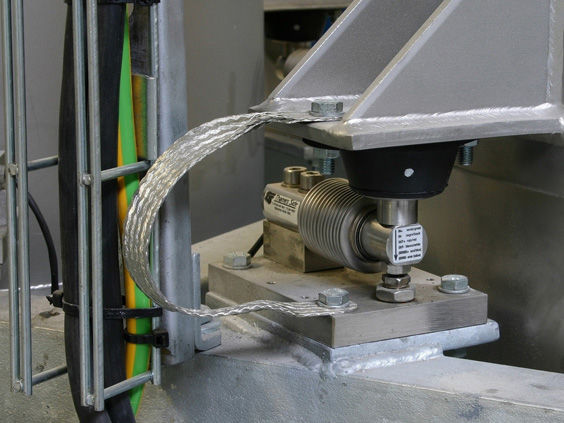
The core part of the automatic Filling machine is the Siemens 57-200 PLC, and the monitoring system software PLC developed by Kingview is responsible for collecting input signals. The Filling system realizes variable frequency control of the rotor pump speed to adjust the filling weight, and the explosion-proof weighing scale measures the instantaneous flow rate. The variable frequency converter adjusts the speed and adjusts the given amount to be equal to the set value, completing the automatic filling process. Using weighing control to start the raw material feeding pump until the qualified material weight is delivered to the filling barrel, which will include the control and interlocking of all feeding and discharging valves, the start and stop of each feeding pump, the control of fast and slow feeding, status detection, and all data processing functions. Composed of weighing unit, data processing unit, and logic control unit, they work independently of each other and are closely connected in a question and answer manner. Flexibility and maneuverability not only improve the level of automation, but also enhance the reliability of filling to ensure long-term, trouble free operation for users. The core unit of automatic control is PLC, which is composed of interfaces and other executing mechanisms. It displays the initial screen, equipment status screen, user operation panel, alarm screen, and curve chart for displaying real-time changes in reaction kettle motor and liquid level during startup. Establish a material mixing display window, create database variables, and complete attribute definitions. By defining attributes, space, and strategy, complete the design of dynamic images, set the storage properties of data variables, and establish data queries and curve browsing. Establish communication connections and parameter settings for external devices to achieve transportation monitoring and data management functions.
The weighing and filling machine adopts a chassis and a filling mechanism set inside the chassis. The filling mechanism includes a vertical connecting shaft. The middle and lower parts of the chassis are equipped with a partition, and the connecting shaft is installed in the middle of the partition through bearings. The top of the connecting shaft is also installed on the top of the chassis through bearings, providing support for all components on the connecting shaft. The connecting shaft is sequentially equipped with a driving component, a carrying component, and a filling head from bottom to top. The carrying component and the filling head can rotate synchronously on the connecting shaft, realizing the filling of multiple containers with high efficiency; The filling head includes a fixed sleeve set on the connecting shaft and a circular material barrel. Several cone-shaped cones are arranged along the circumference of the inner bottom wall of the material barrel near the side wall. The cone-shaped cones facilitate the entry of paste materials into the piston. The bottom of the cones is equipped with a piston, and the bottom of the material barrel is equipped with a filling head connected to the piston. In order to avoid excessive material addition in the storage barrel and blockage of the piston, a guide sleeve is provided in the middle of the material barrel. The outer diameter of the guide sleeve gradually decreases in the direction away from the bottom wall of the material barrel. The surface of the guide sleeve is equipped with several arc-shaped scraping strips, and the outer side of the guide sleeve is equipped with an L-shaped support sleeve, The shorter side of the L-shape is parallel to the outer wall of the guide sleeve, with a certain gap between them. The upper part of the support sleeve is equipped with a vertical connecting rod, and the top of the connecting rod is connected to the top wall of the chassis. At this time, the support sleeve is relatively fixed on the chassis. When the connecting shaft descends with the filling head, the guide sleeve rises together with the piston, and there is relative rotation between the guide sleeve and the support sleeve. When the paste material is placed on the cone bucket, the material accumulates on the cone bucket. When the bucket rotates, the cone bucket rod can scrape the material into the bucket and enter the filling head through the piston. There are several installation slots corresponding to the filling head on the installation frame. The bottom of the conveyor is equipped with a weighing scale, which is used for the conveyor. Installing containers such as material buckets, electronic weighing scales can weigh the materials filled in the buckets, increasing the accuracy of filling.
Basic Parameters
Maximum weighing capacity: 1200kg
Minimum sensitivity: 0.2kg
Filling error: ± 0.2-0.5kg
Filling speed: about 50-80 barrels per hour
Control mode: 2nd gear control
Filling method: Insertion type, above liquid level
Gun head pipeline: PTFE gun head, valve+PTFE hose
Structural material: SUS304 stainless steel for the host, carbon steel for conveying and stacking with anti-corrosion paint.
Scale platform size: 1200 × 1200mm (304 stainless steel power raceway)
Empty bucket raceway: 1200mm × 2500mm (304 stainless steel power raceway) with an additional 1200mm sloping unpowered drum
Heavy bucket raceway: 1200mm × 2500mm (304 stainless steel power raceway, 2 sets)
Bucket sorting device: suitable for 200L buckets, carbon steel anti-corrosion paint structure, 304 stainless steel raceway.
Stacking equipment: translation type, suitable for pallets of 1200 × 1200 × 140mm, including pallet supply, palletizing, and lower pallet conveying.
Pipeline pressure: 0.2-0.6MPa (depending on material properties).
Material interface: 4 DN40 flange joints, available according to user provided interface standards
Air source interface: The user provides a 12mm air hose connector for quick connector connection
Power supply: AC220/50Hz (provided by the user to the machine side)
Gas source used: 0.4-0.8Mpa (provided by the user to one side of the machine)
Operating temperature: -10 ℃ -50 ℃
Basic conditions: A solid concrete floor with ammonia solution and a concrete thickness greater than 10cm.
Optional models: Standard, Explosion proof Filling