





The Explosion-proof control system of the quantitative filling machine mainly consists of PLC, touch screen, actuators, and detection elements. The computer downloads the program and monitors the operation of the equipment through the Ethernet PLC on-line. The touch screen communicates with PLC through Modbus485 communication protocol, displaying the running status of the equipment, and starting and stopping the equipment to set the operating parameters and other operations. The actuator is responsible for the execution of the PLC instructions, the specific implementation of the corresponding action. The detecting element sends the status and parameters of the equipment to the PLC.

 020-34563445
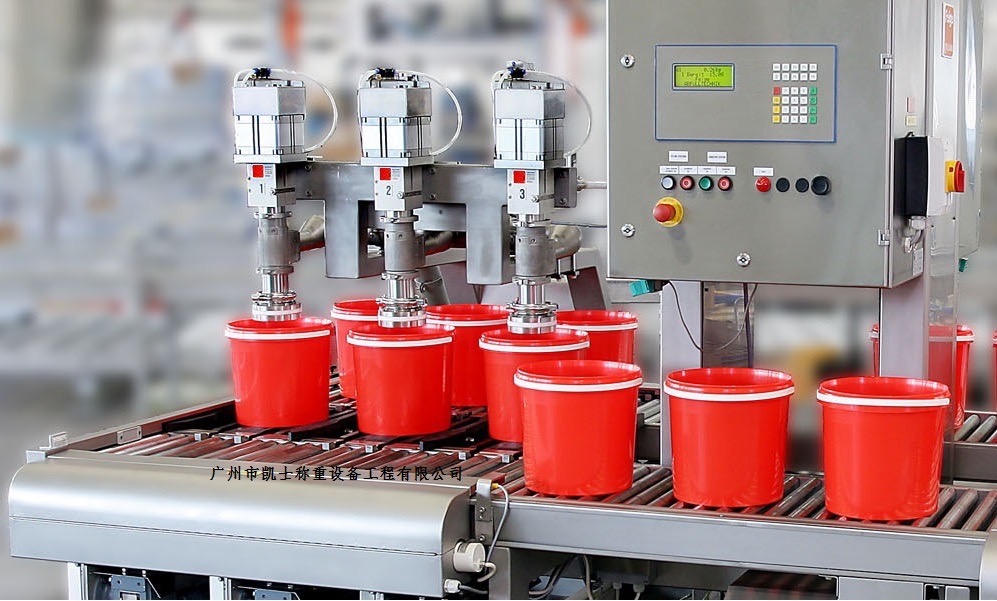
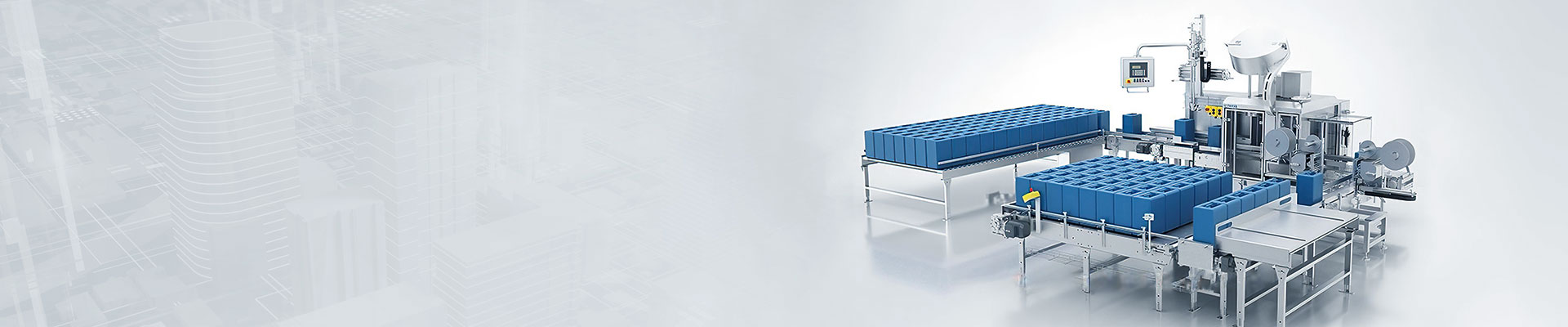
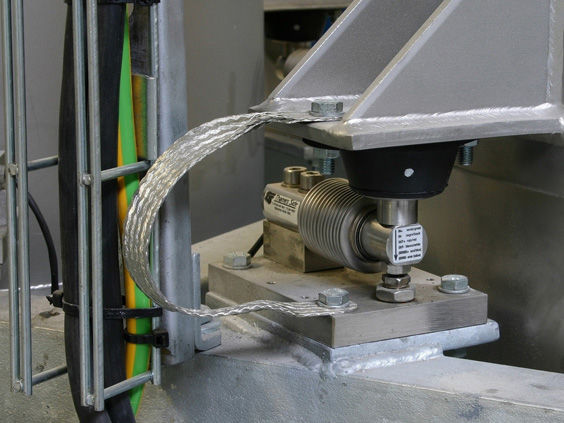
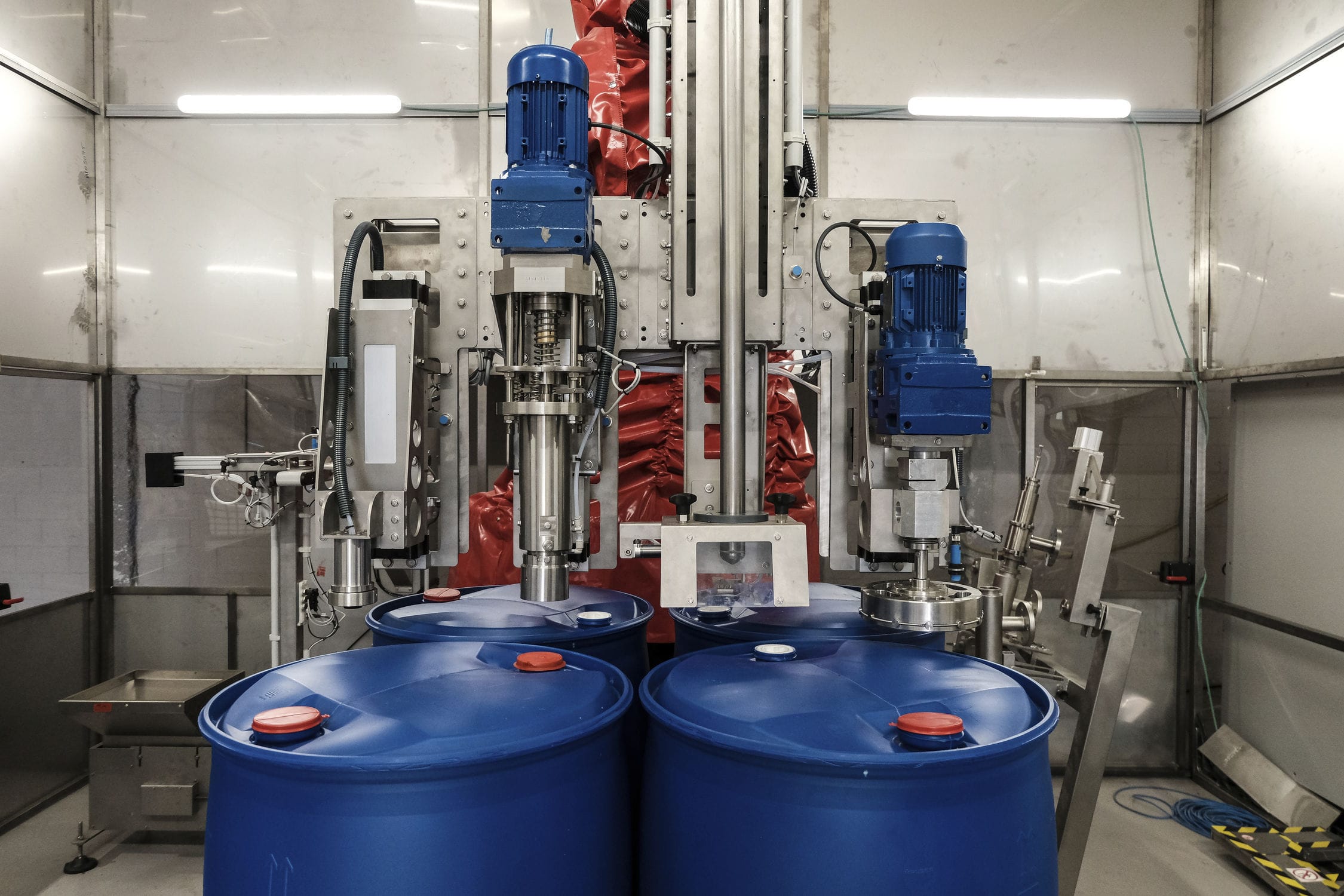
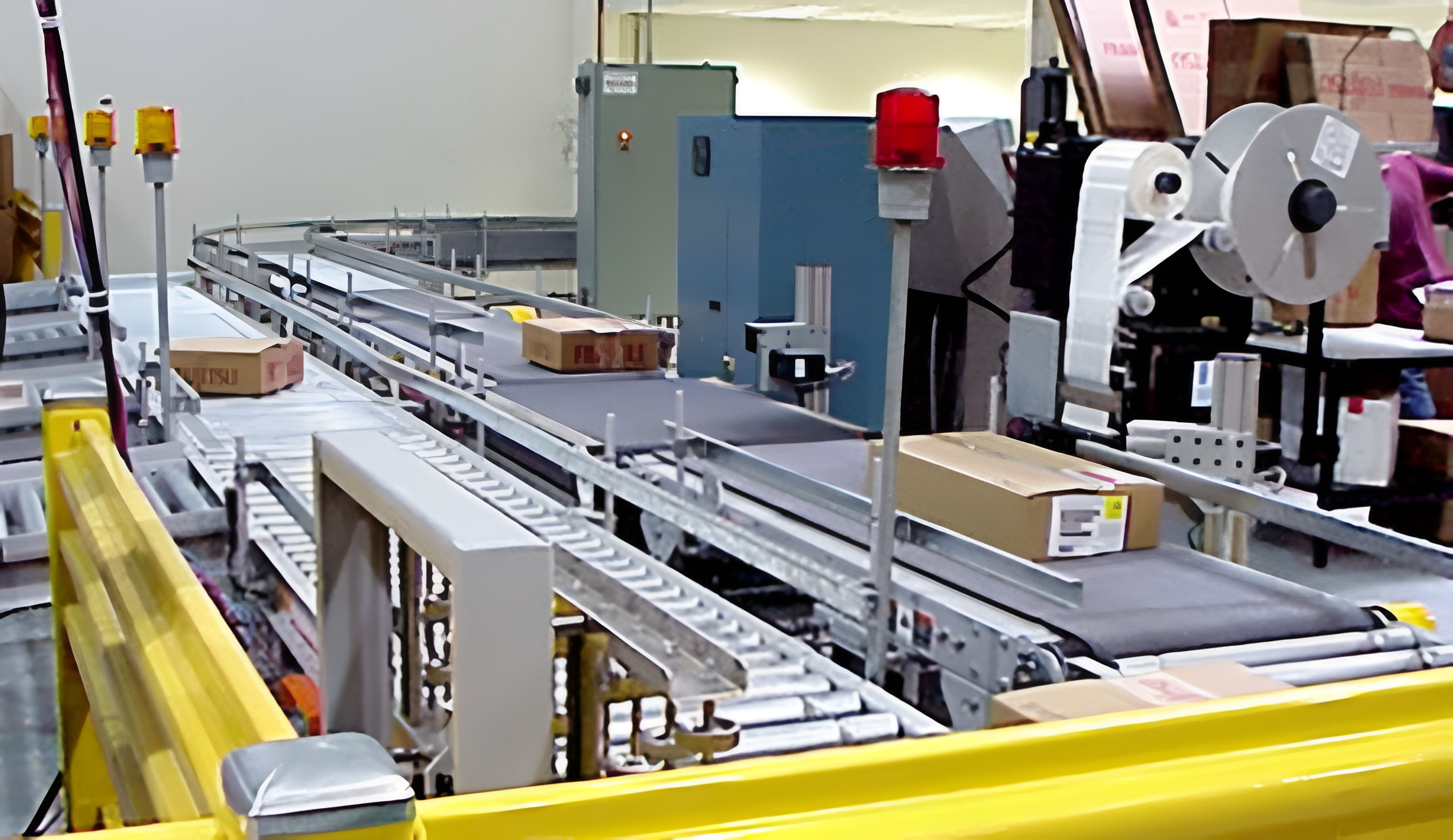
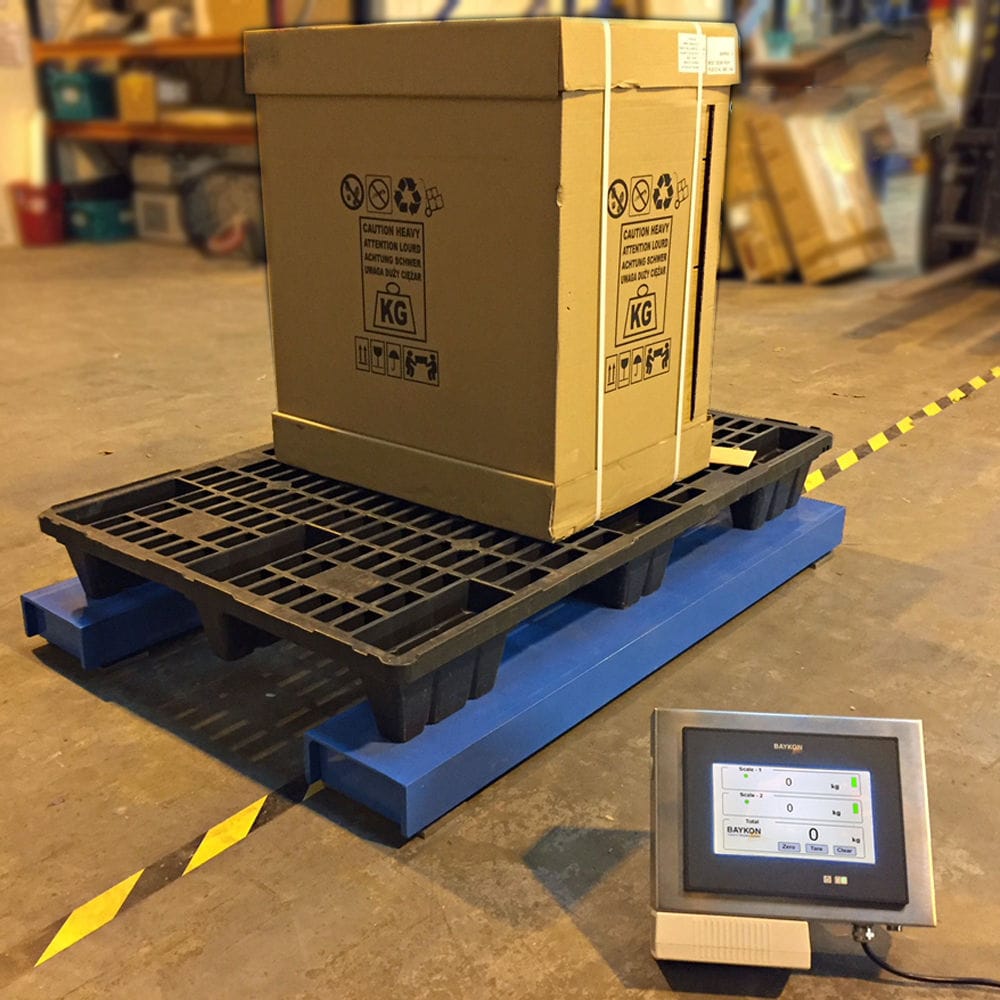
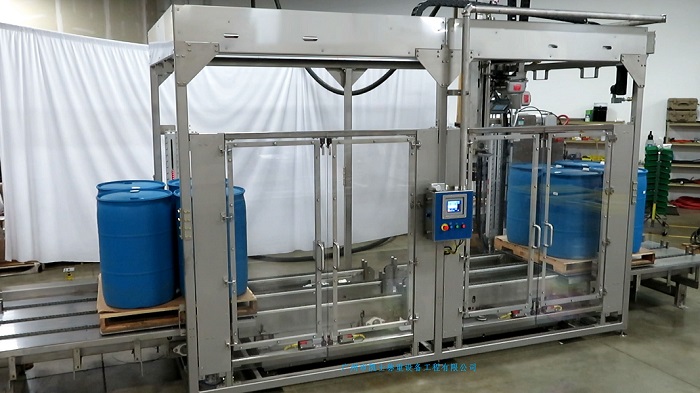
The controller used in the explosion-proof quantitative Filling machine is the Siemens S7-200 programmable controller, and the Filling system adopts a redundant system composed of dual CPUs. The STEP7MicroWinV4.0SP6 programming software provided by Siemens is used as the human-machine interface to write program debugging programs, download programs, etc. The machine is connected to the PLC experimental machine through a PI cable for communication, and the corresponding parameters are set. Connect the machine to the PLC using RS-485 bus. The filling machine has a large storage capacity, fast processing speed, and good compatibility. In order to ensure the accurate and reliable operation of each part of the filling process, it is necessary to control various sensors, relays, switches, and solenoid valves through PLC programs. Weigh and record the filled materials to achieve material feeding management. In order to achieve precise production and avoid production losses and even accidents caused by human operation errors during the production process, the correctness of execution is ensured by verifying and confirming the instruction information of the feeding and filling processes, electronic signatures of important steps, and constraint measures for identifying material and container codes. The weighing and filling machine is equipped with an electronic weighing scale chassis and a filling head body. The two ends of the frame are respectively equipped with an inlet conveyor belt and a second outlet conveyor belt. The frame is also equipped with a first outlet conveyor belt, which is connected to the second outlet conveyor belt. The inlet conveyor belt and the first outlet conveyor belt are symmetrically distributed on both sides of the stainless steel weighing scale chassis. A bucket pushing frame is installed on one side of the inlet conveyor belt, and a filling pump is installed below the bucket pushing frame. The bucket pushing frame consists of a first cylinder, a floating joint, a guide rail, and a slider. The inlet conveyor belt is parallel to the filling platform and the first and second outlet conveyor belts. Empty buckets are transported from the inlet conveyor belt. When the counting reaches the filling area, the first cylinder acts to push the empty bucket to the filling area, and the weighing sensor acts to fill the bucket, When filling without a bucket, it does not move. During filling, the receiving box retreats, the filling head body descends, and the three speed variable frequency filling is carried out. When filling, the next set of empty buckets arrives at the filling area. After filling is completed, the first cylinder moves, and the empty buckets reach the filling area. The full buckets are discharged through the first and second bucket conveyor belts, circulating in sequence.
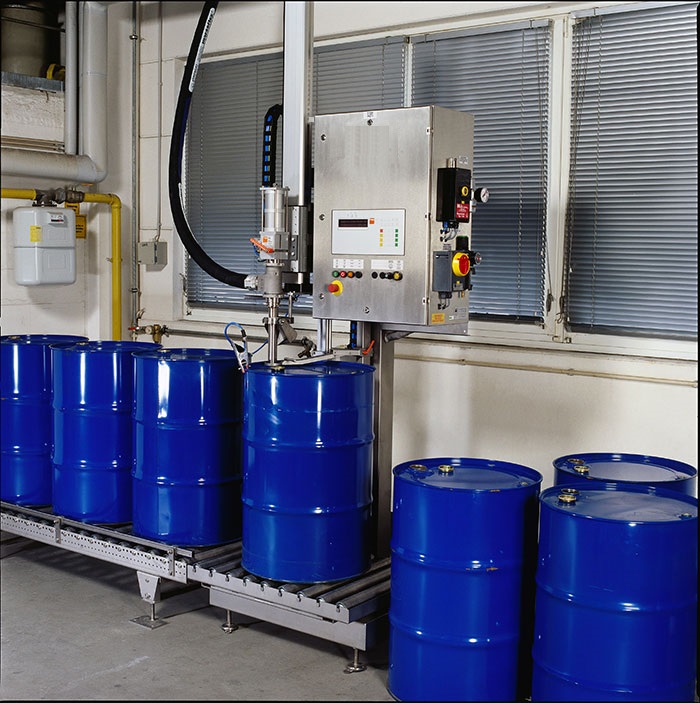
The measuring filling machine is equipped with a waterproof weighing platform on one side of the bucket pushing frame on the rack, and a weighing tray is installed on the electronic weighing platform. The rack is located above the weighing platform, and the filling head body is fixed to the rack through a filling head fixing plate. The filling head body is installed at the output end of the third cylinder, and is located on the same axis as the weighing platform and weighing tray. A material receiving box and a second cylinder are installed on one side of the filling head body on the rack. When the weighing and filling machine is in use, press the start button and the bucket conveyor belt will run; Manually place the empty buckets to be filled onto the bucket feeding conveyor belt as required, and enter the filling station with the conveyor belt. After the first empty bucket is in place, the bucket feeding conveyor belt stops; The first cylinder moves to push the empty bucket to be filled into the filling station, and the first cylinder returns to its original position; After an empty bucket is pushed into the filling station, the weighing chassis moves to automatically determine whether the station is filled (empty bucket filled, no bucket or full bucket not filled); At the workstation where filling is required, the second cylinder of the workstation first operates to retract the receiving box; Then the third cylinder moves, and the filling head body extends downwards, penetrating deep into the empty barrel for filling; After the filling is completed, the third cylinder moves and the filling head body rises. Then, the second cylinder moves and the feeding box extends directly below the filling head body to catch the remaining liquid droplets on the filling head. After the first cylinder returns to its original position, the bucket conveyor belt runs again. When the first empty bucket is in place, the bucket conveyor belt stops; Repeat the action, push the empty bucket into the filling station, and continue to push the filled bucket forward until it reaches the first bucket conveyor belt; The first and second bucket conveyor belts automatically start to transport the buckets filled with solution outside the filling machine. After all the buckets are transported out, the bucket conveyor belt stops and cycles accordingly.
Basic Parameters:
Maximum weighing capacity: 1200kg
Minimum sensitivity: 0.2kg
Filling error: ± 0.2-0.5kg
Filling speed: about 50-80 barrels per hour
Control mode: 2nd gear control
Filling method: Insertion type, above liquid level
Gun head pipeline: PTFE gun head, valve+PTFE hose
Structural material: SUS304 stainless steel for the host, carbon steel for conveying and stacking with anti-corrosion paint.
Scale platform size: 1200 × 1200mm (304 stainless steel power raceway)
Empty bucket raceway: 1200mm × 2500mm (304 stainless steel power raceway) with an additional 1200mm sloping unpowered drum
Heavy bucket raceway: 1200mm × 2500mm (304 stainless steel power raceway, 2 sets)
Bucket sorting device: suitable for 200L buckets, carbon steel anti-corrosion paint structure, 304 stainless steel raceway.
Stacking equipment: translation type, suitable for pallets of 1200 × 1200 × 140mm, including pallet supply, palletizing, and lower pallet conveying.
Pipeline pressure: 0.2-0.6MPa (depending on material properties).
Material interface: 4 DN40 flange joints, available according to user provided interface standards
Air source interface: The user provides a 12mm air hose connector for quick connector connection
Power supply: AC220/50Hz (provided by the user to the machine side)
Gas source used: 0.4-0.8Mpa (provided by the user to one side of the machine)
Operating temperature: -10 ℃ -50 ℃
Basic conditions: A solid concrete floor with ammonia solution and a concrete thickness greater than 10cm.
Optional models: Standard, Explosion proof Filling