



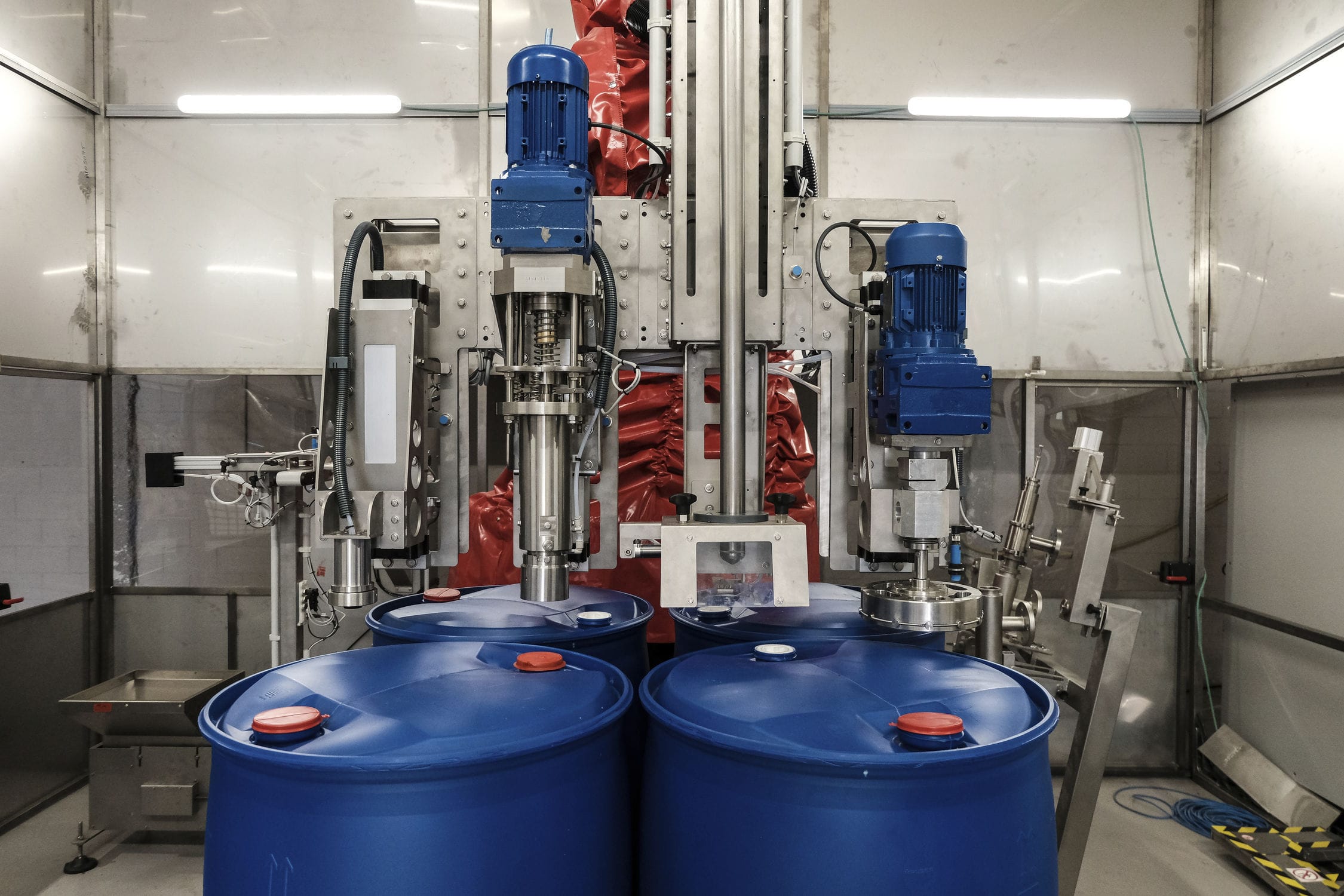
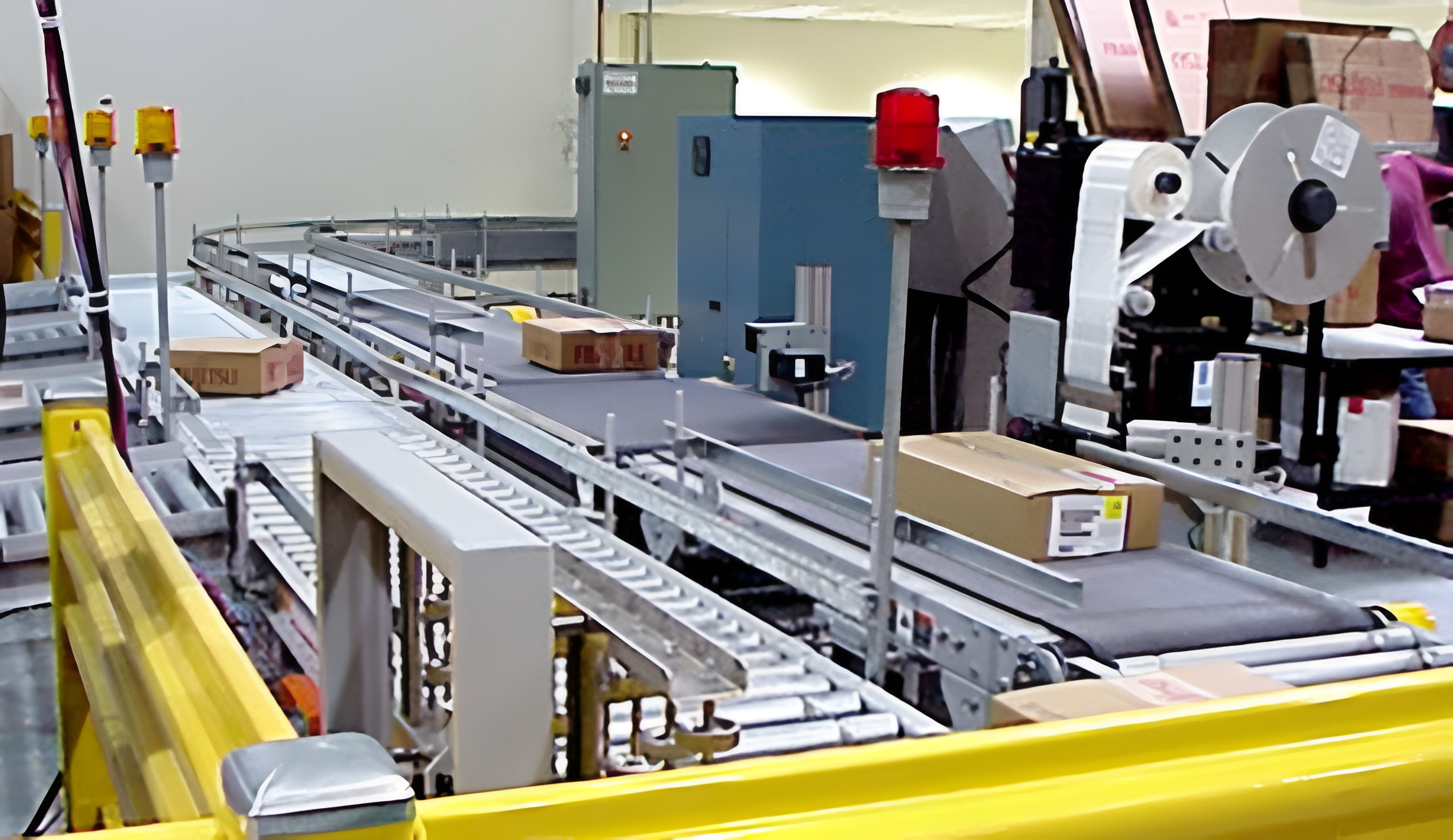
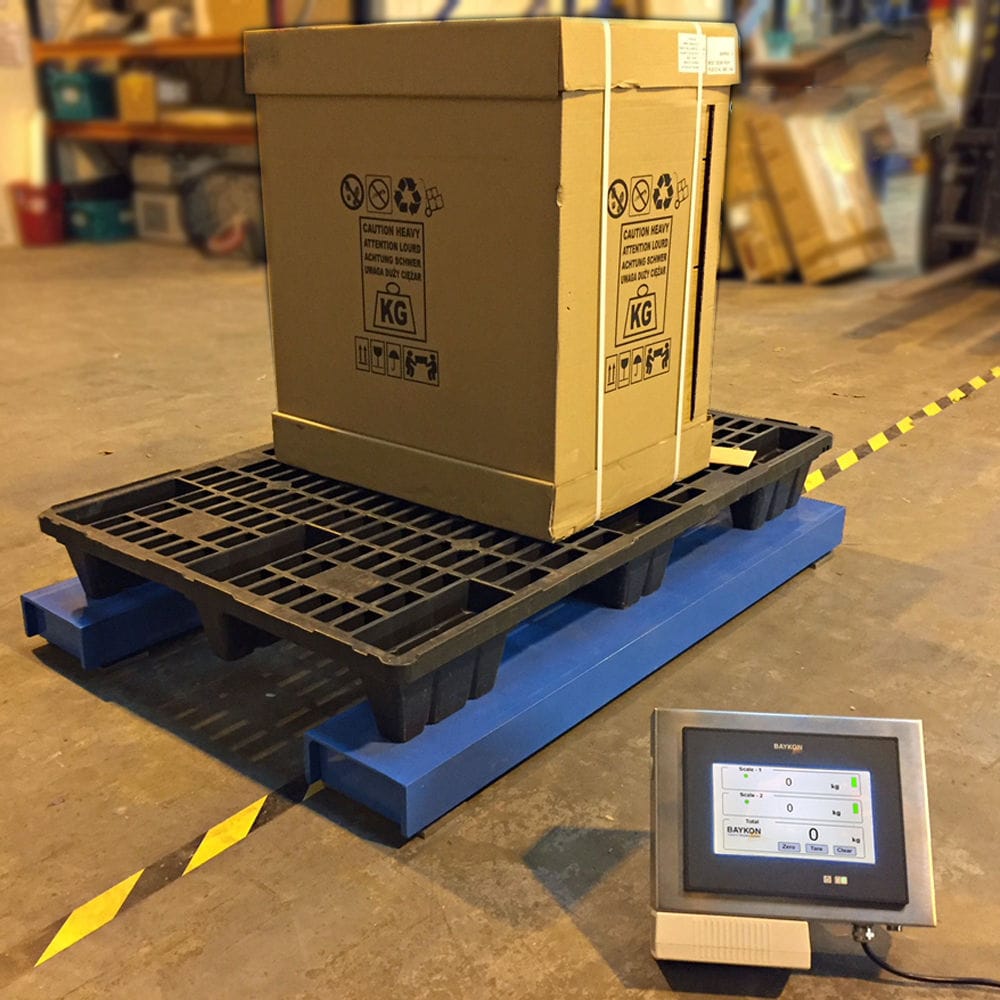


The automated filling machine adopts RS232 interface to connect the touch screen and PLC through communication cable, the remote touch screen (HMIA) and local touch screen (HMIB) are connected through Ethernet, both of them can display the instrument data and equipment status, and both of them can control the automatic filling machine. The upper computer completes the configuration and debugging of the weighing system, the online correction of the detection parameters and the setting of the control parameters, and also realizes the collection of the production data, the generation and printing of the report, the alarm of the abnormal signals and the network release of the information of the production site and other functions.

 020-34563445
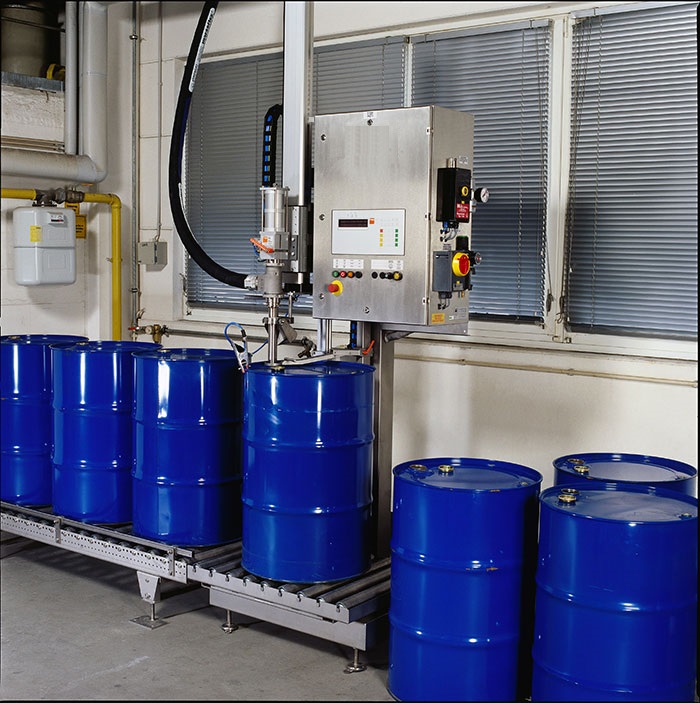
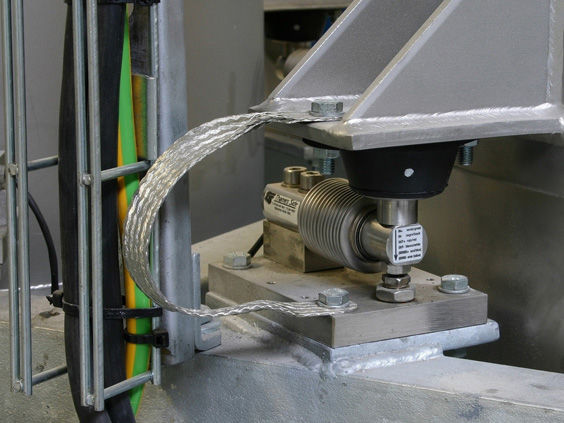
The automatic Filling machine is based on industrial control computers and RS485 fieldbus to achieve signal acquisition, processing, control, and output, forming a cost-effective Weighing system; The communication between the on-site monitoring computer and the management computer has been implemented using a local area network; The weighing software is developed using a modular approach and VC++. Actual operation has shown that the system runs reliably, is easy to maintain and use, has a friendly human-machine interface, and has good control effects. The Liquid filling machine mainly achieves automatic control of the entire system through Electronic scales, mainly completing functions such as automatic feeding, unloading, transportation, and material filling. The Filling system adopts an industrial computer filling distributed control method, which is connected by a network between a host and multiple slaves. The host hands over the control tasks to each slave to complete. The filling machine picks up the weight through the pressure weighing module, amplifies and filters the picked up weight signal, enters the A/D converter for analog-to-digital conversion, and then sends it to the microcontroller for signal analysis and processing. The results are output to the industrial control through the RS232C communication serial port, and corresponding reactions and operations are performed based on the signal results.
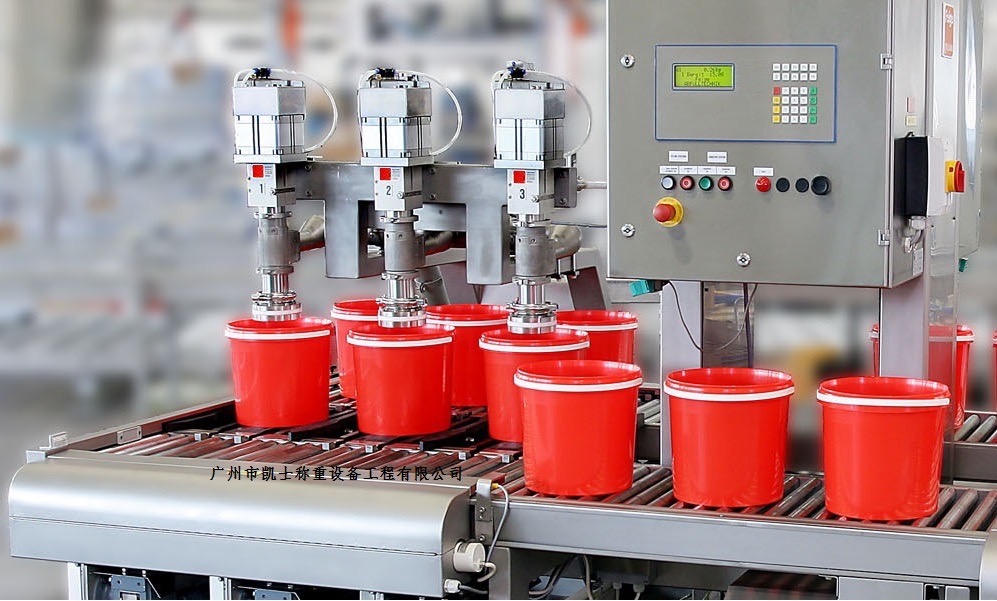
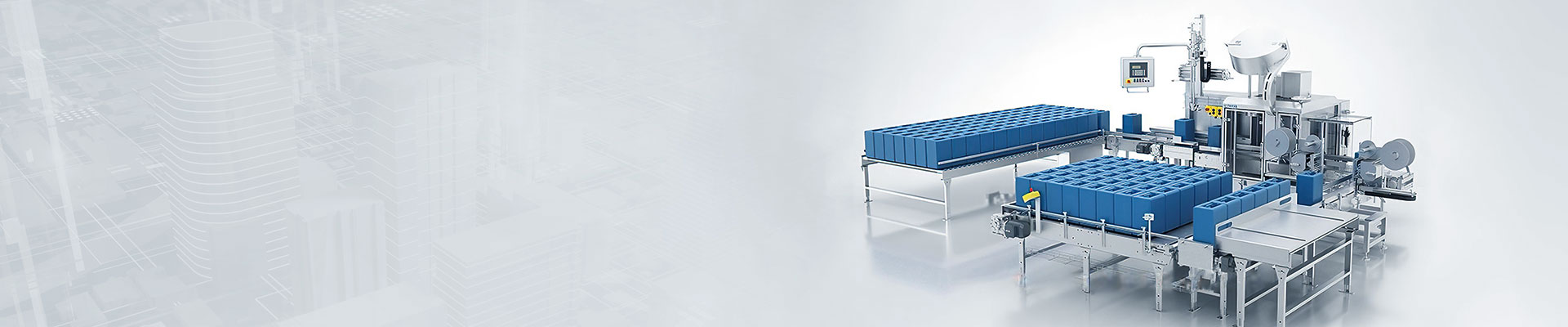
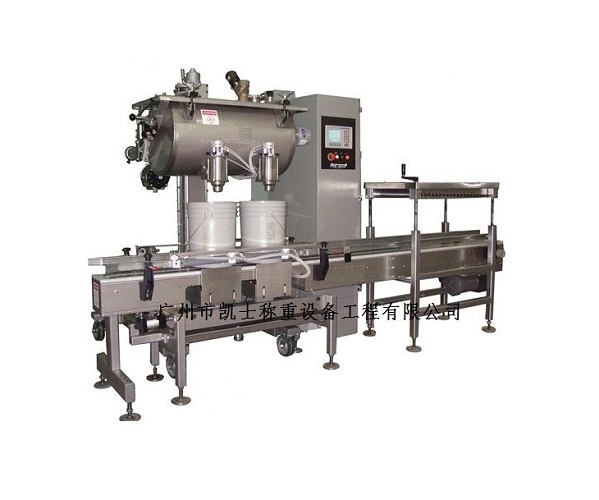
The weighing and filling machine adopts a machine body and a conveying track. An electrical box and a controller are installed on one side wall of the machine body from top to bottom, and they are both located on the side of the barrel inlet of the conveying track. The conveying track runs through the machine body, and multiple sprayers are connected to the top of the machine body through threaded connections. The first diaphragm valve is connected to multiple sprayers, and the bottom of each sprayer is sequentially installed with a manual valve and a second diaphragm valve. A leakage cylinder is horizontally movable below the second diaphragm valve to prevent residual liquid from dripping. A buffer tank is fixedly installed on the top side of the machine body, and the sprayer is connected to the buffer tank. The liquid level weighing module is installed on both sides of the bottom of the buffer tank through screws. Multiple positioning buckets are set on the conveying track. The cylinder, adjacent to the positioning barrel cylinder, is also equipped with a barrel position detection photoelectric, And the bucket feeding position of the conveying track is equipped with bucket dividing motors on both sides of its side walls, and the bucket discharging position of the conveying track is equipped with bucket discharging conveying motors on one side of its side wall. One side of the bucket discharging conveying motor is also equipped with a feeding conveying motor on the side wall of the machine body.
The automatic filling machine is also equipped with an online cleaning collection pipe below the conveyor track. Both sides of the bottom of the online cleaning collection pipe are equipped with laminar exhaust outlets and online cleaning drainage outlets. The online cleaning collection pipe is also connected to an online cleaning return connection pipe, which is located on one side of one of the push bucket servo electric cylinders. The quantitative filling machine body is equipped with an outlet area, a filling area, and an inlet waiting area. Above the filling area, there are lifting cylinders and filling scales, and above them, there are filling head cylinders and filling lifting servo electric cylinders. One side of the outlet area is also equipped with a return air box, and both sides of the top of the body are equipped with return air boxes for exhaust. Interface, the exhaust interface of the return air box is connected to the return air box, and symmetrically distributed push bucket servo cylinders are set on both sides of the machine body, Two bucket pushing servo cylinders are located on one side of the bucket discharge area and the bucket inlet waiting area, respectively. The filling position is located in the middle of two conveyor lines, with the left side being the incoming bucket and the right side being the outgoing bucket. The packaging material enters the bucket from the left conveyor line, and the distance between the buckets is separated by a pair of clamping bottle separation belts. The positioning cylinder locates multiple buckets in sequence from right to left, and the timing is controlled by multiple bucket position detection optoelectronics. The filling accuracy is controlled by the filling scale module, and the fast and slow filling control has a large and small valve switch. After filling is completed, the bucket pushing mechanism pushes a row of multiple empty buckets that have been completed in the waiting area to the filling area workstation. The already filled buckets are simultaneously squeezed into the output of the conveyor line in the outgoing bucket area. To reduce positioning errors, the lifting of the bucket filling head is divided into independent and synchronized control groups, with multiple buckets in each group. The barrel and filling head are designed with a pneumatic external wall anti leakage filling valve, which is made of PTFE material and comes into contact with the liquid. The filling starts and penetrates 100m into the bottle mouth, As the liquid level gradually increases, a leak detection cylinder is installed after filling to prevent residual liquid from dripping. The buffer tank is suspended in the upper part of the front, and the liquid level weighing module controls the liquid level.
Basic Parameters:
Maximum weighing capacity: 30kg
Minimum sensitivity: 0.1kg
Filling error: ± 0.1-0.2kg
Filling speed: 20L, approximately 1500-1800 barrels per hour
Control mode: 2nd gear control
Filling method: Insertion type, above liquid level
Gun head pipeline: PTFE gun head, valve+PTFE hose
Structural material: SUS304 stainless steel for the host, carbon steel for conveying and stacking with anti-corrosion paint.
Scale platform size: 400 × 800mm (304 stainless steel power raceway)
Empty bucket raceway: 400mm × 2500mm (304 stainless steel power raceway) with an additional 1200mm sloping unpowered drum
Heavy bucket raceway: 400mm × 2500mm (304 stainless steel power raceway, 2 sets)
Bucket sorting device: suitable for 20L buckets, carbon steel anti-corrosion paint structure, 304 stainless steel raceway.
Stacking equipment: translation type, suitable for pallets of 1200 × 1200 × 140mm, including pallet supply, palletizing, and lower pallet conveying.
Pipeline pressure: 0.2-0.6MPa (depending on material properties).
Material interface: 4 DN40 flange joints, available according to user provided interface standards
Air source interface: The user provides a 12mm air hose connector for quick connector connection
Power supply: AC220/50Hz (provided by the user to the machine side)
Gas source used: 0.4-0.8Mpa (provided by the user to one side of the machine)
Operating temperature: -10 ℃ -50 ℃
Basic conditions: A strong horizontal concrete floor with a concrete thickness greater than 10cm.
Optional models: Standard and explosion-proof filling scales