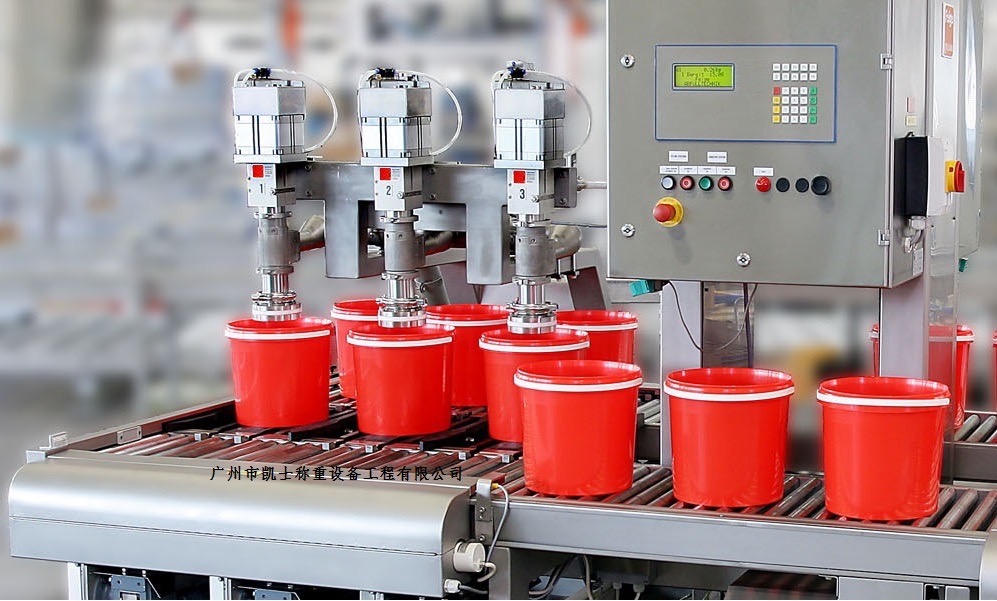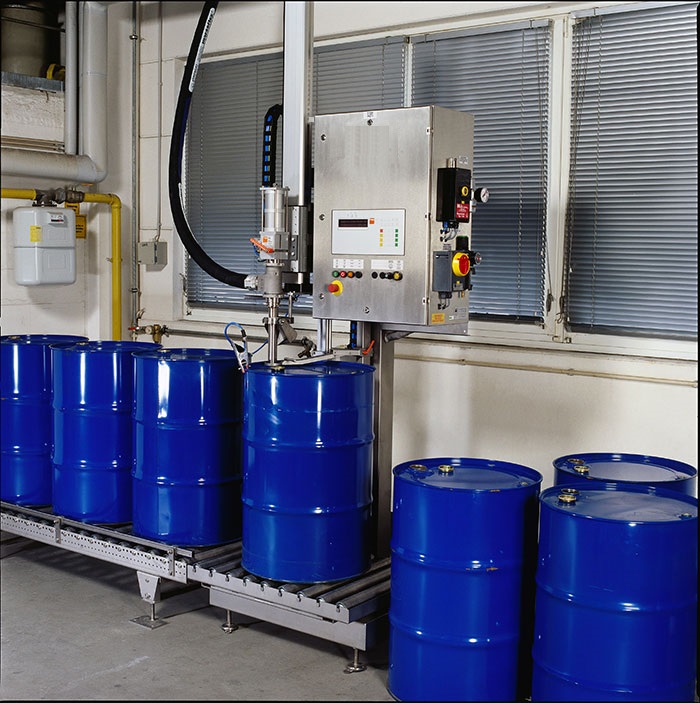


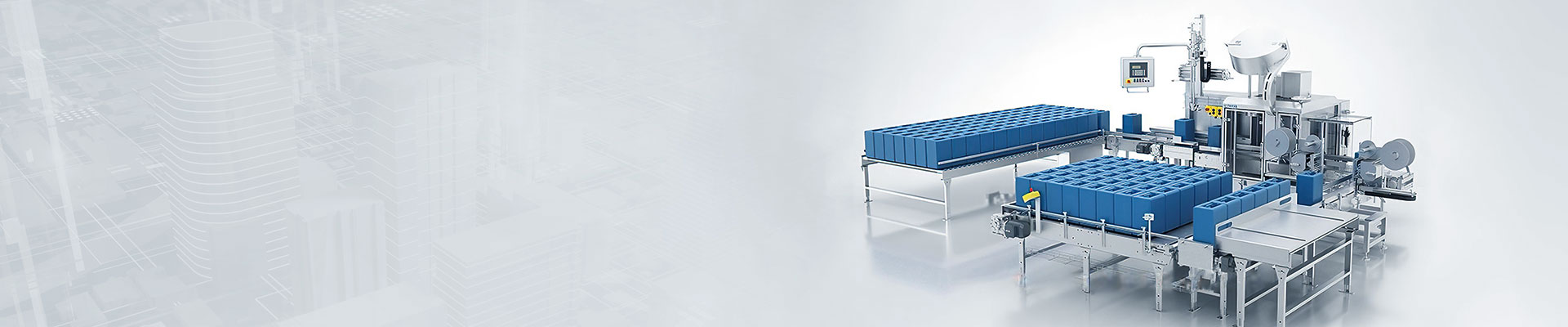



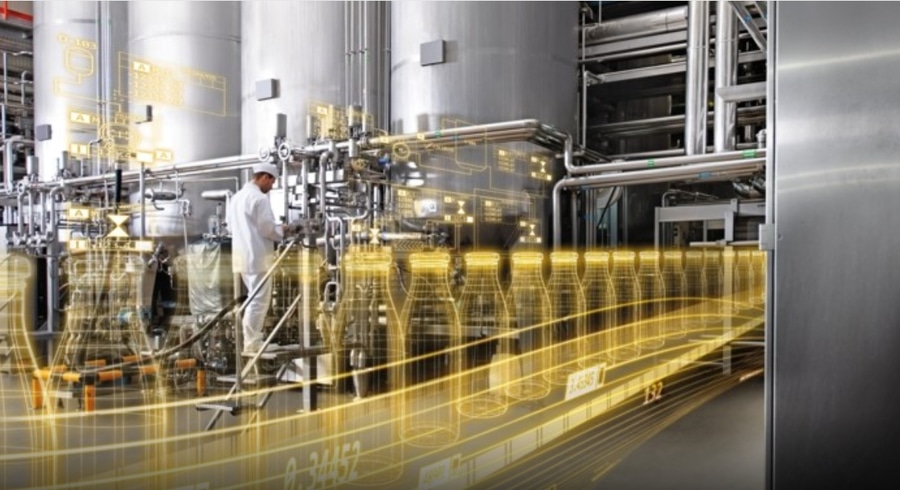
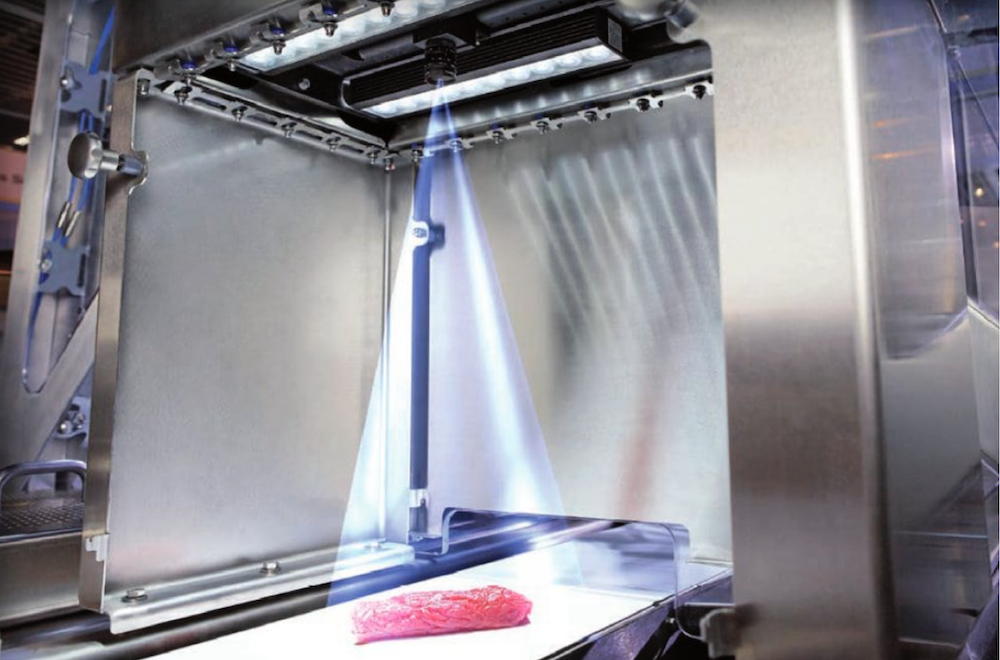
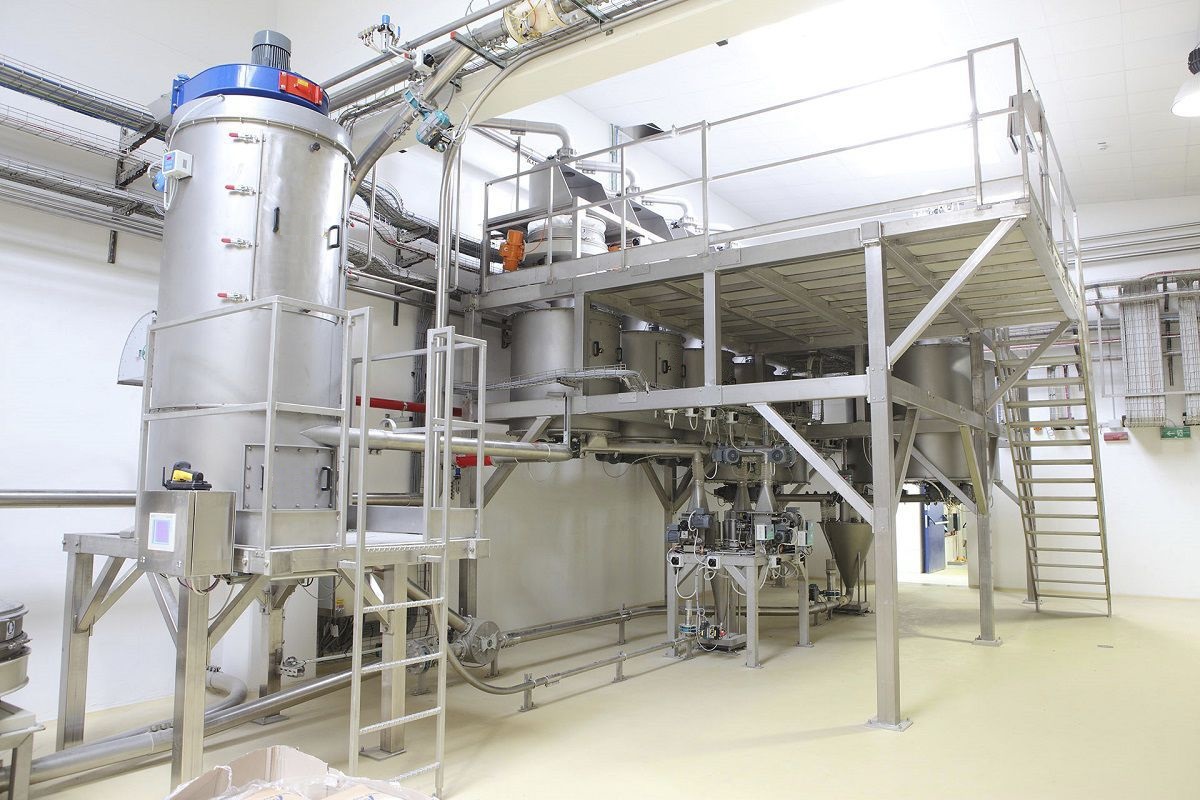
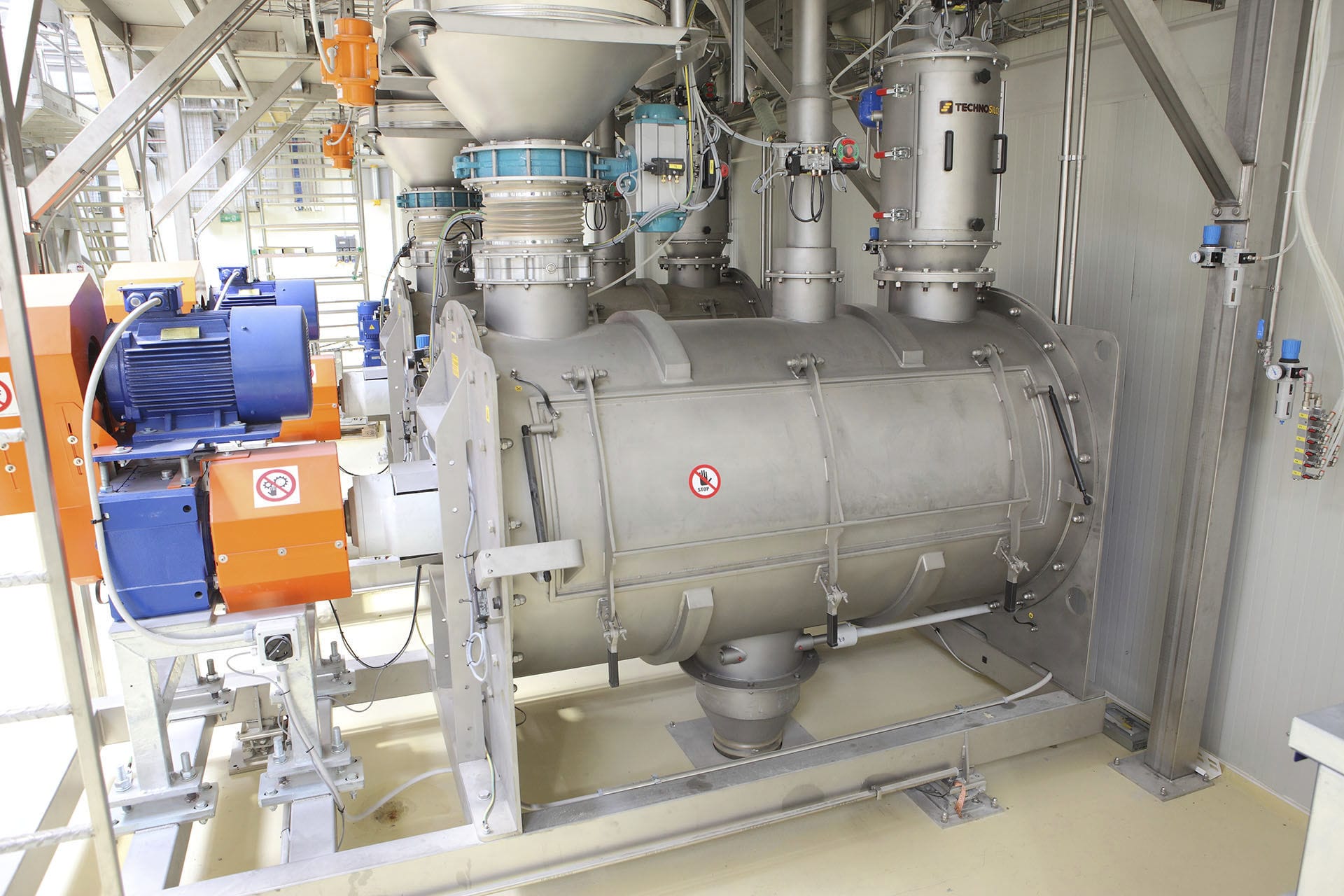
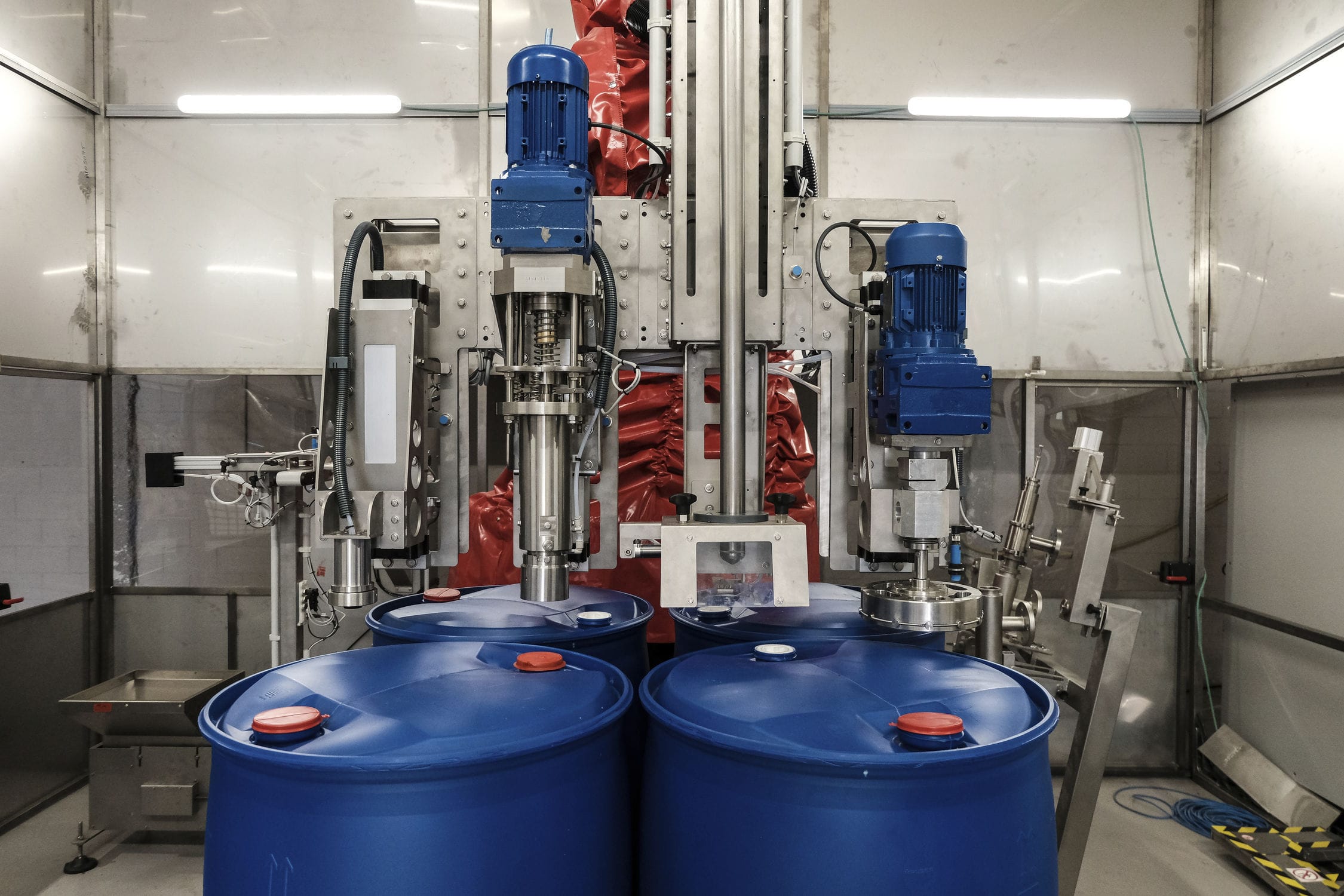
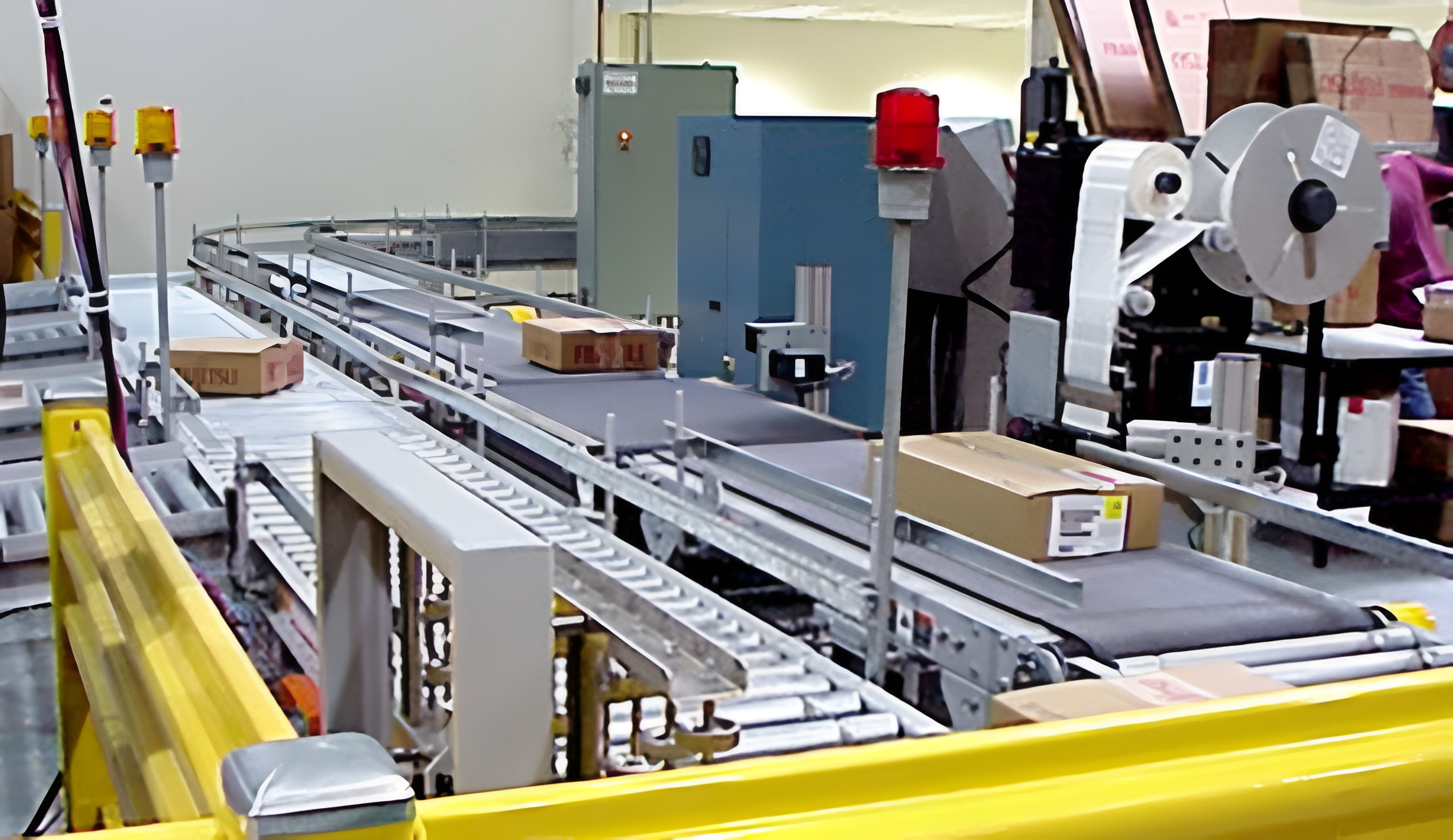
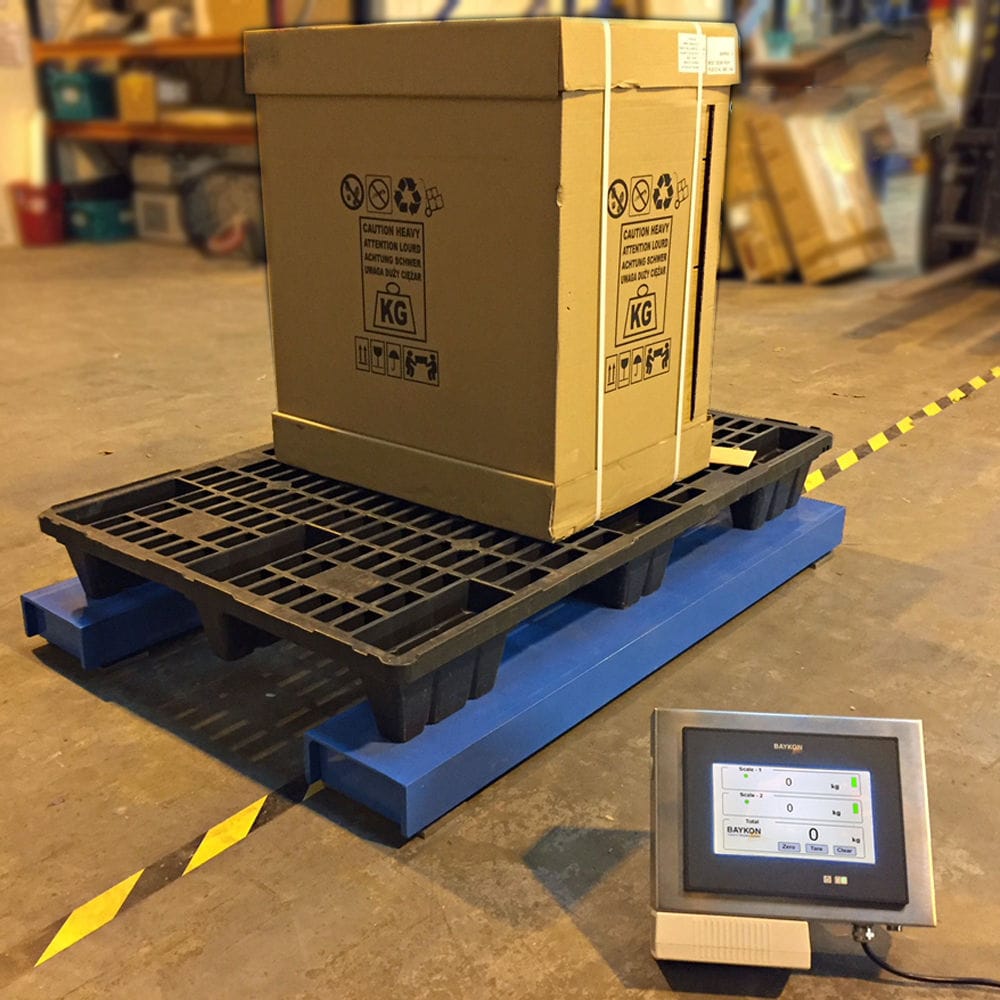


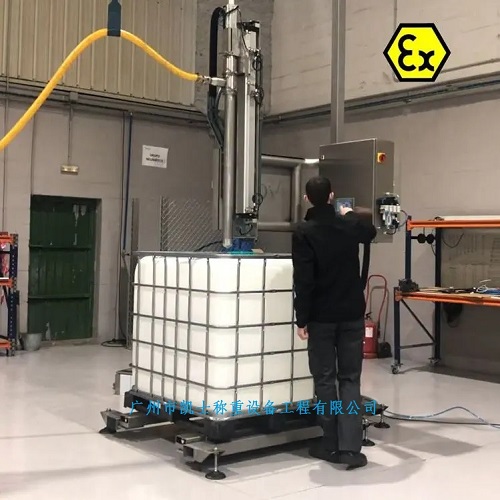
The Liquid weighing and filling machines ensure the quality of the product by means of a double flow filling with fully automatic filling quality control at the end of each filling cycle. It can be fully automated and safely integrated into an automatic conveyor line, while the configuration control, i.e. the data acquisition, manages the filling equipment and the process by issuing commands.

 020-34563445
The liquid Filling machine is a system that achieves the weighing and filling of the filling barrels through the combination of the weighing module, the weighing instrument, and the Filling system, and is used for the measurement and control of the filling process. It can be directly connected to the PLC system and the terminal control system to realize multi-stage control and automatic control. The weak weight signal output by the weighing module is digitally processed to obtain high-precision weighing data. In the software, rich digital filtering techniques and interference prevention systems are set up. The automatic filling machine realizes signal acquisition, processing, control and output based on the programmable intelligent module, industrial control computer and RS485 fieldbus, forming a Weighing system with high cost performance; the local area network is used to realize communication between the on-site monitoring computer and the management computer; the software is compiled using the VC++ module-based method. The A/D conversion uses the IOM4017 module, the D/O conversion uses the IOM4050 module, and the opening filling valve is controlled by one IOM4050. Through the RS485 network, it can communicate with the control host. Multiple modules can be conveniently composed into a distributed control network of RS485. Each network can be connected to 255 modules in series. This network can be connected to the control computer through RS232/RS485 conversion.
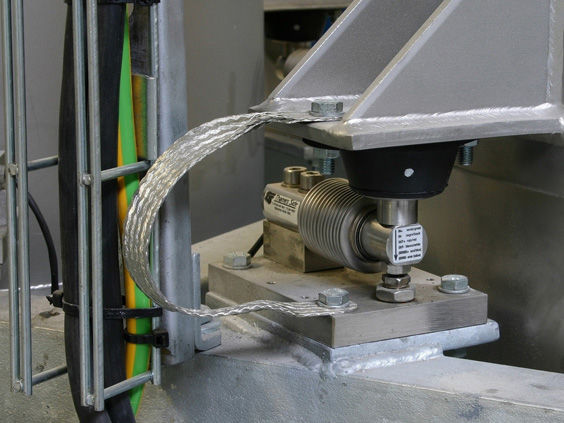
The rotor pump feeding is the most commonly used weighing feeding method in the Electronic scale of the material barrel. In the quantitative weighing machine, the electro-mechanical equipment of the rotor pump feeding motor placed between the material bin and the material barrel is integrated with the electronic measurement and control device to realize the quantitative weighing of the material. When the motor is started, the material in the material bin will rotate with the rotor pump feeding mechanism and enter the material barrel. There are variable load sensors between the material barrel and the weighing frame, and the weight of the material barrel is directly converted into an electrical signal by this tension sensor group and sent to the electronic measurement and control device. When the set weight value is reached, the motor is closed to stop feeding and the material barrel door is opened to unload, completing one-time quantitative weighing. The control of feeding at a certain speed is carried out in the early stage of weighing. When the deviation between the actual weighing amount and the set target value is less than 90%, the maximum feeding speed is used to feed and weigh. The maximum speed in the early stage is constant, mainly to shorten the entire weighing cycle and reduce the weighing time; when the deviation between the actual weighing amount and the set value is greater than or equal to 90%, the system automatically switches to the control model and adjusts the feeding speed, gradually reducing the feeding speed until the weighing value reaches the set target value. This is mainly to ensure the weighing control accuracy.
The weighing filling machine aims to coordinate the contradiction between weighing accuracy and weighing speed. The online quantitative weighing equipment adopts a two-stage feeding method. Due to the irreversibility of rotor pump feeding, the quantitative weighing deviation cannot be compensated. The quantitative filling machine adopts a feeding control method of "fast first, then slow, and finally point feed", aiming to use "fast feeding" to shorten the feeding time and improve the weighing speed; "slow feeding" is used to reduce the material impact and improve the detection accuracy; "point feed" is used as a supplementary method to ensure the final quantitative weighing accuracy. At the beginning of weighing, "fast feeding" is carried out when the predicted value of the maximum feeding speed is reached, and then "slow feeding" is started when the predicted value of the maximum feeding speed is reached. After a certain delay, the system allows the material to fall into the material barrel in the air. If the actual weighing amount does not reach the lower limit value of the system allowed error, the system starts "slow point feed" until the net weight of the material is equal to the actual weight, and then opens the material barrel door to unload. Due to the decreasing time of point feed as the material difference decreases, this effectively avoids the occurrence of over-limit. Due to the time-varying nature of the rotor pump feeding mechanical device, after the corresponding feeding quantity sends a feeding signal, the rotor pump mechanical device always lags for a period of time before starting to feed; when stopping feeding, the rotor pump feeding mechanical inertia also delays for a period of time before stopping. After the rotor pump stops feeding, there is still space material in the air that has not fallen into the material bucket (this is called the drop difference, also known as the premature shutdown quantity), which causes the weighing value to increase. The increase in this value is related to the flow rate before the feeding was stopped.
Basic parameters:
Maximum weighing capacity: 1000kg
Minimum sensitivity: 0.2kg
Filling error: ±0.2-0.5kg
Filling speed: 300-1000L, approximately 50-100 barrels per hour
Control mode: 2-speed control
Filling method: Insertion type, liquid surface
Nozzle pipe: Teflon nozzle, valve + Teflon hose
Structural material: Mainframe SUS304 stainless steel, conveying and stacking carbon steel anti-corrosion paint.
Scale platform size: 1200×1200mm (304 stainless steel power roller track)
Empty bucket roller track: 1200mm×2500mm (304 stainless steel power roller track) Also included is a 1200mm inclined non-powered roller
Heavy bucket roller track: 1200mm×2500mm (304 stainless steel power roller track, 2 sets)
Bucket separation device: Suitable for 1000L buckets, carbon steel anti-corrosion paint structure, 304 stainless steel roller track.
Stacking equipment: Linear type, applicable to pallets 1200×1200×140mm, including pallet supply, stacking, and lower pallet conveying.
Pipeline pressure: 0.2-0.6MPa (related to the material properties).
Material interface: 4 DN40 flange joints, can be according to the user's provided interface standard
Air source interface: Provide 12mm air pipe joint for quick connection
Power supply: AC220/50Hz (provided to the machine side)
Air source: 0.4-0.8Mpa (provided to the machine side)
Temperature: -10℃-50℃
Basic conditions: Smooth and solid concrete ground with a concrete thickness greater than 10cm.
Optional models: Standard type, explosion-proof type filling