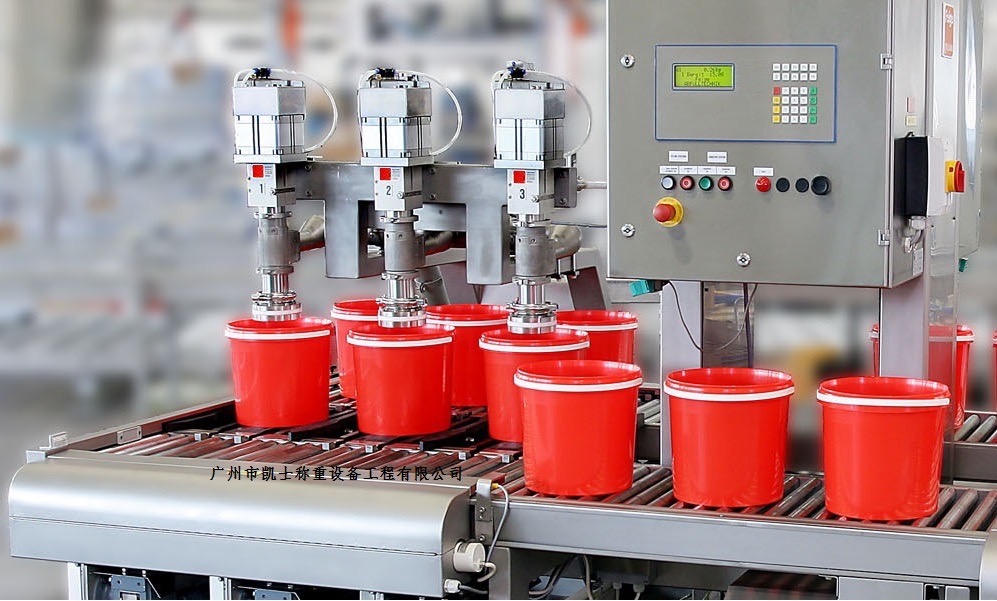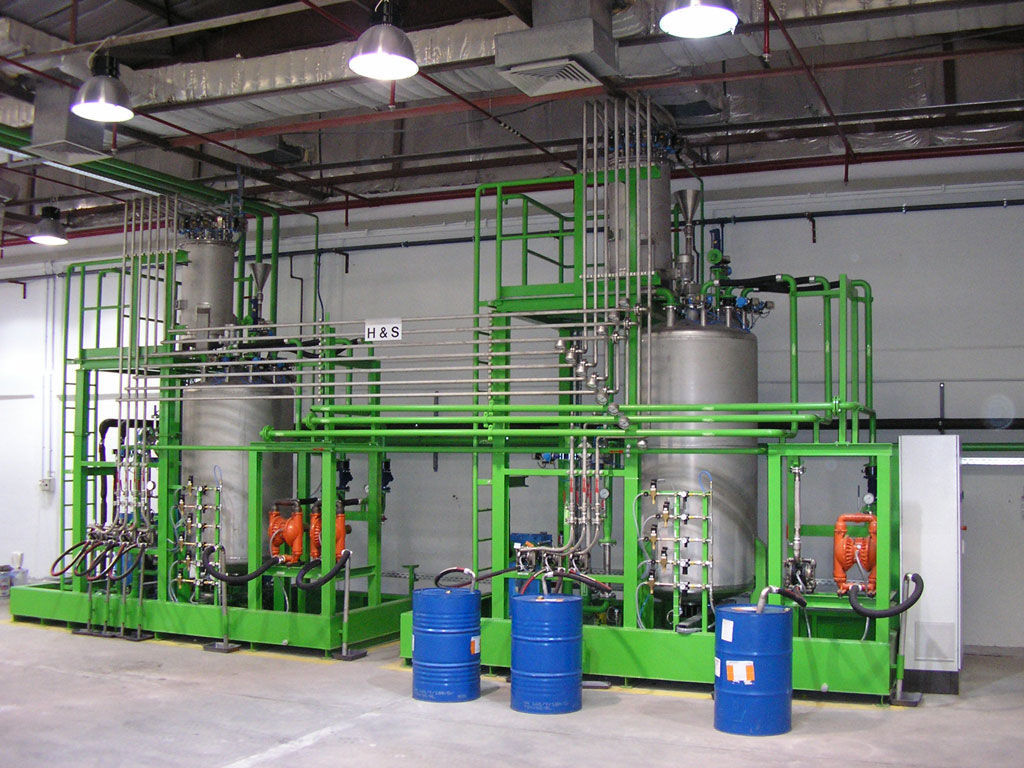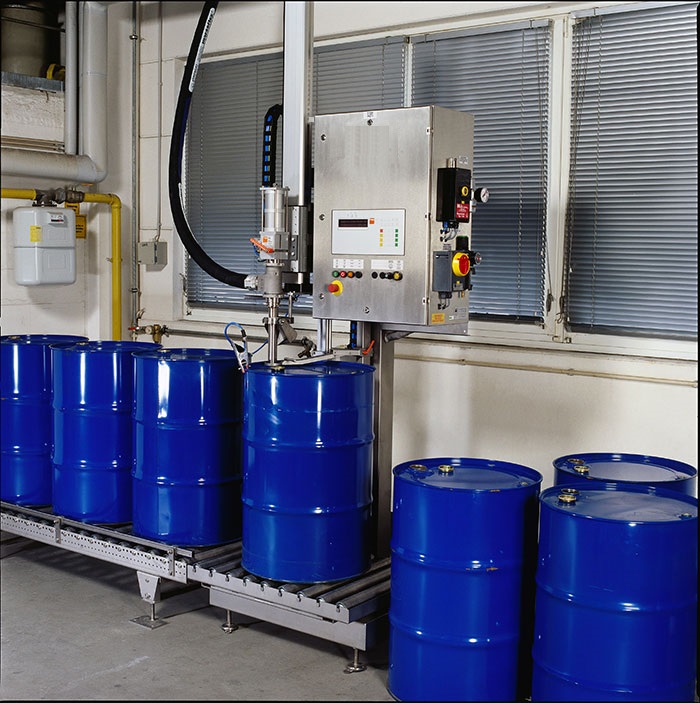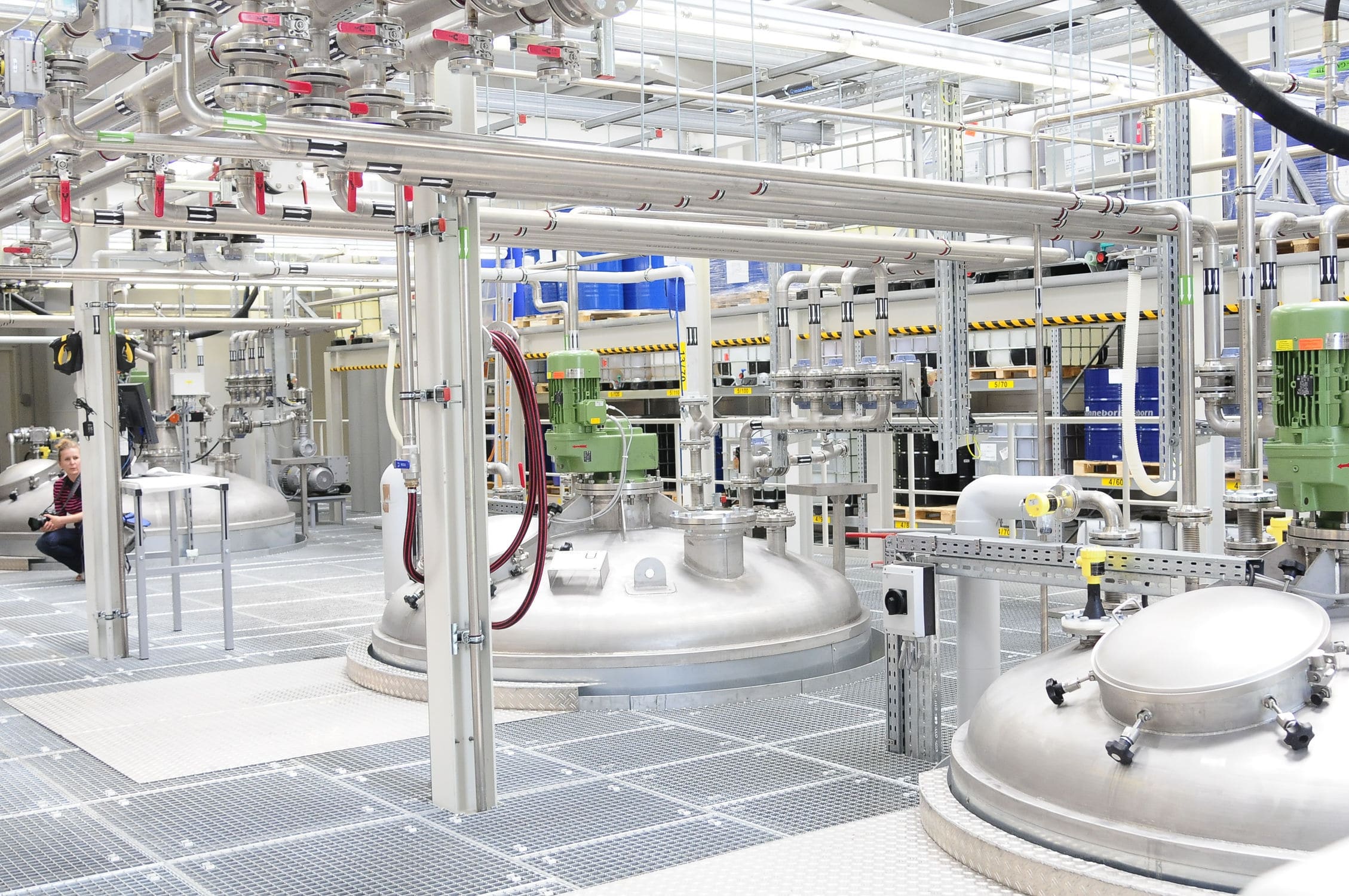


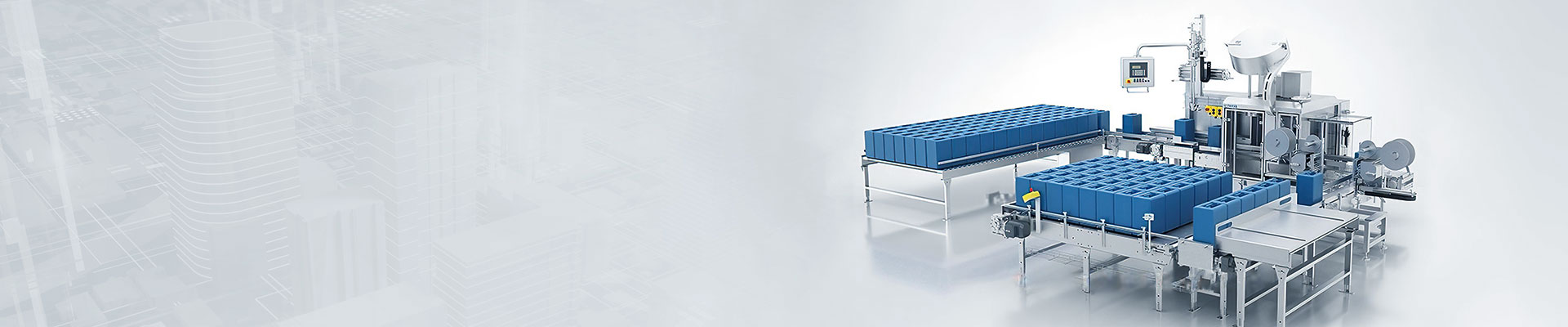



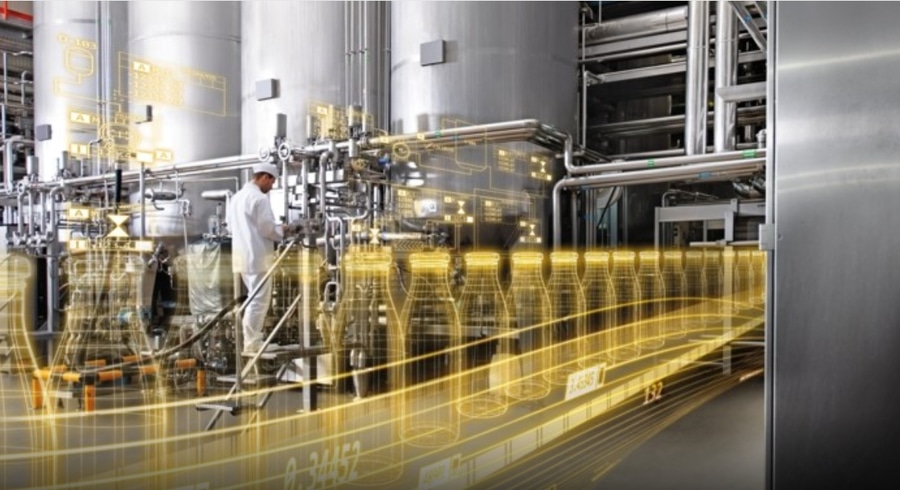
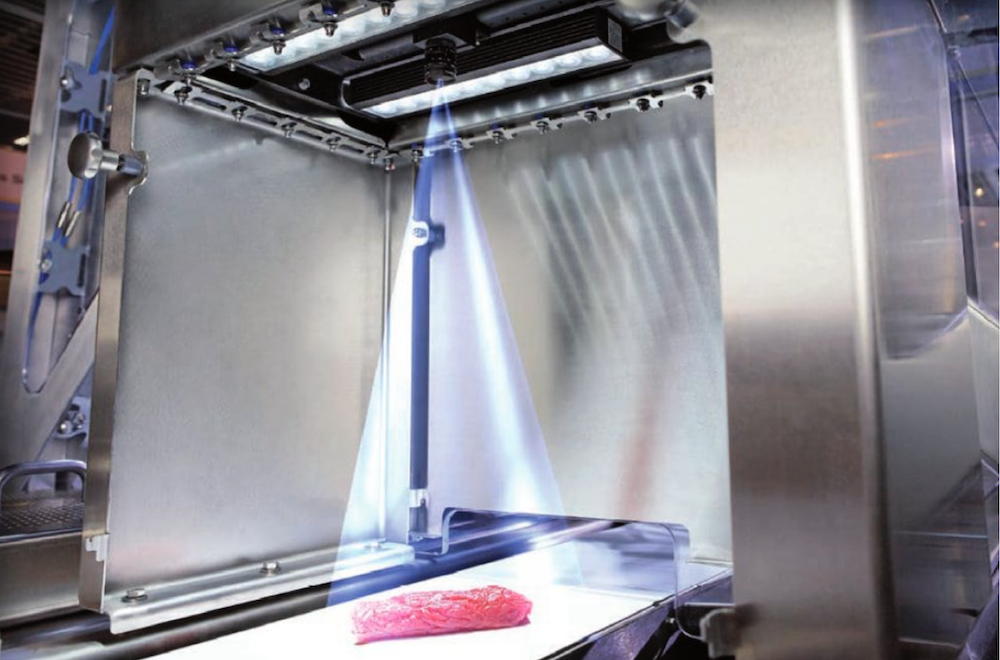
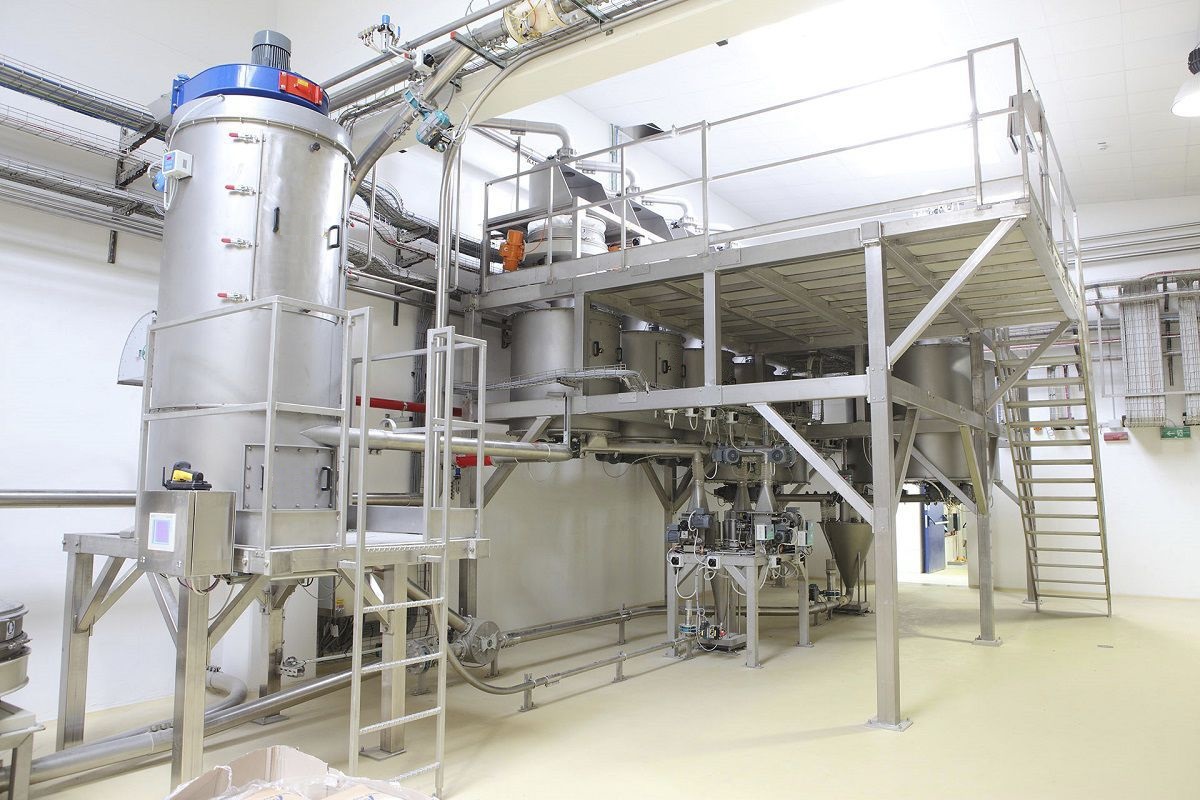
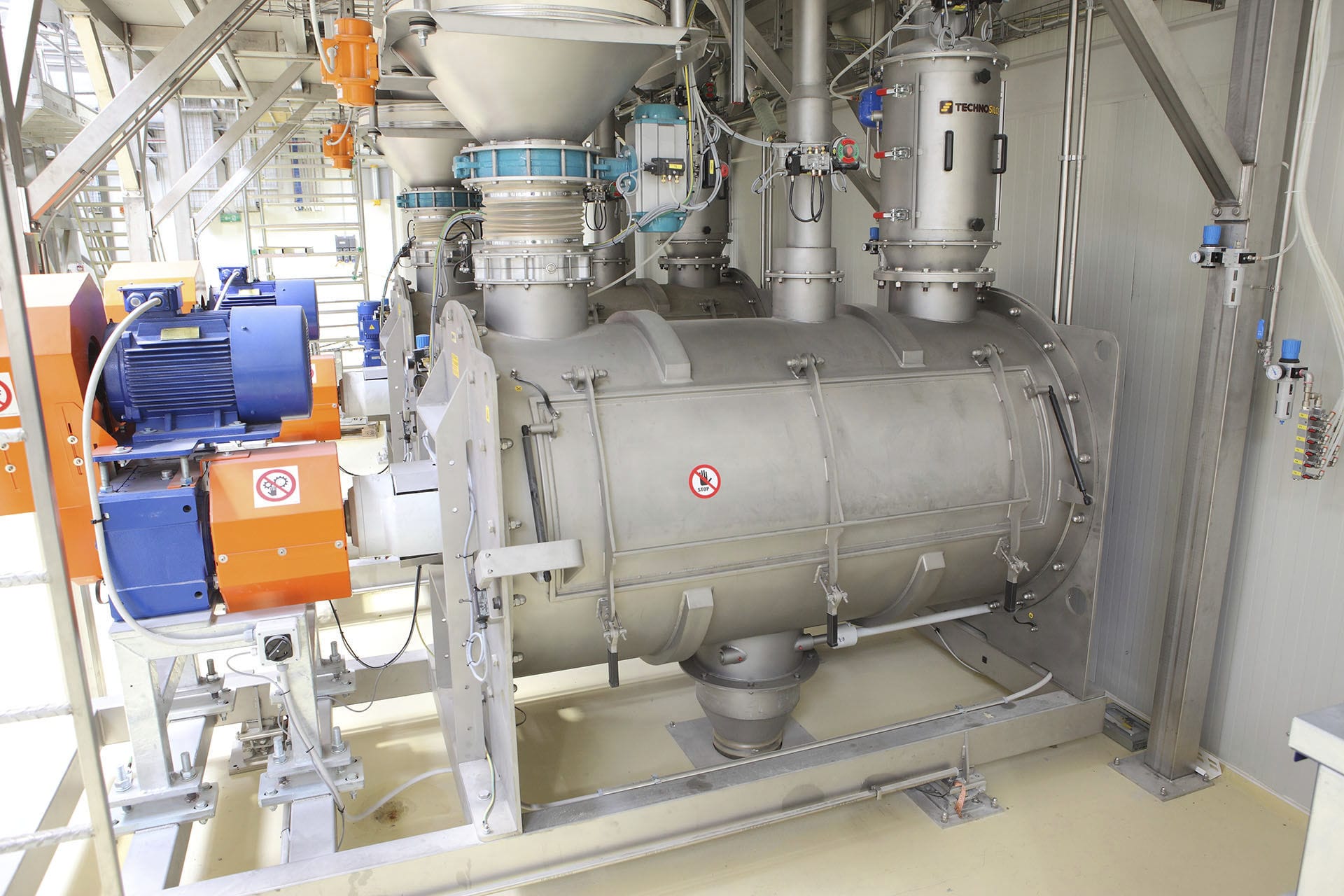
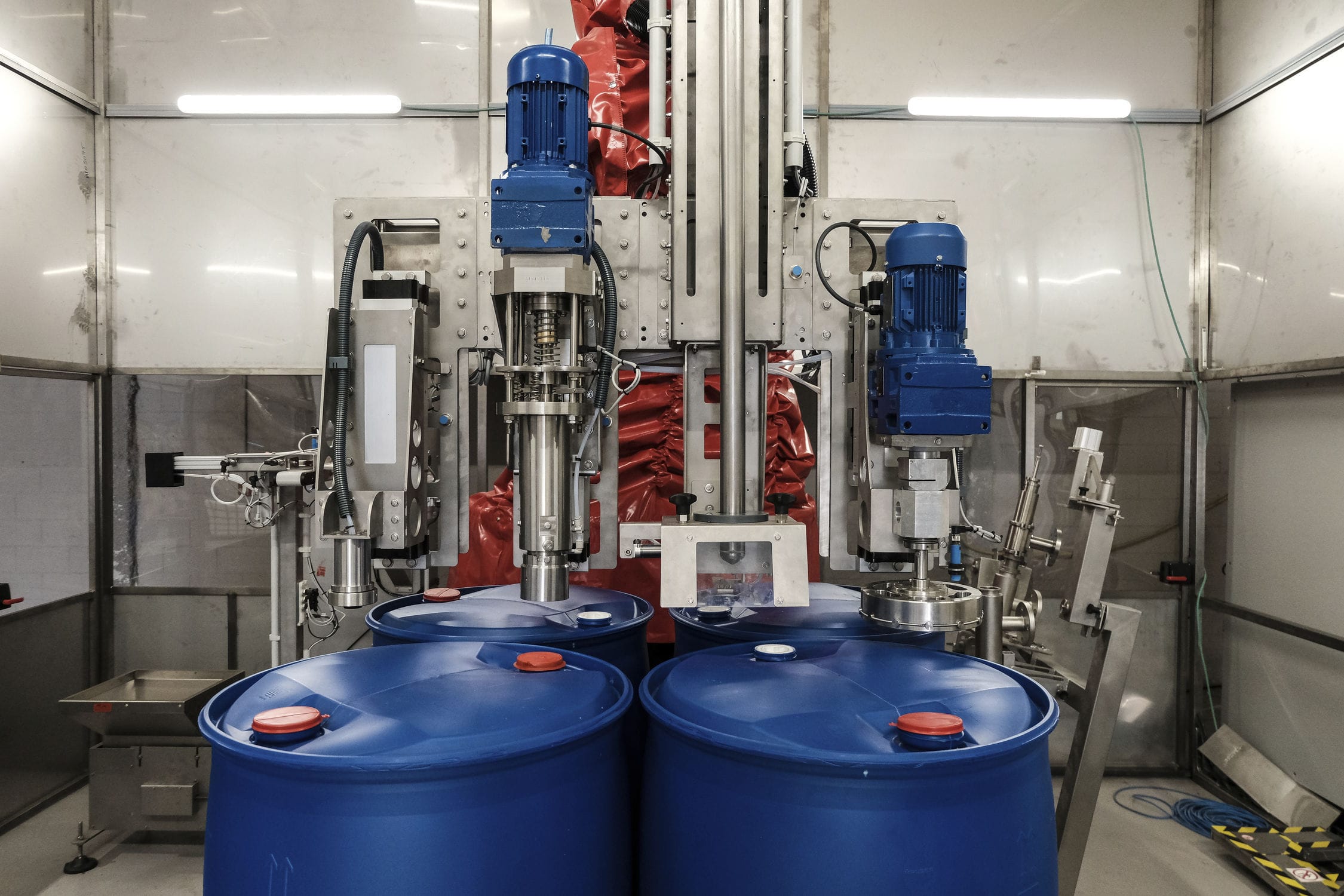
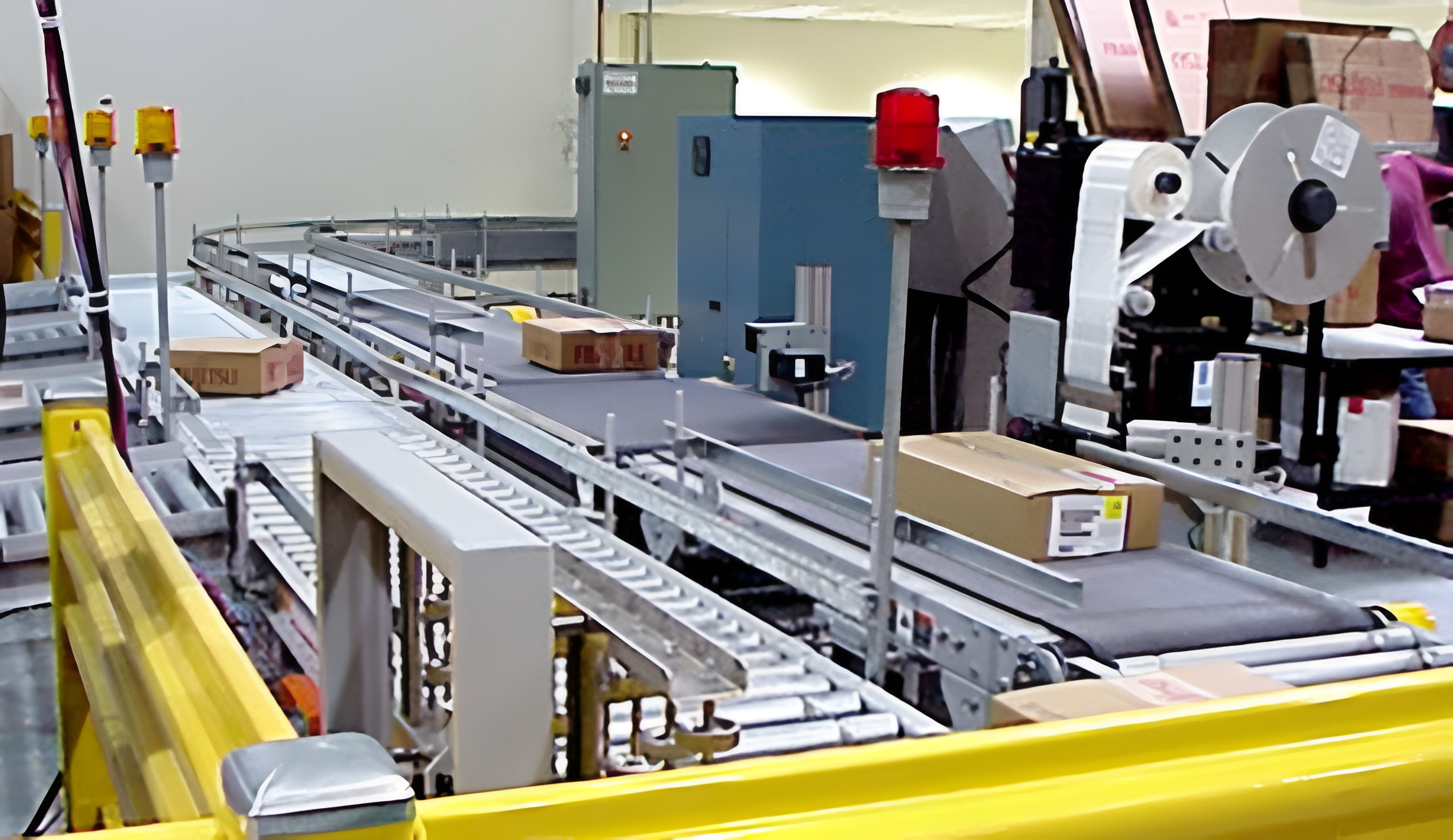


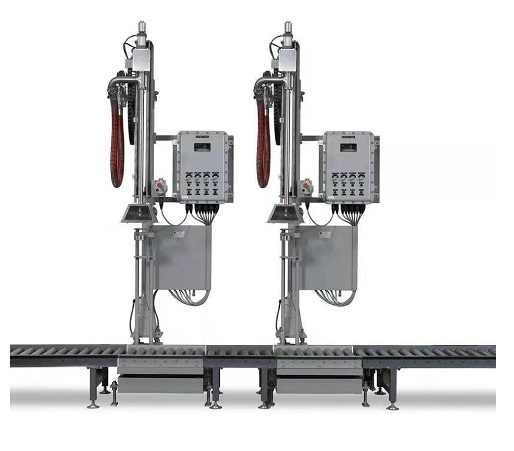
The Automatic metering filling machine controls intermittent container handling through timed feed screw, the feed screw can be set for multiple dosages to provide maximum production for large filling when running foam products. Adopting two-stage size material automatic filling method, with automatic judgment of empty barrel function and empty scale not filling function, double window display special filling control instrument, can display the target volume, filling volume, barrel number, time and date and other information, the controller can store 30 groups of filling value parameter, when using only call can be.

 020-34563445
When the detection device of the automatic Filling machine detects the in-place detection signal of the pre-filled filling barrel, the conveyor belt stops transmitting. The motor of the spindle lifting mechanism lowers the rotating main shaft of the barrel retrieval mechanism to the position, and then the barrel retrieval fixture clamps the pre-filled barrel. The conveyor belt starts transmitting and lifts it to the fixed position. The barrel retrieval rotating shaft transmits the filled barrel to the weighing detection platform, and the barrel retrieval fixture releases the filled barrel to the correct position after the weight detection. Then, the weighing fixture releases the barrel and clamps it for weight measurement. After the filling process, the barrel is transferred to the conveyor belt, and the barrel retrieval rotating shaft rises to the correct position and rotates. The weight measurement action for the filled barrel is completed once. The analog input module of the Filling system receives the measurement weight input signal of the filled barrel before filling and the measurement weight input signal of the filled barrel after filling, converts the measurement weight input signal into a digital signal and inputs it into the system. The system compares it with the quality input signal, calculates the quantitative correction filling error output signal through the online weight automatic compensation model in the filling system, and outputs the real-time detection weight signal. The real-time detection weight signal and the filling error output signal are displayed on the touch screen. The touch screen has the function of uploading production data (industrial capacity, production batch number, etc.) to the machine, and can also check instantaneous production rate, filling volume, etc. The automatic filling machine uses a weighing instrument as the main control element, photoelectric and proximity switches as external input signals, servo motors and actuator cylinders as output elements, and has the function of online real-time monitoring of products and input of product information. The computer is connected to the weighing instrument through serial communication and can collect data in real time and process it, input and save the data on the production line. The filling and packaging barrels complete the following 9 steps in sequence: barrel filling, barrel feeding, feeding, filling, barrel discharging, sealing, boxing, stacking. During normal operation, when the interlock switch is closed, the air pressure conditions, liquid level conditions and other external signals meet the requirements and are normal, after pressing the start switch, the filling line enters the automatic operation mode. The various stations on the filling line should perform cyclic scanning according to the program programmed by the weighing instrument.
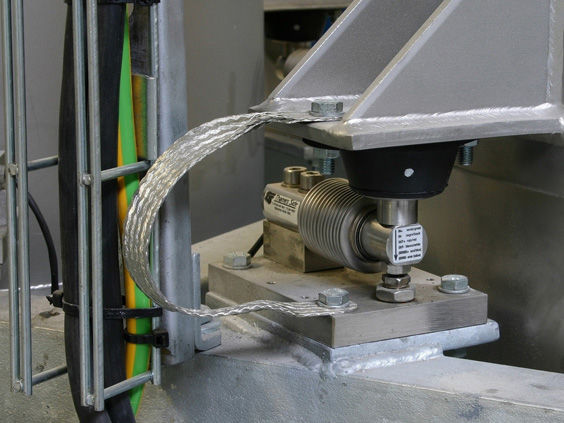
The Weighing system feeds the viscous material into the filling system → controls the filling → dynamically quantifies and weighs. Above the weighing barrel is the finished product storage bin, and the raw materials in this bin come from the feeding mechanism in the form of viscous blocks. Below the motor-driven rotor pump feeding device is the feeding bin of the finished product, which starts when the motor is activated. The viscous blocks in this feeding bin fall into the weighing barrel along with the rotation of the transmission pipeline and are weighed. The weighing barrel is equipped with a beam-type strain gauge weighing module, and the weight signal of the weighing barrel is directly converted into a corresponding voltage signal by this sensor, amplified by the amplifier, and sent to the weighing instrument for data processing. When it reaches the preset value, the weighing instrument controls the motor to stop feeding, then the weighing instrument controls the motor to open the weighing barrel door and control the conveying device to send it out to the next filling station. When the weighing starts, the coarse filling machine supplies material to the coarse metering barrel. When the feeding amount in the coarse metering barrel reaches the set value, the coarse filling machine stops feeding, the coarse metering barrel door opens, the material is unloaded into the fine metering barrel, and the fine filling machine starts feeding. When the fine metering barrel reaches the quantitative value, the fine weighing filling machine also stops feeding, and then the fine metering barrel door opens, the material is unloaded to the filling machine, and when the feeding amount in the coarse metering barrel reaches the set value, the coarse quantitative filling machine stops feeding. After the first barrel of material is discharged, the fine metering barrel door closes, and the coarse metering barrel's material door is opened again, the material is unloaded into the fine metering barrel, and at the same time, the third barrel and the second barrel, the fourth barrel and the third barrel are weighed together. This cycle works continuously. Under centralized control, the two devices work in coordination according to the above working process, alternate discharging, and run synchronously with the Liquid filling machine, forming two independent yet interrelated working systems.
The filling system adopts a double-tube automatic filling machine, which moves the material by the rotation of the rotor pump body to achieve the purpose of filling a certain distance. It mainly consists of a conveying tube, a motor, a reduction device, a transmission gear, an input body, a rotor pump, an output body, an input adjustment device, blades, etc. During operation, the motor drives the reduction device and the rotor pump, and the material enters the machine through the input port and is uniformly and continuously sent to the output port to enter the next equipment. When filling, two tubes are used, one larger and one smaller. In the initial stage of coarse material feeding, both the large and small tubes feed materials quickly. When the discharge reaches a certain weight, approaching the rated value, the feeding of the large tube is stopped, and the feeding speed of the small tube is gradually reduced to solve the contradiction between the production feeding speed and the weighing measurement accuracy. At the same time, without affecting the discharge, the weighing bucket connected to the weighing module should be as close as possible to the output port of the conveying device to reduce the drop height between the output port and the weighing bucket, thereby reducing the impact on the weighing module and reducing the fluctuation of the weighing value.
The weighing bucket is fixed on the bracket through the weighing module. The bottom of the weighing bucket is an active door, which is connected to the motor through a piston lever. When the discharge reaches the rated value, the weighing instrument controls the motor through a relay to open the active door, and the material in the bucket is controlled by the filling valve for the next filling process. However, due to the presence of adhesion problems, it may cause the adhesion on the bottom of the weighing bucket not to be completely discharged, resulting in the filling of the next process not being at the rated value, affecting the accuracy of the filling value. The improved weighing bucket adopts a conical structure, with the top larger and the bottom smaller, and three sides flat, one side arc-shaped. This can facilitate the adhesion from the top of the bucket to enter, and also reduce the size of the bottom to avoid the scattering during discharge. One side of the weighing bucket is equipped with a weighing module, which is fixed on the installation frame, and the weighing sensor is installed between the weighing bucket and the installation frame. When installing the weighing sensor, it should be ensured that the sensor can be subjected to vertical force. The arc-shaped filling valve is installed on both sides of the weighing module, and a push rod is installed, with the other side of the push rod installed on the motor. When the motor rotates, the push rod pushes the filling valve open. The outer side of the weighing bucket is designed as an arc shape, matching the arc shape of the filling valve. When the push rod is pushed, the filling material will slide to the outer side of the weighing bucket, and the outer side gun door of the weighing bucket plays a closing role, completely transferring the measured quantity from the filling valve piston to the next equipment. Due to the friction and stress of the mechanical components, a layer of rubber material is added on the outer side of the piston of the weighing bucket to play a protective role.
Technical Specifications
Maximum capacity: 300kg
Quantitative range: 100kg - 300kg
Division value: 100g
Canning accuracy: OIMLR61 × (0.2)
Canning speed: 10 - 20 cans per hour
Power supply: AC 220V 50Hz
Air pressure: 0.5MPa
Control method: 2-speed control
Transportation method: The cans are transported manually. Valve material: SUS-304 (optional: SUS-316)