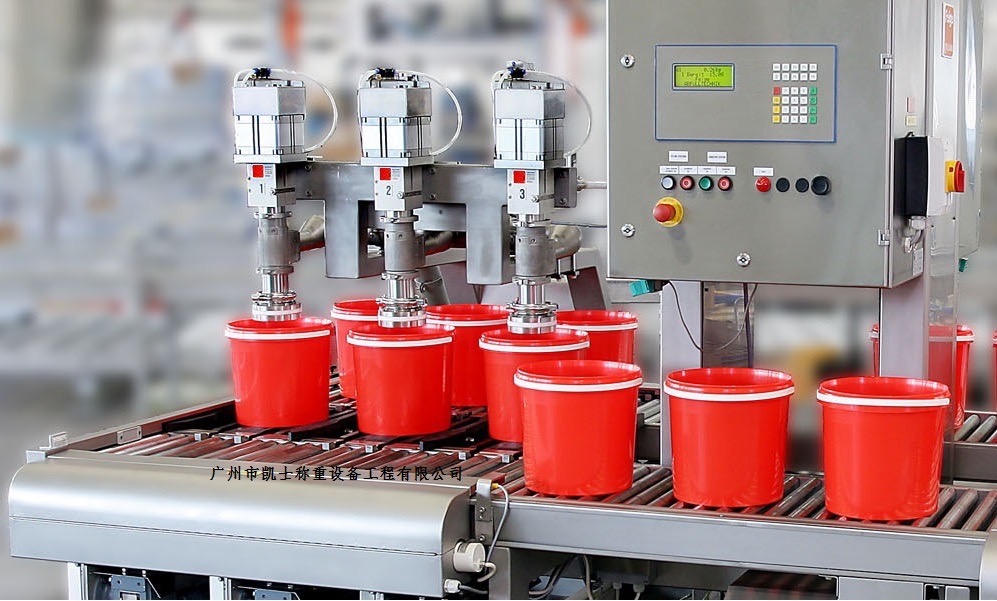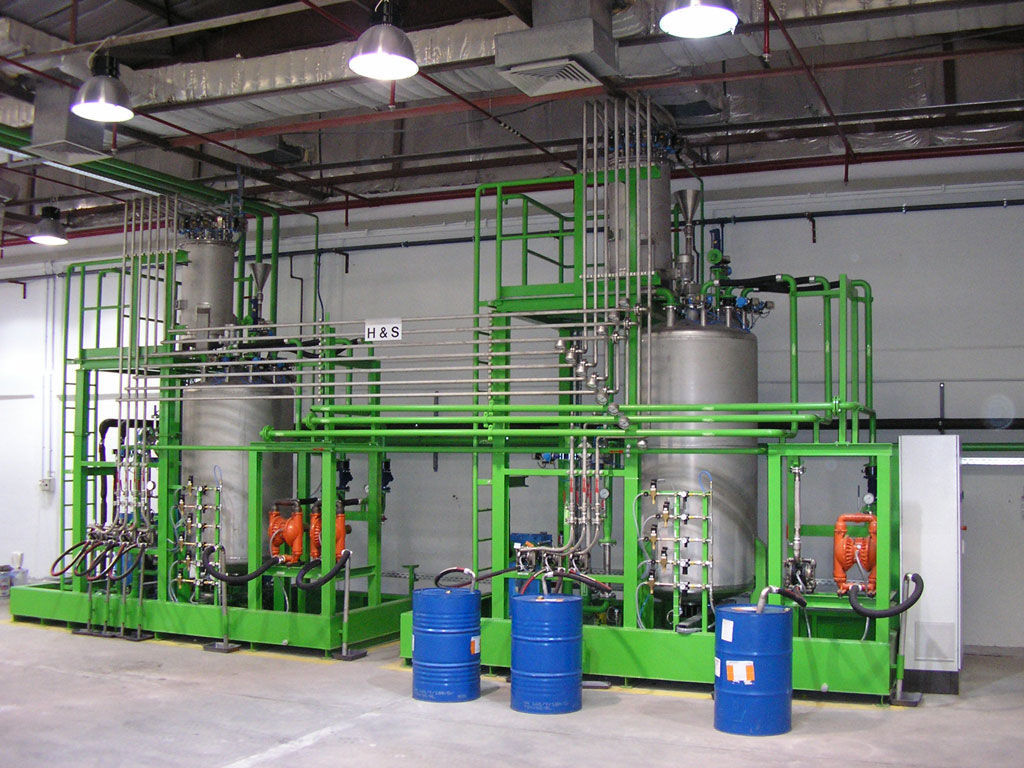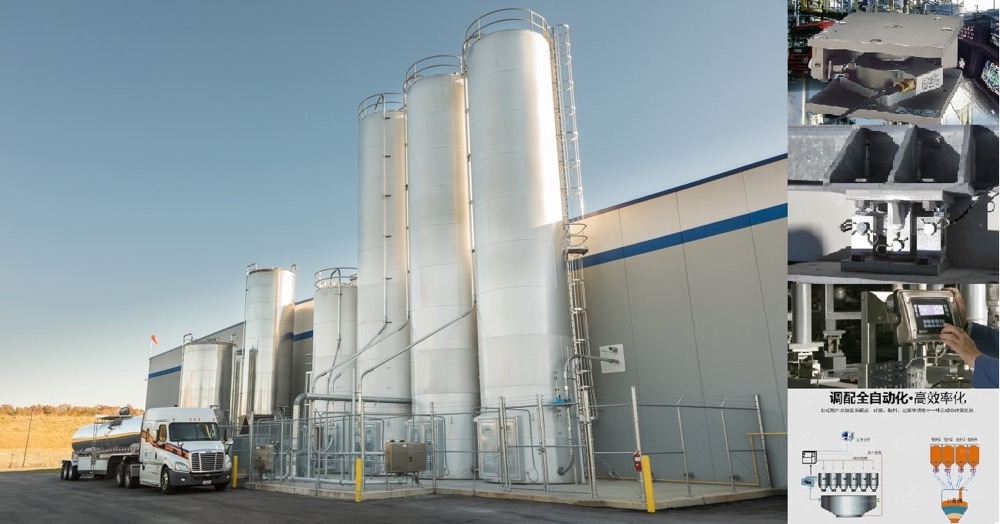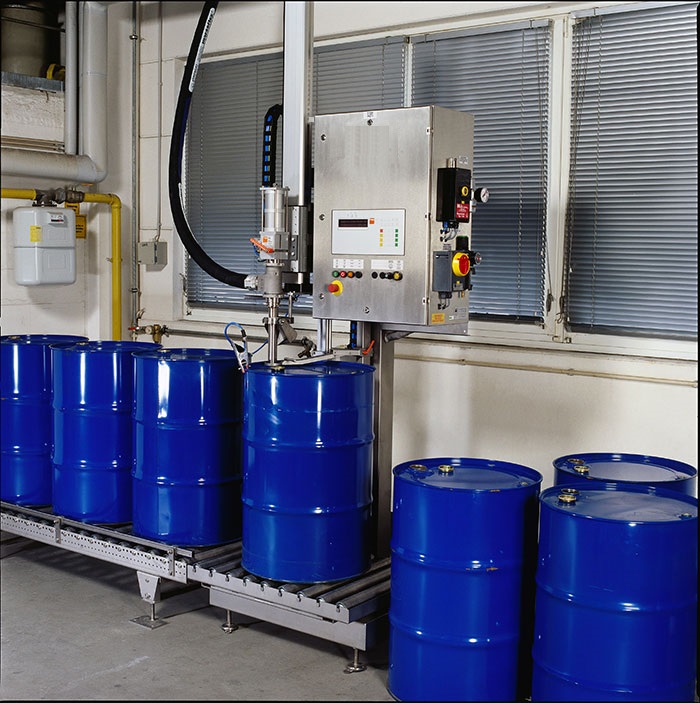


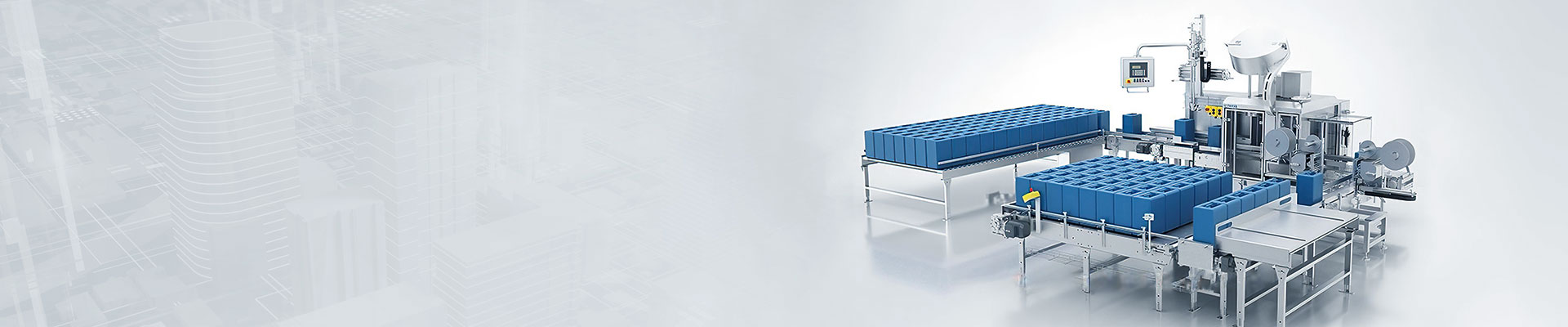
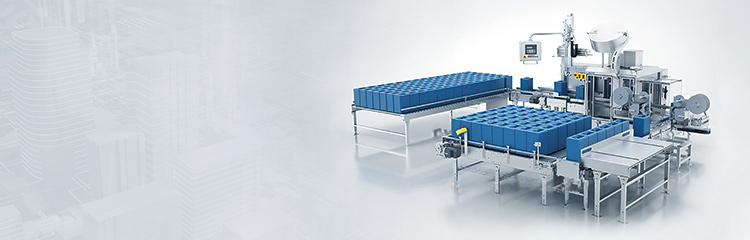


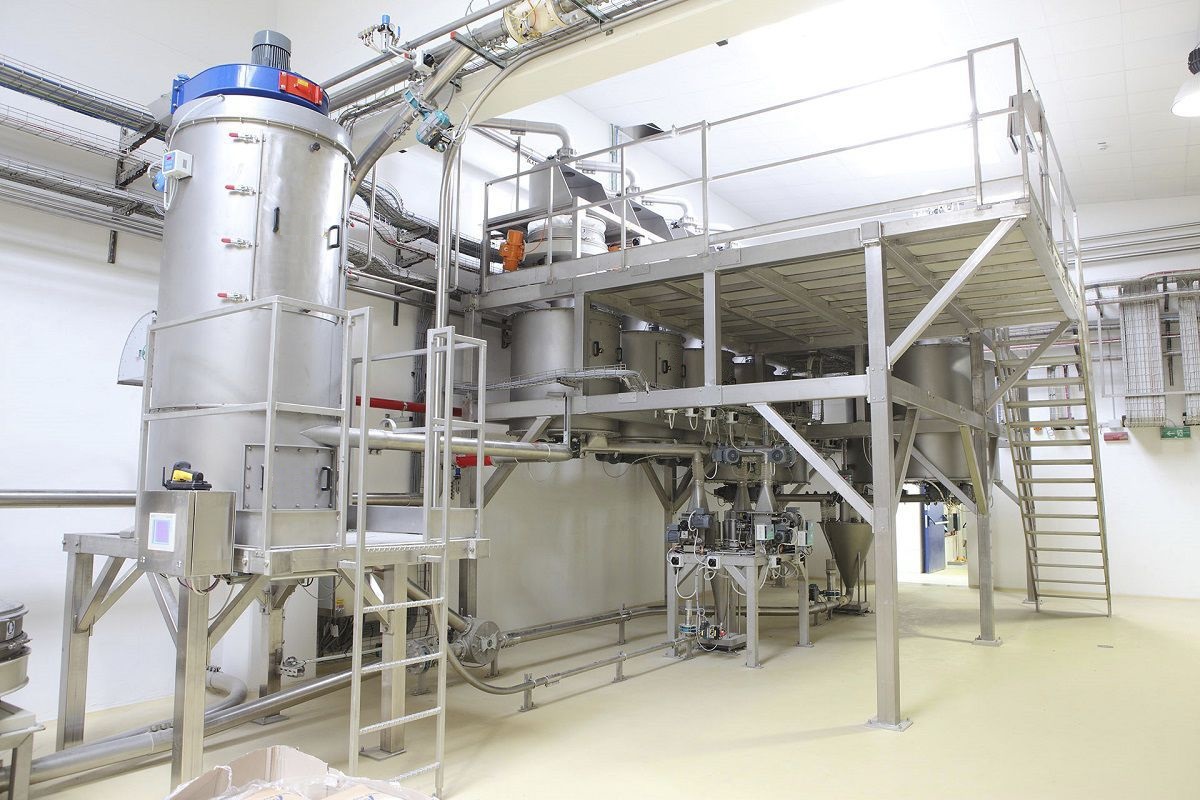
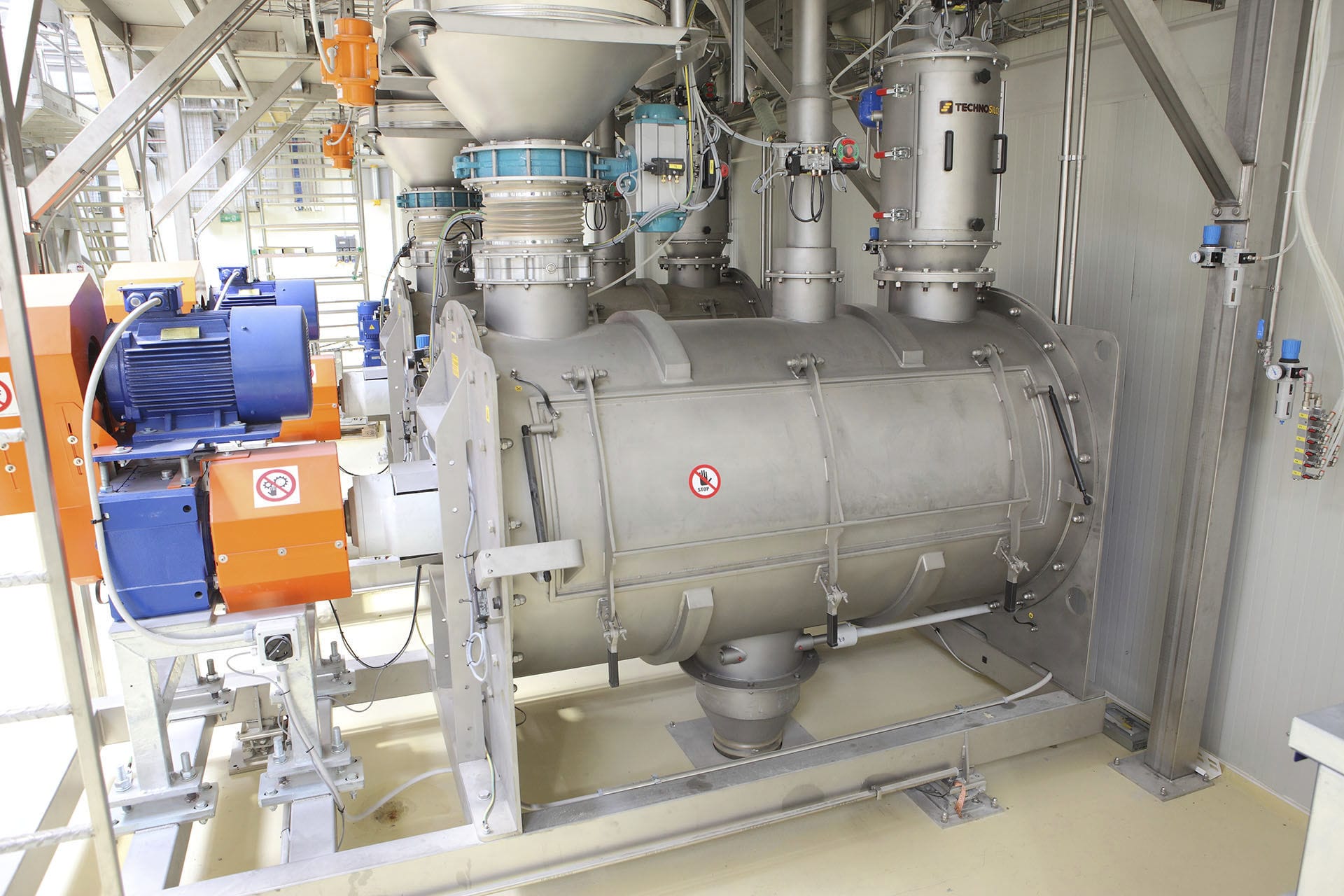
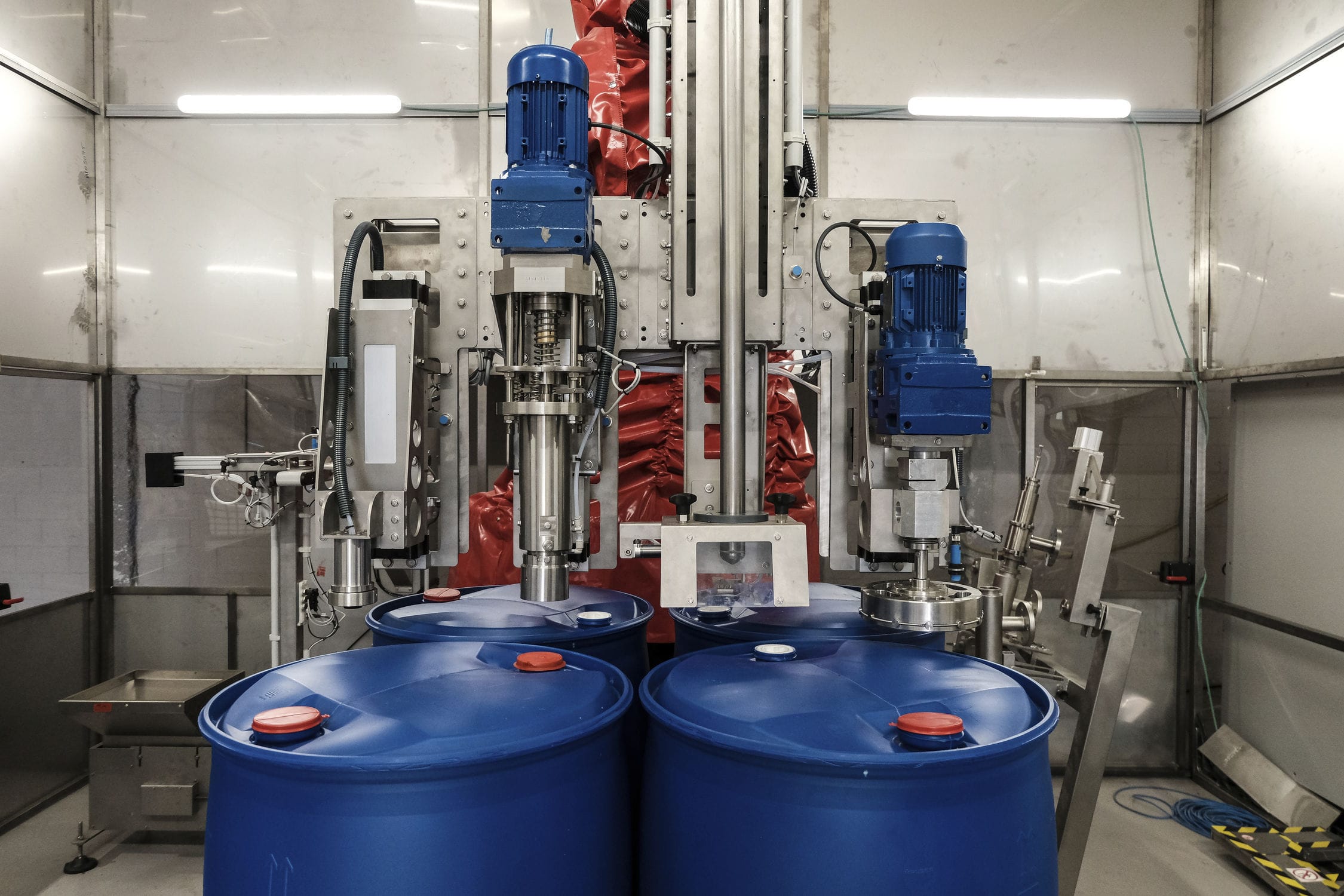
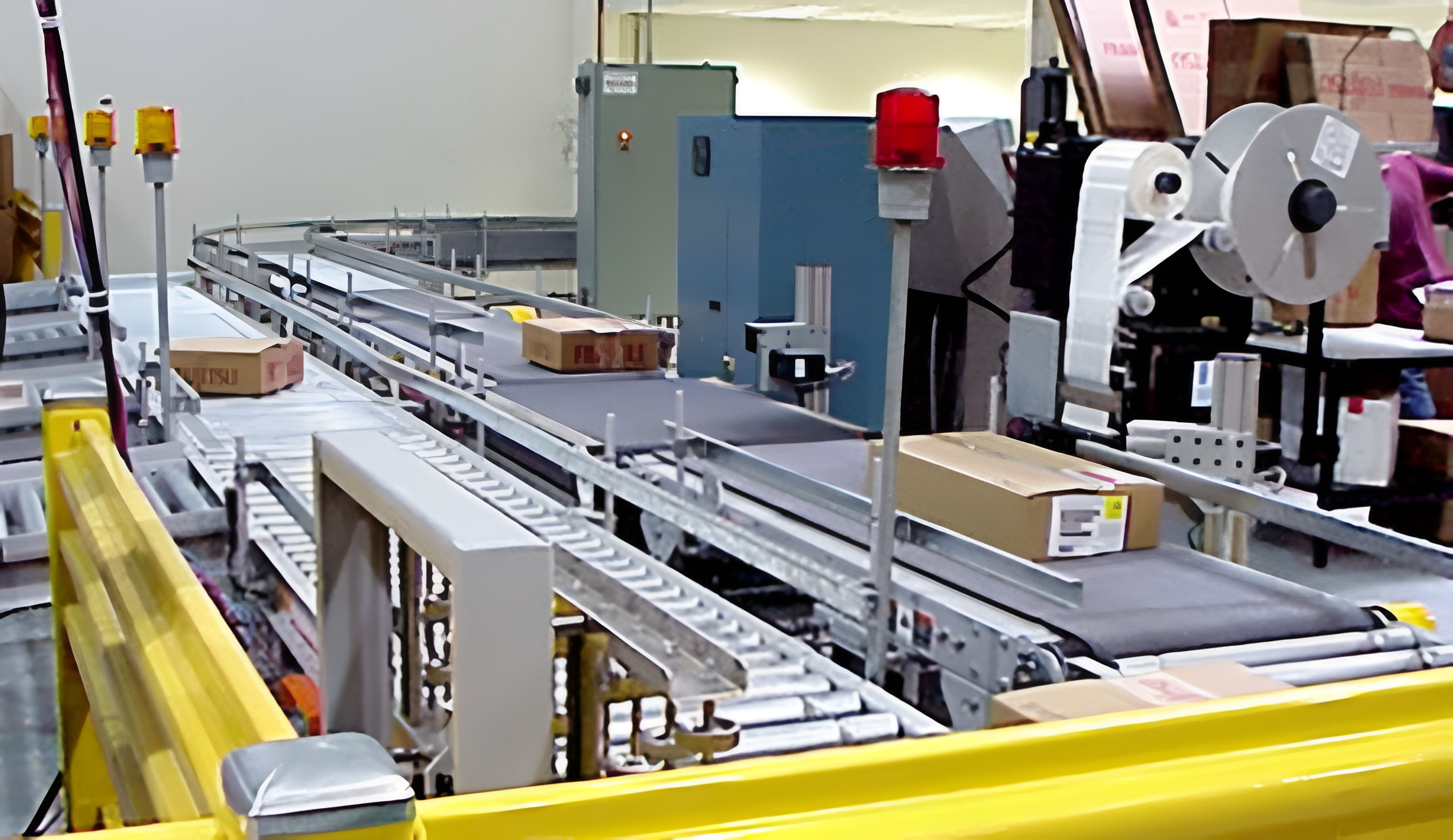
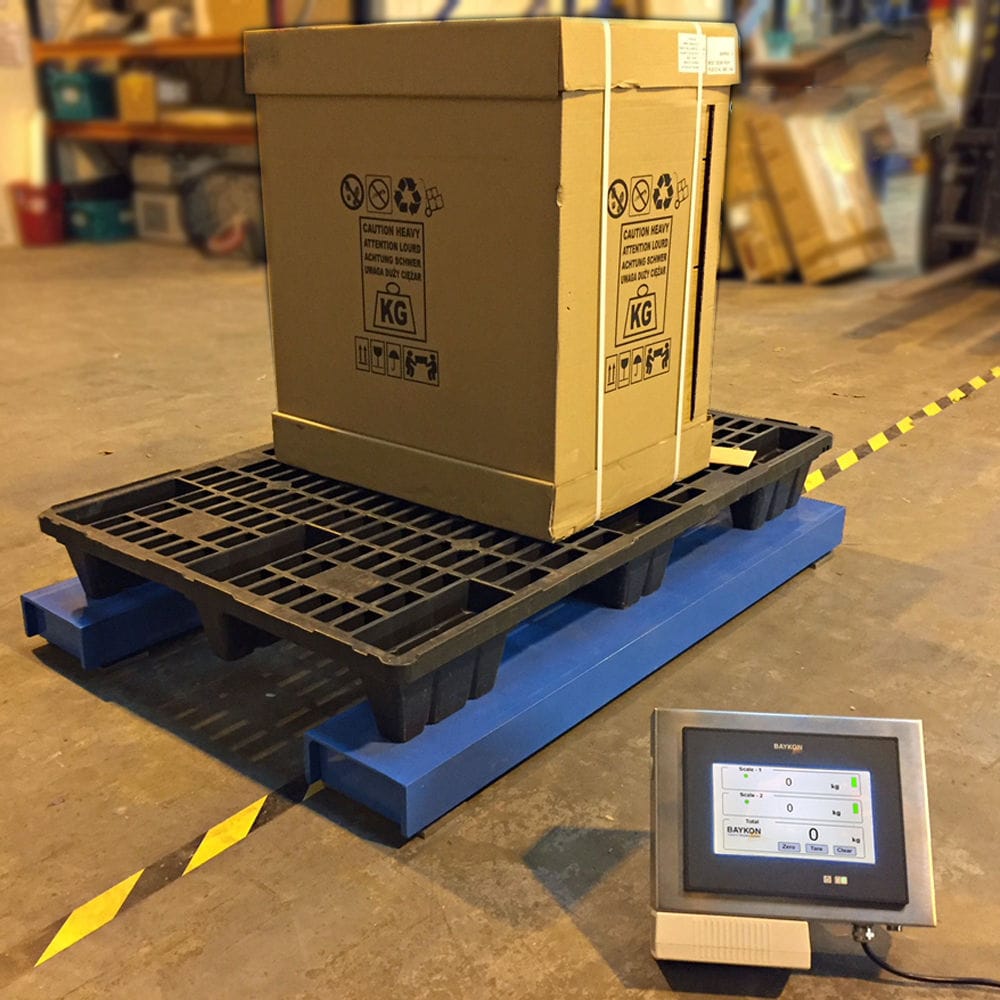


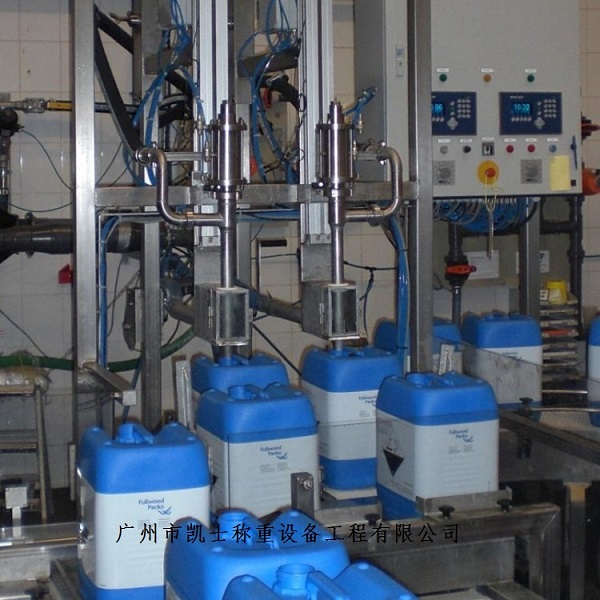
Disinfectant liquid filling machine with capping and labeling machine is a production line that can optionally include a filling solution that can handle different types of liquid products, liquid or thick, foaming or non-foaming, and filled in different packaging forms, consisting of filling, capping, sealing, palletizing, weighing equipment, and corresponding conveyor belts, supplemented by automatic control and automatic adjustment systems.

 020-34563445
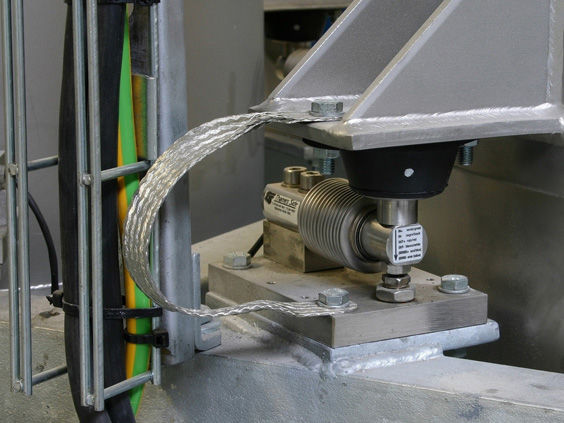
The disinfectant Filling machine collects weight signals through software programming, converts and calculates them through PLC, and controls the opening and closing of each valve in the pipeline in a graded manner to achieve filling accuracy control; Using the photoelectric position recognition function to control the positioning of the filling container and the opening and closing of the locking mechanism, achieving automatic positioning, automatic start stop, and no barrel filling control functions; After selecting and setting the material category, the corresponding parameters will be automatically adjusted and manually/automatically converted. Automatic control is divided into single machine automatic control and overall control of the production line. In automatic mode, each individual machine can achieve interconnection and interlocking, and when a single machine needs debugging, maintenance, or encounters faults, it can be switched to manual operation mode. The measuring signals of the weighing and filling machine are respectively converted into PLC through the measuring controller and the weighing module. They are then converted into binary code through the program and stored in the parallel BCD code of the PLC's data register. The output voltage signal of the weighing module is converted from A/D and accumulated through the junction box before being transmitted to the weighing instrument, displaying the weight of the material in the current weighing (filling barrel) in real time. The displayed weight data is transmitted to the PLC through serial communication, and the PLC compares the collected weight of the weighing module with the weight set in the touch screen (or computer) to control the behavior of the entire filling machine.
The anti drip device of the Liquid filling machine is fixedly connected to a vertical discharge cylinder through the discharge port of the filling machine. The bottom of the discharge cylinder is fixedly connected to a discharge nozzle, and a sliding bearing is installed inside the discharge nozzle through a sliding bearing seat; The top of the discharge cylinder is equipped with a ring-shaped connecting sleeve, which has a through hole and an annular groove at the upper opening of the through hole. A Y-shaped sealing ring is fixed in the annular groove, and a pressure plate is fixed at the upper end of the connecting sleeve. The pressure plate has a through hole and a circular protrusion on its lower side that matches the annular groove. The circular protrusion presses on the Y-shaped sealing ring, and a sliding bearing seat is fixed on the pressure plate. A sliding bearing is installed in the sliding bearing seat; On both sides of the sliding bearing seat, there are vertically placed connecting columns fixed on the pressure plate. At the top of the connecting column, there is a horizontally placed cylinder mounting plate. The cylinder mounting plate is equipped with a cylinder, and the piston rod of the cylinder passes through the cylinder mounting plate and extends to the lower side of the cylinder mounting plate. The top of the piston rod is fixedly connected to a floating joint, and the lower end of the floating joint is fixed with a discharge valve core. The discharge valve core sequentially passes through the sliding bearing installed on the pressure plate, the pressure plate, and the through hole on the connecting sleeve and extends into the discharge cylinder, and its end passes through the sliding bearing installed in the discharge nozzle; There is an air inlet on the side wall of the discharge valve core, and an air intake system is connected to the outside of the air inlet through an air intake pipe. The bottom side wall of the discharge valve core has an annular sealing groove, and a 0-shaped sealing ring is fixed inside the sealing groove.
On the basis of the structure of the quantitative filling machine, the original discharge valve part is replaced with an anti drip device. The discharge valve core and the discharge nozzle are sealed with a O-ring (when the material concentration is high, such as sauce, the sealing effect can be achieved without a sealing ring); Install a Y-shaped sealing ring inside the connecting sleeve to prevent materials from getting stuck. In order to solve the problem of misalignment caused by the installation and processing of the cylinder, discharge valve core, and discharge nozzle, a floating joint is used to connect the cylinder and discharge valve core, and sliding bearings are installed inside the discharge nozzle and above the connecting sleeve for guidance. When the filling machine starts to push the material, the cylinder starts to move, driving the discharge valve core to move upward and open the discharge nozzle, allowing the material to flow out; When the filling machine finishes pushing and starts sucking, the cylinder drives the discharge valve core to move downward. At the same time, the intake pipe starts to input high-pressure gas to blow out the material attached to the inner wall of the discharge nozzle. When the discharge valve core completely seals the discharge nozzle, the cylinder stops moving. When the filling machine finishes suction and starts pushing, repeat the above actions repeatedly to achieve the goal of automatic filling and leak prevention.
Basic Parameters:
Maximum weighing capacity: 30kg
Minimum sensitivity: 0.01kg
Filling error: ± 0.01-0.02kg
Filling speed: 20L, approximately 150-180 barrels per hour
Control mode: 2nd gear control
Filling method: Insertion type, above liquid level
Gun head pipeline: PTFE gun head, valve+PTFE hose
Structural material: SUS304 stainless steel for the host, carbon steel for conveying and stacking with anti-corrosion paint.
Scale platform size: 400 × 800mm (304 stainless steel power raceway)
Empty bucket raceway: 400mm × 2500mm (304 stainless steel power raceway) with an additional 1200mm sloping unpowered drum
Heavy bucket raceway: 400mm × 2500mm (304 stainless steel power raceway, 2 sets)
Bucket sorting device: suitable for 20L buckets, carbon steel anti-corrosion paint structure, 304 stainless steel raceway.
Stacking equipment: translation type, suitable for pallets of 1200 × 1200 × 140mm, including pallet supply, palletizing, and lower pallet conveying.
Pipeline pressure: 0.2-0.6MPa (depending on material properties).
Material interface: 4 DN40 flange joints, available according to user provided interface standards
Air source interface: The user provides a 12mm air hose connector for quick connector connection
Power supply: AC220/50Hz (provided by the user to the machine side)
Gas source used: 0.4-0.8Mpa (provided by the user to one side of the machine)
Operating temperature: -10 ℃ -50 ℃
Basic conditions: A sturdy concrete floor with a suspended agent, and the concrete thickness should be greater than 10cm.
Optional models: Standard, Explosion proof Filling