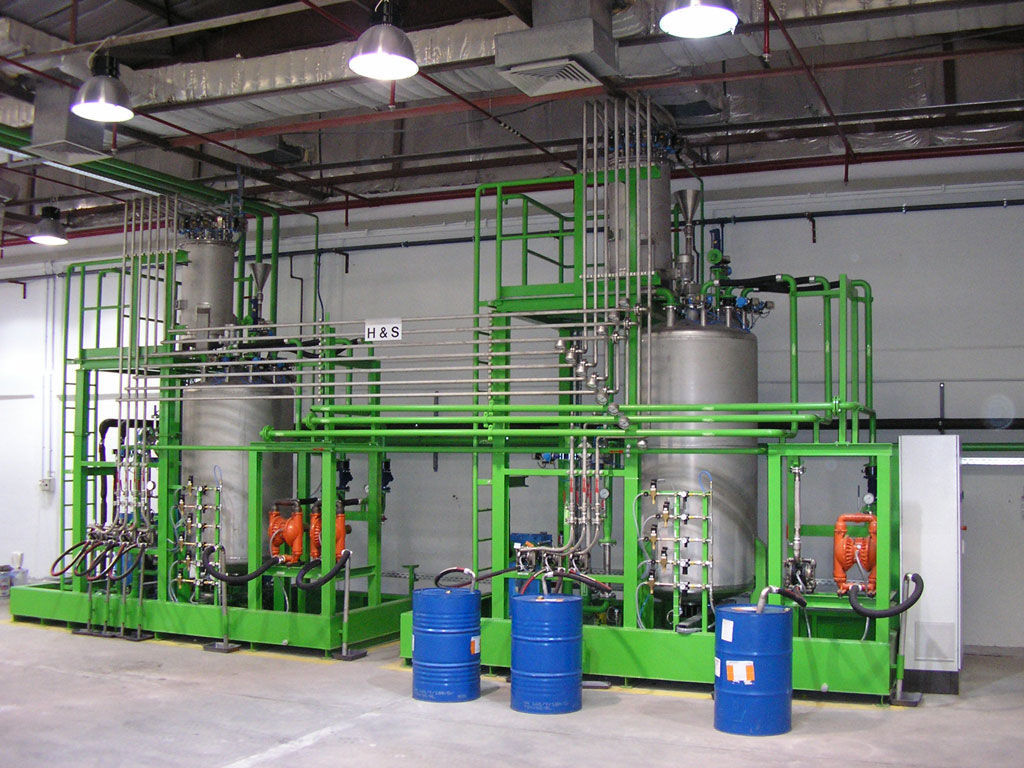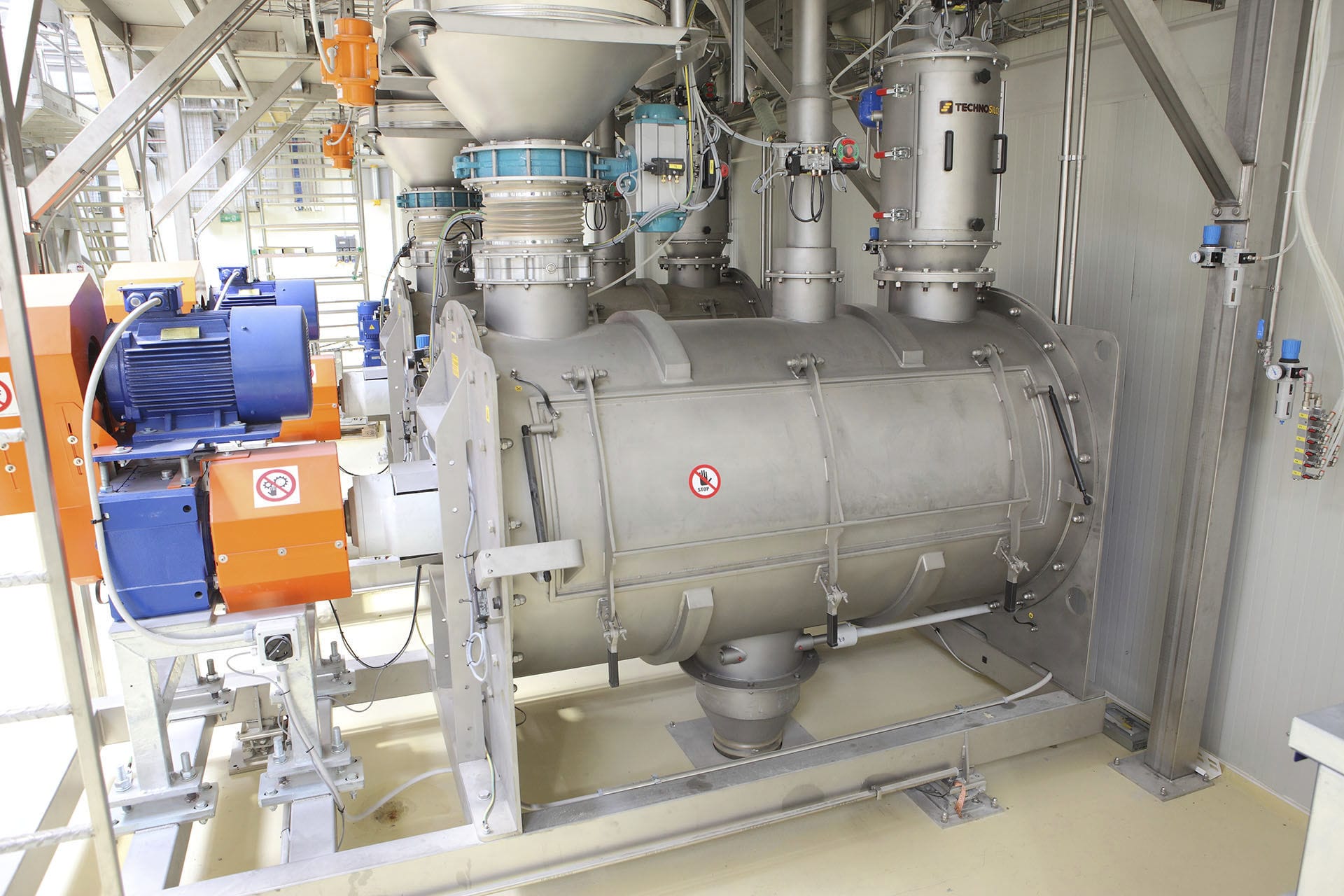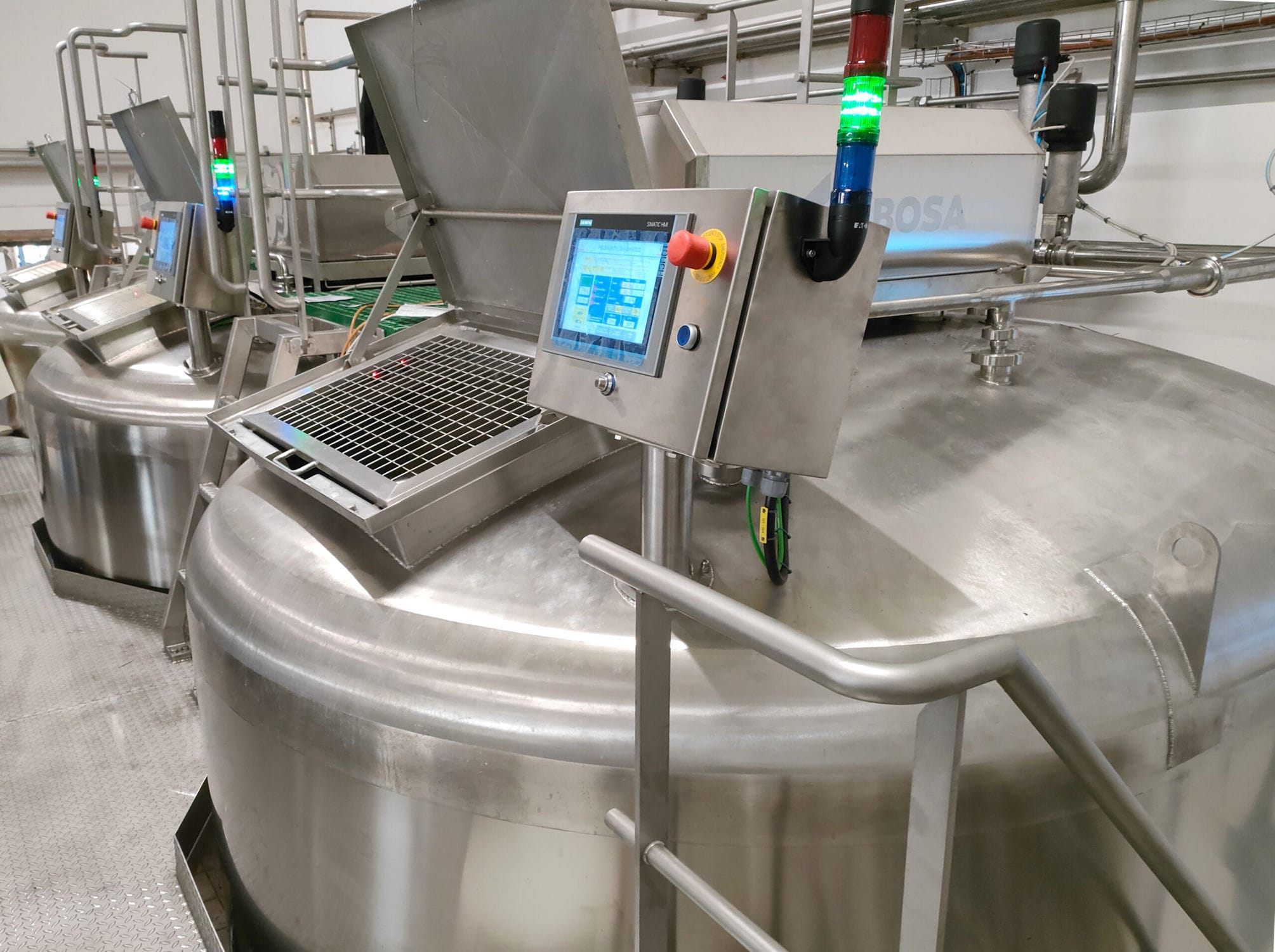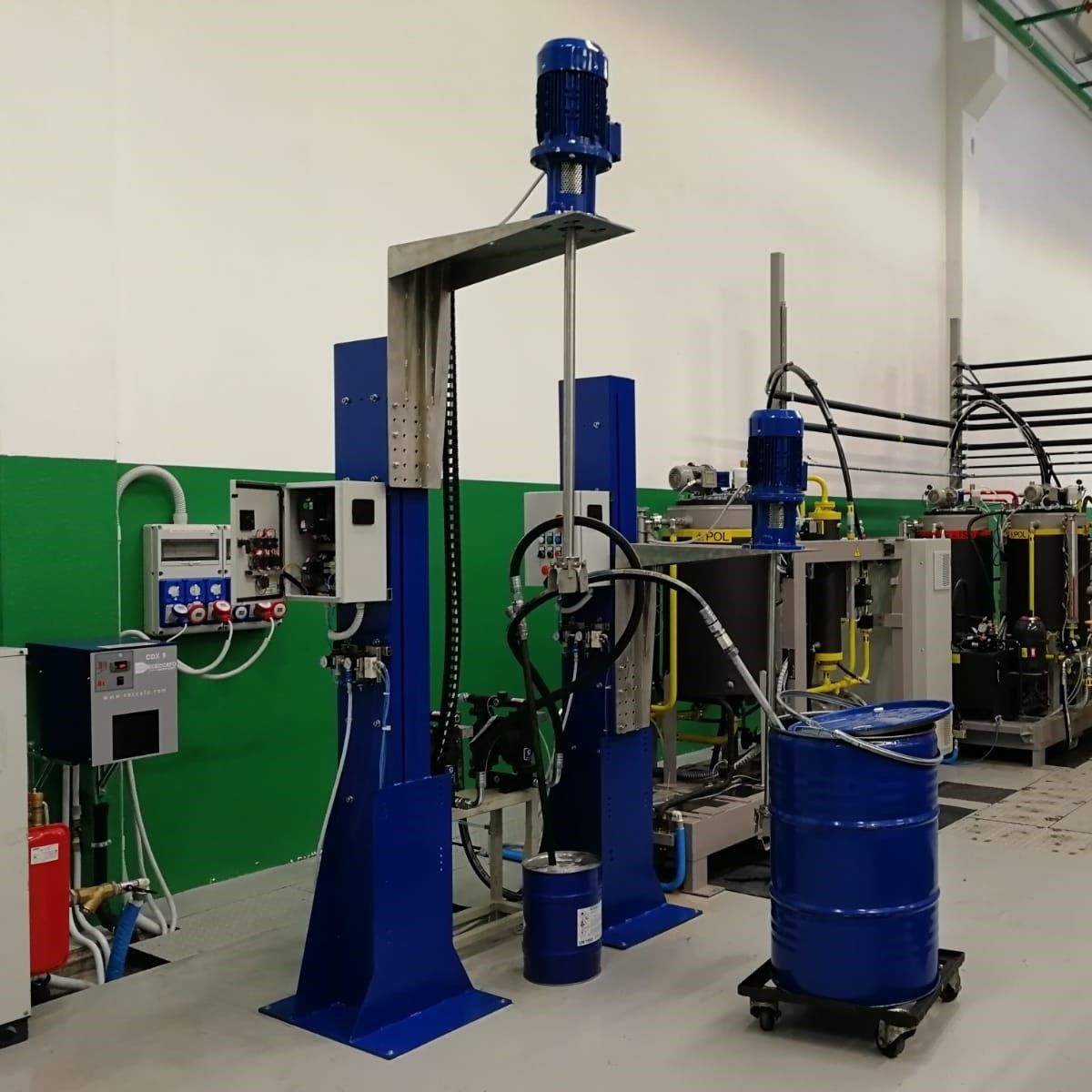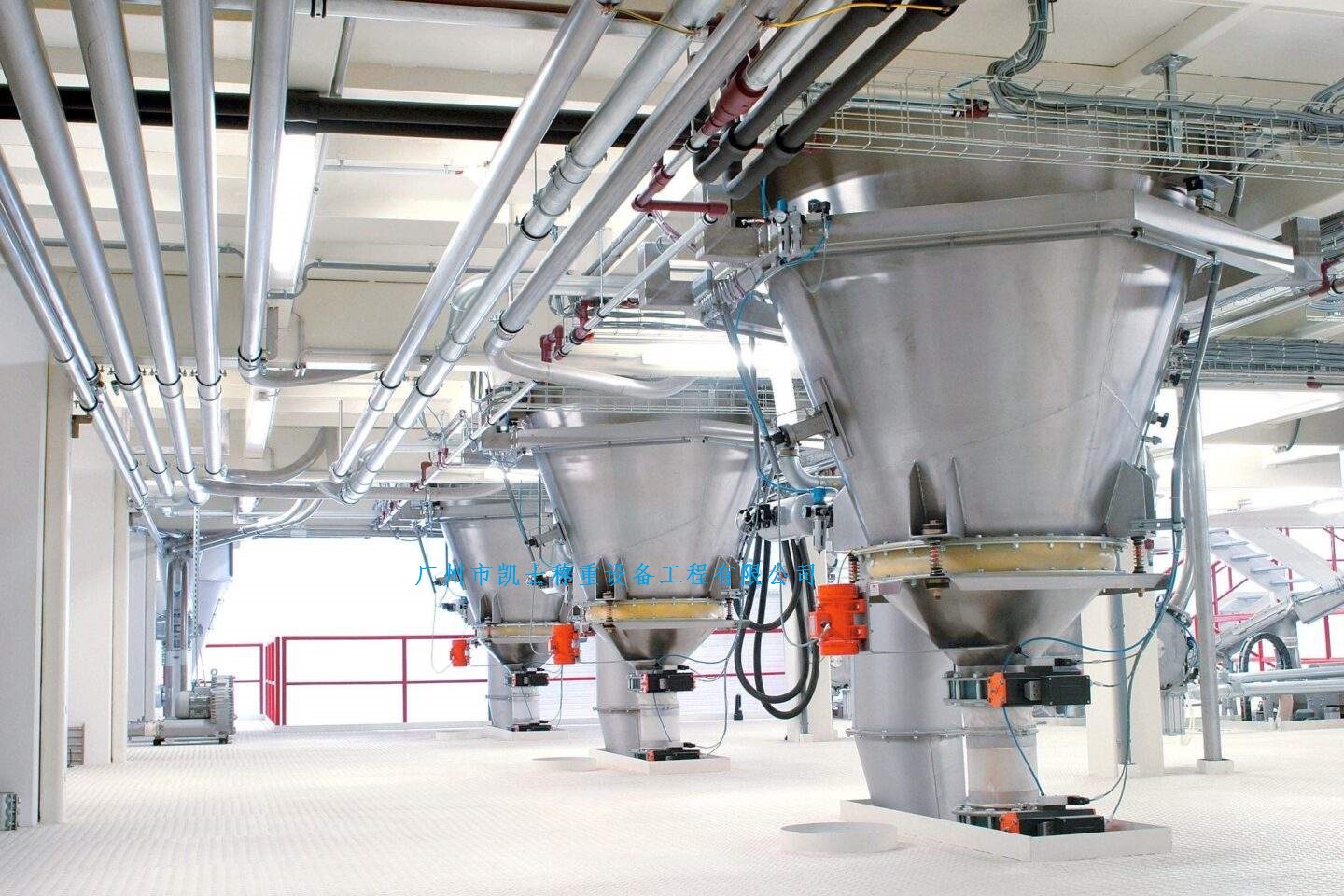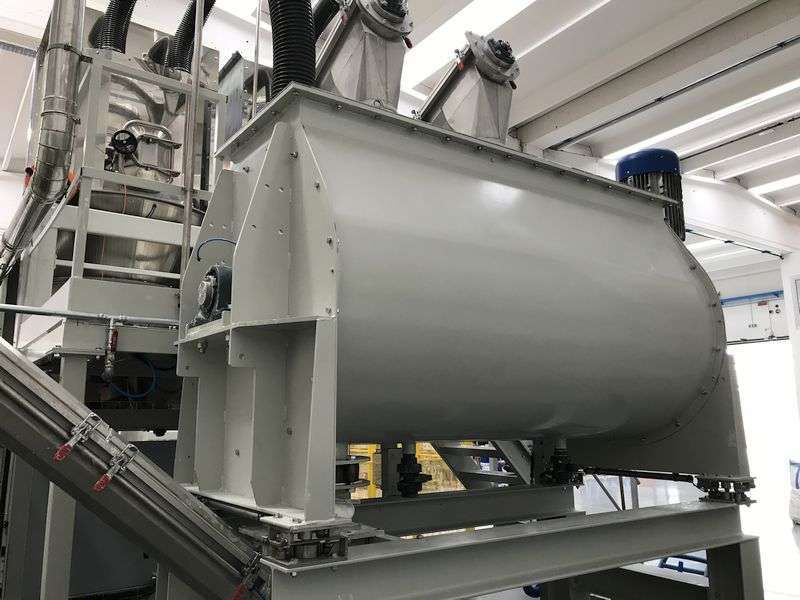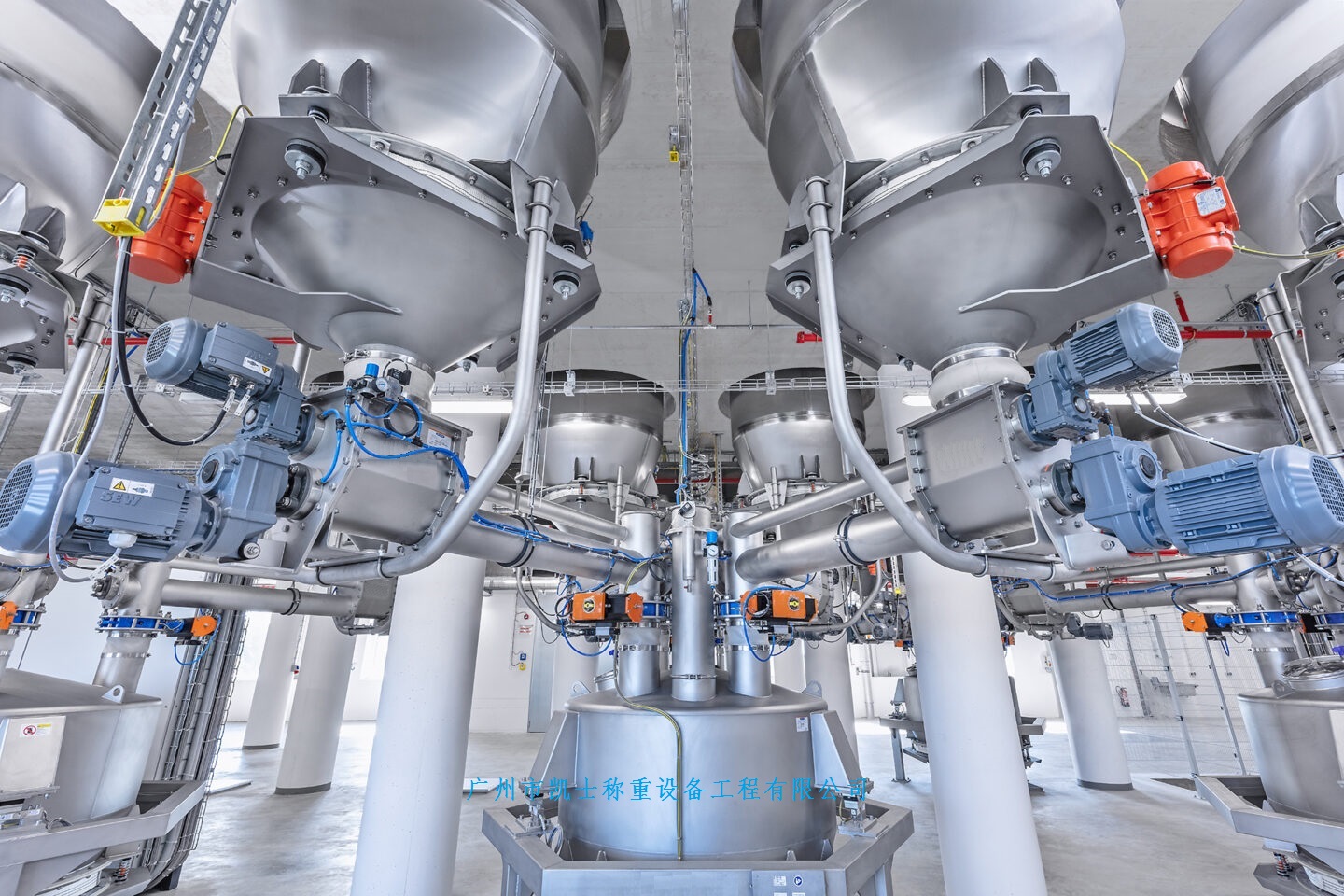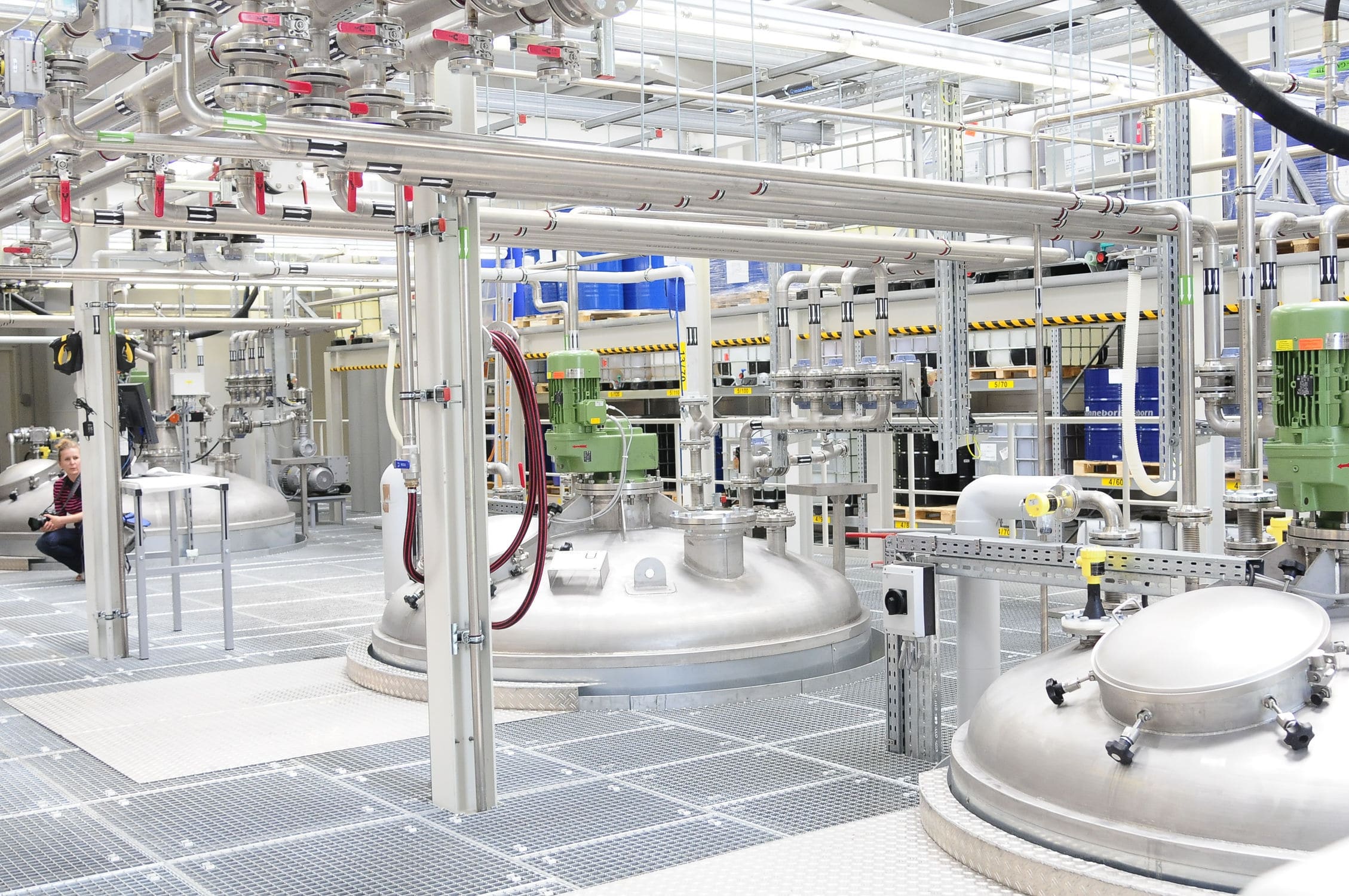


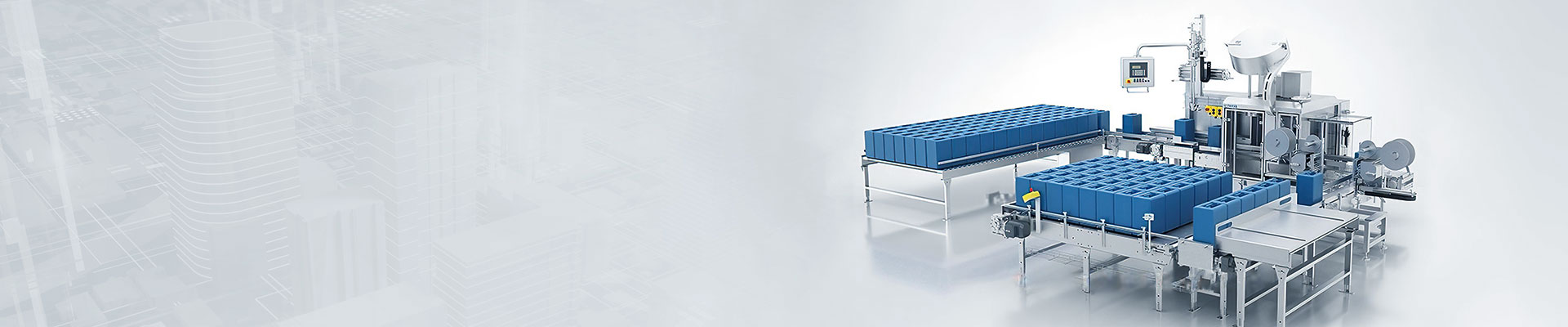


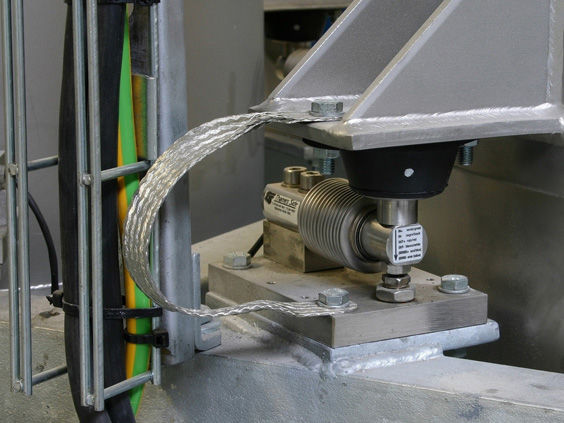
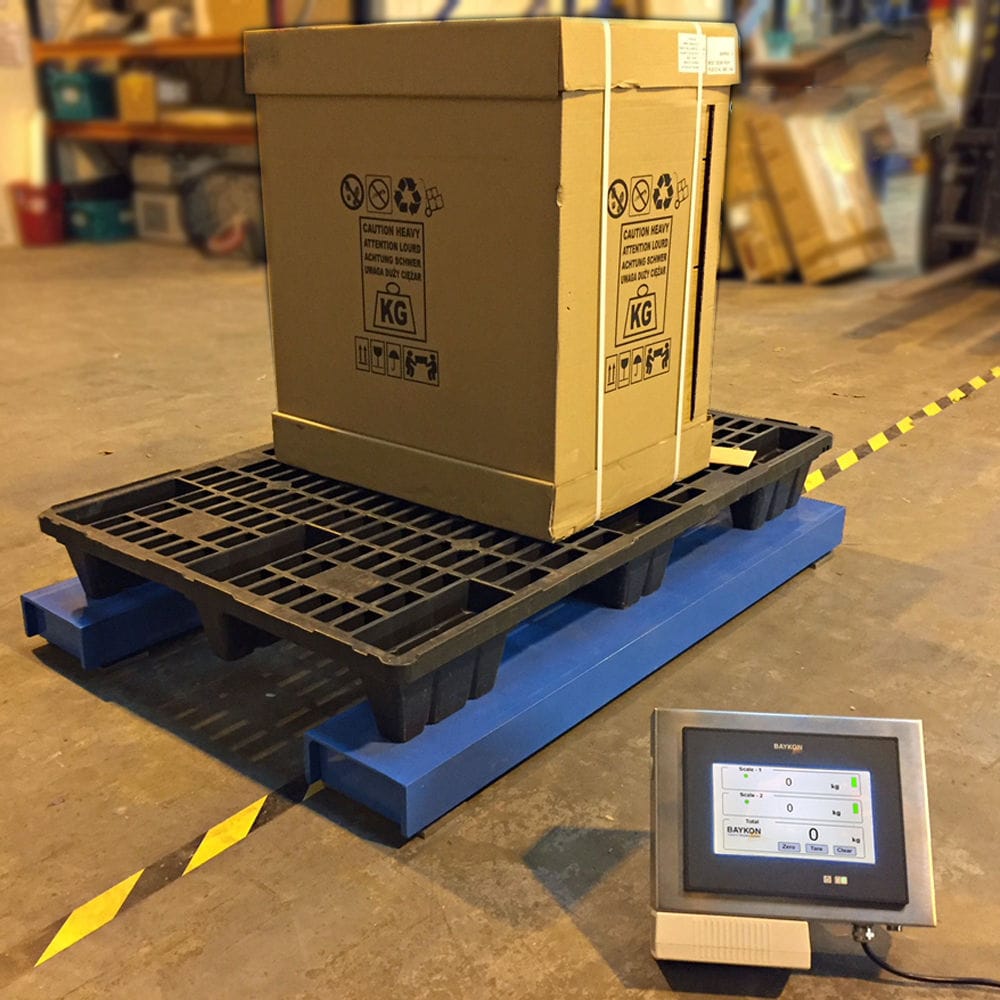


The automatic spiral batching system measures the entire feeding system using static scales and controls the discharge flow of granular materials through variable-speed motors or electro-hydraulic vibration machines. The materials are discharged from the system and compared with the required feeding quantity (pre-set value) based on the "weight loss" measured per unit time. The difference between the actual (measured) flow and the expected (pre-set) flow will trigger a correction signal in the feeding controller, which can automatically adjust the feeding speed to maintain an accurate feeding volume without process lag.

 020-34563445
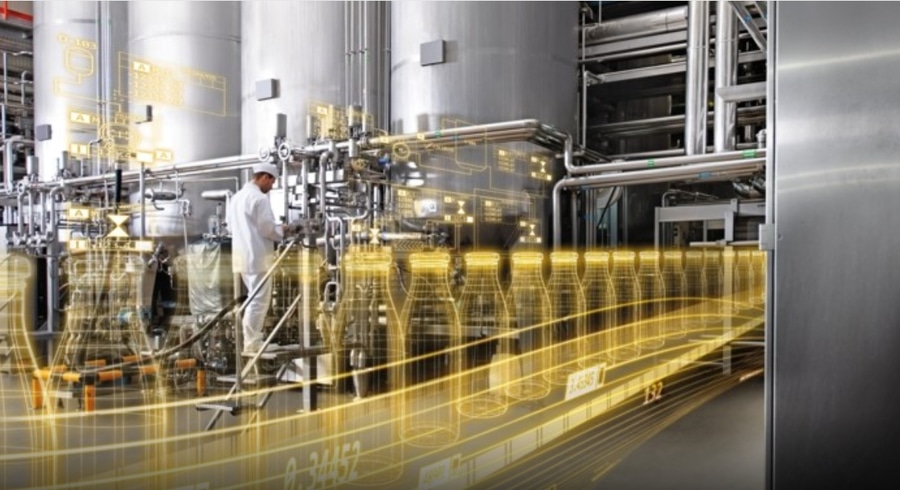
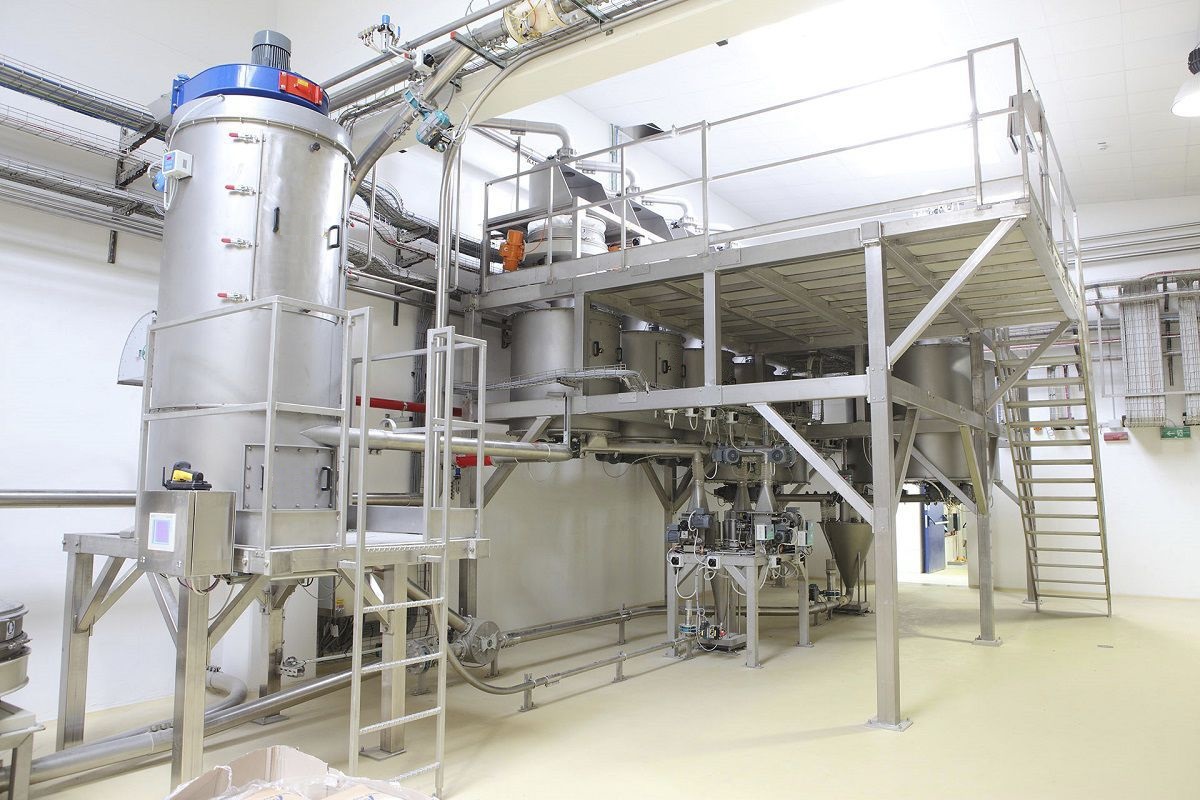
The automatic Batching system can be divided into the feeding part and the batching part. The feeding part mainly consists of equipment such as a grinder, a conveyor, a fan, a conveying machine and a distributor. The batching part includes a silo, a Feeder, an Electronic scale and a mixer. The main function of the batching part is to, after the feeding equipment puts various different raw materials into their respective hoppers, discharge the materials in accordance with the proportion specified by the formula into the weighing hopper and weigh them, then send them to the mixing machine for a certain period of time of stirring, and uniformly mix into the finished feed product. The computer controls the discharging, weighing and mixing according to the proportion specified by the formula, and detects the signals of the weighing module in real time, makes judgments, and issues commands to the various execution mechanisms of batching to realize the automation of batching. The entire production system is equipped with manual control auxiliary devices, which can be controlled to operate in either automatic or manual mode.
The automatic feeding system measures the complete feeding system by static scales and controls the discharge flow of scattered materials by variable speed motors or electric vibrators. The materials are discharged from the system, and are compared with the required feeding amount (pre-set value) according to the "weight loss" of each unit time of the system. The difference between the actual (screw) flow and the expected (pre-set) flow will be corrected by the feeding controller, which can automatically adjust the feeding speed and maintain an accurate feeding amount without process lag.
The batching control system mainly includes the system hardware and software of PLC, as well as the electrical equipment corresponding to the sampling, detection, alarm and other executive mechanisms. The various functions embodied by human-computer interaction and management are an important aspect of the real-time control system performance. It uses Chinese prompts in menu mode. It can collect the weighing signals of each batching scale in real time, can automatically remove the skin, automatically zero adjust and automatically correct errors, and select and control the discharging according to the specified formula proportion and relevant algorithms, and make judgments at any time, sending switch signals to the corresponding Feeding machines, valves, and mixing machine doors. During the batching process, the operation status of the controlled equipment is detected, and problems can be promptly discovered, which is an important guarantee for safe production. It can dynamically detect the operating status of the feeding machines, valve doors, travel switches and other equipment, and immediately alarms if any errors or faults are found.
The weighing control system consists of a central control system and a field screw system. The central control system is composed of a PLC module processor, a Weighing system and a frequency converter. The sequential control and logical interlock programs are stored in the PLC. In the weighing system, the start-stop of the system, the adjustment of the feeding method, and the system calibration functions can be completed. The frequency converter is used to regulate the rotational speed of the weighing feeder. The on-site weighing system includes the weighing feeder, the vibrating screen and the screw device. According to the set value given by the central control room, the weighing feeder is controlled by the frequency converter to adjust the on-site weighing flow, and the vibrating screen that is always in operation will filter out impurities or foreign substances from the system during the weighing process. Then, the weighed powder enters the screw, and the screw device is divided into multiple compartments by special-shaped guide vanes.
The material is introduced from the upper part of the screw conical distributor to the middle, and is thrown out by rotation, flowing down along the shell wall from the screw outlet. The motor uses the lever effect to transmit the torque borne by the screw to the load unit. The output voltage of the load unit is proportional to the torque value and is converted into a digital signal by an A/D converter. The speed of the screw is obtained through a speed transducer and transmitted to the microprocessor system. The microprocessor system calculates the current flow rate based on the torque and speed.