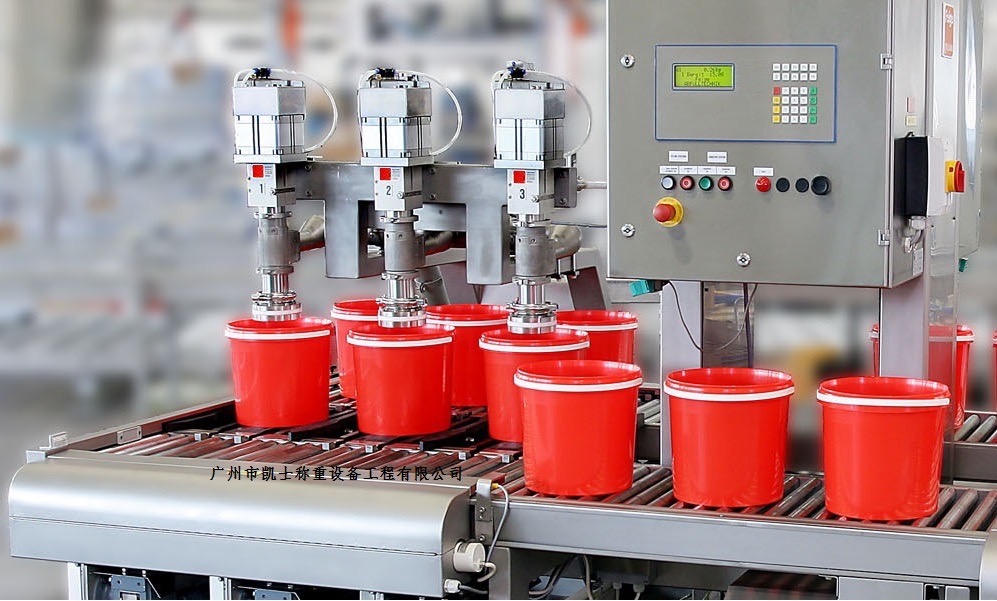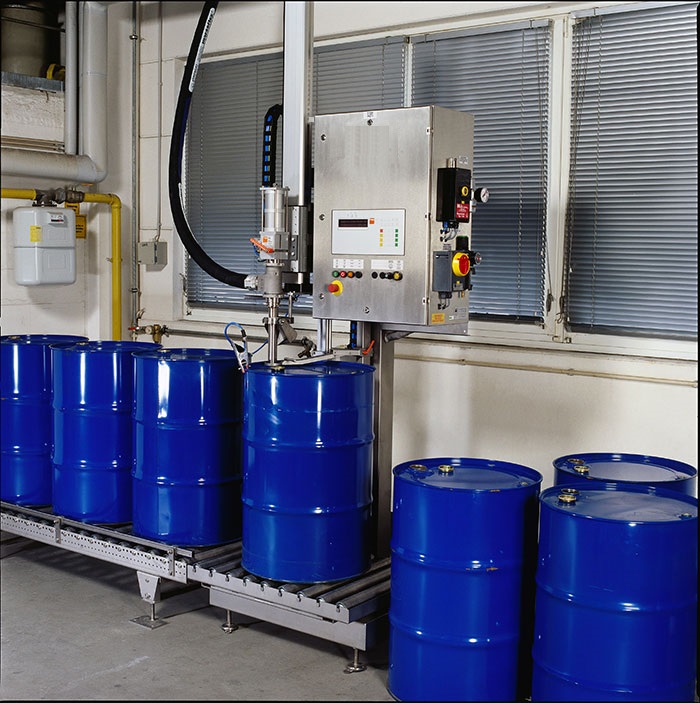


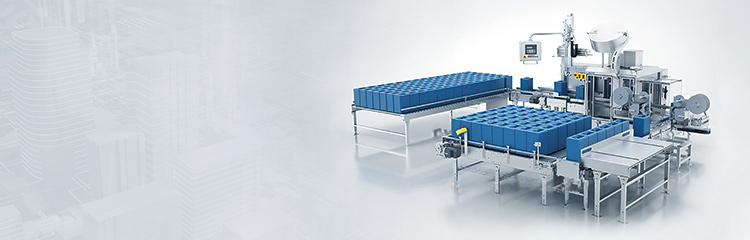


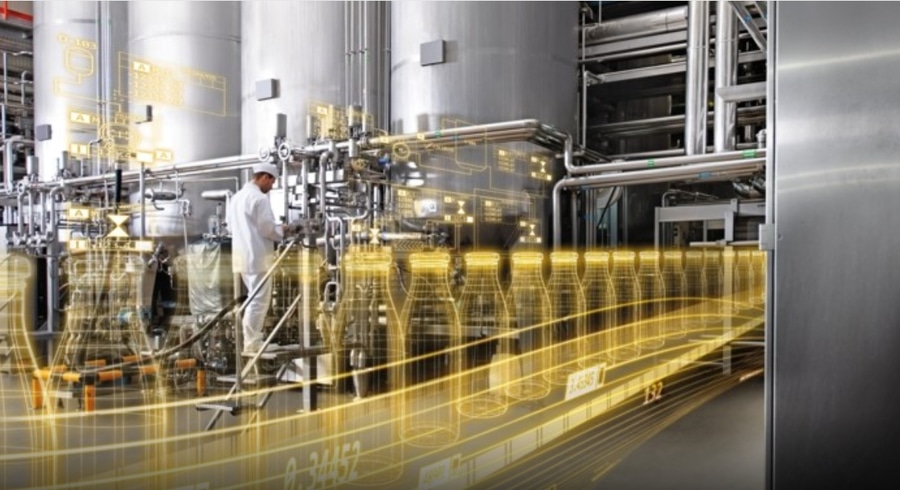
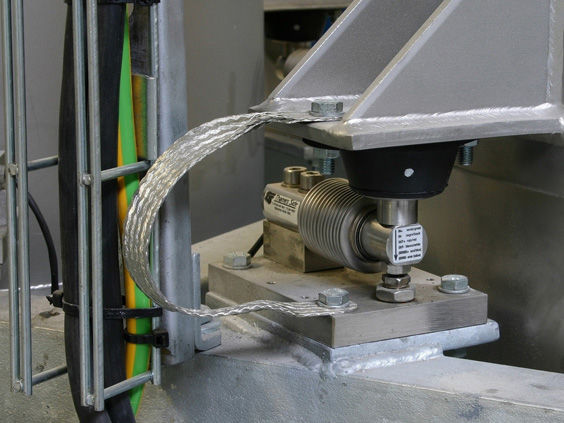
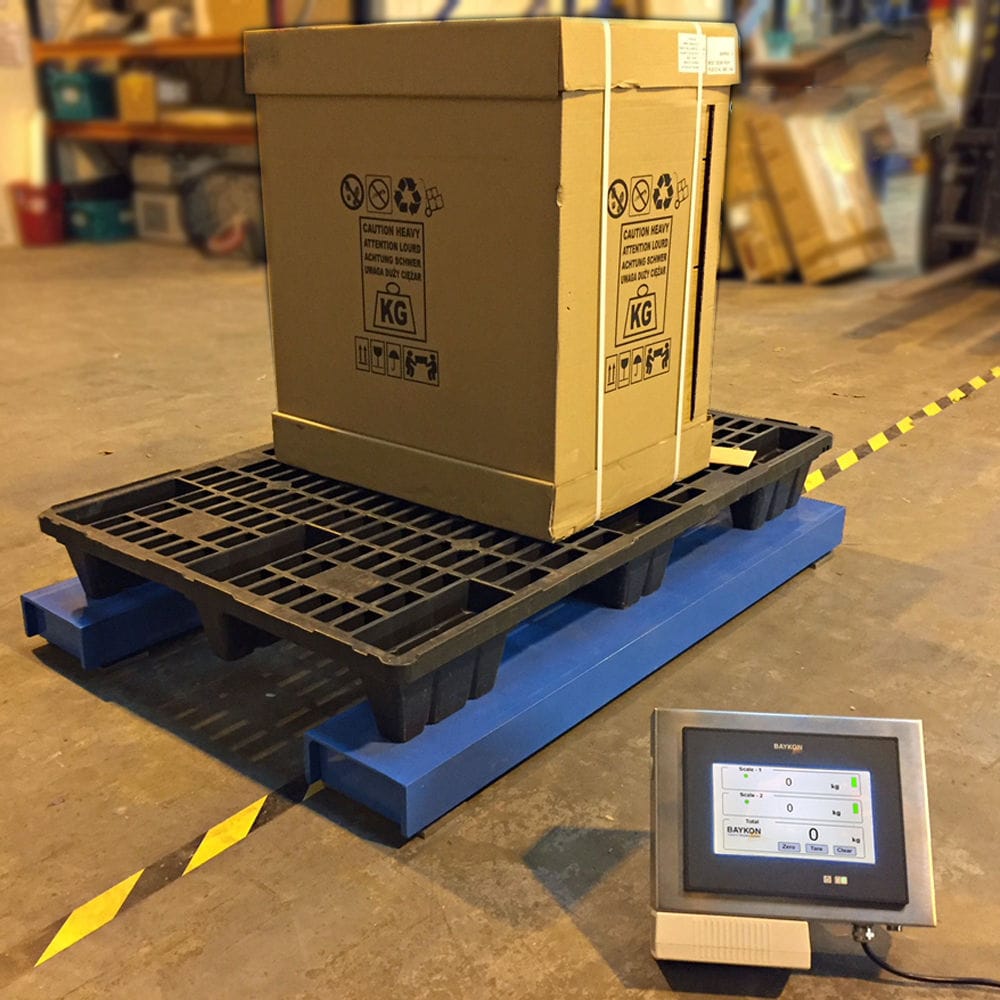


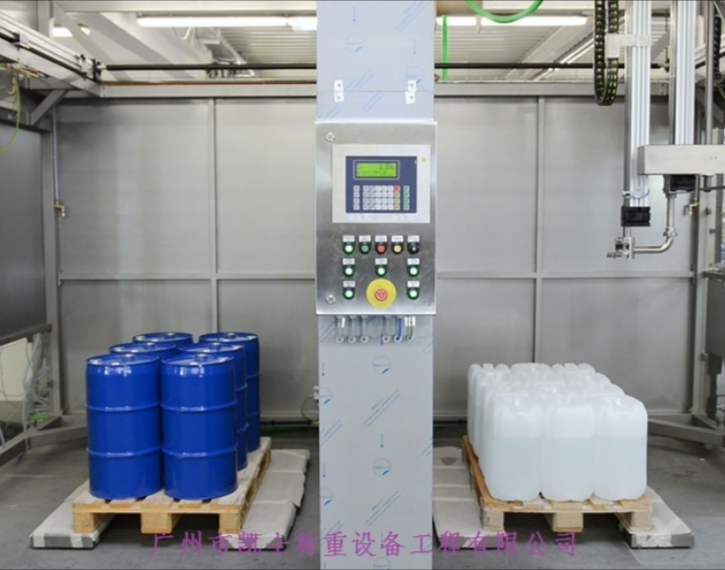
Automatic Liquid filling machine using open bus, field information acquisition, weighing system communication adopted automated filling system, project management, processing, archiving and establishment of documents. With humanized man-machine interface, provide convenience and also have a variety of protection functions, the user can set personalized working parameters according to the actual needs of the user can be set directly into the working state. Simple and convenient operation, no need to wait for restart and other complex operations.

 020-34563445
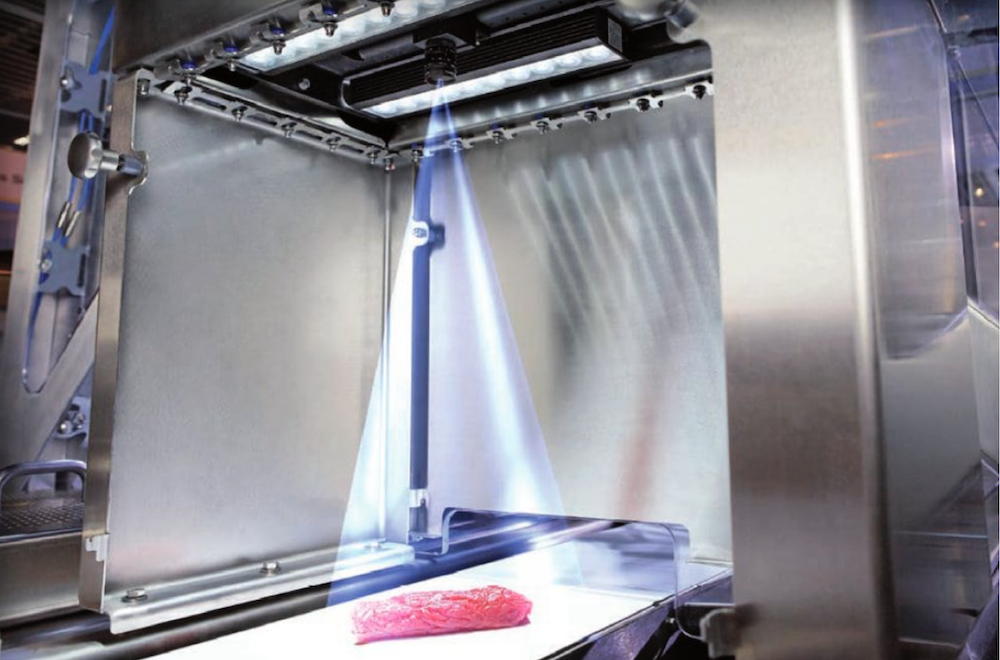
The automatic liquid Filling machine primarily consists of a bottle conveyor mechanism, bottle washer, filling machinery, cap screwer, star wheel conveyor mechanism, etc., with a process flow of bottle conveying - cleaning - filling - cap screwing - bottle ejection. A mechanical device is used to rotate the containers at high speed and then abruptly stop them. A reflector and a camera are then used in conjunction to capture a continuous sequence of filling images without any visual angle deviation. The filling device accelerates the containers as they enter the rotating zone, and stops accelerating just before the containers leave the rotating zone, allowing them to rotate freely (reducing bubbles caused by oscillation). When the containers "fully enter the abrupt stop zone", the light inspection machine controls the mechanical device to abruptly stop the containers. The liquid inside the bottles continues to rotate due to inertia. At this point, the camera starts capturing continuous sequence images of the containers through the reflector, which rotates a certain angle accordingly to ensure that the camera can track and capture the sequence images of the containers. The containers continue to be conveyed forward, and the reflector also continues to rotate accordingly until the containers fully enter the abrupt stop zone. At this point, the reflector immediately returns to the position indicated by the filling machine and begins tracking the next container. This process also completes the acquisition of continuous sequence images of the containers. The latest product of the automatic filling machine, WinCC-flexible, is a HMI-oriented configurable liquid interface with better openness, scalability, and compatibility, which improves the configuration efficiency of the user interface and brings new and creative concepts of device-level automation. Among SIMATIC products, it can be used to configure all Windows CE-based operation panels, ranging from the smallest panels to touch control panels and multi-function panels. Due to the aforementioned advantages, combined with the control core of PLC, the CPU313C from the SIMATIC S7-300 series is used to design the configuration of the touch screen, achieving industrial automation design. It has some good features, including manual operation, fault alarm, recipe management, trend graph (display and analysis), and print results.
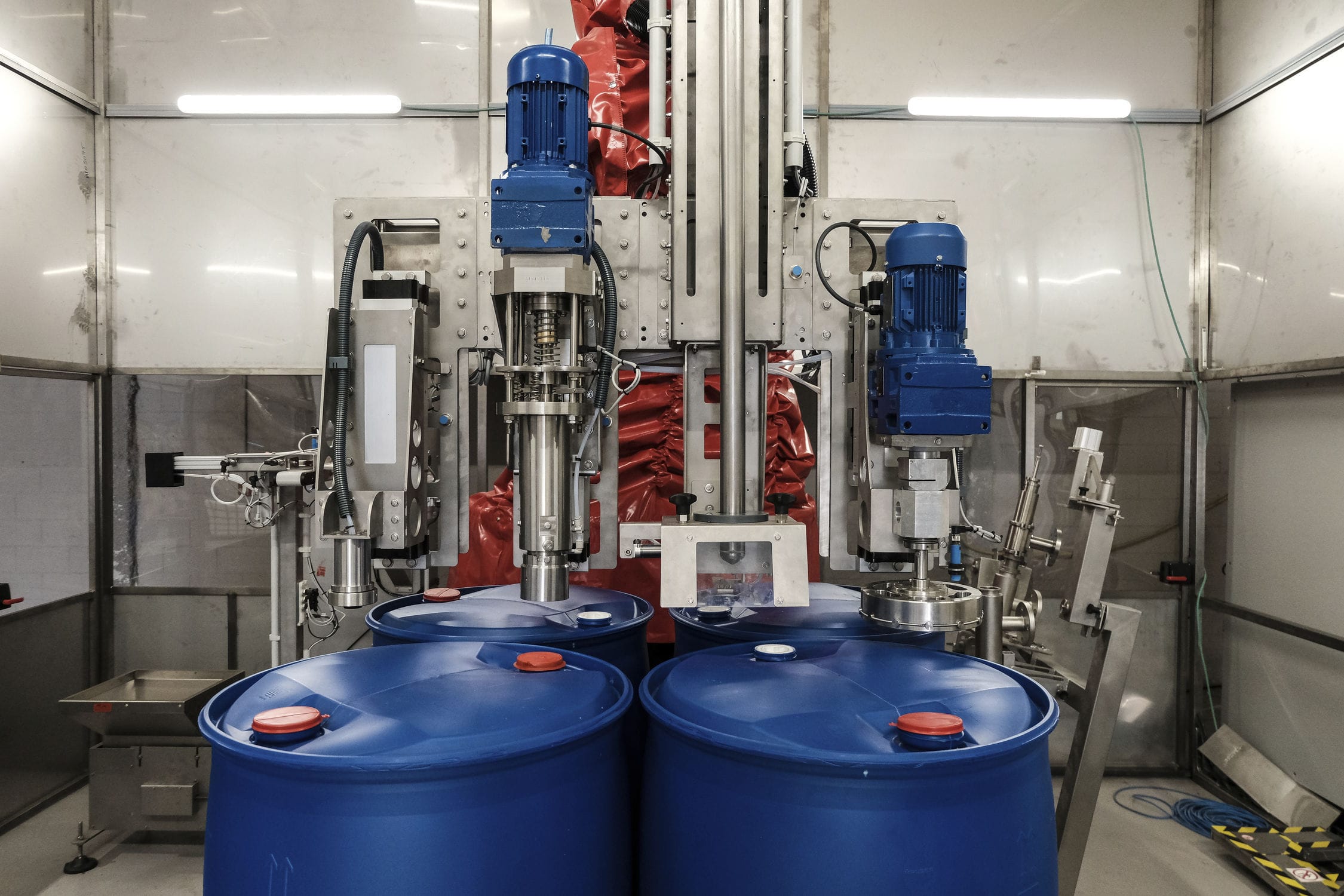
The automatic filling machine control system includes six processes: automatic barrel loading, barrel upright, primary filling, secondary filling, automatic lid loading, and automatic lid pressing. The automatic barrel loading function involves placing batches of barrels lying flat on the conveyor line, and then using a barrel upright device to turn the barrel mouths upward in preparation for liquid filling. The position of the barrels is accurately detected by sensors. When the barrels reach the position of the primary filling machine, the first filling is performed. Next, a precise secondary filling is carried out. After filling, the lid is pressed. Before lid pressing, an automatic lid loading device is used, and various safety measures are taken during the lid pressing process. After the filled barrels are placed lying flat on the conveyor belt, they are conveyed to the barrel upright position, where the upright device is used to stand the lying barrels upright. Then, the filled barrels are conveyed to the filling position. When they reach the filling position, a photoelectric switch senses the filled barrels and transmits the sensing signal to the PLC. The PLC controls the conveyor belt motor to stop and prepare for material filling, and then controls the cylinder to perform the primary filling. When the filling nears the barrel capacity, the conveyor belt is used again to prepare for the secondary filling. The secondary filling involves a small amount of precise filling. Next, the filled barrels are conveyed through the conveyor line. When the photoelectric switch detects that the barrels have reached the lid pressing position, it places the barrel lid directly above the barrel mouth of the filled barrel. Then, the lid is pressed, and after the lid pressing is completed, the barrel is conveyed to the end point via the conveyor belt.
The quantitative filling machine utilizes a filling piston valve as the primary component of its control system. It can utilize the output flow of a rotor pump as its oil source, provided that the rotor pump flow rate does not return to zero. Alternatively, the output flow of an external auxiliary pump can be used as its oil supply, with the requirement that the auxiliary pump pressure is adjustable. The controller sets the preset values for the hydraulic cylinder displacement and the pump flow angle. During the dynamic process, the filling piston valve controls the flow entering the hydraulic cylinder. A displacement sensor detects the displacement of the piston rod, and the detected displacement is then fed into the controller for comparison with the preset value. The resulting deviation is amplified by an amplifier to produce a current signal, which controls the opening size of the filling piston valve, thereby adjusting the flow entering the hydraulic cylinder. The flow position of the rotor pump is also compared with the preset value in the controller through the displacement sensor. The hydraulic cylinder displacement error and the pump flow angle error are simultaneously amplified by the amplifier. A stepper motor control module is employed, where the displacement is proportional to the number of input pulses, and the speed is proportional to the pulse frequency, allowing precise control over the number of motor pulses and pulse frequency. The speed of the conveyor line is adjusted based on the data values sent from the PLC, and its internal operating parameters are fed back to the PLC and touch screen. Various precise control systems typically utilize touch screens, programmable logic controllers (PLC), servo drivers, and servo motors for control. The use of PLC enhances the system's anti-interference capability and the high stability of the control system; the use of servo drivers and servo motors enables precise positioning of mechanical motion; and the touch screen provides a clear operation interface. The adoption of PLC, touch screen, servo driver, and servo motor enables smooth filling operation, precise positioning, and flexible control.
Technical Specifications
Weighing range: 10-300kg
Filling accuracy: ±0.1~0.2%
Filling speed: 3 to 5 barrels per minute (200kg)
Power supply: P≥0.6MPaQ≥0.4m3/min
Equipment weight: 350kg
Overall dimensions: 1000mmL × 930mmW × 1350mmH