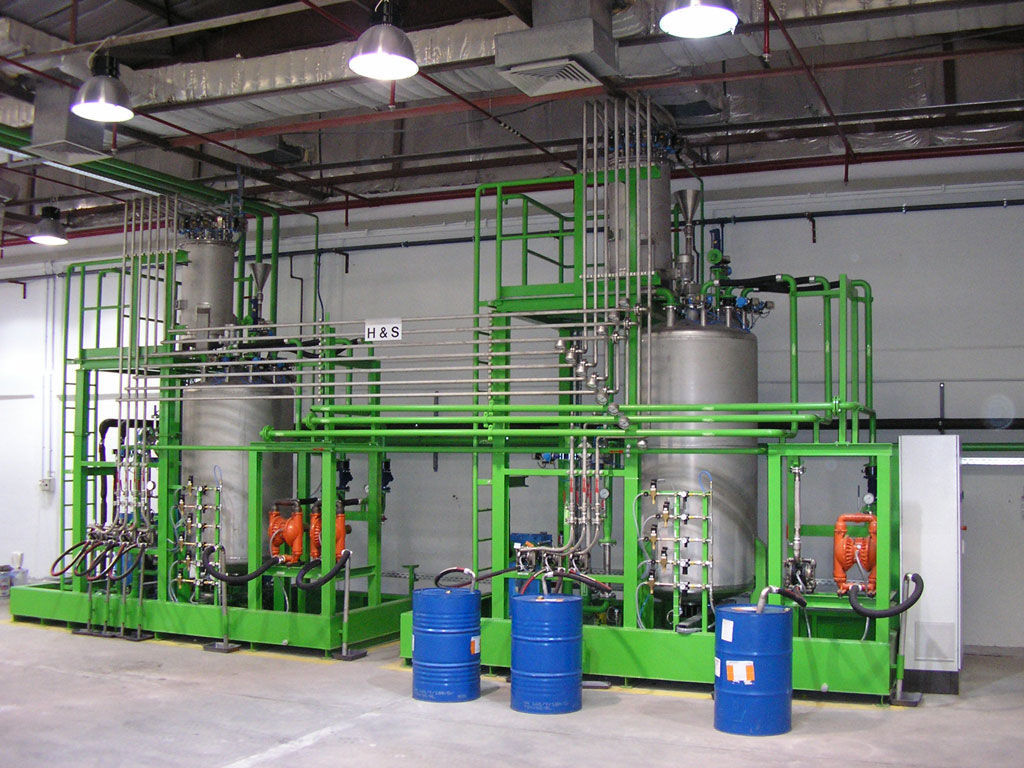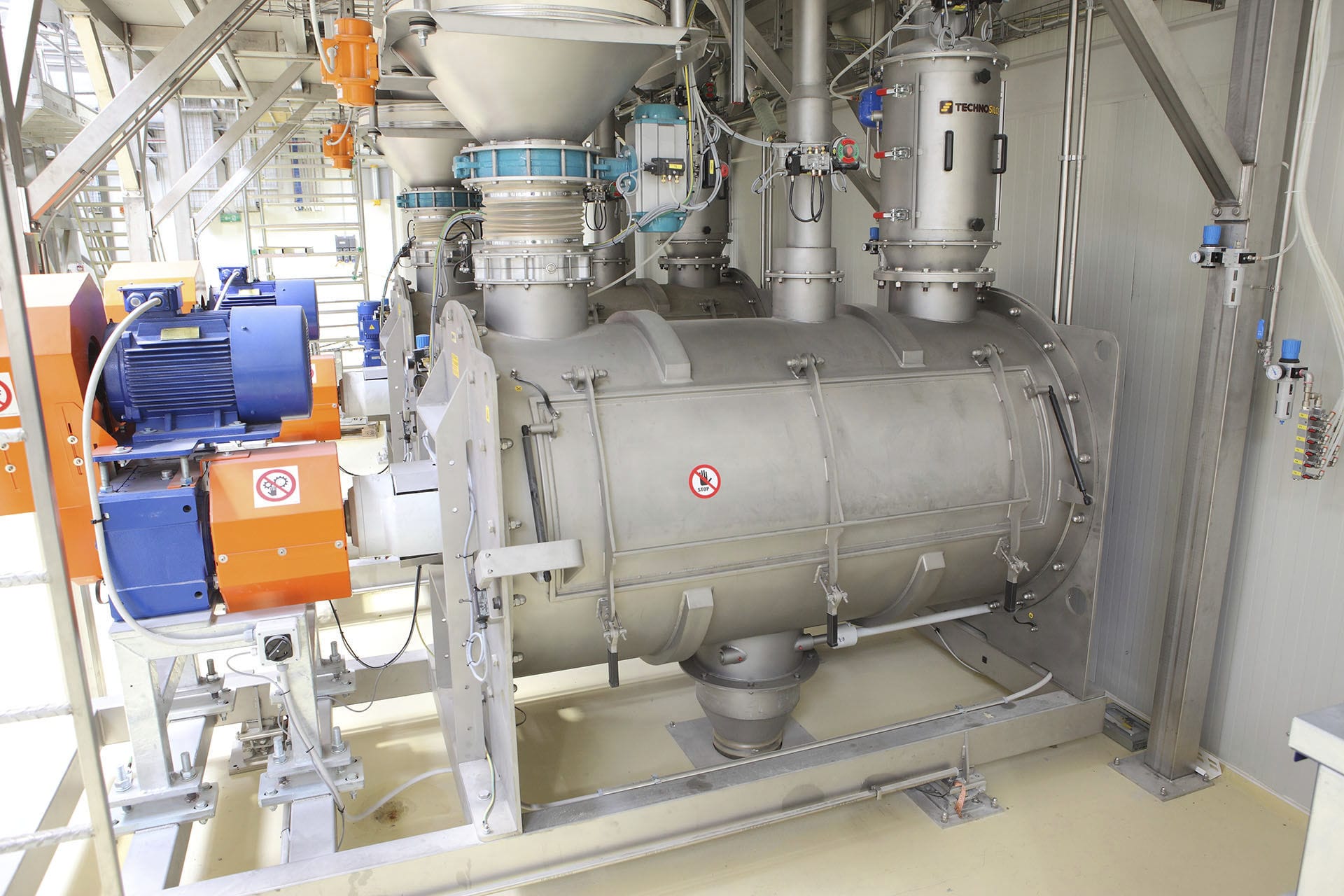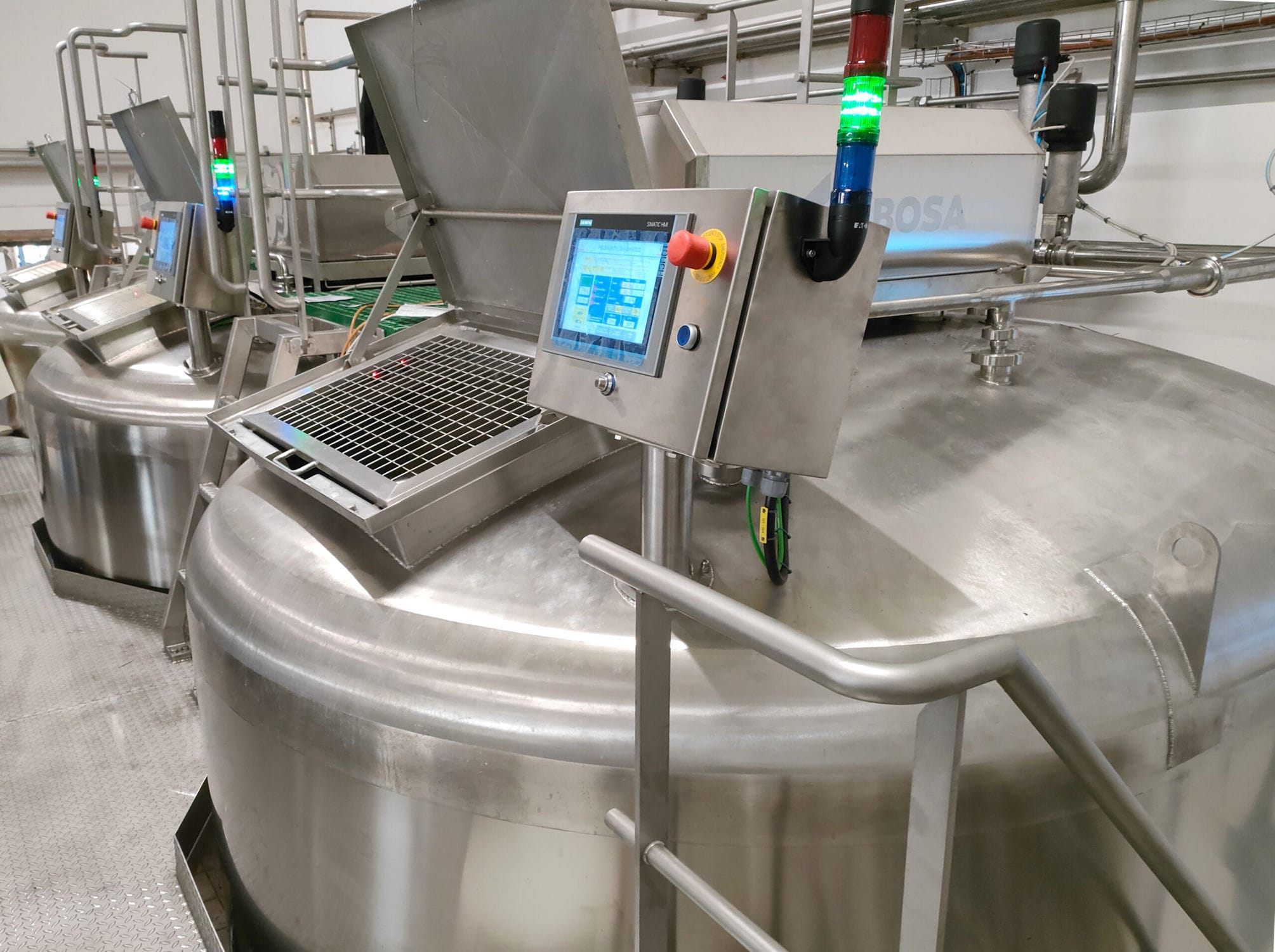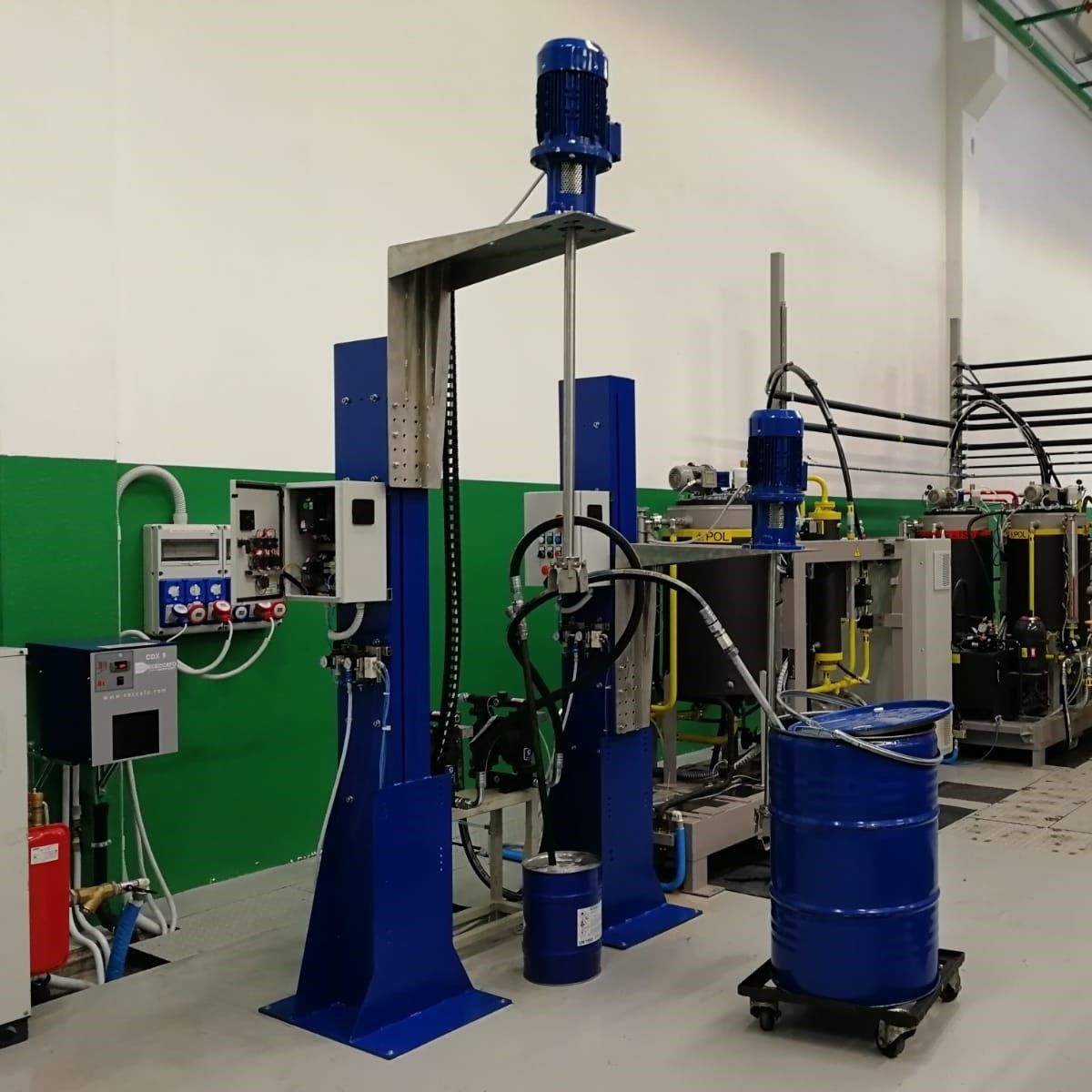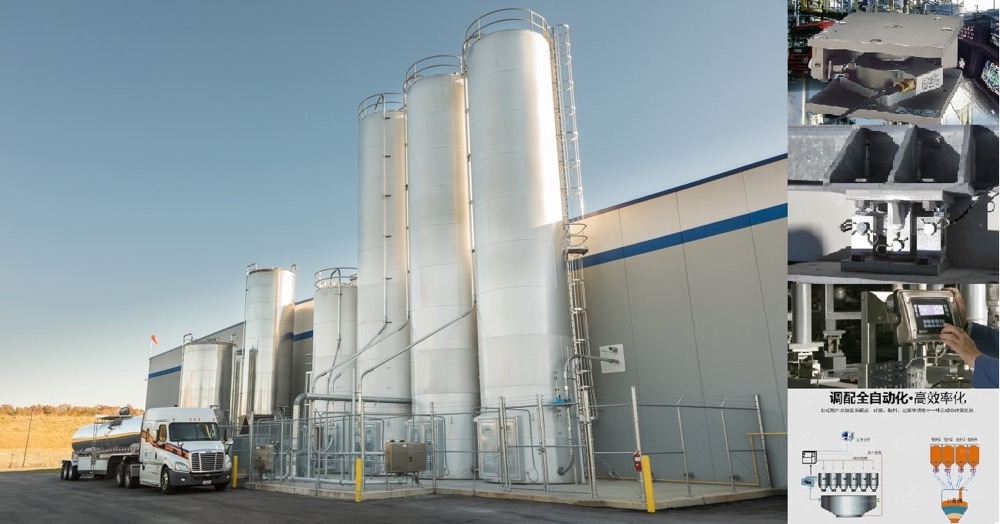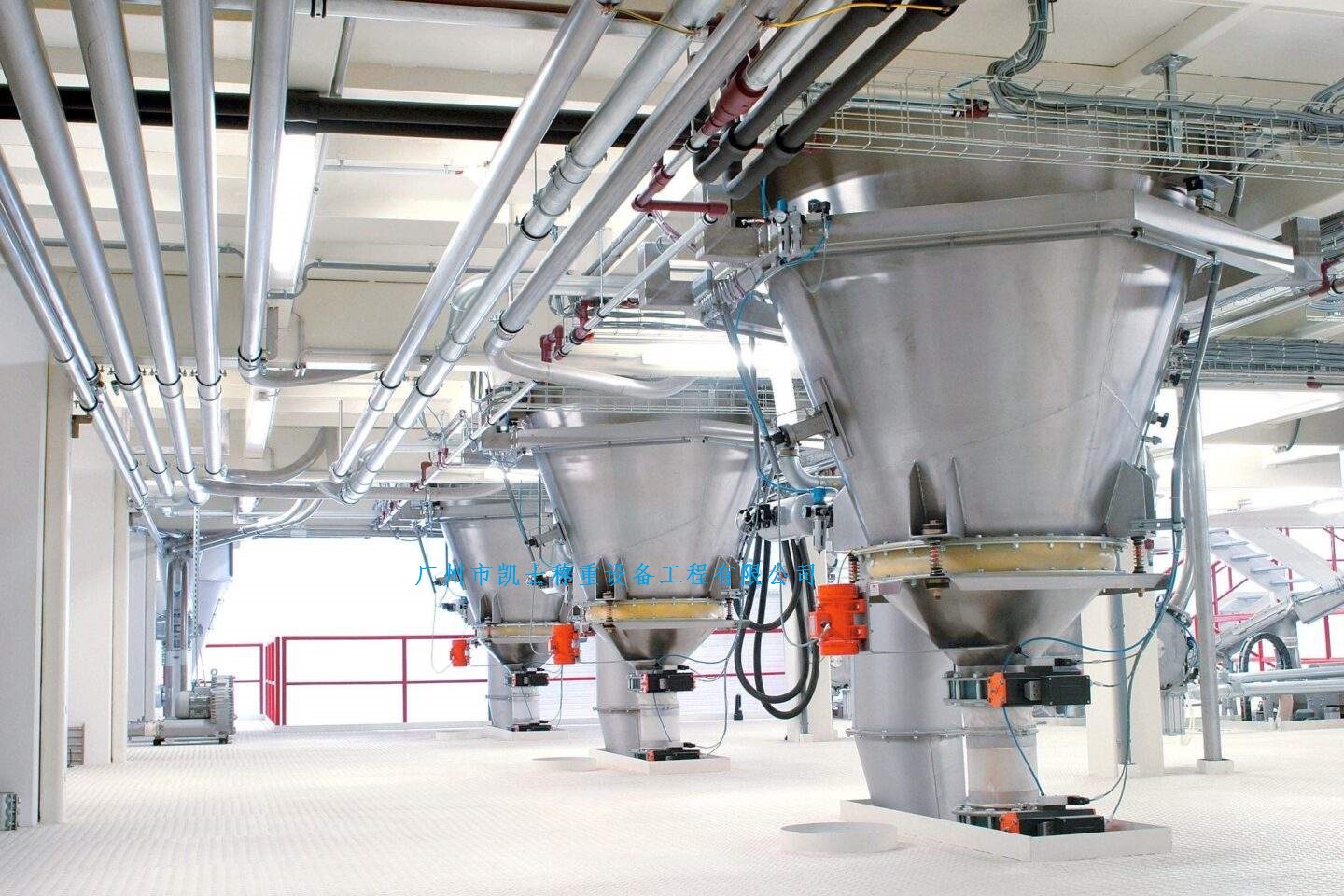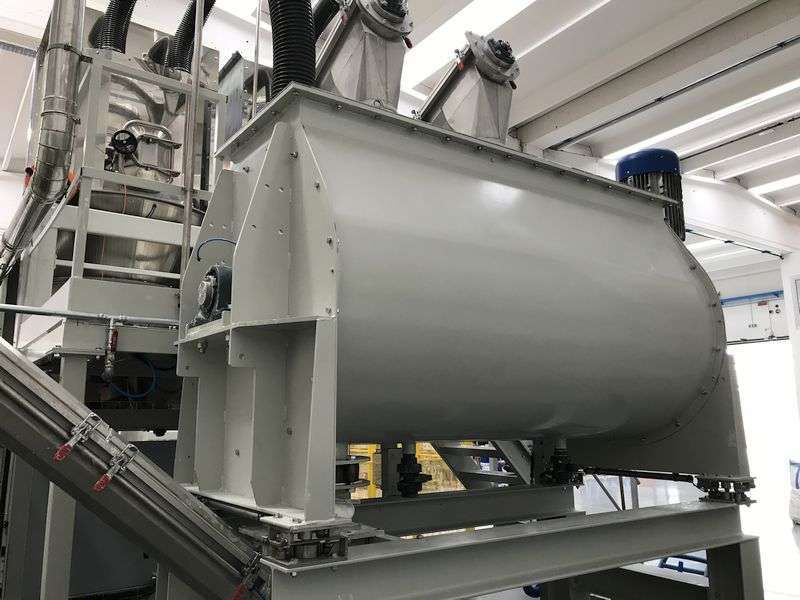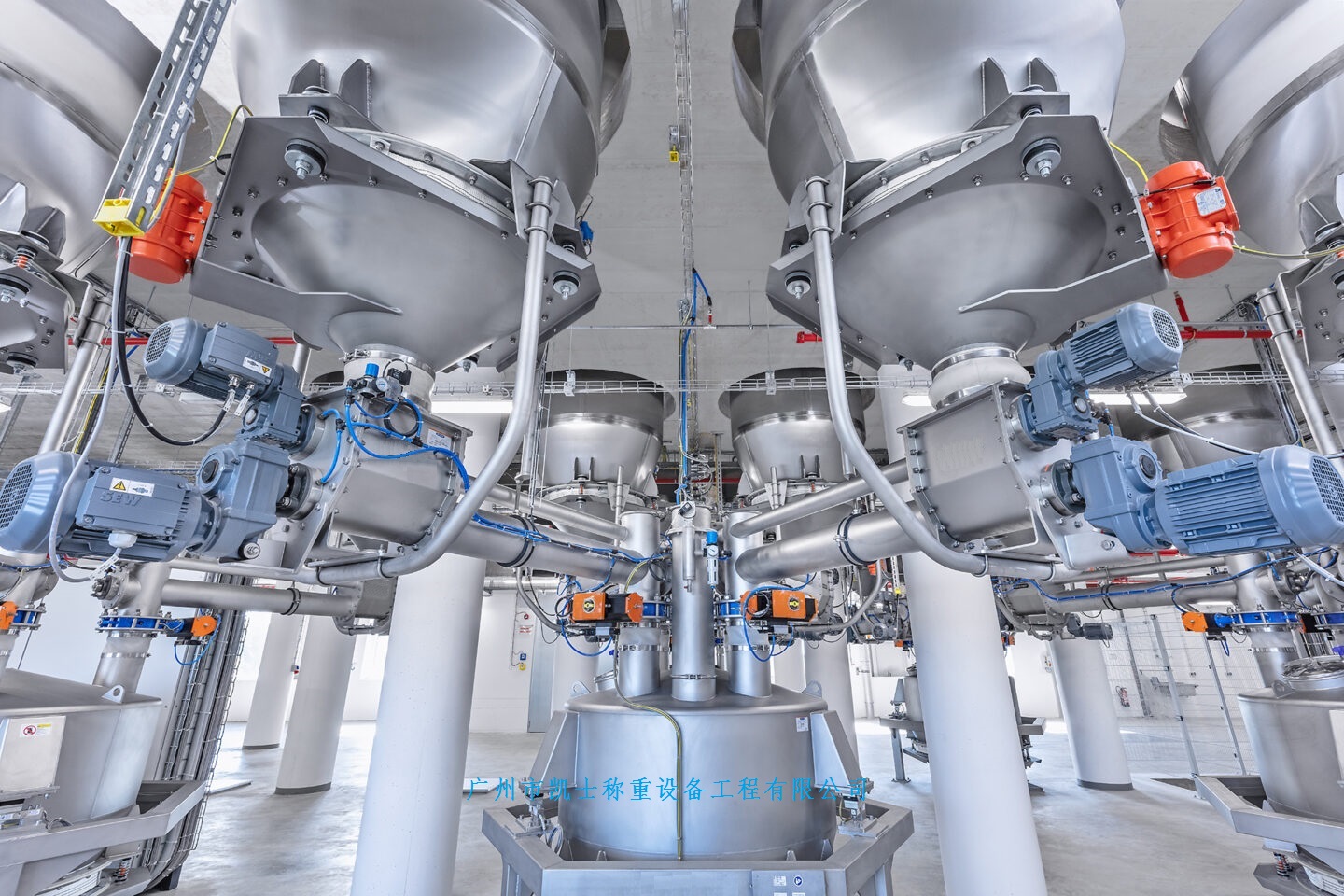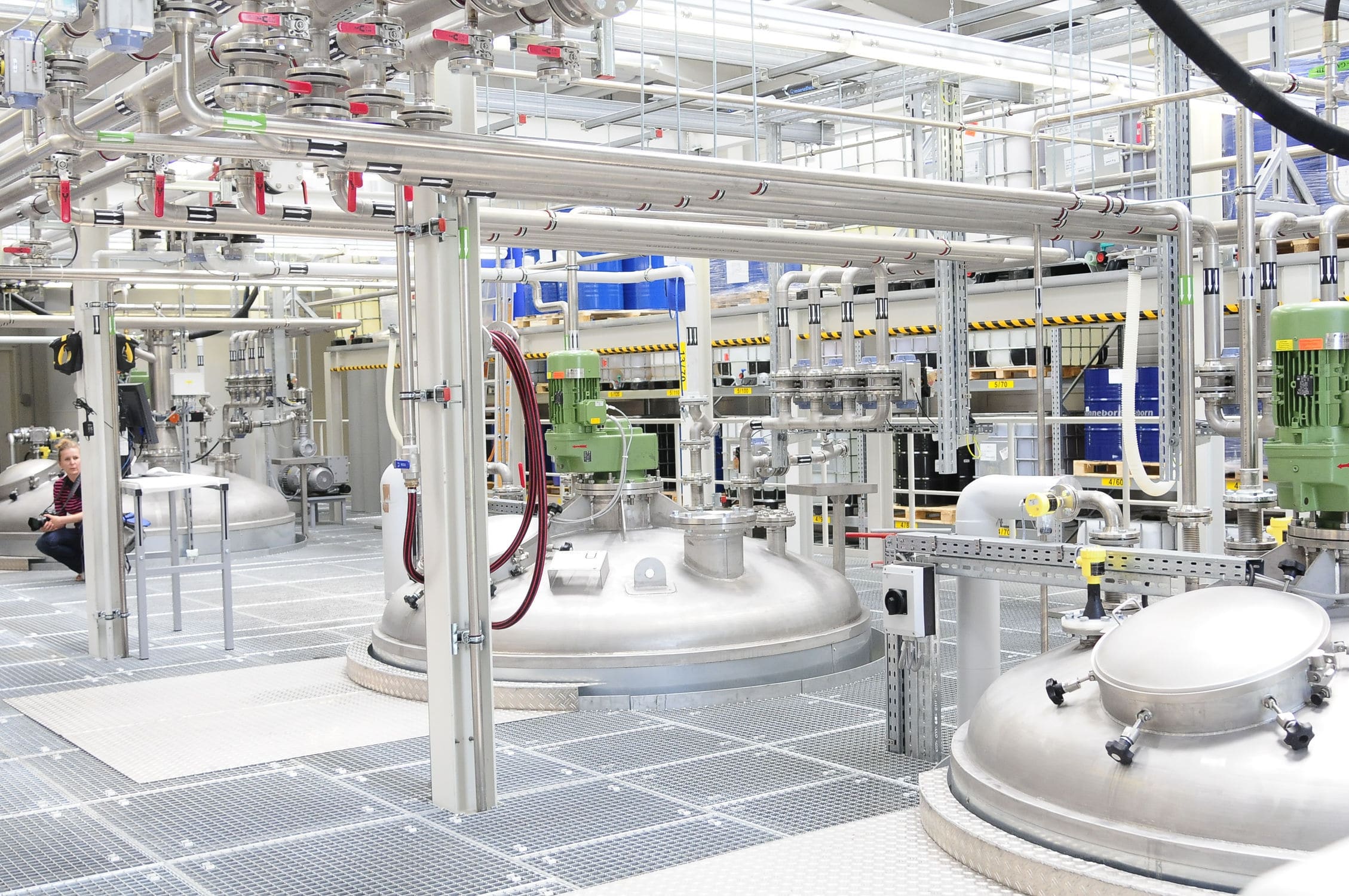


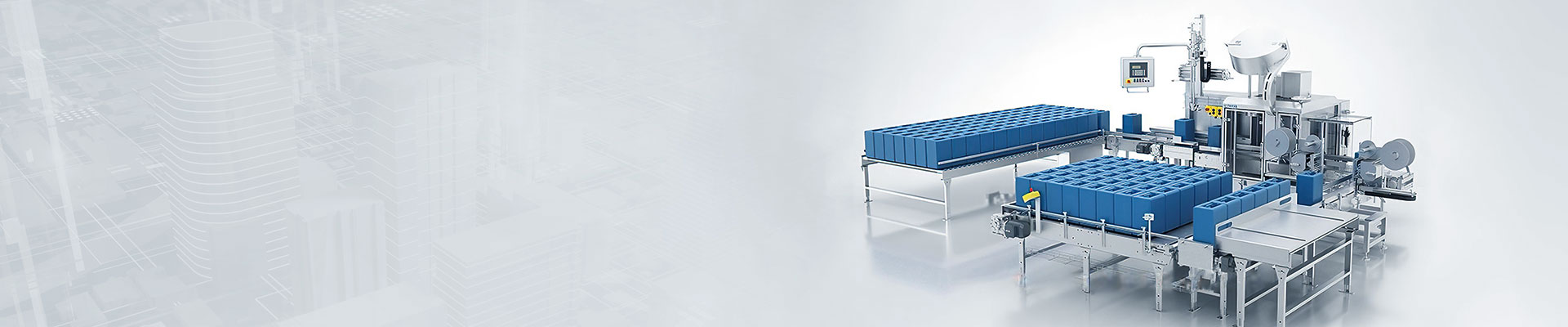


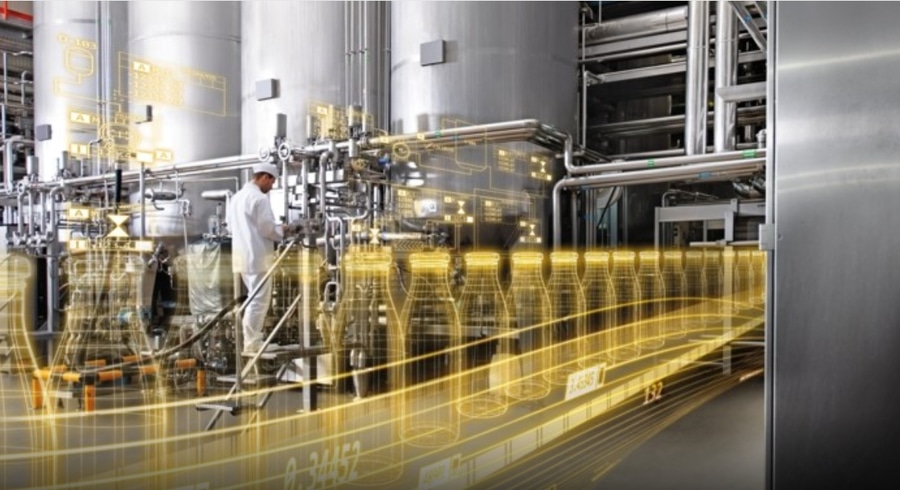
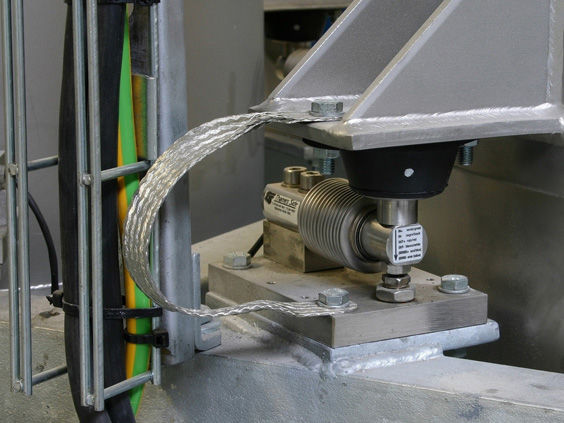
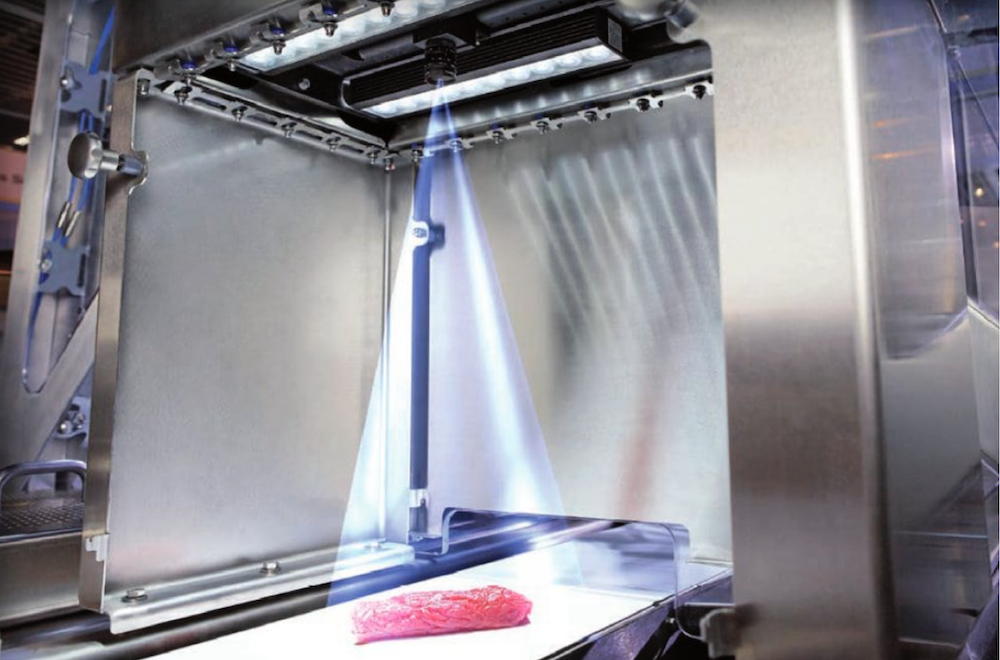
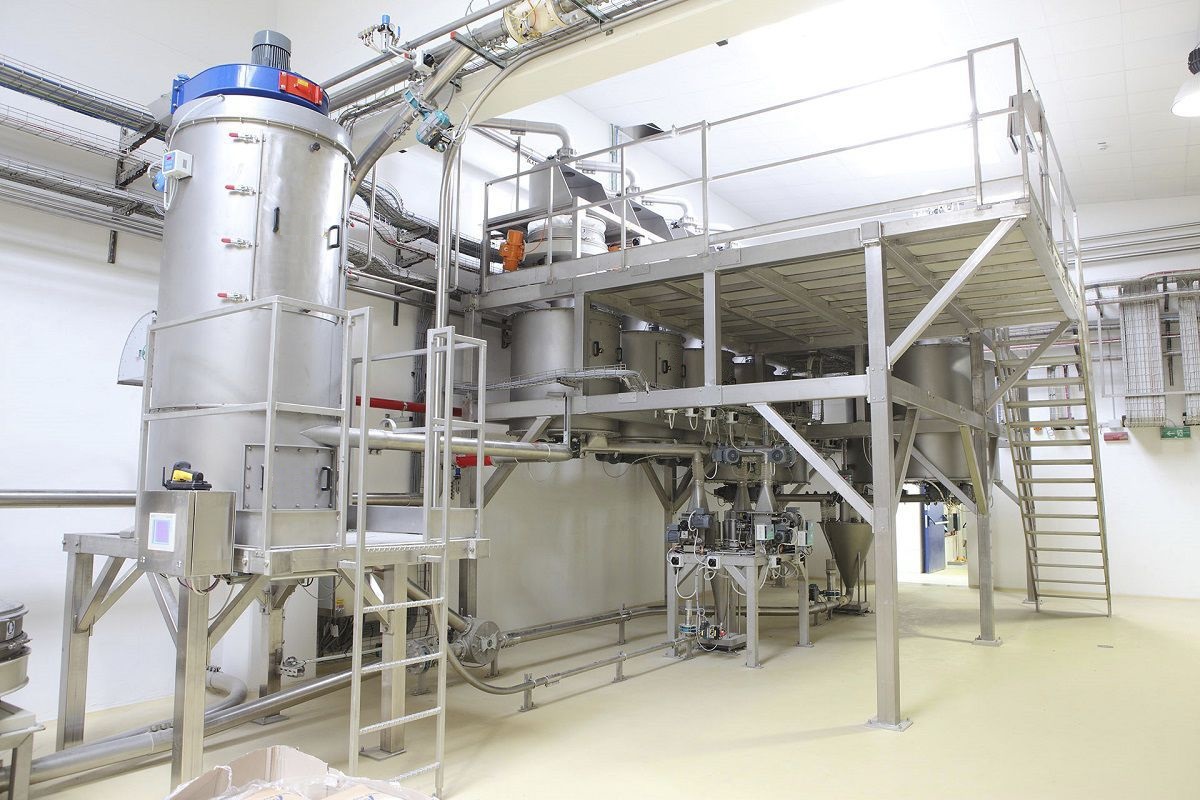
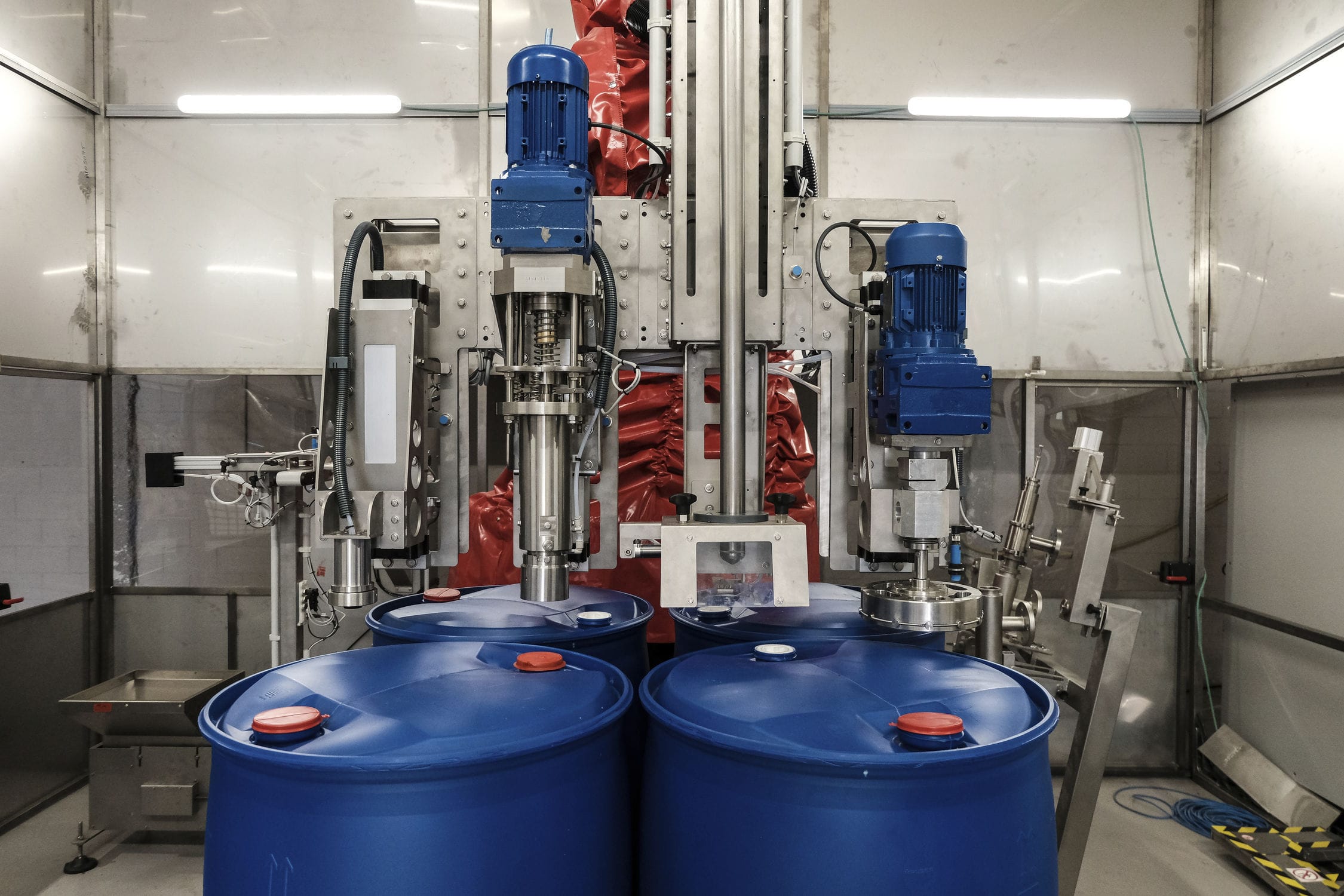


The batching is composed of industrial control computer, OP TO22RTUMUX unit, Windows98, AI MAX control software, system power supply and distribution, field detection, control and so on. After data acquisition, scale transformation, filtering processing, and PID function block operation of the given value, two adjustment values are sent out respectively, and the output is converted by D/A, one way to adjust the frequency converter speed of the feeding screw to control the feeding amount, and one way to adjust the opening of the electric regulating valve to control the flow rate, so as to achieve the purpose of accurate feeding according to the ratio.

 020-34563445
The automatic batching scale adopts a comprehensive control structure combining industrial control computer configuration software and PLC in its design. The industrial control computer is responsible for managing and remotely monitoring the batching scale, while PLC completes the action control at the equipment level and processes related signals. The batching scale is connected and communicates through Ethernet and RS-485 bus. The positioning system of the batching vehicle has been improved, using the designed positioning box to implement the position encoding scheme, which improves the positioning accuracy.
The batching scale is equipped with a computer as the human-machine interface of the entire Weighing system. It serves as the master station, completing all the automatic batching scale parameter settings, process monitoring, and data recording. Another weighing touch control instrument acts as the slave station, relying on the master station to manage the data setting and process monitoring of the subsequent batching. The master station directly communicates with the Siemens S7300 PLC system and the weighing instrument. Sealed type terminal boxes are used on-site, which are dustproof and moisture-proof, ensuring reliable signal transmission. The weighing instrument uses a dedicated industrial process touch control instrument. The weighing system communicates with the central control room through the RS-485 bus, allowing independent control or PLC online control.
The batching scale consists of the following parts:
1. User management: including adding, deleting, and modifying users. Different users have different operation permissions. Through hierarchical and zoned management of users, the safety of the batching scale can be ensured.
2. Scale management: mainly realizes the addition, deletion, and modification of the scale. For a silicone batching scale, the scale serves as a measuring tool and plays a crucial role in product quality. Moreover, as a measuring tool, due to its own characteristics, there will inevitably be delay errors. Users can set its parameters according to the differences in the physical characteristics of the scale, and the setting screen is as follows: From the top, it can be seen that parameters such as feeding delay, discharging time, emptying limit, and door closing delay can all be set. Thus, different control schemes can be implemented according to the different physical characteristics of the scale, thereby improving control accuracy.
3. Silica gel storage management: The silica gel storage is the temporary storage location for various raw materials before batching. The control of silica gel storage addition has a significant impact on control accuracy. The silica gel batching has very powerful management functions for silica gel storage. During the feeding process, it can quickly add silica gel, and when it reaches the set range, the discharging speed can be reduced, and also provides drop control. If the above control does not reach the control accuracy, point control can be used for precise batching.
4. Parameter management: Parameter management completes other auxiliary management functions. Including site, customer information, construction area, delivery vehicle number, basic parameter settings, input switch monitoring, output switch monitoring, calibration of the scale, etc.
5. Formula management: Silicone manufacturers can adjust the formula as needed at any time, including adding, deleting, and modifying the formula. The batching scale provides a formula management tool without quantity limits.
6. Production plan list: The production plan list is to produce a specific product with a designated formula according to the production plan. It can specify the formula, customer, loading vehicle number, production number, mixing tank number, etc.
7. Real-time production process monitoring: Through dynamic graphics, real-time monitor the production scene. The production process can be controlled automatically or manually by the computer, and the production dynamics can be promptly understood.
Silicone batching can automatically manage the production process of silicone mixing, while significantly improving control accuracy and ensuring product quality. 8. Proportional Regulation: Closed-loop control of the material is achieved by measuring the material conveyed by the disc Feeder. The computer integrator receives the signals from the weighing module and the speed sensor, processes them, and converts them into cumulative values and instantaneous flow rates. The cumulative and instantaneous flow rate signals are transmitted via the RS-485 port to the industrial control machine (upper computer) and also sent as 4-20mA analog current signals to the AI regulator. The AI regulator compares and operates the signal with the internal set value, and outputs a 4-20mA analog signal to the frequency converter. The frequency converter then adjusts the rotational speed of the disc feeder. When the flow rate increases, the rotational speed of the disc feeder is reduced; conversely, it is increased. Thus, the flow rate and cumulative quantity of the material remain within the set range, resulting in reliable product quality.
9. Centralized Monitoring: The control management industrial control machine acts as the upper computer and communicates bidirectionally with the computer integrator and the AI regulator via the RS485 bus interface. It also communicates bidirectionally with the PLC in the power control cabinet via the RS232 interface and monitors the entire production process, forming a complete automatic batching scale. According to the needs of the production process, users can set parameters on the industrial control machine, start and stop equipment, and manage and control the entire batching scale, print reports. At the same time, the industrial control machine also has a RS485 bidirectional communication interface for communication with other industrial control machines.
10. Decentralized Control: According to the requirements of the production process, parameters can be directly input to the computer integrator and the AI regulator, and the system can work automatically by pressing the buttons on the power control cabinet panel; or it can be operated manually (on-site or remote operation) to make the system work.
11. High Reliability: Distributed control enables the system to perform the following tasks: manual operation; local operation; automatic operation supported by the intelligent weighing instrument after disconnection from the industrial control machine; automatic operation controlled by the upper computer and the upper computer sending set formula parameters to the lower computer through the serial port to achieve automatic operation. The weighing terminal thus greatly improves the reliability of the system.
12. Production Efficiency: Based on the characteristics and process requirements of the production process, through the automatic batching scale and automatic measurement equipment, each material can operate at a higher accuracy (single machine accuracy can reach 0.5%). This ensures the accuracy of the mixed materials (system accuracy can reach 1.0%), thereby ensuring product quality and increasing production efficiency.
13. Processing Capacity: According to the needs of the production process, modify corresponding parameters in the industrial control machine to meet the needs of different industries, greatly improving the adaptability of the system to the production process.