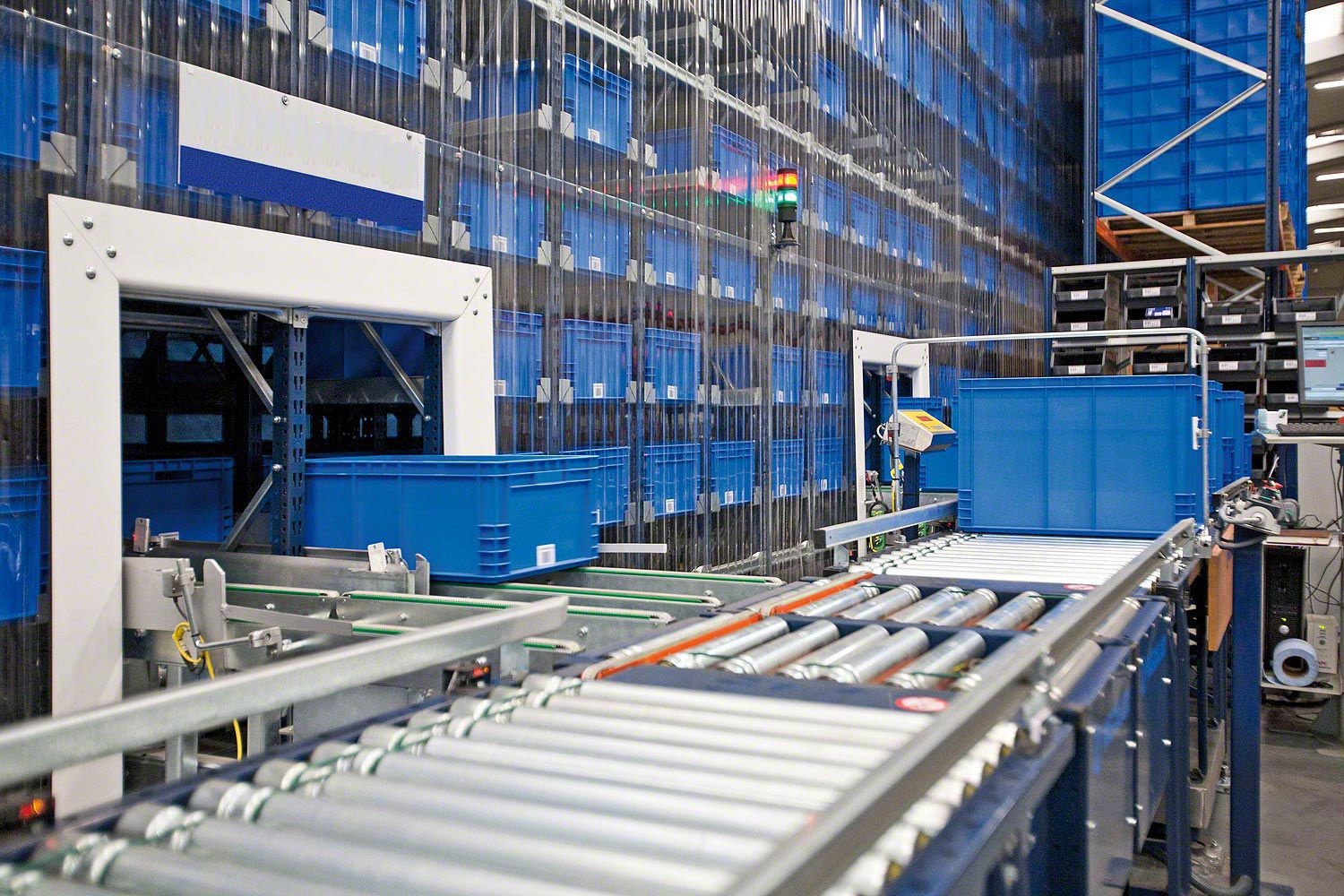


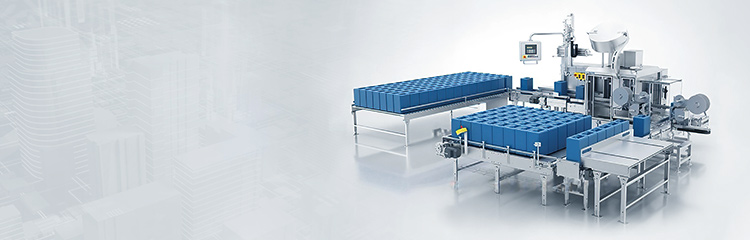



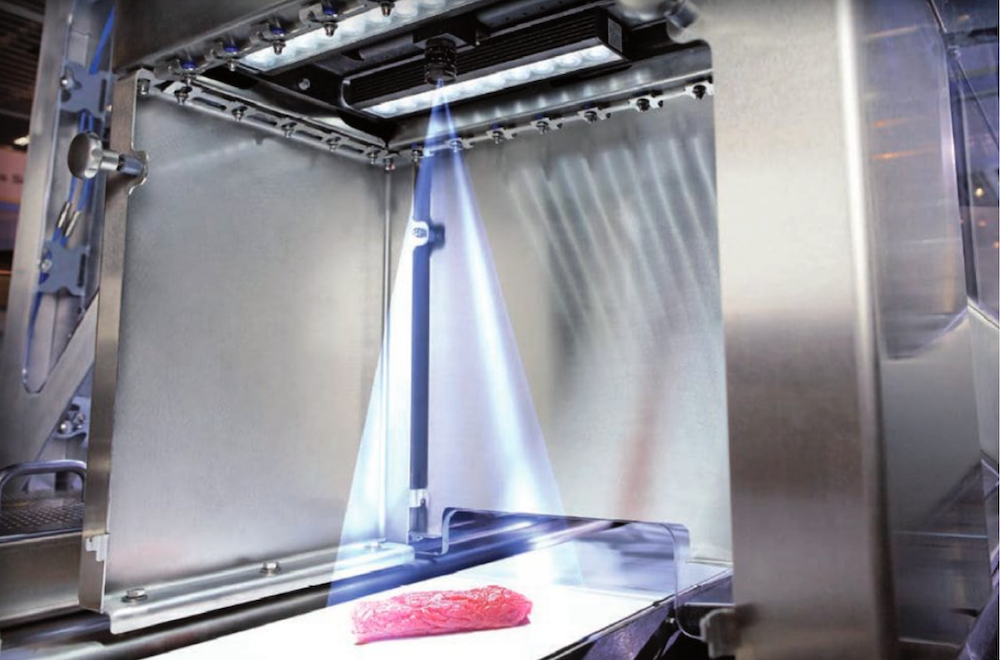
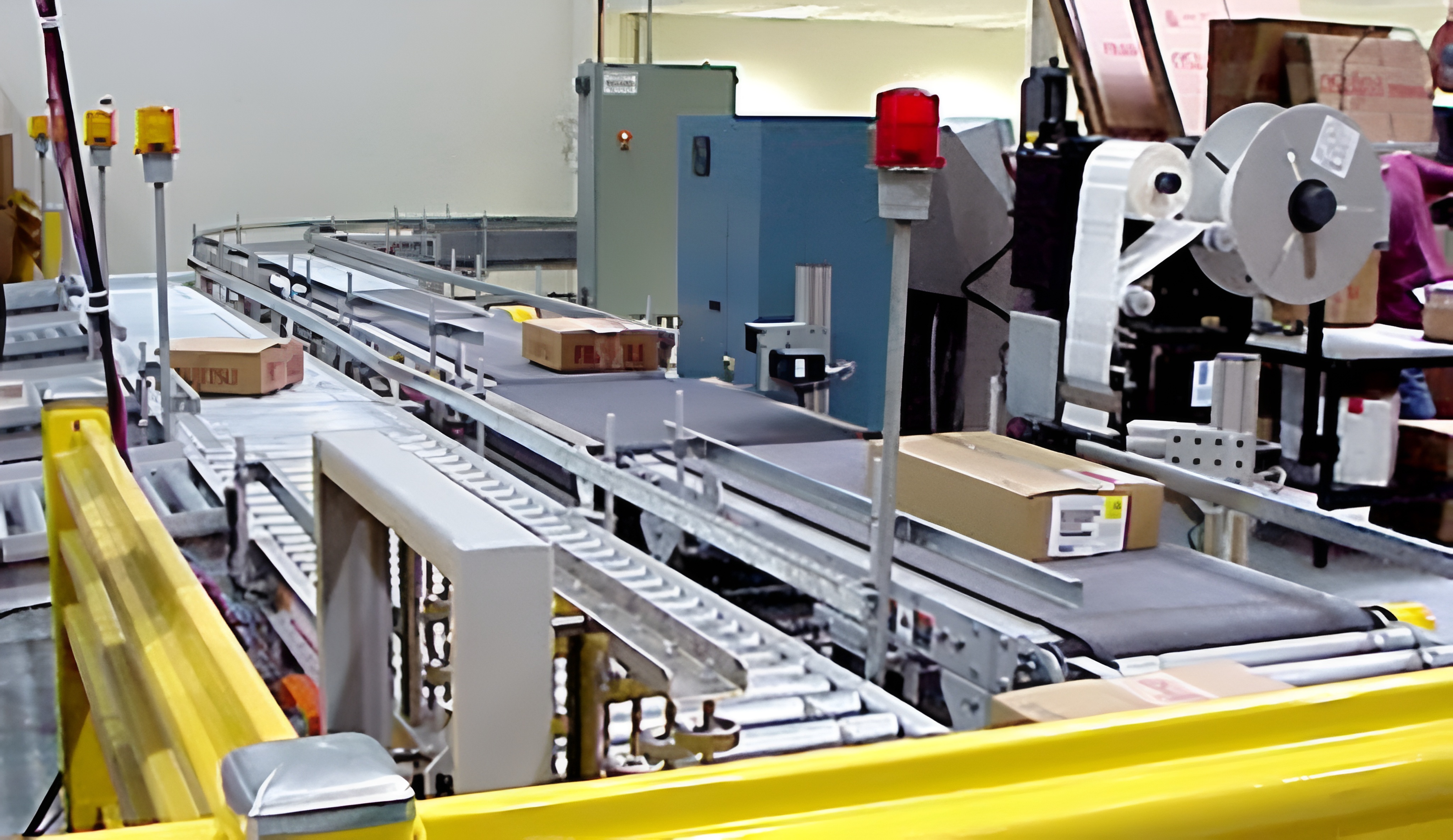


The main role of the automatic checkweigher is to make the goods to be sorted through the control device, the measurement of the checkweigher, and automatic checkweigher on both sides of the machine, generally connected to a number of sorting roadway, so that the classification of goods sliding down the main conveyor (or the main conveyor belt) in order to carry out the subsequent operations.


 020-34563445
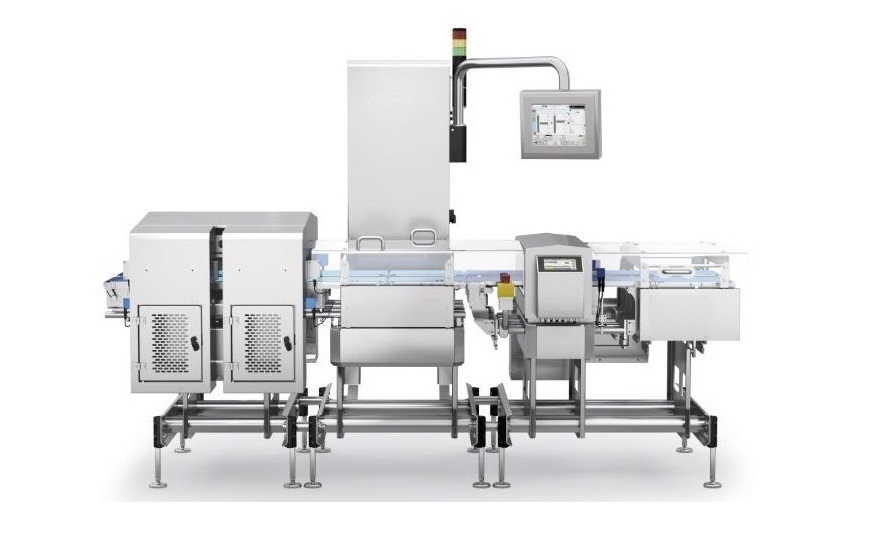
The weighing scale completes the measurement of product weight during the transportation process, compares the measured weight with the pre-set range, and sends instructions from the controller to reject products with unqualified weight or distribute products with different weight ranges to designated areas. The online sorting scale is composed of a weighing conveyor, a controller, and an inlet and outlet conveyor. The weighing conveyor completes the collection of weight signals and sends them to the controller for processing. The feeding conveyor mainly ensures sufficient spacing between products by increasing the speed. The discharge conveyor is used to transport the tested products away from the weighing area.
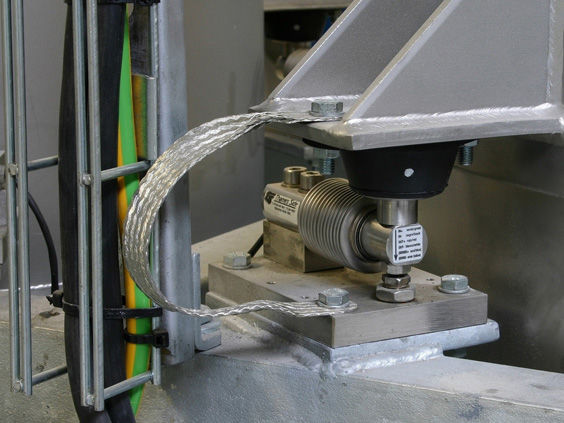
The weighing and Sorting machine adopts a lower chassis and a weighing platform. The top two ends of the lower chassis are fixedly connected with positioning screws, and are firmly connected to the weighing platform through the positioning screws. A weighing module is set at the distance between the lower chassis and the weighing platform. The inner bottom of the weighing platform scale is fixedly connected with a deceleration motor, and the output shaft end of the deceleration motor is fixedly connected with a main synchronous wheel. The external sleeve of the transmission shaft is connected with a PU conveyor belt, and one end of the transmission shaft is fixedly connected with a secondary synchronous wheel. The transmission shaft is connected with the deceleration motor through the secondary synchronous wheel and the main synchronous wheel. The positioning screws are distributed at the front and rear ends of the lower chassis, and are evenly distributed in a rectangular shape with the weighing module as the axis point. The adjustment support rod and photoelectric sensor are located at the rear end of the lower chassis, and the bottom of the electrical control box is connected to the lower chassis using a clamping structure. The two sides of the lower chassis are fixedly connected with adjustment support rods, and the top of the adjustment support rods is fixedly connected with photoelectric sensors. The left side of the lower chassis is fixedly connected with an electric control box, which is electrically connected to the weighing module, deceleration motor, and photoelectric sensors. The top of the electric control box is electrically connected with an audible and visual alarm. The interior of the electric control box is equipped with a main controller, and the signal input terminal of the main controller is electrically connected to the signal output terminals of the weighing module and photoelectric sensor through an A/D converter. The upper end of the electrical control box is embedded with a weighing instrument, and the input end of the weighing instrument is electrically connected to the output end of the main controller. The input end of the photoelectric sensor is electrically connected to the output end of the main controller.
The Weighing system prepares the product to enter the feeding conveyor, and the speed setting of the feeding conveyor is generally determined based on the distance between the products and the required speed. The purpose is to ensure that only one product is on the weighing platform during the weighing process. During the weighing process, when the product enters the weighing conveyor, the weighing system identifies the product to be tested as entering the weighing area based on external signals such as photoelectric switch signals or internal level signals. Based on the operating speed and length of the weighing conveyor, or based on the level signal, the system can determine the time when the product leaves the weighing conveyor. From the moment the product enters the weighing platform to the moment it leaves, the weighing module will detect the weight signal. The weighing instrument will select the signal from the stable agricultural area for processing, in order to obtain the weight of the product. After the controller receives the weight signal of the product, the system will compare it with the pre-set weight range to sort the product. The sorting type will vary depending on the application.