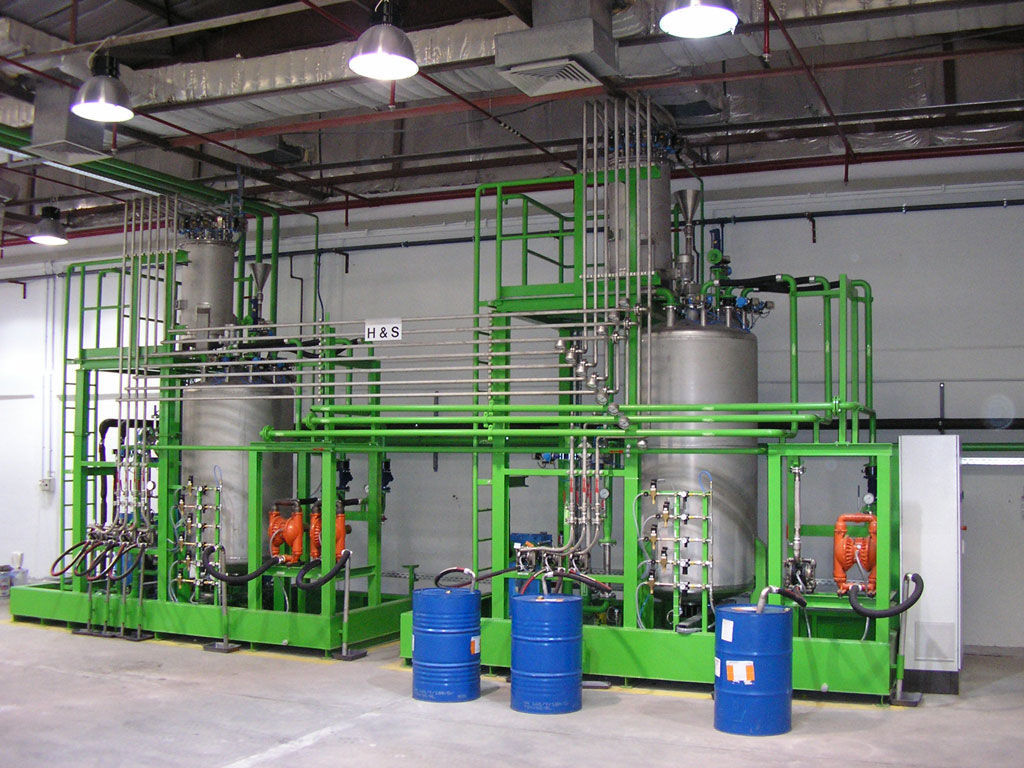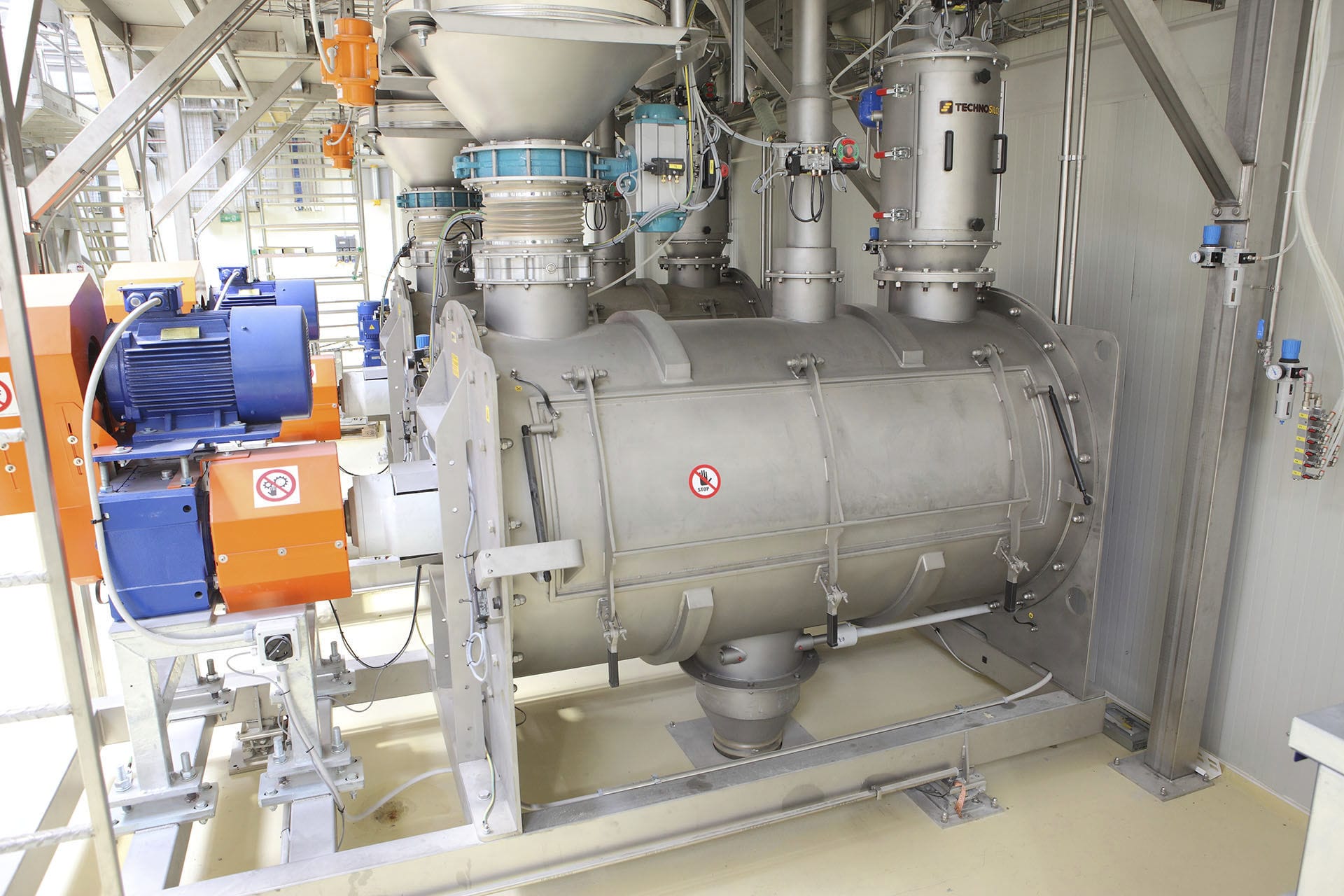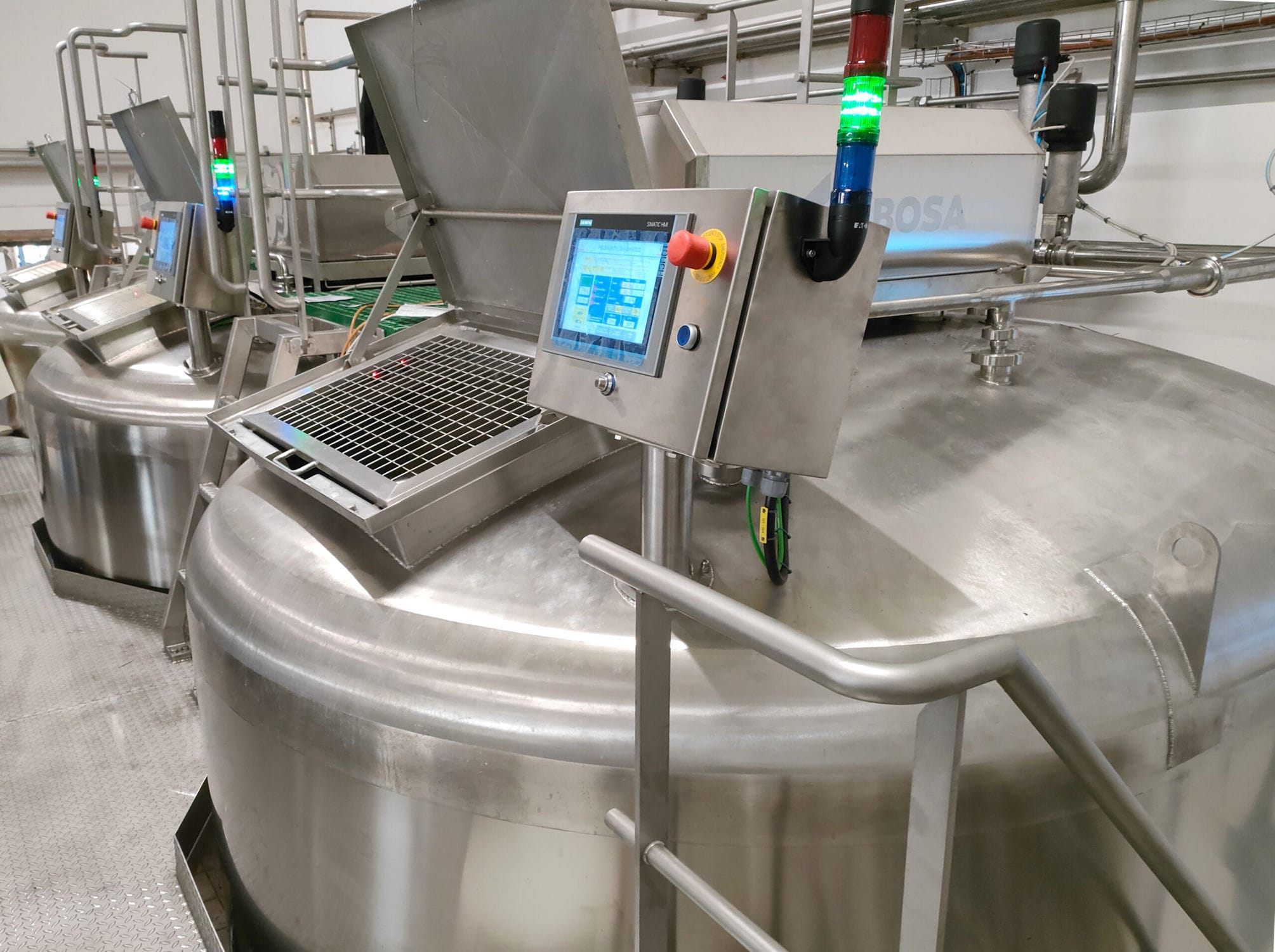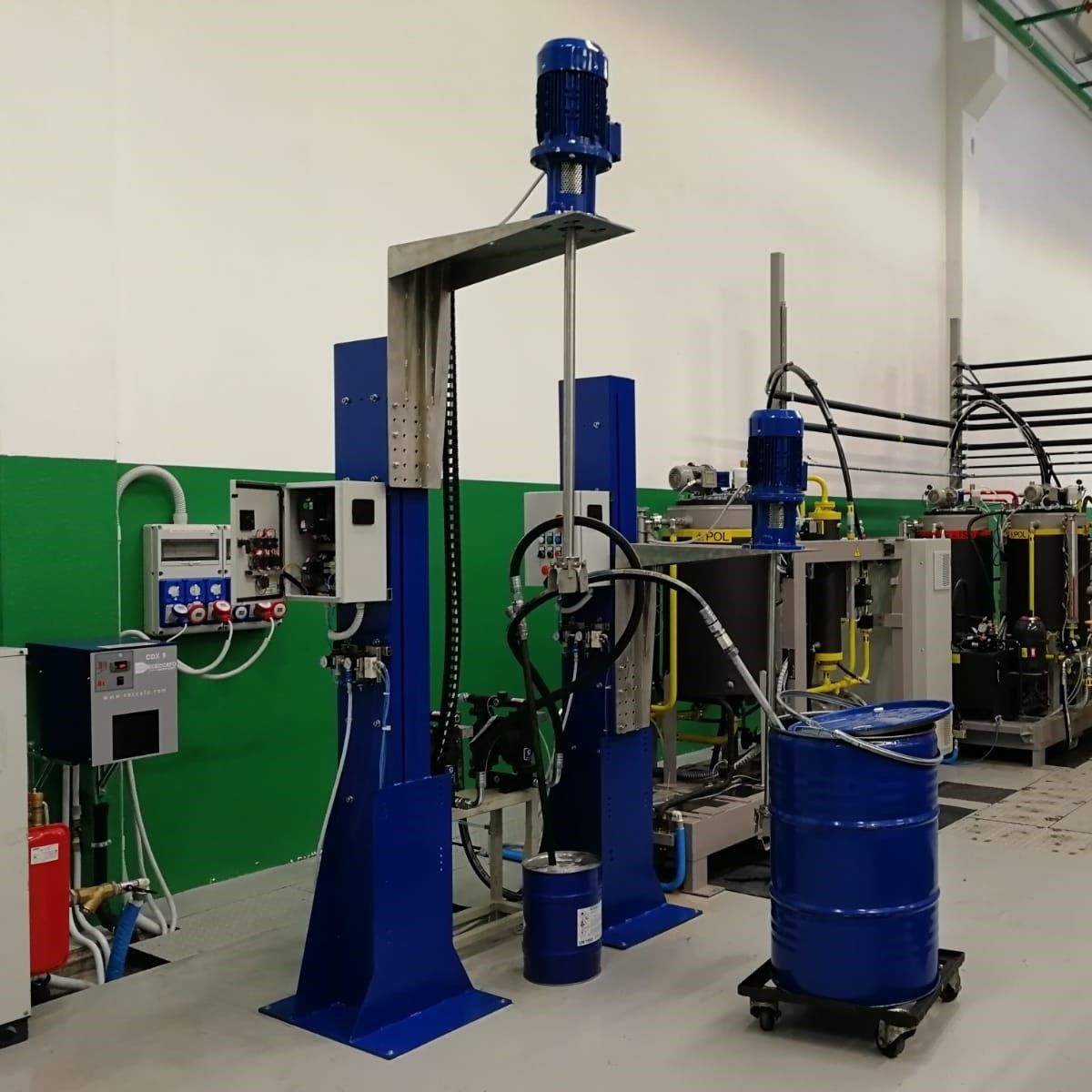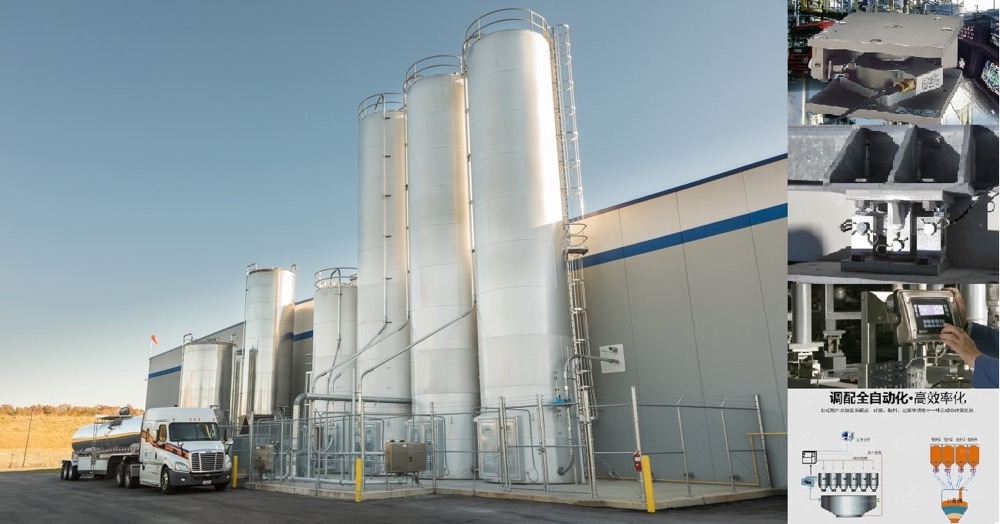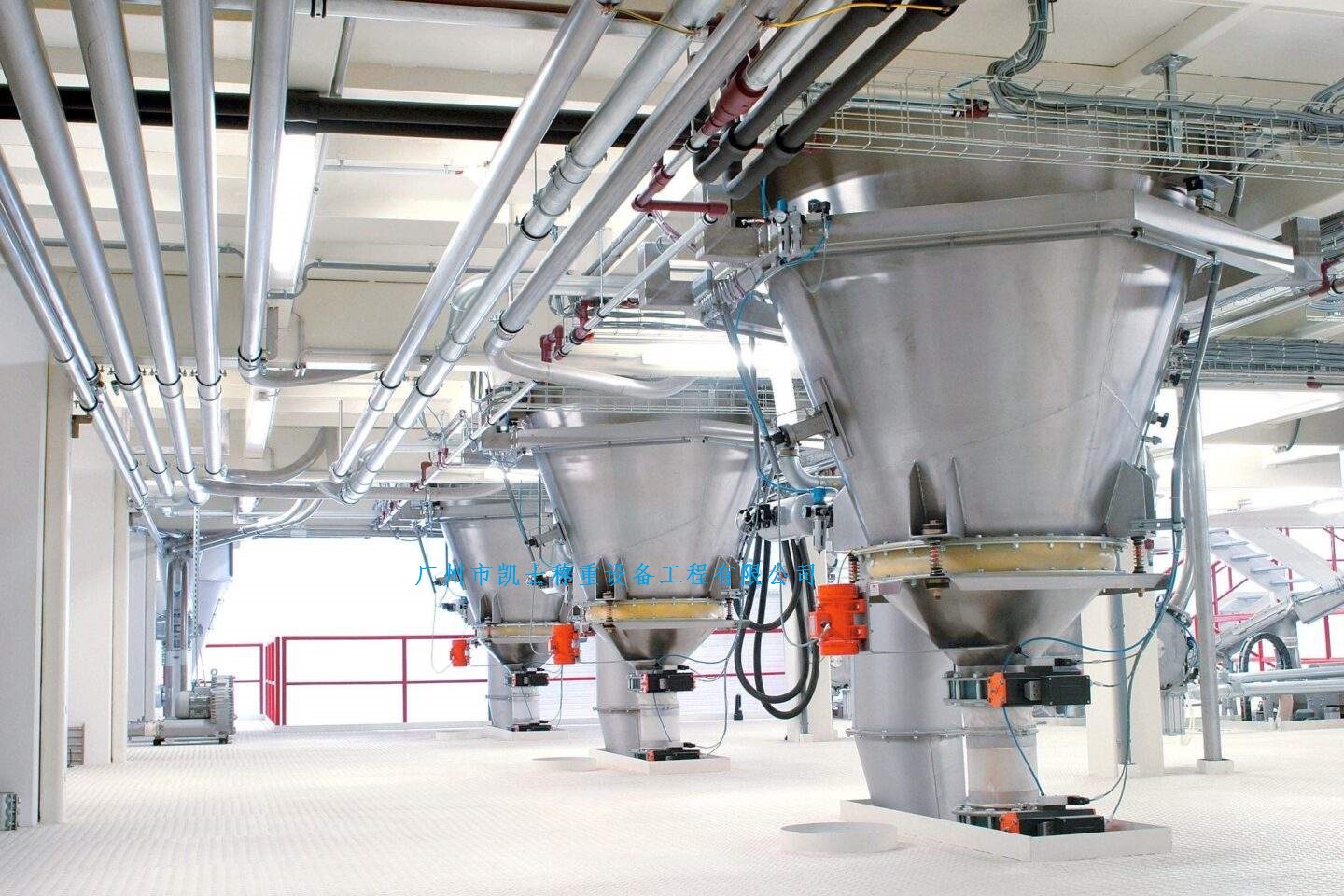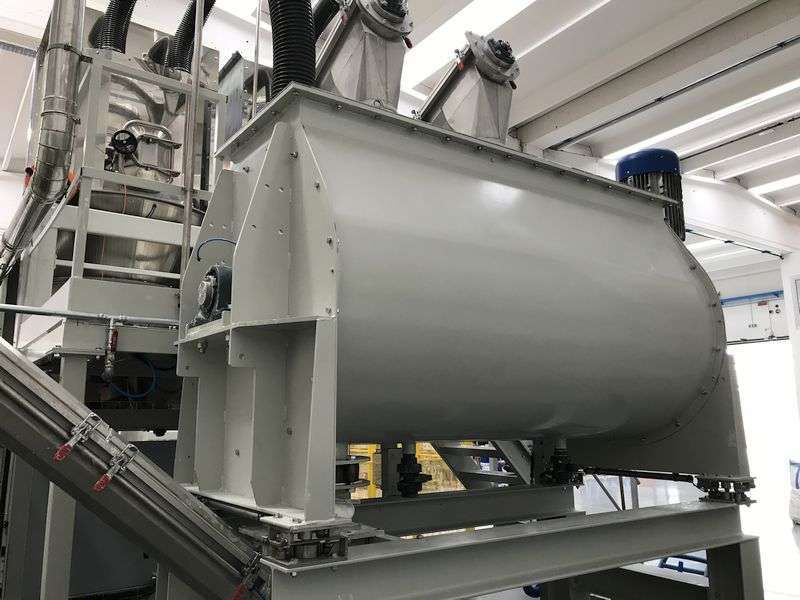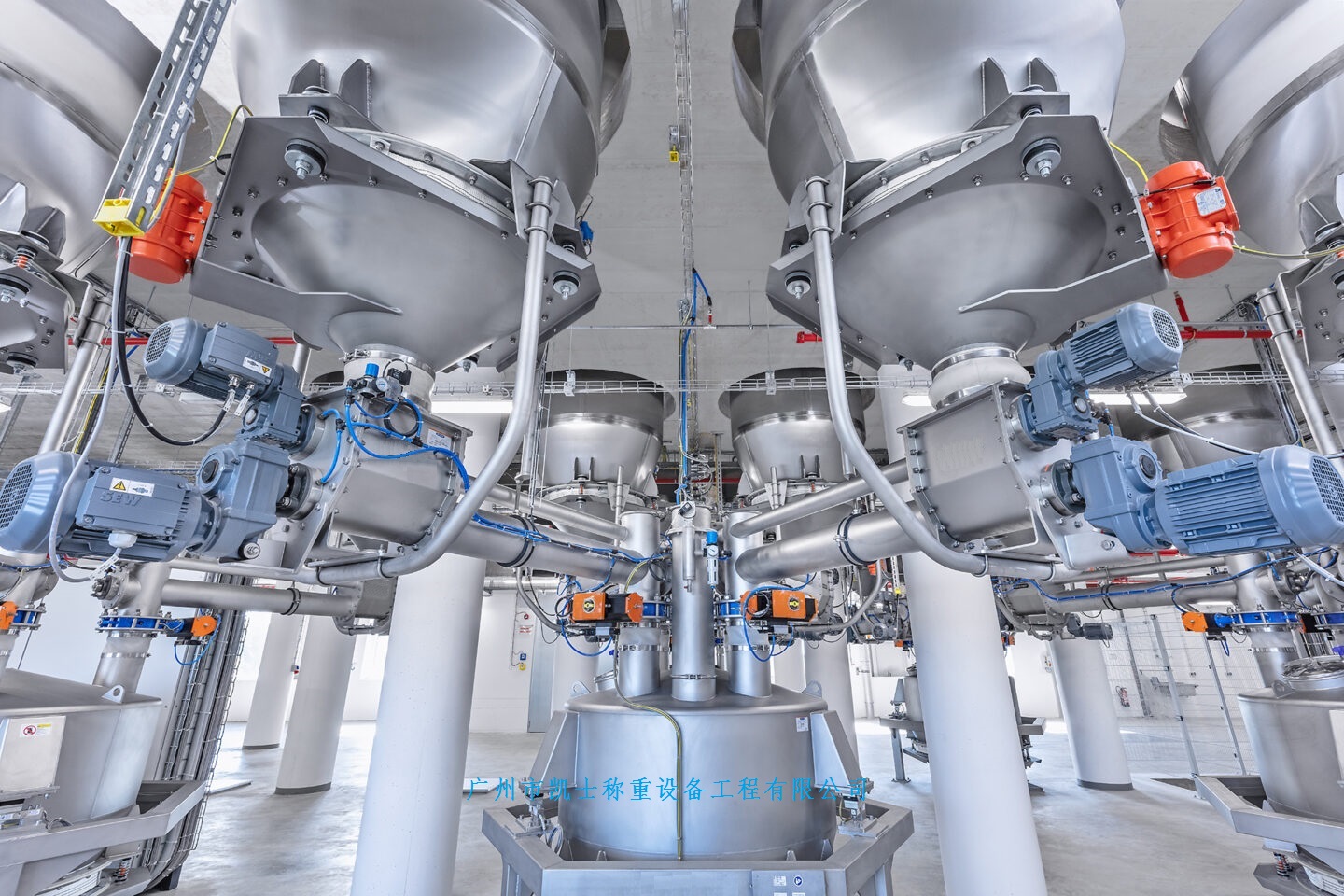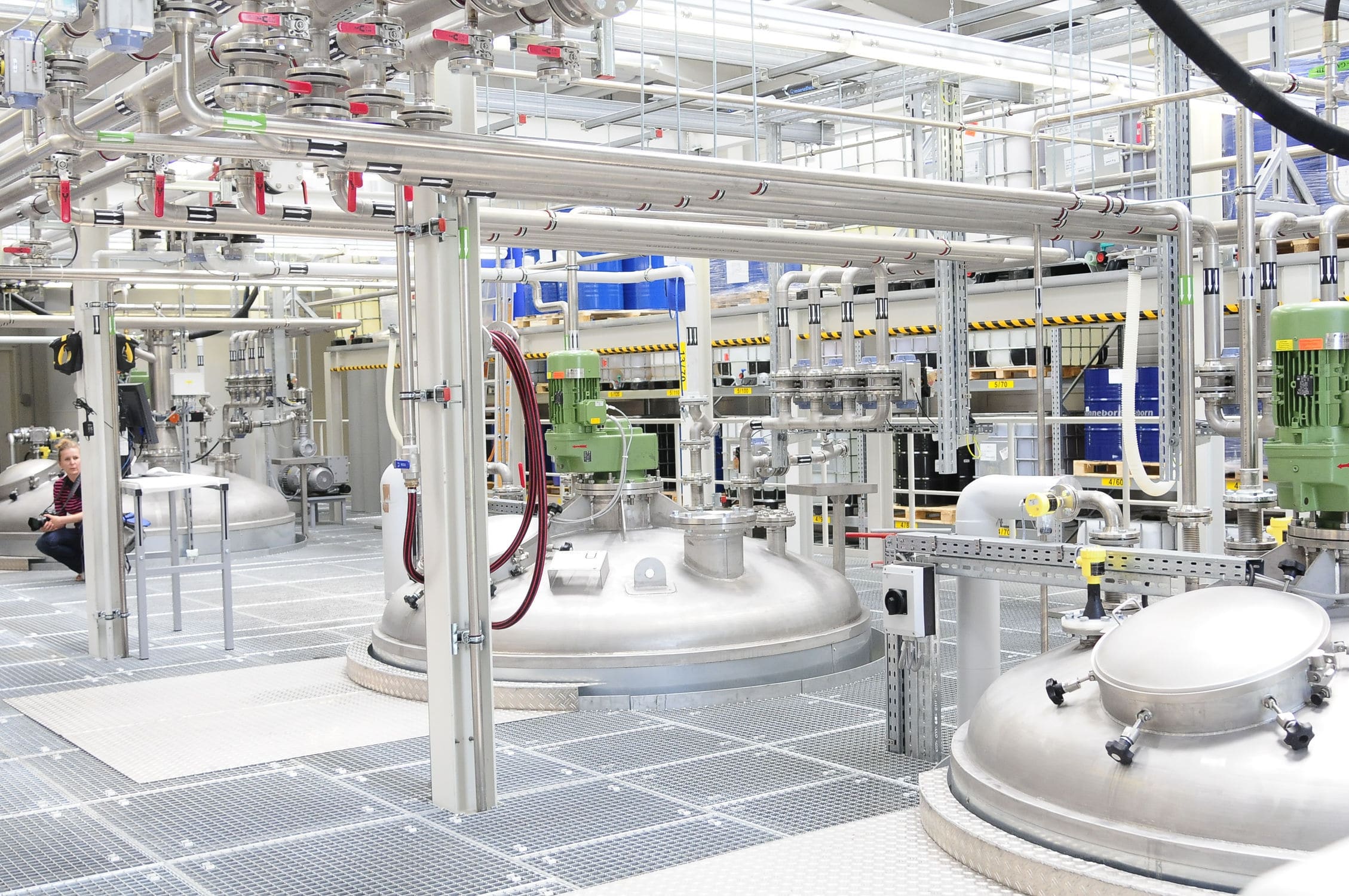


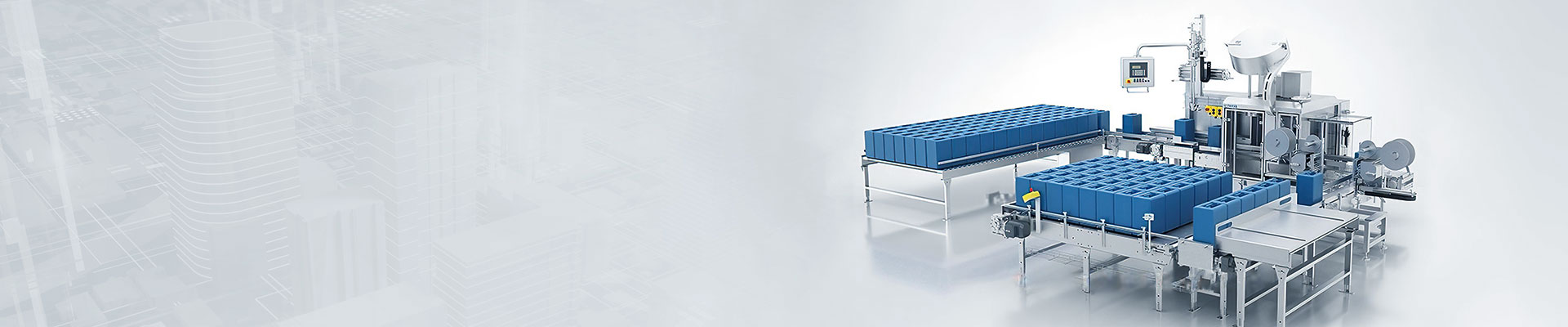


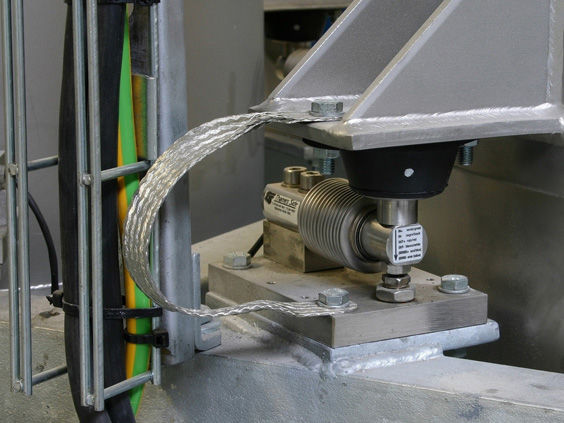
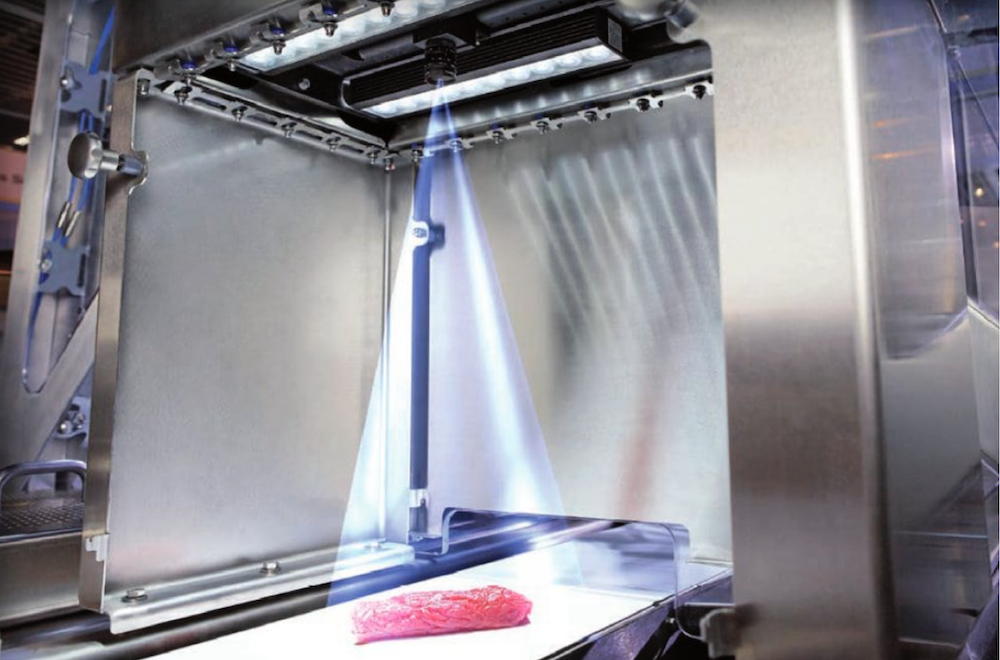
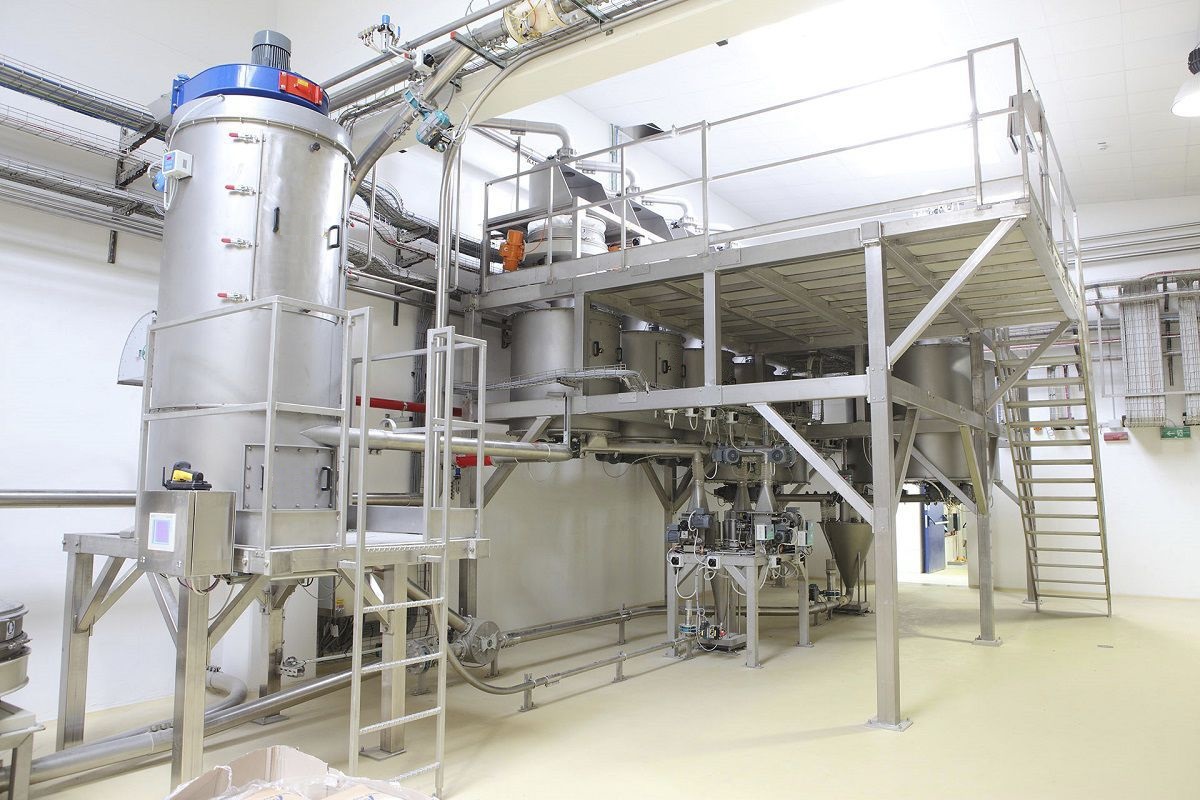
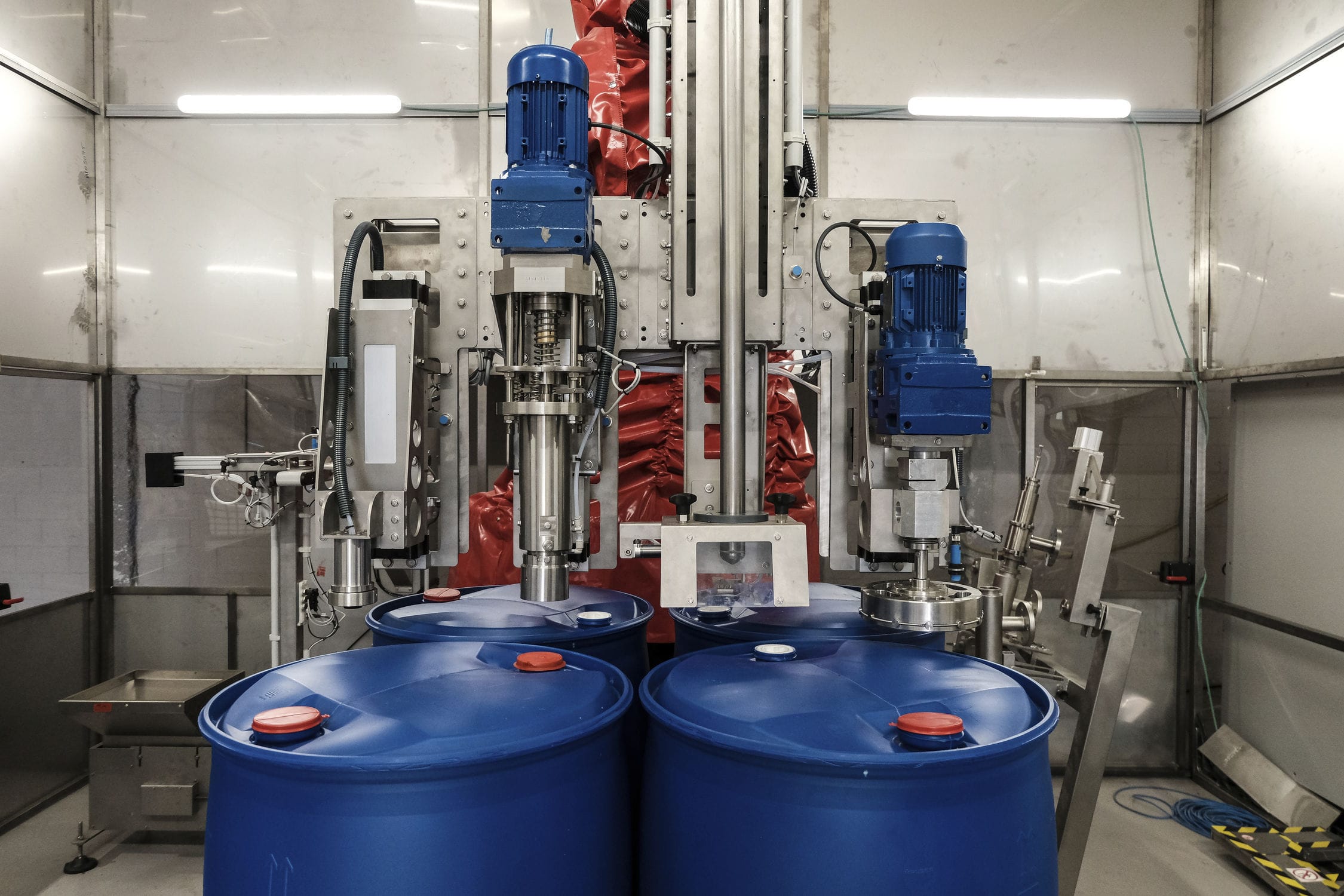
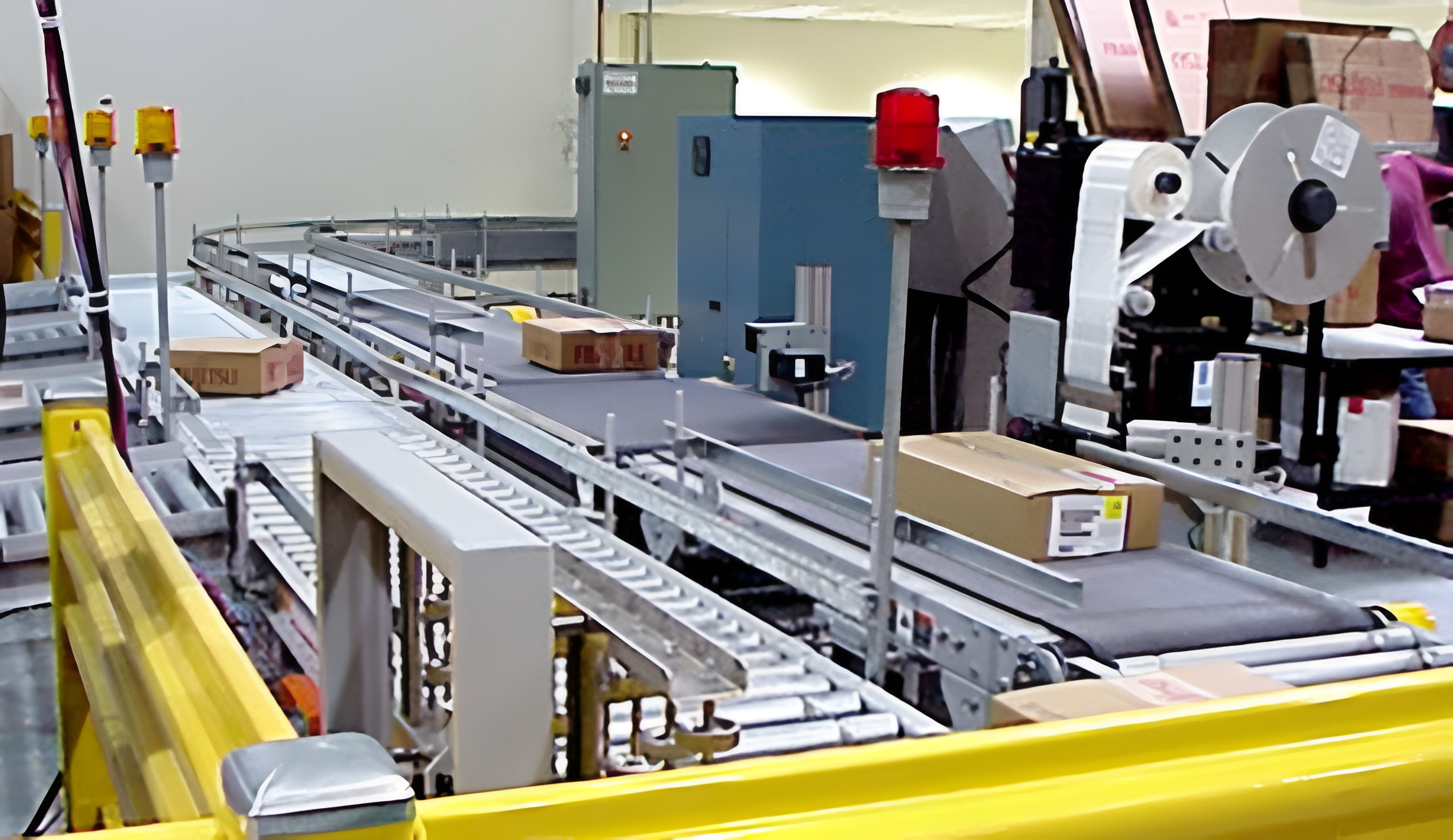
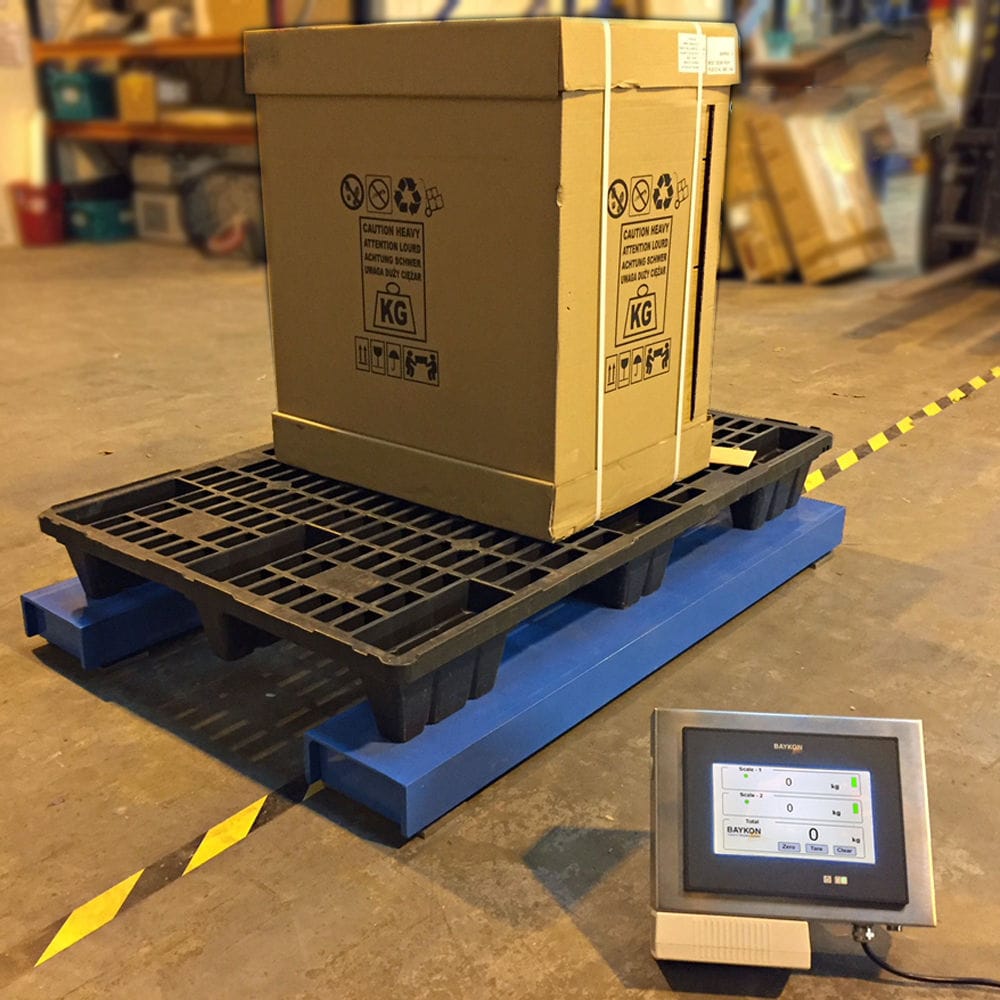


The Pulse batching system consists of hardware and software. The hardware part mainly consists of a mixing tank, a mixing tank cover, a stirrer, a load-bearing weighing module, a weighing instrument, a transmission device, a shaft seal device and the like, and a programmable controller, an upper industrial control computer weighing system and the like; The software part mainly includes the control algorithm of programmable controller and the monitoring program of upper industrial computer.


 020-34563445
The pulse Batching system mainly utilizes the energy of the airflow to transport liquid and powder materials along the direction of the airflow in a closed pipeline. It is a specific application of fluidization technology. The pneumatic conveying device has a simple structure and is easy to operate. It can be used for horizontal, vertical or inclined conveying. During the conveying process, it can also simultaneously carry out physical operations such as heating, cooling, drying and air flow classification of materials, or certain chemical operations. Compared with mechanical conveying, pneumatic conveying systems consume more energy, the particles are prone to damage, and the equipment is more susceptible to abrasion. Materials with high water content, adhesiveness or those prone to static electricity during high-speed movement are not suitable for pneumatic conveying. The main features of pneumatic conveying are large conveying capacity, long conveying distance and relatively high conveying speed. It can load materials at one place and unload them at multiple places. The batching system can solve various problems in metering and mixing.
To ensure the accuracy of batching, the feeding system is required to adopt the method of frequency converter/screw feeding. This way, the function of directly driving the frequency converter with the analog quantity in the multi-material batching weighing instrument can be utilized precisely, thereby enhancing the accuracy of batching. At the same time, in order to save costs, the two screw conveyors share one frequency converter. The PLC commands the intermediate relay to select different contactors to drive different motors. First, the formula is input on the weighing instrument to start the batching. When the PLC detects that the scale is in the zero range, it starts the rapid batching of the first material. The frequency converter runs at high speed. After reaching the rapid batching quantity, The frequency converter operates at a low speed. Once the slow mixing quantity is reached, the frequency converter stops running. The instrument then conducts an over-tolerance detection. After the detection is completed, it delays and starts to mix the second type of material. Once the second type of material is mixed, if there is an over-tolerance, an over-tolerance alarm is output. Then, the instrument outputs an unloading signal and waits for unloading. If a malfunction occurs during the batching process, the instrument batching can be stopped at any time.
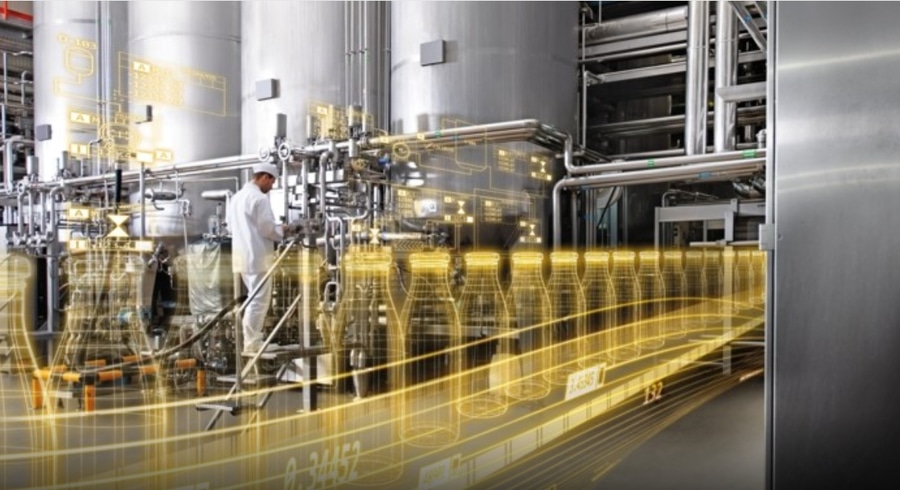
The automatic batching system adopts an HMI+PLC system, integrating multiple sensors and actuators into a powerful weighing and batching control system, which can be applied to various chemical operation units that require precise control and quantitative dosing. The control mode of the automatic control system is PLC+HMI fully automatic control. The signal collected by the weighing sensor is transmitted to the PLC by the weighing transmitter. After the PLC program calculation, the batching is automatically controlled and the relevant parameters are displayed on the HMI interface.
The batching equipment is centrally installed on a steel base. The entire set of equipment includes a Weighing system, an insulation system, a dosing system and an automatic control system. The weighing system consists of Weighing modules, weighing brackets, level regulators and accessories. The insulation system consists of storage tanks, agitators, liquid level gauges, solenoid valves and pipelines, etc. The dosing system consists of a dosing pump, safety valve, back pressure valve, pulse damper, pressure gauge, ball valve, pipeline mixer, pipelines and accessories. The pneumatic ball valve is used for batching. After weighing is completed, the material is discharged by controlling the pneumatic ball valve. The control unit is equipped with a PLC to meet the control requirements. The ingredient storage tank is equipped with high and low liquid level switches, which respectively detect and control the high and low liquid levels of the storage tank. When the high liquid level is reached, the liquid inlet electric ball valve 1 closes the liquid inlet action. When the low liquid level is reached, a warning is issued and the heating stops. The lower storage tank uses a low-level switch and a weighing module to automatically control the liquid level. When the metering module detects the lower limit of the set value, it automatically opens the electric ball valve 2 in the middle to discharge the preheated medium from the upper tank to the lower tank. When the weighing module detects the upper limit of the set value, close the electric ball valve 2. In addition, a low-level float switch is installed in the lower bucket. When the liquid in the lower bucket is completely conveyed to the low level, the system will turn off the heating, stop the metering pump and issue an alarm.