




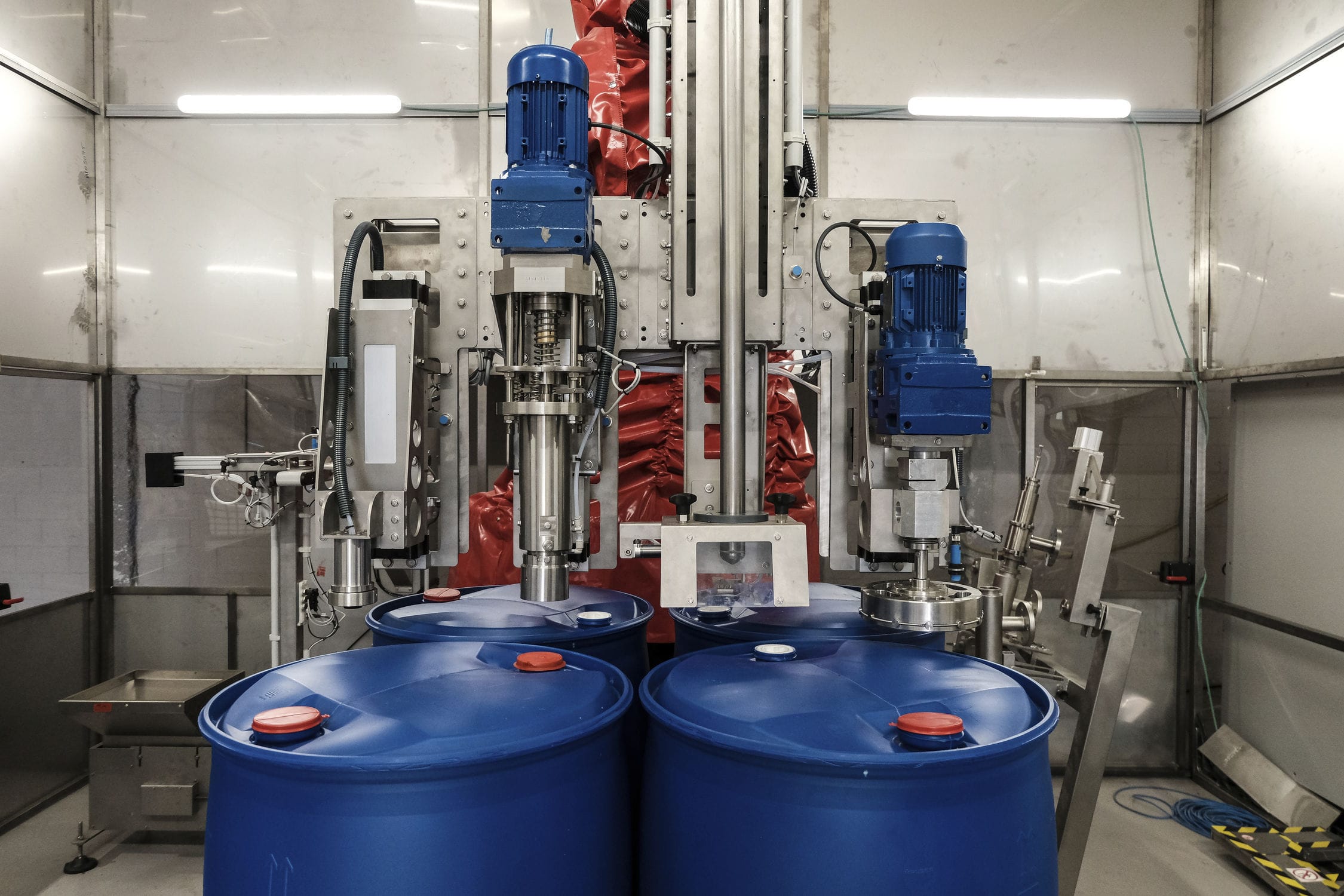
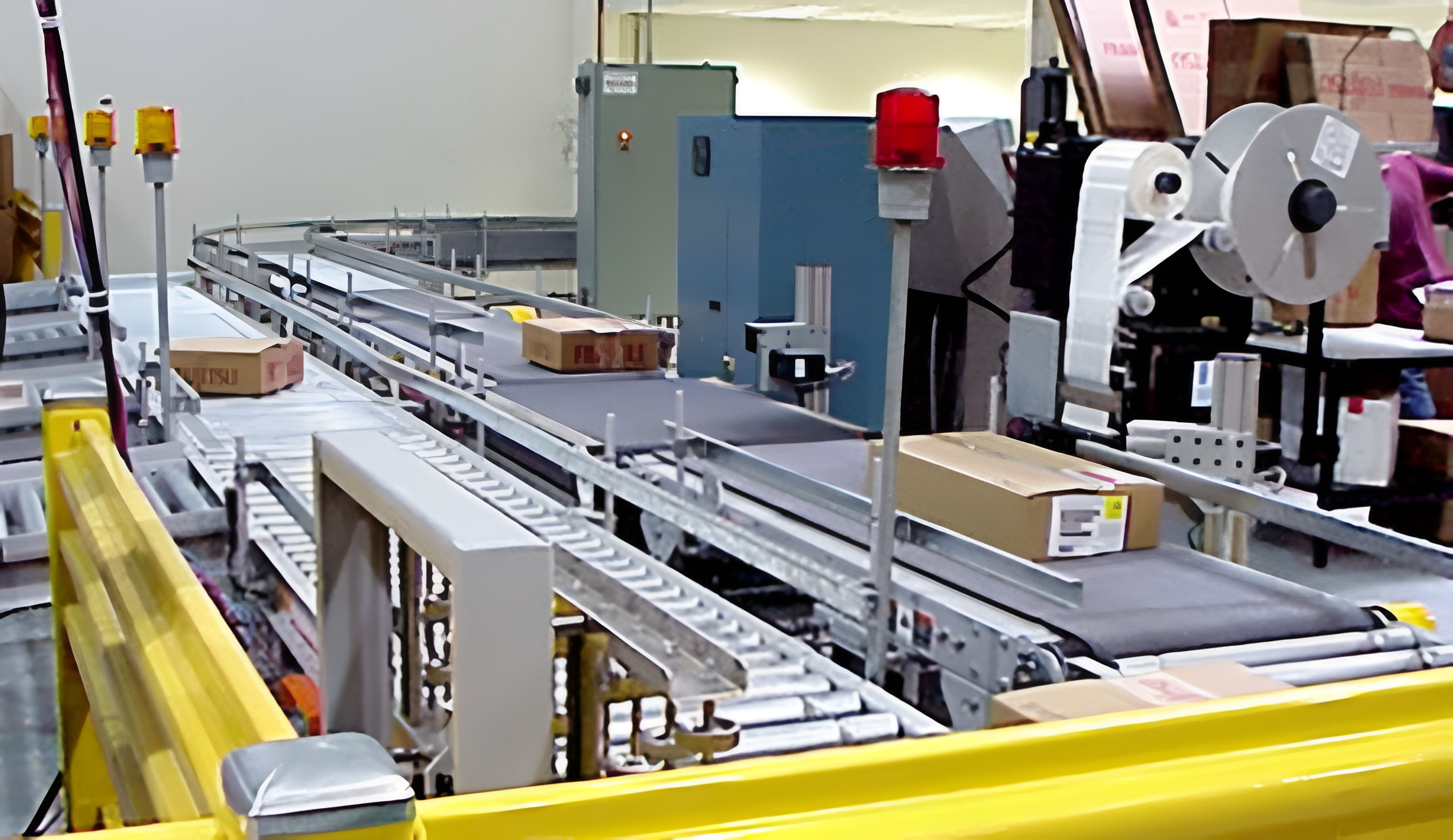
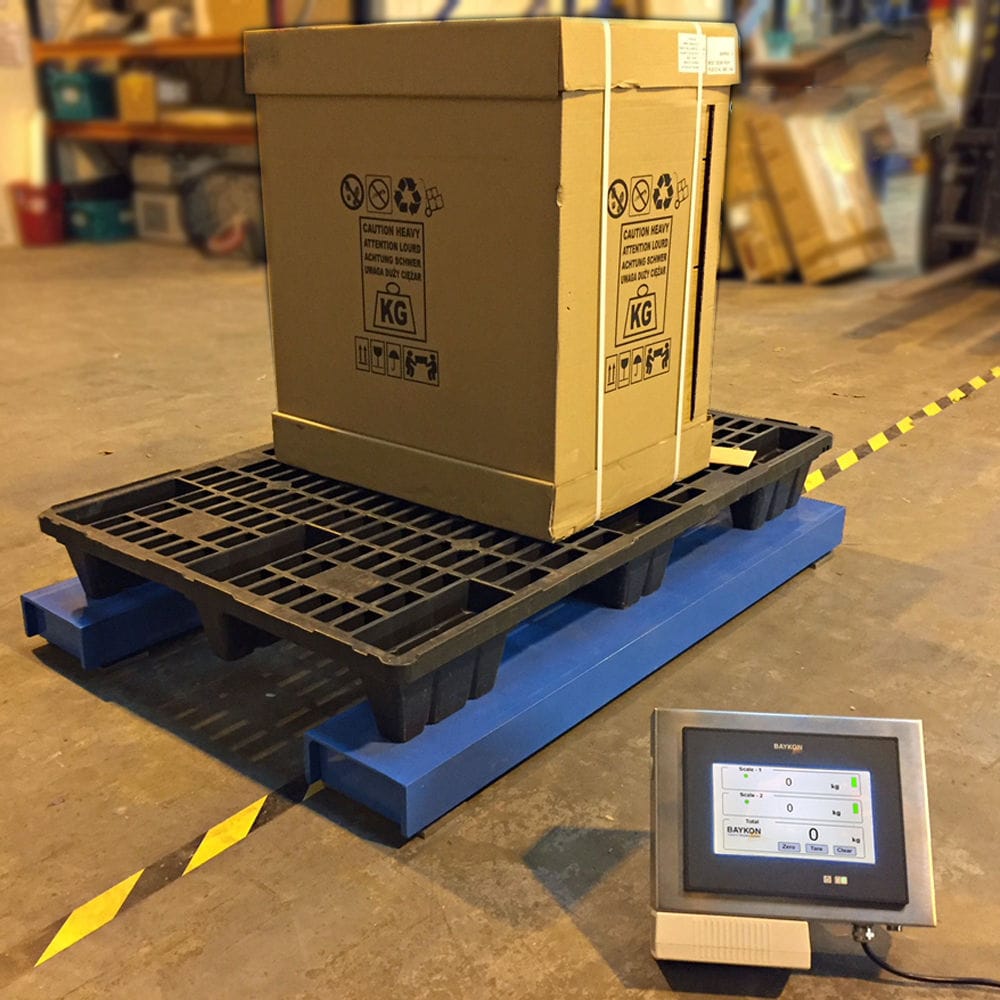


The hopper batching scale uses PLC output to control the motor frequency based on the set values from the weighing instrument. During PLC output, the on-site motor frequency converter is controlled through three methods: ratio setting, flow rate setting, and frequency setting. When the operator selects the ratio setting on the operation screen, they only need to input the total flow rate of the ingredients and the ratio of each scale, and the system will automatically calculate the amount of material to be discharged from each scale. Based on this amount, the system will perform tracking adjustment. The flow rate control for each scale is carried out through the flow rate setting area on the screen. This setting method is used when adjusting the PID parameters for each scale.

 020-34563445
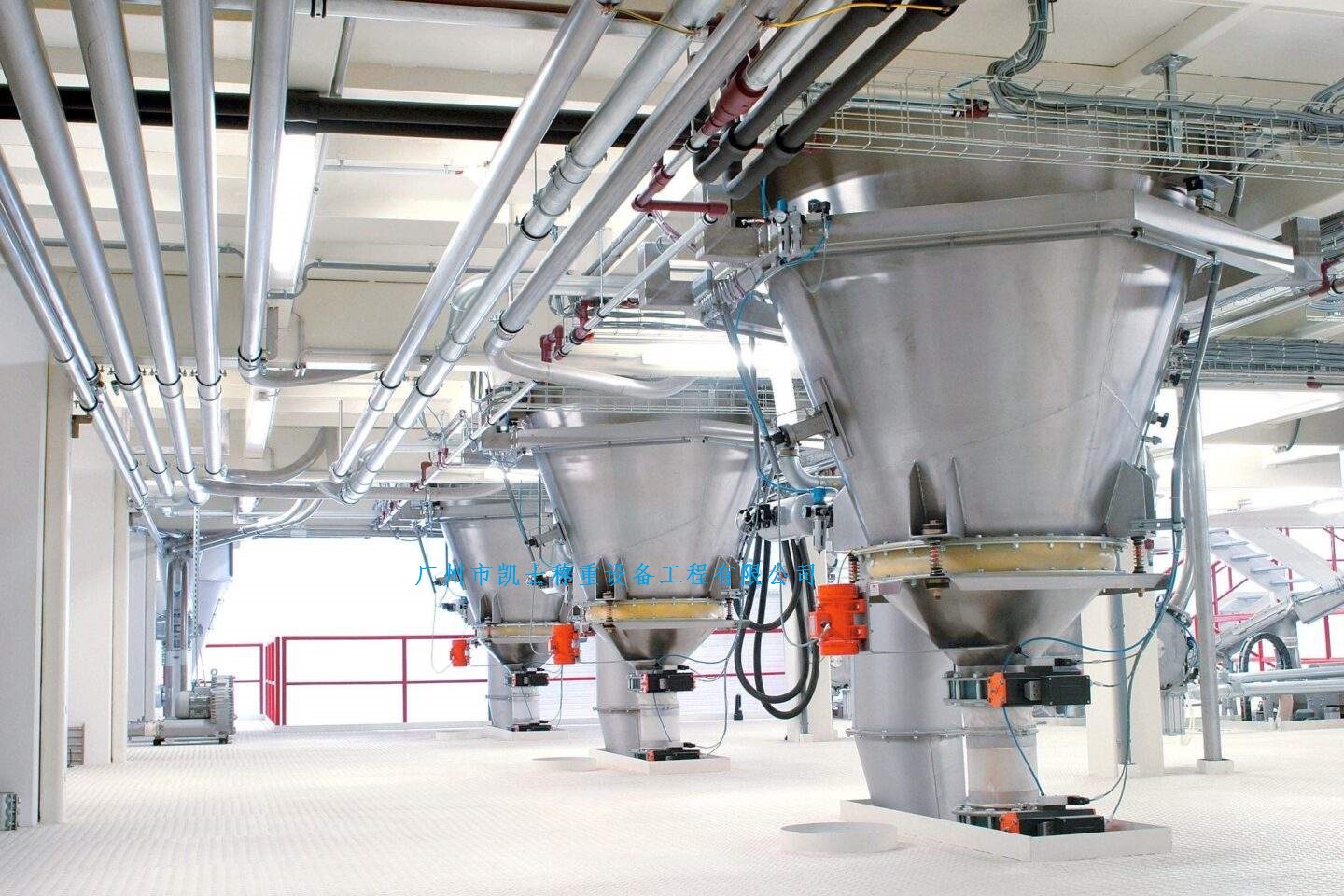
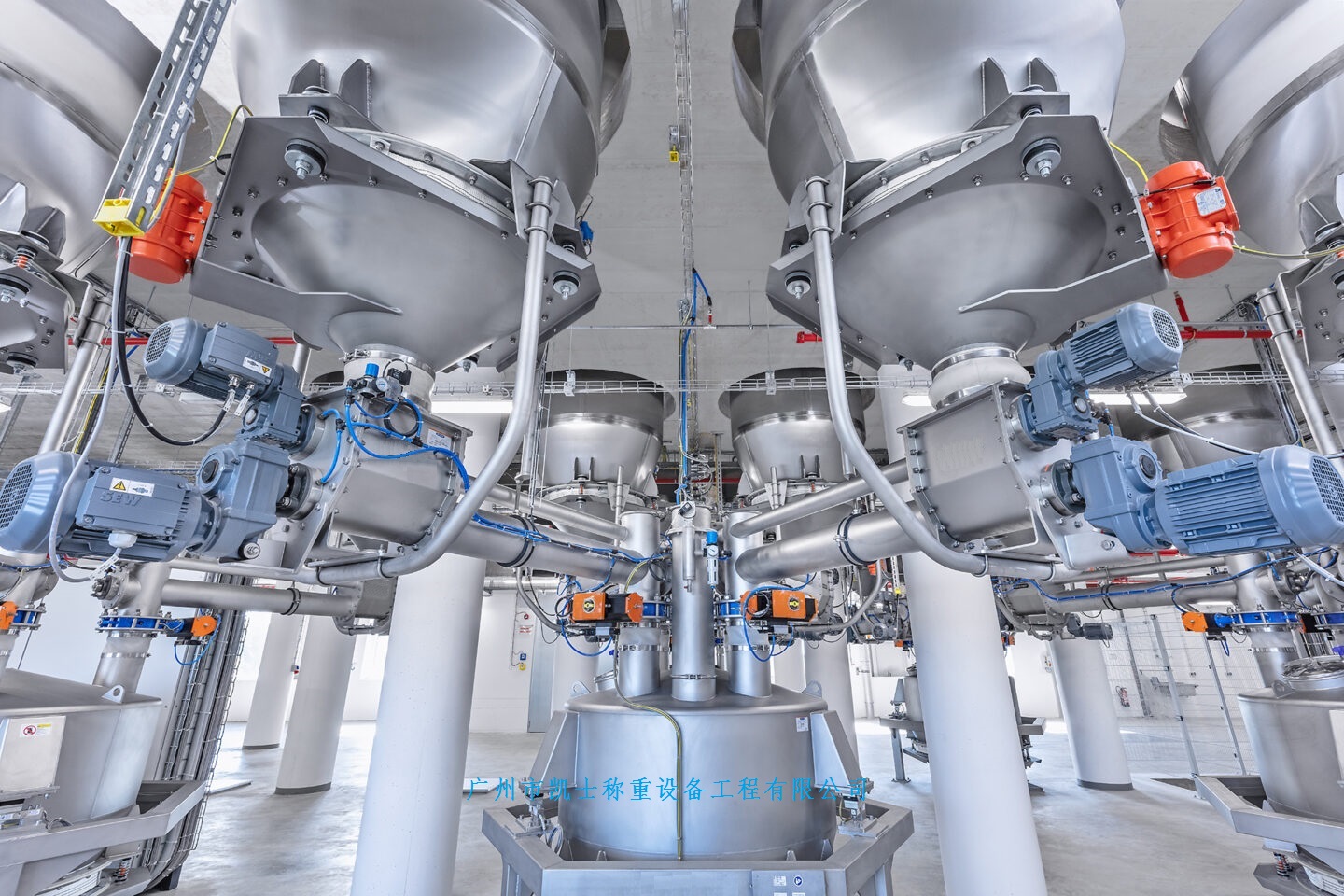
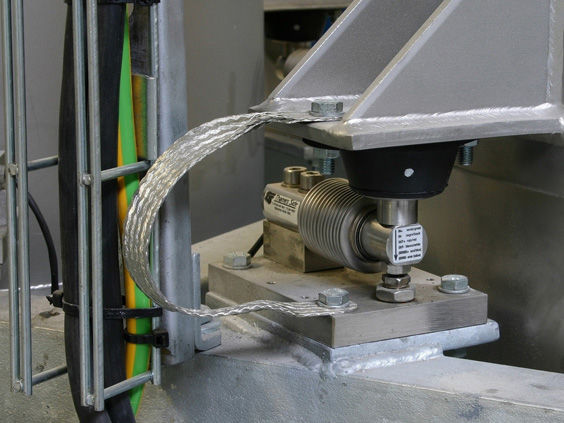
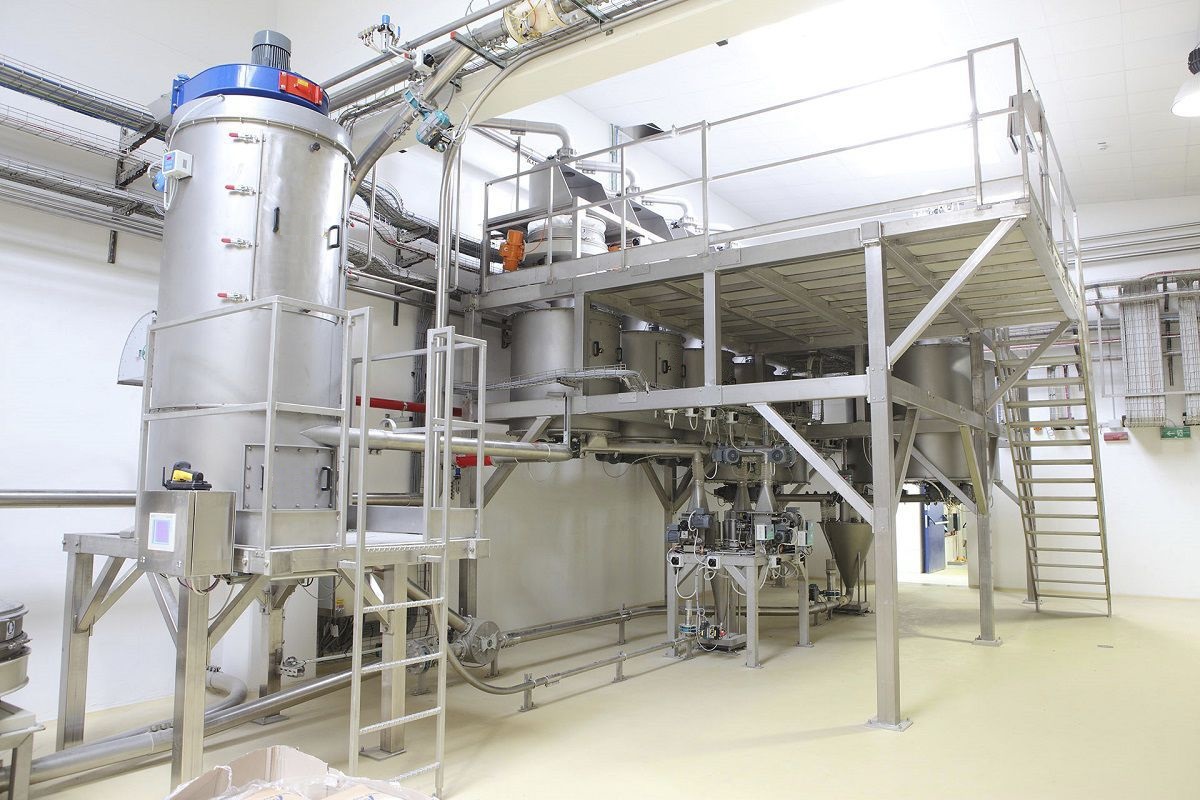
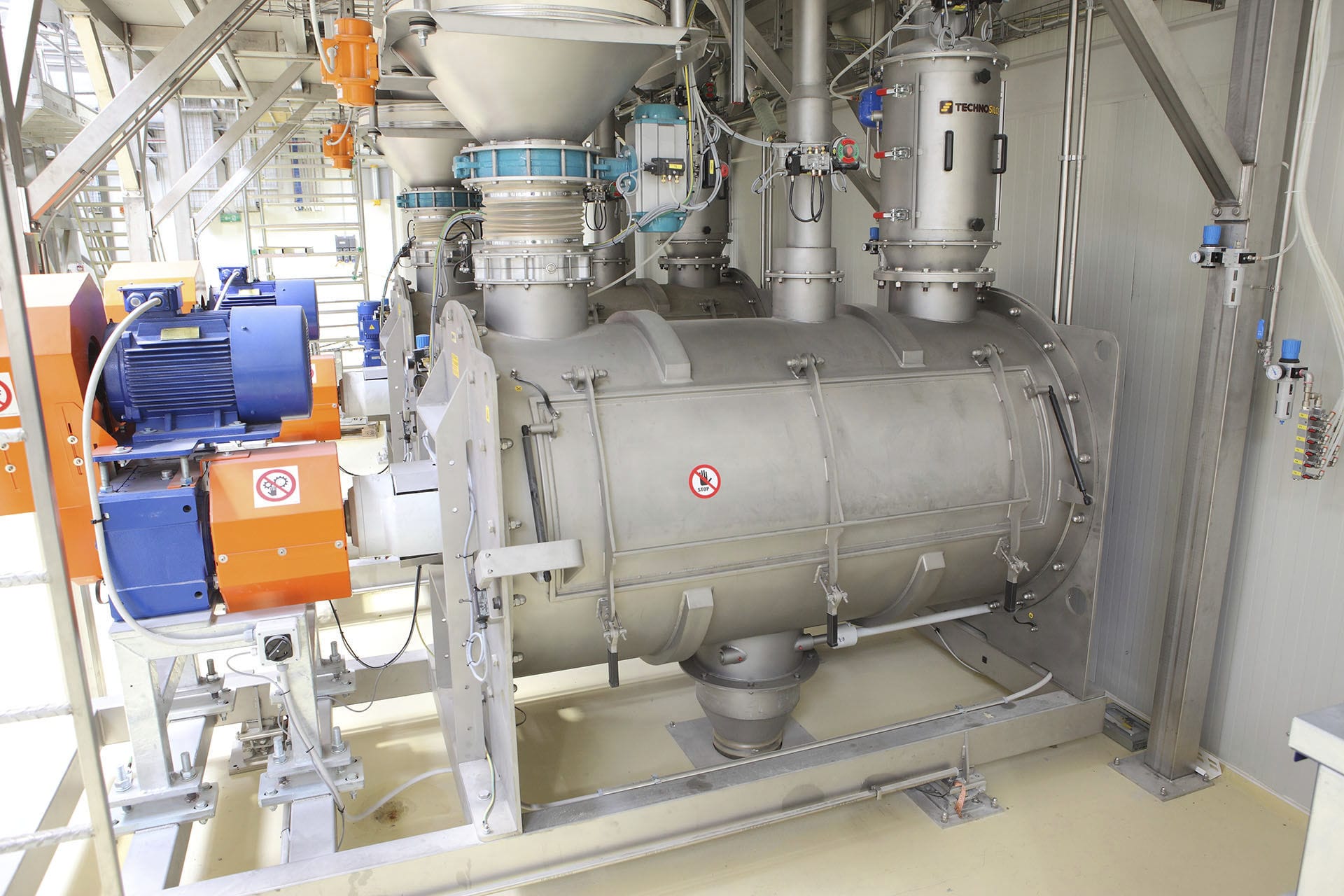
The hopper batching scale consists of multiple high-position hoppers, each corresponding to a vibrating Feeder, and below each there are multiple hopper scales. The multiple high-position hoppers share one hopper scale. Under each hopper scale, there are Weighing modules and gate valves. Through the vibrating feeder, the weighing module, and the gate valve, the raw materials are precisely weighed. The heavy objects on the scale platform act on the weighing module, which converts the weight of the object into an mV-level voltage signal. The signal output by the weighing module is aggregated through the junction box and then enters the weighing instrument. The weighing instrument amplifies, filters, and performs AD conversion on the weighing signal voltage, and then performs digital processing. Finally, the weight signal is displayed on the weighing display. An Electronic scale mainly consists of the scale platform and force transmission mechanism, weighing module, junction box, and weighing instrument. To ensure the continuity of batching, the weighing control system uses a PLC system. The interlock signals from the on-site equipment and the weighing module signals are output through the on-site weighing instrument to the central control. Through communication technology, it is sent to the PLC, and after CPU calculation, it directly controls the vibrating feeder on site. As the human-machine interface (touch screen), the operation station adopts the client-server mode. Select the upper-level monitoring software, and one dedicated server communicates with the PLC through a high-speed Ethernet and completes the weighing linkage and precise control of the vibrating feeder frequency.
The hopper scale utilizes the PLC output to control the motor frequency based on the set values from the weighing instrument. During the PLC output, the motor frequency of the on-site frequency converter is controlled through three methods: ratio setting, flow setting, and frequency setting. When the operator selects the ratio setting on the operation screen, they only need to input the total flow of the ingredients and the ratio of each scale, and the feeding amount for each scale can be automatically calculated. Based on this feeding amount, the system can perform tracking adjustment. The flow control for each scale is carried out through the flow setting area on the screen. This method is used when setting the PID parameters for each scale. To further improve the weighing accuracy of the system, the main circuit of the vibrating feeder is controlled by a frequency converter, with an output frequency ranging from 0 Hz to 50 Hz, enabling the vibrating feeder to operate at different speeds. The main control method is to first operate the vibrating feeder at high speed and then at low speed, indirectly controlling the flow of the raw materials from large to small. Due to the fact that the flow of raw materials becomes smaller at the moment the vibrating feeder stops, the program allows for adjustments of the weak vibration value, drop value, strong vibration speed, and weak vibration speed, ensuring the reliability and accuracy of the weighing. For each type of raw material, there are four parameters that affect its weighing accuracy: strong vibration speed, weak vibration speed, weak vibration value, and drop value. The strong vibration speed and weak vibration speed are the input frequencies of the vibrating feeder, directly participating in the control of the vibration speed of the feeder. The main basis for setting these parameters is the density of the raw material, the size of the raw material particles, and the mechanical performance of the vibrating feeder. If the strong vibration speed and weak vibration speed are adjusted promptly, the weighing value captured at the stopping point of the feeder can be correct, and it can also save weighing time and increase production efficiency. The weak vibration value and drop value are two parameters involved in the calculation in the program, and the speed conversion points from high speed to low speed and from low speed to stop are obtained through calculation. When the operator sets the raw material quantity on the operation screen, the speed conversion points are the remaining material quantities of each raw material calculated continuously during the weighing process.
On the touch screen, the weighing values of the required hopper scales are entered all at once → The first feeding process is initiated. The program verifies the input values of the weighing for each hopper and calculates the speed change point and the stop vibration point respectively → Start the automatic batching process - the vibrating feeder runs at high speed → When reaching the speed change point, the vibrating feeder runs at low speed → When reaching the stop vibration point, it stops running → (When there are 2 high-level hoppers for one hopper scale) Wait for 5 seconds and start the next hopper Feeding machine (repeat the above process until all the participating weighing hoppers have completed weighing) → The entire weighing process is completed. Wait for 5 seconds and open the hopper scale with materials to transfer the materials to the summary hopper → When the oxygen blowing volume reaches the first set feeding value, open the gate of the summary hopper → The summary hopper is emptied and automatically closed → Wait for 10 seconds to start the second feeding process → Repeat the above feeding process until all the steps in the two-dimensional table are completed, and the automatic batching process is over.