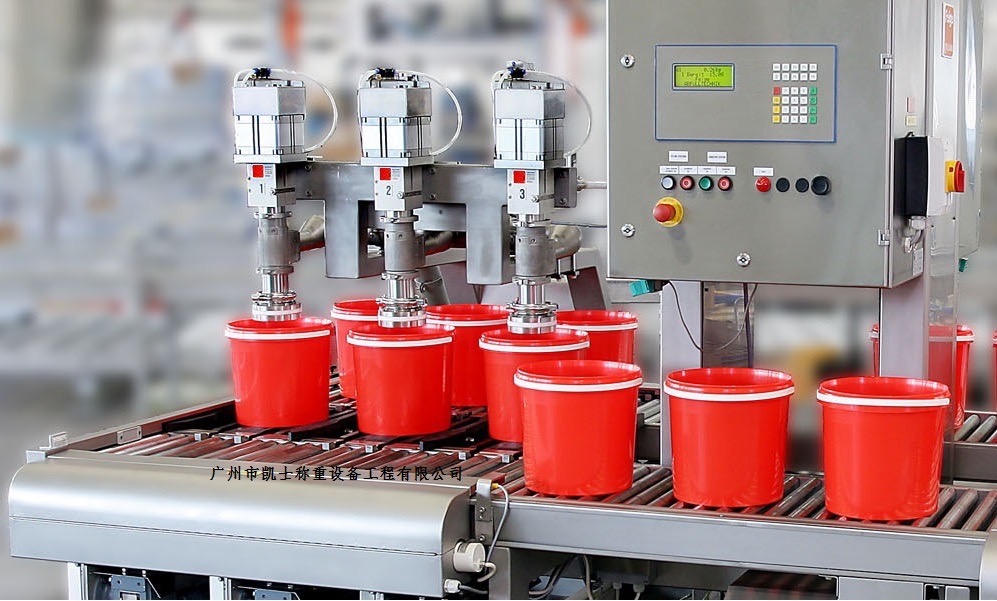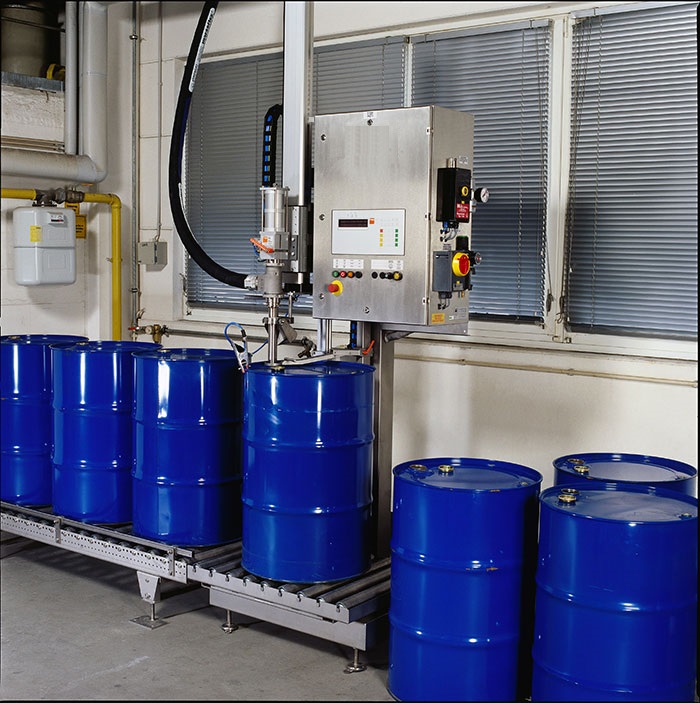





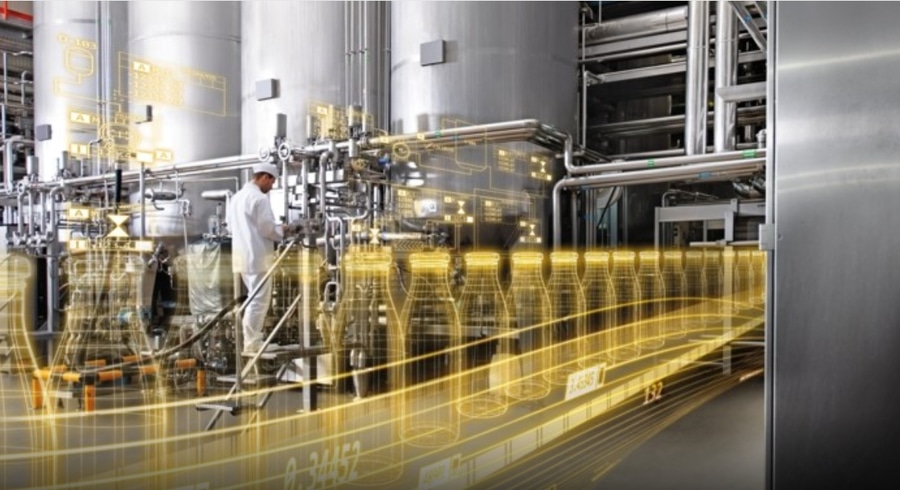
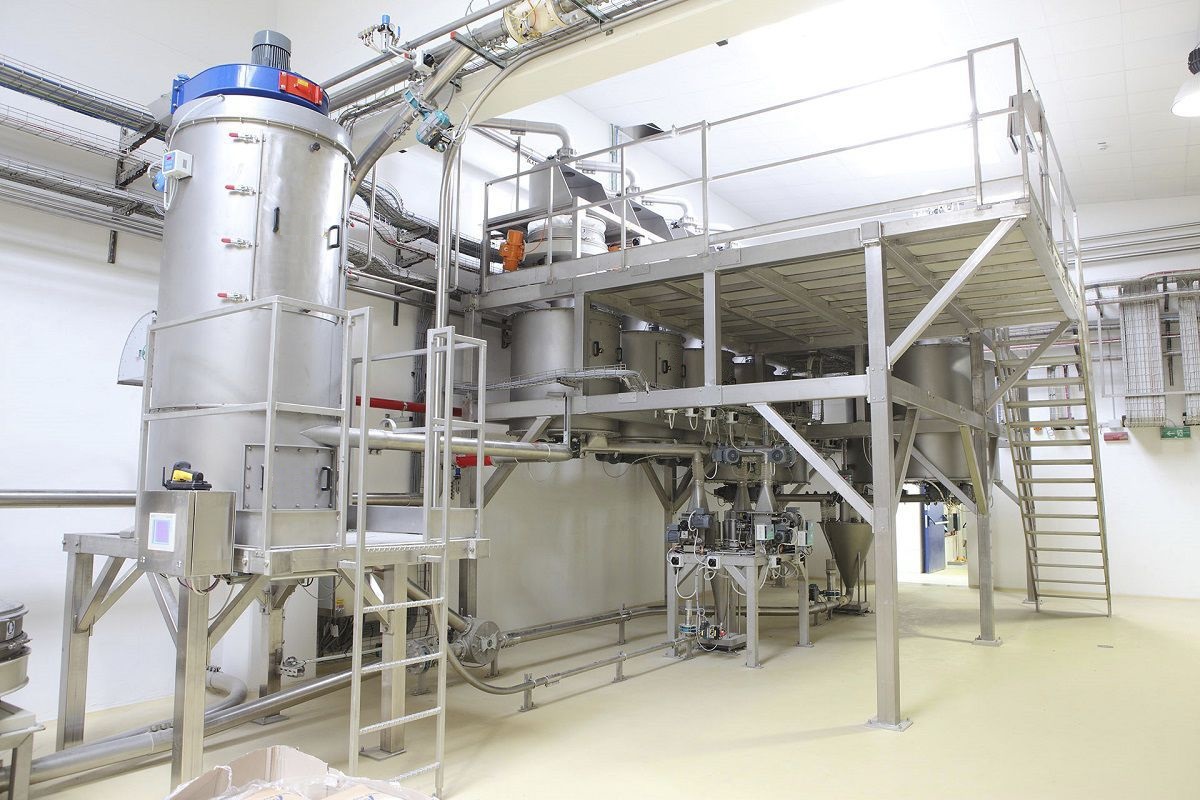
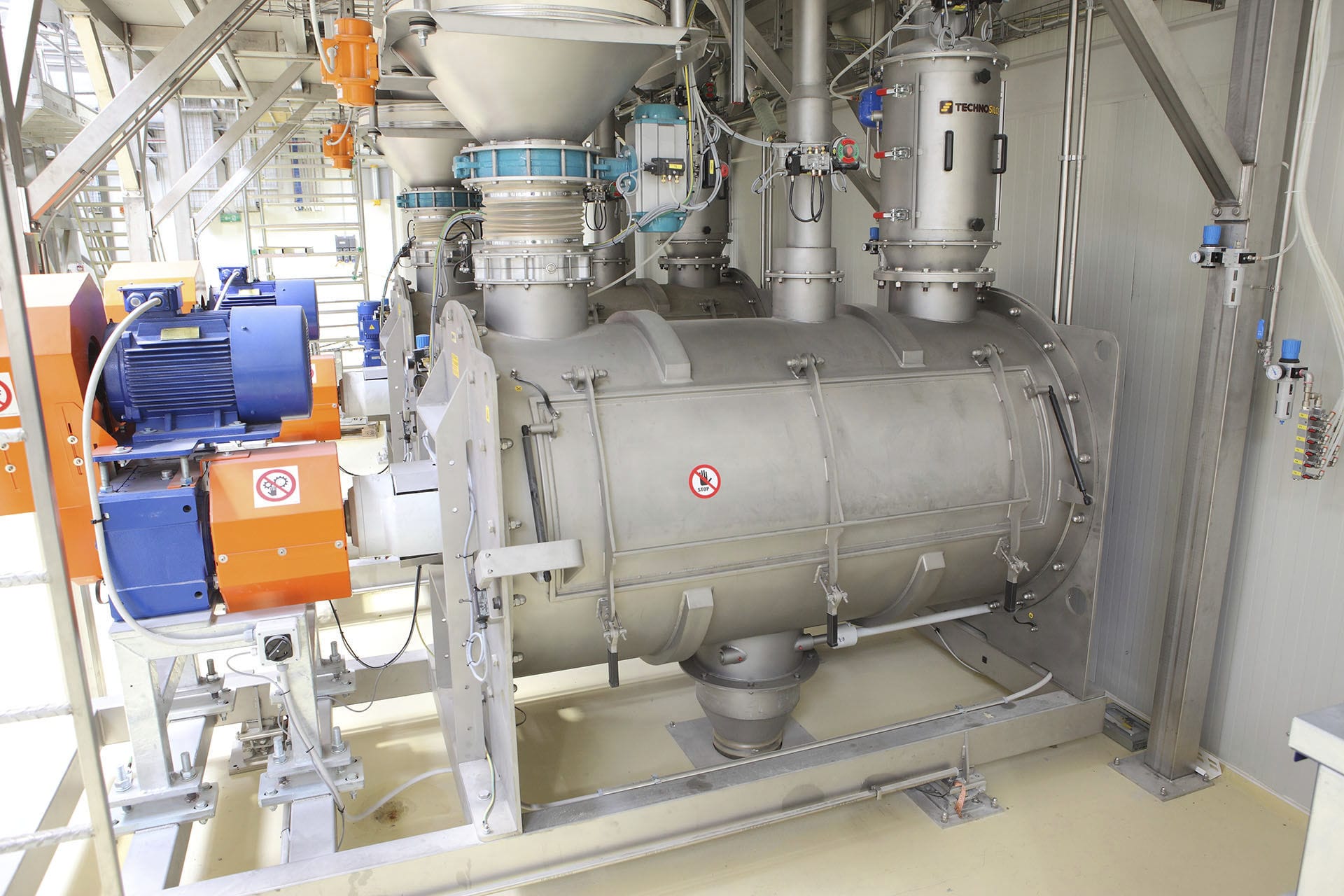


The Explosion-proof automatic filling machine realizes the filling operation diagnosis, real-time monitoring, automatic control and so on to meet the requirements of real-time, stability and reliability of the system. Intelligent multi-functional faceplate, man-machine operation interface is simple and suitable, through the RS-422/485 interface can be rapid communication and setup. The control index of the filling weighing is mainly to judge whether the initial weighing and rechecking weighing related indexes meet the weighing requirements, and the automatic adjustment of the liquid level in the storage tank and the intermediate tank in the filling process, and the control design of the peripheral hand-held code scanner are also an important part of the control part.

 020-34563445
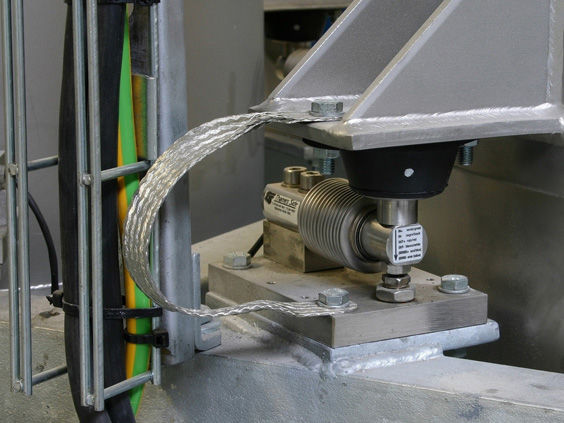
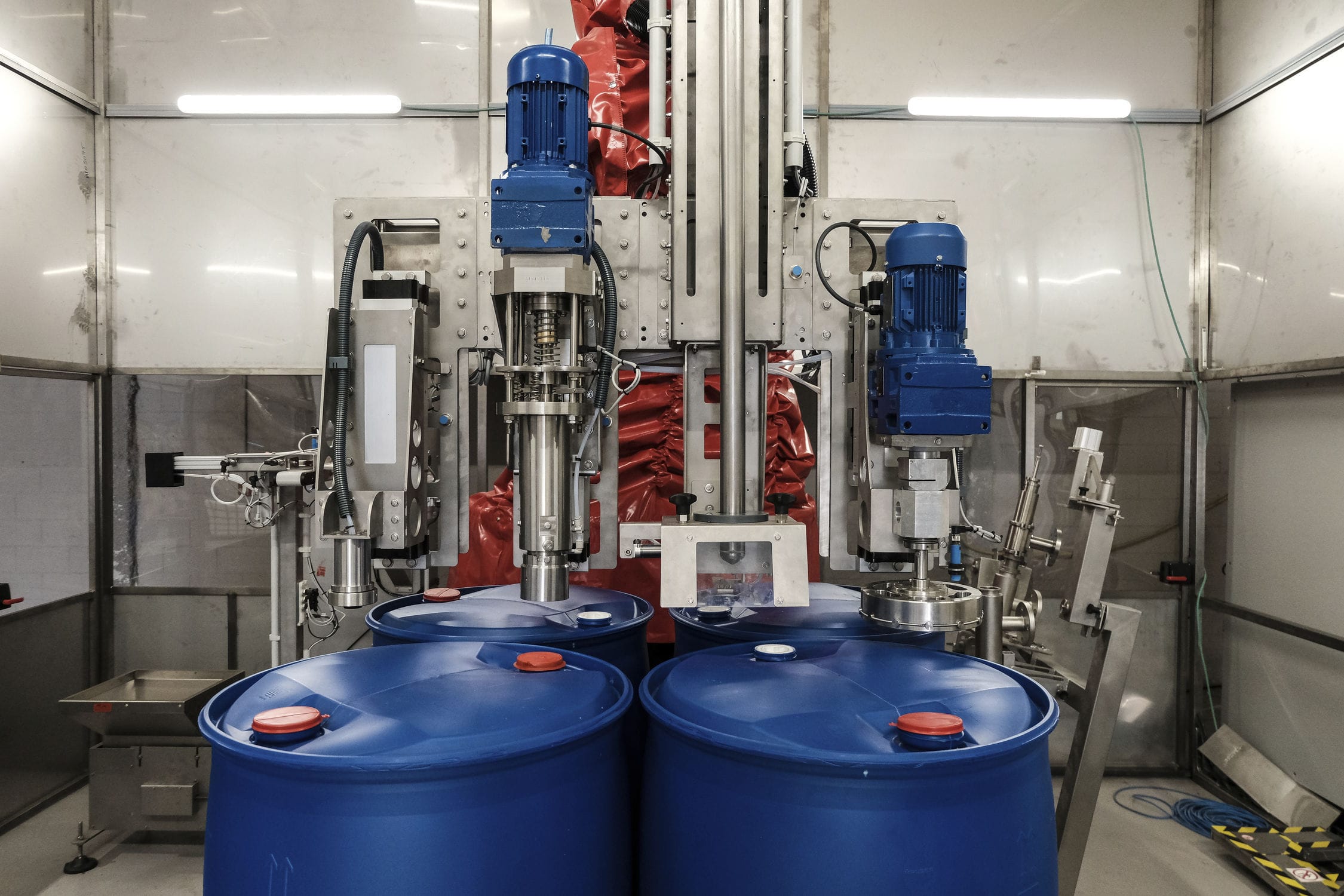
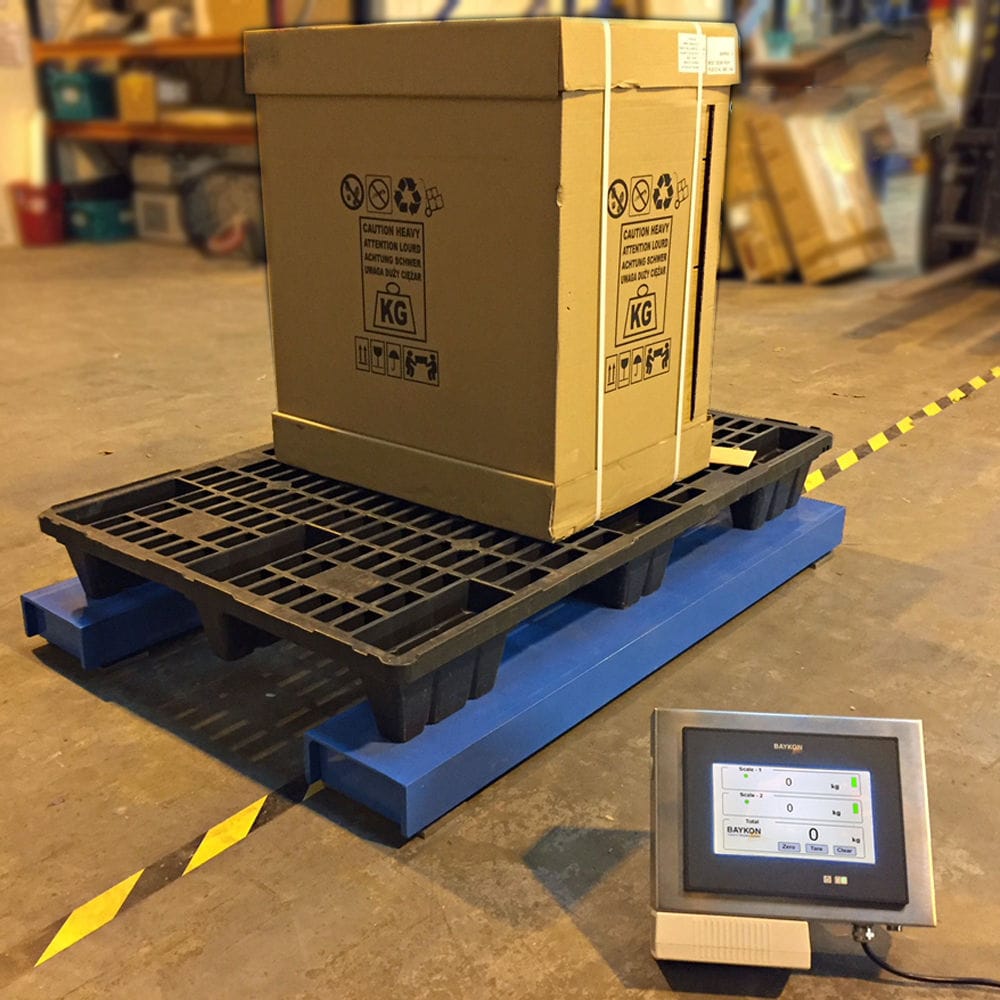
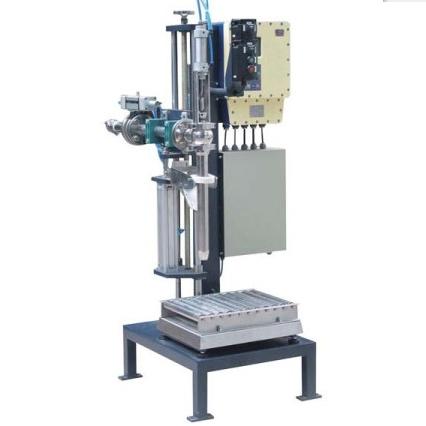
The liquid weighing Filling machine consists of the body, Electronic scale, filling feeding device and electrical control box. The body includes a supporting base and vertical support columns. The filling feeding device and the electrical control box are installed on the vertical support columns. The electrical control box is equipped with a controller. The electronic scale includes a weighing sensor and a support plate arranged on the supporting base in sequence. The weighing sensor is electrically connected to the controller. The support plate is provided with a limit stop rod in each of the X-axis and Y-axis directions. A sensor is installed on the vertical support column to detect whether there is a packaging barrel on the support plate. Limit stop rods are set on the support plate. When the packaging container is placed on the support plate and the wall of the packaging container contacts the limit stop rods, the positioning is completed. At this time, the container mouth is aligned with the filling head, which is convenient, fast and accurate. The filling result is accurate. At the same time, it can prevent the residual filling material from dripping and prevent the filling material from splashing out during filling.
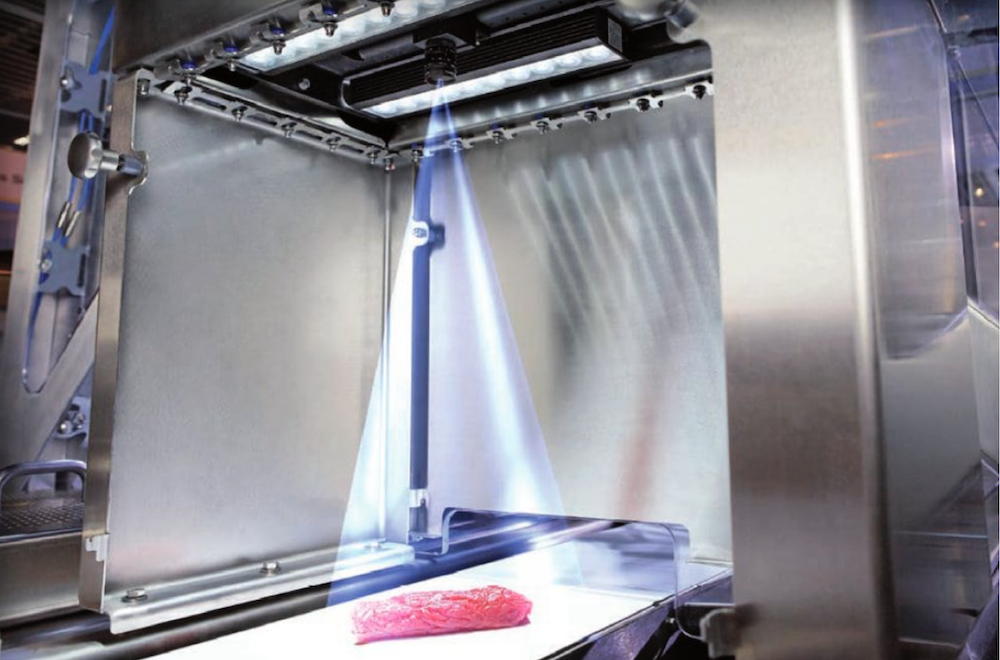
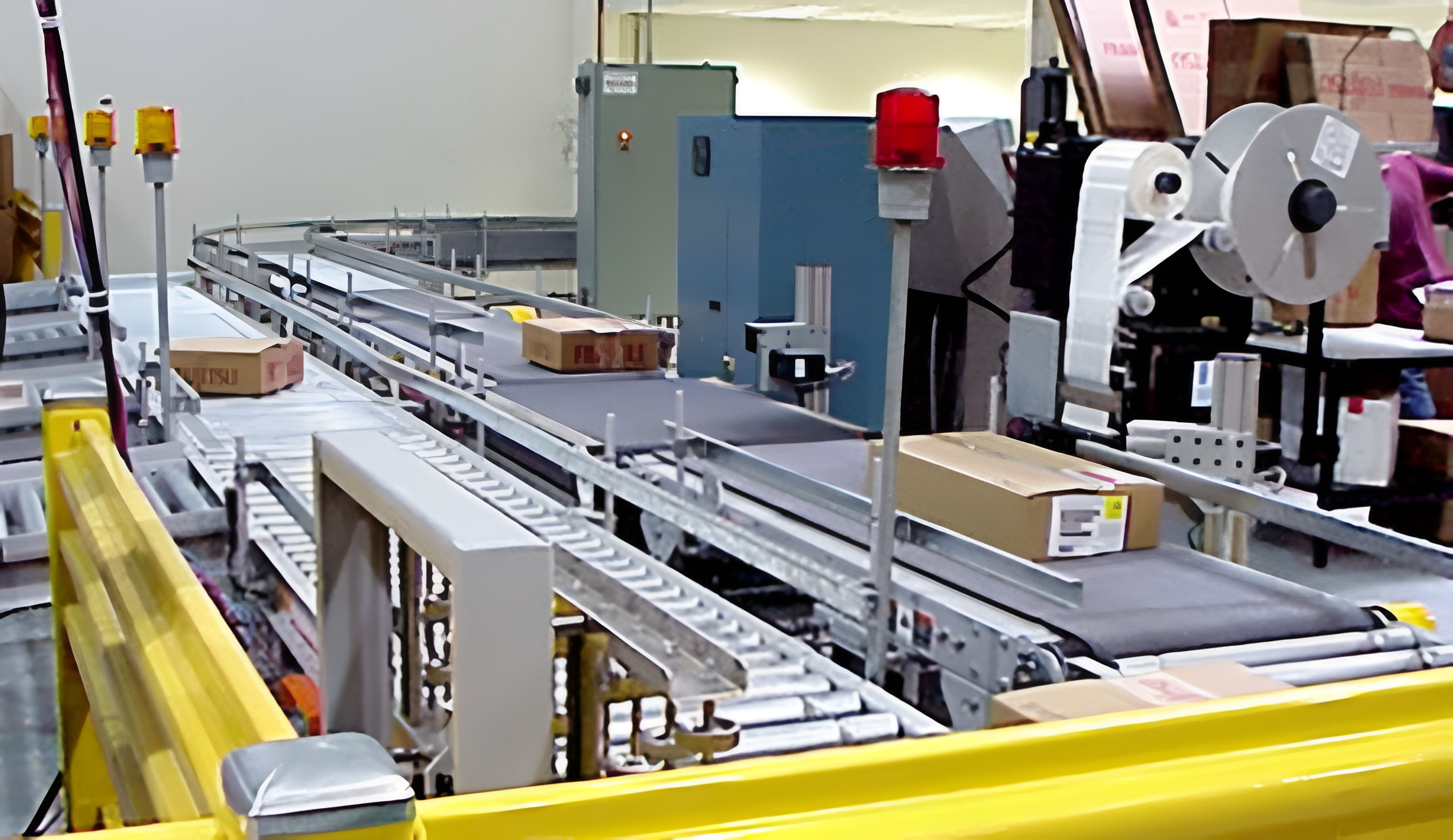
The explosion-proof automatic filling machine transports the barrels to the production line through the motor. After the barrels are transported to the conveyor belt, the photoelectric sensor on the conveyor belt detects the signal of the barrels, thereby driving the motor to transport the conveyor belt forward. When the barrels are transported to the filling station, the barrel at the filling station causes the photoelectric sensor to detect the input signal. The conveyor belt motor stops working, and the filling head limit sensor is connected, and then the filling begins for the barrel. When the barrel filling is completed and the filling head limit sensor is connected, the conveyor belt motor restarts to drive the conveyor belt forward to transport the filled barrels. When the photoelectric sensor at the cap-securing station detects the filled barrel, the conveyor belt motor stops working, and the cap-hand limit sensor is connected, and then the barrel is capped. When the barrel cap-securing is completed and the cap-hand limit sensor is connected, the count of full barrels for the finished product is incremented by 1. The finished product will be transported to the next production stage along with the conveyor belt. When the filling machine re-empties the barrel, the Liquid filling machine will complete the repetitive production process. The filled barrels provided for filling are 50L. When the volume of the barrel is less than 5L, the solenoid valve of the feeding valve will automatically open for replenishment. When the volume of the barrel is greater than 45L, the solenoid valve of the feeding valve will automatically close the valve and stop the replenishment.
To enhance the filling efficiency and measurement accuracy, the filling valve of the automatic filling machine adopts a double closure mechanism. When the valve is fully open, it is in a state of high-flow filling to meet the requirements for increased efficiency. As the filling approaches the desired weight, it switches to low-flow filling. The conveyor automatically transports the barrels to the electronic scale. The photoelectric switch detects the weight of the empty barrel on the scale and automatically subtracts the peel weight. It then activates the manual valve, whose output causes both the valve and the valve seat to be in the lower position. The output causes the counterweight cylinder's piston rod to extend, allowing the cylinder and the chamber with the piston rod to be filled with air. The filling valve is in a fully open state at this time, and high-flow filling is carried out. When the filling approaches the required weight, the scale lever is lifted for the first time, and the low-pressure signal received by the nozzle is amplified by the amplification element and output in two paths. One path is stored as the input of the AND gate element one, and the other path, after passing through the OR gate element, makes the reversing valve switch to the upper position. The valve output is divided into one path to allow the cylinder without the piston rod to be filled with air, and the piston rod extends to close the filling valve outlet, performing low-flow filling; the other path causes the piston rod of the cylinder to retract, removing the additional counterweight attached to the scale; and another path, after being delayed by the delay element, serves as the other input signal of the AND gate element. When removing the counterweight, the scale lever has already dropped, and the amplification element has no input or output signal, causing the original stored signal of the AND gate element to disappear, so the AND gate element has no output signal. When the low-flow filling reaches the required weight, the scale lever is lifted for the second time, and the signal received by the nozzle is amplified by the amplification element, which then enables the AND gate element to have an output signal. This signal, after passing through the OR gate element, makes the reversing valve switch to the upper position, and the upper chamber of the cylinder is pressurized, causing the filling valve to be fully closed. During the filling process, if any special circumstances occur, the emergency stop switch can be pressed to immediately close the filling valve.