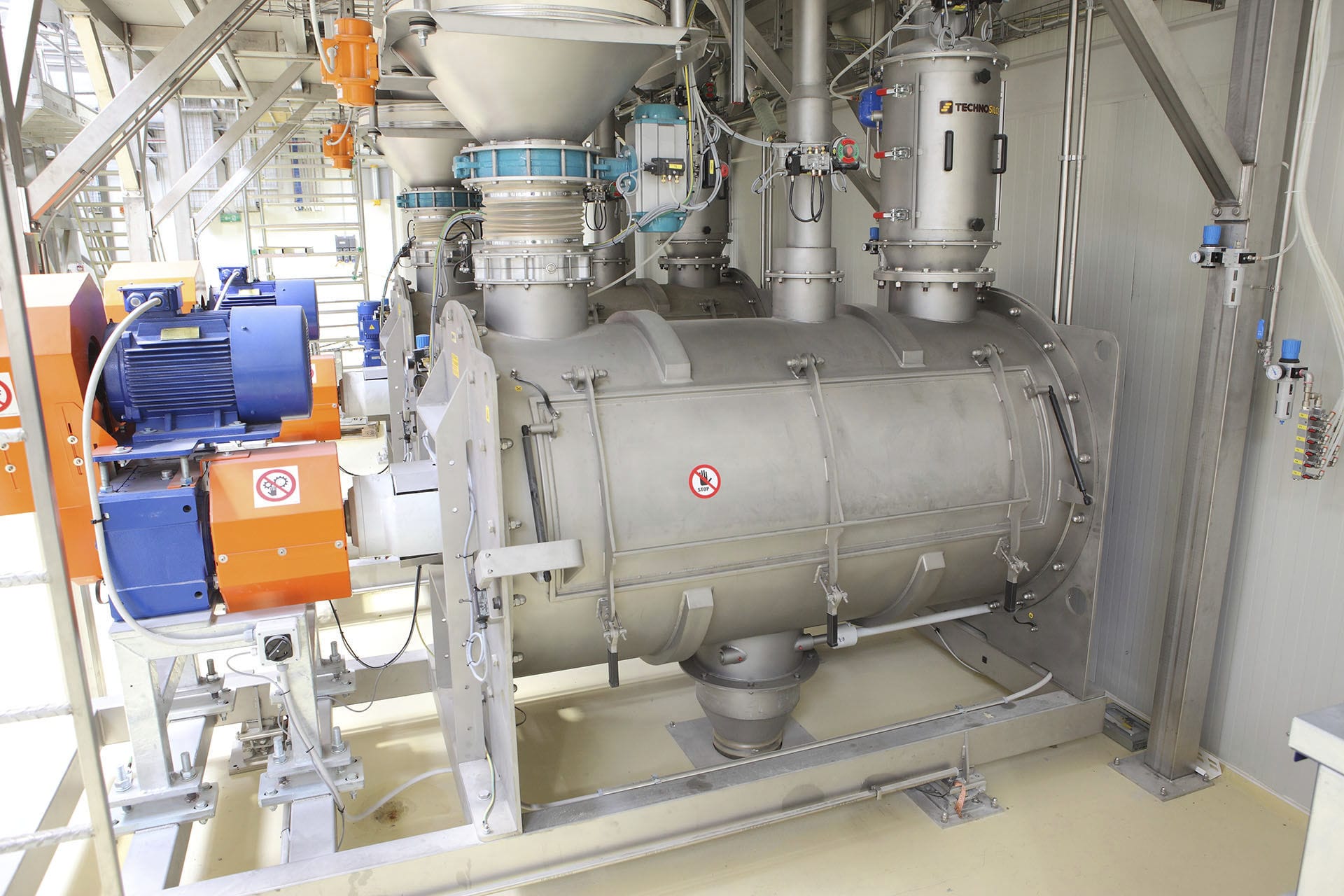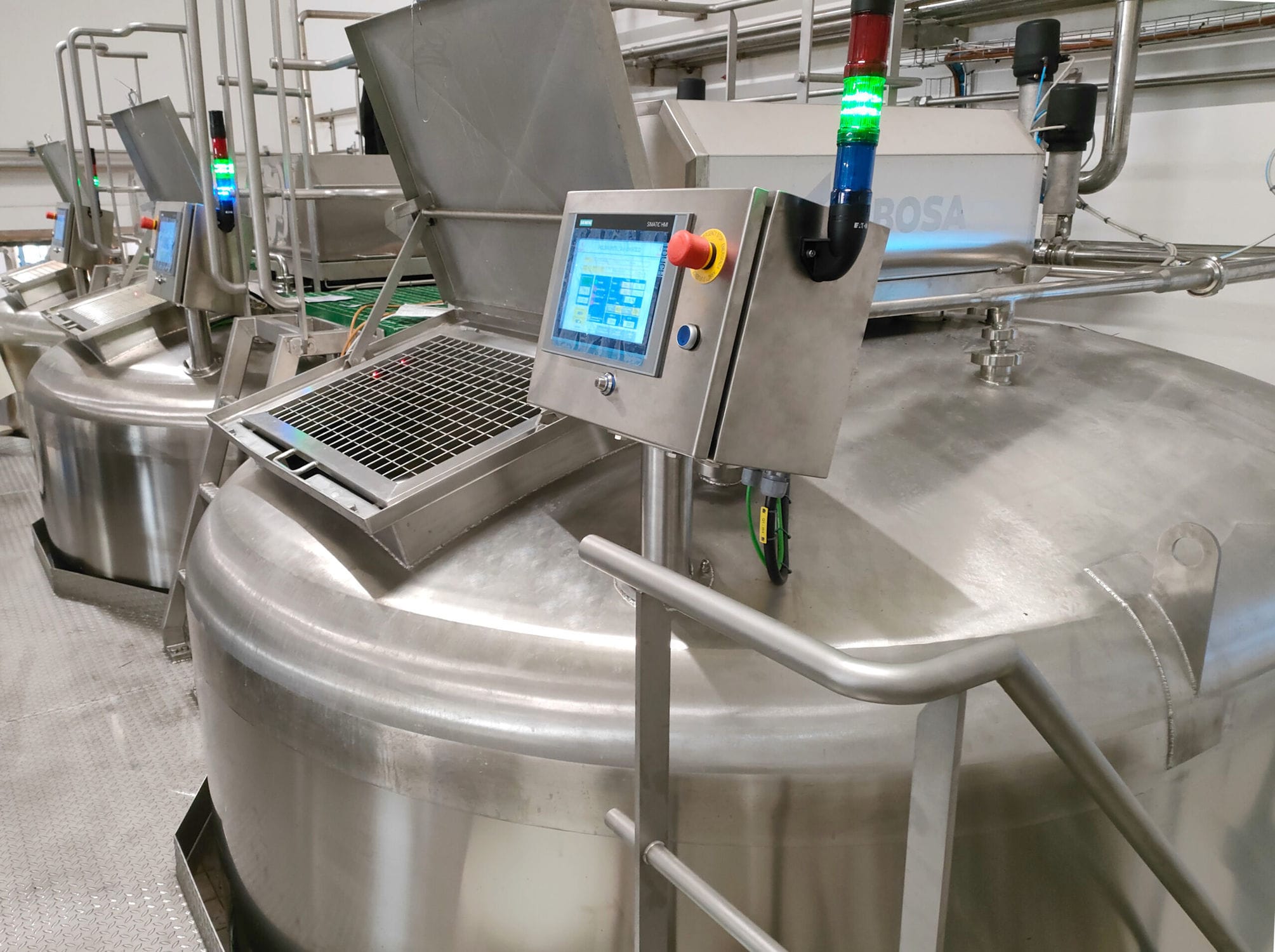








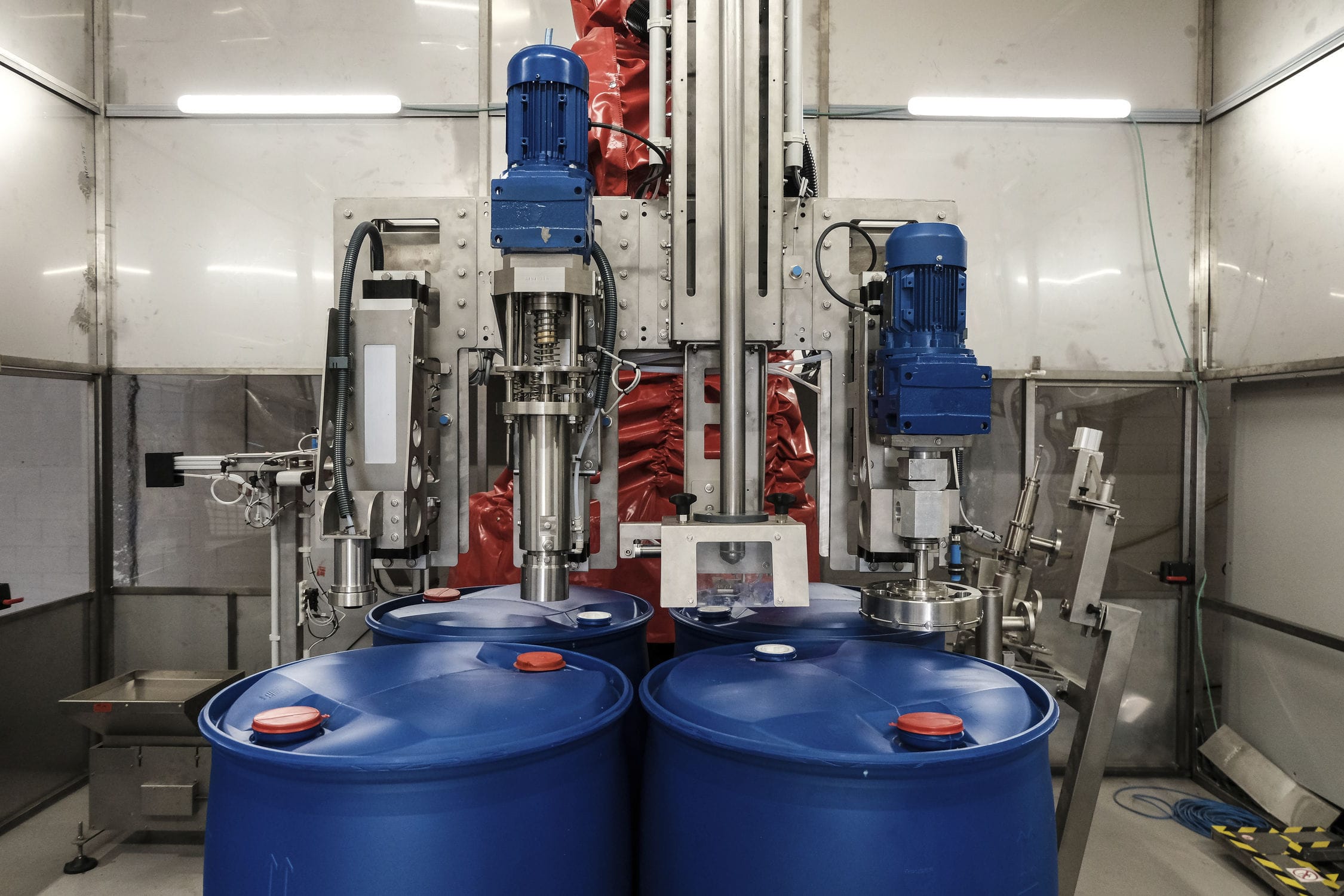
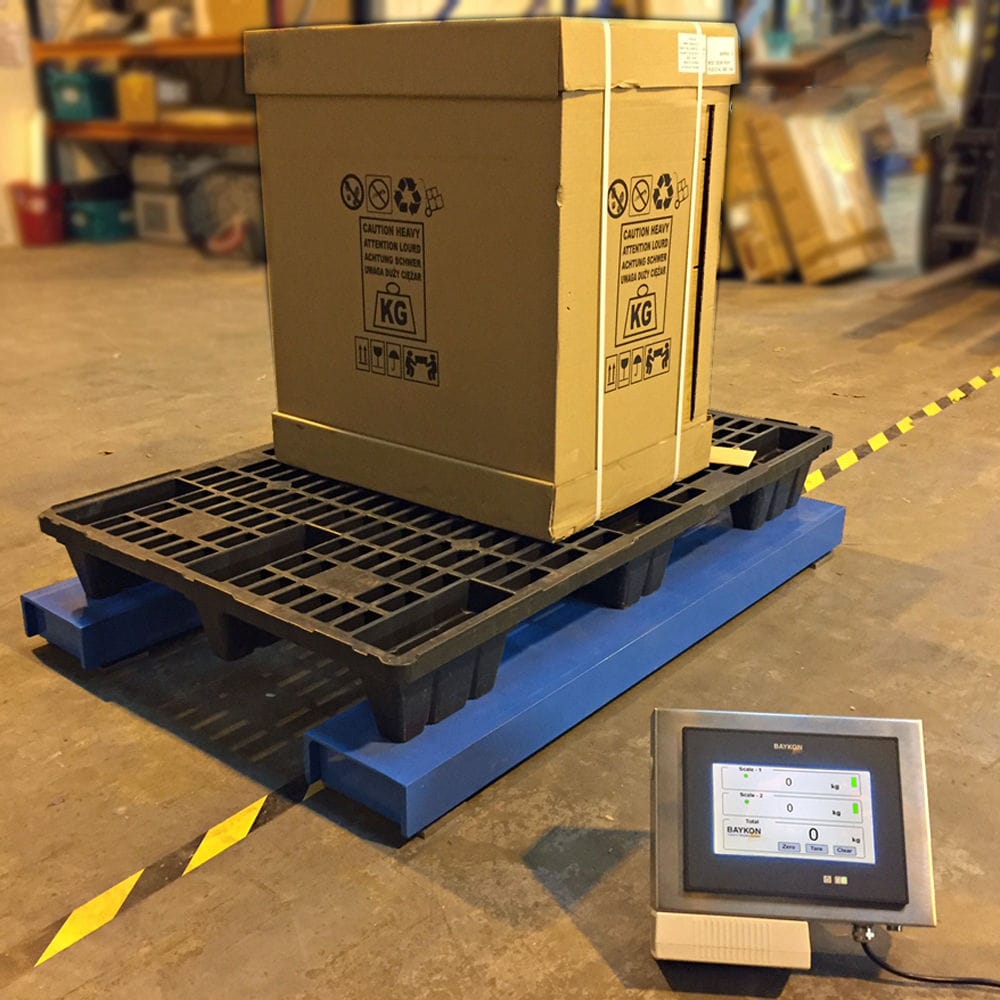


The stirring weighing system uses inverter and PID closed-loop operation process to adjust the speed of the driving motor, start real-time weighing and measurement, and the central processor calculates the real-time weight and cumulative weight. All auxiliary materials are mixed and measured simultaneously in proportion and added according to the process requirements of the formula. There is a deviation between the set weight and the actual weight, the regulator compares the deviation between the set value and the actual weight according to the control requirements of the proportioner, and changes the output signal through PID adjustment to control the speed adjustment of the inverter to the conveying motor, so as to achieve weight control.

 020-34563445
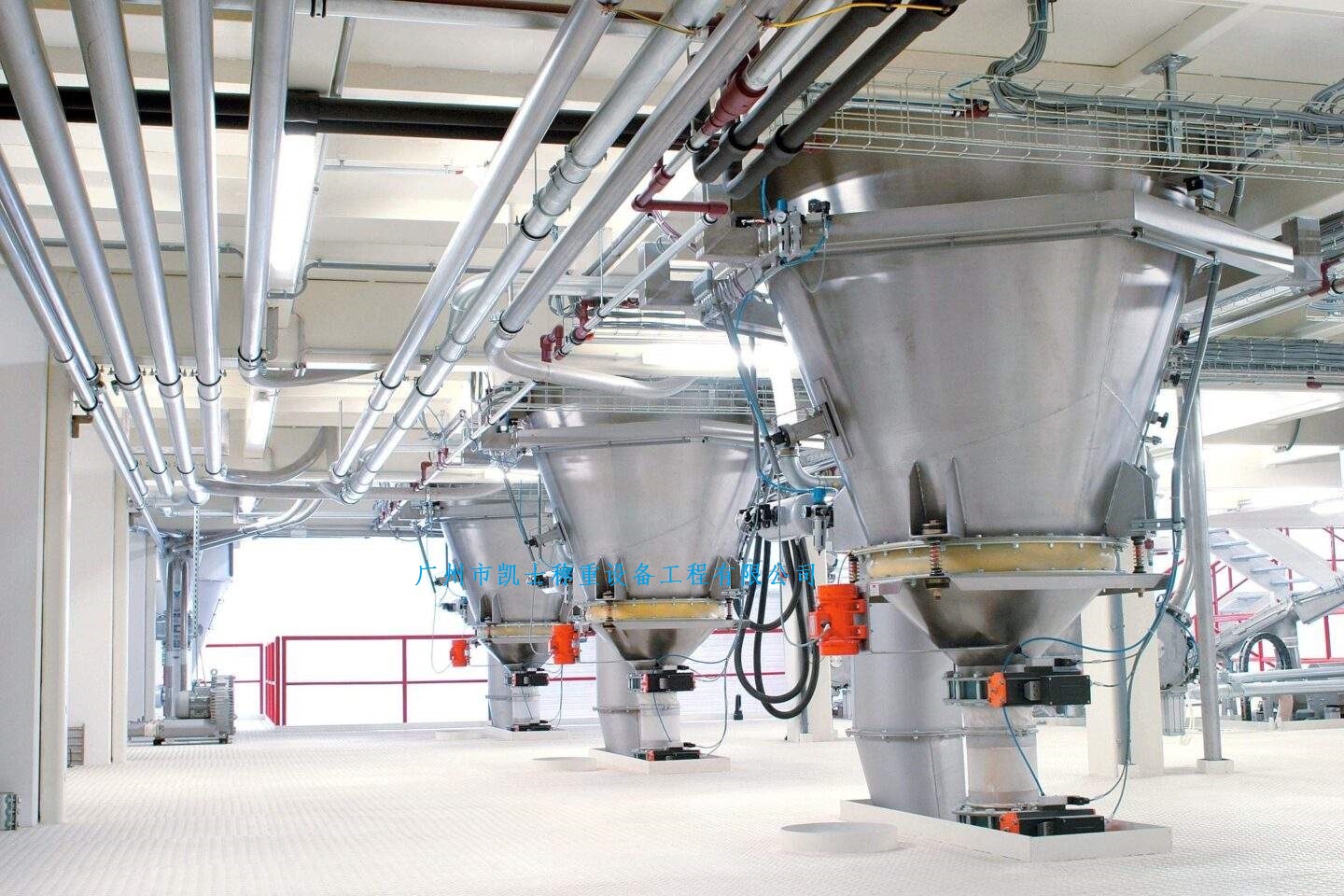
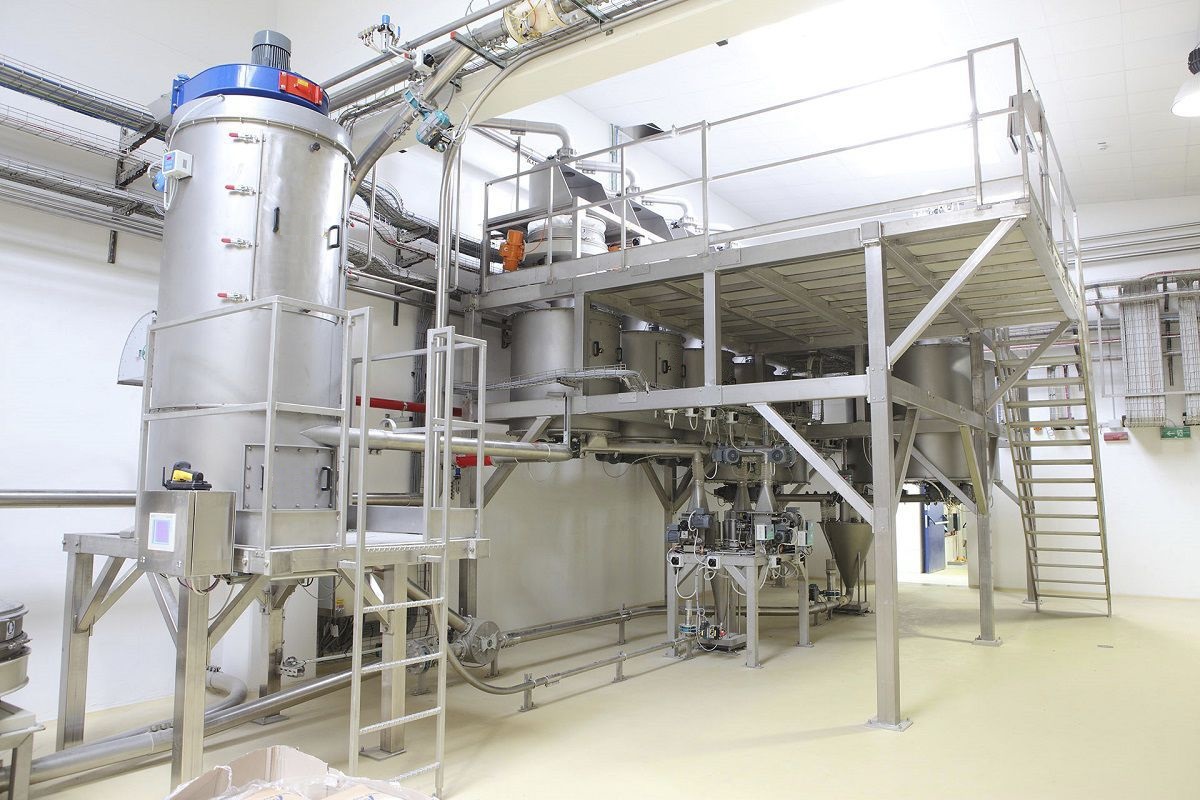
The structure of the mixing and Weighing system is relatively simple, and the volume of the silo is relatively small. The body is cast in one go and machined into shape. The intake points can be arranged according to different situations, which can save space during installation. Due to the special material of the warehouse pump, it is wear-resistant and corrosion-resistant, and can transport high-temperature, rough materials, and achieve long-distance transportation. The feeding system is arranged below the outlet of the dust collector electric field, and the two electric field mixers share a common ash conveying pipeline through a pipeline switching valve. Only one electric field's ash can be transported through the ash conveying pipeline at a time, so the mixing machines of the two electric fields operate alternately. The level gauge in the dust collector hopper is covered, or after a set period of time, a conveying cycle is triggered. The inlet dome valve of the mixer is opened, and the ash falls into the mixer under the action of gravity. During the filling process, the pipeline dome valve will close and seal the ash conveying pipeline to prevent air from being sucked in due to the negative pressure of the electrostatic precipitator passing through the conveying pipeline. After a timed delay, the inlet dome valve will close and the pipeline dome valve will open. After all inlet dome valves have been closed and sealed, there will be a brief delay to allow the pipeline dome valves to open before air is introduced into the main pump. Open the conveying air valve, and all the ash in the pump will enter the conveying pipeline and be transported to the target ash silo. After the ash is unloaded into the ash silo, a signal indicating a decrease in conveying pressure is sent, and the conveying air valve is closed, completing the cycle. This conveyor is used to transport dry and flowing materials. Each feeding station is equipped with a bin pump control box, which contains solenoid valves and pressure switches related to the pump. Remote control is controlled by PLC. The main control screen includes control, indication, and alarm information. It can be operated using a single unit arrangement or a series arrangement of multiple units. Used for conveying fly ash under electrostatic precipitators, it can be transported over long distances of about 800 meters. Simple structure, low maintenance workload, high conveying capacity, and good ash to air ratio.
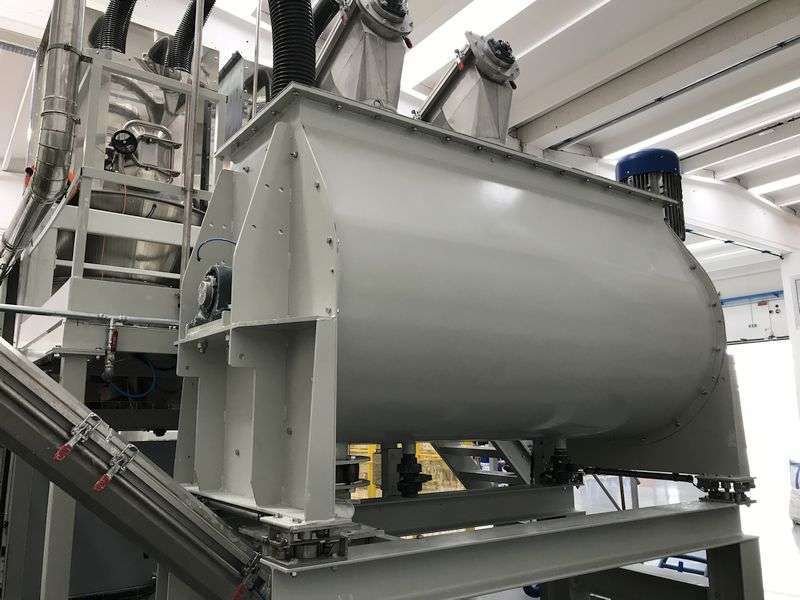
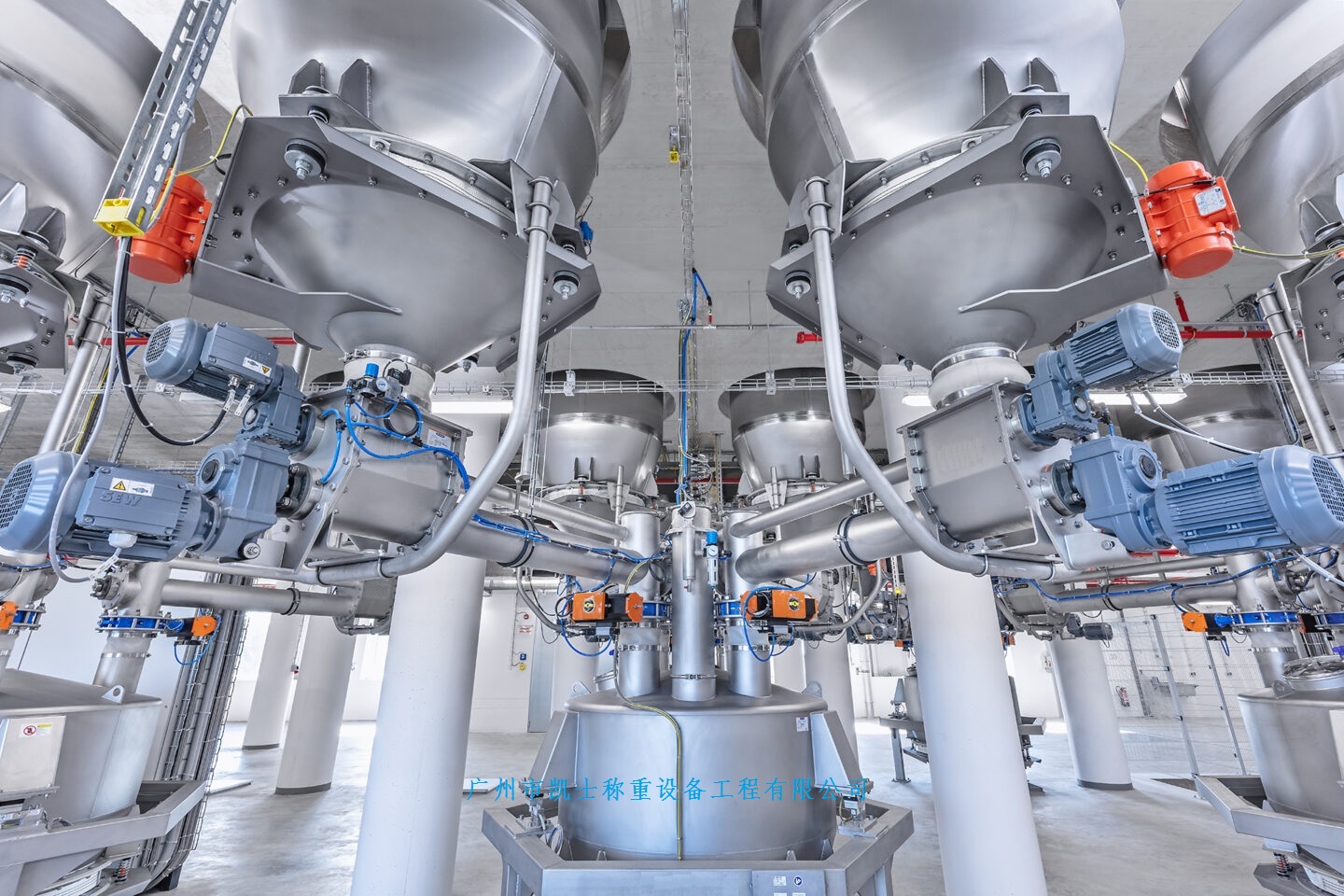
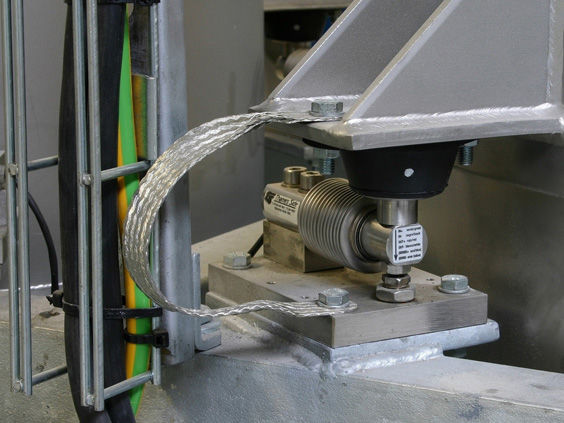
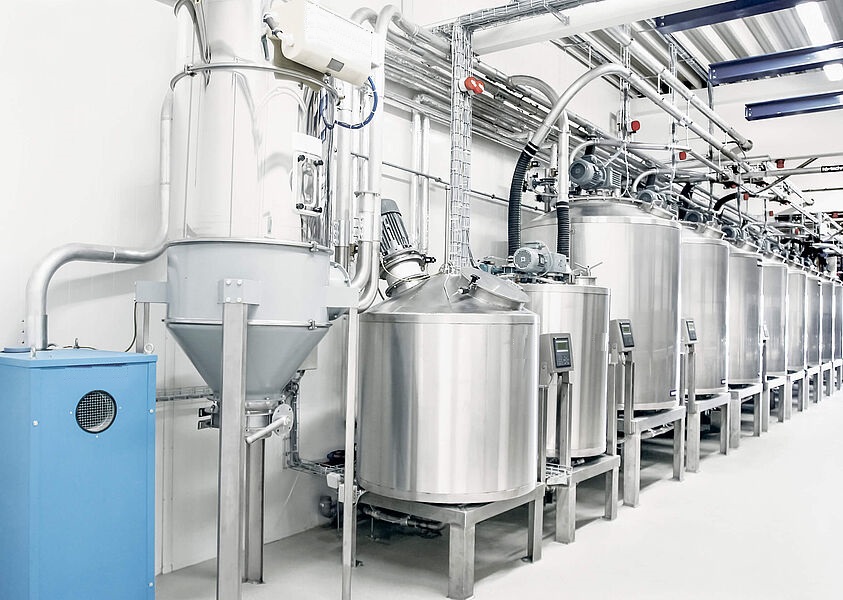
The mixing and weighing system includes a support frame, with a mixing drum fixed on the upper part of the support frame, a mixing motor connected to the bottom of the mixing drum, and a conical hopper fixed below the support frame. The mixing drum is connected to the conical hopper, and a weighing scale is placed below the discharge port of the conical hopper. A weighing instrument is fixed on the weighing scale, and a display is connected to the weighing scale. An electric discharge valve is fixed at the outlet of the conical hopper, and the weighing instrument is connected to the electronic weighing scale and the electric discharge valve respectively. An electrostatic precipitator is installed at the lower end of the conical hopper, and an electrostatic generator is fixed inside the electrostatic precipitator. A dust collection tank is screw connected to the lower end of the electrostatic precipitator. The lower end of the electrostatic precipitator cover and the upper end of the dust collection tank are both formed with protruding edges. The lower end of the electrostatic precipitator cover has several bolt holes, and the upper end of the dust collection tank has corresponding bolt holes. The electrostatic precipitator cover is connected to the dust collection tank through bolts. A hopper scale is installed on one side of the support frame. The hopper scale includes a weighing module, a feeding hopper, a traction motor, and a traction rope. The weighing module is fixed on the support frame, and the two ends of the traction rope are respectively connected to the feeding hopper and the traction motor. There is a feeding tank on one side of the mixing bucket. The top of the feeding tank is hinged with a dust cover, which is connected to the winding motor through a steel wire rope. A contact switch is fixed on the hopper and connected to the winding motor. The weighing system puts the raw materials into the hopper scale, turns on the traction motor, and the hopper motor runs downwards. When the motor of hopper rotates and touches the contact switch, the hopper continues to rotate until the target amount is reached, and the raw materials are poured into the opened feeding tank. After the raw materials are mixed evenly in the mixing drum, they fall into the conical hopper. A packaging bag is placed at the discharge port of the conical hopper, and the electric discharge valve is opened. The powdered refractory material is loaded into the packaging. When the material in the packaging reaches a certain weight, the weighing instrument controls the electric discharge valve to close. At this time, the weight of the packaging is displayed on the monitor, and workers can record it.